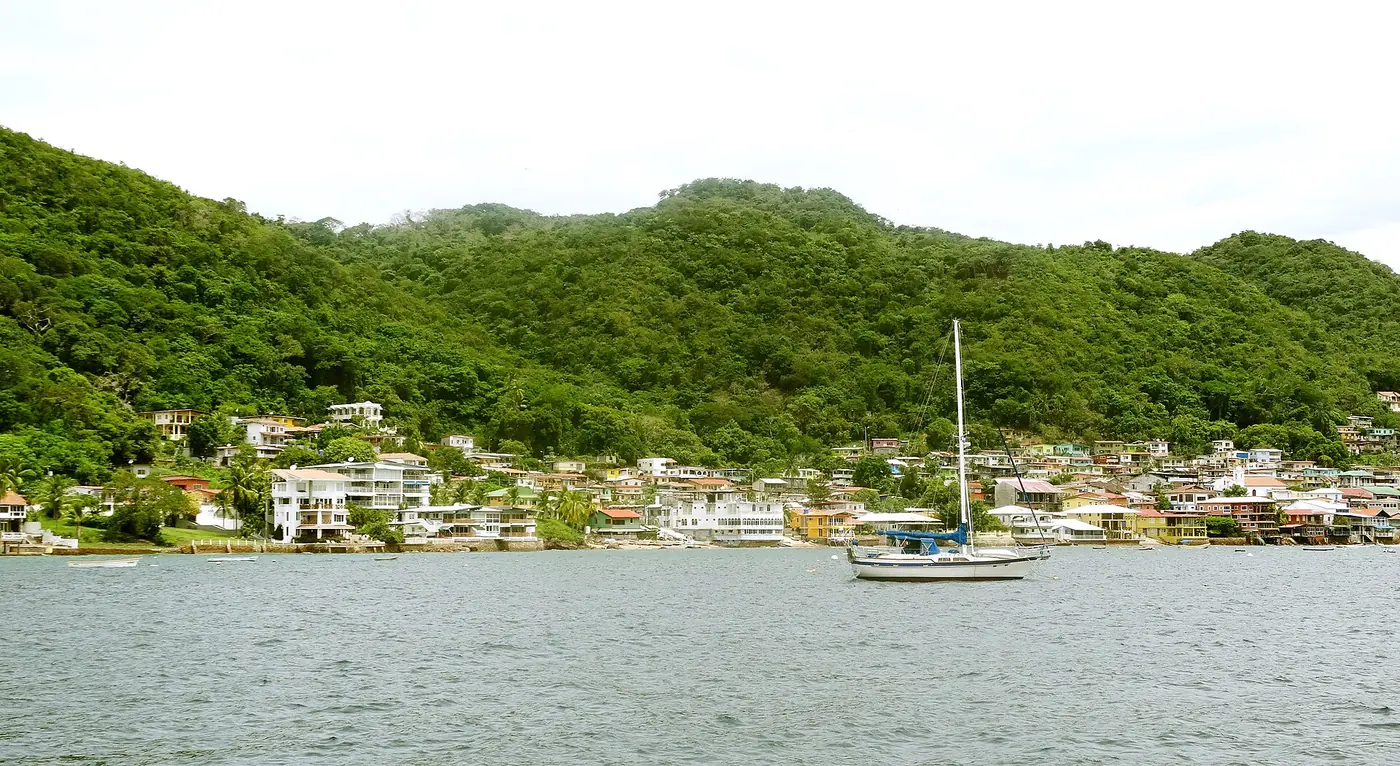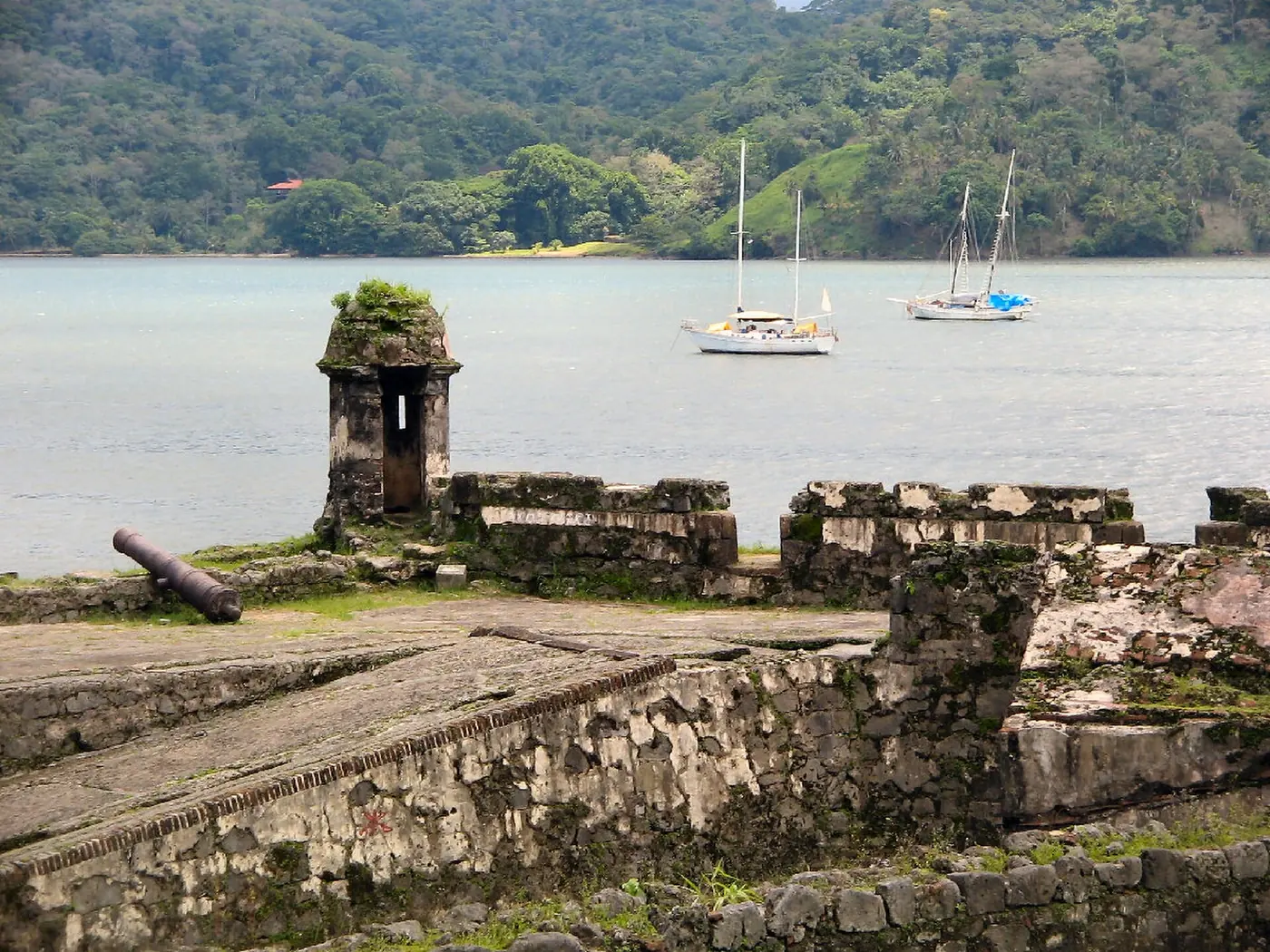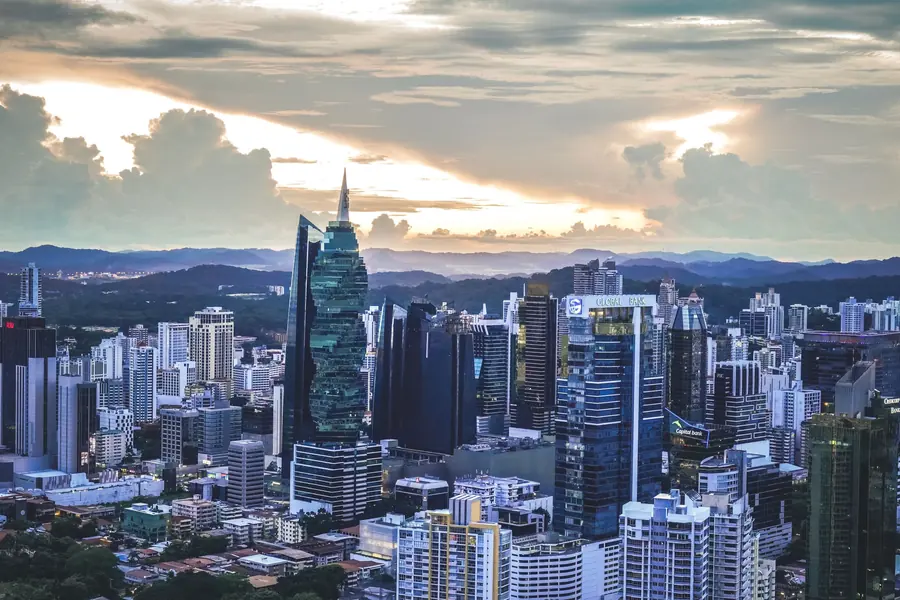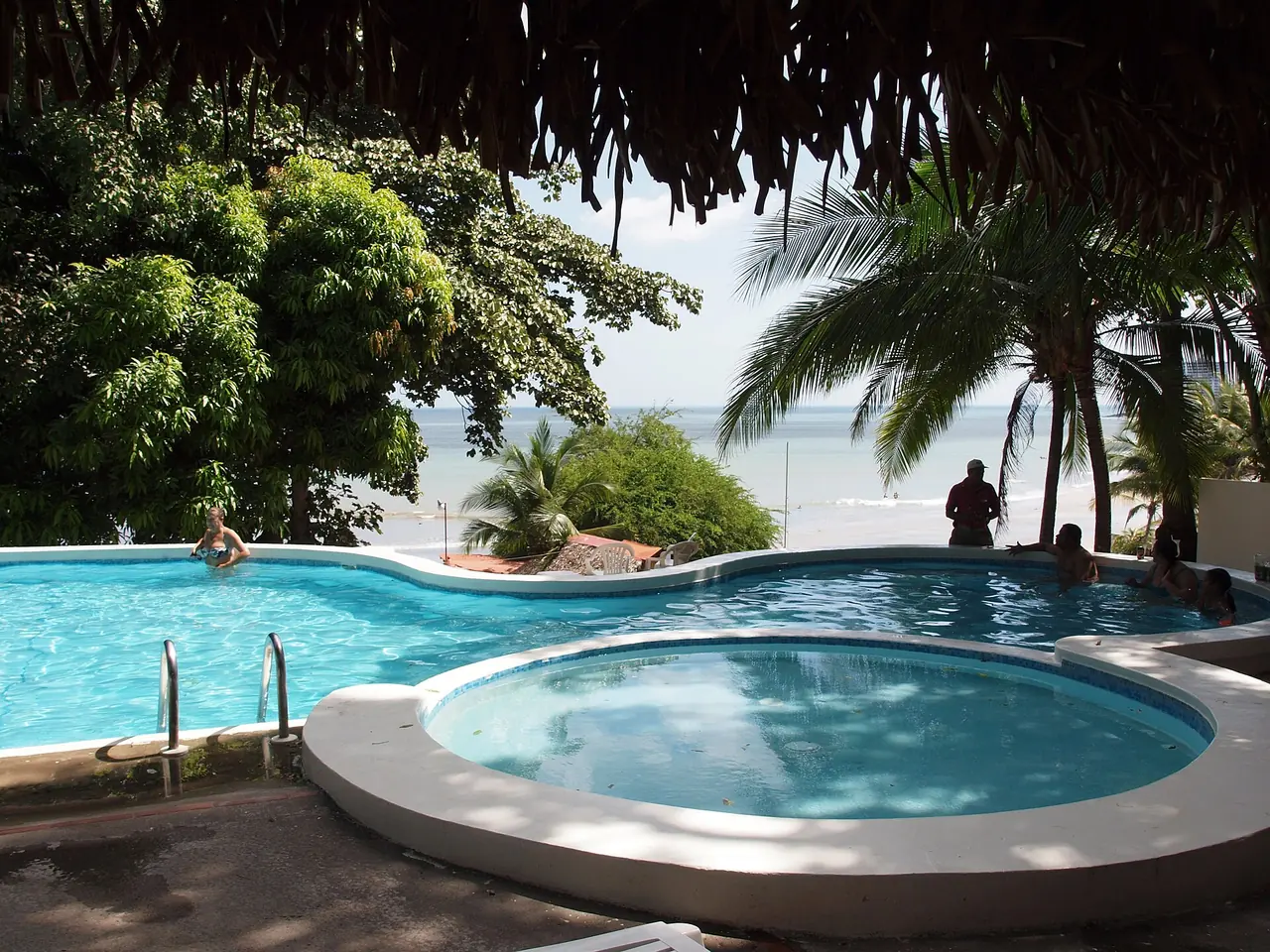
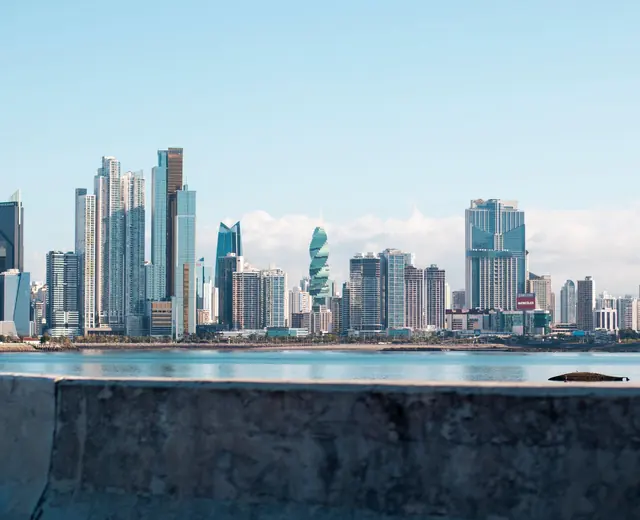
 Panama CityCapital and canal
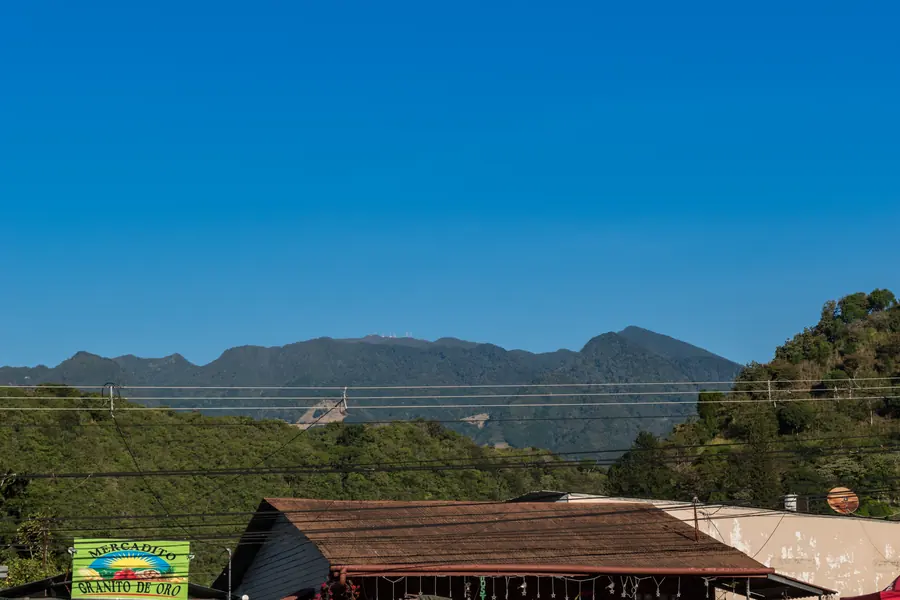
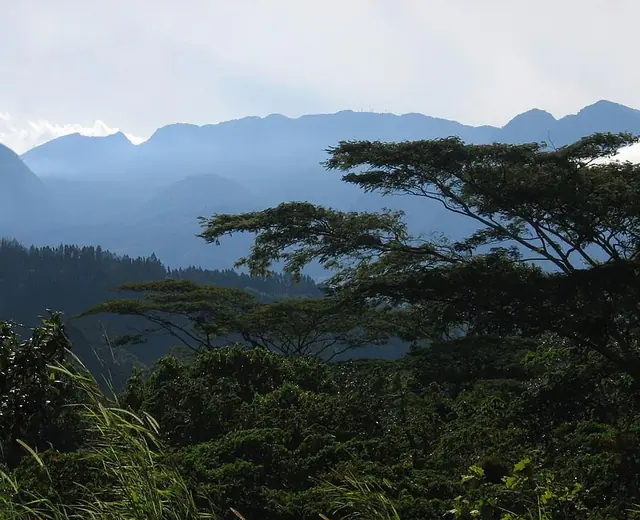 BoqueteCoffee highlands
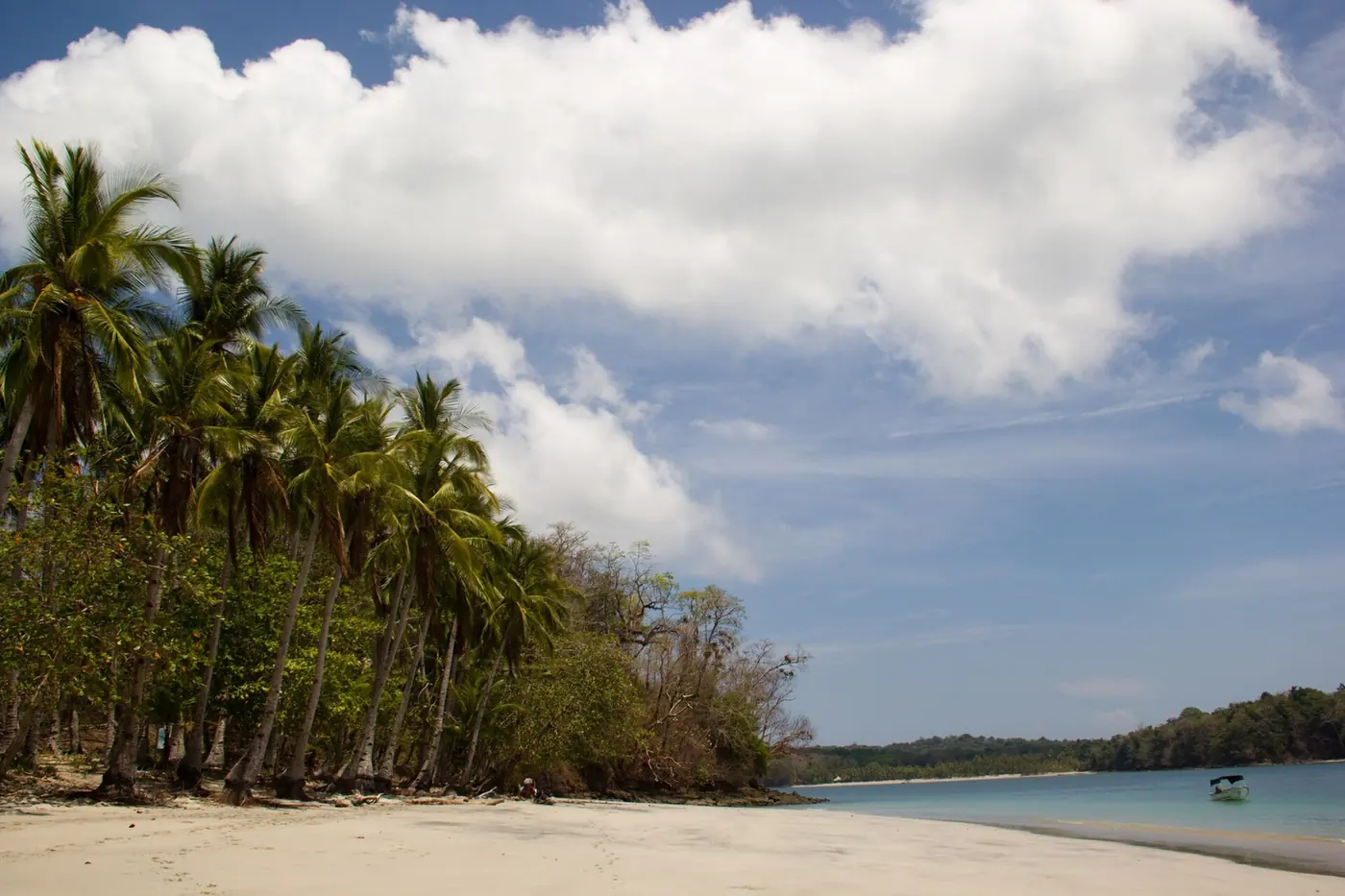
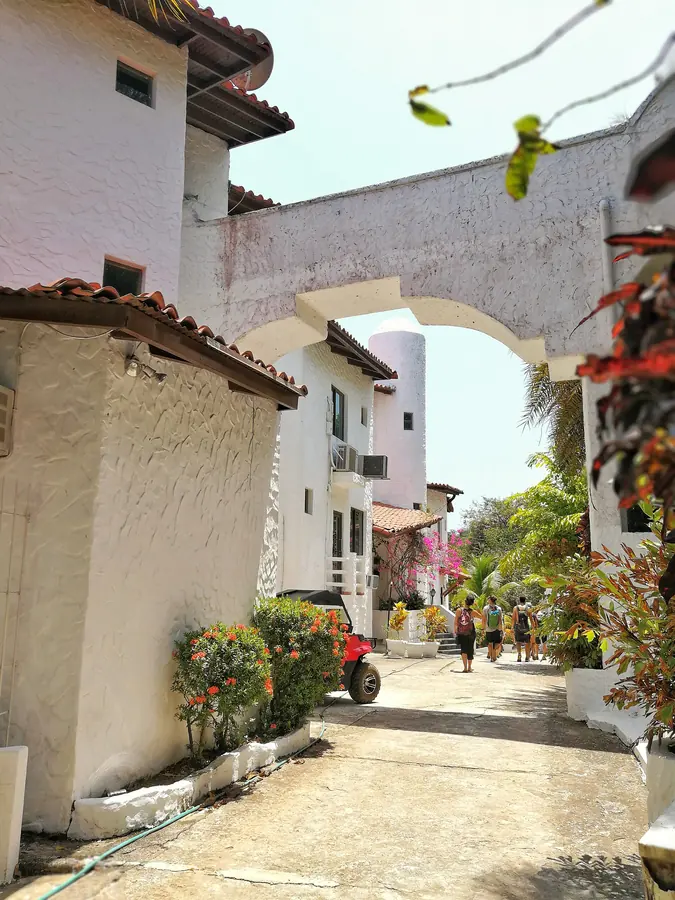
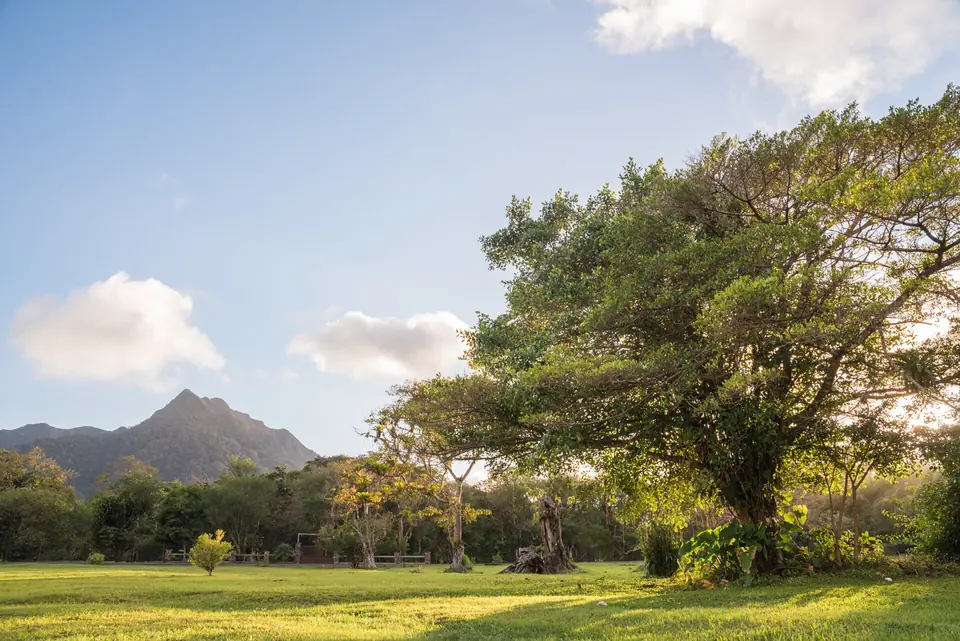
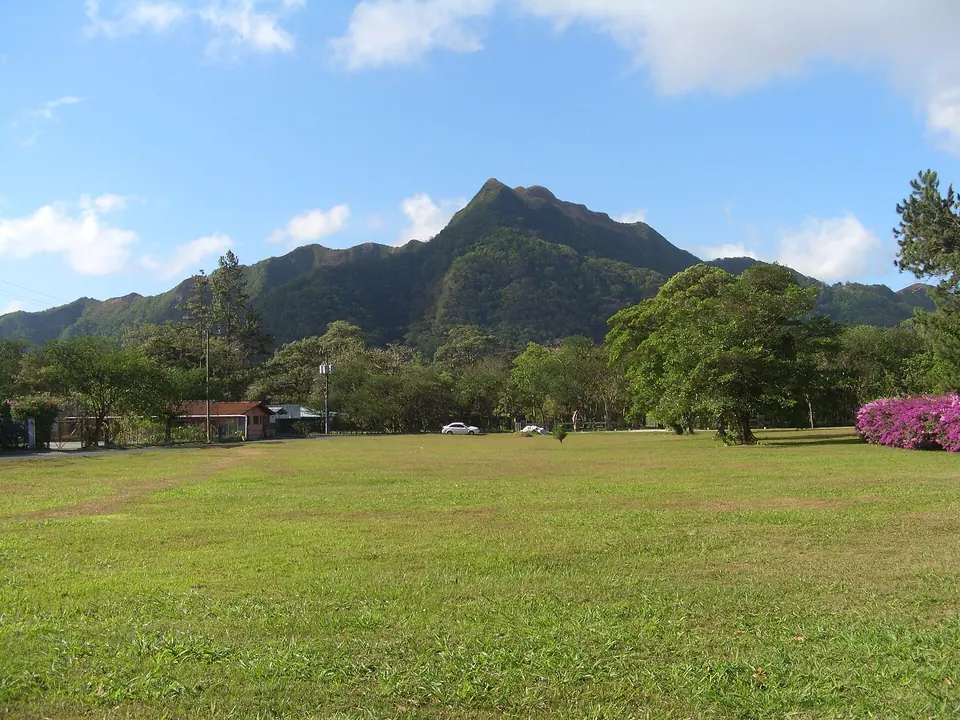 El Valle de AntónVolcanic crater
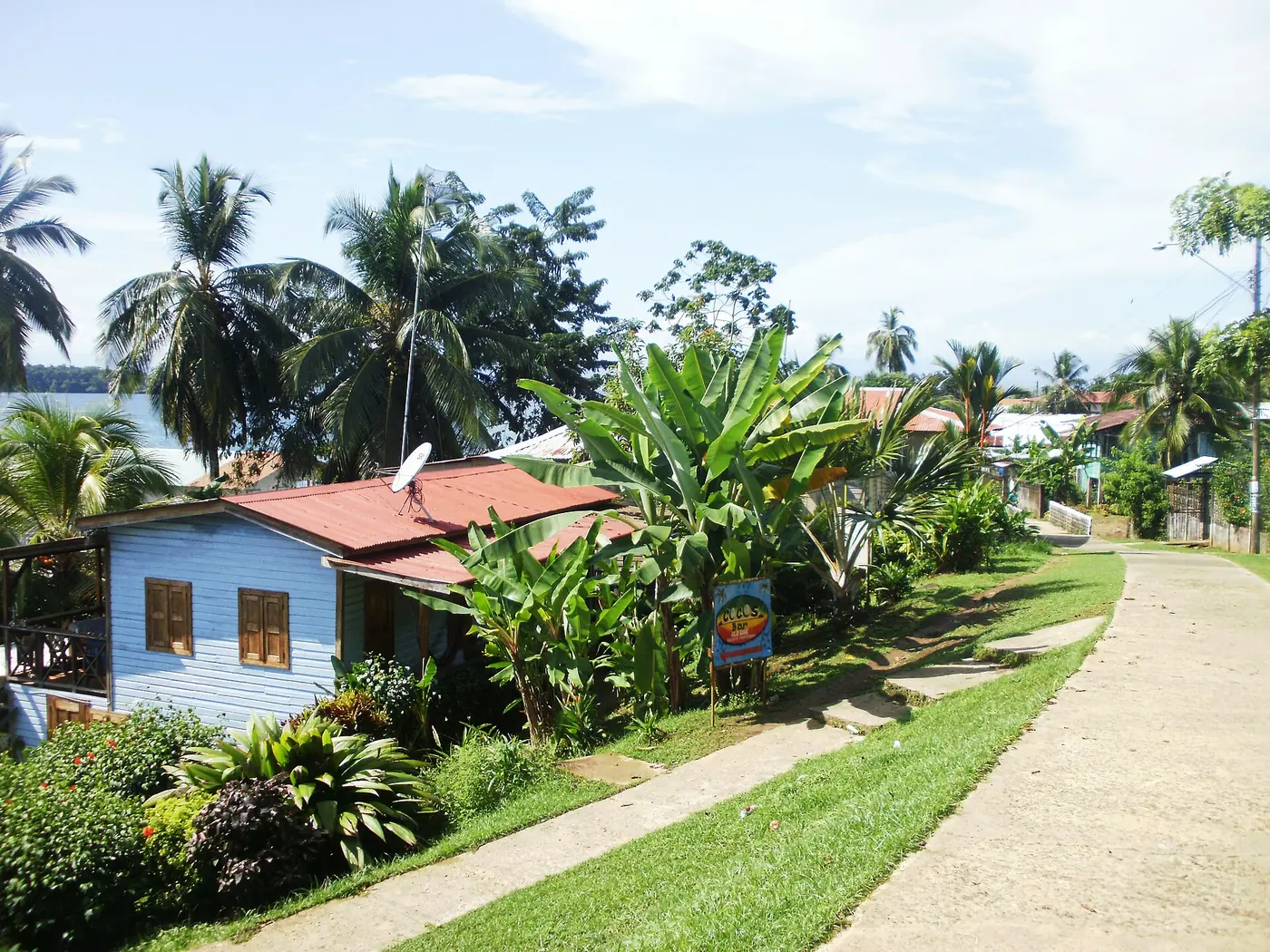
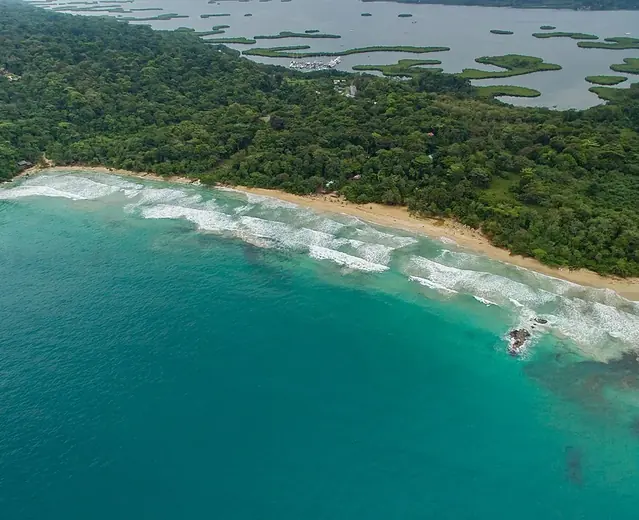 Bocas del ToroCaribbean islands
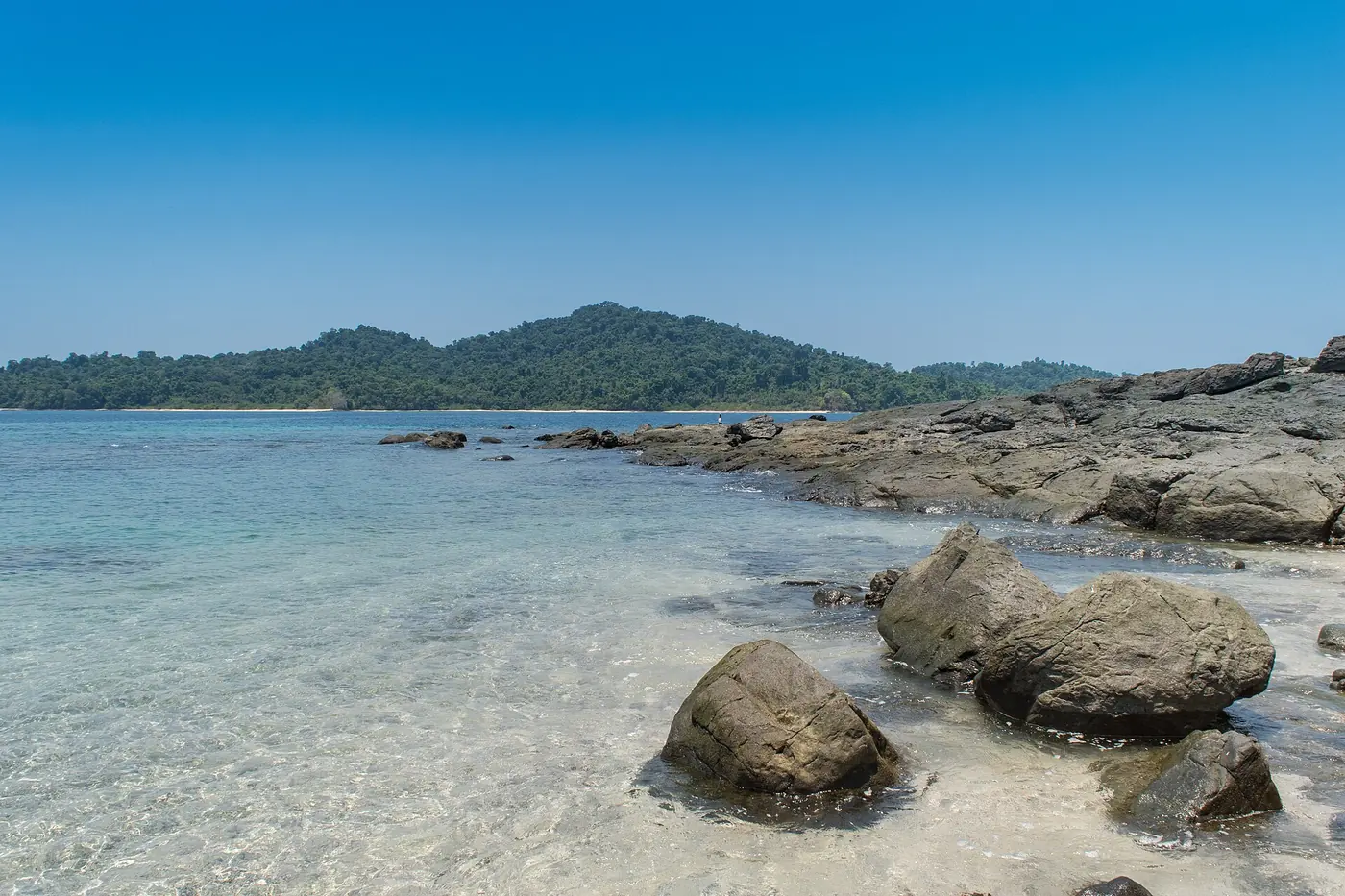
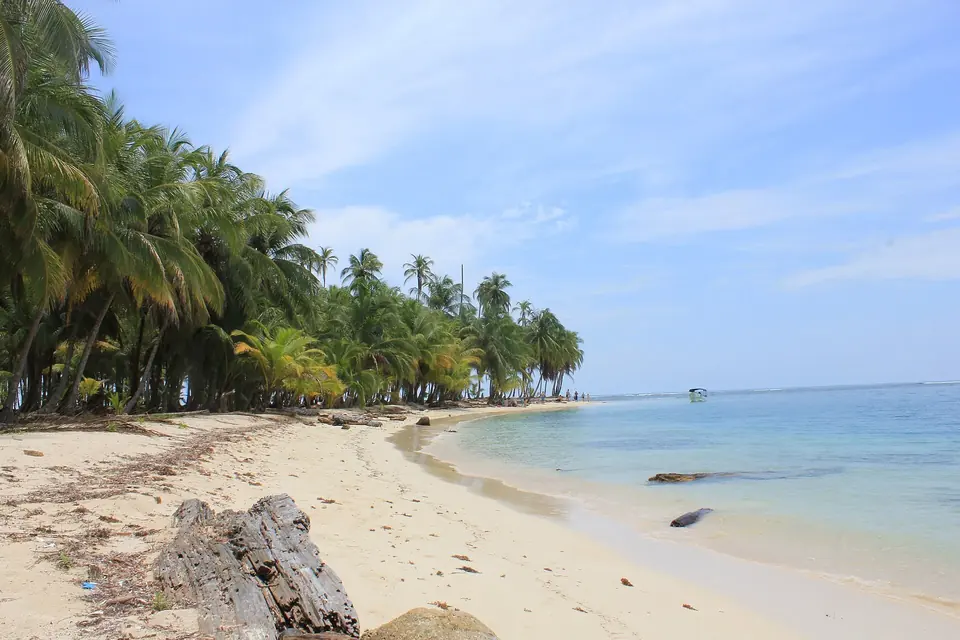 San BlasGuna Yala
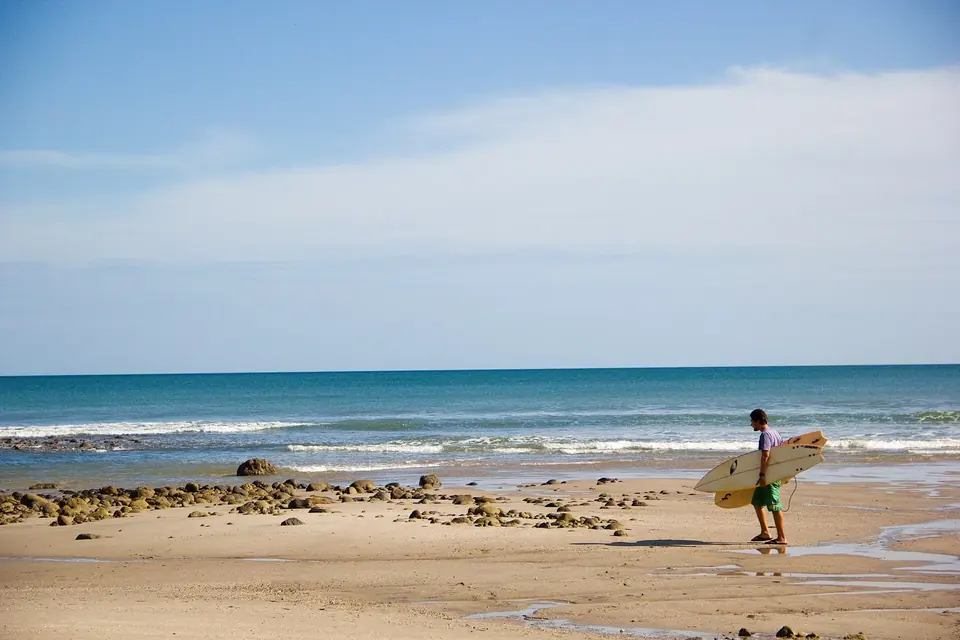
Yes, a foreigner can buy beachfront and land in Panama in their own name, with the same rights as a Panamanian, but only titled private land. The beach and the strip immediately above the high-tide line (22 meters on the Pacific) are public. Much island and coastal land is held only as rights of possession (ROP), and comarca land such as Guna Yala is not for sale to outsiders. Before you shortlist beach homes for sale in Panama, check which of these categories each listing falls into.
Search for beach homes for sale in Panama and the results mix several kinds of property. You get gated-community condos in Coronado, hectare parcels on the Azuero coast, island lots in Bocas del Toro and highland farms around Boquete, often on the same site and in the same price band. What most listings don't say is what kind of right you are buying. Two lots with the same view can be very different things. One may be a registered title you can mortgage, resell and use for residency. The other may be a possession right that the state has never turned into ownership.
This page covers the rules that decide which is which: the public beach strip, titled versus ROP land, islands and indigenous comarcas, the checks raw land needs, the taxes, and where each type of property is found. For the full purchase process and closing costs, see our guide to buying property in Panama as a foreigner.
Can a Foreigner Own Beachfront in Panama?
Yes. Foreigners can own titled property in Panama outright, including land that runs up to the beach, without residency or a special permit.[1] The same rules apply to a Canadian, an American or a Panamanian buying the same parcel.
The limits come from the land itself, not from your passport. Four situations catch buyers out:
- The beach and the strip above it are public. No private title includes them, whoever the buyer is.
- Rights of possession (ROP) are common on coasts and islands. You can buy them, but they are not ownership.
- Indigenous comarcas such as Guna Yala (San Blas) hold land collectively. It is not on the open market.
- Protected areas can freeze possessory rights so they can never be titled.
The table shows what each type of tenure gives you.
| Tenure | What you actually hold | Bank mortgage | Counts for investor residency | Main risk |
|---|---|---|---|---|
| Titled land (finca titulada) | Full ownership, registered in the Registro Público | Yes | Yes, if it meets the minimum | Liens or boundary errors; check the registry Safest |
| Rights of possession (ROP) | Recognized occupation and improvements; the land stays state property | No, cash or seller financing | No | Title may be delayed, contested or never granted |
| Use concession | A time-limited right to use land that cannot be titled | Not a title | No | Term ends; renewal is not automatic |
| Public beach strip | Nothing; public use and access | No | No | Cannot be owned, fenced or built on |
| Comarca land (Guna Yala and others) | Collective indigenous land | No | No | Not for sale to non-members |
Tenure rules as of November 2026. Confirm the status of any specific parcel with a Panamanian property lawyer.
The Public Coastal Strip: The First 22 Meters Belong to Everyone
The beach and the band of land directly above it are public, and no private title can include them. Panama's aquatic resources authority, ARAP, describes the coastal servitude and beach-access zone as running from the high-tide line (pleamar) to 22 meters inland.[2]
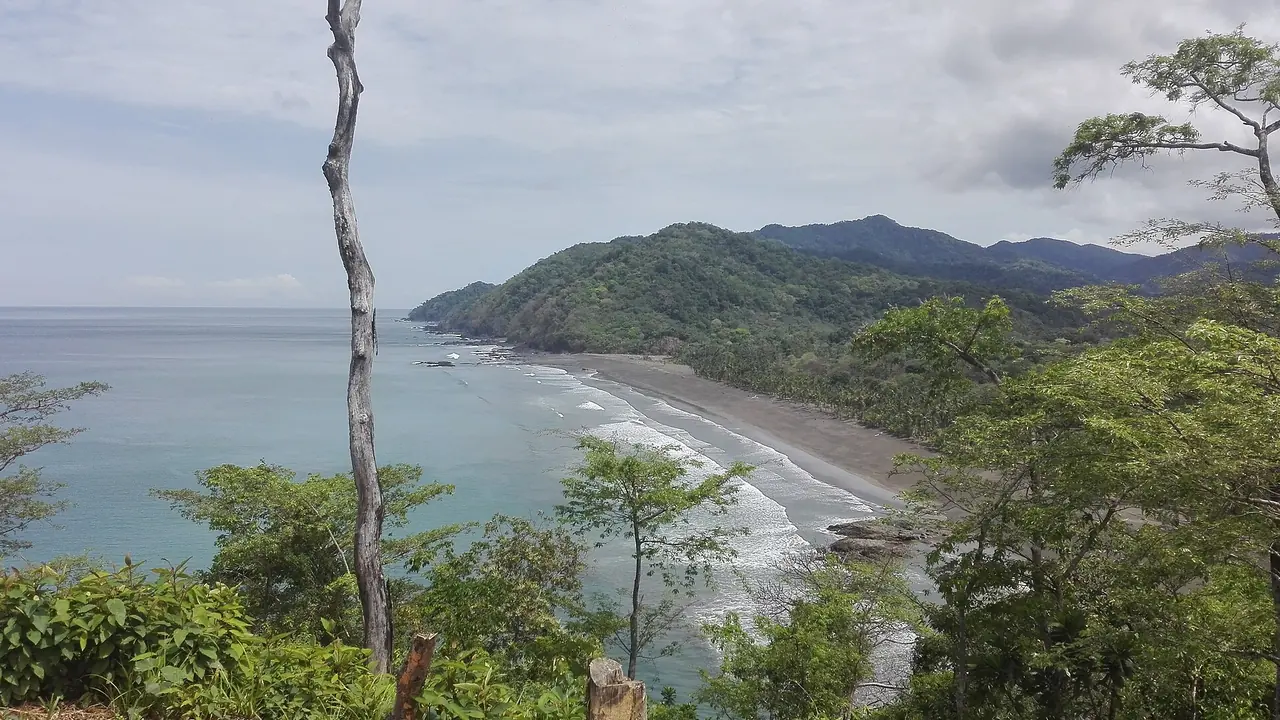
ARAP also defines a much wider "coastal zone" of 200 meters, measured inland from the high-tide line on the mainland.[3] That band is not public land, and private titles exist inside it. It is, however, the area covered by Panama's law on possessory rights in coastal and island zones, Ley 80 of 2009, which is why ROP turns up so often on beach parcels. Summaries of Ley 80 give the public beach strip as 22 meters on the Pacific and 10 meters on the Caribbean. They describe a 20-year renewable use concession for areas that cannot be titled.[4]
Where the Line Is Measured from
The high-tide line is not the waterline you see on a calm afternoon. ARAP sets the inner limit of the beach zone at the reach of waves in the largest known storms, or at the line of the highest equinoctial spring tide, whichever applies. The outer limit is the lowest equinoctial low tide.[5] On a flat beach, that can move the start of the 22 meters well inland from where a seller points.
Mangroves, reefs and seagrass beds are also public property under Panamanian law, not something a coastal title can absorb.[6] A lot advertised as "with mangrove frontage" has public land on that side, not extra private land.
What It Means for a Beach House
- No building, pool or wall inside the strip. Your house and its fixed structures sit behind it.
- No fencing off the beach. The public keeps the right to walk along it and reach it.
- "Frontage" means length, not ownership to the water. A Costa Pedasí lot listed with 35 meters of premium frontage has 35 meters along the coast, measured behind the public strip.[7]
- Second-row lots are a real alternative. Agencies list "second line" lots near the beach in places like Costa Pedasí. They have no strip issue at all and are usually priced below the front row.
Ask for a survey plan that shows the high-tide line and the 22-meter strip on the drawing, not just the lot boundary. If the buildable area behind the strip is smaller than the listing implies, you want to know before you agree on a price.
Titled vs ROP Land, and How to Title ROP Land
Titled land is ownership registered in the Registro Público. ROP (derechos posesorios, rights of possession) is not a title at all: the state still owns the land, and you hold a recognized right to occupy and improve it. The difference shows up in the price, in financing, in residency eligibility and in how easily you can sell later.
- Finca titulada
- A titled property with its own registry entry (folio) that records the owner, the area and any mortgage or lien. It can be sold, inherited and mortgaged.
- Derecho posesorio (ROP)
- Possession recognized by the state, plus whatever has been built or planted. The seller passes on the improvements and the expectation of title, not the land.
- ANATI
- The National Land Administration Authority, which handles cadastre, surveys and the titling of possessory rights.
- Edicto
- The public notice published during titling so neighbors and anyone else with a claim can object.
What ROP Gets You, and What It Doesn't
Possessory rights in coastal and island zones fall under Ley 80 of 2009. On islands, the law generally requires more than five years of proven possession before land can be titled.[4] ROP parcels can be bought and sold, but a bank will not take a derecho posesorio as security for a mortgage. ROP buyers generally pay cash or negotiate seller financing.[8] ROP land also does not qualify for any residency-by-investment route.
Some sellers advertise that no annual property tax applies while land remains a derecho posesorio.[9] That claim comes from the seller, not from a registry check. It also reflects the basic problem: there is no registered asset to tax, mortgage or easily resell. By several accounts, possession can be lost through abandonment, in some cases after about a year without occupation. An absentee owner of an empty ROP lot carries a risk that a titled owner does not.
How ROP Becomes Titled Land
ANATI was created by Law 59 of 8 October 2010 to speed up the recognition and titling of possessory rights across the country.[10] It runs 13 provincial directorates and says it has issued more than 150,000 titles.[11] The usual sequence for an uncontested case looks like this:
File the claim with ANATI
A lawyer submits a written request with proof of more than five years of public, peaceful, uninterrupted possession.
Georeferenced survey about $800-3,500
A licensed surveyor produces a plan tied to coordinates, which ANATI checks against neighboring parcels.
ANATI inspection
Officials visit the land to confirm the boundaries and the possession described in the file.
Public notice and objections 15 business days
An edicto is published and adjoining owners are notified. Any valid objection stops the clock.
Appraisal and payment for the land
The land is appraised, and in onerous adjudications the applicant pays the official land value to the state.
Adjudication, deed and registration
ANATI issues the adjudication resolution, a public deed is signed, and the property is inscribed in the Registro Público with its own folio.
Costs usually run from about $3,500 to $12,000 in surveys, legal and official fees, plus the land value paid to the state. Timelines are quoted very differently. Some Panamanian law firms put an uncontested case at 6 to 12 months, while others say one to three years or more. An objection during the edicto can add far longer than either estimate.
Should You Buy ROP Land?
Buy ROP only if you would be content holding it as ROP indefinitely. Price it as a possession right, not as titled land at a discount, and never on the promise that a title is "almost done." Before any money moves, a lawyer should check four things: the chain of possession, whether neighbors are likely to object, whether the parcel overlaps a protected area or comarca, and whether part of it lies in the public strip. Where possible, tie a large share of the price to the title actually being registered. For buyers who need a mortgage, residency or a clean resale, titled land is the only realistic choice.
Islands, Comarcas and Protected Areas: What's Different
Islands combine every risk on this page: more ROP, public mangroves and seabed, boat-only access and, in some regions, indigenous territory. Titled island land does exist, especially on Isla Colón in Bocas del Toro, but you have to confirm it parcel by parcel.
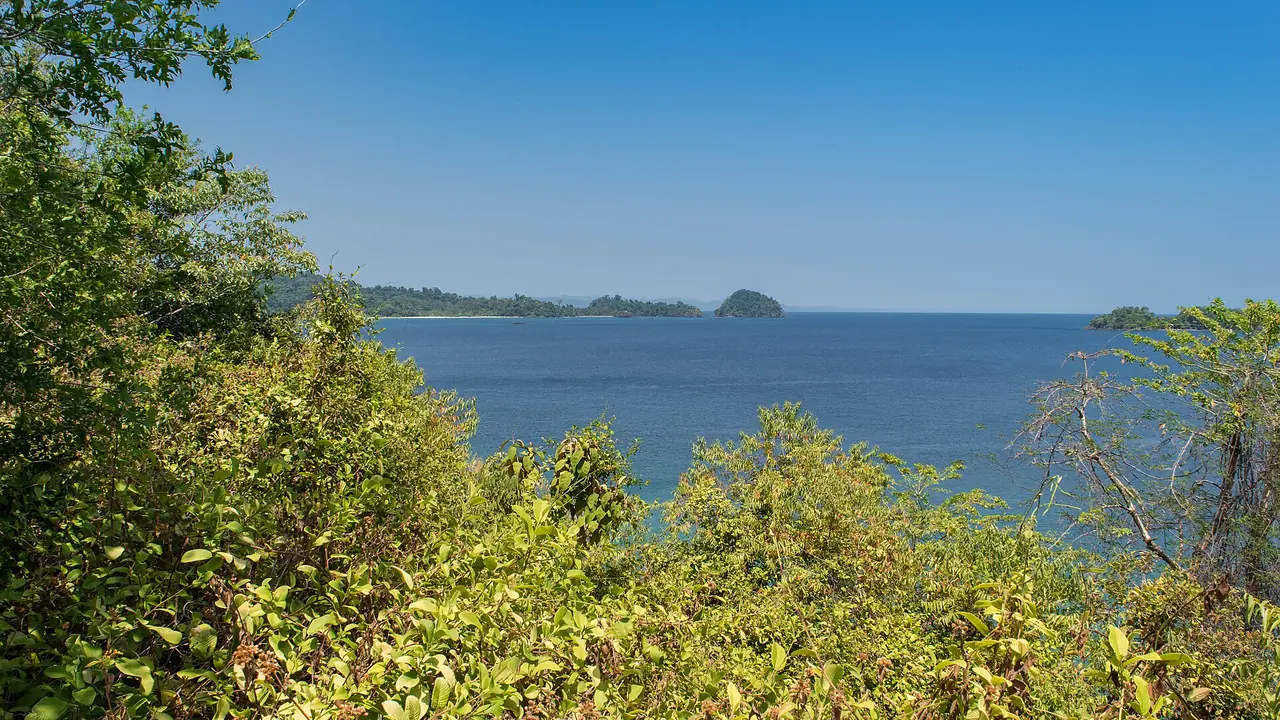
Bocas del Toro: Titled Lots Exist, ROP Is Common
On Isla Colón, agencies list a titled 3,667 m² forest lot at Bluff Beach for $199,000.[12] Titled lots with road and sea access near Bocas Town are listed from $135,000.[13] On smaller islands, possession rights are more typical. One seller on Isla Solarte describes its ROP as "titulable," which is a hope, not a fact, until ANATI says so.[9] Our guide to Bocas del Toro real estate, island homes and land for sale goes island by island.
Some Bocas listings advertise the "possibility of building over the water," such as a titled 1-acre waterfront lot listed at $125,000.[14] The seabed beyond the low-tide line and the mangroves are public, as the coastal-strip section explains. Anything built over the water therefore sits on state space and needs state authorization. A listing that mentions it is not a permit. Ask for the authorization itself, or assume you cannot build there.
Flights from Panama City take about an hour, with around three direct flights a day.[15] By road, it is about 3.5 hours from David or Boquete to a launch point, then a high-speed boat.[16] Our guide on how to get to Bocas del Toro covers each route. Every building material for an island house makes the same trip.
Comarcas: San Blas and Other Indigenous Lands
Panama has six legally created indigenous comarcas: Guna Yala (1938), Emberá-Wounaan (1983), Madungandi (1996), Ngäbe-Buglé (1997), Wargandí (2000) and Naso Tjër Di (2020).[17] Their land is held collectively, so a parcel inside one is not a normal real estate transaction. Check comarca boundaries before you look at anything in western Panama, Darién or the San Blas coast.
In Guna Yala, Law 16 of 1953 bars awarding comarca land to anyone outside the community unless two separate Guna congresses approve.[18] The Guna's own Ley Fundamental of 2013 goes further. It calls the land inalienable, allows no sale or permanent lease, and permits only congress-authorized use agreements of up to 10 years.[18] The Panamanian state has not approved that law, but Guna authorities apply it in practice, and Law 16 of 1953 remains the governing statute.[19] Tour and charter operators in the area say San Blas islands change hands only among the Guna.[20] An "island for sale in San Blas" offered to a foreigner is not a purchase you can register. Our San Blas Islands (Guna Yala) guide explains how visiting and staying there works instead.
Protected Areas
National parks and reserves can lock possessory rights in place permanently. Inside Parque Nacional Darién, a 2026 executive decree says pre-1980 possessory rights may not be extended or regularized, and cannot give rise to new titles.[21] The rules differ by area, but the lesson holds: if a parcel touches a park, reserve or wetland, find out what that area's management rules say before you treat the ROP as titlable.
Buying Raw Land in Panama: Access, Water, Power, Permits
With raw land, the price you pay for the lot is often the smaller cost. What decides the real cost is whether a road, water and power reach the site, and whether you can legally build what you have in mind. Listings tend to be vague on exactly these points.
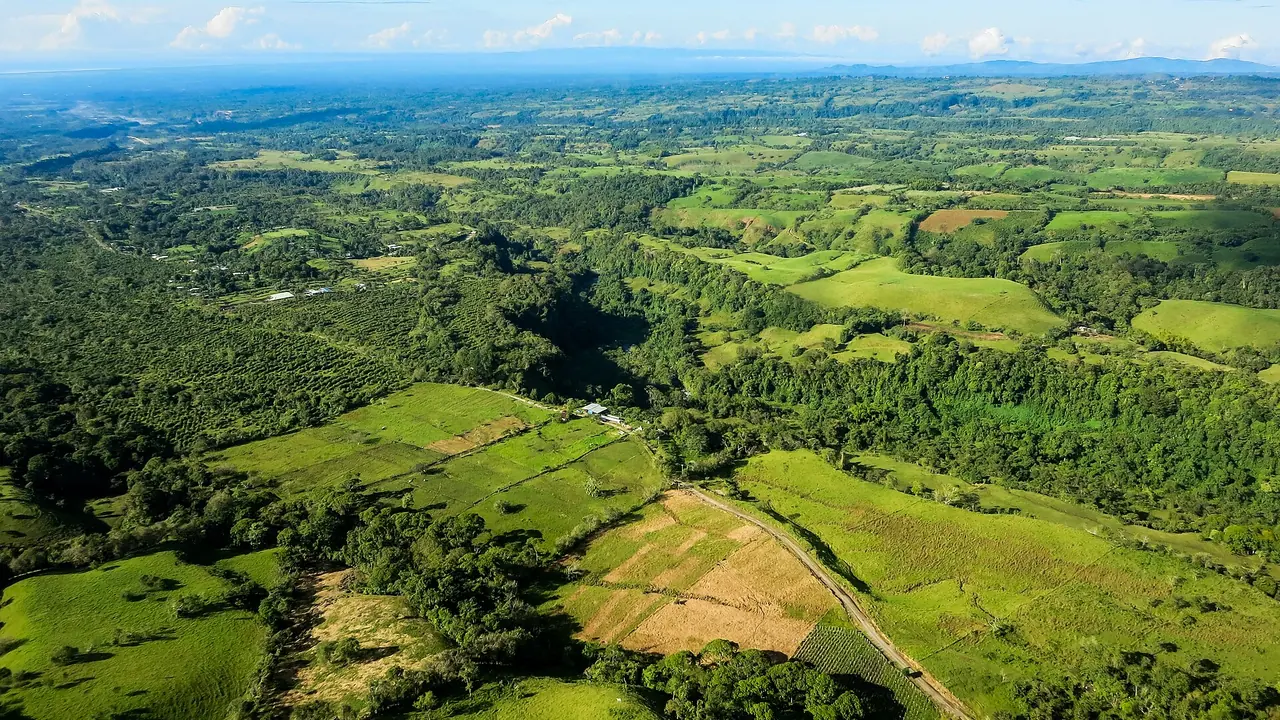
Access
Check whether the road to the lot is public or crosses a neighbor's land, and if it crosses, whether a right of way is registered. A track a seller drives today is not a legal right of access for you. On the coast and islands, "sea access" can mean the only access. A boat-only lot means a dock, a boat, fuel and weather days for the life of the property.
Water and Power
Read utility wording closely. An Alto Jaramillo lot near Boquete, listed at about $250,000 for 9,903 m², has water and electricity "already installed" on the parcel.[22] A titled 4.4-acre parcel in Caldera, advertised at about $88,000, says electricity and water are available "nearby."[23] Bringing "nearby" service to a lot can mean poles, trenching, a well or a water tank, and those costs belong in your budget before you make an offer.
Off-grid homes are common on the Azuero coast. Agencies list a solar-powered home near Pedasí and an off-the-grid two-bedroom house on a beachfront estate outside town.[7][24] Off-grid works, but price in solar panels, batteries, water storage and the upkeep that salt air demands. Lots sold as "ready to build" with utilities, such as titled lots in Cañas near Playa Venao, skip most of that work.[7]
Survey, Boundaries and Permits
Commission your own survey rather than relying on the seller's plan. Compare it with the area recorded in the registry, and with the coastal strip and any river or wetland edges. Building needs plans and a permit from the local authorities, and coastal or wetland sites can face environmental review. Ask an architect who works in that district what the approval path looks like before you buy, not after.
Checklist Before You Sign
- A current Registro Público certificate showing the owner, the area and any mortgage or lien, or confirmation that the land is ROP
- ANATI cadastral information that matches the survey
- The high-tide line and 22-meter strip plotted on the plan for any beach lot
- Confirmation that the parcel is outside any comarca or protected area
- Legal access by road, or a realistic plan for boat access
- Written confirmation of water and power at the boundary, or quotes to bring them in
- An architect's view on what the local permit rules allow you to build
Where to Find Beach Homes for Sale in Panama: Pacific vs Caribbean
Most beach homes and beach land for sale in Panama are on the Pacific side, from the beaches west of Panama City down to the Azuero Peninsula. The Caribbean market is concentrated in Bocas del Toro, with occasional large tracts elsewhere. One example is 4 hectares of Caribbean beachfront near Salud, Colón, listed at $659,000.[25] The Pacific side offers more infrastructure and more titled inventory. The Caribbean offers islands, boat-based living and more ROP to sort through.
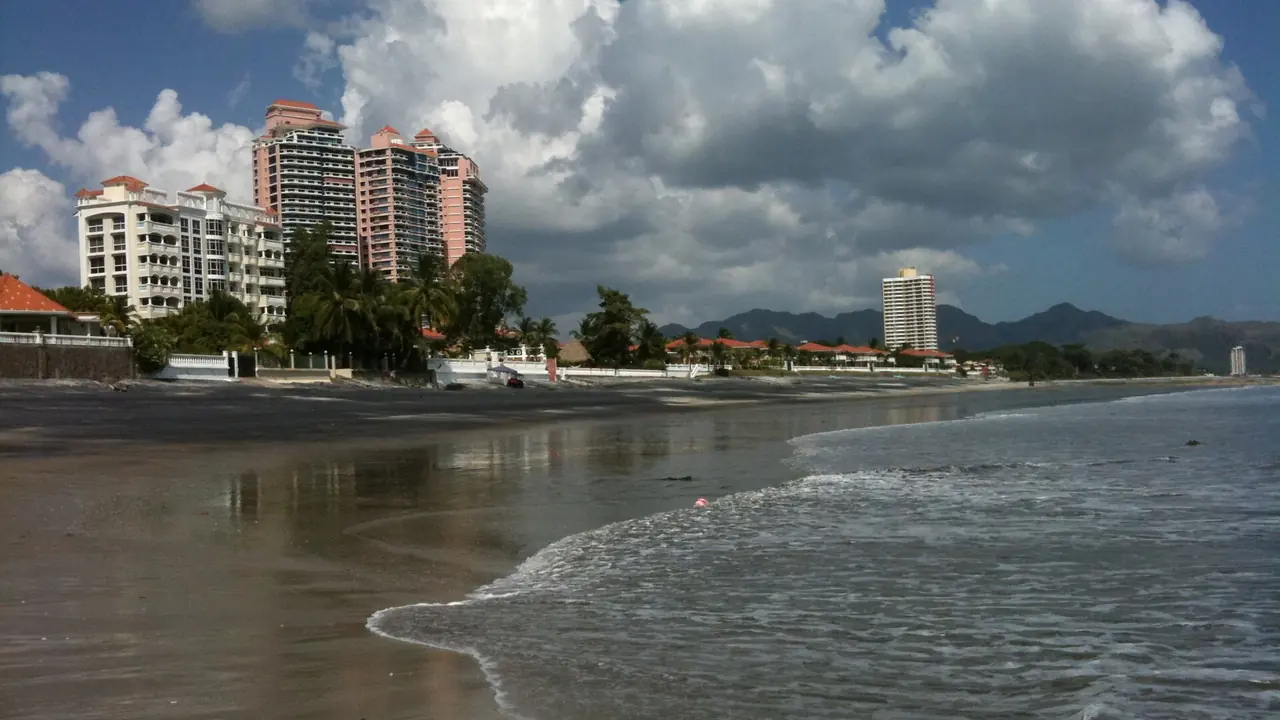
Coronado and Panamá Oeste
Lots from $57,000Gated communitiesClosest to the cityCoronado is the most established beach town, with malls, hospitals and gated communities.[26] Condos and golf-community lots dominate, and Playa Caracol developments sit less than an hour from Panama City.[7]
Azuero: Pedasí, Playa Venao, Cambutal
Lots from $80,000Hectare parcelsSurf coastBeachfront here is sold in hectares with frontage quoted in feet, often with no price published. Gated-community lots at Los Islotes start from $80,000.[25] Titled oceanfront and hillside parcels are listed near Cambutal.[7]
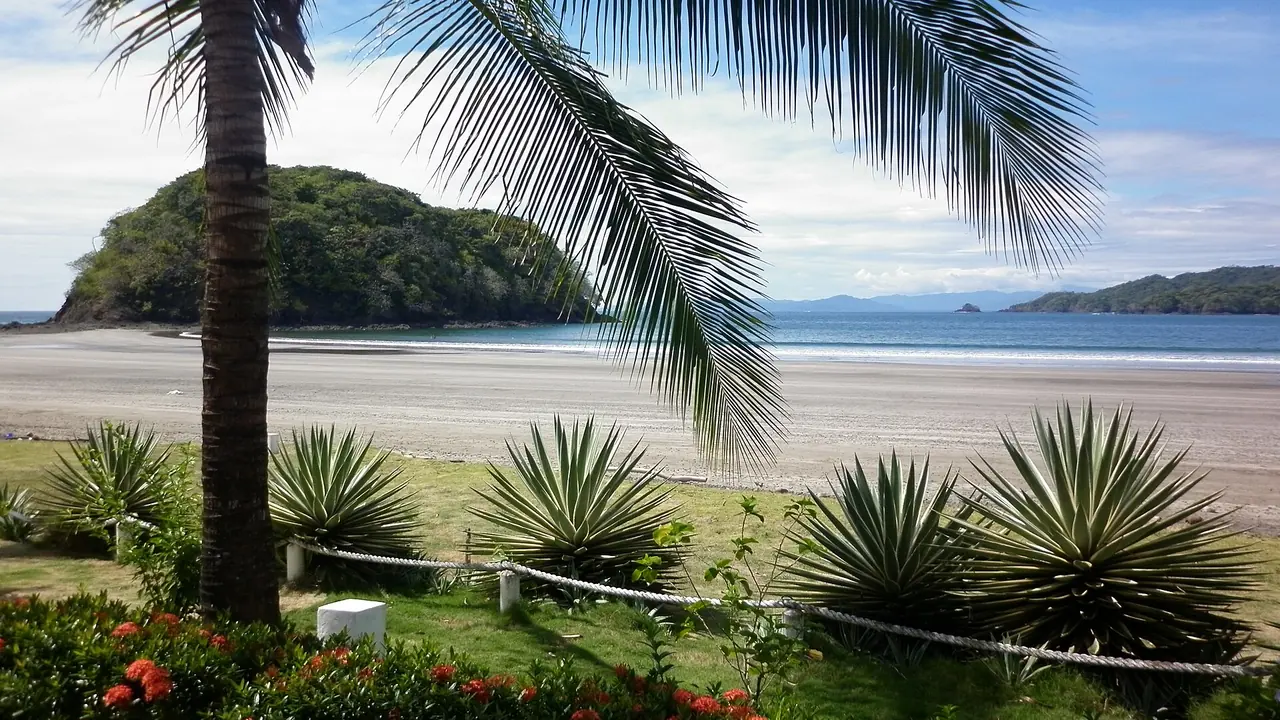
Bocas del Toro
Titled lots from $125,000Boat or 1-hour flightROP commonThe archipelago has hundreds of islands and islets, many uninhabited, and travel between them is by water taxi or small boat.[16] Asking prices on agency index pages run from five figures to eight. One page shows $75,000 to $10 million and another $165,000 to $14 million, so treat any range as a snapshot.[27][16]
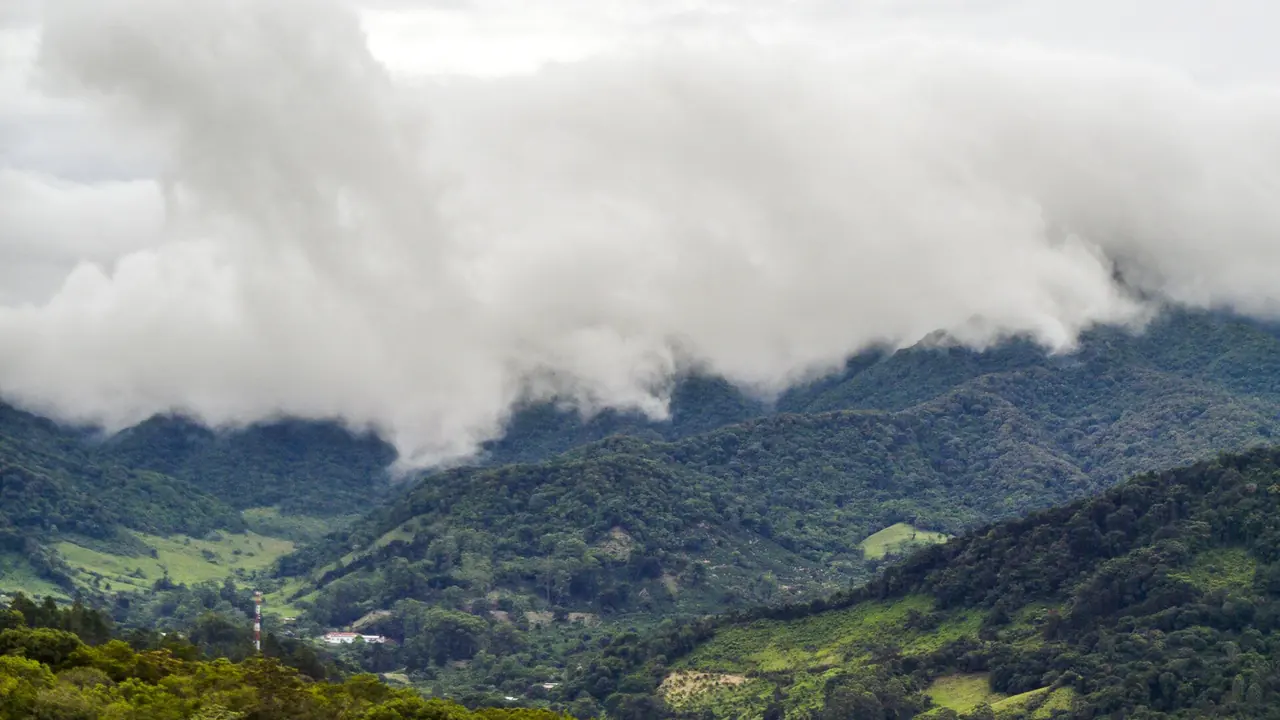
Best for island living, if you verify the titleBoquete Highlands
Lots from $46,500No beachCool climateBoquete is a mountain market, not a beach one, but it draws many of the same buyers. The cheapest Boquete-area parcel on one major portal is a Palmira lot at $46,500, and large Caldera and Dolega tracts run into the hundreds of thousands and beyond.[28]
Each area has its own guide. Read Coronado, Panama real estate, homes, condos and gated communities for the Panamá Oeste beaches. Read Pedasí and Playa Venao real estate on the Azuero coast for the surf coast. Read Boquete real estate for the highlands.
| Area | Listing | Size | Asking price | Title stated |
|---|---|---|---|---|
| Palmira, Boquete | Land parcel | 46,608 sq ft (about 4,330 m²) | $46,500 | Not stated |
| Gorgona, Chame (Coronado area) | Lot, Villas del Pacífico | 6,692 sq ft | $57,000 | Not stated |
| Downtown Pedasí | 3-bedroom house | 447 m² | $80,000 | Not stated |
| Caldera, near Boquete | Flat parcel | 4.4 acres | about $88,000 | Titled |
| Coronado, Palmeras del Golf | Lot | 10,633 sq ft | $110,000 | Not stated |
| Bocas del Toro, near town | Waterfront lot with boat ramp | 1 acre | $125,000 (land) / $265,000 with 1,000 sq ft home | Titled Titled waterfront |
| Bluff Beach, Isla Colón | Forest lot | 3,667 m² | $199,000 | Titled |
| Playa Venao | 2-bedroom condo, Blue Venao | Not stated | $217,000 | Not stated |
| Isla Colón | Beachfront lot | 7,120 m² | $900,000 | Not stated |
| Punta Barco, San Carlos | Large coastal tract | about 2.5 million sq ft | $7,990,000 | Not stated |
Owners' and agencies' asking prices on listing sites as of November 2026, not sale prices. "Not stated" means the listing does not say whether the land is titled; ask before you go further.
Pacific Beach Homes and Condos
On the Panamá Oeste coast, condos are the usual entry point. A two-bedroom, 66 m² unit at The Edge Marbella is listed at $229,250, and a 173 m² two-bedroom at Margaritaville Beach Resort at $467,750.[26] Detached houses span a wide range, from $95,000 in Manantial de Las Tablas to $550,000 for a three-bedroom villa in Las Lajas, Chame.[29] On the Azuero coast, houses in the Villas Coco del Mar gated community in Las Tablas start from $199,000. Blue Venao penthouses at Playa Venao are listed between $465,000 and $510,000.[24] Buying a unit in a building raises its own questions about HOA fees and pre-construction risk, which our guide to Panama condos for sale to foreigners covers.
Caribbean and Island Property
Bocas del Toro inventory runs from lots and small houses to waterfront hotels. A titled 1,898 m² waterfront property with 497 m² of construction is listed at $699,000.[30] Lots, homes, villas and condos at the Red Frog Beach development range from $225,000 to $750,000.[24] Large Caribbean acreage can look cheap, for example 31-plus acres in a protected bay listed at $160,000.[24] At prices like that, title status, access and whether the land can be built on are the first questions to ask.
Boquete and Highland Land
Highland land prices depend on views, elevation and utilities more than on lot size. In Volcancito, 23,681 sq ft is listed at $330,000. In Palmira, 14,604 sq ft is listed at $69,000, and land in the Boquete Country Club development at $158,502.[28] A 49,086 m² estate in Caldera is listed at $295,000, negotiable.[31] Built homes at Boquete Country Club are listed from $395,000 to $445,000.[31]
Land in and Near Panama City
Land inside the capital is mostly sold as development sites or with an existing house. A two-story house on a 995 m² lot in Diablo, Ancón, is listed at $650,000.[29] Buyers who want a lot to build a beach house on usually look an hour or more west of the city rather than within it.
Taxes and Residency When You Buy Land or a Beach House
Owning titled property in Panama brings an annual property tax, a capital gains tax when you sell and, for some buyers, a path to residency. ROP land sits outside most of these rules, including residency.
Transfer Tax and Capital Gains When You Sell
The property transfer tax (ITBI) is 2% of the higher of the sale price and the cadastral value.[32] The cadastral base is adjusted upward by 5% for each full calendar year the seller has held the property.[33] The seller normally pays it.[34] Since 1 September 2026, Law 546 of 2026 exempts the first B/.120,000 of the taxable base on the first sale of a new home, provided the sale is formalized within two years of the occupation permit.[35] Resale beach houses and plain land do not qualify.
Capital gains tax on property is 10% of the gain. The seller pays an advance of 3% of the price before the deed is registered, and can file to be taxed on the actual gain if that works out lower.[36] Sellers acting in the ordinary course of business, such as developers, pay 3.75% instead.[37] Ignore listing sites that say Panama has no capital gains tax on property; the DGI's own capital gains form applies to sales of real estate.[38]
Non-resident sellers pay the same 3% advance and 10% effective rate. The practical difference is that you need a local attorney-in-fact with notarized power to file the form, pay at the bank and recover any refund.[36]
Annual Property Tax
Panama's annual property tax under Law 66 of 2017 is charged on cadastral value in progressive bands from 0% to 1%. A lower table applies to a registered primary residence.[39] You can pay in three installments, due 30 April, 31 August and 31 December. Paying the full year before 30 April with no arrears earns a 10% discount.[39]
| Cadastral value band | General rate | Primary residence rate |
|---|---|---|
| Up to $30,000 | 0% | 0% |
| $30,001 to $120,000 | 0.60% | 0% |
| $120,001 to $250,000 | 0.60% | 0.50% |
| $250,001 to $500,000 | 0.80% | 0.50% |
| $500,001 to $700,000 | 1.00% | 0.50% |
| Above $700,000 | 1.00% | 0.70% |
DGI rates as of November 2026. A holiday home you don't live in falls under the general rate.
Renting Out a Beach House
Panama taxes only Panamanian-source income, and rent from a property in Panama is Panamanian-source income. Rental income from a beach house is taxable in Panama even if you live elsewhere. You become a tax resident once you spend 183 days in the country.
Residency Through Property
The Qualified Investor route changed recently. Executive Decree 17 of 8 September 2026, published in Gaceta Oficial 30613, replaced Decree 722 of 2020 and has been in force since 16 September 2026.[40] The minimums are $300,000 in a new property bought at first sale, or $500,000 in a resale property or Panamanian securities. A fixed-term deposit also qualifies: $500,000 at Banco Nacional or Caja de Ahorros, or $750,000 at a private bank.[41] The amount that counts is the lower of the price paid and the documented market value, minus any mortgage or lien.[42] The funds must come from abroad, the investment must be kept for five years, and ROP land does not qualify. Government fees are $5,000 to the National Treasury and $5,000 to the National Immigration Service for the main applicant, plus $1,000 and $1,000 per dependent. Investments or contracts signed before 16 September 2026 can use the old rules if the application is filed within six months, so until March 2027.[43]
Three other routes involve property or land:
- Friendly Nations: for citizens of more than 50 countries (51 since Ecuador was added by Executive Decree 16 of 31 August 2026). Qualifying options are a job in Panama, a $200,000 property, or a $200,000 fixed-term deposit held for three years. Colombia, Venezuela, Italy and India are not on the list.
- Pensionado: needs a lifetime pension of at least $1,000 a month, or $750 a month plus a property worth $100,000.
- Reforestation: $100,000 for provisional residency or $350,000 for direct permanent residency, under Law 24 of 1992.
For second-home buyers, one rule matters most: permanent residency can be cancelled if you spend more than two years outside Panama. Our comparison of Panama residency visas, Friendly Nations, Pensionado and Qualified Investor covers eligibility, documents and timelines.
Before you go
Can a foreigner own beachfront property in Panama?
Yes, if the land is titled private property. Foreigners have the same ownership rights as Panamanians and don't need residency to buy. The beach and the public strip above the high-tide line can't be owned by anyone, and comarca land such as Guna Yala is not for sale to outsiders.
How wide is the public beach strip in Panama?
22 meters inland from the high-tide line, according to Panama's aquatic resources authority. Summaries of Ley 80 of 2009 give 10 meters on the Caribbean side. The line is measured from the highest tides and storm wave reach, not the everyday waterline, so have a surveyor plot it on the plan.
What is ROP land in Panama and is it safe to buy?
ROP (derechos posesorios) is a right of possession, not a title. The land remains state property, banks won't lend against it, and it doesn't count toward residency by investment. It can be bought, but only with a lawyer's checks, and only if you'd be content holding it without a title.
How long does it take to convert ROP to titled land?
Anywhere from about 6 months to three years or more. Uncontested cases often take 12 to 36 months through ANATI, with a survey, a public notice and a 15-business-day objection window. Costs usually run from about $3,500 to $12,000 plus the land value paid to the state, and an objection can add far more time.
Can foreigners buy land or an island in San Blas?
No. Guna Yala is a comarca where land is held collectively, and Law 16 of 1953 bars giving it to outsiders without approval from two Guna congresses. An island offered for sale to a foreigner there can't be registered as yours. See the San Blas Islands guide for how visiting works.
Does buying property in Panama give you residency?
It can, if the property is titled and large enough. Under the Qualified Investor rules in force since 16 September 2026, you need $300,000 in a new first-sale property or $500,000 in a resale property, kept for five years. The Friendly Nations visa accepts a $200,000 property. ROP land never qualifies.
Do you pay capital gains tax when you sell property in Panama?
Yes, 10% of the gain. The seller pays a 3% advance on the price before the deed is registered, or 3.75% for developers, and the 2% transfer tax normally falls on the seller too. Non-residents pay the same rates but need a local attorney-in-fact to file and claim any refund.
What is the annual property tax in Panama?
From 0% to 1% of cadastral value, in progressive bands. Under the general table, the first $30,000 is tax-free. A registered primary residence pays nothing on the first $120,000. Paying the whole year before 30 April with no arrears earns a 10% discount.
How much does land cost in Boquete, Coronado and Bocas del Toro?
Entry-level asking prices start around $46,500 in Boquete, $57,000 near Coronado and $125,000 for a titled waterfront acre in Bocas del Toro, as of November 2026. Beachfront and large tracts run into the millions. These are asking prices, and many listings don't say whether the land is titled.
Is rental income from a Panama beach house taxed?
Yes, in Panama. Panama taxes only income from Panamanian sources, and rent from a property in Panama counts as Panamanian-source income wherever the owner lives. Tax residency starts at 183 days in the country.
Sources
Prices, schedules and rules change. The small numbers in the text point to these sources.
- 1Inside Panama Real Estate - Land for sale in Panamainsidepanamarealestate.com
- 2
- 3ARAP - Definición de zona costeraarap.gob.pa
- 4Panama Properties - Título y debida diligencia, Ley 80 guidepanama-properties.com
- 5
- 6Gaceta Oficial - Resolución Reserva Matumbal, No. 26242 (2009)gacetaoficial.gob.pa
- 7Panama Sovereign Realty - Rural and beach property listingspanamasovereign.com
- 8
- 9SoulFire Farm - Isla Solarte Bocas del Toro listingsale.soulfire.farm
- 10SINIA-Panamá - ANATI profile (Ley 59 de 2010)sinia.gob.pa
- 11
- 12Panama Real Estate - Propiedades en venta en Bocas del Toropanama-real-estate.com
- 13Living in Bocas del Toro - Terreno en venta listingslivinginbocasdeltoro.com
- 14
- 15Idealo - Vuelos Panama City Paitilla a Bocas del Torovuelos.idealo.es
- 16CasaSolution - Living in Bocas del Toro island area guidecasasolution.com
- 17
- 18San Blas Tours Panama - Can you buy an island in San Blas?sanblastourspanama.com
- 19
- 20Catamaran Adventures - Islas en venta en San Blascatamaranadventures.net
- 21Gaceta Oficial 30442-A - Decreto Ejecutivo MiAmbiente, Parque Nacional Darién (2026)s3-legispan.asamblea.gob.pa
- 22Joanne Hatch - Alto Jaramillo Boquete land listingjoannehatch.com
- 23Joanne Hatch - Caldera investment land listing near Boquetejoannehatch.com
- 24Latincarib - Real estate in Panama for sale and rentlatincarib.com
- 25EscapeArtist - Panama property listingsrealestate.escapeartist.com
- 26Panama Equity - Beachfront homes and condos for salepanamaequity.com
- 27CasaSolution - Living in Bocas del Toro island area guidecasasolution.com
- 28
- 29PanamaRE - Panama real estate for sale listingspanama-real-estate.com
- 30CompreoAlquile - Bocas del Toro property listingscompreoalquile.com
- 31Prestige Panama Realty - Boquete real estate listingsprestigepanamarealty.com
- 32Kraemer & Kraemer - Ley 546 de 2026, exención de ITBIkraemerlaw.com
- 33
- 34Jurisconsultas Abogados - Compraventa de bienes raíces en Panamájurisconsultasabogados.com
- 35
- 36
- 37Contraloría - Código Fiscal de la República de Panamáparticipacionciudadana.contraloria.gob.pa
- 38
- 39
- 40Gaceta Oficial 30613 - Decreto Ejecutivo 17 de 2026gacetaoficial.gob.pa
- 41
- 42
- 43Grupo Ideas Panamá - Decreto Ejecutivo 17 de 2026, Gaceta 30613grupoideaspanama.com
Image credits
- Coronado Beach (4224208500)Sandra Cohen-Rose and Colin Rose from Montreal, Canada · CC BY-SA 2.0
- Playa Muerto, Darien, Panama 02Mónica J. Mora · CC BY-SA 4.0
- Coiba Panama (26216765884)dronepicr · CC BY 2.0
- Aerial View of Panama FarmlandFranHogan · CC BY-SA 4.0
- Old Bank, Bastimento, Panama - panoramio (10)hh oldman · CC BY 3.0
- Kristallklares Wasser Coiba Panama (26549517610)dronepicr · CC BY 2.0
- Golfo de Chiriquí Isla BolañosMónica Mora · CC BY-SA 2.0
- Panama - Taboga - panoramiorandreu · CC BY 3.0
- Portobelo Ruins and bayen:User:Tedder · CC BY 3.0
This guide is general information, not legal advice. Laws, fees and requirements change; confirm the details for your situation with a Panamanian lawyer before you act.