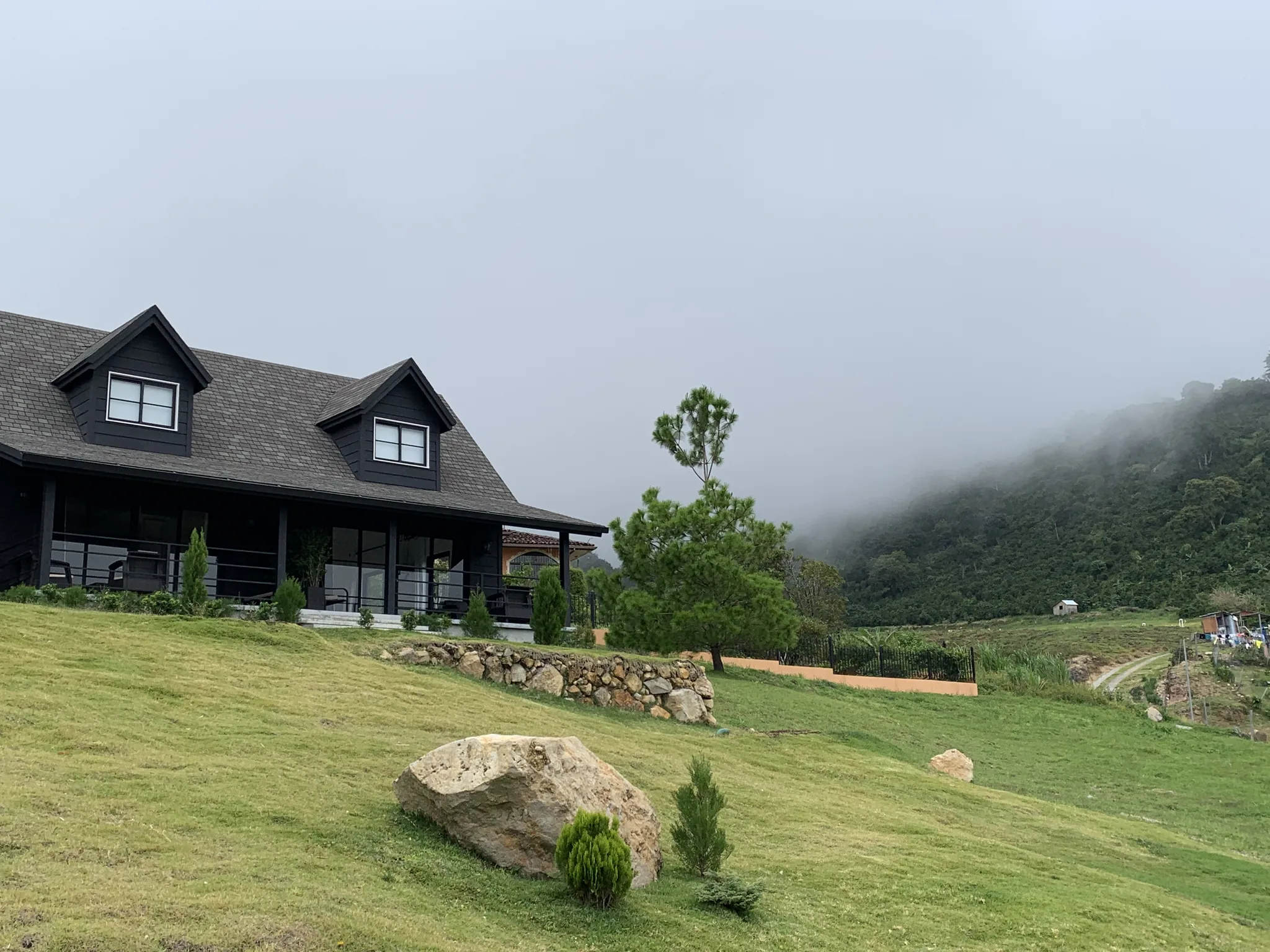
Panama is a good place to retire if you have a lifetime pension of at least $1,000 a month and a budget of roughly $1,500-2,500 a month alone or $2,500-4,500 as a couple. The pension qualifies you for the Pensionado visa, and the budget covers a furnished rental, insurance and daily life in most towns as of 2026. There are few retirement homes in Panama in the US sense. Most retirees rent and later buy in Boquete, the Coronado beach strip, Panama City or the Azuero coast around Pedasí, and use private hospitals concentrated in the capital and David.
If you searched for retirement homes in Panama, some of the results are senior living communities in Panama City Beach, Florida, such as Seagrass Village.[1] In Panama the country, retirees mostly live in ordinary neighborhoods and gated communities shared with families and locals. A small number of assisted living homes handle care later on.
The move works or fails on a few things: which visa you qualify for, what a month costs in the town you pick, how you pay for healthcare once Medicare no longer applies, and the trade-offs that guides selling tours and property tend to skip.
Is Panama a good place to retire? Why retirees pick it
Panama attracts retirees for a few concrete reasons. It uses the US dollar, it does not tax foreign pensions, its Pensionado visa asks for only $1,000 a month of lifetime income, and it is a short flight from the US. For retirees from the US and Canada, those four points remove most of the friction that makes other countries hard.
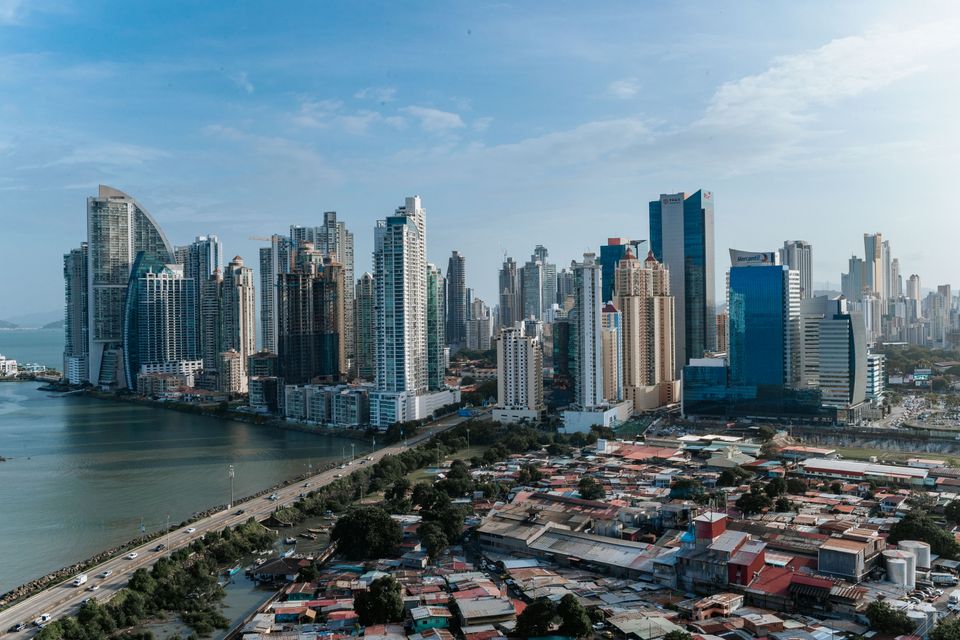
The US dollar circulates alongside the balboa, so a US pension arrives with no currency conversion.[2] Panama City is about 2.5 hours from Miami by air.[3] Direct flights to other US cities take 3.5 to 7 hours, depending on where you fly from.[4] The country sits south of the hurricane belt, so it gets tropical storms rather than full hurricanes.[5]
Panama ranked first in International Living's Global Retirement Index in 2025. In 2026 it ranked second, behind Greece and ahead of Costa Rica.[3] Estimates from 2024 put the number of Americans living in Panama at 20,000-30,000 and Canadians at 8,000-10,000.[6] That gives you an established English-speaking circle in the main expat towns.
Costs are lower than at home, though not dramatically so in the expat hotspots. Numbeo-based comparisons put Panama about 53% cheaper than the US overall.[7] Rent is where the gap is largest. In January 2025 a city-center one-bedroom in Panama City cost about $1,073 a month, against about $2,811 in central Miami.[5]
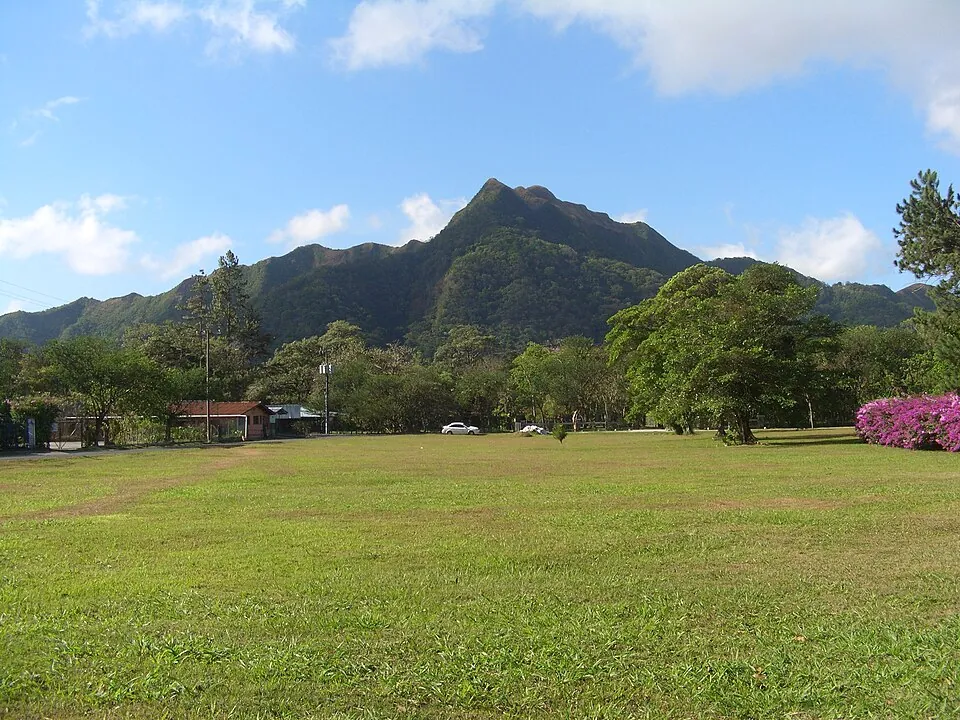
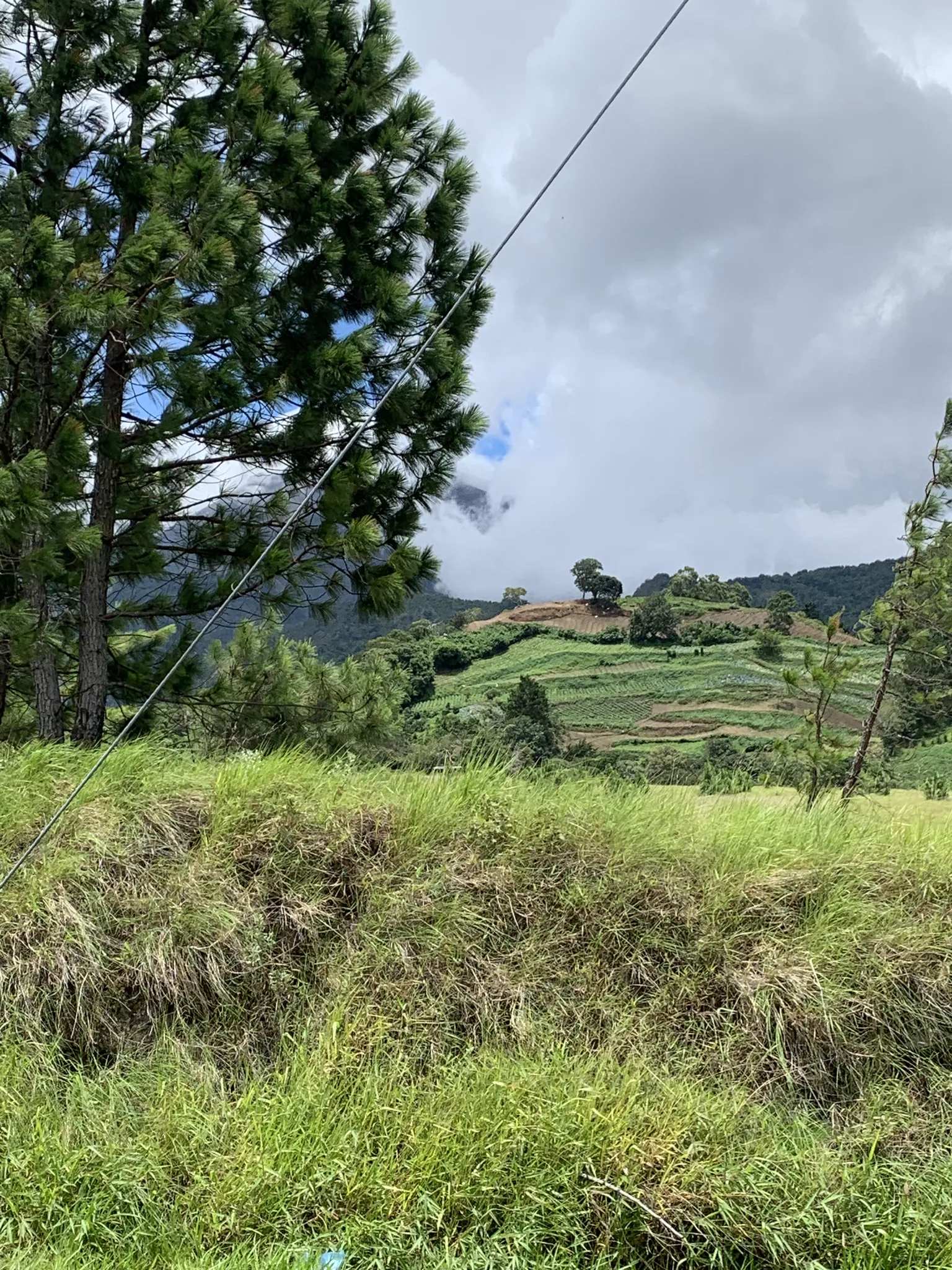
You also choose your climate. The highlands around Boquete sit at about 1,200 m and stay spring-like.[3] The Pacific lowlands, including Panama City and Coronado, are hot and humid all year.[8] If you are moving before retirement age or plan to keep working, the guide to living in Panama as an expat covers cost of living and settling in from that angle.
Taxes for US and Canadian retirees
- Territorial tax
- Panama taxes only income earned in Panama. Foreign pensions and Social Security are not taxed locally.[7]
- Tax residency
- You become a tax resident from 183 days a year in Panama. For a retiree living on foreign income, that changes little.
- US filing
- US citizens still file with the IRS and still owe US tax on Social Security and other US-source income.[5] The US has no formal tax treaty with Panama.[4]
- Foreign Earned Income Exclusion
- The exclusion is $132,900 for tax year 2026, but it covers earned income. It only matters if you keep working.
- Rental income
- Rent from a property in Panama is Panamanian-source income, so it is taxable in Panama.
- Inheritance
- Panama has no inheritance or estate tax and no strict forced-heirship rules.[4]
- Sales tax
- Panama charges a 7% value-added tax on most purchases.[5]
Panama vs Costa Rica for retirement
The two countries are close on paper, and Panama is slightly cheaper. Numbeo-based data puts Costa Rica about 11.5% more expensive than Panama.[4] Panama's structural advantages are the dollar, retiree discounts fixed in law and the territorial tax on foreign pensions. Retirees choosing between the two usually decide on climate, town and healthcare access rather than on cost alone.
The Pensionado visa: who qualifies, what it costs, how to apply
You qualify for Panama's Pensionado visa if you receive a pension paid for life of at least $1,000 a month. The minimum drops to $750 a month if you own Panamanian property worth more than $100,000.[9] Each dependent adds $250 a month to the requirement, and spouses can combine their pensions to reach the minimum.[9] The only age condition is that you are at least 18.[3]
Qualifying income means a lifetime pension from a government, an international body or a private company. Private pensions need a letter from the fund administrator, proof that the company exists, and a payment receipt or bank statement.[9] Lifetime income such as Social Security, Canada's CPP or a military pension is the standard route.[10]
Savings, IRAs and 401(k)s do not count, however large they are. Dividends, rental income and investment accounts do not qualify either, unless they are turned into a specific lifetime annuity.[10] This is the rule that catches most US applicants. If your retirement money sits mainly in an IRA, look at the other routes below.
Approval gives you permanent residency with no renewal.[9] It does not give you the right to work or practice a profession in Panama.[2]
What the Pensionado visa costs
The main applicant pays no government fee and no repatriation deposit, under article 2(3) of Law 9 of 1987. Each dependent pays B/.250 ($250) plus an $800 repatriation deposit.[11] Children under 12 are exempt from the deposit. Some guides still list the $250 and $800 for the main applicant as well, but under the law those charges apply to dependents.
The real cost is the lawyer, the document authentication and the translations. In the US, authenticating a document costs about $30 per document.[12] Most people spend around $1,000-1,500 in total to apply.[13] Ask your lawyer for a written fee that separates their fee from authentication, translation and the health certificate.
How to apply, step by step
Gather and authenticate documents at home Before you fly
You need your passport, birth certificate, marriage certificate if a spouse is coming, a letter from your pension payer, and police certificates from every country you lived in during the last five years. For Americans, the police certificate is an FBI record. Each foreign document needs an apostille or authentication by a Panamanian consulate.[12]
Travel to Panama 5+ business days
US passport holders enter visa-free with a valid passport and a return ticket. You have to be in Panama to file, so plan to stay at least five business days.[12]
Health certificate and translations In Panama
A Panamanian doctor issues the health certificate. A certified translator in Panama translates your documents into Spanish.[7]
Your lawyer files with the National Immigration Service 30-60 business days
The application must go through a licensed Panamanian attorney. You get a temporary card while the file is processed, which usually takes 30 to 60 business days.[12]
Approval and permanent card 7-15 days
Once you are approved, you get your permanent card through the Electoral Tribunal in Panama City. It costs about $100 and arrives in 7 to 15 days.[12]
Keeping your residency, and citizenship later
Under Decree Law 3 of 2008, immigration can cancel permanent residency if you spend more than two years outside Panama, unless the absence is justified and authorized.[14] Some guides tell you to visit at least one day a year. That is a cautious habit, not the legal rule. If you plan long stays back home, a short visit every year keeps you well clear of the two-year limit.
Naturalization is possible after five years of permanent residency, or three if you are married to a Panamanian, counted from your residency resolution. It requires passing an exam and renouncing your original nationality, so most retirees stay permanent residents.
If your pension is too small: Friendly Nations and Qualified Investor
| Visa | Money required | Residency status | Government fees | Best for |
|---|---|---|---|---|
| Pensionado | Lifetime pension of $1,000/month ($750 with a $100,000+ property); +$250 per dependent | Permanent from approval, no renewal | Waived for main applicant | Most retirees |
| Friendly Nations | $200,000 property, a $200,000 three-year fixed deposit, or a job in Panama | Two years provisional, then permanent | B/.250 + B/.800 | Early retirees from the 51 listed countries living on savings |
| Qualified Investor | $300,000 new property; $500,000 resale property or securities; $500,000-750,000 deposit | Permanent; investment kept five years | $10,000 + $2,000 per dependent | Buyers spending $300,000+ on a new home anyway |
Figures as of October 2026. Lawyer, translation and document costs are extra on every route.
Friendly Nations is the usual route for retirees whose money is in savings or an IRA. It is open to citizens of 51 countries, including the US, Canada, the UK and most of the EU. Ecuador became the 51st on 1 September 2026.[15] Italy is not on the list and uses a separate treaty route. Colombia, Venezuela and India are not on it either.
You qualify with a job in Panama, a property worth $200,000, or a $200,000 fixed-term deposit held for three years. That gives you two years of provisional residency before permanent status. Like Pensionado, Friendly Nations status does not replace a work permit.[16]
The Qualified Investor rules changed in September 2026. Executive Decree 17 sets the minimums at $300,000 in a new, first-sale property, $500,000 in a resale property or securities, or a fixed-term deposit of $500,000 at Banco Nacional or Caja de Ahorros or $750,000 at a private bank.[17] Government fees are $5,000 to the National Treasury and $5,000 to the immigration service for the main applicant, plus $1,000 and $1,000 per dependent.[18]
For property, the investor route counts the lower of the price paid and the market value, minus any mortgage. The funds must come from abroad, and rights-of-possession land does not qualify. The guide to Panama residency visas compared covers all three routes in detail.
Guides written before September 2026 still say $300,000 in any property qualifies for the investor visa. A resale home now needs $500,000. Investments or contracts signed before 16 September 2026 can still use the old rules if the application is filed within six months, so by March 2027.[19]
Pensionado discounts: the real percentages
Pensionado holders get legally required discounts, among them 50% off entertainment, 50% off hotels Monday to Thursday, 25% off restaurant meals and airfare, 25% off utilities and 20% off doctors' fees.[20] The percentages come from Law 6 of 1987, as amended through 2003. Many retirees save the most on utilities, restaurants and medical bills.
| Category | Discount | Fine print |
|---|---|---|
| Cinemas, theaters, sports, public shows | 50% | Any day |
| Hotels and motels | 50% Mon-Thu, 30% Fri-Sun | Domestic stays |
| Restaurants | 25% of your own meal | Not at unlicensed fondas |
| Fast-food franchises | 15% | |
| Airfare | 25% | National and foreign airlines |
| Interurban buses, trains, boats | 30% | |
| Panama Metro | 30% | On current discount lists |
| Doctors, general and specialist | 20% | Consultation fees |
| Hospitals and private clinics | 15% of the bill | When insurance is not paying |
| Dentists and optometrists | 15% | |
| Prescription medicines | 10% in the law | Many pharmacies apply 20% |
| Professional and technical services | 20% | |
| Prostheses and assistive devices | 20% | |
| Electricity | 25% | On consumption up to 600 kWh a month |
| Water | 25% | If the bill is B/.30 or less |
| Residential phone line | 25% | Fixed charge only |
| Passport (Panamanian) | 50% | |
| Household goods import | Duty-free up to $10,000 | One time, Law 9 of 1987 |
| Car | Duty-free import or purchase | One car every two years, Law 9 |
Discount percentages from Law 6 of 1987; customs benefits from Law 9 of 1987. As of October 2026.
The customs benefits come from a different law. Law 9 of 1987 grants the one-time $10,000 household-goods allowance and the duty exemption on one car every two years.[11] Medicines are the figure that varies in practice. The law text says 10%, but current published discount lists show 20%, and many pharmacies apply 20%.[21][22] The 30% Metro discount also appears on current lists, although the 1987 text does not include it.[21]
A 2026 bill would have raised the airfare discount to 35%. Airlines and IATA objected that it would clash with international fare agreements.[21] As of October 2026 the airfare discount is still 25%.
Businesses ask for proof. You show either your retiree card or a Panamanian ID proving you are 55 (women) or 60 (men).[20] The discounts are personal and cannot be transferred to someone else.[20]
The 15% hospital discount applies when insurance is not covering the bill.[12] If your insurer pays, don't expect the discount on top. It matters most for out-of-pocket visits, tests and dental work.
How much it costs to retire in Panama: monthly budgets for 2026
A single retiree typically spends $1,500-2,500 a month in Panama, and a couple $2,500-4,500. Rent and location account for most of the difference.[23][3] Lower estimates exist: one puts a single retiree at $1,400-1,700 and a couple at $2,000-3,000.[13] Numbeo's 2026 figure for living costs excluding rent is $783 a month for a single person, or $822 in Panama City.[7]
| Item | Typical monthly cost | What moves it |
|---|---|---|
| Rent, furnished one-bedroom in an expat area | $550-2,200 | Pedasí cheapest, Panama City most expensive |
| Electricity | $60-150 | Air conditioning on the coast; often included in highland rentals |
| Internet and mobile | $54-105 | Plan and provider |
| Groceries, two people | $400-500 | Imported brands cost more |
| Local health insurance, per person | $50-150 | Age; international plans run $200-500 |
| Getting around Panama City | Metro $0.35, Uber $4-5 a ride | A car is close to essential in rural areas |
| Private doctor visit | $30-70 | 20% less with Pensionado |
| Part-time housekeeper | $15 a visit | Live-in help costs more |
| Realistic total, single | $1,500-2,500 | Town, rent, insurance type |
| Realistic total, couple | $2,500-4,500 | Same, plus eating out and travel |
Typical published ranges as of 2026. Rent is for furnished one-bedroom apartments in expat areas.
The rent ranges are for furnished one-bedrooms in expat areas as of 2026: $550-950 in Pedasí, $750-1,300 in Boquete, $950-1,600 in Coronado and $1,200-2,200 in Panama City.[3] Numbeo's averages run lower, at about $755 for a city-center one-bedroom in Boquete, $760 in Coronado and $1,345 in Panama City.[7] Plan with the higher furnished figures if you are arriving without furniture.
Electricity runs $60-150 a month, depending mostly on air conditioning.[24] Internet and mobile together cost $54-105.[7] Groceries for two people run about $400-500 a month with a mix of local and imported products.[24] In Panama City the Metro costs $0.35 and Uber rides are often $4-5.[24] A part-time housekeeper is paid about $15 a visit.[24] Living 10-15 minutes outside the main expat areas cuts rent, dining and grocery costs.[23]
Can you live on $3,000 a month in Panama?
A couple can live on $3,000 a month in Boquete, Coronado, Pedasí or the smaller towns, with room to spare in the cheaper ones. It gets tight in a Panama City ocean-view building, or if both of you pay for international health insurance. At $200-500 a month per person, two international plans can take $400-1,000 of the $3,000 before rent.[3] A single person on $3,000 lives comfortably almost anywhere in the country.
Healthcare and health insurance for retirees in Panama
The strongest private hospitals are in Panama City, with a regional hub in David, and care is thinner elsewhere. You pay through private insurance, the public system or out of pocket, because Original Medicare generally does not cover care outside the US.[3] Some Medigap policies include limited emergency cover abroad, so check yours before you cancel anything.
In Panama City, the private hospitals retirees name most are Hospital Punta Pacífica, which is affiliated with Johns Hopkins Medicine, and Centro Médico Paitilla.[3] San Fernando Hospital and Hospital Nacional are also in the capital, and Hospital Chiriquí serves David and the rest of Chiriquí province.[2] Volcán has a 24-hour hospital with an emergency room, but specialists usually mean a trip to David.[25][6] On the Azuero coast, Chitré has had a large modern hospital since 2019, and residents of the south coast go to Las Tablas or Chitré for major care.[6][26]
Private prices are moderate. A general consultation costs $30-70, a specialist $50-100, a dental cleaning $30-60 and an MRI $300-600.[3] An emergency room visit at Punta Pacífica cost residents about $100 in 2024.[6] The guide to healthcare in Panama for foreigners compares the hospitals, accreditation and costs against US prices.
Private insurance: the age cutoff matters
Local health plans cost about $50-150 a month depending on age, and international plans $200-500.[3] Most local insurers stop accepting new members at 65 or 70.[3] If you are 62 and planning to move at 68, find out whether you can enroll before you arrive. Missing the cutoff leaves you with the expensive international plans or no cover.
The public system and CSS voluntary insurance
Public healthcare runs through the Ministry of Health (MINSA) and the Caja de Seguro Social (CSS).[2] Foreigners who are not enrolled through a job can join the CSS voluntary insurance.[27] The entry medical exam costs B/.94 for foreigners, and contributions are calculated on a minimum declared income of B/.500 a month.[27] Monthly figures of around $110 circulate.[28] The rate depends on the income you declare, so confirm it with the CSS before you count on it.
Many retirees use the CSS as a backstop and private insurance for hospital care. The public system is inexpensive, but outside the capital you may find long waits and mostly Spanish-speaking staff.
Retirement homes in Panama: gated communities and assisted living
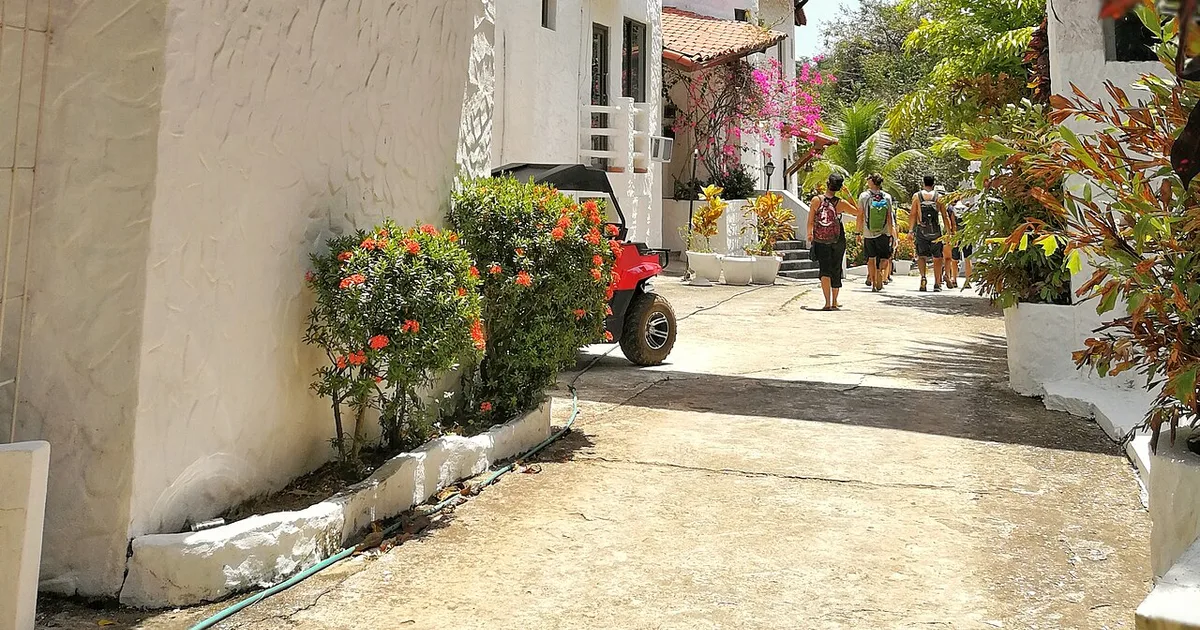
Panama has no age-restricted 55+ retirement communities like those in the US.[8] Retirees live in gated communities shared with families and Panamanians, or in ordinary neighborhoods. A small number of assisted living homes and home-care agencies cover later care.
The gated communities retirees look at include Lucero Golf & Country Club in Jaramillo Abajo, Boquete, plus Buenaventura, Tucan Country Club and Panama Pacífico.[29] Vistamar in San Carlos has golf, a beach and a marina.[30] Social life usually revolves around pickleball, bocce, cards, trivia and hiking groups. Before you commit, ask about security, healthcare nearby and amenity fees.[31]
Assisted living and home care
Family care is the norm in Panama, so the formal sector is small and concentrated in a few places. Private assisted living in Panama City runs about $2,500-4,500 a month, depending on the level of care.[32] In Alto Boquete, Villa Esperanza has two homes of 12-15 residents each, at $1,200-1,600 a month for a shared or private room.[32]
Government-run or subsidized homes cost about $600-1,000 a month. They require residents to be 60 or older and either Panamanian or a permanent resident.[32] Admission involves a socio-economic study by a MIDES or CSS social worker, a medical evaluation, lab work and a psychological evaluation, and the staff may speak only Spanish.[32] CSS geriatric units provide short stays for insured patients, not permanent care.[32]
Home health agencies operate mainly in Panama City. Panama Home Care also covers the stretch from Chame to Penonomé and El Valle de Antón.[32] Medicare and other US federal programs typically do not pay for assisted living, even in the US.[33] Budget for it from savings or long-term care insurance.
Best places to retire in Panama: Boquete, Coronado, Panama City and Pedasí
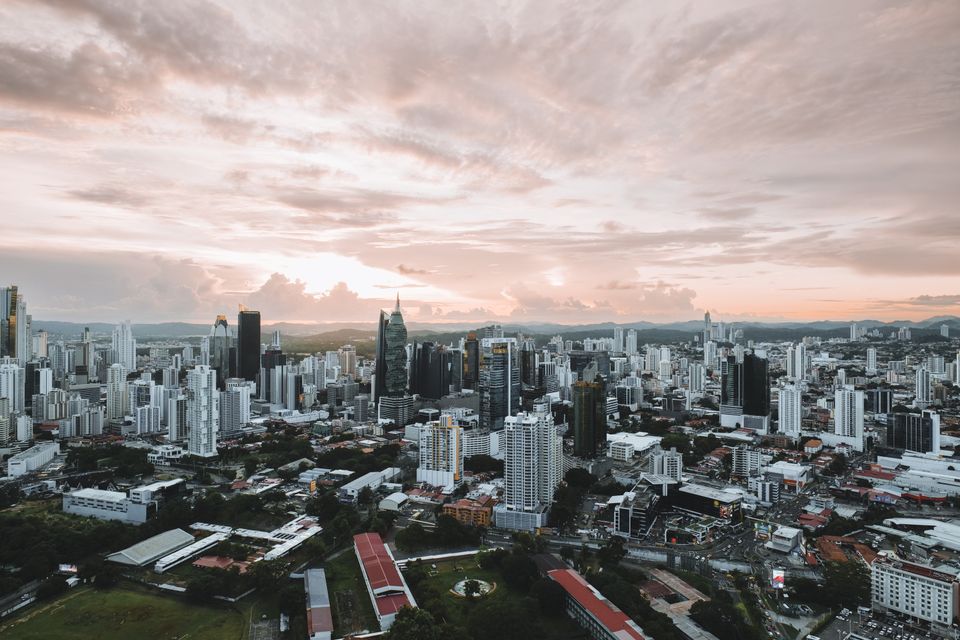
Most retirees choose between four bases: Boquete in the highlands, the Coronado beach strip, Panama City and the Azuero coast around Pedasí. Boquete has the largest expat community in Panama, and Coronado and its neighboring beaches the second largest.[25] Compare them on climate, distance to specialist care and the size of the rental market, not just on price.[8]
Boquete
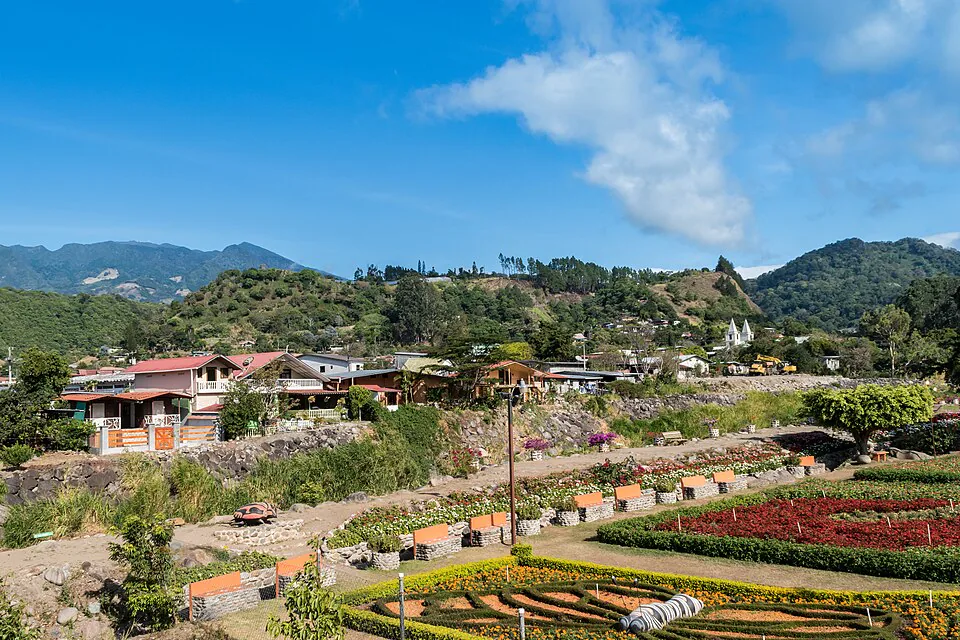
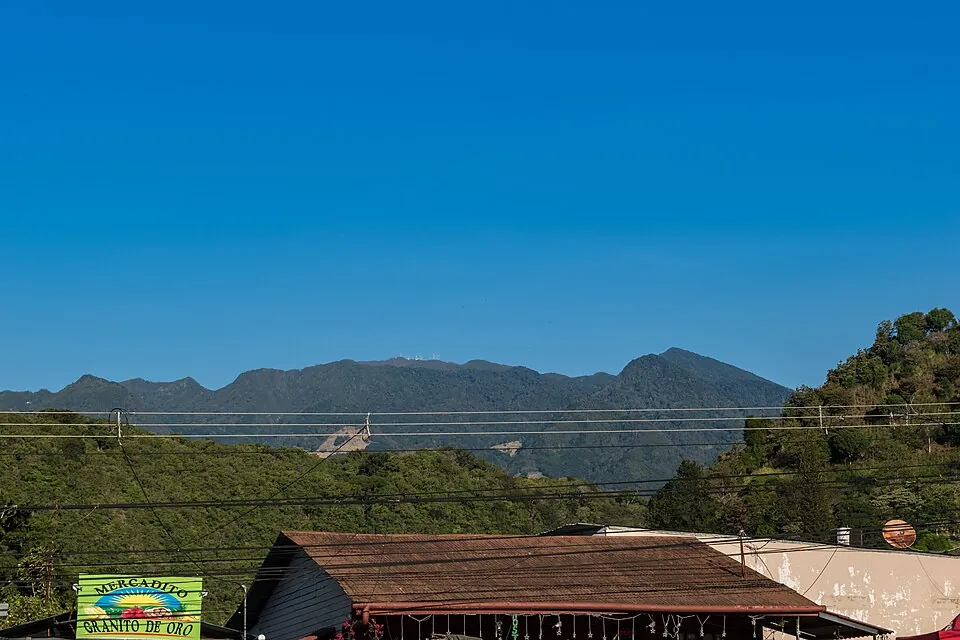
$750-1,300 rentAbout 1,200 m30 min to DavidBoquete offers spring-like weather, a sizable expat community and organized activities, though hillside homes have climbed in price.[8] Neighborhoods and prices are covered in the guide to Boquete real estate.
Coronado
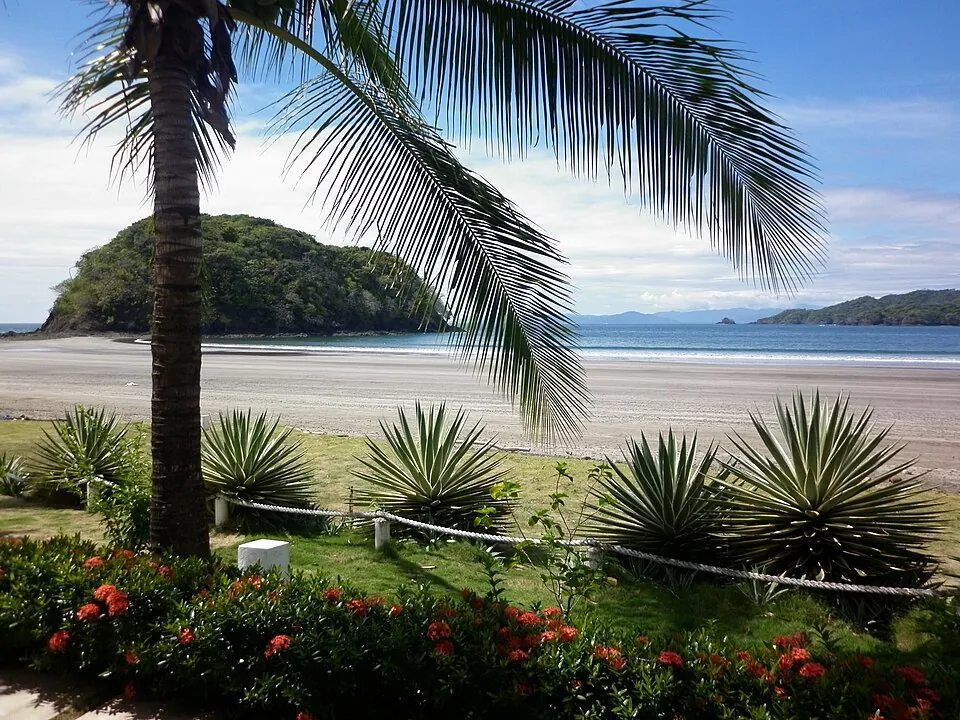
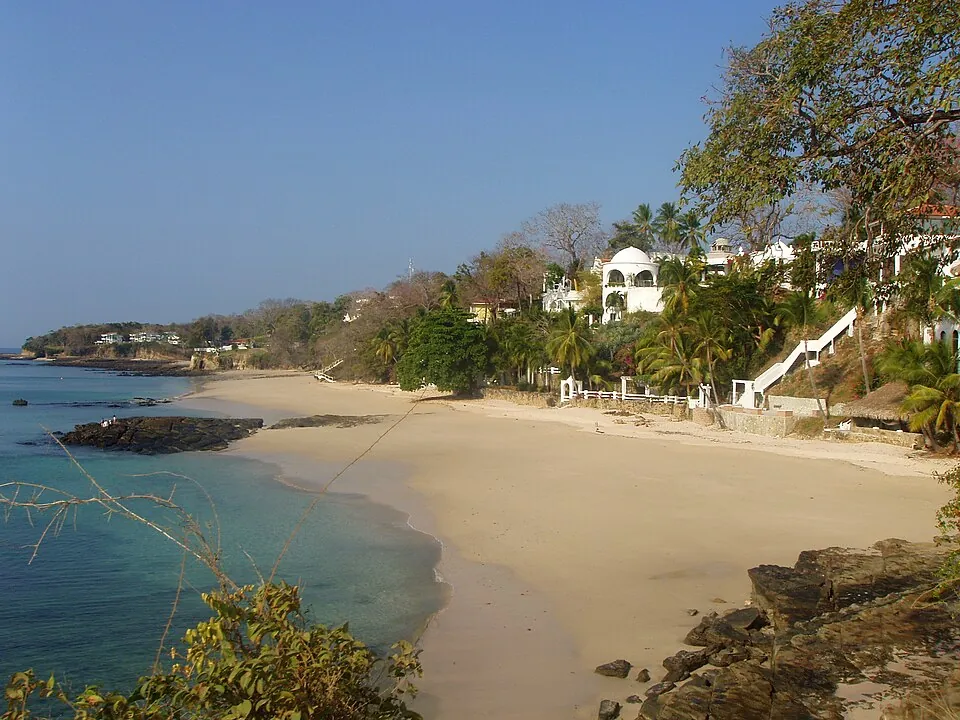
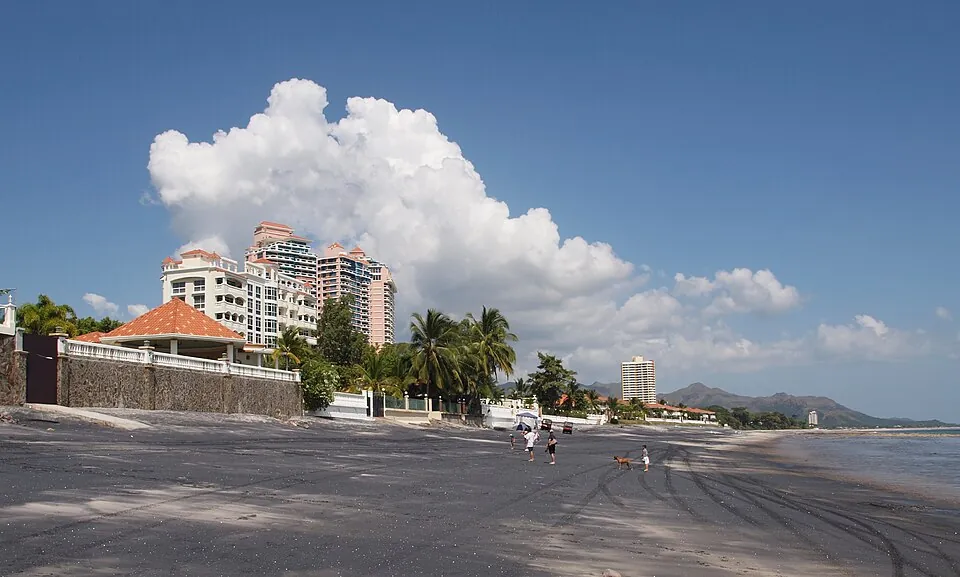
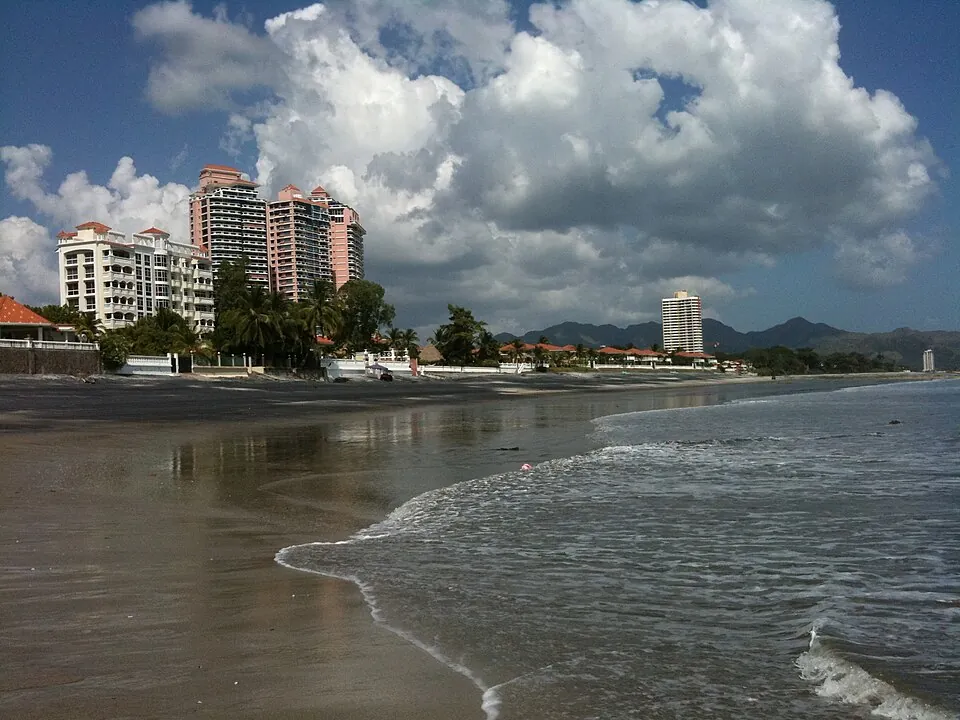
$950-1,600 rent1 hr to the cityHot, humidThe area stretches about 70 km of coast from Chame to Río Hato and is hot and humid year-round.[8] Coronado real estate runs from condos near $300,000 in nearby Gorgona to houses that easily pass $500,000.[25]
Panama City
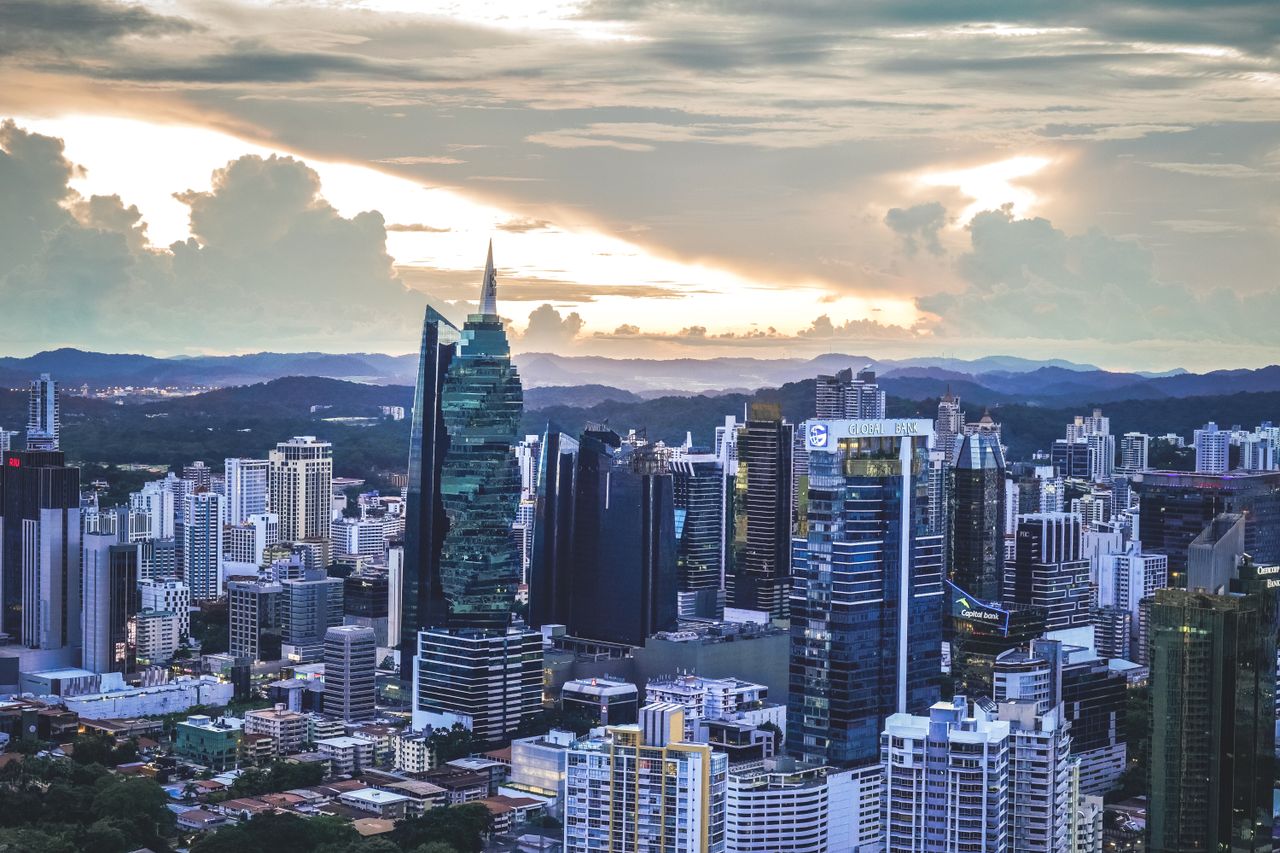
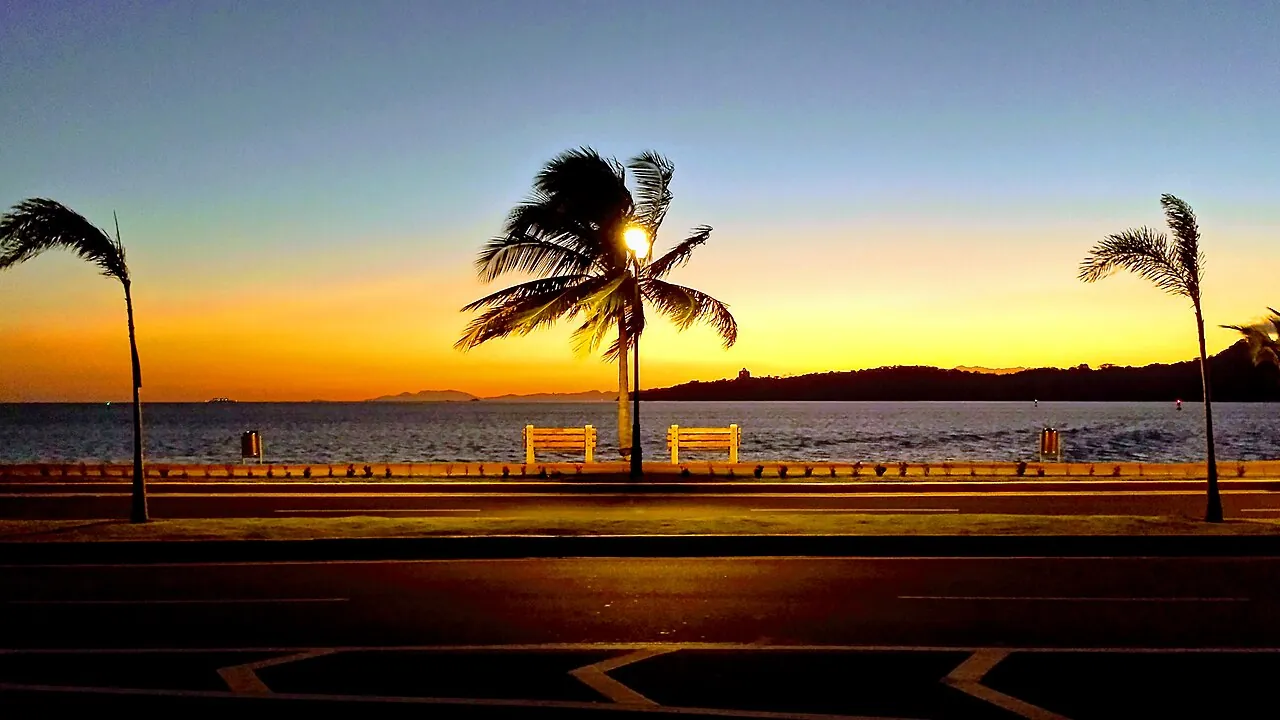
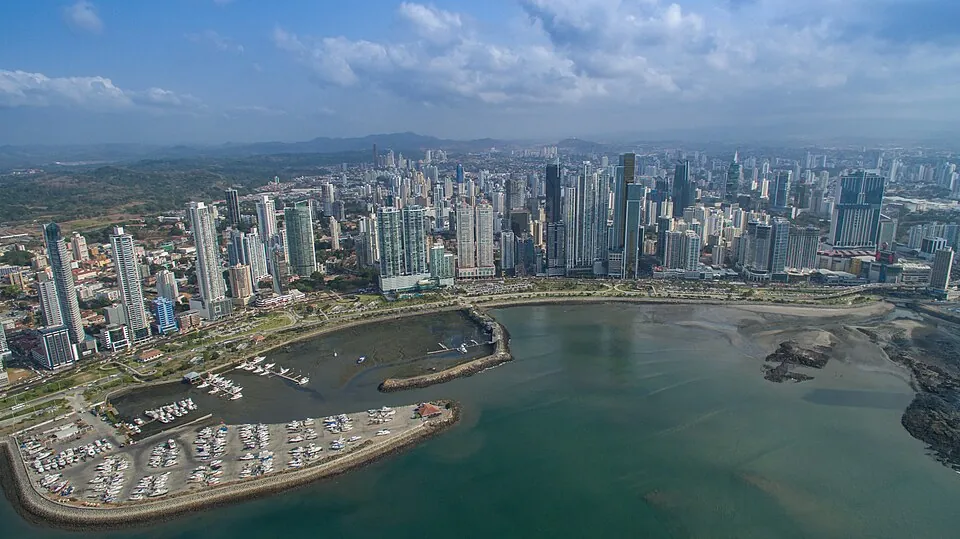
$1,200-2,200 rentTop hospitalsNo car neededEl Cangrejo is the neighborhood most often chosen for walkable expat life near the top hospitals. Bella Vista costs more but puts you on the Cinta Costera.[26]
Pedasí
$550-950 rentAzuero coastThin medical carePedasí is a low-cost coastal town with fewer shops, fewer medical options and longer drives for some services.[8] The Pedasí and Playa Venao real estate guide covers buying there; the surf beach is about 35 km southwest.[25]
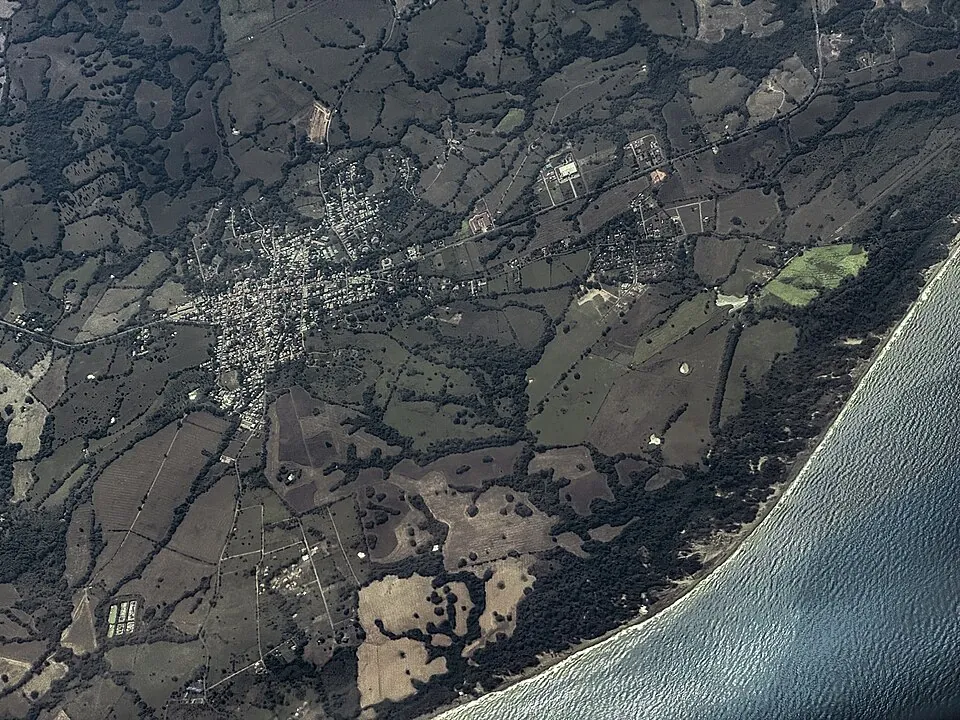
Boquete is about 30 minutes up the mountain from David, where the bigger hospitals and specialists are.[25] Coronado is about an hour's drive west of Panama City.[3] In Panama City, traffic and noise are the trade-off, and some neighborhoods suit retirees much better than others.[8]
Around Pedasí, many residents of the south Azuero coast drive to Las Tablas or Chitré for major healthcare and bigger shopping.[26] Los Santos, Pedasí's province, recorded one homicide in 2025.[34]
Cheaper or quieter alternatives
Volcán, on the other side of Barú from Boquete, is much cooler than most of Panama, with fewer services and a smaller social scene than Boquete.[8] It is about an hour from David, and rentals start at about $500 a month.[25]
El Valle de Antón is a mountain town in a volcanic crater about two hours from Panama City. Furnished one-bedrooms there rent for $850-1,350.[3] About half its homes belong to Panamanians who come on weekends and holidays.[25]
David, Panama's second-largest city, had rents of about $400-700 in 2024 and puts you next to Chiriquí's hospitals.[6] Chitré, on the Azuero Peninsula, rents for about $500-600 a month.[25]
Renting first, then buying: how retirees handle housing
Rent for at least a few months, ideally in two different regions, before you buy anything.[26] Panama's rental market makes this easy. Rentals usually come furnished, with kitchenware, bedding, cable, internet and often a gardener, and in the mountains sometimes electricity too.[22] One Boquete house that once rented for $600 now rents for $695 including all utilities and a weekly gardener.[25]
A season through the rainy months tells you more than any visit in the dry season. If you are starting in the capital, the guide to renting an apartment in Panama City covers areas, building rules and what to check in the lease.
What buying looks like for a foreigner
Foreigners have the same property rights as Panamanians. The exceptions are land within 10 km of a border and some Caribbean islands.[3] The key distinction is between titled property and rights of possession (ROP). ROP is not a title, it carries more risk, and it does not count for residency by investment. Bocas del Toro has a lot of ROP property, so buying there needs extra due diligence.[25]
Typical 2025 range across the country.
Houses in and around cities, 2025.
Around the Coronado and Gorgona coast.
Up to $1,000,000 and beyond, including Boquete hillsides.
As of 2025, homes in a 2-3 bedroom gated community typically cost $120,000-200,000, single-family urban homes $180,000-350,000, and luxury homes from $400,000 to over $1,000,000.[7] City-center apartments sell for about $3,128 per square meter in Panama City, $2,000 in Coronado and $1,184 in Boquete.[7] Beachfront condos around Coronado are about $300,000.[25]
Buying costs and property tax
The 2% property transfer tax (ITBI) is charged on the higher of the price and the cadastral value, and the seller pays it. Any clause shifting it onto the buyer is void.[35] Since 1 September 2026, Law 546 exempts the first B/.120,000 on the first sale of a new home, provided the sale closes within two years of the occupation permit.[36] Sellers also pay 10% capital gains tax on their profit, with an advance of 3% of the price paid before registration (3.75% for developers).
The annual property tax is low on a primary residence. Under the primary-residence regime, the first $120,000 is exempt, the value from there up to $700,000 is taxed at 0.5%, and anything above at 0.7%.[37] A $250,000 primary home therefore pays about $650 a year. Properties outside that regime use the general table, from 0% up to $30,000 rising to 1% above $500,000.[37] Paying the full year before 30 April with no arrears earns a 10% discount.[37]
A property worth over $100,000 also lowers your Pensionado income requirement to $750 a month. The full process, from titled-versus-ROP checks to closing, is in the guide to buying property in Panama as a foreigner.
Retiree-focused pre-construction towers are marketed with a purchase price plus a monthly service fee. Relocation advisers warn retirees away from pre-construction, so favor finished buildings you can rent in first.[32]
The downsides of retiring in Panama
The real drawbacks are heat and rain on the coast, uneven utilities outside the main hubs, thin healthcare in small towns, limited English and a slower pace than you are used to. None of them rules Panama out, but they are why many people who move without renting first end up changing towns.
- Climate. Daytime temperatures in Panama City average around 88°F.[24] The rainy season runs roughly May to November, with most rain in the afternoon.[4] August to November is the wettest stretch.[24] Coronado and Pedasí are hot year-round, and only the highlands escape the humidity.
- Utilities. Panama still has intermittent power outages.[5] Residents outside the big developments also report water shut-offs and poor trash collection. In remote coastal spots such as Torio, internet and power are less consistent than in the main hubs.[26]
- Language. About 15% of Panamanians speak English, mostly in cities.[6] You can get by in Boquete or Coronado without Spanish. In a government hospital or a CSS office, you will struggle without it.
- Pace. Appointments run late and replies take time.[13] Paperwork such as residency, bank accounts and utility hookups takes longer than at home.
- Healthcare outside the cities. Pedasí, Volcán and the beach towns rely on David, Chitré or Panama City for anything serious. Local insurers stop enrolling new members at 65-70, and Medicare stays at home.
- Rising prices in expat towns. Boquete is not the cheapest part of Panama, mainly because of demand.[26] Imported goods cost more, especially in island areas like Bocas del Toro.[26]
- No work rights. Pensionado residency does not let you take a job in Panama, so part-time local work needs a separate permit.
Is Panama safe for retirees?
The US State Department rates Panama Level 2, "Exercise Increased Caution".[3] Crime is concentrated in a few urban districts, not in the towns where retirees live.
Preliminary 2025 figures from the Ministry of Public Security show 239 homicides in Panamá district, 102 in Colón and 99 in San Miguelito. Chame, at the eastern end of the Coronado strip, recorded 9.[34] Panamá Oeste, Coronado's province, had 52 homicides, down from 63 in 2024.[34]
Robbery is the more relevant risk for retirees. In 2024 Panamá Oeste recorded 288 robberies in the first half of the year and 359 in the second, while Chiriquí recorded 228 and 206.[38] Panama ranked 84th of 163 countries in the 2025 Global Peace Index.[4] The guide to whether Panama is safe goes neighborhood by neighborhood.
Before you go
Is Panama a good place to retire?
Yes, for retirees with a lifetime pension of at least $1,000 a month who are comfortable with heat or highland rain and some Spanish. Panama uses the US dollar, does not tax foreign pensions and gives Pensionado holders legal discounts on utilities, healthcare and entertainment. The drawbacks are uneven utilities, thin healthcare outside the cities and a slower pace.
How much money do you need to retire comfortably in Panama?
About $1,500-2,500 a month for a single person and $2,500-4,500 for a couple, as of 2026. Rent makes the biggest difference: a furnished one-bedroom runs about $550-950 in Pedasí and $1,200-2,200 in Panama City. International health insurance at $200-500 per person per month can push you toward the top of the range.
Can I live on $3,000 a month in Panama?
Yes, a couple can live on $3,000 a month in most of Panama, including Boquete, Coronado and the Azuero coast. It gets tight in a high-end Panama City building or if both partners pay for international health insurance. A single person lives comfortably on $3,000 almost anywhere.
Can I retire in Panama as a US citizen?
Yes, most US retirees use the Pensionado visa, which needs a lifetime pension such as Social Security of at least $1,000 a month, plus $250 per dependent. You apply in Panama through a Panamanian lawyer, and approval gives you permanent residency with no renewal. You still file US taxes and owe US tax on Social Security.
Does an IRA or 401(k) count toward the Pensionado income?
No, IRAs, 401(k)s and savings do not count. Only a pension or annuity paid for life qualifies. Retirees whose money sits in savings usually look at the Friendly Nations visa instead, which accepts a $200,000 property or a $200,000 three-year deposit.
How hard is it for a Canadian to move to Panama?
Not hard: Canadians can use the Pensionado visa with a lifetime pension such as CPP, and Canada is on the Friendly Nations list. The process is the same as for Americans: authenticated documents, a health certificate from a Panamanian doctor and a filing through a Panamanian lawyer. An estimated 8,000-10,000 Canadians live in Panama.
Where do most American retirees live in Panama?
Boquete has the largest expat community, followed by Coronado and the nearby Pacific beaches. Panama City, especially El Cangrejo and Bella Vista, draws retirees who want top hospitals and no car. Volcán, El Valle de Antón, David and the Azuero towns of Pedasí and Chitré are quieter or cheaper alternatives.
Is it better to retire in Panama or Costa Rica?
Panama is slightly cheaper and simpler for US retirees: Costa Rica comes out about 11.5% more expensive in Numbeo-based comparisons. Panama also uses the dollar and does not tax foreign pensions. In International Living's 2026 index Panama ranked second and Costa Rica third, so climate and the specific town matter as much as the country.
What are the disadvantages of retiring in Panama?
Heat and heavy rain on the coast, power and water interruptions outside the main hubs, limited English and thin healthcare in small towns. Medicare does not cover care in Panama, and most local insurers stop enrolling new members at 65 or 70. Pensionado residency also does not let you work in Panama.
Are there retirement homes or assisted living facilities in Panama?
Yes, but only a few, and there are no US-style 55+ communities. Private assisted living in Panama City runs about $2,500-4,500 a month, a small home in Alto Boquete about $1,200-1,600, and government homes $600-1,000 for permanent residents aged 60 and over. Home-care agencies operate mainly in Panama City.
Sources
Prices, schedules and rules change. The small numbers in the text point to these sources.
- 1Seagrass Village - Independent living community pageseagrassvillagepcb.com
- 2
- 3
- 4International Insurance - Retiring in Panama guide (Pensionado, taxes, costs)internationalinsurance.com
- 5
- 6Retirable - How to retire in Panamaretirable.com
- 7International Insurance - Retiring in Panama guideinternationalinsurance.com
- 8Retire In Panama Tours - Best retirement communities in Panamaretireinpanamatours.com
- 9
- 10
- 11
- 12
- 13Metro Realty Panama - Retiring in Panama pros and consmetrorealtypanama.com
- 14Gaceta Oficial - Decreto Ley 3 de 2008 (Servicio Nacional de Migración)gacetaoficial.gob.pa
- 15Mirabello Consultancy - Lista de Países Amigos de Panamá 2026mirabelloconsultancy.com
- 16
- 17
- 18Fabio Villegas - Requisitos de residencia por inversionista calificadoabogadofabiovillegas.com
- 19
- 20Consulado General de Panamá en Marsella - Ley de beneficios para jubilados (texto actualizado)consulatgeneraldepanamamarseille.com
- 21
- 22Panama Relocation Tours - 12 reasons to retire in Panamapanamarelocationtours.com
- 23Panama Relocation Tours - Why Panama is the best place to retire in 2025panamarelocationtours.com
- 24International Living - Panama City cost of living and retirement infointernationalliving.com
- 25Panama Relocation Tours - Best places to retire in Panamapanamarelocationtours.com
- 26Casa Solution - Best places to retire and live in Panama 2026casasolution.com
- 27
- 28Panama Property Experts - Panamá vs Costa Rica para jubilarsepanamapropertyexperts.com
- 29Ideal Living - Panama expat and gated community overviewideal-living.com
- 30United Country Panama Coastal - Retirement and active adult property listingscoastalpanamaproperties.com
- 31Retire In Panama Tours - Panama retirement communities guideretireinpanamatours.com
- 32Panama Relocation Tours - Assisted living and home healthcare in Panamapanamarelocationtours.com
- 33Brookdale - Assisted living in Panama Citybrookdale.com
- 34MINSEG SIEC - Homicidios 2025, datos preliminaressiec.minseg.gob.pa
- 35
- 36
- 37
- 38
Image credits
- Panama City skyline with Cinta Costera coastal roadPexels · Pexels License
- Pastel colonial facades with wrought-iron balconies on a…Pexels · Pexels License
- Playa Coronado (4165175000)Sandra Cohen-Rose and Colin Rose from Montreal, Canada · CC BY-SA 2.0
- Valle de Antón La MochilaLaurie Batista · CC BY-SA 3.0
- Panamá-PlayaInzay20 · CC BY-SA 3.0
- Wyspa Contadora, Archipelag Wysp Perłowych, PanamaKatarzyna Sierocińska · FAL
- Pastel clouds glow at sunset over Panama CityPexels · Pexels License
This guide is general information, not legal advice. Laws, fees and requirements change; confirm the details for your situation with a Panamanian lawyer before you act.