Four small islands, six kilometers of open-water promenade, Frank Gehry's only Latin American building, and a front-row seat to the world's most famous shortcut — the Amador Causeway is the one Panama City half-day that actually delivers everything the brochure promises.
Most guides list the Causeway as a bullet point and move on. This one tells you exactly where to start, what order to do things in, how long each stop actually takes, where the best ship-watching angle is, and which restaurant won't disappoint after three hours in the sun. Whether you have a free morning before a canal tour or a loose afternoon between flights, this is the guide you need.
Section 01What the Amador Causeway actually is
The Calzada de Amador is a breakwater-turned-promenade built between 1913 and 1920 using rock excavated from the Culebra Cut during construction of the Panama Canal. Engineers needed somewhere to dump millions of cubic meters of spoil, and the result — entirely by accident — became one of the most scenic waterfronts in Central America. A later expansion used material from the 2016 Canal widening project, so the causeway is literally made of two generations of Canal history.
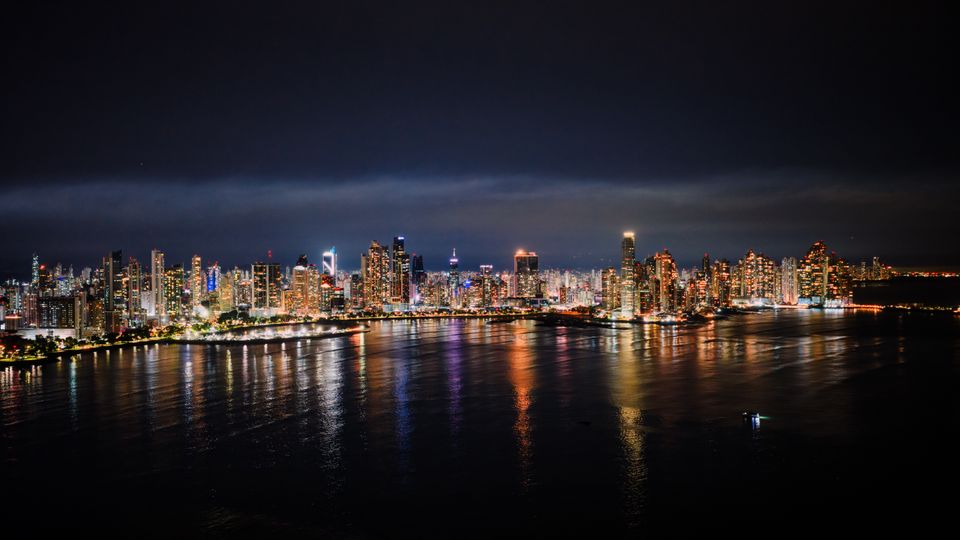
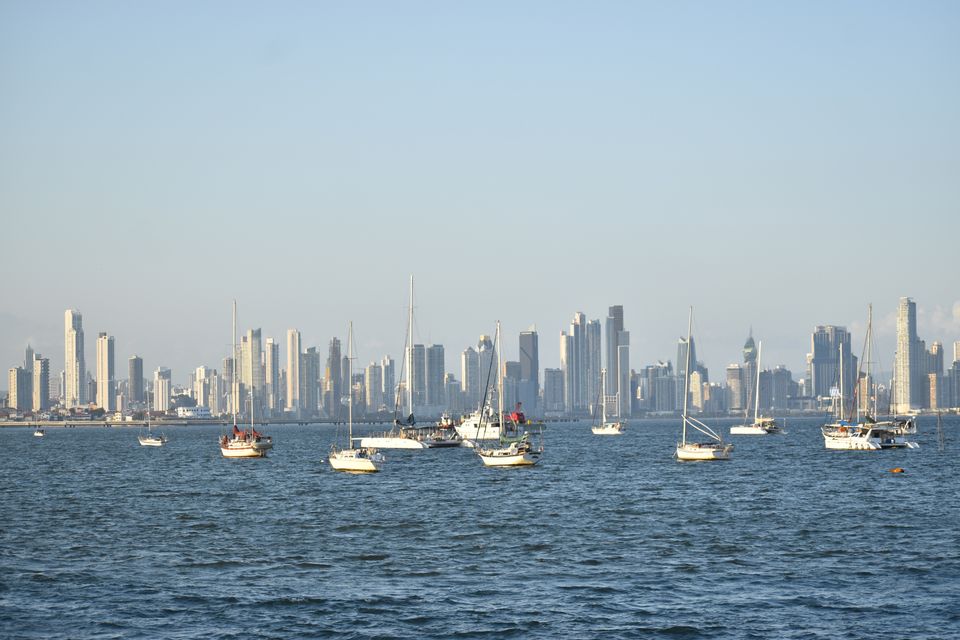
The road runs roughly six kilometers from the mainland out to four islands in sequence: Naos (home to a Smithsonian research lab and Punta Culebra Nature Center), Culebra (quieter, mostly residential), Perico (marinas and boat services), and Flamenco (the main hub, with the ferry terminal, a shopping mall, restaurants, and the largest marina). A dedicated bike and jogging path runs the full length on the ocean side, separated from the four-lane road. The views on that path — city skyline to your left, Pacific and Bridge of the Americas to your right, container ships queuing in the distance — are genuinely hard to beat.
From 1920 to 1980 the islands were part of Fort Amador, a US military installation protecting the Canal's Pacific entrance. You can still see old gun emplacements and bunker remnants on the hillsides of Naos and Culebra if you look. The fort was handed back to Panama in 1999 as part of the Canal transfer, and the transformation since then has been rapid: the Biomuseo opened in 2014, restaurants and marinas multiplied, and the causeway is now one of the city's most visited green spaces.
Section 02The ideal half-day itinerary
The optimal sequence puts the Biomuseo first (before the heat builds and before the last-admission cutoff), then a bike ride out to Flamenco, a lunch stop, and Punta Culebra on the return. Here is a time-blocked plan that works for most visitors:
| Time | Stop | Duration | Notes |
|---|---|---|---|
| 9:00 am | Arrive at Biomuseo | — | Start here |
| 9:00–11:00 am | Biomuseo (all 8 galleries) | ~2 hrs | Coolest part of the day; last admission 2pm |
| 11:00 am | Rent bikes at mainland end | 15 min | Rental shops cluster near the Biomuseo parking area |
| 11:15 am–12:15 pm | Bike to Flamenco Island | ~1 hr | Easy flat ride; stop at canal-view point on Naos |
| 12:15–1:15 pm | Lunch at Flamenco | ~1 hr | Multiple options at Flamenco Marina |
| 1:15–2:15 pm | Punta Culebra Nature Center | ~1 hr | On Naos, on the return ride; closes 4pm |
| 2:15 pm | Return bikes, grab a coffee | — | Done by 2:30 pm |
If you are visiting on a Tuesday through Friday, starting at 9am is ideal. On weekends the Biomuseo opens at 10am, so push the whole schedule back an hour. Mondays the museum is closed — skip it and just bike and do Punta Culebra. The entire loop is manageable in four to four-and-a-half hours, leaving your afternoon free for Casco Viejo or a canal locks visit.
Section 03Getting there and parking
The causeway is about 10–15 minutes from Casco Viejo and 20–25 minutes from the financial district (Miraflores area) by car. An Uber or InDriver ride from Casco Viejo typically costs $6–10; from the banking district expect $10–15. Traffic on the causeway access road can slow things down on weekend afternoons — plan accordingly.

By public bus, take Metro Line 1 to the Albrook terminal (the final stop), walk about 100 meters south toward the Albrook bus station, and catch the C850 route. This bus runs directly to the causeway and back. The fare is $0.25 with a Metrobus card. Journey time from Albrook is around 20 minutes. It is a perfectly functional option, though the bus drops you at the mainland end of the causeway rather than at the Biomuseo entrance specifically.
If you are driving, there are two main parking areas. The first and most convenient is the Biomuseo parking lot, located right at the museum entrance on the left as you enter the causeway. Parking is free and usually available on weekdays. The second option is the large Flamenco Marina parking area at the far end, which is also free. On busy weekend afternoons the Biomuseo lot fills up — if that happens, continue to Flamenco and walk or bike back.
Section 04Biking the Causeway
Biking is the single best way to do the Amador Causeway. The dedicated path is flat, well-paved, and wide enough that pedestrians and cyclists coexist comfortably. The round trip from the mainland to Flamenco and back is roughly 12 kilometers — about 45 minutes of easy pedaling each way at a sightseeing pace, or closer to 25 minutes if you just want to get there.

Several bike rental operations cluster near the mainland entrance to the causeway, close to the Biomuseo parking area. Expect to pay $3–5 per hour for a standard cruiser bike or $5–8 per hour for a hybrid or mountain bike. Most shops also rent tandems and children's bikes. Helmets are included at reputable outfits — confirm before you pay. Bring a photo ID as a deposit.
The path runs along the ocean-facing (south) side of the causeway, which means you have the Pacific on your right and the Canal entrance on your left as you ride out. Stop on the Naos Island section for the best unobstructed views of ships queuing in the anchorage. There is a small concrete overlook area with a railing about halfway along Naos — this is the best photo spot on the entire causeway.
Section 05Biomuseo: what's inside, tickets, and how long to allow
The Biomuseo — formally the Museum of Biodiversity — is Frank Gehry's only completed building in Latin America, and it shows. The exterior is a collision of angular panels in cobalt blue, fire-engine red, acid yellow, and deep orange, designed to evoke the tectonic collision that formed the Isthmus of Panama. From the causeway bike path, it looks like someone dropped a Bilbao Guggenheim in the tropics. Up close it is even more striking.

Admission: Adults $20 USD, students and seniors $10, children under 12 free. The ground floor of the museum (which covers Panama's early geological history) is free to enter without a ticket — useful if you are short on time or budget. Audio guides in English and Spanish are available for an additional $3.
Hours: Tuesday through Friday 9am–3pm (last admission 2pm); Saturday and Sunday 10am–3pm (last admission 2pm); closed Mondays. The 2pm last-admission cutoff is firm and catches a surprising number of visitors off guard — plan to arrive no later than 1pm if you want to see everything.
The museum contains eight permanent galleries, arranged along a central spine called the Bridge of Life — a bright red elevated walkway that connects the different levels and serves as the building's organizing axis. Here is what each gallery covers:
- Building the Bridge — The geological story of how the Isthmus of Panama rose from the sea over three million years ago, splitting one ocean into two and connecting two continents. Excellent interactive panels; this is the conceptual foundation for everything else.
- Worlds Collide — The Great American Biotic Interchange: what happened when North and South American fauna could suddenly cross the land bridge. Giant ground sloths, armadillos, horses, and big cats all feature. Dramatic life-size reconstructions.
- Oceans Divided — A living aquarium showing how the Atlantic and Pacific ecosystems diverged after the isthmus formed. The fish on either side of the same landmass are now genetically distinct species.
- Biodiversity Showcase — Panama's staggering species count in one room: more bird species than the US and Canada combined, 10,000+ plant species, and counting. Dense but rewarding.
- Panamarama — A three-level wrap-around projection room showing Panama's ecosystems in real time. This is the most visually spectacular gallery; allow 15 minutes here.
- The Human Path — Human history in Panama from the first peoples through the Canal era. Covers the Guna, Emberá, and other indigenous nations alongside the colonial and American periods.
- The Living Web — A 15-meter hanging sculpture representing ecological interconnection. More art installation than exhibit, but worth a few minutes.
- Panama is the Museum — An interactive final gallery connecting Panama's cultural and ecological diversity, with rotating temporary exhibits.
Realistically, a thorough visit takes 90 minutes to two hours. If you read every panel, budget two hours. If you move at a moderate pace and skip the audio guide, 75 minutes is enough to see everything meaningful. The museum is well air-conditioned — a genuine relief after the causeway heat — and the layout is logical enough that you will not get lost.
After the indoor galleries, walk around to the Biodiversity Park behind the museum. The garden wraps around both sides of the building and connects back to the causeway path. It attracts hummingbirds year-round and has planted native species with good labeling. The rear terrace offers an elevated view of the causeway and the ships in the anchorage — one of the best photo angles on the whole visit.
Section 06Punta Culebra Nature Center
Punta Culebra sits at the tip of Naos Island, the first island on the causeway, and is operated by the Smithsonian Tropical Research Institute (STRI). It is one of the most underrated stops in Panama City — small, uncrowded, and run by actual scientists rather than tour operators.

Admission: Adults $6, children $3. Hours: Tuesday through Friday 1pm–4pm; Saturday and Sunday 10am–5pm; closed Monday. Note the Tuesday–Friday afternoon-only opening — if you want to visit on a weekday, you need to do it after lunch. On weekends it opens at 10am, which makes it easier to combine with the Biomuseo.
The center covers about four hectares of dry tropical forest on the island's rocky headland. The main attractions are:
- Sloth enclosure — Two-toed sloths in a semi-open habitat. You will get closer to a sloth here than almost anywhere else in Panama without going into the jungle.
- Marine aquariums — Small but well-maintained tanks showing Pacific reef species including moray eels, puffer fish, and sea turtles.
- Butterfly dome — A screened enclosure with native butterfly species in flight.
- Frog and reptile exhibits — Including poison dart frogs and iguanas.
- Nature trails — Short paths through dry forest with good bird activity, especially in the early morning. The trail that leads to the rocky point has the best views of the Canal entrance and the Bridge of the Americas.
Allow 45 minutes to one hour. It is compact enough that you will not need more. The combination of Biomuseo plus Punta Culebra gives you a complete picture of Panama's biodiversity story — one tells you the geological and evolutionary history, the other shows you living examples of the result.
Section 07Canal views and ship timing
The Amador Causeway offers some of the best views of the Panama Canal's Pacific entrance anywhere in the city — better, in some ways, than the Miraflores Locks, because you are at water level rather than looking down at ships from above. The angle from the causeway shows you vessels in the anchorage, the channel leading to the locks, and the Bridge of the Americas all in one frame.

The best viewing spots, in order:
- The concrete overlook on Naos Island — About 1.5 km from the mainland, on the ocean side of the path. This is the highest point on the bike path and gives you a panoramic view of the anchorage, where ships queue before their canal transit. On a clear day you can count 15–20 vessels at anchor.
- The rear terrace of the Biomuseo — Elevated, shaded, and directly above the causeway. Ships transiting toward the locks pass very close to this angle.
- The Flamenco Marina breakwater — At the far end of the causeway, you can walk to the end of the marina's outer wall for a view back toward the city skyline with ships in the foreground.
Ships transit the Canal 24 hours a day, so you will almost certainly see vessels at any time of day. The anchorage typically holds between 10 and 30 ships waiting their turn — large container ships, bulk carriers, tankers, and the occasional cruise ship. The Canal Authority schedules transits in both directions continuously, so the channel is rarely empty. If you want to see a large Neopanamax vessel (the kind that fits through the new expanded locks) close up, the Naos overlook is your best bet — they pass within a few hundred meters.
Section 08Where to eat on the Causeway
The causeway has a wide range of dining options, from waterfront sit-down restaurants to casual kiosks. Here are the ones worth your time, with honest assessments:

| Restaurant | Cuisine | Price | Verdict |
|---|---|---|---|
| Mi Ranchito (Naos Island) | Panamanian — ceviche, sancocho, grilled fish | $8–15/person | Best local food |
| Restaurante Pencas (Flamenco Marina) | Seafood and international | $15–25/person | Best views |
| Nikos Café (Flamenco) | Greek-Panamanian, fast casual | $6–12/person | Good value |
| Flamenco Mall food court | Mixed — pizza, burgers, local | $5–10/person | Convenient, nothing special |
| Café at Biomuseo | Sandwiches, coffee, snacks | $4–8/person | Convenient for museum visit |
Mi Ranchito is the standout for anyone who wants to eat like a Panamanian. It is a no-frills open-air spot on Naos Island with plastic chairs and paper napkins, but the ceviche — corvina marinated in lime with ají chombo and onion — is the real thing. Order it with a cold Panama beer and you will not be disappointed. Mains run $8–12. It is the kind of place that gets busy with locals on weekends, which is always a good sign.
For a proper sit-down lunch with a marina view, Restaurante Pencas at Flamenco Marina is the better choice. The seafood is fresh, the service is attentive, and the outdoor terrace looks directly out at the anchorage. Budget $20–25 per person with drinks. Reservations are not usually necessary at lunch on weekdays.
If you just need a quick coffee and something light after the Biomuseo, the museum's own café is perfectly adequate — good espresso, decent sandwiches, and you can sit on the terrace overlooking the causeway path.
Section 09Sunset and evening visits
The Amador Causeway at sunset is genuinely spectacular, and it is worth timing your visit to catch it. The sun sets over the Pacific directly at the end of the causeway, which means the Flamenco end gets the full show — orange and pink light over the water, silhouetted ships in the anchorage, and the Bridge of the Americas catching the last light. Sunset in Panama City ranges from about 6pm in December to 6:45pm in June.
The causeway is safe and well-lit after dark. The main path has streetlighting along its full length, there is a consistent security presence (both private guards at the marina and national police), and the area stays active with joggers, cyclists, and restaurant-goers well into the evening. It is one of the more relaxed and family-friendly nighttime spots in Panama City. The restaurants at Flamenco Marina stay open until 10pm or later.
For an evening visit, the practical sequence is: arrive around 5pm, bike or walk to Flamenco for the sunset view, then have dinner at one of the marina restaurants. The Biomuseo and Punta Culebra are both closed by this point, so an evening visit is purely about the promenade, the views, and the food. It pairs well with a morning visit to Miraflores Locks or Casco Viejo earlier in the day.
One final note on the bigger picture: the Amador Causeway sits at the intersection of everything that makes Panama City worth visiting — Canal engineering, tropical biodiversity, a walkable waterfront, and a skyline that looks like it was designed to be photographed at dusk. It is the kind of place that earns its reputation. Give it a proper half-day and it will be one of the highlights of your trip.