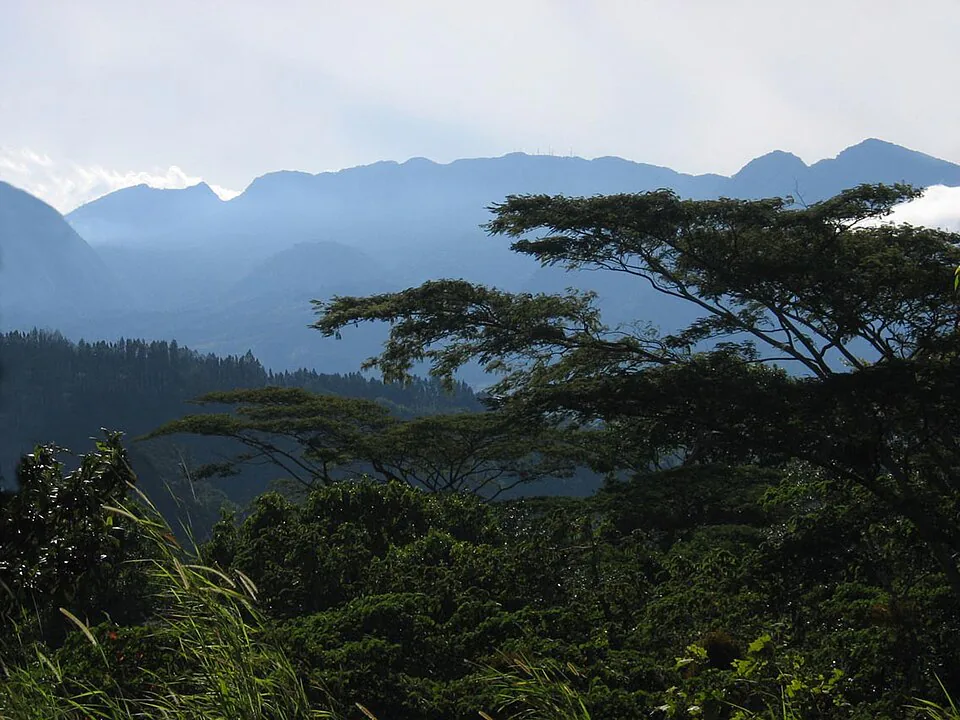
Boquete sits at 1,200 metres in the Chiriquí Highlands, draped in cloud forest, ringed by coffee farms, and cooled by a mist the locals call bajareque. It is the most complete mountain destination in Panama — and three days is exactly enough time to understand why.
This guide covers what most write-ups skip: the seasonal weather reality, precise transport logistics from Panama City and David, a neighbourhood-by-neighbourhood breakdown of where to sleep, a honest daily budget, and a day-by-day plan that moves from the town plaza to waterfall trails to the Caldera hot springs. If you already know you want to hike the Lost Waterfalls or spot a resplendent quetzal, our things to do in Boquete page has the deep-dive on every activity. This is the destination guide that sits behind it.
Section 01Why Boquete deserves three days of your Panama trip
Most Panama itineraries are front-loaded with Panama City and then pivot hard to Bocas del Toro's Caribbean beaches. Boquete is the third leg that transforms a beach-and-city trip into something with actual range. The elevation drops the temperature to a consistent 18–24 °C, the landscape shifts from tropical lowland to misty cloud forest, and the food culture pivots from ceviche to geisha coffee and farm-to-table highland cooking.

Boquete is also genuinely compact. The town centre — Parque José Domingo Médica and the few blocks around it — is walkable in twenty minutes. The trails, coffee farms, and hot springs are all within 30 kilometres. You do not need a car. You do not need to pre-book a packed tour schedule. Three days gives you one day of town and coffee orientation, one day of wider exploration by bike or 4×4, and one day on a serious trail or the volcano summit. That rhythm works.
Section 02When to go: the bajareque truth about Boquete's weather
The dry season runs from mid-December through April. This is the window when trail conditions are best, Volcán Barú summit views are likeliest, and the quetzal is most active (January–April coincides with nesting season, making sightings far more reliable). Expect daytime highs of 22–24 °C and cool evenings around 14 °C. Pack a light fleece — the bajareque mist can roll in fast even in the dry season and the temperature drops sharply after dark.

The green season (May–November) brings daily afternoon rain, sometimes heavy. Trails become significantly muddier — the Lost Waterfalls rope sections get slippery, the Pipeline Trail can be ankle-deep in places after a downpour, and the Barú summit is almost always cloud-locked. That said, the landscape is intensely green, waterfalls run fuller, and accommodation prices drop 20–30%. If you visit in the rainy season, hike in the morning (before noon), carry a rain jacket, and wear trail shoes with grip rather than regular trainers.
| Month | Rainfall | Trail condition | Verdict |
|---|---|---|---|
| Dec – Apr | Low | Firm, dry | Best window |
| May – Jun | Moderate | Muddy afternoons | Manageable |
| Jul – Nov | High | Slippery, some closures | Green season |
| Jan – Apr | Low | Firm + quetzal nesting | Birders' peak |
One nuance most guides miss: Boquete's microclimate means the town itself can be sunny while the upper trails above 1,800 m are socked in cloud. Check conditions at the Volcán Barú National Park ranger station (on the road out of town toward Alto Chiquero) the evening before any summit attempt.
Section 03Getting to Boquete from Panama City, David, and Bocas del Toro
Almost no guide gives you the full transport picture. Here it is.

| Route | Cost | Time | Verdict |
|---|---|---|---|
| Panama City → David (Albrook bus terminal, Padafront/Axesa buses) | $15–18 one way | 6–7 hrs | Cheapest |
| Panama City → David (Air Panama flight) | $90–140 one way | 55 min | Time saver |
| David terminal → Boquete (local bus, every 30 min 6am–9pm) | $2.25 | 45 min | Easiest |
| David → Boquete (taxi) | $25–30 | 35 min | With luggage |
| Bocas del Toro → Boquete (Almirante ferry + bus) | $30–40 total | 4–5 hrs | Classic route |
The overland bus from Panama City departs Albrook terminal roughly every hour between 6 am and midnight. Buy tickets at the Padafront or Axesa windows inside the terminal — no advance booking needed outside of Carnival week and Semana Santa. Arrive in David, exit the terminal, and the Boquete-bound bus stop is immediately outside on the left. The bus runs frequently and drops you at the main plaza in central Boquete.
Coming from Bocas del Toro, the classic route is: water taxi from Bocas town to Almirante ($6, 25 min), then a shared minibus or bus to David (2.5 hrs, ~$8), then the Boquete bus. The whole journey takes four to five hours on a good day. Several operators now offer direct shuttle services from Bocas to Boquete for around $35 per person — worth it if you have luggage or are travelling with a group.
Three rides. One unforgettable Boquete.
Premium Orbea e-bikes that do the climbing for you. Helmet, gloves, water and route support included — and you pay when you arrive.
Coffee Farm E-Bike Tour
Ride to a working farm and see how Geisha — the world's most expensive coffee — is made. Tasting at Altieri Specialty Coffee, geisha ice cream included.
Guided Highlights Ride
Lost Waterfalls, Library Park and the highland viewpoints locals love — the spots most visitors never find.
Self-Paced Rental
Hourly or full-day. Take a recommended route or just wander. The e-bike means hills don't decide your day.
Section 04Where to stay in Boquete: neighbourhoods and honest picks
Boquete is small enough that neighbourhood choice is really about atmosphere and walking distance rather than access to attractions. The town centre around Parque Médica puts you within five minutes of every restaurant, the collectivo stops, and the tour operators. The quieter outskirts — particularly the Alto Boquete and Jaramillo roads heading uphill — offer more greenery, birdsong, and cooler air, but you will want a taxi or rental bike for evening returns.

Budget ($15–30/night): Hostal Nomba and Boho by Arte Hostal Boquete are the two most recommended budget options in town, both within walking distance of the plaza. Dorm beds run $15–20; private rooms $28–35. The Yellow House, 3 km from the centre, offers private bungalows from around $25 and is a solid choice if you have your own transport.
Mid-range ($60–120/night): Boquete Garden Inn is consistently well-reviewed for its gardens and breakfast. Hotel Fundadores sits right on the river and has a decent spa. Both are walkable to the centre.
Boutique/splurge ($150–250+/night): Finca Lérida Boutique Hotel is the standout — a working coffee estate at 1,600 m with its own trails, resident quetzals, and a restaurant serving estate-grown coffee. Coffee Estate Inn is similarly atmospheric. If your budget allows one night at a coffee plantation hotel, do it here rather than in Panama City.
Expat-area note: Valle Escondido is a gated resort community popular with long-stay Americans. The wellness resort there is comfortable and well-run, but it sits slightly outside the town's walking circuit — fine if you have a car, slightly isolating otherwise.
Section 05Day 1: Town orientation, coffee, and the plaza
Arrive, drop your bags, and resist the urge to immediately head for a trailhead. Day one is for getting your bearings and understanding what makes Boquete's coffee culture genuinely worth your time.

Start breakfast at Café de Punto Encuentro on Avenida Central — a half-open patio run by the famously warm Olga, where the coffee is estate-sourced and the eggs come with fried plantain. Budget $5–8. From there, walk two blocks to Parque José Domingo Médica, the central plaza ringed with flowering bougainvillea. It is not historically grand, but it is the town's social centre and the departure point for all collectivos — worth knowing.
The morning's main event is a coffee farm tour. Finca Dos Jefes and Finca Casanga are the two most recommended operations for English-language tours ($30–35 per person, 2.5–3 hours). Both require advance booking — walk-ins are not accepted. Tours cover the full process from cherry to cup and include a tasting flight that typically features the famous Geisha variety, which grows almost exclusively in this highland microclimate and regularly fetches over $1,000 per pound at auction. Even non-coffee-obsessives find the flavour difference striking.
Afternoon: walk north along the Caldera River path for views of the valley, then stop at The Perfect Pair Coffee & Chocolate for a late-afternoon chocolate-making class ($39 per person, up to 6 people, book in advance) or simply for a cup and a pastry. For dinner, El Sabrosón on Avenida Central is the honest local choice — a cafeteria-style comedor where you pick from a steam-table spread of rice, beans, chicken, and vegetables for $3–4. It is not scenic, but it is what Boquete residents actually eat.
Section 06Day 2: Coffee farms by e-bike, viewpoints, and Caldera hot springs
Day two is the most logistically flexible day of the three, and the one that rewards having your own wheels. The route — out through the coffee farms on the Jaramillo road, up to the highland viewpoints, and then down to the Caldera hot springs — covers about 25 kilometres of terrain that ranges from paved highland roads to gravel farm tracks.

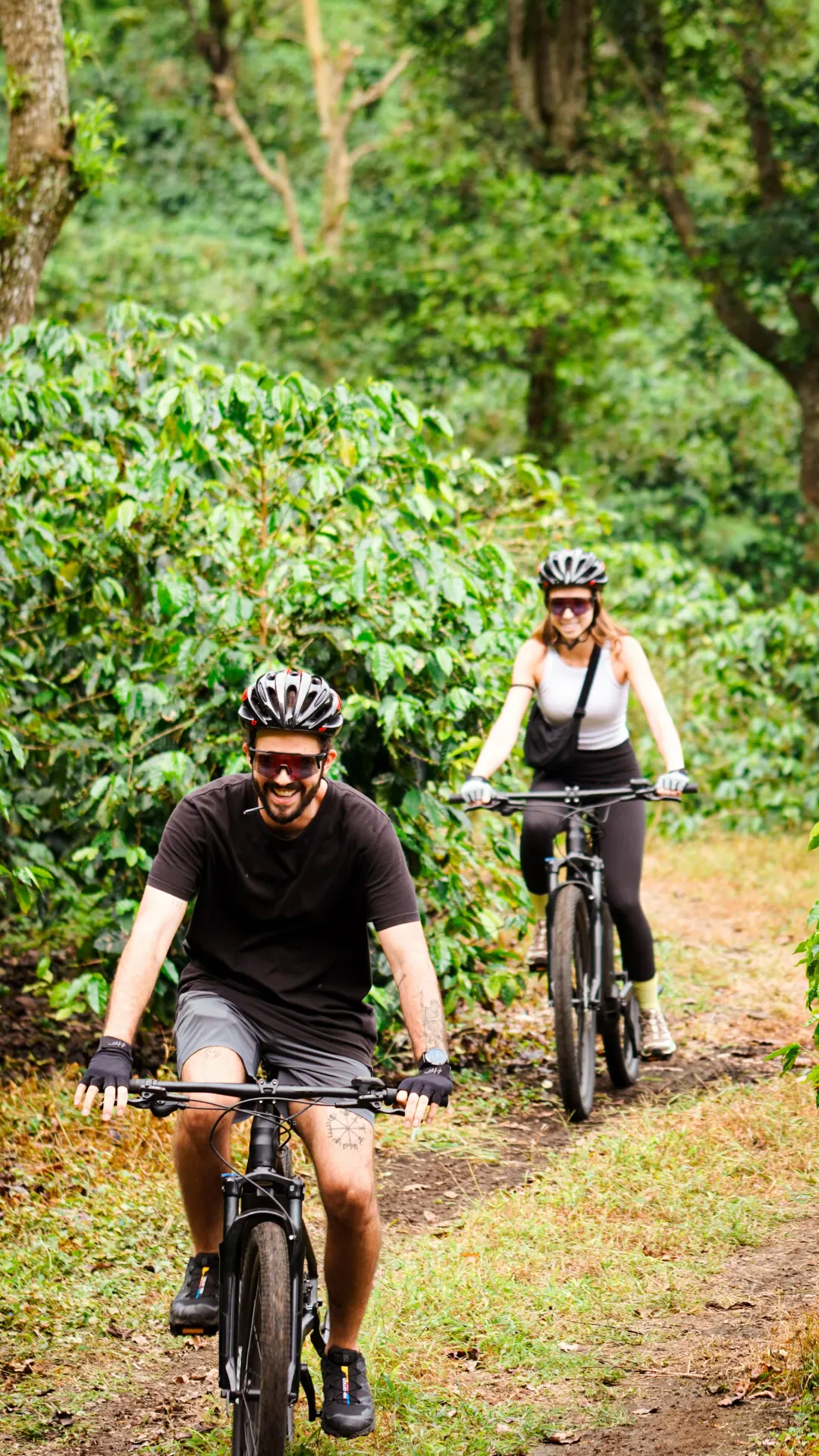
This is where an e-bike genuinely earns its place. The climbs out of the valley to the upper fincas involve 200–300 metres of elevation gain — manageable on a standard bike but sweaty enough to make you arrive at a coffee tasting looking like you need one. E-Valley Bikes, which operates guided and self-guided e-bike tours in the Boquete area, lets you cover the farms-to-hot-springs circuit at your own pace without the shuttle dependency. Their tours include helmets, a route audio guide, and a lock — useful when you stop for a tasting. It is one of the better ways to experience the highland landscape between the farm visits rather than just being ferried between them.
The morning loop: head up the Jaramillo road past Finca Lérida (even if you are not staying there, the estate trail walk is open to visitors for a small fee and the resident quetzal population is reliable January–April). Continue to the Mirador de Boquete viewpoint for the classic valley panorama — arrive before 10 am before the bajareque mist rolls in. On the descent, stop at any of the roadside coffee stalls selling freshly roasted beans by the bag ($8–12 for 250g of estate-grown Geisha is a legitimate souvenir).
Afternoon: the Caldera hot springs (Pozos de Caldera) sit about 30 minutes south of Boquete toward the town of Caldera. The springs are a series of natural thermal pools in a river canyon, ranging from warm to genuinely hot. Entry is free or involves a small fee ($2–5) depending on which section you access. The water is iron-rich and slightly sulphurous — bring an old swimsuit. Return to Boquete by 5 pm and have dinner at RetroGusto or Bistro Boquete on Avenida Central for something more substantial — mains run $10–16.
Section 07Day 3: Lost Waterfalls trail or Volcán Barú summit
Day three splits into two very different options depending on your fitness level and ambition. Choose one — attempting both is not realistic.

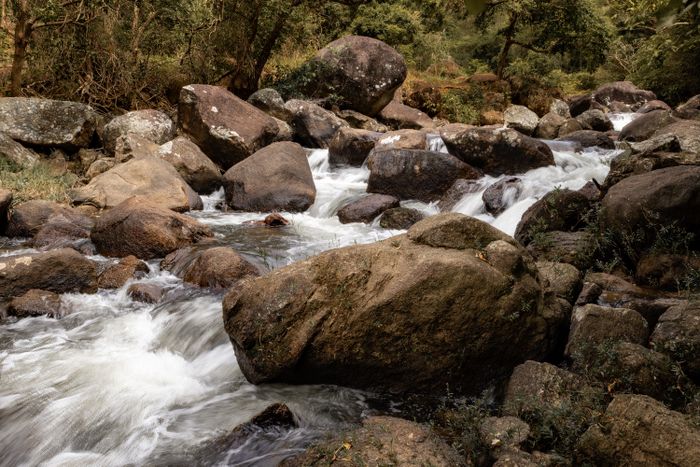
Option A — Lost Waterfalls Trail (most visitors): The Sendero Los Cangilones de Gualaca, more commonly called the Lost Waterfalls trail, is a 6.5 km round-trip through cloud forest that passes three waterfalls. The first twenty minutes are a steep rocky ascent to the ticket booth ($10 entry, cash only, last entry 3 pm). After that the trail levels into a mix of forest path and rope-assisted scrambles. Waterfall two is the most dramatic — a curtain of white water over a basalt face — and the pool at its base is swimmable if you can handle cold mountain water. Allow 3.5–4 hours including stops. Take the Bajo Mono collectivo from the plaza ($2.50 each way) and arrange for it to collect you, or simply wait at the trailhead — buses pass roughly every 45 minutes.
Rainy season reality check: The rope sections on the approach to waterfall three become genuinely slippery after rain. If it rained the previous night, the descent requires careful footwork. Wear trail shoes, not sandals, and consider skipping waterfall three if conditions are wet.
Option B — Volcán Barú summit (serious hikers): Panama's highest point at 3,474 m offers views of both the Pacific and Caribbean on clear days — a genuinely rare experience. The self-guided overnight hike departs around midnight from the ranger station on the Volcán road (taxi from town, ~$15), takes 5–6 hours to the summit, and returns by midday. Cost: $5 national park entry plus $15 taxi each way. The trail is well-marked but rocky and cold above 2,500 m — bring a headlamp, warm layers, and rain gear. Alternatively, a 4×4 vehicle tour to the summit costs $120–150 per person and is the only realistic option for those who want the view without the overnight hike.
Section 08Budget breakdown: what three days in Boquete actually costs
Almost no guide gives you a total. Here is an honest per-person estimate for three days, covering accommodation, food, transport, and activities.

| Category | Budget traveller | Mid-range | Comfortable |
|---|---|---|---|
| Accommodation (3 nights) | $45–75 (dorm) | $180–270 | $350–500 |
| Food (3 days, all meals) | $25–35 | $60–90 | $100–150 |
| Transport (bus + collectivos) | $20–25 | $30–40 | $50–80 (taxis) |
| Activities (coffee tour, trails, hot springs) | $25–35 | $60–90 | $120–200 |
| 3-day total (per person) | $115–170 | $330–490 | $620–930 |
Compared to Panama City, Boquete is moderately cheaper for accommodation and significantly cheaper for food if you eat at comedores. Activities are the main variable — a Barú 4×4 tour ($120–150) or a private guided birding day ($75–100) can substantially increase the mid-range total. The Volcán Barú self-guided hike at $5 entry plus $30 in taxis is the best value big-day-out in the country.
Section 09Safety, practicalities, and what no one tells you
Is Boquete safe? Yes, by any reasonable measure. Boquete has one of the lowest crime rates of any tourist destination in Panama. Petty theft exists — leave valuables in your accommodation safe, do not flash expensive cameras on the trails — but violent crime targeting tourists is extremely rare. The large expat community (primarily American and Canadian retirees) has created a well-serviced, well-lit town centre that feels relaxed at night. Solo female travellers consistently rate Boquete as one of the most comfortable destinations in Central America.
Neighbourhoods: The town centre and the roads toward Alto Boquete and Jaramillo are all considered safe. The bus terminal area in David (where you transit) warrants the usual terminal-area awareness — keep bags close, do not linger after dark. There are no areas of Boquete itself that require avoidance.
Connectivity: Boquete has reliable 4G coverage from Claro and Movistar throughout the town and on most trails. Wi-Fi is standard in all accommodation. If you are arriving from Bocas del Toro, note that the ferry crossing and mountain roads have dead zones — download offline maps before you travel.
Money: Panama uses the US dollar. There are two ATMs in central Boquete (Banco Nacional and Banistmo, both on Avenida Central). Most restaurants and hotels accept cards; trailhead entry fees and collectivos are cash only. Bring small bills — change is often scarce.
Health: No vaccinations are specifically required for Boquete beyond standard Panama recommendations (hepatitis A, typhoid). The elevation means UV exposure is higher than at sea level — use SPF 50 even on overcast days. The Caldera hot springs are natural pools; avoid submerging your head.
Section 10Day trips from Boquete: what's within reach
Three days in Boquete is a self-contained trip, but if you have a fourth day or are building a longer Chiriquí itinerary, these extensions are worth knowing.
Cerro Punta and Guadalupe (1.5 hrs by bus, ~$3): The highland vegetable-growing region above Boquete, accessed via David. Cerro Punta sits at 2,130 m and is the starting point for the Los Quetzales Trail — a 9.6 km one-way trail through Parque Internacional La Amistad that ends in Boquete (or vice versa). This is the most ambitious day hike in the region and requires a shuttle or taxi at one end. The Quetzal is reliably spotted here January–April.
David (45 min, $2.25): The provincial capital is not a tourist destination but is useful for ATMs, a larger supermarket (Rey), and the regional bus connections. If you need to replace gear or stock up on supplies, David is the answer.
Boca Chica and the Gulf Islands (1.5 hrs by car): A complete change of scene — a Pacific fishing village with boat access to the uninhabited islands of the Laguna de Chiriquí. Howler monkeys, sea turtles, and snorkelling over coral. Best organised as a day tour from Boquete ($75 per person) since public transport connections are infrequent.
Caldera village (30 min): Beyond the hot springs, the Caldera valley has some of the best rock climbing in Panama on natural basalt formations at Los Ladrillos. Boquete-based adventure operators run half-day climbing trips for around $65 per person including gear.
Boquete rewards the traveller who resists over-scheduling. Leave one afternoon unplanned — the bajareque will roll in, the temperature will drop ten degrees in twenty minutes, and you will end up in a coffee shop talking to a retired ornithologist from Oregon who has been here for twelve years and still cannot quite explain why he never left.