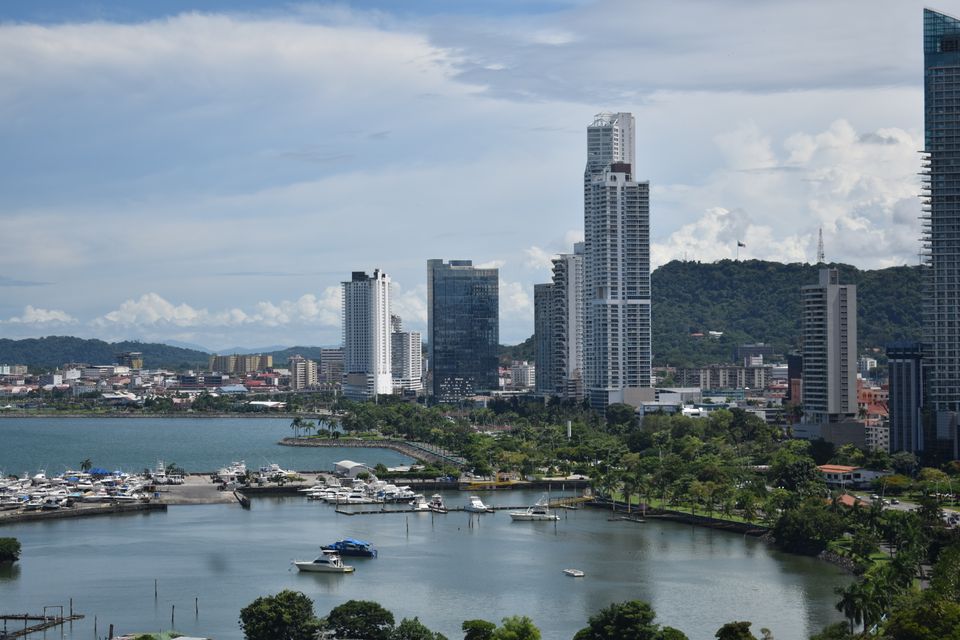
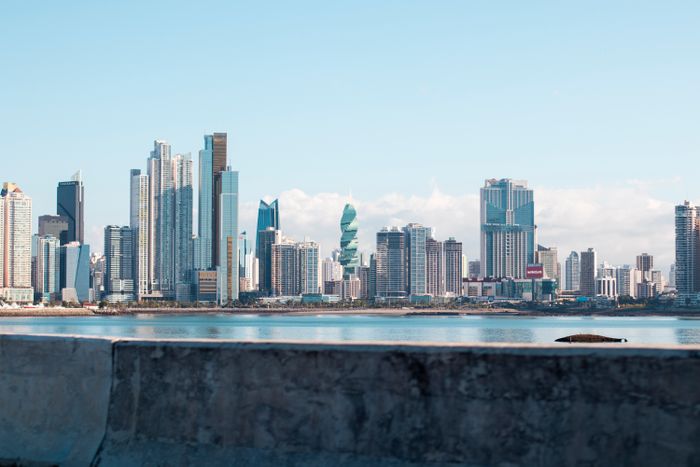
Panama City is one of the few capitals on earth where you can be standing in a rainforest, on a Caribbean island, or inside an extinct volcano crater — all before dinner. The isthmus is narrow, the Pan-American Highway is fast, and the options are genuinely extraordinary. This guide gives you the real numbers: what each trip costs, exactly how to get there without a tour, when to go, and which combinations work in a single day.
No other guide on this topic tells you that the 6:30 AM Albrook bus to El Valle costs $4.25 each way, or that the Taboga ferry sells out on holiday weekends, or that San Blas is technically doable in a day but will wreck you if you don't know what you're signing up for. That is what this page is for.
Section 01How to choose the right day trip
Before you book anything, answer three questions: How much time do you actually have? What is your tolerance for early mornings? And are you chasing nature, history, or beach? The answers will cut your shortlist in half.
Time on the ground matters more than distance. El Valle de Antón is 120 km from the city — two hours each way by car — but once you arrive you have a full crater valley to explore, so the travel time pays off. San Blas is only 80 km as the crow flies but the road through the Cordillera takes 2.5–3 hours, meaning you need a pre-dawn pickup and a long return. Taboga is 20 km offshore but the ferry takes just 30 minutes, giving you six or seven hours on the island with almost no logistical stress.
Dry season (mid-December through April) is when every trip is at its best — clear skies, calm Pacific, passable dirt roads to San Blas. But the rainy season (May through November) is not a write-off. El Valle actually turns a more vivid green, Portobelo's jungle is lush, and Soberanía National Park's birding reaches its peak. Taboga and the Panama Canal transit work fine in light rain. San Blas and the Pearl Islands are the most weather-dependent; choppy seas make boat transfers genuinely unpleasant.
Solo travelers and small groups will find public buses to El Valle and the Taboga ferry the easiest DIY options. For San Blas and Portobelo, a shared tour is often cheaper and more practical than piecing it together independently. The Canal partial transit is tour-only by design.
Section 02Comparison matrix — all seven trips at a glance
Use this table to filter by your constraints. Costs are per person in USD for 2026, DIY unless noted.
| Destination | Distance | Travel time | DIY cost (approx.) | Best for | Verdict |
|---|---|---|---|---|---|
| El Valle de Antón | 120 km | 2 h by car / bus | $9–$15 (bus + entry fees) | Hiking, nature, culture | Best overall |
| Taboga Island | 20 km offshore | 30 min ferry | $25–$35 (ferry + food) | Beach, history, easy day | Easiest |
| Portobelo & Caribbean | 100 km | 1.5–2 h by car | $30–$60 (car + catamaran) | History, snorkeling | Most underrated |
| San Blas (Guna Yala) | 80 km (road) | 2.5–3 h each way | $180–$225 (tour, all-in) | Iconic islands, culture | Ambitious |
| Monkey Island / Gatún Lake | 80 km | 1 h by car | $60–$90 (tour) | Wildlife, families | Best for families |
| Canal Partial Transit | N/A (boat) | 4–5 h on water | $165–$185 (tour only) | Engineering, history | Bucket list |
| Pearl Islands (Contadora) | 75 km offshore | 1.5 h ferry | $60–$90 (ferry + food) | Pristine beaches | Longer day |
Section 03El Valle de Antón — the best all-round day trip
El Valle de Antón sits inside the flat caldera of an extinct volcano at 600 m elevation, two hours west of Panama City on the Pan-American Highway. The temperature is 6–8°C cooler than the capital, the air smells of wet earth and orchids, and the surrounding crater walls are covered in cloud forest. It is, by a comfortable margin, the most rewarding day trip you can do from Panama City.
Our deep-dive guide to El Valle de Antón as a day trip covers the full itinerary, but here is the essential logistics picture.
By public bus: Buses depart Albrook Terminal (Gran Terminal Nacional) from 6:30 AM onward, roughly every 30–45 minutes until 7:00 PM. The fare is $4.25 each way. Journey time is 2–2.5 hours depending on traffic. Buses drop you at the main market square in El Valle. Return buses from El Valle leave from the same square; the last bus back departs around 6:00 PM. Buy your return ticket when you arrive.
By rental car: Take the Pan-American Highway west toward Coronado, then turn north at the El Valle junction. The road climbs steeply for the last 15 km — it is paved and in good condition, but slow. Total drive time from Miraflores is 1 hour 45 minutes in light traffic. Parking in El Valle is free at the market and at most attractions.

What to do once you're there: The Sunday artisan market runs daily (8 AM–4 PM) and is the best place in Panama to buy molas, hand-painted ceramics, and golden frogs carved from tagua nut. Chorro El Macho waterfall ($3 entry) is a 35 m cascade with a zipline over the pool. The APROVACA orchid sanctuary charges $3 and contains hundreds of native species. The La India Dormida ridge hike takes 3–4 hours round-trip and gives you panoramic views of the entire crater.
For travelers who want to cover more ground without the hiking, E-Valley Bikes offers e-bike rentals from $30 per bike — a genuinely efficient way to reach the waterfall, the hot springs, and the market in a single morning without breaking a sweat in the heat. Helmets, a lock, and an audio route guide are included.
Budget breakdown (DIY, per person): Bus both ways $8.50 · Market entry free · Chorro El Macho $3 · APROVACA orchid garden $3 · Lunch at a local fondita $6–$10 · Total: roughly $20–$25. Add $30 for an e-bike rental if you want to cover more ground.
Rainy season note: El Valle is excellent in the green season. The waterfalls are fuller, the crater walls are a deeper green, and the market is less crowded. Trails can be muddy — bring waterproof shoes or rent rubber boots in the village for $2.
Section 04Taboga Island — the easiest half-day from the city
Isla Taboga is 20 km offshore in the Gulf of Panama, 30 minutes by ferry from the Amador Causeway. It is the simplest day trip you can do from Panama City: no car, no early morning, no complicated logistics. Paul Gauguin nearly settled here in 1887, and the pace of life suggests he would have been comfortable.
Ferry details: Barcos Calypso operates the Amador–Taboga route. Ferries depart the Amador Causeway pier (Muelle de Amador, near the Biomuseo) at 8:30 AM and 3:00 PM on weekdays, with an additional 10:00 AM departure on weekends. Return ferries from Taboga leave at 9:30 AM, 4:30 PM, and (weekends only) 5:00 PM. Round-trip fare is approximately $14 for adults, $10 for children. Book online at barcoscalypso.com or buy at the pier — but book ahead on Panamanian holiday weekends, when the ferry sells out.

Getting to Amador: Uber from Miraflores to the Amador Causeway pier costs $4–$8 depending on traffic. The Metrobus does not serve Amador directly; take the Metro to Albrook and then a $3 taxi.
On the island: The village of San Pedro is a 10-minute walk from the pier along a flower-lined path. The Iglesia de San Pedro on the main plaza is the second-oldest church in the Western Hemisphere, dating to 1550. Playa Restinga, a 5-minute walk north of the pier, is the main beach — calm, warm, and backed by pelican nesting grounds. At low tide a sand spit connects to the islet of El Morro; snorkeling around the rocks there costs nothing beyond mask rental ($5 from beach vendors). A local fisherman will take you by panga to the quieter north-side caves for $20–$30 for the boat.

Food and drink: Restaurant Chu on the main plaza does grilled fish plates for $10–$14. Cerviche from the market stalls near the pier runs $3–$5. Bring cash — card acceptance is unreliable on the island.
Crowd warning: Taboga is a favorite of Panama City families and cruise ship passengers. The 8:30 AM ferry on a Saturday in January will be packed. If you want the island to yourself, take the 8:30 AM weekday ferry and return on the 4:30 PM — you will have most of the afternoon in near-solitude.
Section 05Portobelo & the Caribbean coast — the most underrated trip
Portobelo is 100 km north of Panama City on the Caribbean coast, reached via the Transisthmian Road through Colón. The drive takes 1.5–2 hours by car. It is one of the most historically significant sites in the Americas — the Spanish used it as the primary Caribbean terminus for the silver route from Peru — and it is almost entirely overlooked by visitors who default to Taboga or El Valle.
The UNESCO-listed fortifications of San Felipe, Santiago, and San Jerónimo are in various states of romantic ruin along the bay. Entry to the fort complex is $5. The Real Aduana (Royal Customs House) has been partially restored and contains a small but excellent museum on the colonial silver trade. The Black Christ of Portobelo, housed in the Iglesia San Felipe, is one of the most venerated religious figures in Panama — pilgrims walk to Portobelo from Panama City every October 21st.

Beyond the forts: The real reason to combine Portobelo with a boat trip is Venas Azules (Blue Veins), a mangrove lagoon accessible only by water. A catamaran day tour from Portobelo typically includes Venas Azules, a stop at Playa Blanca (a secluded white-sand beach), snorkeling, kayaking, and lunch — for $80–$110 per person. Book through operators in Portobelo town or via GetYourGuide. If you arrive independently by car, you can negotiate a panga to Playa Blanca for $15–$20 per person (minimum 4 people) at the dock near the main plaza.

Getting there without a car: Buses from Albrook Terminal to Colón run frequently ($3.50, 1.5 hours). From Colón's bus terminal, a shared taxi to Portobelo costs $5–$8 per person. The logistics are manageable but add time — plan for a 6:30 AM departure from Panama City if you want a full day.
Fuerte San Lorenzo add-on: If you have a rental car, Fuerte San Lorenzo — a clifftop Spanish fort overlooking the Caribbean mouth of the Chagres River — is 40 minutes west of Portobelo via Colón. It is less visited than Portobelo and arguably more dramatic. Combine both in one day: forts in the morning, catamaran in the afternoon.
Section 06San Blas (Guna Yala) — the ambitious day trip
The San Blas archipelago — properly called Guna Yala — is a string of 365 coral islands governed autonomously by the Guna indigenous people. The islands are genuinely extraordinary: white sand, turquoise water, no hotels above one story, no cars, no cruise ships. They are also genuinely far from Panama City, which is why this trip requires honest expectation-setting.
Our full guide to doing San Blas as a day trip from Panama City covers the logistics in detail. The short version: pickup from your hotel is between 5:00 and 5:30 AM. The road to Cartí — the main Guna Yala port — climbs through the Cordillera on steep switchbacks and takes 2.5–3 hours in a shared 4x4 SUV. From Cartí, a small motorboat takes you to the islands (20–30 minutes). You arrive around 9:00–9:30 AM, have roughly 5–6 hours on the islands, and return to Panama City by 9:00–10:00 PM. It is a 16-hour day.
Cost: All-inclusive day tours run $180–$225 per person and include the 4x4 transfer, boat, lunch, and island-hopping between 2–3 cays. This is non-negotiable — independent access to Guna Yala requires Guna permission and a local guide by law, and the logistics of the road and boat make DIY impractical for a single day.
Is it worth it? Yes, if you have no other opportunity to visit. The islands are unlike anything else in Central America. But if you have an extra day, consider staying overnight in one of the simple island cabañas ($80–$120 per person, full board) — the experience is incomparably better when the day-trippers have gone and the stars come out over the Caribbean.
Rainy season warning: The road to Cartí becomes treacherous in heavy rain and is sometimes closed entirely. Tour operators will cancel and refund in these conditions. If you are visiting between May and November, have a backup plan for this day.
Section 07Monkey Island & Gatún Lake — best for families
Gatún Lake was created in 1913 when the Chagres River was dammed to fill the Panama Canal. At the time it was the largest artificial lake in the world. Today it is a wildlife sanctuary of the first order — and the so-called Monkey Island (Isla Barro Colorado and surrounding islets) is home to howler monkeys, capuchins, and Geoffrey's tamarins that have become remarkably accustomed to boats.
How it works: Most tours depart Panama City at 7:00–8:00 AM and drive to Gamboa (45 minutes, 30 km via the Canal road). From Gamboa's dock, a motorboat takes you into the lake. Howler monkeys are essentially guaranteed — they gather at the water's edge and are often close enough to photograph without a telephoto lens. Three-toed sloths, Jesus Christ lizards, and caimans are common sightings. Tours typically include a stop at a natural pool for swimming and a visit to the Gatún Locks viewing platform.

Cost: Guided tours from Panama City run $60–$90 per person including transport, boat, and guide. Booking through operators in Gamboa directly (rather than via city-based tour desks) can save $15–$20. The Smithsonian's Barro Colorado Island research station offers separate guided visits ($70–$90, advance booking essential at stri.si.edu) — these are more rigorous natural history experiences led by scientists.

DIY option: Drive to Gamboa and negotiate a boat directly at the dock. Local boatmen charge $25–$40 per hour for the boat (not per person), making this economical for groups of 4 or more. The lake is navigable in a small boat and the monkeys are easy to find.
Timing: Morning departures are best — wildlife is most active before 10:00 AM, and afternoon thunderstorms are common from May through November. Plan to be back on shore by noon.
Section 08Panama Canal partial transit — the bucket-list boat ride
Watching a ship pass through the Miraflores Locks from the visitor center is impressive. Actually transiting the Canal on a boat — rising and falling with the locks, watching the jungle walls slide past — is something else entirely.
Partial transit tours run on Saturday mornings (occasionally Fridays) and cover the Southbound route: Gamboa to the Miraflores Locks, exiting into the Pacific near the Bridge of the Americas. The journey takes 4–5 hours on the water. You board at Gamboa dock at around 7:30 AM and disembark at the Amador Causeway by 1:00–2:00 PM.
Cost: $165–$185 per person depending on operator and season. Panama Canal Adventures and Canal & Bay Tours are the two main licensed operators. Book at least 2–3 weeks in advance for dry-season Saturdays, which sell out. Tours include a bilingual naturalist guide, continental breakfast, and lunch on board.
What makes it special: The scale of the locks is only apparent from water level. The Panamax ships that share the old locks with your small tourist vessel are genuinely enormous — the experience recalibrates your sense of engineering. The new Neopanamax locks at Agua Clara (on the Atlantic side) handle ships three times larger; the Agua Clara visitor center is worth a separate visit if you want to see the mega-ships.
Alternative — Miraflores Visitor Center: If the transit is outside your budget, the Miraflores Locks visitor center ($20 entry, open daily 9 AM–5 PM) has a four-story observation deck, a museum, and a restaurant overlooking the locks. Ships transit continuously; you will almost certainly see at least one during a 90-minute visit. Combine it with a morning in Casco Antiguo for an excellent Panama City half-day.
Section 09Rainy season and weather — which trips survive the green season
Panama's rainy season runs from May through mid-December, with the heaviest rainfall in October and November. This does not mean every day is a washout — typically mornings are clear and rain arrives in the afternoon. But it does mean some trips are better than others in wet conditions.
Excellent in rainy season: El Valle de Antón (waterfalls are fuller, cooler temperatures, fewer crowds), Portobelo and the Caribbean coast (the Caribbean side is actually drier than the Pacific in some months), Gatún Lake and Monkey Island (wildlife activity is high, morning departures beat the rain), Soberanía National Park birding (Pipeline Road is legendary in the wet season).
Weather-dependent: Taboga (ferry runs in light rain, but the beach experience suffers in heavy downpours — check the forecast), Panama Canal transit (runs in rain, but the experience is less pleasant), Pearl Islands (sea state matters more than rain).
Avoid in heavy rain: San Blas (road closures are common; sea crossings can be rough and dangerous), Pearl Islands by ferry (1.5-hour crossing in choppy Pacific swells is unpleasant).
Section 10Combination itineraries — stacking two destinations in one day
Several of these trips pair naturally, either geographically or by timing. Here are three combinations that work without requiring superhuman logistics.
Combination 1: El Valle + Playa Santa Clara
Drive west on the Pan-American. Stop at Playa Santa Clara (1 hour from Panama City) for a 7:00–9:00 AM swim before the beach fills up. Continue to El Valle (another 45 minutes north from the Santa Clara junction). Spend the morning in the crater, have lunch, and drive back to Panama City via the same route. Total driving: about 4 hours. This works best with a rental car and works well in dry season when the Pacific beach is at its best. Budget: $15–$20 beach entry and food + $20–$25 El Valle + $50–$70 car rental for the day.
Combination 2: Portobelo + Gatún Locks
Drive north on the Transisthmian Road to Portobelo (1.5 hours). Spend the morning at the forts and arrange a panga to Playa Blanca. Drive back through Colón to the Agua Clara Visitor Center (40 minutes from Colón) to watch Neopanamax ships transit in the afternoon. Return to Panama City via the Transisthmian Road. Total driving: about 4.5 hours. Best done with a rental car. Budget: $5 fort entry + $15–$20 panga + $15 Agua Clara entry + car rental.
Combination 3: Taboga + Casco Antiguo
Take the 8:30 AM ferry to Taboga. Return on the 4:30 PM ferry. Walk from the Amador Causeway pier into Casco Antiguo (20-minute walk or $4 Uber) for dinner and a sunset view from the Casco rooftops. This is the lowest-effort combination day in the guide — no car, no early morning, and you end the day in one of the best neighborhoods in the city for food and drinks. Budget: $14 ferry + $10–$15 food on Taboga + $20–$30 dinner in Casco.
For travelers spending a week or more in Panama, these day trips form the backbone of a logical itinerary: Taboga for an easy first day out of the city, El Valle for the best all-round experience (ideally mid-week to avoid crowds), Portobelo for history and Caribbean color, and San Blas as the grand finale if time and budget allow. Our broader guide to El Valle de Antón has everything you need for the mountain-town leg of that itinerary.