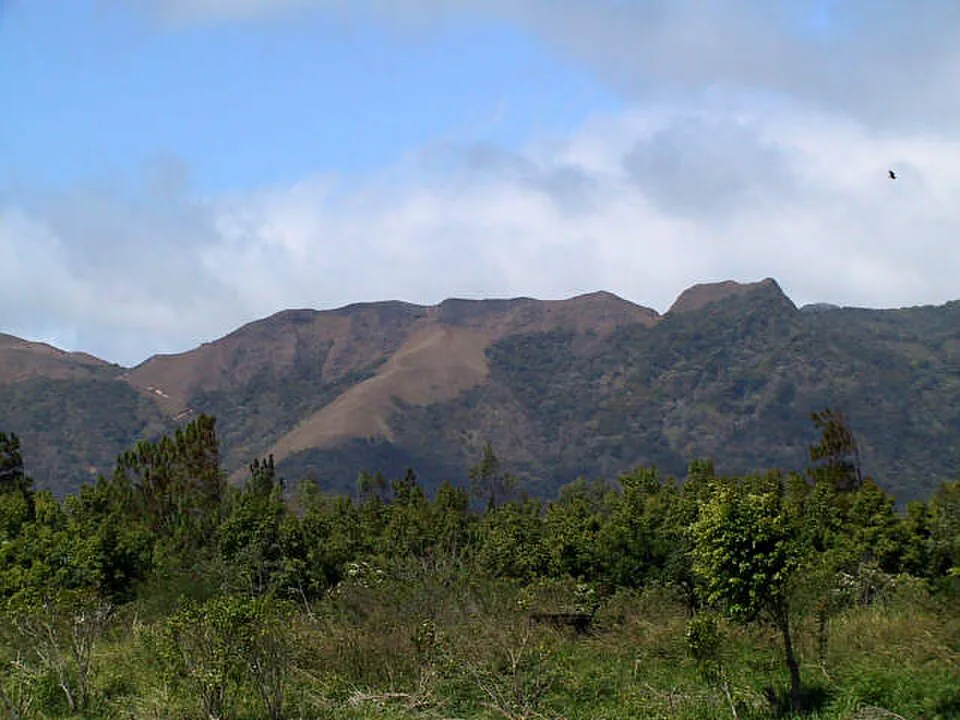
El Valle de Antón is the most improbable town in Panama: a fully inhabited village sitting on the floor of an ancient volcanic caldera, ringed on every side by jungle-draped crater walls that rise 400 metres above your head. Two and a half hours from Panama City's skyscrapers, it feels like a different planet — cooler, quieter, and so relentlessly green that the air itself seems tinted.
This guide covers everything you actually need to plan a trip: the hikes ranked by difficulty, the waterfalls worth the mud on your boots, realistic costs, month-by-month weather, where to eat, where to sleep, and structured itineraries for two, three, and five days. It addresses the gaps that most travel articles leave wide open — trail conditions, wildlife encounter odds, and what a stay genuinely costs in 2026. Combining El Valle with Boquete in the western highlands? We have a full Boquete guide for the other half of the trip.
Section 01Why El Valle Belongs on Your Panama Itinerary
El Valle de Antón punches above its weight in almost every category. The caldera — roughly six kilometres wide — creates a microclimate that keeps daytime temperatures around 22–26°C year-round, a full ten degrees cooler than Panama City. That alone makes it a relief valve for anyone who has spent a sweaty week on the coast. But the geography does more than regulate temperature: it concentrates biodiversity. The mineral-rich volcanic soil supports over 300 recorded bird species, a population of the critically endangered Panamanian golden frog, endemic orchid varieties, and forest corridors that connect to Cerro Gaital Natural Monument above.
In 2024, the UN World Tourism Organization named El Valle de Antón one of its Best Tourism Villages — recognition of the community's commitment to sustainable tourism, the Sunday artisan market, and the network of conservation projects that run through town. It is not a polished resort destination. The roads are narrow, the signage is inconsistent, and the pace is determined by the roosters, not the clock. That is precisely the point.
The town also makes an excellent strategic base. It sits roughly midway between Panama City and the Azuero Peninsula beaches, and day trips to Penonomé (the provincial capital, 45 minutes), the Pacific beaches of Farallon and Playa Blanca (90 minutes), and even the highlands of Chiriquí are feasible for those with a car.
Section 02Getting There from Panama City
The bus from Albrook Grand Transport Terminal is the standard approach and it works well. Buses depart from Platform 48 roughly every 30–45 minutes between 6:00 am and 6:00 pm. The fare is $4.50 each way. Journey time is 2.5 hours in normal traffic, though Friday afternoon departures can stretch to 3.5 hours due to city-exit congestion. Buy your ticket at the window before boarding — there is no online booking system.
| Route | Cost | Time | Verdict |
|---|---|---|---|
| Bus — Albrook Terminal to El Valle | $4.50 pp | 2.5–3 hrs | Best value |
| Private taxi / Uber from Panama City | $80–$120 | 2–2.5 hrs | Good for groups |
| Rental car (pick up in PTY) | $45–$70/day + fuel | 2–2.5 hrs | Most flexible |
| Day-tour operator (PTY-based) | $75–$150 pp | Full day | Easiest logistics |
By car, take the Pan-American Highway (Interamericana) west toward Aguadulce. At Las Uvas (km 98), turn left onto the signed mountain road toward El Valle. This 45-minute climb through the cloud forest is genuinely spectacular — the road switchbacks up through the crater wall and drops into the valley below. Do not attempt it in a low-clearance vehicle after heavy rain without checking conditions first; the road is paved but narrows to one lane in several places.
Once in El Valle, the town centre is compact and walkable. For the wider caldera — trailheads, the orchid nursery, the hot springs, and the outer waterfalls — a bicycle, taxi, or e-bike is practical. Local taxis charge $3–$5 for most in-town trips; agree on the price before you get in.
Section 03Best Time to Visit — Month by Month
El Valle has two seasons, and both have merit depending on what you are here to do. The dry season runs December through April; the rainy season runs May through November, with the heaviest rainfall in October and early November.
| Month | Rain | Hiking | Waterfalls | Crowds |
|---|---|---|---|---|
| December–February | Low | Ideal | Moderate flow | Moderate (holidays peak) |
| March–April | Very low | Ideal | Lower flow | Low |
| May–June | Building | Good mornings | Good flow | Very low |
| July–August | High | Morning only | Peak flow | Low |
| September–October | Very high | Slippery | Spectacular | Lowest |
| November | Easing | Improving | Strong flow | Low |
For hikers: January through March is the sweet spot. Trails are dry, views from the crater rim are clear, and sunrise hikes are reliable. The trade-off is that Chorro El Macho and other waterfalls run at reduced volume.
For waterfall swimmers: June through September. The falls are thundering and the natural pools are full. Expect afternoon rain most days — plan to be off exposed ridgelines by 1:00 pm.
For birdwatchers: The dry season concentrates birds around water sources and makes them easier to spot in the thinned-out understorey. However, migrant species pass through during October and November, making the shoulder wet season interesting for serious listers.
For budget travelers: May through November sees the fewest tourists and lowest accommodation rates — some hotels discount 20–30% in the low season.
Four ways to do El Valle by bike.
Self-guided freedom with a GPS audio guide that does the narrating — no group, no fixed itinerary. Helmet, lock and front basket included.
Town & Art Loop
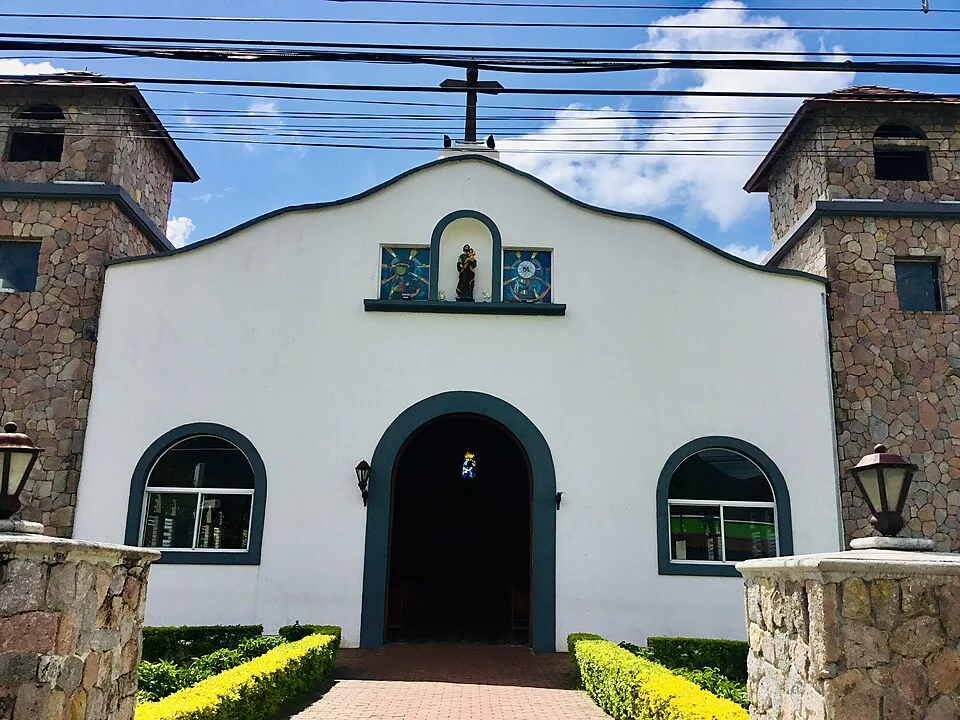
Historic center, the artisan market and the church. Flat, easy, perfect for a first ride.
Falls & Wildlife
Chorro El Macho waterfall, the Butterfly Haven and the Níspero Zoo. Built for groups with kids.
Crater Ridge
Up to the panoramic ridge over the crater. The sunset slot is the one to book.
Mountain & India Dormida
Off-road, real elevation, real views — for experienced riders who want to earn it.
Section 04Hikes: The Crater Rim and Beyond
Hiking is the primary reason most people come to El Valle, and the caldera rim offers a genuinely exceptional circuit. The four main ridge hikes — La India Dormida, Cerro La Silla, Cerro Cara Iguana, and Cerro Gaital — can be combined into a multi-day programme or sampled individually. Here is an honest assessment of each.
La India Dormida (The Sleeping Indian) — The Iconic One
This is the hike everyone talks about, and it earns the reputation. The mountain's silhouette, viewed from town, traces the profile of a reclining indigenous woman — the legendary Luba, daughter of Chief Urraca, who fled into the mountains after a forbidden love with a Spanish soldier and was eventually found dead on the ridge, her form absorbed into the stone. The story is told on interpretive signs at the trailhead and is worth reading before you climb.
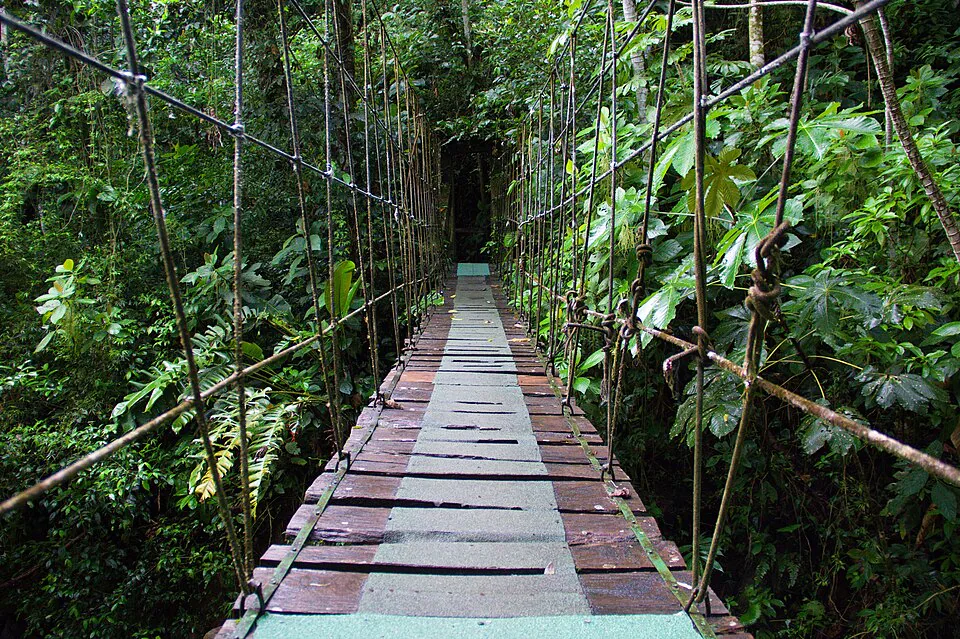
The trailhead is at Piedra Pintada, a large pre-Columbian boulder covered in petroglyphs about 15 minutes' walk west of town (or a $3 taxi). Entrance fee: $3. The standard route to the summit takes 1.5–2.5 hours depending on fitness, with an elevation gain of roughly 370 metres. The upper section involves scrambling over volcanic rock — not technical, but you need your hands. Bring water, wear trail shoes or hiking boots, and do not attempt it in flip-flops.
For sunrise, leave town by 5:00 am. The summit rewards early risers with views across the entire caldera, the Pacific coast on clear days, and the crater walls glowing amber in the first light. Trail markers exist but are inconsistent — if in doubt, follow the worn path upward. A local guide (available at the trailhead for approximately $15–$20) is worth considering for first-timers, both for navigation and for the ecological commentary.
Cerro La Silla (The Armchair) — Best All-Round Views
Underrated relative to La India Dormida, Cerro La Silla is many experienced hikers' favourite in El Valle. The summit sits at roughly 1,000 metres and offers a 360-degree panorama that includes the entire caldera floor, the Pacific coast, and on exceptional clear mornings, both oceans simultaneously. A large cross marks the top. Difficulty: moderate. Time: 2–3 hours return. The trailhead is on the eastern edge of town.
Cerro Cara Iguana — For the Ridge Walk
The "Iguana Face" ridge is a longer, more demanding route that follows the crater rim for several kilometres. It can be combined with La India Dormida for a full-day traverse — experienced hikers do this in 5–7 hours. The views are extraordinary but the trail is less defined; a guide is strongly recommended for the full traverse.
Cerro Gaital — The Serious One
The highest point in the area at over 1,100 metres, Cerro Gaital sits within the Gaital Natural Monument and requires a permit from ANAM (the national environment authority). The trail passes through pristine cloud forest and is the best option for serious birdwatchers targeting highland species. Allow a full day. A guide is not optional here — the trail is unmarked in sections and the forest is dense.
| Hike | Difficulty | Time (return) | Guide needed? | Best for |
|---|---|---|---|---|
| La India Dormida | Moderate | 3–5 hrs | Optional | First-timers, sunrise |
| Cerro La Silla | Moderate | 2–3 hrs | No | Best panoramas |
| Cerro Cara Iguana | Moderate–Hard | 3–4 hrs | Recommended | Ridge walkers |
| Cerro Gaital | Hard | 6–8 hrs | Yes | Serious hikers |
| Full Caldera Rim Traverse | Very Hard | Full day+ | Yes | Experienced trekkers |
Section 05Waterfalls and Natural Swimming Pools
El Valle's volcanic geology and high rainfall produce an exceptional density of waterfalls within a small area. These are the ones worth your time.
Chorro El Macho — The Signature Waterfall
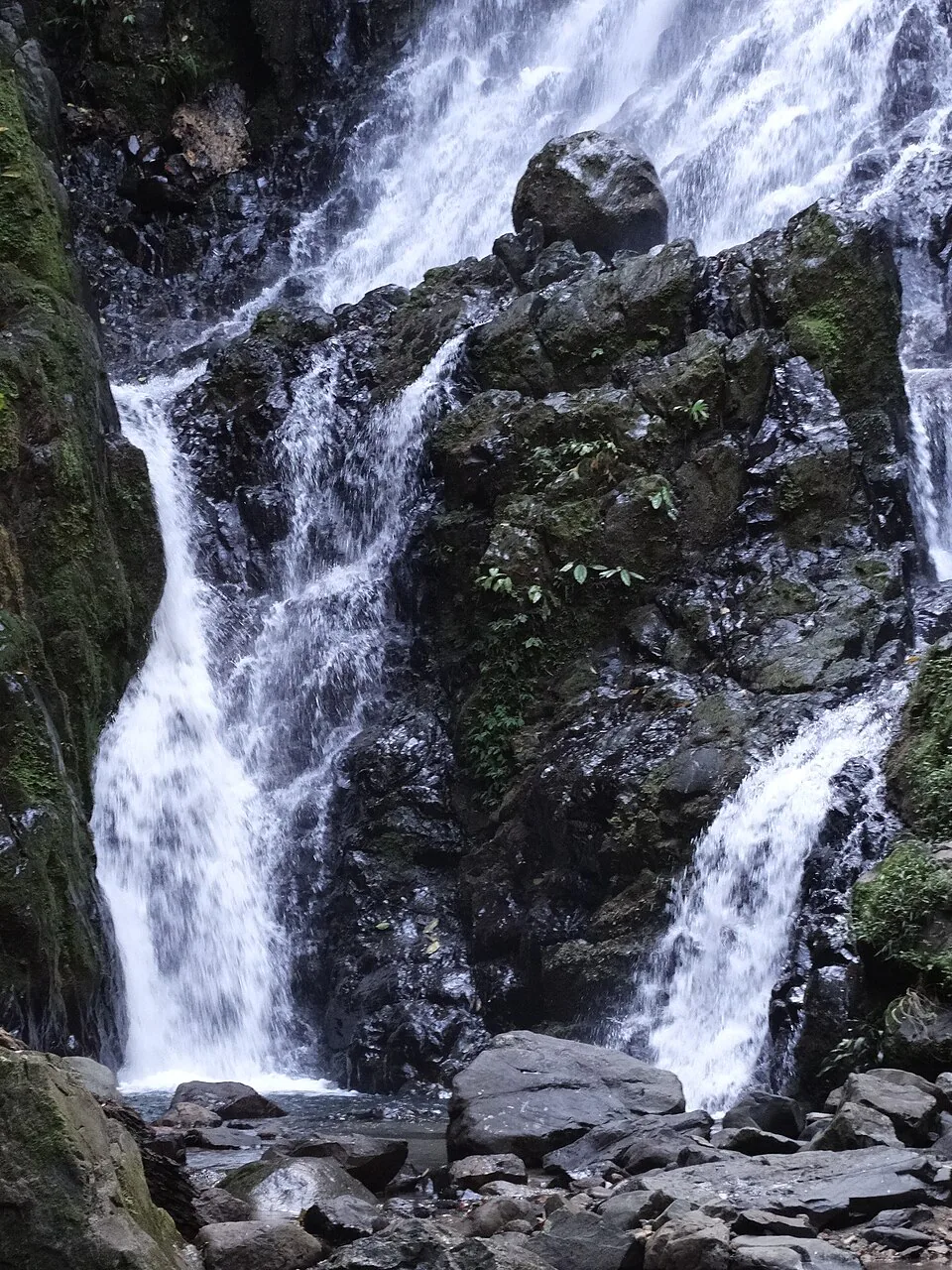
The most visited waterfall in the valley, Chorro El Macho drops approximately 35 metres into a broad pool surrounded by forest. It is located about 2 km west of town on a well-maintained path. Entrance fee: $5. The pool at the base is swimmable in the dry season; in the wet season, the current is too strong and swimming is not permitted. A zipline canopy tour operates from the site — see below. In the dry season (December–April), the falls run at reduced volume but are still photogenic; peak flow is July–October.
Chorro Las Mozas — The Local Secret
A series of cascades and natural pools on the eastern side of the valley, Las Mozas is less visited than El Macho and arguably more beautiful for swimming. The pools are clear, the forest canopy overhead is intact, and on weekdays you may have the place to yourself. No entrance fee. Access is via a rough track — a bicycle or e-bike makes the approach easy; on foot it is a 30-minute walk from the town centre.
Pozo Azul — The Blue Pool
A natural turquoise swimming hole fed by a small waterfall, Pozo Azul is one of El Valle's most photographed spots. It sits in the hills above town and requires a short hike to reach. The colour is most vivid in the morning light. No fee. The trail is easy and suitable for most fitness levels.
La India Dormida Waterfalls — Hidden Cascade
Three small waterfalls descend the slopes of La India Dormida and are accessible on the descent from the summit. There is no formal trail — you follow the sound of water through the understorey. The pools are small but cold and refreshing after the climb. Only accessible during the rainy season and shoulder months; they dry up by March.
Section 06Wildlife and Birdwatching
El Valle's biodiversity is extraordinary even by Panamanian standards, but managing expectations is important: wildlife encounters here are not guaranteed in the way they are at a zoo. What you see depends heavily on timing, patience, and where you look.
The Panamanian Golden Frog
Panama's national symbol and one of the world's most critically endangered amphibians, the golden frog (Atelopus zeteki) is critically endangered and largely absent from the wild due to the chytrid fungus; reintroduction trials began in 2025. Your best — and essentially only — chance to see one is at the El Valle Amphibian Conservation Center (EVACC), located within El Níspero Zoo. The center houses the last captive population as part of the Panama Amphibian Rescue and Conservation Project. Admission is included with the zoo entrance ($5). The frogs are small, vivid yellow-gold with black markings, and genuinely arresting to see in person. Do not expect to find them in the wild.
Birds — 300+ Species, Realistic Encounter Odds
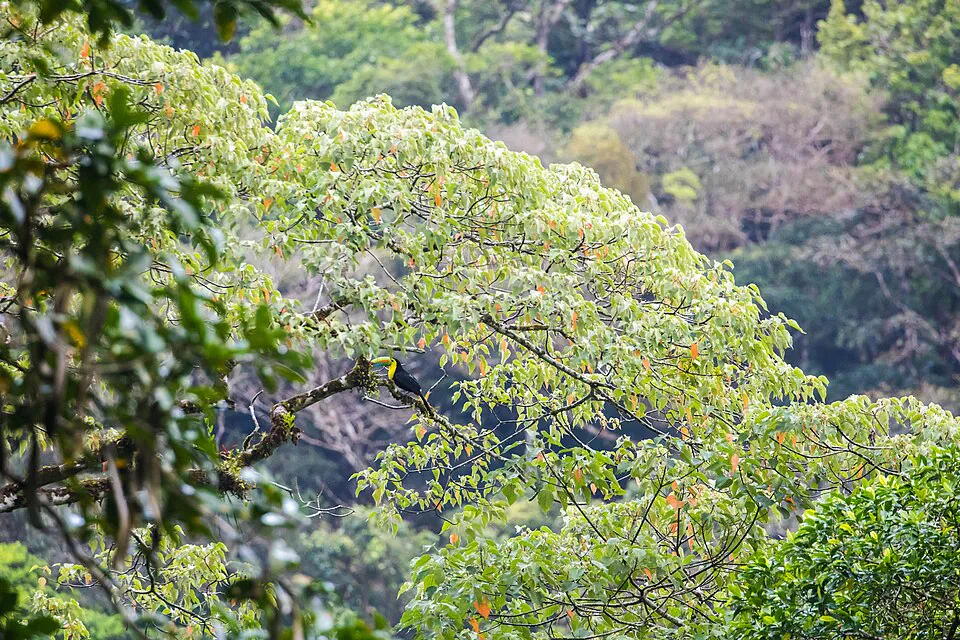
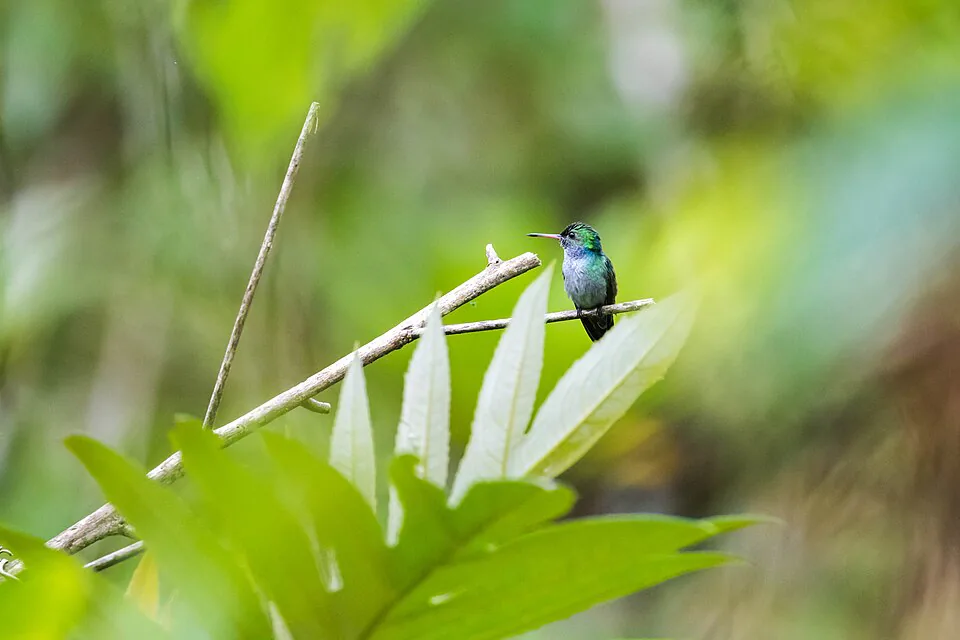
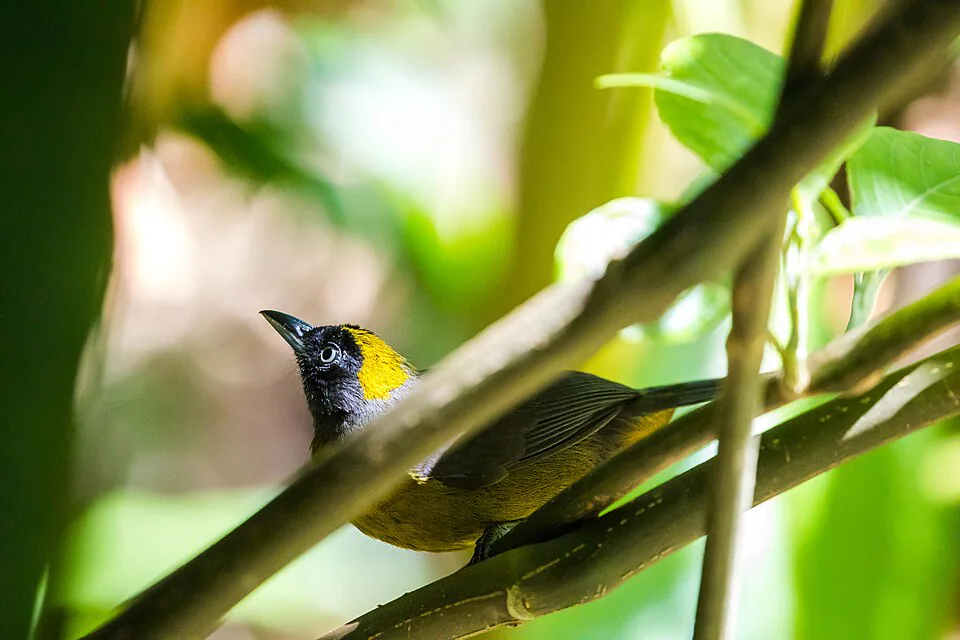
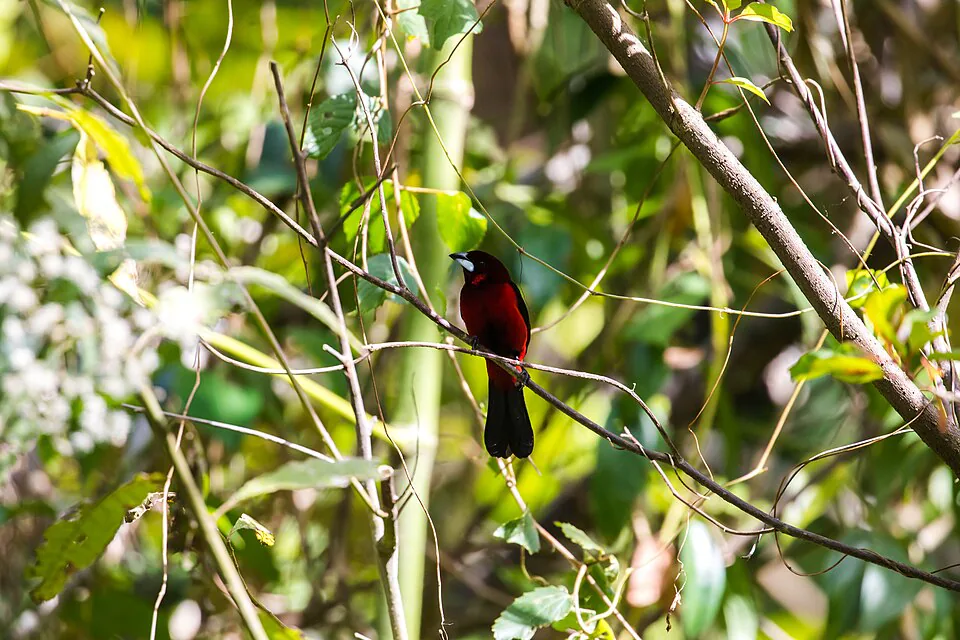
El Valle is a serious birding destination. The caldera's elevation and forest connectivity produce a mix of highland and lowland species that is unusual for such a small area. Commonly seen species include: collared trogons (listen for the repetitive hollow call in the forest around Chorro El Macho), keel-billed toucans (most reliably spotted from Cerro La Silla at dawn), blue-headed parrots (noisy flocks over town at dusk), and multiple species of hummingbird at any flowering garden. Harpy eagles are occasionally reported from Cerro Gaital but sightings are rare — do not plan your trip around one.
The best birding locations: the forest trail to Chorro El Macho (early morning, 6:00–8:00 am), the Aprovaca orchid nursery gardens, and the Cerro Gaital trail. The visitor centre has a recording of local bird calls — genuinely useful for identification in the field.
El Níspero Zoo and Botanical Garden
Started as an animal rescue centre in the 1970s, El Níspero has evolved into a small zoo with approximately 100 indigenous and non-indigenous species, including tapirs, peccaries, deer, monkeys, and various reptiles. The botanical garden section is well-maintained and includes a collection of native orchids. Entrance: $5 adults, $2 children. Open daily 7:00 am–5:00 pm. It is not a world-class zoo, but the EVACC golden frog program alone makes it worth the entrance fee.
Mariposario El Valle — Butterfly Haven
A walk-through butterfly enclosure housing approximately 1,000 butterflies, including the iridescent blue morpho, glasswing, and zebra longwing species. Staff speak English and Spanish and give informative talks on life cycles. Entrance: $7 foreigners, $5 residents. Open daily. Located on a side street in town — easy to walk to.
Aprovaca Orchid Nursery
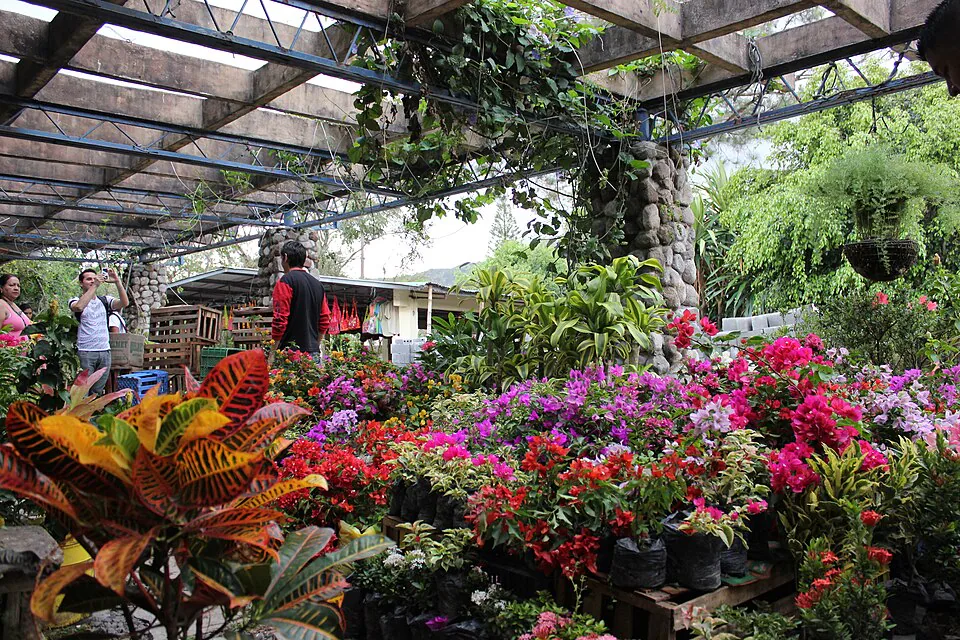
A community-run orchid conservation project that protects native Panamanian orchid species, including several endemic to the El Valle caldera. The nursery is small but the collection is remarkable — over 150 species displayed in a garden setting. Entrance: $2. Open mornings only (roughly 8:00 am–noon). This is a genuine conservation project, not a tourist attraction dressed up as one, and the modest entrance fee goes directly to the work.
Section 07Hot Springs and Wellness
El Valle sits above geothermal activity, and the natural hot springs (pozos termales) are one of the town's most distinctive features. The main public hot springs, known as Pozos Termales, are located about 1.5 km from the town centre. The pools are warm rather than scalding — around 35–38°C — and the surrounding area includes a mud mask station where visitors apply volcanic mud to their skin, let it dry, and rinse off. It is simultaneously therapeutic and slightly absurd, which is part of the appeal. Entrance: $5. Open daily 8:00 am–5:00 pm.
For a more developed spa experience, Los Mandarinos Boutique Hotel & Spa offers thermal pool access and massage treatments to non-guests. Day passes run approximately $25–$35 and include pool access; treatments are priced separately. The setting — a manicured garden with mountain views — is genuinely lovely and worth the premium over the public pools if you want a quieter experience.
Section 08Culture, Markets, and Town Life
The Sunday Market — El Valle's Social Hub
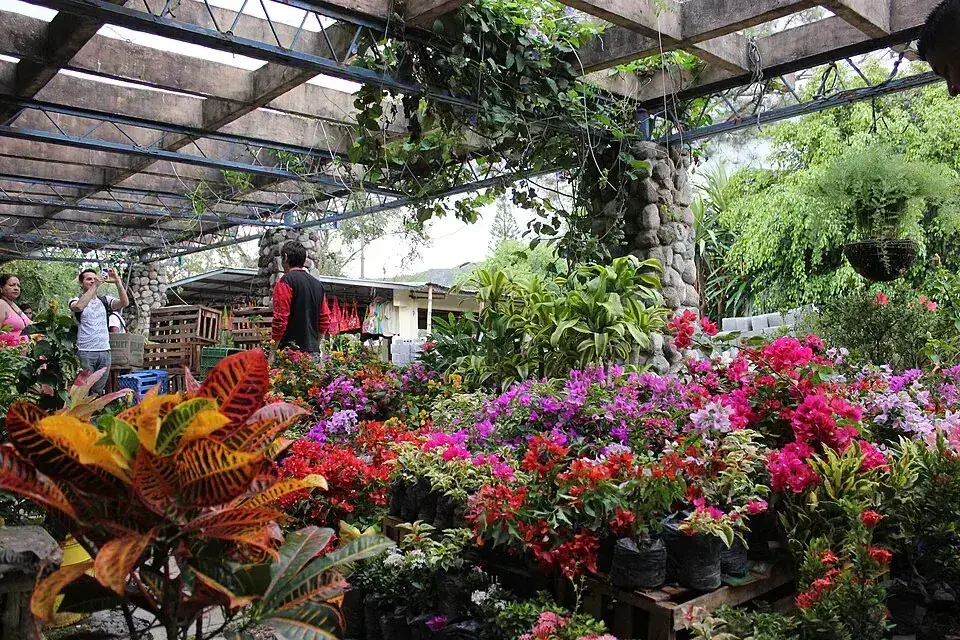
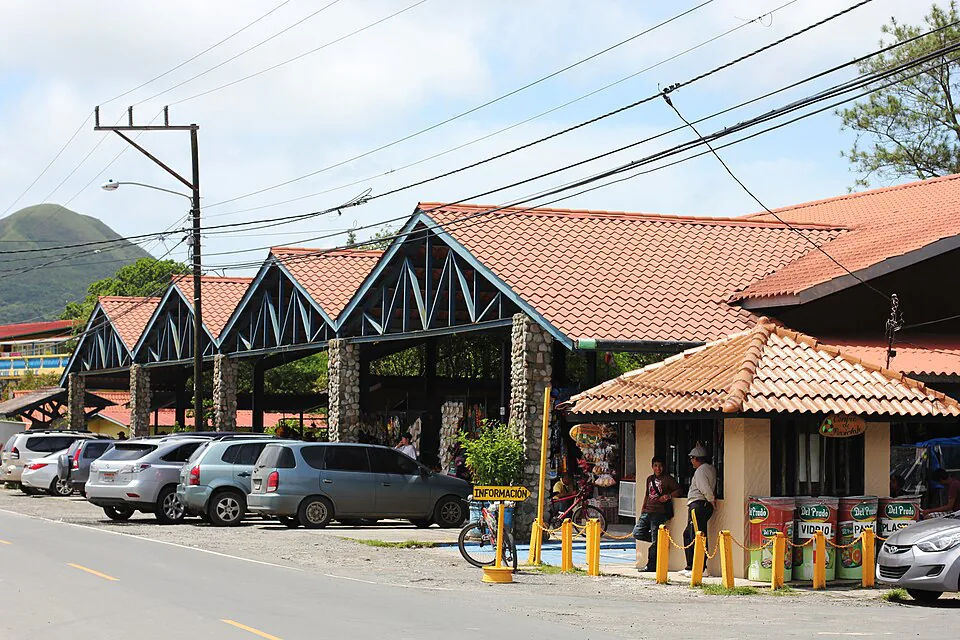
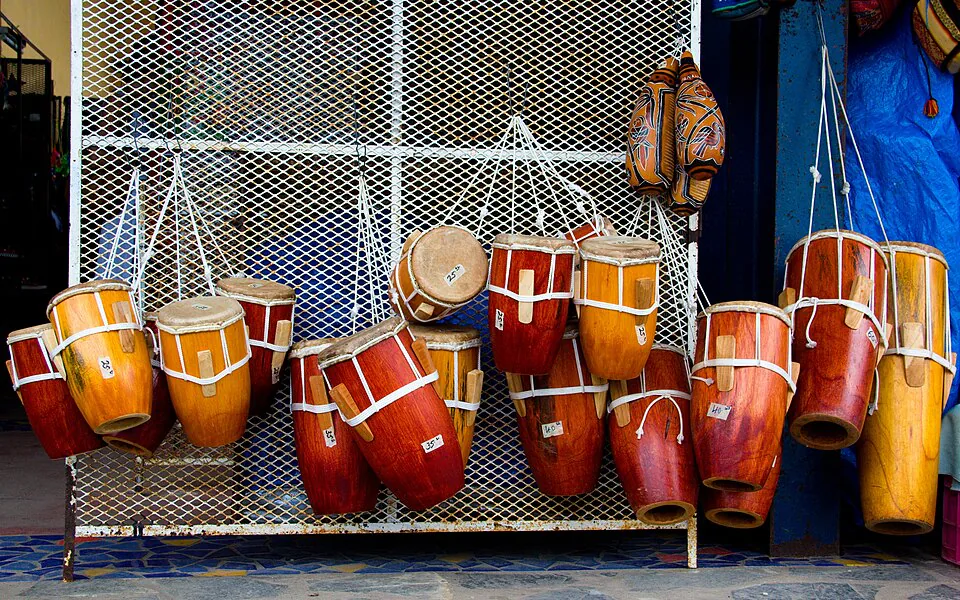
The Mercado de Artesanías operates every Sunday morning and is one of the best craft markets in central Panama. Stalls sell hand-woven baskets (particularly the intricate Ngäbe-Buglé style), molas (the reverse-appliqué textile panels of the Guna people), carved wooden items, hammocks, local honey, orchid plants, fresh vegetables, and organic produce from farms in the caldera. Prices are fair and bargaining is not the norm — these are artisans, not vendors. Arrive by 8:00 am for the best selection; most stalls begin packing up by noon.
The market also functions as a community gathering point. On a good Sunday morning you will find local farmers selling produce alongside indigenous craftspeople, retired expats buying orchids, and Panamanian families on weekend escapes from the city. It is one of those places where a town's character reveals itself clearly.
Piedra Pintada — Pre-Columbian Petroglyphs
The large boulder at the La India Dormida trailhead is covered in pre-Columbian carvings whose exact meaning and origin remain debated. Some researchers interpret them as astronomical maps; others see territorial markings. The carvings are best viewed in the morning when the angle of light picks out the incised lines. They are included in the $3 La India Dormida entrance fee. If you are not hiking, you can visit the boulder separately — ask the entrance attendant.
Canopy Tour and Rappelling
A zipline canopy tour operates from the Chorro El Macho waterfall site. The course runs through the forest above the falls with several platforms and lines, the longest of which is approximately 400 metres. Cost: approximately $35–$45 per person. Rappelling down a cliff face near El Macho is offered by the same operator for a similar price. Both activities are suitable for reasonably fit adults with no prior experience; minimum age is typically 8 years. Book at the Chorro El Macho entrance or through your hotel.
Cycling the Caldera Floor
The flat to gently rolling roads of the caldera floor are ideal for cycling, and this is genuinely one of the best ways to experience El Valle at your own pace. You can link the orchid nursery, the butterfly garden, the hot springs, Chorro Las Mozas, and the Sunday market in a single morning on two wheels without ever retracing your route. E-Valley Bikes, the local e-bike specialist, runs guided and self-guided tours of the valley on electric bikes — a particularly good option for the caldera's occasional uphill stretches and for those who want to cover more ground without arriving at each stop already sweaty. Their guided tours include stops at key natural and cultural sites with local context that most visitors miss on their own.
Section 09Food and Drink in El Valle
The food scene in El Valle is better than its reputation suggests, and more varied than the generic "fondas and fruit" summary you will find in most guides. Here is what is actually worth eating and where.
La Ranita Gourmet — Best All-Rounder
The most consistently recommended restaurant in town, La Ranita serves a menu that ranges from Panamanian classics (sancocho de gallina, arroz con pollo) to European-influenced dishes — chicken schnitzel, homemade pasta, and a tomato soup that has its own fan base. Mains run $12–$18. The passion fruit juice is excellent. Open for lunch and dinner; closed Tuesdays. Reservations recommended on weekends.
La Divina Commedia — Italian in the Crater
An Italian restaurant that has been operating in El Valle for years, La Divina Commedia serves proper pasta — house-made, not from a packet — along with wood-fired pizza and a wine list that is surprisingly well-curated for a mountain town. Mains $14–$22. It is the kind of place you do not expect to find two hours from Panama City, which is exactly why it is worth going.
Ruta 71 — Beer and Burgers
The casual option: cold craft beers, burgers, and a relaxed outdoor setting. This is where hikers decompress after a long day on the trail. Prices are low ($6–$10 for mains), the vibe is social, and the kitchen stays open later than most places in town.
Kare Coffee — Morning Ritual
A small coffee shop near the town centre serving single-origin Panamanian coffee and light breakfasts. The beans are sourced from Chiriquí highlands — the same growing region that produces the world-famous Geisha variety. A cortado and a slice of banana bread here is the correct way to start a hiking day. Open from 7:00 am.
Fondas and Market Stalls
For the most economical eating, the fondas (small family-run lunch counters) around the central market serve set lunches of rice, beans, protein, and salad for $4–$6. The Sunday market also has food stalls selling empanadas, fresh fruit, and local sweets. These are the best-value meals in El Valle and often the most flavourful.
Section 10Where to Stay — 2026 Options and Prices
El Valle's accommodation ranges from social backpacker hostels to boutique eco-lodges, with a cluster of mid-range guesthouses that represent the best value for most travellers. Book ahead for weekends and Panamanian public holidays — the town fills up quickly when Panama City empties out.
| Property | Type | Price/night | Best for |
|---|---|---|---|
| Bodhi Hostel & Lounge | Hostel | $25–$35 dorm / $65 private | Solo travellers, social vibe |
| The Golden Frog Inn | Guesthouse | $80–$110 | Couples, mid-range comfort |
| Casa Madre Tierra | Eco-lodge | $130–$160 | Eco-conscious, garden setting |
| Caracoral Boutique Hotel & Spa | Boutique | $120–$150 | Comfort + spa access |
| Los Mandarinos Boutique Hotel | Luxury | $180–$260 | Honeymoons, full-service |
| Airbnb / vacation rentals | House/cabin | $90–$200 | Families, longer stays |
Bodhi Hostel remains the backpacker anchor of El Valle. Free breakfast (fruit, pancakes, coffee) is included, the staff know the trails well, and the social atmosphere means you will find hiking partners easily. It is centrally located and within walking distance of most town-centre attractions.
The Golden Frog Inn is the standard recommendation for couples who want private space without paying luxury prices. Clean rooms, a garden, and helpful owners who can arrange guides and transport.
Los Mandarinos is the splurge option — a full spa, thermal pool, restaurant, and mountain views that justify the premium if your budget allows. It is particularly good for a long weekend when you want to alternate hiking days with recovery days by the pool.
Section 11Realistic Budget Breakdown for 2026
El Valle is one of the most affordable mountain destinations in Central America. Here is what a realistic daily budget looks like across three spending levels.
| Category | Budget ($) | Mid-range ($$) | Comfort ($$$) |
|---|---|---|---|
| Accommodation | $25–$35 (hostel dorm) | $80–$110 (guesthouse) | $160–$260 (boutique/luxury) |
| Meals (3/day) | $12–$18 (fondas + market) | $25–$40 (mix of restaurants) | $45–$70 (full restaurant dining) |
| Activities | $8–$15 (hikes + entry fees) | $25–$50 (tours + zipline) | $60–$120 (guided + spa) |
| Transport (in-valley) | $3–$8 (taxis + walking) | $15–$30 (bike rental / e-bike) | $30–$60 (private driver) |
| Daily total | $48–$76 | $145–$230 | $295–$510 |
A two-night stay for a budget traveller — bus from Panama City, two nights at Bodhi, all hikes, the butterfly garden, the hot springs, and three meals a day — comes to approximately $130–$160 all-in, excluding the bus fare from wherever you are coming from. A couple travelling mid-range should budget $350–$500 for the same two nights, including a nicer dinner and a guided tour or zipline experience.
Section 12Itineraries: 2-Day, 3-Day, and 5-Day Plans
Weekend Escape — 2 Days from Panama City
Day 1: Take the 7:00 am bus from Albrook (arrive ~9:30 am). Drop bags at your hotel and walk to the Visitor Centre to orient yourself. Head to the La India Dormida trailhead — the $3 entrance covers the petroglyphs too. Hike to the summit (allow 3–4 hours return). Afternoon: recover at the Pozos Termales hot springs and mud mask ($5). Evening: dinner at La Ranita Gourmet.
Day 2: Early alarm — sunrise at Cerro La Silla (trailhead 30 minutes' walk from town; summit by 6:30 am if you leave at 5:00 am). Descend by 9:00 am and walk or cycle to Chorro El Macho waterfall. If the season is right, swim in the pool. Afternoon: Sunday market if it is the weekend, or the Mariposario butterfly garden and El Níspero Zoo (golden frogs). Catch the 4:00 pm or 5:00 pm bus back to Panama City.
Three Days — The Complete Picture
Day 1: Arrive, settle in, afternoon hike to Cerro La Silla for sunset views. Dinner at La Divina Commedia.
Day 2: Pre-dawn departure for La India Dormida sunrise. Return by 9:00 am, breakfast at Kare Coffee. Afternoon: Chorro El Macho waterfall + zipline canopy tour. Evening: Ruta 71 for beers and a burger.
Day 3: Morning cycle (rent e-bikes from E-Valley Bikes) linking the Aprovaca orchid nursery, the butterfly garden, and Chorro Las Mozas swimming pools — a circuit of roughly 12 km that is flat enough to do comfortably in a morning. Afternoon: Pozos Termales hot springs. Sunday market if timing aligns. Depart late afternoon or stay a fourth night.
Five Days — For the Serious Visitor
Day 1: Arrive and orient. Visitor Centre, town walk, Cerro La Silla sunset.
Day 2: La India Dormida sunrise. Afternoon rest or hot springs.
Day 3: Guided full-day hike — Cerro Cara Iguana ridge traverse with a local guide ($20–$30). This is the day that separates El Valle from every other mountain town in Panama.
Day 4: Conservation day — EVACC golden frogs at El Níspero, Aprovaca orchid nursery, Mariposario. Afternoon: Chorro Las Mozas swimming. Dinner at La Ranita.
Day 5: Day trip to the Pacific beaches (Playa Blanca or Farallon, 90 minutes by car) or to Penonomé for the provincial market. Return to El Valle for a final night, or continue directly to Panama City or Azuero.
El Valle de Antón is the kind of place that recalibrates your sense of what Panama is. Most people arrive expecting a pleasant day trip and leave rearranging their entire itinerary to stay longer. The caldera has that effect.