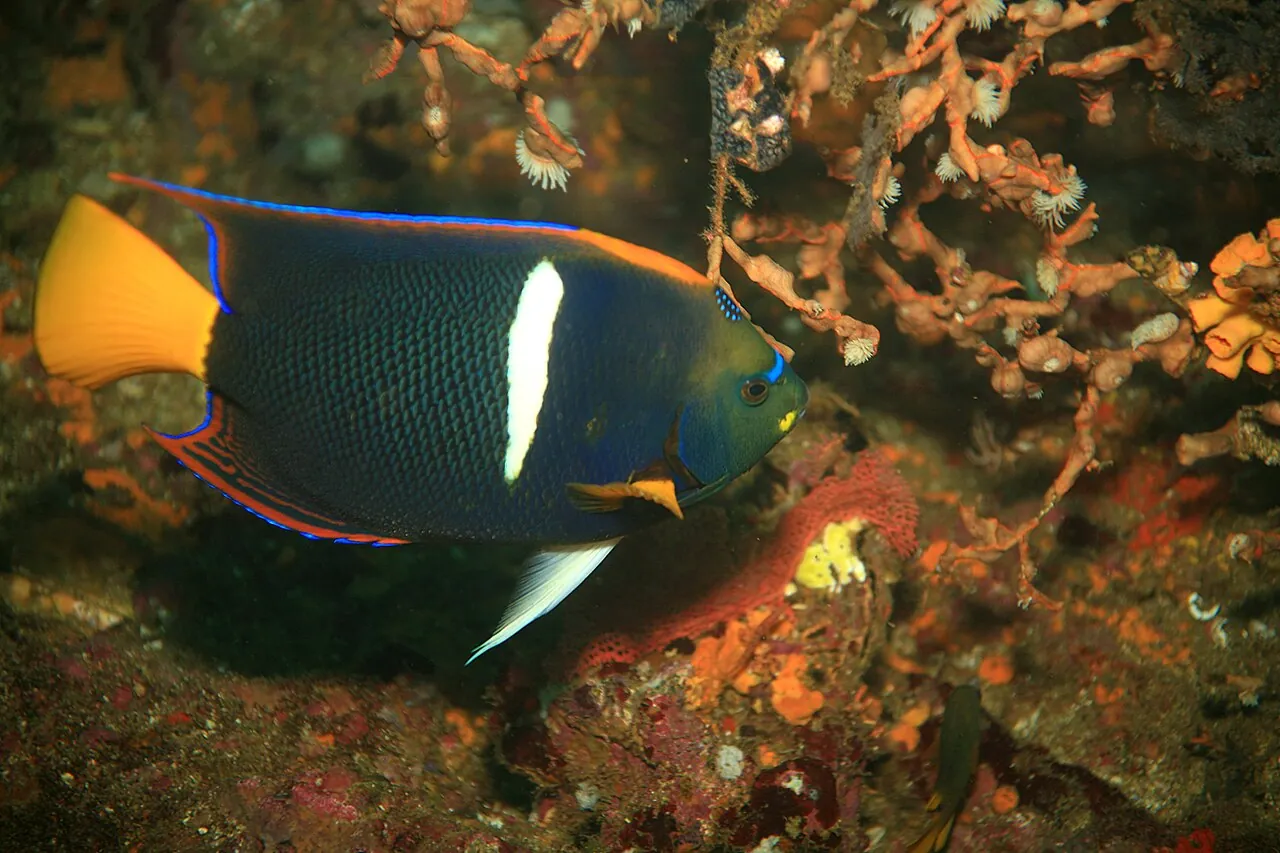
The best diving in Panama depends on what you want to see: Coiba National Park on the Pacific is the pick for sharks, rays and big schools of fish, Portobelo and Bocas del Toro on the Caribbean offer calm, shallow reefs that suit beginners, and the Pearl Islands are the closest Pacific option to Panama City. As of October 2026, a Coiba dive day costs about $155–185 plus the park fee, and two tanks on the Caribbean side run roughly $85–155.[1]
Panama is one of the few countries where you can dive two different seas, the Pacific and the Caribbean.[2] They are very different dives. The Pacific side has currents, thermoclines, volcanic rock and big animals. The Caribbean side has warm, shallow coral reefs with little current and several sunken boats and planes.
Diving in Panama comes down to four areas: Coiba National Park, Portobelo, Bocas del Toro and the Pearl Islands. This guide compares them on what you see, what a dive day costs in 2026, how long it takes to get there from Panama City and when to go, then covers courses, certification and how to pick a dive center.
Diving in Panama compared: Coiba, Portobelo, Bocas and the Pearl Islands
Coiba is the strongest dive area in Panama, Portobelo is the easiest day trip from the capital, Bocas del Toro is the gentlest place to learn, and the Pearl Islands are a short ferry ride away with seasonal visibility swings. The table sets them side by side.
| Area | Coast | Two-tank day | From Panama City | Conditions | Beginner-friendly | Best for |
|---|---|---|---|---|---|---|
| Coiba National Park | Pacific | $155–185 plus park fee | 5–7 h by road, then 20–90 min by boat | 10–30 m, calm to strong current, thermoclines | Some sites | Best big-animal diving |
| Portobelo | Caribbean | About $110–155 | 1 h 30 by road | Shallow reefs, a wall, plane and wreck sites | Yes | Day trips and courses from the city |
| Bocas del Toro | Caribbean | About $85–150 | Flight, or overnight bus plus boat | Mostly under 20 m, little current | Yes | Beginners, wrecks, reef and macro life |
| Pearl Islands | Pacific | Arranged on Contadora | 1 h 30 ferry or 30 min flight | Sheltered sites plus current-swept points | Sheltered sites | A weekend from the city, whale season |
Prices per diver for a two-dive or two-tank day with equipment, as of October 2026. Park fees are extra unless the shop includes them.
Which area fits which diver
- First dive or Open Water course: Bocas del Toro or Portobelo. Both have shallow reefs and little current, and Portobelo saves you the trip across the country.
- Sharks, rays and pelagics: Coiba. Plan January to March for whale sharks and April to July for bull sharks.[3]
- Humpback whales: Coiba or the Pearl Islands, July to October, with the peak in August and September.[4]
- Only a day or two in Panama City: Portobelo by road, or the Pearl Islands by ferry.
- Non-diving companions: All four areas have snorkel trips. Coiba snorkel tours start at $75 plus the park fee.[5]
Diving Coiba National Park from Santa Catalina or Pixvae
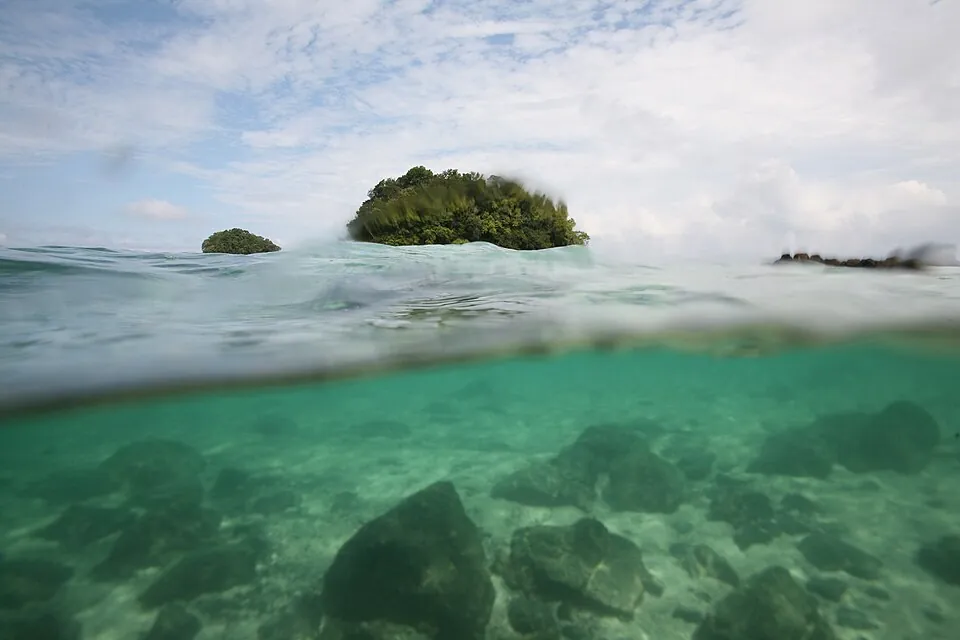
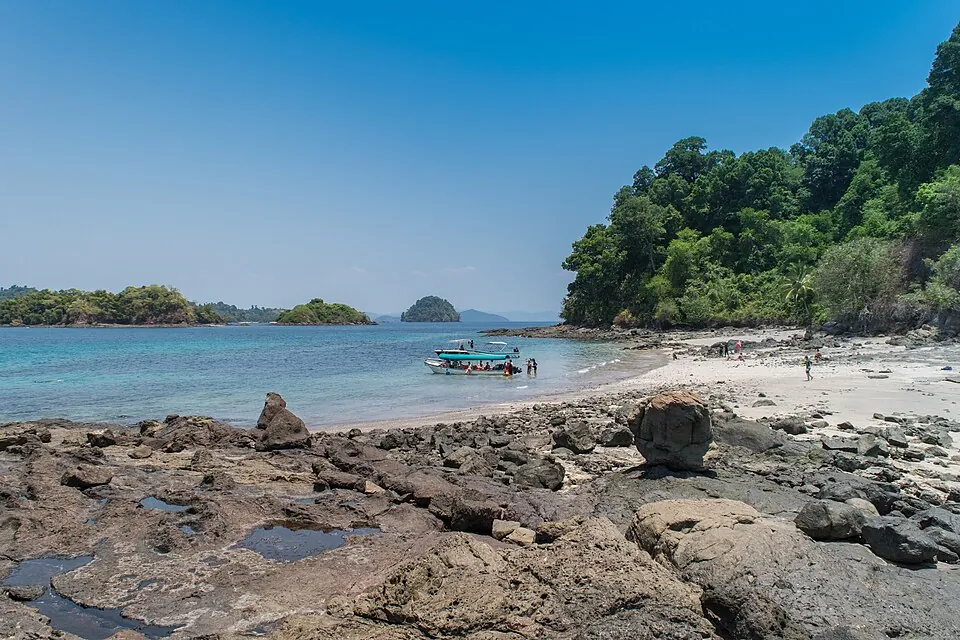
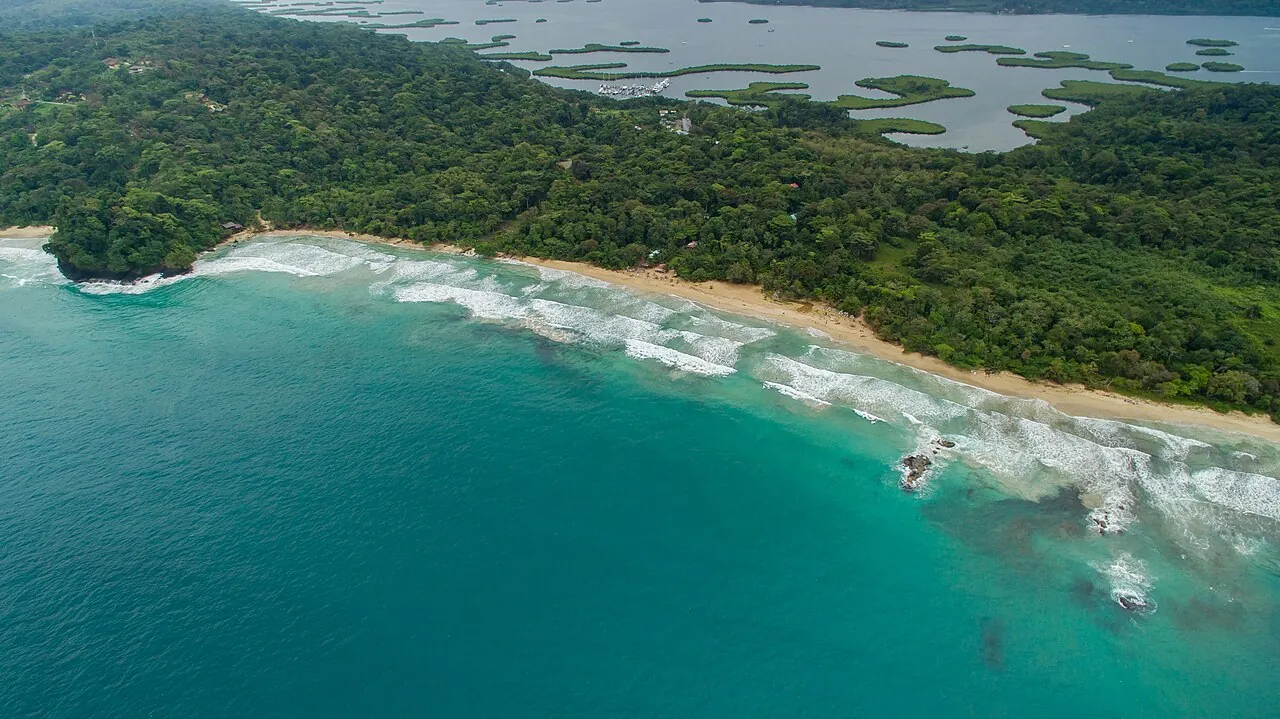
Coiba is Panama's best diving because of the amount of life in the water, not the color of the coral. The park became a UNESCO World Heritage Site in 2004 and covers Coiba Island and 38 smaller islands across 430,825 hectares, 377,064 of them marine.[3] Its Bahía Damas reef is described as the second-largest coral reef in the Eastern Pacific.[3]
For full site-by-site detail, multi-day trips and lodging, see our guide to diving Coiba National Park from Santa Catalina. Readers who prefer Spanish can use our guía de buceo en Panamá y en Coiba.
What you see underwater
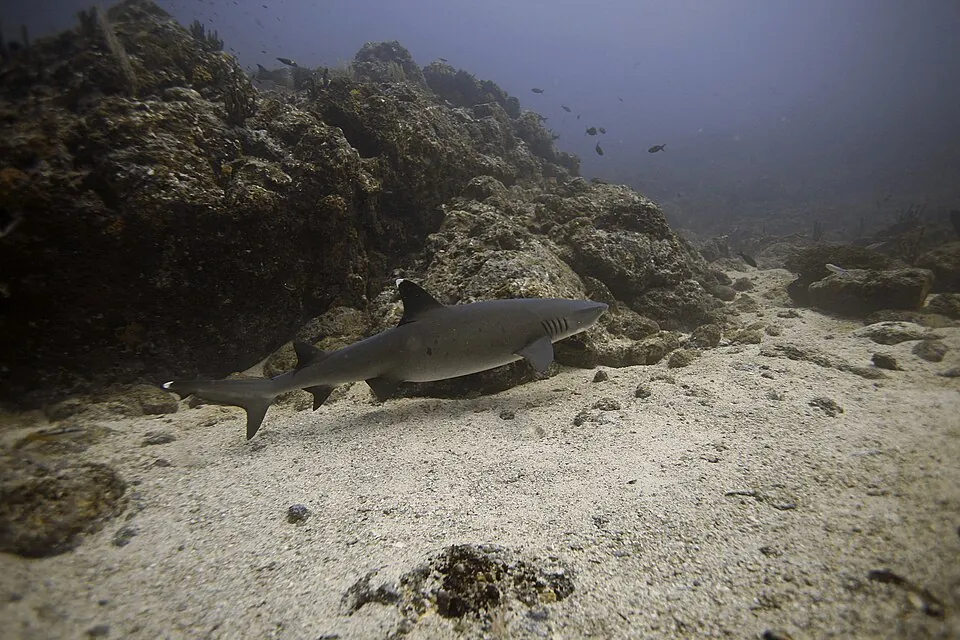
Regular sightings include white-tip reef sharks, turtles, dolphins, eagle rays, devil rays, stingrays, lobsters, seahorses, frogfish, moray eels, wahoo and barracuda.[1] The plankton-rich water gives a chance of whale sharks or giant mantas.[1] Pixvae operators also list hammerheads, bull sharks and oceanic black-tip sharks, and one puts Coiba's recorded shark species at 33.[6][3] Well-known sites include Granito de Oro, Wahoo Rock, Punta Faro and Sueño del Pescador, and the Contreras Islands pinnacles are where hammerheads sometimes show up from January to April.[3]
Dives usually last about 50 minutes at 10–30 m, and conditions range from calm to strong current.[1] Water is 26–30 °C most of the year, but thermoclines can drop it to 18–24 °C at depth.[1] Visibility is usually 15–25 m and can fall from January to April when north winds cause upwelling.[3] Most divers wear a 5 mm wetsuit on the Pacific side.
Santa Catalina or Pixvae as your base
Two villages serve Coiba. Santa Catalina is the established surf and dive town. Pixvae is smaller and much closer to the park.
Santa Catalina
~7 h from Panama City1–1.5 h boat to sitesMost operatorsThe village has hotels and restaurants for every budget, two small grocery stores, an ATM and a pharmacy. Hostels fill up in the December to April high season, and the town is quiet the rest of the year.
Pixvae
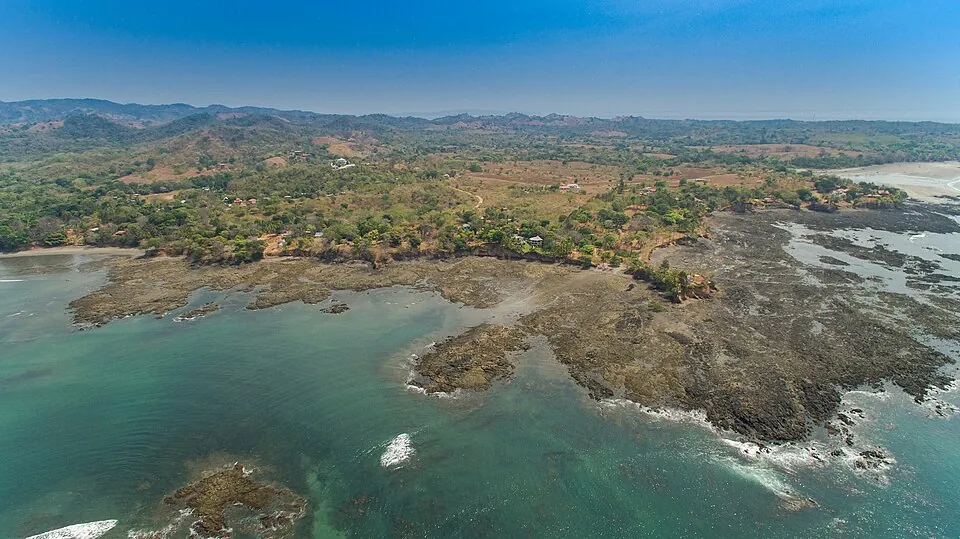
~5 h by car20–25 min boatFishing villagePixvae sits closest to the park and the Contreras Islands, so you spend less time on the boat. Lodging here mostly comes through dive-and-stay packages.
Best for divers who want short boat rides and an all-inclusive lodgeSanta Catalina is about two hours from Santiago and seven hours from Panama City.[7] Boats from there reach the dive sites in about an hour and a half.[1] Other operators quote closer to an hour, depending on the site. Pixvae boats reach the park in 20–25 minutes.[3]
What a Coiba dive day costs
Panama Dive Center in Santa Catalina charges $155 for two dives and $185 for three. Equipment with a dive computer, lunch, fruit and water are included.[1] In the rainy season the third dive is not guaranteed, so you pay the extra $30 on return only if it happened.[1] Other Santa Catalina operators, such as Fluid Adventures Panama and Scuba Coiba, sell day trips at $125–150 with park entry included.[8] Lago Bay sells a Coiba package with Panama Dive Center as a partner at $150 per person, including park entry.[9]
Santa Catalina shops quote a $20 park fee for foreigners and $5 for Panamanians and residents, paid in cash and not included in the dive price.[1] MiAmbiente's national protected-area tariff under Resolución DM-0013-2024 is lower, $5 for foreigners.[10] Reservations now go through an online portal under a 2026 resolution.[11] Budget $20 and ask your operator whether it collects the fee or includes it.
A typical Coiba dive day from Santa Catalina
Trips run daily. You meet at 7:30 am and the boats are usually back between 3:30 and 4 pm.[1]
Briefing at the dive center 7:30 am
Coffee, gear check and a briefing on the day's sites, which are chosen for the group's experience, the season and the weather.
Boat to the park about 1 h 30
You walk to the beach and board. Take motion-sickness medication before you leave if you need it.
Two or three dives about 50 min each
Sites inside the park include Coiba, Isla Ranchería, Canales and the Contreras area.
Lunch on a park beach surface interval
Monkeys, ñeques, crocodiles, iguanas and many birds are common on the beaches between dives.
Return to Santa Catalina 3:30–4 pm
You arrive back in time to rinse gear and log dives before dark.
Panama Dive Center and the other Coiba operators
Panama Dive Center was the first PADI 5 Star dive resort in Santa Catalina. It runs daily Coiba trips for certified divers, fills Nitrox and stocks 3 mm and 5 mm wetsuits.[12] In Pixvae, The Ark Divers caps groups at five divers per guide and includes up to three dives a day and rental gear on multi-day trips.[3] Dive Base Coiba calls itself the first dive center and PADI Dive Resort in Pixvae and uses ScubaPro and XDeep gear.[13] Visitors are expected to enter the park with an authorized operator, so confirm that your operator is authorized and check its safety measures before you pay.[14]
Santa Catalina has a pharmacy but no doctor, so get any medical clearance you need, including the one freedivers require, before you arrive.[7] Bigger supermarkets and a bank are in Soná, just over an hour away.
Getting to Coiba from Panama City
Both villages are reached through Soná. Buses from Albrook to Soná leave at 5:50, 8:20 and 10:20 am and at 12:45, 2:20, 3:15, 4:20 and 5:45 pm, and tickets can only be bought in person at the terminal.[13] Times for the ride vary between operators, from about 4 hours to about 5 and a half, at $9.65.[15][16] The buses are often cold, so carry a warm layer.
Soná–Santa Catalina buses leave at 4:30, 5:30, 8:40 and 11:20 am and at 1:30 and 3:30 pm, and the whole trip from Panama City costs about $15.[17] Only one bus a day runs from Soná to Pixvae, around noon. A taxi or chiva (4x4) takes about an hour and costs around $7.[15] Pixvae's road has been improved and is now passable in any vehicle.[13] From Boquete or David, take the bus from David to Santiago (about 2.5 hours). Santiago–Soná buses run about every 30 minutes until 6 pm.[16]
Portobelo scuba diving: Caribbean reefs 90 minutes from Panama City
Portobelo is the easiest real dive trip from the capital, about an hour and a half by road along the Transisthmian highway.[18] The water is calm and suits beginners.[2] The trade-off is honest: the marine life is thinner than at Coiba, and visibility depends heavily on the weather.
Dive sites and marine life
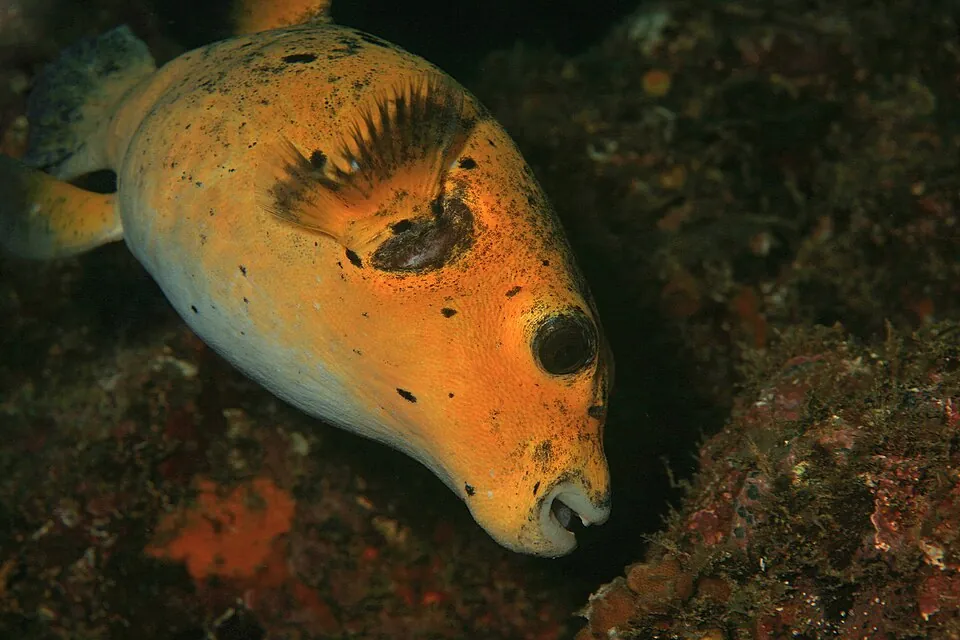
Portobelo National Park protects land and sea and is a nesting ground for the endangered hawksbill turtle.[18] Divers see giant sponges, turtles, moray eels, eagle rays and pufferfish over reefs and wrecks.[2] Drake Island is a few minutes out by boat, and legend places Francis Drake's sunken ship there. Buenaventura Island has several sites, including El Avión, a sunken plane. Saladina Reef, farther out, has the remains of wooden galleons and a C-45 aircraft at about 23 m (75 ft). Tres Hermanas and Salmedina are deeper, current-prone sites usually kept for advanced divers. Boats run all year, and the site is picked on the morning of the trip once the crew can judge the water.
Portobelo dive prices and operators
Dive Center Portobelo, which also trades as Buceálo Panamá, lists a two-tank morning fun dive for certified divers at $155 and Discover Scuba at $120.[19] It works around 17 sites from La Escucha de San Pedro on Portobelo Bay, and it also has beachfront rooms and a restaurant.[19][20] Panama Dive Adventure lists a "Dive & Chill" day at $110 and Discover Scuba at $120. Hotel transport from Panama City costs $120 round trip on top.[21] SCUBAPANAMA, a family-run PADI 5 Star shop with more than 40 years in Panama, has a store with a pool in Panama City and a base with cabins and a private island in Portobelo.[22]
Course prices vary widely. A course directory lists Dive Center Portobelo's Open Water at $251 as an indicative price.[23] The center's own booking listing gives $565, split into $275 of e-learning and $295 of in-water training.[19] Ask exactly what is included before comparing quotes. That listing also offers DAN dive insurance from $20 a day.[19]
Snorkeling in Portobelo
Full-day snorkel tours from Panama City pick up at 8 am, drive 1.5 hours, then take a 10-minute boat ride to a reef that starts about 1 m below the surface, next to a 15 m wall. Tours have you back at your hotel between 4 and 5 pm.[24] Dive Center Portobelo's group snorkel trip costs $62 per person for groups of six to eight.[19] Portobelo also appears in our list of day trips from Panama City if you want to add the forts and the town.
Bocas del Toro diving: shallow reefs, wrecks and dive shops
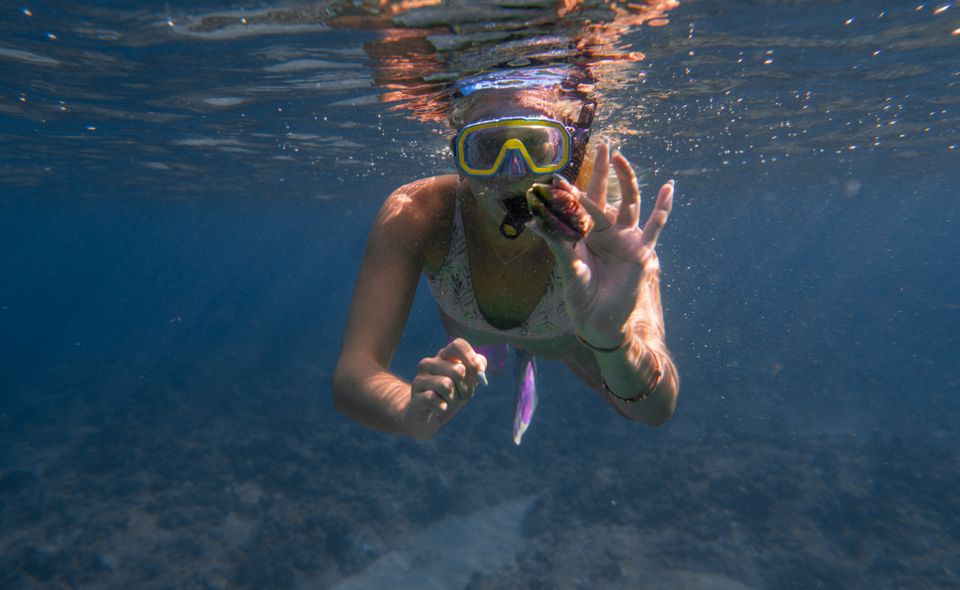
Bocas del Toro diving is shallow, warm and easy, which makes it the most popular place in Panama to get certified. Many of its reefs fall inside Bastimentos Marine National Park.[2] Most sites are 5–10 minutes by boat from Bocas Town, and almost 20 sites are in regular use.
If you still need to plan the trip, our guide on how to get to Bocas del Toro compares the flight, bus and boat. Most dive shops are on Isla Colón and Carenero, which is one reason to read our comparison of which Bocas del Toro island to stay on before you book a room.
Bocas del Toro dive sites
- Casa Verde
- Reef off Isla Solarte at 4.5–6 m, an easy first dive.
- Casa Blanca
- Reef off Solarte at about 14 m.
- Mystic Winds
- A trimaran sunk in 2015 as an artificial reef, at 15–18 m.
- Pandora
- A sailboat sunk in 2019 off Solarte, resting at about 18 m.
- Mayday
- A shore dive from Bocas Town to a sunken plane at about 5 m.
- Old Wreck
- A shipwreck at 12 m, sunk on purpose in 1997.
- Sachena
- Strong current and frequent nurse sharks, the one site usually kept for advanced divers.
- Cuevita and Zapatilla
- Outer-reef caves and swim-throughs. Zapatilla is farther out but popular for its cays.
Expect nurse sharks, octopus, seahorses, rays, eels and reef fish rather than pelagics. Bocas reefs hold a large share of the Caribbean's coral species, which makes the coral itself the attraction here, the opposite of Coiba. Currents pick up in the afternoon, so morning dives are usually smoother. A 3 mm shorty is enough for most divers.
Bocas del Toro diving prices
Two-tank fun dives in Bocas run from about $85 at the cheaper shops to around $110.[2] La Buga has advertised two-tank dives from around $85 and discovery dives from around $85 for one tank. Al Natural Resort, which dives with Bocas Pirates Dive Center, charges $150 per diver for a two-tank outing with boat transport (minimum two divers), plus 7% ITBM tax.[25] Its special Tiger Rock trip costs $200–230 per person.[25]
MiAmbiente charges visitors who reach Bastimentos National Marine Park by sea $10 for foreigners and $4 for nationals, ideally paid before boarding, and it does not refund visits cancelled for reasons outside its control.[26] The park reopened to visits in November 2025.[27] Ask your dive shop whether a given site is inside the park and whether the fee is in the price.
Dive shops in Bocas and the Discover Scuba trial
Shops in town include La Buga Dive & Surf, Bocas Dive Center, Diving Pirates (Bocas Pirates Dive Center), Panama Dive School on Carenero, Bastimentos Scuba Diving, Bocas Tec Diving and Zapatillas Dive Center. La Buga has been a PADI 5 Star center since 2004 and sells one-, two- or four-tank outings.[28] Bocas Dive Center has its own hotel with a pier.[2] Reviews of Bocas shops tend to focus on group size and how well instructors match sites to the group, so ask both questions before you book.
Bocas Dive Center's Discover Scuba runs about three hours with two dives, a maximum of four students per instructor and a minimum age of 10. Gear and lunch are included, you meet at the shop on Isla Colón an hour before the boat, and cancellations 48 hours ahead get a full refund.[29]
Bocas del Toro snorkeling tours
Snorkeling tours from Bocas Town usually combine shallow reefs with beach stops, and Cayo Zapatilla carries its own $10 park entry, paid online through MiAmbiente.[30] Our guide to snorkeling Cayos Zapatillas in Bocas del Toro covers what you see there and how tours compare.
Pearl Islands diving from Contadora
The Pearl Islands are the quickest Pacific dive trip from Panama City, and their quality depends on the month. The archipelago has 39 islands and 100 islets about 41 miles from the city, with nine dive sites on four islands.[31] Most trips start on Isla Contadora, about 15 minutes by boat from the sites, and shops there rent gear, run quick courses and complete certifications.[31]
Dive sites and conditions
Isla Pachequilla has four sites (Pachequilla Norte, Alero, Canal and Pachequilla Sur), with schools of horse mackerel, rays, moray eels and sometimes white-tip reef sharks.[31] Niagara Rock is on Isla Pedro González and Tres Pilas de Arroz on Isla San José, with surgeonfish, parrotfish, butterflyfish and damselfish.[31] Sites shielded by the islands are calm, while ocean-facing points have stronger currents suited to drift dives. December and January bring the clearest water. From February to April upwelling fills the water with life but drops visibility to about 2 m.[32]
Getting to Contadora
Sea Las Perlas runs a daily ferry from Marina Flamenco on the Amador Causeway, about 1 hour 30 minutes each way. Its timetable lists a 7:30 am departure and a 3:30 pm return, but the same page also gives a 2:45 pm return, so confirm the time when you buy.[33] You need a passport and can bring one piece of luggage.[33] Fares quoted for 2026 range from about $55 one way to around $98 round trip.[31][34] Book at least a day ahead on weekdays and two days ahead on weekends.[34] Charter or shared flights from Albrook take about 30 minutes.[31]
Our Contadora ferry guide covers schedules and booking, and the Pearl Islands guide helps you choose between Contadora, Saboga and the other islands.
Contadora has about 25 whale-watching boats and the most reported malpractice complaints in Panama.[35] Panama's rules require boats to stay at least 250 m from whales, travel no faster than four knots and limit viewing to 30 minutes, or 15 minutes with a mother and calf.[36] Pick a boat that follows them.
Scuba diving near Panama City and Panama's other dive spots
Beyond the big four, the closest diving to Panama City is around Taboga Island, and the Gulf of Chiriquí has two strong Pacific options. SCUBAPANAMA's most popular trips go to Taboga and the surrounding area, with shipwrecks and reefs.[2] Its Panama City store is open Monday to Friday 9 am to 4 pm and Saturday 9:30 am to 12:45 pm.[22]
- Islas Secas: A chain of volcanic islands in the Gulf of Chiriquí with white-tip reef sharks, giant mantas, eagle rays and dolphins.[18] Humpbacks pass through in season.[2]
- Isla Ladrones: About 27 miles south of Boca Chica by boat. Eagle, mobula and devil rays are seen all year and giant mantas from May to November.[18]
- Gatun Lake: Freshwater diving in the canal lake over machinery and a train left from the early French canal attempt. It is for experienced divers only, and visibility is below average.[18]
Learning to dive in Panama: courses, certification and choosing a dive center
You can try diving in Panama with no certification, but you need at least an Open Water card for most Coiba day trips and for regular fun dives everywhere. Discover Scuba is a supervised trial for ages 10 and up and does not certify you.[29] Open Water lets you dive with a buddy to 18 m worldwide from age 10, and some shops run shallow programs for children from age 8.[37]
Open Water courses in Panama typically cost $300–340, Advanced Open Water $250–350, and specialties $260–400, with equipment included and lodging and food extra.[2] Courses usually take three to five days depending on the shop and your pace.[2] Bocas and Portobelo are the usual places to learn because of their calm, shallow water.
Certification matters most at Coiba, where dives reach 30 m, deeper than the Open Water limit.[1] Shops pick sites to match each diver's experience, so an Open Water diver gets fewer of the deeper current sites. If Coiba is your goal, an Advanced course in Bocas or Portobelo first is a common route.
Choosing a dive center in Panama
- Bring your certification card and logbook, and ask to see your guide's credentials.
- Ask the maximum group size per guide. Five divers per guide is a common limit at Coiba lodges.[3]
- Check what the price includes: computer, wetsuit thickness, lunch, park fees and transport.
- Consider dive insurance. Some Portobelo shops sell DAN cover from $20 a day.[19]
When to dive in Panama: seasons by coast and area
There is no single best month for diving in Panama. The Pacific's clearest water and its biggest animals come at different times of year, while the Caribbean is best in its calmer windows. On both coasts the December to April dry season brings the most stable weather, and the Pacific rainy season runs from May to November.[2]
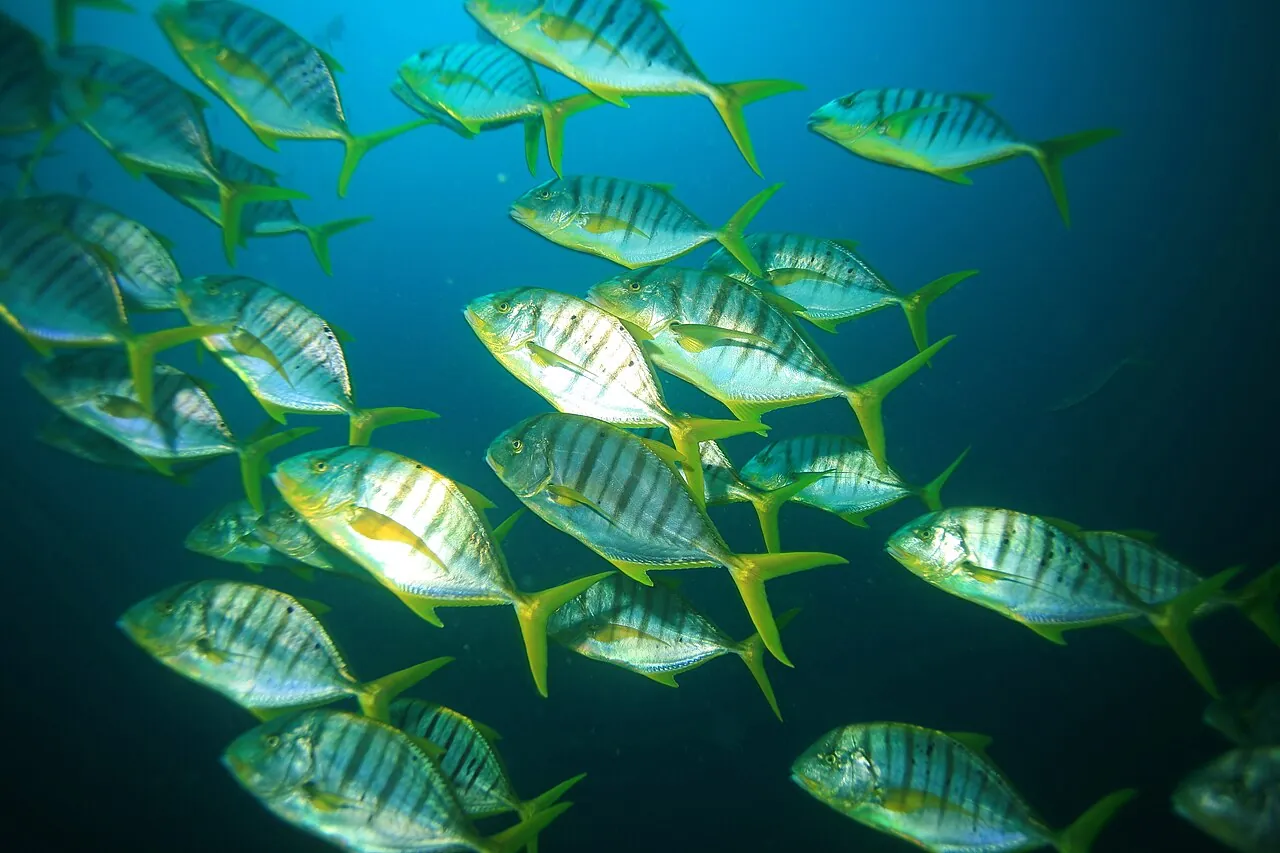
On the Pacific side, upwelling brings cold, nutrient-rich water that cuts visibility but draws in big animals. Around Coiba this happens from January to April, with thermoclines lasting into early June.[3][1] Whale sharks are most likely from January to March, and bull sharks from April to July.[3] South Pacific humpbacks reach Coiba, Islas Secas and the Pearl Islands from July to October, with a small northern group in the Gulf of Chiriquí from December to March.[38] Some operators start the season in June.[3]
| Area | Clearest water | Peak marine life | Watch out for |
|---|---|---|---|
| Coiba | Outside the January–April upwelling | Whale sharks Jan–Mar, bull sharks Apr–Jul, humpbacks Jul–Oct | Cold thermoclines Jan–Jun; third dive not guaranteed in rainy season |
| Pearl Islands | December–January | Fish abundance Feb–Apr, humpbacks Jul–Sep | Visibility near 2 m from February to April |
| Portobelo | August–September despite rain | Turtles and reef life year-round | Rough seas and poor visibility December–February |
| Bocas del Toro | Late August–early November | Reef life year-round | Rain runoff; stronger afternoon currents |
Season windows vary between operators. Bocas is also commonly rated well from February to April.
The Pearl Islands are an exception to the "rain means bad diving" rule: from April to November the rain is frequent, but the sea stays calm with good diving.[31] Portobelo boats run every month, and its water ranges from about 27 °C in February to 29 °C in October. In Santa Catalina, December to April is high season, so book rooms early then.[7] For weather on land across both coasts, see our month-by-month guide to the best time to visit Panama.
Before you go
Where is the best diving in Panama?
Coiba National Park is the best diving in Panama for sharks, rays and big schools of fish, reached by boat from Santa Catalina or Pixvae. For calm, shallow reefs and learning to dive, Bocas del Toro and Portobelo on the Caribbean side are easier. The Pearl Islands are the closest Pacific option to Panama City.
Does Panama have coral reefs?
Yes, on both coasts. Coiba's Bahía Damas reef is described as the second-largest coral reef in the Eastern Pacific. Bocas del Toro has extensive shallow Caribbean reefs, many of them protected inside Bastimentos National Marine Park.
What is the best month to dive in Panama?
It depends on the coast. Pacific water is clearest outside the January to April upwelling, but whale sharks peak from January to March and humpbacks from July to October. On the Caribbean side, Bocas is clearest from late August to early November, and the Pearl Islands are clearest in December and January.
How much does diving in Panama cost?
A Coiba dive day costs about $155–185 plus the park fee as of 2026, while some operators charge $125–150 with entry included. Two tanks in Bocas del Toro run roughly $85–150, and Portobelo fun dives about $110–155. Open Water courses typically cost $300–340, and some Portobelo listings run higher.
How much is the Coiba National Park entrance fee?
Dive shops quote $20 for foreigners and $5 for Panamanians and residents, usually paid in cash on top of the dive price. MiAmbiente's general protected-area tariff is lower and reservations now go through its online portal, so ask your operator whether it collects or includes the fee.
Can I dive in Panama without certification?
Yes, with a Discover Scuba trial dive, offered in Bocas del Toro, Portobelo and Santa Catalina for ages 10 and up. It is supervised by an instructor and does not certify you. Most Coiba day trips and regular fun dives require at least an Open Water card.
Is Bocas del Toro good for beginner divers?
Yes, it is one of the easiest places in Panama to learn. Most sites are shallow, under about 20 m, with little current and a short boat ride from town. Sachena is the exception, with strong current kept for advanced divers.
What are the best dive sites near Panama City?
Portobelo, Taboga Island and the Pearl Islands are the closest. Portobelo is about 90 minutes by road on the Caribbean side. Taboga is the usual trip for Panama City dive shops, and the Pearl Islands are about 1 hour 30 minutes by ferry to Contadora.
How do I get to Coiba from Panama City?
Take a bus from Albrook to Soná, then a bus or taxi to Santa Catalina or Pixvae, and join a dive boat from there. The trip takes about 7 hours to Santa Catalina for around $15 by bus. Driving to Pixvae takes about 5 hours.
Is the Pacific or Caribbean side better for diving in Panama?
The Pacific is better for big animals and the Caribbean for easy reef diving. Pacific sites like Coiba have currents, thermoclines and pelagics, and most divers wear a 5 mm wetsuit there. Caribbean sites in Bocas and Portobelo are warm and shallow, and a 3 mm shorty is usually enough.
Sources
Prices, schedules and rules change. The small numbers in the text point to these sources.
- 1Panama Dive Center - Santa Catalina diving informationpanamadivecenter.com
- 2Holafly - Scuba diving in Panama: best spots and pricesesim.holafly.com
- 3The Ark Divers - Coiba National Park diving pagethearkdivers.com
- 4La Estrella de Panamá - Whale-watching season and tourismlaestrella.com.pa
- 5Snorkel Coiba - Snorkel tour prices and booking guidesnorkelcoiba.com
- 6The Ark Divers - Pixvae dive lodge homepagethearkdivers.com
- 7Panama Dive Center - Santa Catalina location guidepanamafreediving.com
- 8
- 9Lago Bay - Coiba Tour Pack price listinglagobay.com
- 10MiAmbiente - Resolución DM-0013-2024 park admission feesmiambiente.gob.pa
- 11MiAmbiente - Online park entry reservation portalreservasap.miambiente.gob.pa
- 12
- 13Dive Base Coiba - Pixvae dive school and transportdivebasecoiba.com
- 14
- 15Dive Base Coiba - Pixvae travel informationdivebasecoiba.com
- 16Dive Base Coiba - Dive school home pagedivebasecoiba.com
- 17Premier Coiba Tours - Santa Catalina travel informationpremiercoibatours.com
- 18AquaViews - Best scuba diving destinations in Panamaaquaviews.flywheelsites.com
- 19
- 20
- 21
- 22
- 23Cursos de Buceo - Dive Center Portobelo course pricescursosdebuceo.com
- 24Anywhere.com - Portobelo Bay snorkeling touranywhere.com
- 25Al Natural Resort - Diving rates and Bocas Pirates partneralnaturalresort.com
- 26MiAmbiente - Isla Bastimentos park fees and legal measuresmiambiente.gob.pa
- 27MiAmbiente - Reopening of Isla Bastimentos Marine Park visitsmiambiente.gob.pa
- 28La Buga Dive & Surf - Bocas del Toro dive centerlabugapanama.com
- 29
- 30Sitios Ticos - Bocas del Toro 3-day tour itinerarysitiosticos.cr
- 31
- 32Tourism Panama - Diving and snorkel plans from Panama Cityes.tourismpanama.com
- 33Sea Las Perlas - Ferry timetable and fares to Contadoraferrypearlislands.com
- 34Che Toba - Isla Contadora visitor guidechetoba.com.ar
- 35UNDP/GEF - Project document on Panama cetacean watchingpnud-conocimiento.cr
- 36
- 37Bocas Dive Center - Scuba diving coursesbocasdivecenter.com
- 38MiAmbiente - Humpback whales arrive in Panama's seasmiambiente.gob.pa
Image credits
- King Cotton (2058177216)LASZLO ILYES from Cleveland, Ohio, USA · CC BY 2.0
- Snorkeler underwater with yellow-rimmed maskPexels · Pexels License
- Gnathanodon speciosusLASZLO ILYES from Cleveland, Ohio, USA · CC BY 2.0
- Reef Shark (2062040192)LASZLO ILYES from Cleveland, Ohio, USA · CC BY 2.0
- Isla Canales de Afuera Shallows (2063365818)LASZLO ILYES from Cleveland, Ohio, USA · CC BY 2.0
- Arothron meleagrisLASZLO ILYES from Cleveland, Ohio, USA · CC BY 2.0
- Star AttractionLASZLO ILYES from Cleveland, Ohio, USA · CC BY 2.0
- Coiba Panama (26822070175)dronepicr · CC BY 2.0