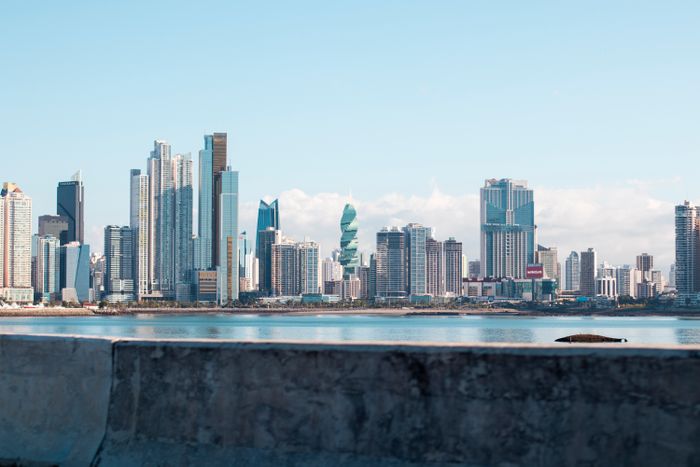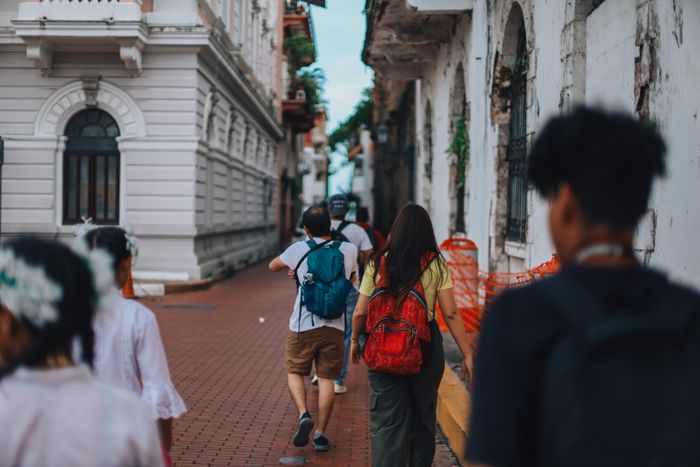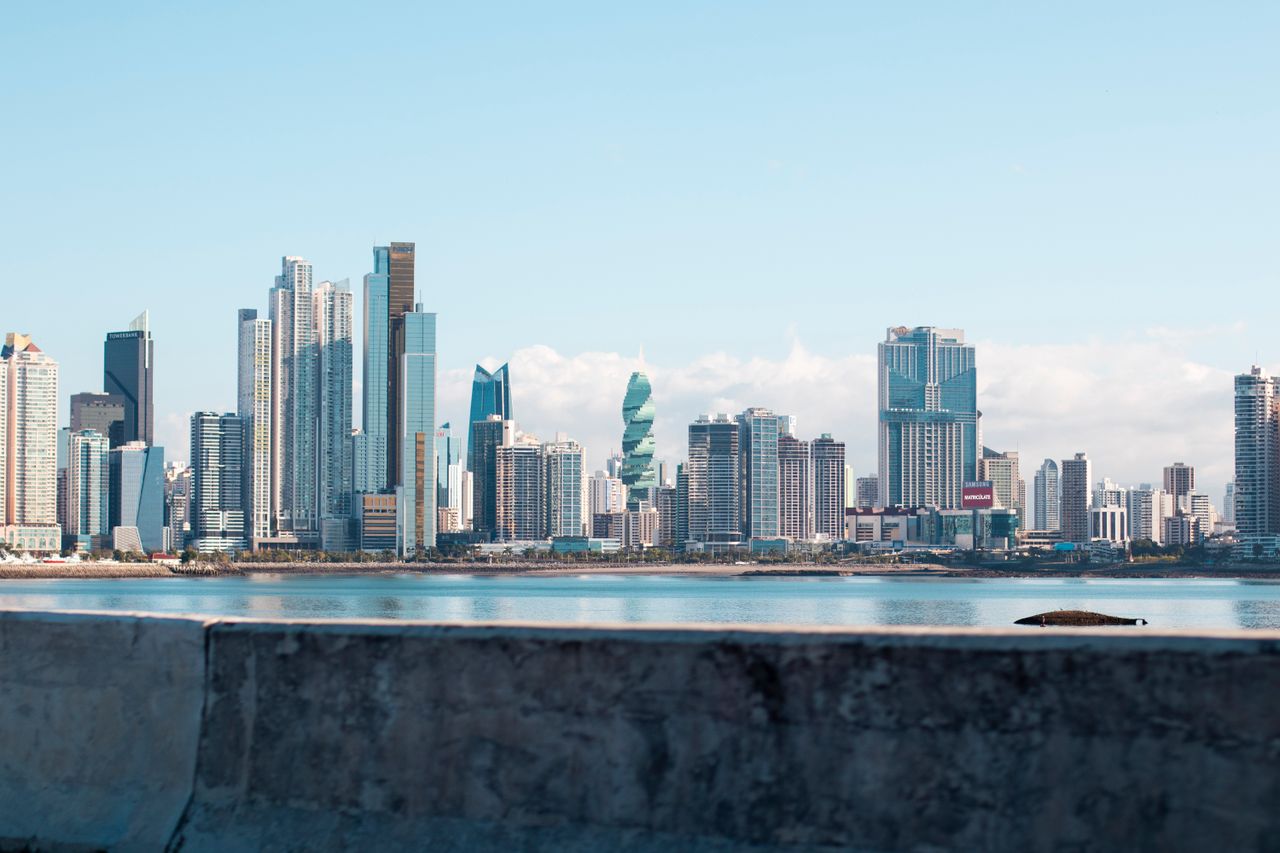
Panama City is one of the most underrated capitals in the Americas — a place where 500-year-old cobblestones sit two kilometres from glass-and-steel skyscrapers, and where you can watch a Panamax container ship squeeze through a century-old lock before lunch. Three days is enough to see the essential city. This itinerary tells you exactly how to spend them, with real prices, honest neighborhood breakdowns, and the skip-vs-must-do decisions most guides never bother to make.
The blindspot in most Panama City itineraries is logistics. They tell you what to see but not how long things actually take, what they cost, or how to sequence them so you're not spending half your trip in an Uber stuck on the Corredor Sur. This guide fixes that. It's built for first-timers with 3 full days — or 2 full days and a late arrival — and it scales up cleanly if you have more time.
Section 01Is 3 days enough — and what if you only have 2?
Three full days is the sweet spot for a first visit to Panama City. You can do the Canal, Casco Viejo, the Amador Causeway, and one nature or ruins experience without feeling rushed. Two days is workable if you're disciplined: combine Miraflores Locks with the Causeway and Biomuseo on Day 1, and spend all of Day 2 in Casco Viejo and Panamá Viejo. You'll miss the Metropolitan Park and any day trips, but you won't feel cheated.
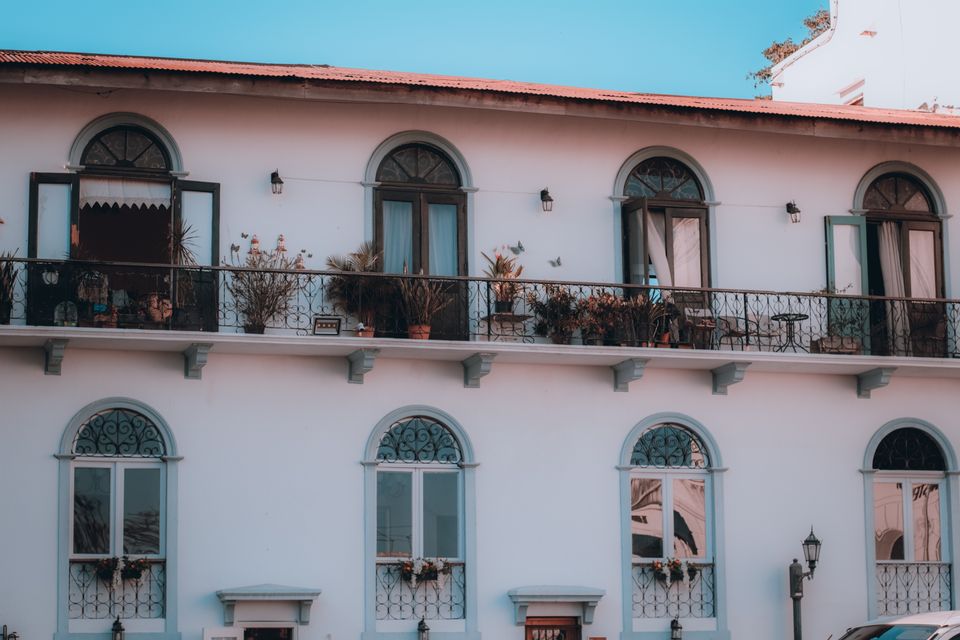
If you arrive on an afternoon or evening flight — which most transatlantic connections do — treat that as Day 0. Get to your hotel, walk the Cinta Costera for an hour, eat ceviche at the Mercado de Mariscos, and go to bed. Don't try to cram Casco Viejo in at 9 p.m. on a Tuesday. The neighbourhood is safest and most atmospheric during daylight and early evening on weekends.
The three things you will regret skipping: the Miraflores Locks (nothing else explains Panama like watching a ship lock through), a proper wander through Casco Viejo with at least one rooftop drink at sunset, and the Mercado de Mariscos for a $4 ceviche that will ruin all future ceviche for you. Everything else — the Biomuseo, Panamá Viejo, Metropolitan Park — is excellent but optional depending on your interests.
Section 02When to visit — and does rain ruin a 3-day trip?
Panama City has two seasons: dry (roughly December to April) and wet (May to November). For a 3-day trip, the dry season is clearly better — lower humidity, reliable blue skies, and no risk of an afternoon downpour cancelling your Causeway walk. January through March is peak season, which means higher hotel prices (budget an extra $20–$40 per night) and more competition for Canal tour slots.
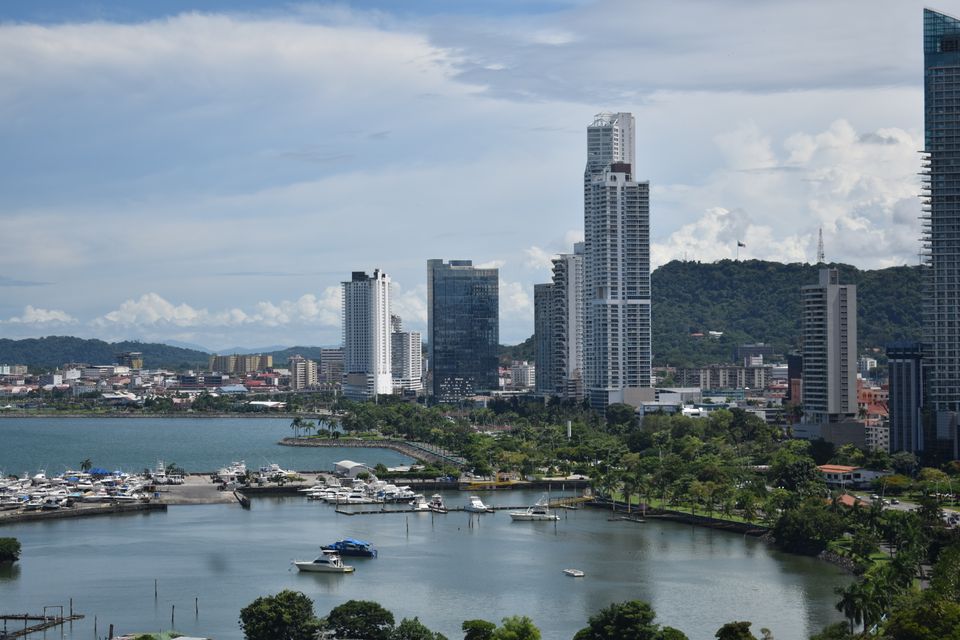
The honest answer about the rainy season: it does not ruin a 3-day trip, but it changes it. Rain in Panama City typically falls in intense 1–2 hour bursts, usually between 2 p.m. and 5 p.m. If you schedule your outdoor activities in the morning and your museum visits in the afternoon, you'll barely notice. The Miraflores Visitor Centre, Biomuseo, and Casco Viejo's covered arcades are all perfectly enjoyable in the rain. The Amador Causeway is miserable in a downpour, so swap it to a morning slot.
The sweet spot for value and weather is late November to early December (just before peak season prices kick in) or April (last weeks of dry season, prices dropping). Avoid Carnival week in February unless you want to be part of the party — the city is packed, loud, and magical, but it's not the trip for quiet sightseeing.
Section 03Where to stay — neighborhood breakdown
This is the decision most itinerary guides fumble. Here is the honest breakdown for a 3-day visit.
| Neighborhood | Vibe | Price range | Best for |
|---|---|---|---|
| Casco Viejo | Historic, atmospheric, gentrifying | $90–$300/night | Most atmospheric |
| El Cangrejo | Central, walkable, mid-range restaurants | $60–$140/night | Best value base |
| San Francisco / Marbella | Modern, safe, near Multiplaza mall | $80–$200/night | Good for business/comfort |
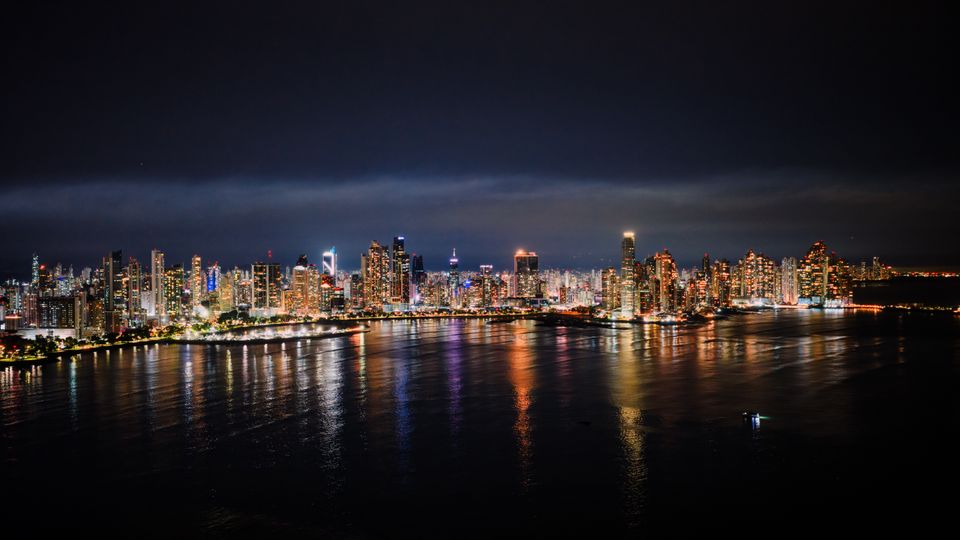
| Punta Pacífica / Paitilla | Upscale towers, bay views | $120–$350/night | Best views, far from Casco |
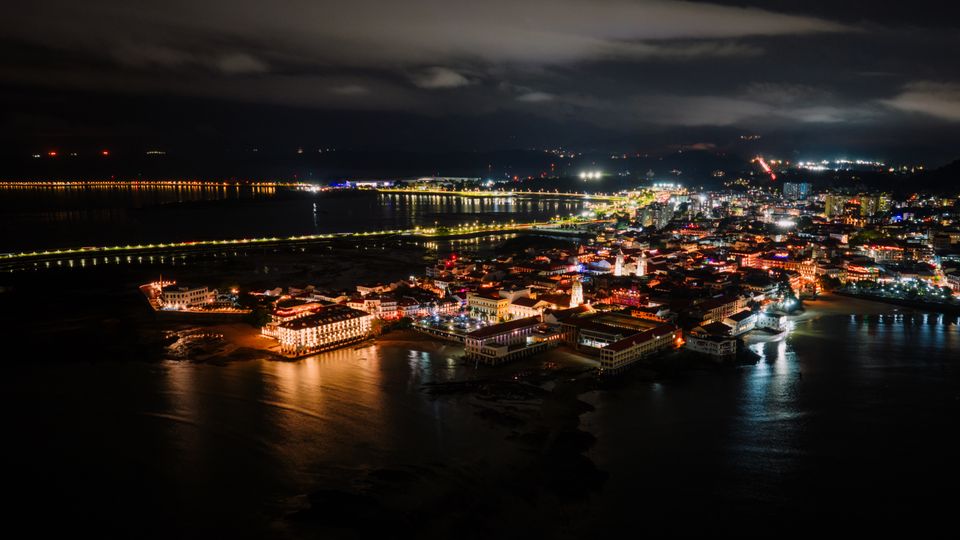
Casco Viejo is the most romantic choice and puts you steps from the best restaurants, rooftop bars, and the Paseo de las Bóvedas. The caveat: some blocks immediately outside the UNESCO core (particularly toward El Chorrillo) are rough at night. Stick to the illuminated streets around Plaza de la Independencia and Plaza Bolívar and you'll be fine. Standout stays include the Sofitel Legend Casco Viejo (from $250/night, the city's most beautiful hotel), Hotel La Compañía (from $180/night, in a restored 17th-century building), and the boutique Casa Mallet (from $110/night).
El Cangrejo is the practical choice that most travel writers ignore. It's a 10-minute Uber to Casco Viejo ($4–$6), walkable to a cluster of good restaurants on Calle Uruguay and Calle 48, and significantly cheaper. Hotels like the Coral Suites Aparthotel (from $65/night) give you a kitchen and space to spread out. If you're doing the Canal on Day 2, El Cangrejo is also closer to the Miraflores Locks than Casco Viejo is.
San Francisco and Marbella are safe, modern, and convenient for the Multiplaza and Albrook malls, but they lack character. Fine if you're here for a business stopover or want a familiar international-hotel experience. Not the choice if you want to feel like you're actually in Panama.
Section 04Getting around — Metro, Uber, and the Metro card
Uber is the default transport for tourists in Panama City and it works extremely well. Fares are low by any standard: $4–$6 for most cross-city trips, $18–$25 from the airport. The app works exactly as you'd expect, drivers are generally reliable, and it's far safer than hailing street taxis (which are unmetered and require negotiation). Use Uber for everything except the Casco Viejo interior, which is pedestrian-only in most of the historic core.
The Metro is worth knowing about even if you won't use it much. Panama City has two lines. Line 1 runs north-south from Albrook (near the domestic airport and bus terminal) to San Isidro. Line 2 connects San Miguelito to Tocumen Airport. The fare is $0.35 per trip using a rechargeable Metro card (tarjeta Metro), available at any station for $2 including $1 credit. The Metro does not reach Casco Viejo or the Amador Causeway, so its utility for a 3-day tourist itinerary is limited — mainly useful for getting from Tocumen to the city if you want to avoid the Uber fare, though the connection requires a line change at San Miguelito and adds 20+ minutes.
Taxis (yellow cabs) are abundant but unmetered. Always agree on a price before getting in. Typical fares: $3–$5 for short city hops, $12–$18 from the airport. Most drivers speak minimal English. Uber is simply easier unless you're in a spot with no signal.
Section 05Day 1 — Casco Viejo, the Cinta Costera & the Fish Market
Start your first full day where Panama City started: in Casco Viejo, the UNESCO-listed old quarter founded in 1673 after pirates destroyed the original city. Arrive before 9 a.m. if you can — the cobblestone streets are cool, quiet, and photogenic before the tour groups arrive.

The walking circuit takes 2–3 hours done properly. Begin at Plaza de la Independencia (the main square), where the Cathedral Metropolitana's pearl-encrusted facade faces the old Presidential Palace. Walk south to Plaza Bolívar, then down to the Paseo de las Bóvedas — the old sea wall esplanade with sweeping views of the bay and the modern skyline. Continue to Plaza de Francia, which commemorates the French Canal attempt and has a small but worthwhile museum in the old dungeons below the sea wall ($2 entry). Double back through the neighbourhood's best-preserved blocks to the Iglesia de San José, whose golden baroque altar was smuggled out of Panamá Viejo before Henry Morgan's pirates could melt it down. That altar alone is worth the detour.
For a deeper dive into the history, the Museo del Canal Interoceánico on Plaza de la Independencia is the best museum in the city ($5 entry, closed Mondays). Allow 90 minutes. It covers everything from the French failure to the US construction to the 1999 handover with impressive clarity.
After Casco Viejo, walk or take a short Uber to the Mercado de Mariscos (Fish Market) on Avenida Balboa for lunch. This is the most important meal recommendation in this entire guide. The ground floor is a working fish market; the upper floor is a casual restaurant where you order ceviche, caldo de mariscos (seafood broth), and corvina al ajillo directly from the counter. A full lunch for two costs $12–$18. The ceviche — corvina marinated in lime juice with ají chombo peppers and culantro — is the best $4 you will spend in Panama City. Arrive between 11:30 a.m. and 1 p.m. for the freshest fish and shortest wait.
Spend the afternoon on the Cinta Costera, the waterfront promenade that stretches from Casco Viejo east along Panama Bay. It's a 5 km walking and cycling path with unobstructed views of the skyline. On weekdays it's quiet; on Sunday mornings it's closed to cars and full of locals cycling, jogging, and selling raspados (shaved ice). Rent a bike from one of the stands near the Casco Viejo end ($5–$8/hour) or simply walk the section nearest to Casco. The sunset view from the Cinta Costera looking back at the old quarter is the best free photograph in the city.
End the day with dinner in Casco Viejo. Donde José (Calle 8a, tasting menu $75–$85 per person) is the city's most celebrated restaurant — a 10-seat counter where chef José Carles serves modern Panamanian cuisine that references indigenous ingredients and Afro-Caribbean techniques. Book weeks in advance. For something more casual, Fonda Lo Que Hay on Calle 3a does excellent traditional Panamanian food (sancocho, ropa vieja, patacones) for $8–$15 a plate.
Section 06Day 2 — Miraflores Locks, the Amador Causeway & Biomuseo
The Panama Canal is one of the greatest engineering achievements in human history, and Miraflores is where you watch it happen. Leave your hotel by 8:30 a.m. — the Canal is busiest between 9 a.m. and 11 a.m. and again between 2 p.m. and 4 p.m., and you want to catch the morning transit window before the tour buses arrive.

The Miraflores Visitor Centre ($20 adults, $10 children, open daily 8 a.m.–5 p.m.) has four levels of observation decks, a permanent exhibition on the Canal's construction and expansion, a restaurant, and an IMAX-style theatre. Allow 2–3 hours. The moment a Neopanamax vessel — some of these ships are 366 metres long and carry 14,000 containers — squeezes through the lock chamber with less than a metre of clearance on each side is genuinely jaw-dropping. The engineering becomes visceral in a way that no documentary prepares you for. Uber from Casco Viejo or El Cangrejo costs $8–$12 and takes 20–30 minutes.
After Miraflores, Uber directly to the Amador Causeway ($6–$8, 15 minutes). The Causeway is a 6 km breakwater road built from rock excavated during Canal construction, connecting three small islands — Naos, Perico, and Flamenco — to the mainland. The views back to the city skyline and forward to the Pacific entrance of the Canal are exceptional. Walk it, rent a bicycle from one of the stands at the Naos end ($5–$8/hour), or simply grab a table at one of the waterfront restaurants and watch the container ships queue for their turn at the locks.
At the mainland end of the Causeway sits the Biomuseo, designed by Frank Gehry and opened in 2014 — the only Gehry building in Latin America. Its eight permanent galleries tell the story of how the Isthmus of Panama rose from the sea three million years ago, divided the Atlantic from the Pacific, and triggered one of the greatest biodiversity events in Earth's history. The building itself, with its explosion of coloured panels, is worth seeing from the outside even if you skip the interior. Entry is $22 adults, $11 children; closed Mondays. Allow 90 minutes inside.
For lunch, the Causeway's restaurant strip at the Perico Island midpoint has options ranging from casual ceviche bars to proper sit-down seafood. Mi Ranchito on the Causeway does good traditional Panamanian food at reasonable prices ($10–$18 mains). For something more atmospheric, the Flamenco Island end has marina-side tables with Canal views.
Return to your hotel by mid-afternoon. The evening is yours — see the nightlife section below for rooftop bar recommendations.
Section 07Day 3 — Your choice: ruins & wildlife, or a day trip
Day 3 is where the itinerary splits based on your interests. Here are the two best options.

Option A: Panamá Viejo + Metropolitan Park — This is the right choice if you want to stay in the city and go deeper. Start at Panamá Viejo, the ruins of the original city founded by the Spanish in 1519 and destroyed by Henry Morgan's pirates in 1671. The site is on the eastern edge of the modern city, about 15 minutes by Uber from Casco Viejo ($6–$8). Entry is $20 adults, $10 children, and includes the excellent visitor centre with pre-Columbian artefacts and a scale model of the original city. The ruined cathedral tower is the most photographed structure in Panama; climb it for views of the modern skyline rising behind 500-year-old stone walls. Allow 2 hours.
After Panamá Viejo, head to Parque Natural Metropolitano, a 573-hectare urban rainforest park that sits improbably in the middle of the city, 10 minutes north of Casco Viejo. Entry is $5. The park has four trails ranging from 45 minutes to 2.5 hours; the Mono Tití Road trail is the best for wildlife. Arrive before 8 a.m. or after 3 p.m. for the best animal activity. The park is home to over 220 bird species, Geoffrey's tamarins, white-tailed deer, coatis, and — if you're patient and quiet — three-toed sloths in the cecropia trees. Bring water, sunscreen, and binoculars if you have them.
Option B: Day trip out of the city — If you've seen enough concrete and want a change of scenery, Day 3 is the perfect moment for a day trip. The most popular options are Gamboa and Pipeline Road (45 minutes, world-class birding), Portobelo on the Caribbean coast (2 hours, colonial ruins and Afro-Caribbean culture), and San Blas (3–4 hours, indigenous Guna territory and Caribbean islands). All can be done as guided day tours booked through your hotel or operators in Casco Viejo.
For something genuinely different — and a taste of what awaits if you extend your Panama trip — consider a day trip to El Valle de Antón, a crater village in the mountains of Coclé Province, about 2.5 hours from Panama City. El Valle sits inside an extinct volcanic crater at 600 metres elevation, which means cool air, cloud forest, and a completely different Panama from the capital. The Sunday artisan market is the best in the country. If you want to explore the crater and surrounding trails without sweating through your clothes, E-Valley Bikes runs e-bike tours out of El Valle that cover the valley floor and forest edges — a genuinely fun way to see the area in half a day before heading back to the city.
Section 08Budget guide — what 3 days actually costs
Panama uses the US dollar (called the Balboa locally, but it's the same currency). There are no exchange rates to worry about. Here is a realistic cost breakdown for a 3-day trip.

| Category | Budget | Mid-range | Splurge |
|---|---|---|---|
| Hotel (per night) | $60–$80 | $100–$180 | $200–$350 |
| Miraflores entry | $20 | $20 | $20 |
| Biomuseo entry | $22 | $22 | $22 |
| Panamá Viejo entry | $20 | $20 | $20 |
| Lunch (per person) | $6–$12 | $12–$20 | $25–$50 |
| Dinner (per person) | $10–$18 | $20–$40 | $75–$120 |
| Uber (daily average) | $10–$15 | $15–$25 | $20–$35 |
| Airport transfer (each way) | $18–$22 | $22–$28 | $35–$60 |
Realistic 3-day total per person (mid-range, excluding flights): $450–$650. This assumes a $130/night hotel, two paid attractions per day, meals at a mix of local restaurants and one nice dinner, and Uber for all transport. Budget travellers staying in El Cangrejo guesthouses and eating at the Fish Market and local fondas can do it for $250–$350. Splurge travellers staying at the Sofitel and dining at Donde José every night should budget $1,200+.
Section 09Evenings and nightlife by neighborhood
Panama City has a genuinely good nightlife scene and most of the best of it is concentrated in two areas: Casco Viejo and the Calle Uruguay strip in the El Cangrejo/Bella Vista area.

Casco Viejo rooftop bars are the city's signature evening experience. Tantalo Rooftop (Calle 8a) is the most famous — two levels of open-air terrace with views of the bay and the modern skyline, good mezcal cocktails, and tapas. Arrive at 5:30 p.m. for the sunset. Ego y Narciso (Plaza Bolívar) is more intimate, with tables on the plaza itself and the illuminated church as a backdrop. Relic Bar in the American Trade Hotel is the most stylish option, with a jazz programme some nights.
Calle Uruguay in the Bella Vista neighbourhood is where locals actually go out. The strip runs for about six blocks and is lined with bars, restaurants, and clubs. It's walkable, well-lit, and busy from 9 p.m. onwards on weekends. This is the right choice if you want to be around Panamanians rather than tourists.
A note on safety at night: Casco Viejo's illuminated historic core is safe for walking couples and small groups until midnight. The blocks immediately adjacent to the UNESCO boundary — particularly toward El Chorrillo to the north and west — are a different story after dark. Don't wander beyond the well-lit tourist zone. El Cangrejo and Calle Uruguay are safe for walking at night. Punta Pacífica and San Francisco are safe but dead on foot — everything there requires an Uber.
Solo travellers, particularly solo women, will find Casco Viejo's rooftop bar scene easy to navigate. The venues are well-staffed and the clientele is a mix of tourists and young Panamanian professionals. Standard big-city precautions apply: don't leave drinks unattended, share your location with someone, and use Uber rather than street taxis late at night.
Section 10Day trips from Panama City — if you have more time
If your trip extends beyond 3 days, Panama City is an excellent base for day trips in almost every direction. Here are the four best options ranked by ease and payoff.

El Valle de Antón (2.5 hours west, $15–$20 by public bus from Albrook terminal or $80–$100 by private transfer) is the most rewarding day trip from the capital for travellers who want nature and culture without a beach. The crater village has a Sunday artisan market, hot springs, a small zoo with harpy eagles, waterfall hikes, and the best cool-weather air you'll find within three hours of the city. Our full guide to things to do in El Valle de Antón covers every option in detail.
Gamboa and Pipeline Road (45 minutes north, $6–$8 by Uber) is the top choice for birders and wildlife enthusiasts. Pipeline Road in Soberanía National Park is one of the top birding sites in the world — over 500 species recorded. The Gamboa Rainforest Resort runs boat tours on the Canal and Chagres River that include sloth and monkey sightings. Half-day tours from $45 per person.
Portobelo (2 hours northeast on the Caribbean coast, $5 by bus from Albrook or $60–$80 by private transfer) is a UNESCO World Heritage Site — the ruins of the Spanish colonial port that was once the most important in the Americas. The Black Christ festival in October draws pilgrims from across Panama. The town itself is small, Afro-Caribbean in character, and genuinely off the tourist trail compared to Casco Viejo.
San Blas Islands (3–4 hours, $100–$180 for a guided day tour including transport) is the most spectacular option if you have the time and budget. The Guna Yala archipelago — 365 islands, most of them uninhabited — has the clearest Caribbean water and whitest sand in Central America. Day tours are long but worth it. If you can extend your trip to include an overnight, do it.
Planning a longer Panama trip? Our day trips from Panama City hub covers every option with transport details and booking advice.