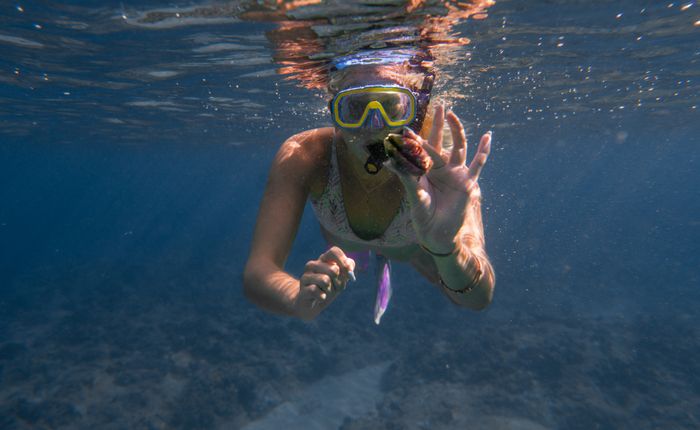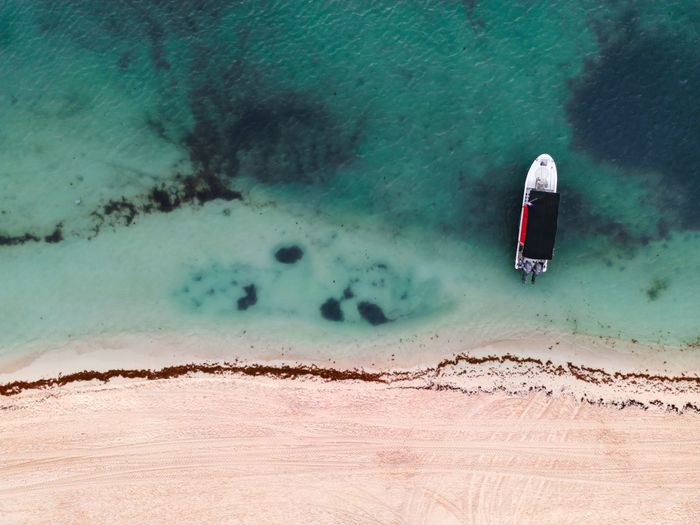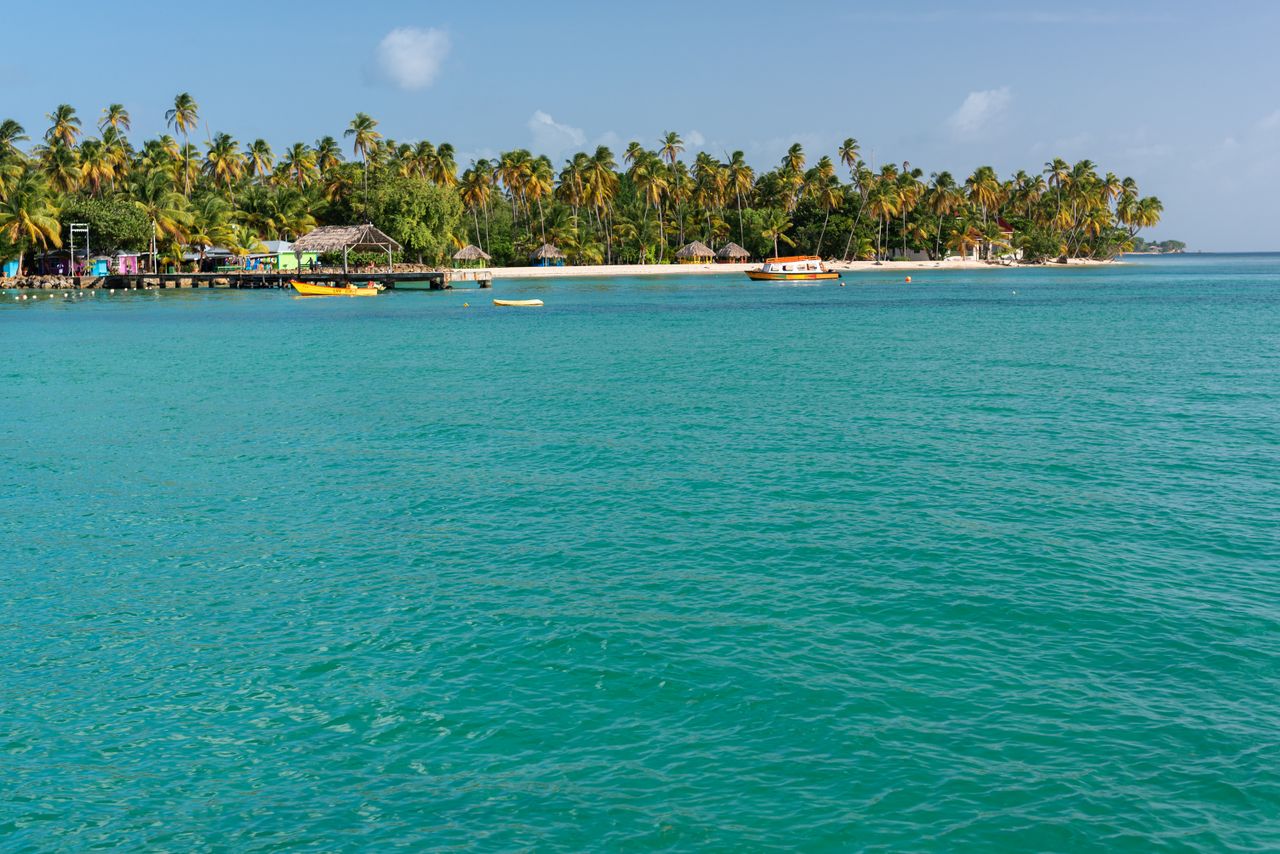
Nine main islands, thousands of islets, one water taxi dock that changes everything. Bocas del Toro is Panama's most visited Caribbean destination — and also the most misunderstood. Most visitors spend three days on Isla Colón, see Starfish Beach once, and leave thinking they've done it. They haven't. This guide goes island by island, with real prices, honest beach rankings, and the seasonal intel that determines whether your snorkel dive is a ten or a two.
The archipelago sits in the northwestern corner of Panama, roughly 45 minutes by air from Panama City and about 35 minutes by boat from the mainland port of Almirante. The islands are geologically young, draped in mangrove, and separated by channels that range from glassy to genuinely rough depending on the season. Water taxis are the local bus system. Once you understand how they work, the whole archipelago opens up.
Section 01Why Bocas del Toro
Bocas del Toro earns its reputation not because it is pristine — parts of Bocas Town are genuinely rough around the edges — but because the concentration of things to do within a small radius is extraordinary. You can surf a reef break in the morning, snorkel a coral garden in the afternoon, spot poison-dart frogs on a jungle trail before sunset, and eat grilled lobster on a dock at night, all without leaving the archipelago. The Smithsonian Tropical Research Institute has a station here precisely because the marine biodiversity is that remarkable: the surrounding waters hold more than 95 percent of all coral species found in the Caribbean.

The culture adds another layer. Bocas has been shaped by Afro-Caribbean communities, indigenous Ngöbe-Buglé people, a wave of American and European expats, and a steady stream of surfers who arrived in the 1980s and never left. On the main drag in Bocas Town you will hear Guari-Guari — a creole blend of English, Spanish, and French — reggae drifting from open-air bars, and the thrum of panga engines heading out to the reef. It is not a polished resort destination. That is the point.
Section 02Getting there
There are two realistic routes into Bocas del Toro: fly or take the bus-and-boat combo. Flying is faster and, once you factor in the overnight bus, often not much more expensive in real terms.

| Route | Cost | Time | Verdict |
|---|---|---|---|
| Fly Panama City (Albrook) → Bocas Town | $80–$130 one-way | 45 min | Easiest |
| Bus Panama City → Almirante + water taxi | $35–$45 total | 9–10 hrs | Budget option |
| Shuttle from Boquete or David → Almirante + taxi | $25–$35 | 3–4 hrs | Best if combining regions |
| Cross from Costa Rica (Sixaola bridge → Guabito → Almirante) | $15–$20 + boat | 2–3 hrs from border | Good from Puerto Viejo |
Air Panama and Copa Airlines both operate the Albrook–Bocas route, with multiple daily departures. Book at least a week ahead in high season (December through April, and July). The domestic airport in Bocas Town sits right on the edge of Bocas Town on Isla Colón — you walk off the plane and you are essentially in town. For the full logistics picture, including bus schedules and the Almirante water taxi connection, see our detailed guide to getting to Bocas del Toro for the full breakdown.
Section 03Water taxis explained
Water taxis are the backbone of inter-island transport in Bocas del Toro, and understanding them is the difference between a smooth trip and a frustrating one. They are open fiberglass pangas — typically 20 to 30 feet long — with outboard engines, bench seating, and a canopy that provides partial shade but no real protection from spray. Bring a dry bag for electronics.

The main water taxi dock in Bocas Town is on Calle 3, near the park. From here, shared boats run fixed routes to Carenero, Old Bank (Bastimentos), and occasionally Solarte. Prices for shared taxis are set and posted: Carenero costs $1–$2, Old Bank costs $2–$3, Solarte costs $3–$5. These are per-person fares. If you want a private charter — your own boat, your own schedule — expect to pay $40–$120 depending on distance and time.
For beaches like Starfish Beach (Playa La Estrella) on the north side of Isla Colón, you have two options: take the public bus from Parque Simón Bolívar toward Boca del Drago (about $2–$3 each way, runs several times daily) and walk the 1.5 km trail to the beach, or hire a water taxi directly from town for around $15–$25 per person round-trip as part of a tour. For Zapatilla Cays and more remote destinations, you will need a tour or a private charter.
Tour boats versus DIY water taxis: tours typically run $25–$45 per person and cover four to five stops in a single day — usually Dolphin Bay, Starfish Beach, a snorkeling site, and Red Frog Beach. They are efficient and social. DIY hopping gives you more control over timing but requires more planning and costs more per leg if you are traveling solo. For first-timers, a guided day tour on day one is a smart orientation; after that, use shared taxis to revisit your favorites independently.
Section 04Isla Colón — the hub
Isla Colón is the largest island in the archipelago and the entry point for almost everyone. Bocas Town occupies its southern tip. It is the only island with paved roads, which means you can rent a bicycle or scooter and actually explore it overland — a genuine advantage over every other island in the group.

Bocas Town itself is a compact grid of colorful wooden buildings on stilts, most of them painted in the Caribbean palette of turquoise, yellow, and coral. The main street, Calle 3, runs along the waterfront and is lined with restaurants, tour operators, dive shops, pharmacies, ATMs, and bars. Everything you need to organize your time in the archipelago is here. The town is walkable in 20 minutes end to end.
Beyond town, Isla Colón has two beaches worth your time. Bluff Beach (Playa Bluff) is on the Atlantic-facing east coast, about 8 km from town by road. It is a long, wild, dark-sand beach with powerful shore break — not ideal for swimming but spectacular for walking and, in season, for watching sea turtles nest (April through September). The road is rough in places; a scooter handles it fine, a bicycle is a workout. Starfish Beach (Playa La Estrella) is on the northwest tip near Boca del Drago. The water here is calm, shallow, and turquoise, and the orange cushion sea stars that give the beach its name are still present — though please, do not remove them from the water or handle them roughly, as it causes real harm.
Section 05Isla Bastimentos — the wild one
Isla Bastimentos is the second-largest island and the one that rewards visitors who make the effort to get there. The 15-minute water taxi from Bocas Town ($2–$3 shared) deposits you at Old Bank, a small Afro-Caribbean community of brightly painted houses on stilts above the water. There are no paved roads on Bastimentos. There are no cars. There are trails through the jungle, a few guesthouses, and some of the best food in the archipelago at places like Sea Monkey and Roots Restaurant.

Red Frog Beach is Bastimentos's most famous attraction. To reach it, take a water taxi from Old Bank to the Red Frog Beach dock on the island's Caribbean side (about $5 per person, or included in most day tours), then walk 10 minutes through the jungle. The beach is wide, backed by dense rainforest, and named for the strawberry poison-dart frogs (Oophaga pumilio) that live in the leaf litter along the trail. They are genuinely tiny — most are barely an inch long — and brilliantly red. Do not touch them.
Wizard Beach (Playa Wizard) is a 30-minute walk west from Old Bank along a jungle trail that crosses the island. It is one of the most beautiful and least crowded beaches in the archipelago: a long curve of white sand with no facilities, no vendors, and powerful surf that makes it unsuitable for casual swimming but ideal for experienced surfers. Bring everything you need.
The northern coast of Bastimentos falls within Bastimentos Island National Marine Park, Panama's first marine protected area. The park covers 13,226 hectares of sea and land, including coral reefs, mangroves, and nesting beaches for four species of sea turtle. Entry to the park costs $10 per person, collected at the ranger station near the Zapatilla Cays. Snorkeling inside the park — particularly at Coral Cay and Hospital Point — is consistently the best in the archipelago.
Section 06Isla Carenero — the quiet neighbor
Isla Carenero sits just 200 meters from the Bocas Town dock — close enough to see the lights from your porch — but feels like a different world. The island is small, walkable in under an hour, and home to a handful of guesthouses, a couple of excellent restaurants, and one of the better surf breaks in the archipelago.

Carenero is the right choice if you want to be close to Bocas Town's restaurants and services without sleeping in the middle of the party. The water taxi from the main dock costs $1 and runs on demand throughout the day. The surf break off the northern tip of the island — called Carenero Point — is a right-hand reef break that works best from December through March and handles intermediate to advanced surfers. It is shorter and less powerful than Bluff Beach or Silverbacks on Bastimentos, but it is far more accessible.
There is no real beach on Carenero for swimming, but the calm water on the town-facing side is fine for kayaking and paddleboarding. A few overwater bungalows here offer some of the best value in the archipelago for travelers who want a quieter base without sacrificing convenience.
Section 07Beyond the big three
Most guides stop at Colón, Bastimentos, and Carenero. That leaves out some of the most interesting parts of the archipelago.

Isla Solarte (also called Nancy's Cay) is a 10-minute water taxi ride from Bocas Town, southeast of Carenero. It is home to a small community, a few guesthouses, and Hospital Point — one of the best snorkeling sites in the archipelago, named for an old United Fruit Company hospital that once stood here. The reef at Hospital Point starts in about 3 meters of water and drops to 15, with brain corals, sea fans, nurse sharks, and dense fish populations. Visibility is typically 10–15 meters on calm days. Entry is free; you can reach it independently by water taxi for $5–$8 per person.
Isla San Cristóbal is the largest island after Colón and Bastimentos, but it sees almost no tourists. It is home to a significant Ngöbe-Buglé community and several cacao farms. A handful of operators run cultural tours here that include a visit to a family cacao operation, a demonstration of traditional chocolate production, and a walk through the community. These tours cost around $35–$50 per person and are one of the more meaningful experiences available in the archipelago — a genuine window into indigenous life rather than a staged performance.
Cayo Zapatilla (Las Islas Zapatillas) is the postcard shot of Bocas del Toro: two uninhabited cays inside the national marine park, with powder-white sand, clear turquoise water, and almost no development beyond a ranger station. The larger cay has a short jungle trail that loops around the island in about 40 minutes. The snorkeling off the beach is excellent — shallow coral gardens with parrotfish, angelfish, and the occasional sea turtle. Getting here requires a tour or private charter; most day tours include a stop at Zapatilla. The national park fee of $10 applies. Do not expect to be alone — this is the most photographed spot in the archipelago and day tours converge here around midday. Arrive early or late if you want the beach to yourself.
Dolphin Bay (Bahía de los Delfines) is not an island but a sheltered bay between Colón and Bastimentos where bottlenose dolphins are reliably spotted, particularly in the morning. Nearly every day tour passes through here. You cannot swim with the dolphins — it is prohibited and the operators who follow the rules will not let you — but watching them ride the bow wave of the panga is genuinely thrilling. Sightings are not guaranteed, but the hit rate is high.
Section 08Beach rankings by criteria
Not all beaches in Bocas del Toro are equal, and the right beach depends entirely on what you are after. Here is an honest comparison.
| Beach | Water clarity | Crowds | Snorkeling | Swimming | Access |
|---|---|---|---|---|---|
| Starfish Beach (Playa La Estrella) | Excellent — calm, shallow, turquoise | Moderate–high (day tours arrive 10am–2pm) | Poor (too shallow) | Excellent | Bus $2–3 + 1.5km walk, or water taxi tour |
| Red Frog Beach, Bastimentos | Good | Moderate (dock entry fee filters crowds) | Fair (better off the rocks) | Good | Water taxi to dock + 10-min walk, $5 |
| Wizard Beach, Bastimentos | Very good | Low | Fair | Poor (strong shore break) | 30-min jungle hike from Old Bank |
| Bluff Beach, Isla Colón | Good | Very low | Poor | Poor (powerful surf) | Scooter or bike from Bocas Town, 8 km |
| Zapatilla Cays | Outstanding | High at midday (tours) | Excellent | Excellent | Day tour only, $25–45 pp + $10 park fee |
| Hospital Point, Solarte | Excellent (reef site) | Low | Outstanding | N/A (snorkel site) | Water taxi $5–8 pp |
The honest verdict: for postcard beauty and easy swimming, Starfish Beach wins. For snorkeling, Hospital Point and the Zapatilla Cays are in a different league. For solitude and wild scenery, Wizard Beach is unmatched. For turtle watching, Bluff Beach between April and September is the only option.
Section 09Surf and snorkeling seasons
Bocas del Toro has two loose seasons, and they affect activities very differently. Understanding this will save you from arriving at the wrong time for what you want to do.
Surf season runs December through March. The Caribbean swells generated by North Atlantic storms push consistent waves into the archipelago's exposed breaks. Bluff Beach gets 1.5–3 meter shore break, Carenero Point fires with clean rights, and Silverbacks — a heavy left-hand reef break off the southwest coast of Bastimentos, accessible only by boat — produces some of the most powerful waves in Central America. Silverbacks is for advanced surfers only; it breaks over a shallow reef and holds up to 4 meters. Board rentals in Bocas Town run $15–$25 per day; lessons start at $40 for a two-hour session.
Snorkeling and diving are best from September through November and from February through April, when rainfall is lower and visibility peaks. The archipelago has two distinct wet seasons: a heavier one from November through January (the "little summer" or veranillo can bring brief dry spells in November) and a lighter one in May through June. During heavy rain, river runoff reduces visibility at inshore sites like Starfish Beach dramatically — sometimes to under 2 meters. Offshore sites like Hospital Point and Zapatilla hold their visibility better. Dive operators in Bocas Town charge $60–$90 for a two-tank dive; snorkel tours run $20–$35.
Ferry cancellations are rare but do happen during sustained bad weather, particularly in November and December. If you have a flight to catch, build a buffer day into your schedule. The water taxi operators are generally conservative — if they say conditions are too rough, believe them.
Section 10Where to stay — party vs. quiet
Where you sleep in Bocas del Toro shapes your entire experience. The choice is less about budget than about what kind of trip you want.
Bocas Town, Isla Colón is for people who want to be in the middle of everything. The main street has bars that run until 2am on weekends, tour operators at every corner, and the widest range of accommodation in the archipelago — from $12 dorm beds at hostels like Mondo Taitu and Heike to $150-per-night boutique hotels. The nightlife centers on Calle 3 and the waterfront bars. If you are traveling solo and want to meet people, this is your base. If you want to sleep before midnight, stay elsewhere.
Isla Carenero is the compromise: five minutes from Bocas Town by water taxi, quiet enough to sleep, close enough to access everything. A handful of guesthouses and small hotels here offer overwater rooms for $60–$120 per night. Aqua Lodge and Careening Cay Resort are the best-known options.
Old Bank, Isla Bastimentos is for travelers who genuinely want to disconnect. The community is small, the restaurants are excellent, and the jungle starts right behind the houses. Guesthouses here run $40–$80 per night for a private room. Palmar Tent Lodge and Bastimentos Sky are worth looking at if you want something more structured.
Isla Solarte has a couple of small lodges aimed at divers and snorkelers who want to be close to Hospital Point. Prices are similar to Bastimentos. Expect basic but comfortable.
Red Frog Beach Island Resort on Bastimentos occupies the hillside above Red Frog Beach and offers a range of accommodation from glamping tents to villas, with a pool and a beach club. It is the closest thing to a resort experience in the archipelago, with prices from $120 to $300 per night.
Section 11Itineraries by trip length
How many days do you need? The honest answer is five to seven for a well-rounded visit. Three days is enough to get the highlights; ten days is enough to slow down and go deep. Here are practical templates.
3 days — the highlights run: Day 1: Arrive, settle into Bocas Town, walk the main street, eat at a waterfront restaurant, early night. Day 2: Full-day island-hopping tour ($30–$45 pp) hitting Dolphin Bay, Starfish Beach, a snorkel site, and Red Frog Beach. Day 3: Morning at leisure — rent a bike and ride to Bluff Beach, or take the bus to Starfish Beach independently. Afternoon flight or boat out.
5 days — the balanced trip: Days 1–2 as above. Day 3: Move base to Old Bank on Bastimentos; afternoon walk to Wizard Beach. Day 4: Snorkel Hospital Point on Solarte in the morning; return to Bocas Town for the afternoon. Day 5: Zapatilla Cays day tour, then evening flight or overnight bus.
7 days — the deep dive: Days 1–5 as above, plus: Day 6: Cacao cultural tour on Isla San Cristóbal. Day 7: Morning surf lesson at Carenero Point or Bluff Beach; afternoon departure. Alternatively, use the extra days to dive — Bocas has a dozen named dive sites and most people only scratch the surface.
For surfers specifically: Base on Isla Colón and focus on Bluff Beach (December–March). Take a boat to Silverbacks if your level is advanced. Carenero Point is the easiest reef break to access. Hire a local guide for the first session — the reef geography is not obvious from the water.
For divers: Book with one of the established dive shops in Bocas Town (Bocas Water Sports, La Buga, or Starfleet Scuba are the most reputable). Hospital Point, Coral Cay, and Tiger Rock are the headline sites. Tiger Rock, a seamount about 45 minutes by boat, is the place for pelagics — eagle rays, bull sharks, and the occasional whale shark in season.
Section 12Budget breakdown by island
Bocas del Toro is moderately priced by Central American standards — cheaper than Costa Rica, more expensive than Guatemala. Here is what to expect.
| Category | Budget | Mid-range | Splurge |
|---|---|---|---|
| Accommodation (per night) | $12–$25 (dorm, Bocas Town) | $50–$100 (private room, any island) | $120–$300 (overwater bungalow or resort) |
| Food (per day) | $15–$20 (local spots, self-catering) | $30–$50 (sit-down restaurants) | $60+ (seafood, cocktails) |
| Inter-island transport | $2–$5 (shared water taxi) | $15–$25 (included in tours) | $60–$120 (private charter) |
| Activities (per day) | $0–$10 (beach, hiking) | $25–$50 (snorkel tour, surf lesson) | $60–$100 (diving, private tour) |
| Realistic daily total | $40–$60 | $80–$130 | $200+ |
A few things that catch visitors off guard: grocery prices on the islands are 20–30 percent higher than on the mainland (everything arrives by boat). ATMs in Bocas Town sometimes run out of cash on long weekends — bring enough dollars from Panama City. Most guesthouses on Bastimentos and Solarte are cash only. The $10 national park fee at Zapatilla Cays is collected on arrival and is non-negotiable.
Section 13Safety by island and neighborhood
The U.S. State Department has issued advisories about Bocas del Toro Province at various points, and it is worth addressing this directly rather than glossing over it. The safety situation is nuanced and varies significantly by location.
Bocas Town (Isla Colón) is generally safe for tourists during daylight hours and in the main tourist areas at night. The waterfront strip, the area around Calle 3, and the hostels are well-trafficked and low-risk. The neighborhoods away from the waterfront, particularly toward the back streets north of the main drag, are less tourist-oriented and warrant more caution after dark. Petty theft — phone snatching, bag grabs — does occur, particularly on crowded nights. Keep valuables out of sight, do not walk alone on dark streets late at night, and use the same common sense you would in any unfamiliar city.
Old Bank, Bastimentos is a small, tight-knit community where strangers are noticed. It has a very different atmosphere from Bocas Town — quieter, more residential, and generally very safe for visitors. The jungle trails between Old Bank and Wizard Beach are safe during daylight; do not hike them alone after dark.
Isla Carenero is essentially a quiet residential island with a few guesthouses. It is very safe. The main risk is the water taxi crossing at night in rough weather.
Solarte and San Cristóbal are small communities with negligible tourist-related crime. Visitors are rare enough that you will likely be greeted with curiosity rather than anything else.
The broader provincial safety concerns referenced in State Department advisories relate primarily to the mainland areas of Changuinola and the road corridors, not the tourist islands. That said, the situation can change, and it is worth checking current advisories before you travel. The most reliable real-time information comes from the expat community on the ground — the Bocas del Toro Facebook groups and the Bocas Breeze local news site are good sources.
One final note on the water taxis: overloading is the most common safety issue visitors encounter. If a boat looks dangerously full, wait for the next one. Life jackets should be worn on all crossings, not just kept under the seat. The channels between islands can turn rough quickly, and a capsized panga is a genuine emergency.