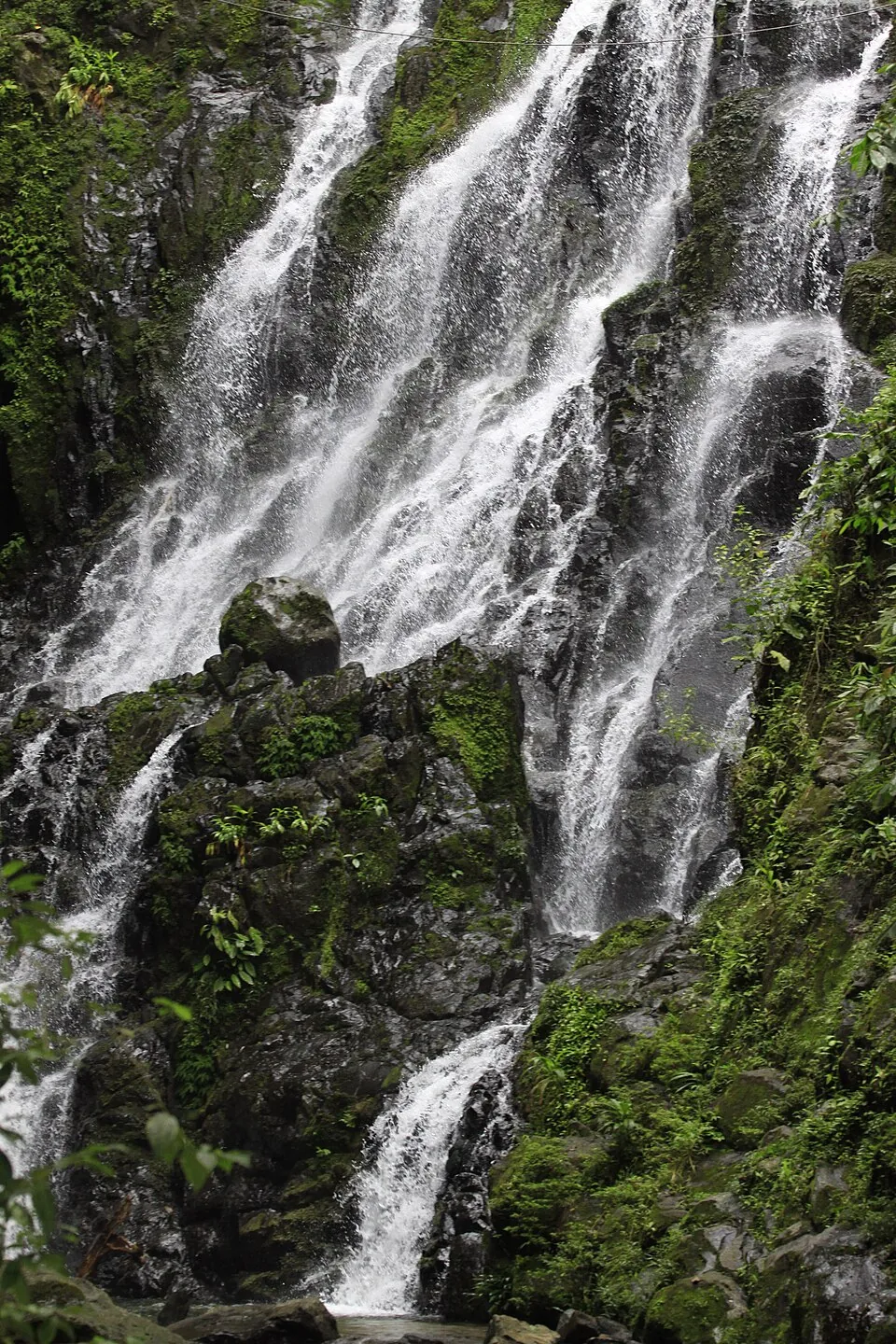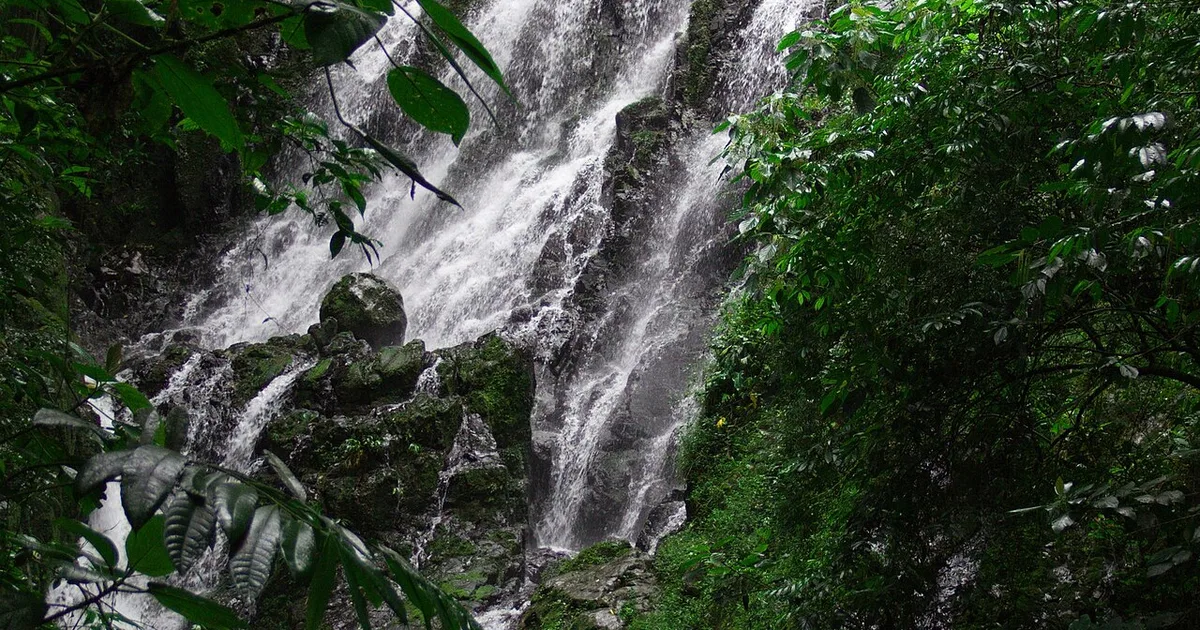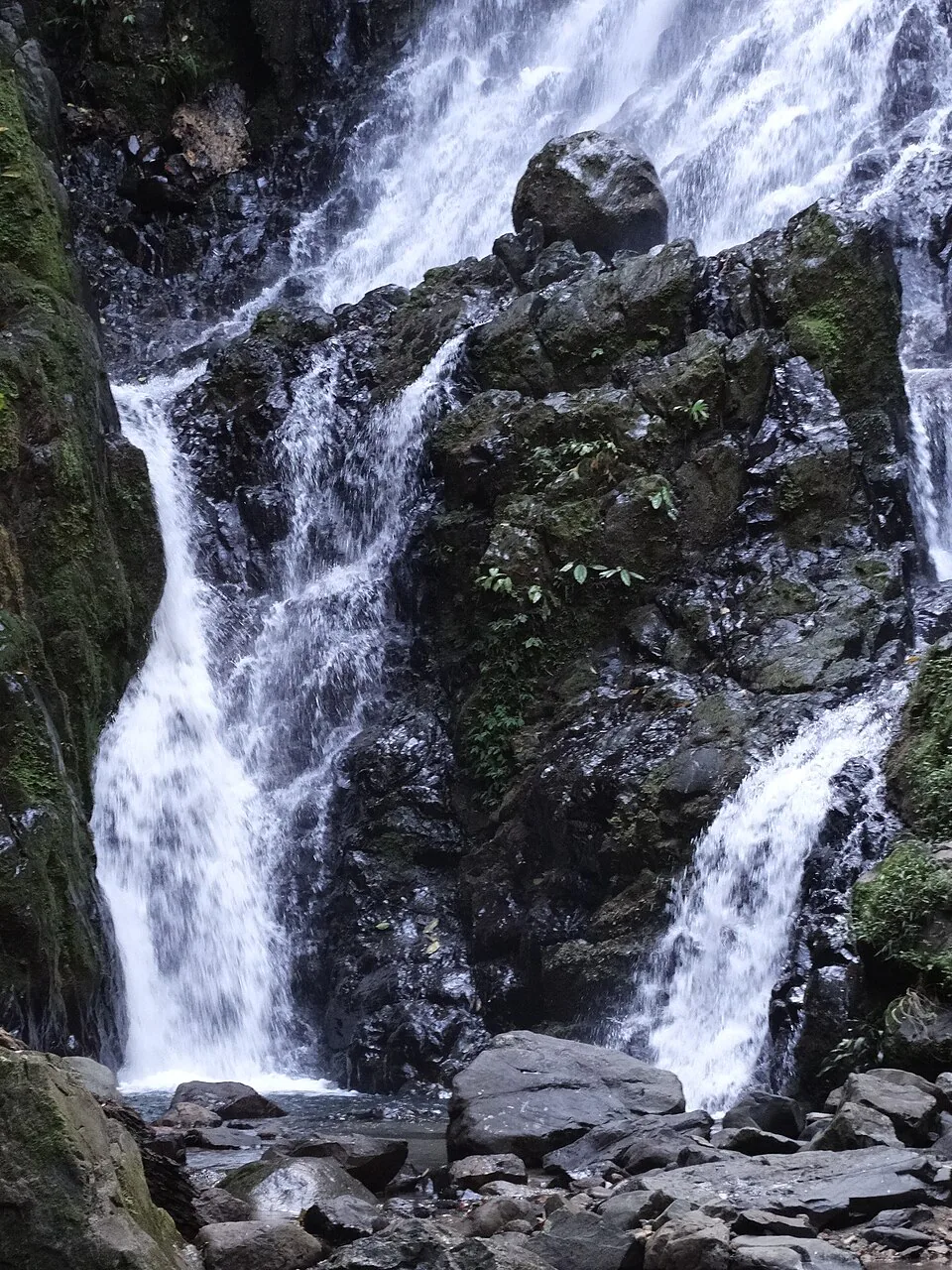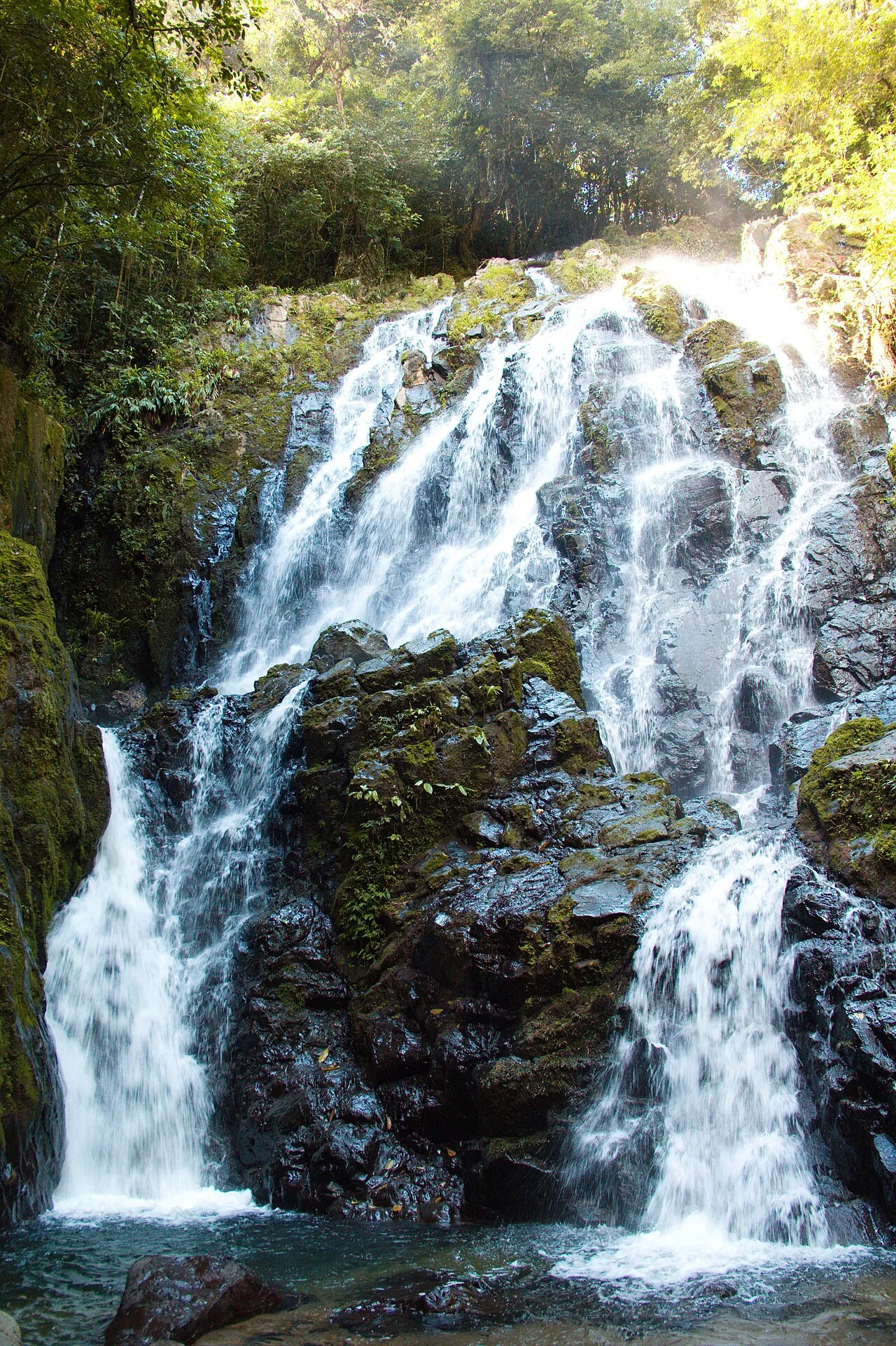
The best waterfalls in Panama are the Lost Waterfalls trail above Boquete, Chorro El Macho in El Valle de Antón and Bermejo Falls in Santa Fe National Park. If you are based in Panama City, El Valle is the practical choice. It is a $4.25 bus ride of about two hours from Albrook, and you can see two falls in a day if you catch the last direct bus back in mid-afternoon.[1]
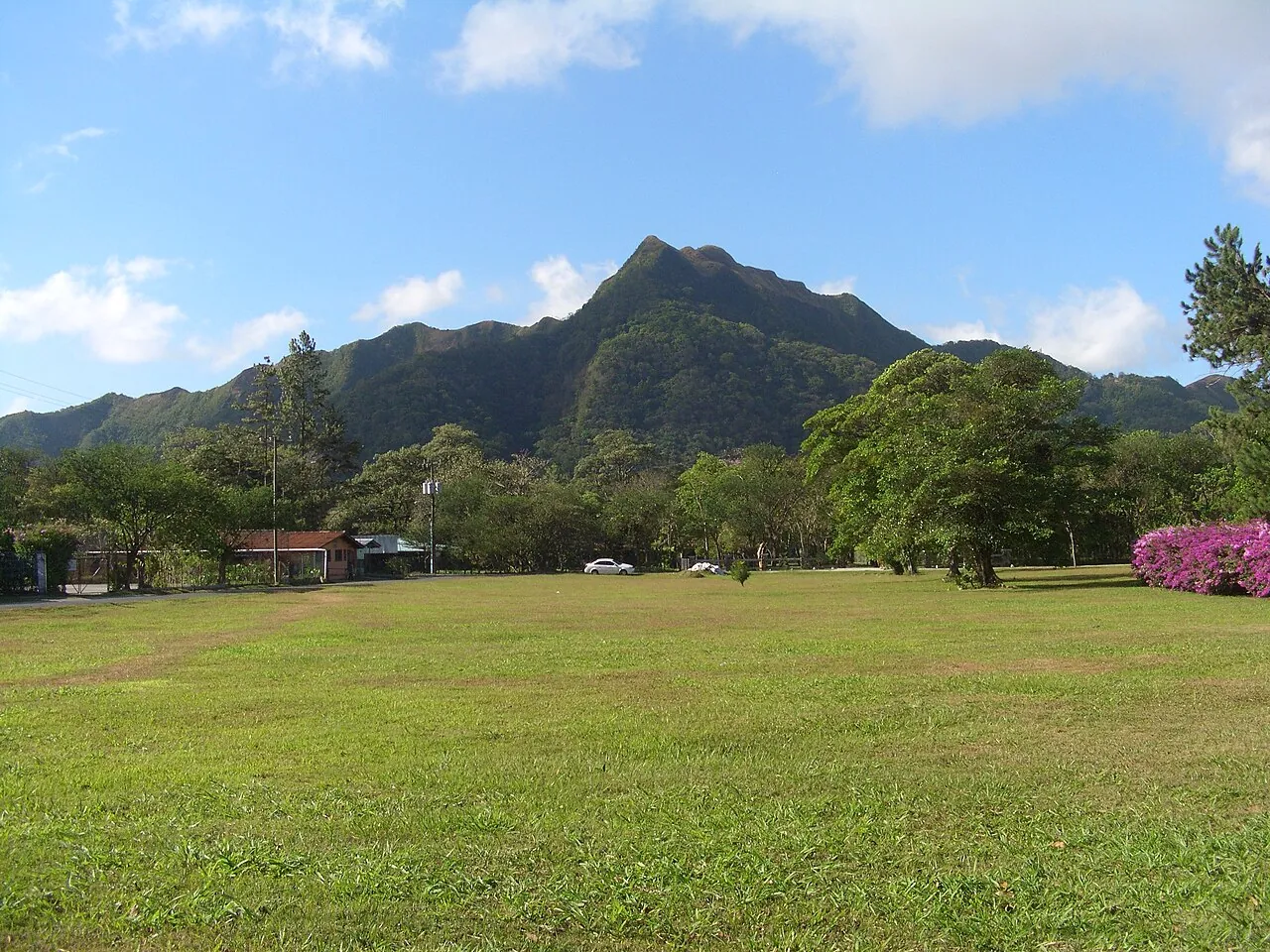
Most waterfalls in Panama sit in three highland areas: the volcanic crater of El Valle de Antón, the Chiriquí highlands around Boquete and Santa Fe National Park in Veraguas. Panama City has no headline falls of its own. The nearest falls worth a trip are in El Valle, a two-hour bus ride away.
This guide ranks the best falls by size, swimming, ease of access and how many others you can pair them with. It then builds realistic one-day plans, with the fees, hike times and bus schedules that decide how much actually fits.
Why El Valle is the best base for waterfalls near the capital
El Valle de Antón is the only waterfall area you can reach from Panama City, enjoy and return from on public transport the same day. Buses leave Albrook about every 30 minutes from around 6:30 a.m., and the ride takes 1 hour 45 minutes to 2 hours 30 minutes depending on traffic.[1] The bus drops you in the town center, and Chorro El Macho is about a 30-minute signposted walk from there.[2][3]
The catch is the return. The last direct bus from El Valle back to Albrook leaves around 3:00 to 3:30 p.m., so a day trip gives you roughly five or six hours on the ground.[1] That is enough for two falls and lunch. A full waterfall-and-hike day needs a night in town.
The other areas do not work as day trips. Boquete is at the far western end of the country, and Santa Fe has no tourist facilities inside the park.[4] For the full bus-and-timing plan from the city, see our guide to the El Valle day trip from Panama City.
The best waterfalls in Panama, ranked
The Lost Waterfalls trail in Boquete comes first: three falls on one trail, two of them with pools, for a $10 entry.[5] Chorro El Macho is second because it is the easiest big fall to reach from the capital. Bermejo in Santa Fe is third for its height and remoteness. The ranking weighs four things: how impressive the fall is, whether you can swim, how hard it is to reach, and whether other falls are close enough to make a full day.
| Waterfall | Region | Entry (2026) | Hike | Swimming | Best for |
|---|---|---|---|---|---|
| Lost Waterfalls (three falls) | Boquete, Chiriquí | $10 | 2.5-3.5 h round trip, steep and muddy | Falls 2 and 3 | Best overall |
| Chorro El Macho | El Valle de Antón | $5 adult, pool $5 extra | About 30 min walk from town, short trail | Pool beside the falls | A day trip from Panama City |
| Bermejo Falls | Santa Fe, Veraguas | National park fee | About 1.5 h round trip | Not confirmed | Remote, big falls, an overnight trip |
| Choclón (twin falls) | Near Boquete | Not published | About 40 min drive, then 15-20 min walk | Behind both falls | Swimmers with a local driver |
| Pipeline Trail fall | Boquete | $5 | 2-3 h round trip, easy | Small, often low | Birders, quetzal habitat |
Entry per person as of November 2026. Fees at private trails change without notice, so carry cash and expect to pay at the gate.
- Lost Waterfalls, Boquete. It is the only trail in the country with three falls in one hike. The first is viewed from a platform, and the second and third have pools you can get into. The entry fee is $10 per person, up from $7 in earlier years.[5]
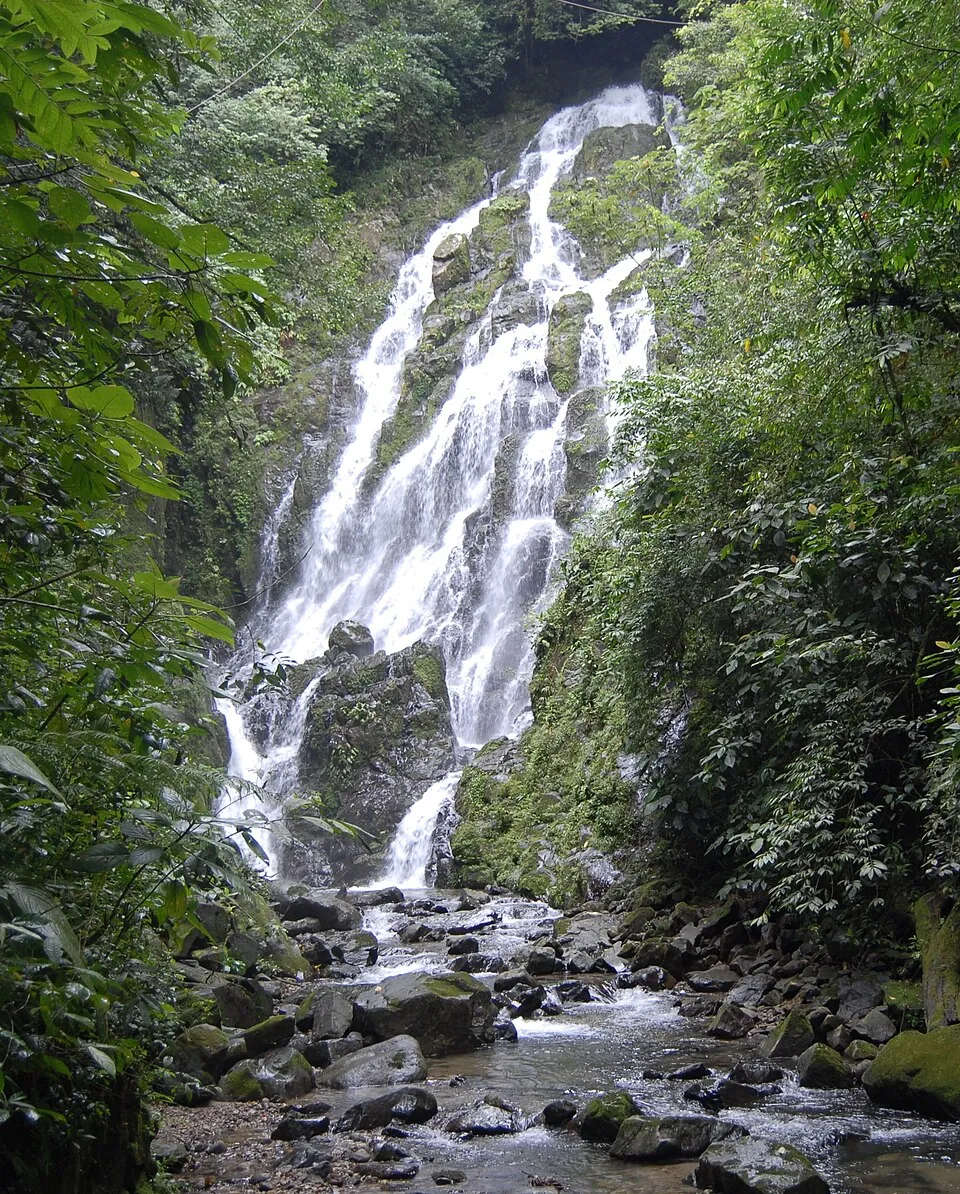
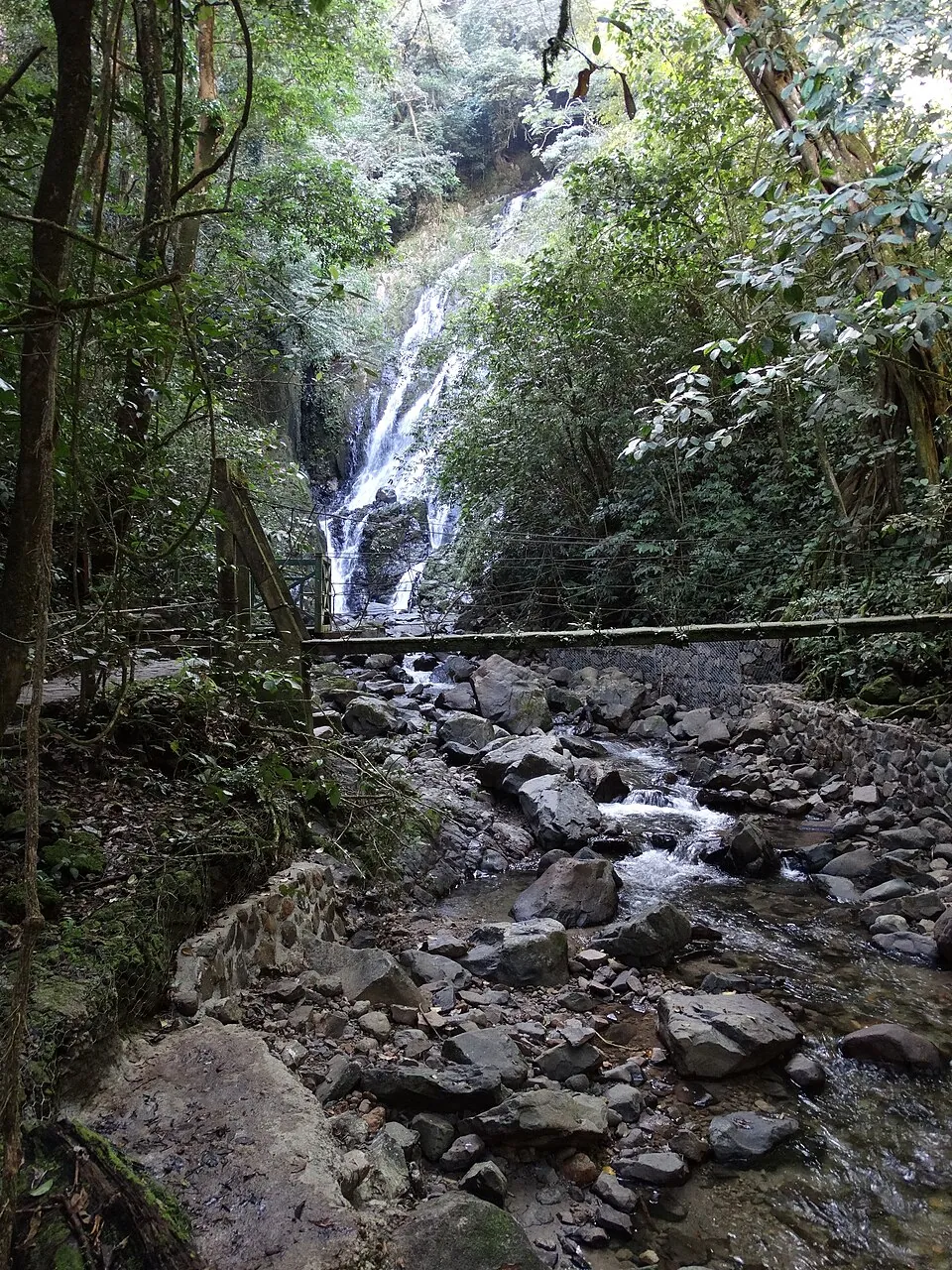
- Chorro El Macho, El Valle. This roughly 35-meter fall sits in a protected ecological refuge.[6] It is the most accessible big waterfall from the capital, and a canopy line and a natural pool share the same entrance.
- Bermejo Falls, Santa Fe. Bermejo is 35 meters high and one of more than 50 falls in Santa Fe National Park.[4] It is the right pick if you want falls without day-trip crowds and can spare a night or two.
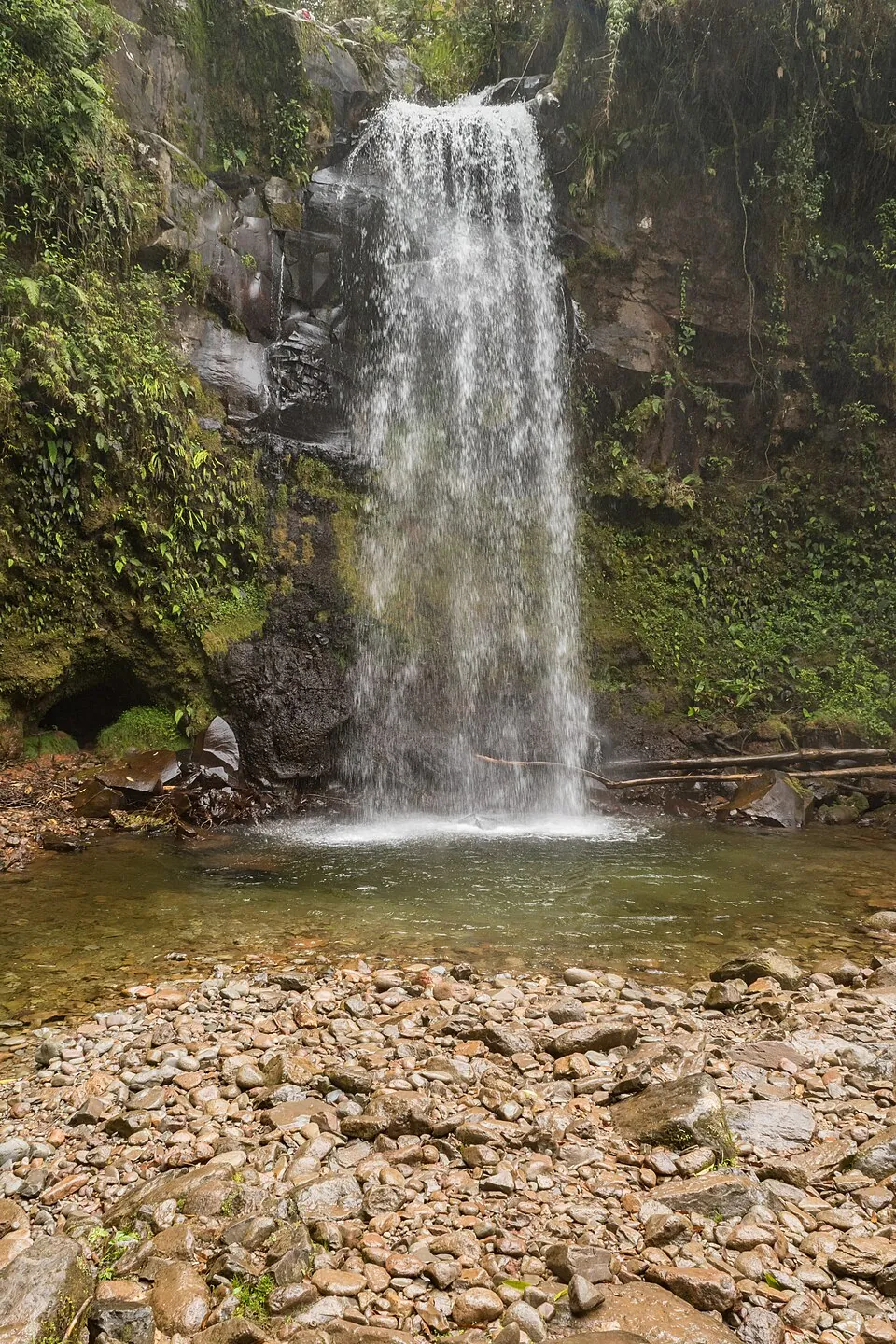
- Choclón, near Boquete. These twin falls drop into a small gorge, and swimmers can stand behind both curtains of water. Access is the problem: a rough gravel road, an unmarked gate and several river crossings.
- Chorro Las Mozas, El Valle. Las Mozas has smaller cascades than El Macho but is more of a place to get in the water. Most El Valle visitors pair the two.
- Pipeline Trail fall, Boquete. Come for the cloud forest and the quetzals, and treat the fall at the end as a bonus. In drier months it can carry very little water.
Several other falls have a following but less reliable access information. In Chiriquí these include Cabello de Ángel, Cascada Kiki near Soloy and the Cangilones de Gualaca gorge, which is known for tubing and cliff jumping.[7][8] Bocas del Toro and Taboga have their own small falls, but nobody travels to those islands for waterfalls, so they are not covered here.
El Valle de Antón: the falls within easy reach
El Valle has two main waterfalls, Chorro El Macho and Chorro Las Mozas, and both are within a short ride or walk of the town center. You can see both in a morning. The crater's ridge hikes add views rather than more water. Our complete guide to El Valle de Antón's waterfalls covers the smaller falls and swimming safety in more depth.
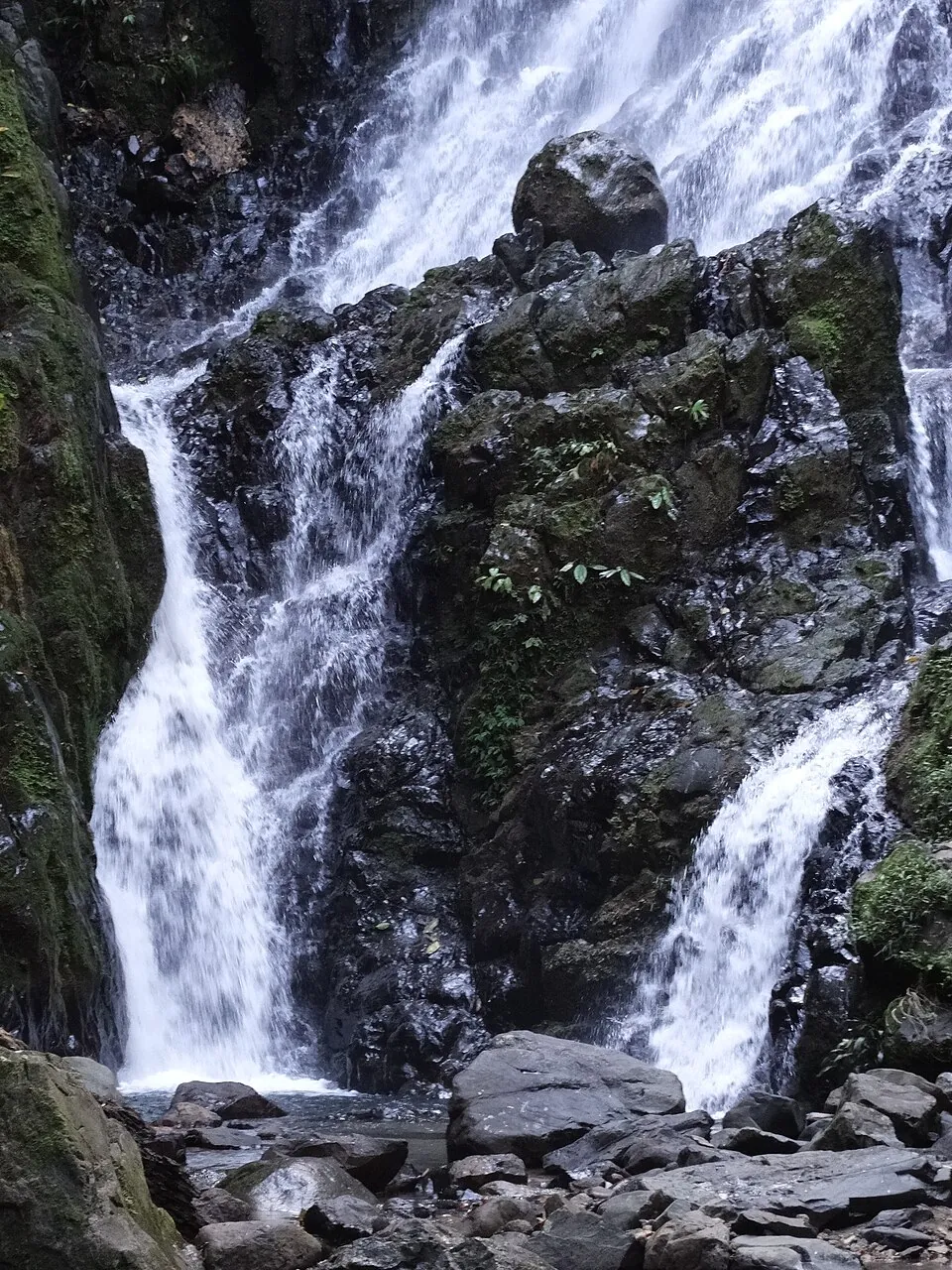
Chorro El Macho
Chorro El Macho is open daily from 8:00 a.m. to 5:00 p.m., and most current listings put entry at $5 per adult.[3][9] Children's tickets are listed at $2.50 in one guide and $5 in another, and one price table shows a $3 short self-guided trail.[10] Ask at the gate which ticket you are buying.
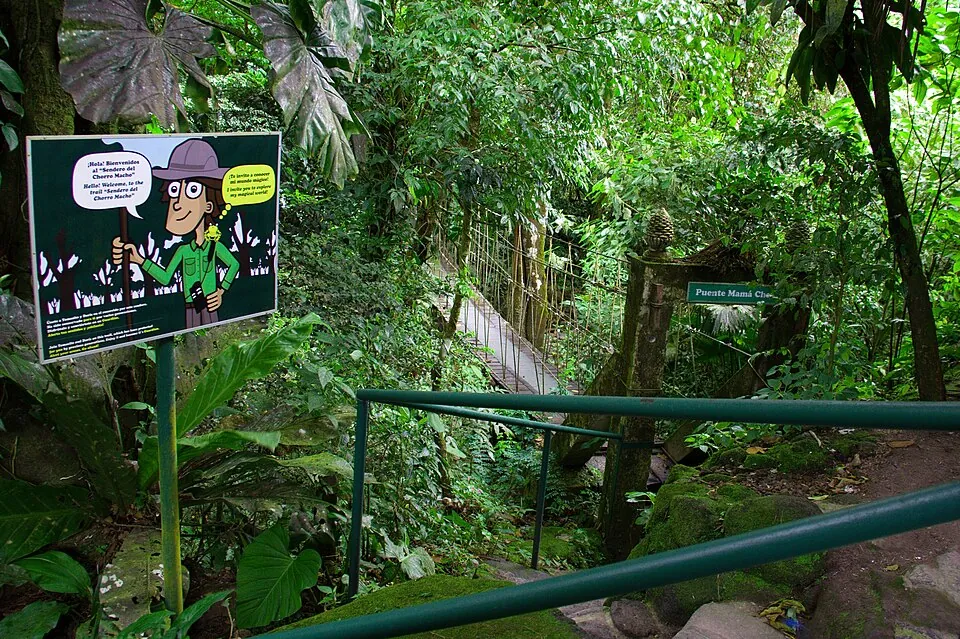
You view the fall from the trail. Swimming happens in the natural pool beside it, which costs another $5.[9] Last trail access is around 4:30 to 5:00 p.m., but that varies, so arrive well before.[10] Tour itineraries usually budget about an hour for the stop.[11]
Two paid extras start from the same entrance. A longer guided trail with a bilingual guide runs about two hours for $20 per person.[10] The canopy tour costs around $53 and takes about an hour and a half.[9] Some listings also offer rappelling at the fall. Our Chorro El Macho guide covers the walk from town and what each ticket includes.
The $5 entry covers the trail and the view of the fall. If you plan to swim, budget another $5 for the pool and bring a towel, since the pool is the only swimming spot at El Macho.
Chorro Las Mozas
Las Mozas is a set of lower cascades with natural pools rather than one big drop. It is the swim stop of an El Valle waterfall day, and it costs less than El Macho. Check the current fee at the entrance. Rocks around the pools are slippery after rain, so wear shoes with grip rather than flip-flops.
Waterfalls and the El Valle hiking trails
El Valle's best-known trails are ridge walks with views, not waterfall hikes. La India Dormida takes about 45 minutes each way, while Cerro Gaital takes about three hours and is rated challenging.[12] Gaital has an official entrance booth that collects a fee.[13]
The trail network is still growing. The tourism authority and the local development association are opening about 14 km of crater trails, and in March 2025 the tourism authority said it was working to formalize a tourist waterfall circuit.[14][15] To compare distances and fees, see our guide to the best hikes in El Valle.
Boquete and Chiriquí: the highland falls
Boquete has the best waterfall hiking in Panama, but its falls take more effort than El Valle's. Most popular trails cross private land with an entry booth, and most visitors hike them without a guide.[16] The falls further out in Chiriquí are wilder and harder to find, and that is where a local guide or driver earns their fee.
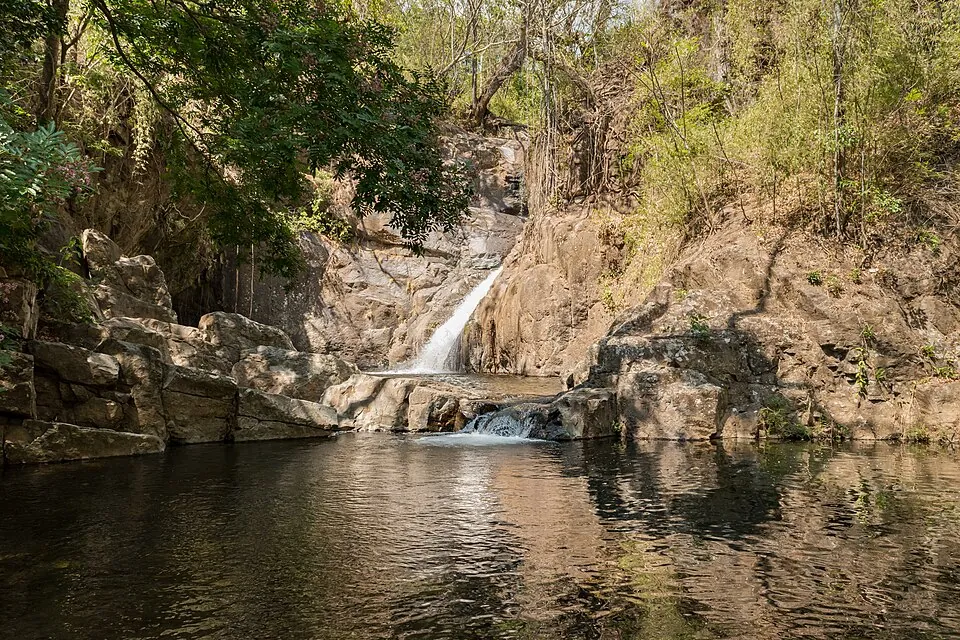
Lost Waterfalls
$102.5-3.5 hthree fallsA steep, muddy trail to three falls, with pools at the second and third. The last stretch uses fixed ropes over wet rock.
Best for the top waterfall hike in PanamaPipeline Trail
$52-3 hquetzal habitatAn easy, gently uphill walk through cloud forest, ending at a small fall reached by following a stream. The fall can be thin in drier months.
Best for birders who want a fall as a bonusChoclón
Fee not published~1.5 h from towntwin fallsTwin falls in a small gorge where you can swim behind the water. Reaching them means a rough road, an unsigned gate and several river crossings.
Best for swimmers with a local driverCabello de Ángel
Best in rainy seasonslippery rockexposed to sunA tall, thin fall that adds several side cascades when the rains come. The rocks are slick and there is little shade.
Best for a rainy-season extra on a longer stayLost Waterfalls (Las Cascadas Perdidas)
The Lost Waterfalls trail is in Los Naranjos above Boquete, and entry is $10 per person at a staffed booth near the trailhead.[17][5] Older listings still show $7, and a guided version was once listed at $38. Both figures date from before the current fee.[17]
Published distances conflict. One guide describes a 6 km circuit with about 350 meters of climbing that takes 2.5 to 3.5 hours.[16] Others list 3.2 km, which appears to be the one-way distance.[5] Plan on about 6 km and three hours of real effort, not a stroll.
The trail is mostly uphill and muddy in parts, and the third section has you holding ropes and climbing steep rocks. Opening hours are usually given as 8:00 a.m. to 5:00 p.m., with last entry recommended at 3:00 p.m. Guided waterfall tours that include the entry start from around $100 and spend about two hours on this trail.[18] Our Lost Waterfalls hiking guide covers the trailhead, footwear and the best months.
Pipeline Trail and Choclón
The Pipeline Trail costs $5 per person, and a guide is optional, though one improves your chances of spotting birds.[19] It runs about 7 km round trip on an easy, slightly uphill path. If the waterfall is your main reason to go, ask in town how much water it has before you pay for a taxi.
Choclón is about a 40-minute pick-up ride from Boquete to an unsigned gate. From there it is a 15 to 20 minute walk along the river, crossing it a few times. Expect almost an hour and a half from town to the falls. Hikers who have gone on their own describe rough gravel roads, dead-end turnoffs, trailheads marked only by GPS coordinates and slippery river crossings. The water is cool, and a small 1 to 2 meter jump spot sits at the pool.
Further out in Chiriquí
The tourism authority's guide manual lists waterfall trails at Cascada Kiki in Soloy and at Bonyic in the Naso territory.[7] At Jä Wäkta, rope and rappelling activities are not always offered in the rainy season because the water is too strong.[20] Cascada El Trueno near Cordillera involves stream crossings up to about a meter deep, and the people who write about it recommend going with a guide. All of these are full-day outings with a driver, not add-ons to a Boquete morning.
Santa Fe National Park: Bermejo and 50 other falls
Santa Fe National Park in Veraguas has more than 50 waterfalls, many reachable on foot by trails ranging from short walks to day hikes.[4] It suits travelers who want falls with few other people and do not mind rustic logistics.
Bermejo is the headline fall at 35 meters. The tourism board describes a 2.5 km easy-to-moderate walk of about an hour and a half round trip.[4] Hikers who have done it more often describe about 1.5 km and 30 minutes each way, so allow two hours with time at the fall. At Loma Grande, park staff have built stairs, handrails and wooden boardwalks along the trail.[21]
The park has no developed facilities, so bring your own water, food and first-aid kit.[4] Admission to national protected areas can be paid online through the environment ministry with a Clave, Visa or Mastercard card, and you receive an electronic ticket.[22] Santa Fe is much farther from the capital than El Valle. Plan at least one night in Santa Fe town rather than trying it as a day trip.
How many waterfalls you can realistically see in one day
From Panama City by bus, you can realistically see two waterfalls in El Valle, El Macho and Las Mozas, in one day. In Boquete, you can see three on the Lost Waterfalls trail in a morning and four if you add the Pipeline Trail in the afternoon. The limits are different in each place. In El Valle it is the 3:00 p.m. bus. In Boquete it is your legs and the 3:00 p.m. last entry at Lost Waterfalls.
El Valle as a day trip from Panama City
Catch an early bus. A weekday departure before 8:00 a.m. takes about 2.5 hours, while Friday afternoons and Sunday returns can take 3 to 3.5 hours.[2]
If you stay the night in El Valle, the same two falls fit in a morning, leaving the afternoon for a ridge hike or the hot springs. Our one-day El Valle de Antón itinerary times each stop for a mid-morning arrival.
Miss the last direct bus and you are not stuck. Local buses run to the Interamericana highway until about 7:00 to 8:00 p.m., where you change for Panama City, but expect a slower, more tiring ride.
Boquete and Santa Fe
In Boquete, start the Lost Waterfalls trail by mid-morning and you will be down by early afternoon. A taxi to the Pipeline Trail then gives you a fourth, smaller fall. Choclón takes a half day on its own, so it replaces those two rather than adding to them. In Santa Fe, Bermejo plus one shorter trail such as Loma Grande is a full day.
What a waterfall day costs
A self-guided El Valle day costs about $19 per person before food: two bus fares, El Macho entry and the pool.[1][3] Guided days cost several times that.[18][23]
Two $4.25 fares, $5 El Macho entry and the $5 pool. Food extra.
Entry only. Add a taxi or colectivo from Boquete.
Includes the Lost Waterfalls entry and transport.
About 8 hours with hot springs and waterfalls.
Getting there and getting between falls
The T.U.V.A.S.A. bus from Albrook is the standard way to reach El Valle's waterfalls. Fares are listed at $4.25 by the most detailed guides and at about $5 by others.[1][24] For Boquete you need a long trip west, and for the falls outside town you need wheels.
Panama City to El Valle
Go to Albrook Gran Terminal de Transporte
The El Valle buses leave from the main terminal at Albrook and run direct to El Valle's town center.
Buy your ticket window B-22
Pay $4.25 in cash. One guide gives a different window and stop number, so ask staff if the window has moved.
Board at Platform 48 every 30 min
Departures run about every 30 minutes, dropping to hourly at midday and possibly less often on Sundays.
Ride to the center 1 h 45-2 h 30
Stay on to El Valle's town center. Rush-hour traffic leaving the city can push the trip past 2 hours 30 minutes.
T.U.V.A.S.A. is listed as the only direct operator, and the last bus from Albrook leaves around 6:30 to 7:00 p.m.[1] Another guide gives window B-21B and stop 53 instead, so confirm on the day.[25]
Within El Valle, El Macho is walkable from the center. For Las Mozas and the trailheads, local drivers charge a few dollars for short hops. Agree on the price before you get in.
Panama City to Boquete
Boquete is not a day trip. Most visitors take the overnight bus or fly to David and finish by road, then spend at least two nights. Our comparison of Panama City to Boquete by bus, flight or car sets out the costs and door-to-door times.
Getting between Boquete's falls
The Lost Waterfalls entrance is about a 15-minute walk from the nearest road, and colectivo buses pass now and then. A taxi is more dependable if you are on a schedule. For Choclón, hire a driver with a pick-up or a 4x4 who knows the gate, since the road is rough and the trailhead is unsigned. Guided tours from around $100 remove the transport problem entirely.[18]
Do you need a guide? Permits and safety on waterfall trails
You do not need a guide for Panama's popular waterfall trails. Lost Waterfalls and the Pipeline Trail are routinely done independently, and El Macho's short trail is self-guided.[26] Paying the entry at the booth is the only formality. The one highland hike where registration at a ranger post is mandatory is the Volcán Barú summit, which is not a waterfall trip.[27]
A guide is worth paying for on the less-traveled falls: Choclón, El Trueno, El Pianista and the farther Santa Fe trails. These are the routes where hikers report wrong turns, deep crossings and unmarked trailheads. Panama's tourism authority certifies guides, who must carry a visible card that is renewed every two years, so ask to see it.[7]
Two safety points stand out. El Valle's tourism plan links the insecurity it does record to people entering trails through unauthorized routes to avoid paying, or at hours without tourism police patrols. The same plan notes the town has no ambulance of its own.[28] The tourism police patrol mainly in Panama City's Casco Antiguo, so do not expect officers on mountain trails.[29]
The practical rules are simple. Use the official entrances, start early, tell someone your route and return time, and do not hike the lesser-known falls alone. Australia's travel advice asks visitors to exercise a high degree of caution in Panama overall, mainly because of petty crime, and singles out the Darién rather than the highland waterfall areas.[30] Our guide to whether Panama is safe for tourists covers regions and transport in more detail.
Best time of year and what to pack
The rainy season, roughly May to November, is when Panama's waterfalls run fullest. The dry season is generally the easier time to hike because trails are firmer and river crossings lower.[31] Most travelers who care about photos of full falls go early or late in the rains. Those who care about dry footing go from December to April.
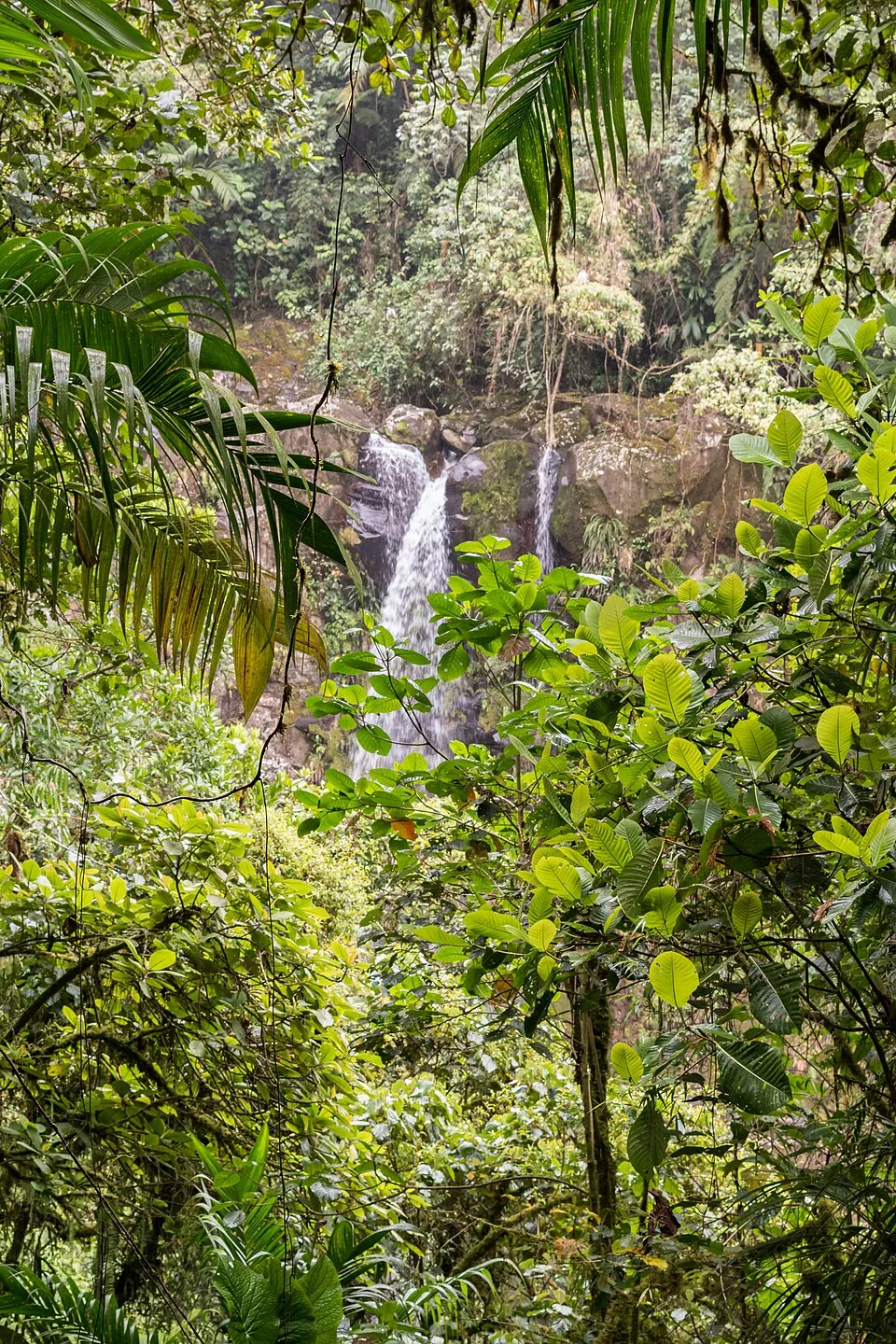
Rain changes the falls in specific ways. The Pipeline Trail fall can drop to a trickle in drier weather. Cabello de Ángel adds side cascades in the wet months. Rappelling at Jä Wäkta may not run when the water is too strong.[20] Around the capital, humidity is especially heavy from May to December, and temperatures run from about 21°C to 32°C.[32] For conditions by region and month, see our month-by-month guide to the best time to visit Panama.
After heavy rain, rope sections such as the third Lost Waterfall and the river crossings to Choclón get much harder. If the water is brown and fast, stay out of the pools and skip the crossings.
Spain's travel advice recommends insect repellent outdoors because of dengue, and suggests avoiding sun and exercise in the middle of the day.[33] On waterfall trails, that means starting early and carrying more water than you expect to need.
- Footwear
- Trail shoes or sandals with real grip. Rocks at El Macho, Las Mozas and every Boquete fall are slick.
- Water and snacks
- At least a liter per person for Lost Waterfalls, and more for Santa Fe, where there are no facilities.
- Cash in small bills
- For the $4.25 bus, entry booths, the El Macho pool and local drivers.
- Repellent and sunscreen
- Mosquitoes are common near rivers, and some falls, such as Cabello de Ángel, have little shade.
- Swimwear and a quick-dry towel
- Wear swimwear under your clothes if you plan to use the pools at El Macho, Las Mozas or Lost Waterfalls.
- Dry bag
- Keeps your phone and cash dry on river crossings and in sudden afternoon rain.
- Basic first-aid kit
- Especially for Santa Fe and Choclón, which are far from help. El Valle has no ambulance of its own.
Before you go
What are the best waterfalls in Panama?
The Lost Waterfalls trail in Boquete, Chorro El Macho in El Valle de Antón and Bermejo Falls in Santa Fe National Park are the top three. Lost Waterfalls gives you three falls on one trail, El Macho is the easiest big fall to reach from Panama City, and Bermejo is a 35-meter drop in a park with more than 50 falls.
Which waterfalls can I visit on a day trip from Panama City?
El Valle de Antón is the only realistic waterfall day trip from Panama City. The bus from Albrook takes about two hours, and you can see Chorro El Macho and Chorro Las Mozas before the last direct bus back around 3:00 to 3:30 p.m. See our El Valle day trip guide for the timing.
How much does Chorro El Macho cost?
Entry is usually $5 per adult, with another $5 to swim in the natural pool beside the fall, as of 2026. Some price lists show a cheaper short self-guided trail or a $2.50 child ticket, so ask at the gate. It is open daily from 8:00 a.m. to 5:00 p.m.
How long is the Lost Waterfalls hike in Boquete?
Plan on about 6 km round trip and 2.5 to 3.5 hours. Some listings give 3.2 to 3.4 km, which appears to be the one-way distance. The trail is steep and muddy, uses ropes on the last section and costs $10 per person.
Can you swim at the waterfalls in El Valle and Boquete?
Yes, at several of them. At El Macho you swim in the pool beside the fall for an extra $5, and Las Mozas has natural pools. In Boquete, the second and third Lost Waterfalls have pools, and at Choclón you can swim behind both falls. Stay out when the water is brown and fast after rain.
Do I need a guide for the waterfalls in Chiriquí?
Not for the popular trails. Lost Waterfalls and the Pipeline Trail are routinely hiked independently, and you just pay the entry fee. A certified local guide or driver is worth hiring for Choclón, El Trueno and other remote falls, where trailheads are unsigned and river crossings can be deep.
When is the best time to see waterfalls in Panama?
The rainy season, roughly May to November, brings the fullest falls, while the dry season from December to April gives firmer trails and lower river crossings. Mornings are best year-round, since afternoon rain and midday heat are common.
Is it safe to hike to waterfalls in Panama alone?
On the busy, fee-paying trails such as El Macho and Lost Waterfalls, most visitors hike without problems. Use official entrances, start early and tell someone your plans. Do not go alone to remote falls like Choclón or the deeper Santa Fe trails, where help is far away.
Are there waterfalls in Panama City?
Not any worth a special trip. The city's parks, such as Metropolitan Natural Park and Soberanía, are known for forest trails and birdlife rather than falls. The nearest good waterfalls are in El Valle de Antón, about two hours away by bus.
Sources
Prices, schedules and rules change. The small numbers in the text point to these sources.
- 1Panamaspot - Albrook to El Valle bus schedules and farespanamaspot.com
- 2Panamaspot - El Valle from Panama City bus guidepanamaspot.com
- 3Panamaspot - Precios y horarios El Valle de Antón 2026panamaspot.com
- 4Tourism Panama - Parque Nacional Santa Fees.tourismpanama.com
- 5
- 6
- 7
- 8World Panama Real Estate - Best waterfalls in Panama to visitworldpanamarealestate.com
- 9El Valle Panamá - Qué hacer en El Valle de Antónel-valle-panama.com
- 10Panamaspot - Cascada Chorro El Macho visitor guidepanamaspot.com
- 11
- 12Tourism Panama - Hiking trails in Panamatourismpanama.com
- 13Gaceta Oficial - Plan de Uso Público Monumento Natural Cerro Gaital, 2019gacetaoficial.gob.pa
- 14
- 15
- 16Panamaspot - Senderos en Boquete, complete hiking guidepanamaspot.com
- 17Tourism Panama blog - 11 senderos y cascadas en Boquetees.tourismpanama.com
- 18
- 19Wereldreizigers - Via Boquete hiking routewereldreizigers.nl
- 20The Real Deal Tours - Noticias de Panamá blog feedtherealdealtours.com
- 21Revista Panorama - Santa Fe de Veraguas nature featurerevistapanorama.com
- 22MiAmbiente - Online payment for protected areas, August 2024miambiente.gob.pa
- 23GetYourGuide - Chorro Macho tickets and toursgetyourguide.com
- 24
- 25
- 26Panamaspot - Qué hacer en Boquete, guía completa 2026panamaspot.com
- 27Panamaspot - Volcán Barú 2026 climb guidepanamaspot.com
- 28
- 29
- 30Smartraveller - Australian Panama travel advicesmartraveller.gov.au
- 31CountryReports - Panama travel guidecountryreports.org
- 32Tourism Panama - Hiking in Panama Citytourismpanama.com
- 33Ministerio de Asuntos Exteriores - Spain travel advice for Panamaexteriores.gob.es
Image credits
- Chorro Marcho EL Valle Panama 03Ayaita · CC BY-SA 3.0
- Waterfall at Cerro El Macho (02)Adam Jones · CC BY-SA 2.0
- Wasserfall bei Boquete (26701709943)dronepicr · CC BY 2.0
- Waterfall Boquete (27238155701)dronepicr · CC BY 2.0
- EL MACHO FALLS - panoramioTEDBARTH · CC BY-SA 3.0
- Waterfall at Cerro El Macho (03)Adam Jones · CC BY-SA 2.0
- Wasserfall bei Boquete (26701686043)dronepicr · CC BY 2.0
- Waterfall into amber pool among mossy rocksPexels · Pexels License
- El Chorro Macho La MochilaAndreina Pantin · CC BY-SA 3.0