Stem cell therapy in Panama mostly means IV infusions and injections of mesenchymal stem cells grown from donated umbilical cord tissue. These are sold as four- to five-day packages by private clinics in Panama City, chiefly the Stem Cell Institute and Auragens. These products are not FDA-approved for the joint, autoimmune and neurological conditions clinics market them for, published adult packages start at about $26,900 to $28,750 as of October 2026, and insurance does not pay.
Panama City is one of the few places close to the US where clinics grow donor cells to large numbers in a lab and give them to paying patients. A handful of private clinics sell this as a package: the cells, a hotel room, an airport pickup and a driver. Most patients are Americans with arthritis, multiple sclerosis, autoimmune disease or a child with autism or cerebral palsy.
This guide covers what the clinics offer and how Panama and the US regulate it. It also covers what published research does and does not show, what a treatment week looks like, and the questions that separate a careful clinic from a sales operation. It describes the options. It does not recommend a treatment or a clinic.
What stem cell therapy in Panama is: mesenchymal cells from umbilical cord
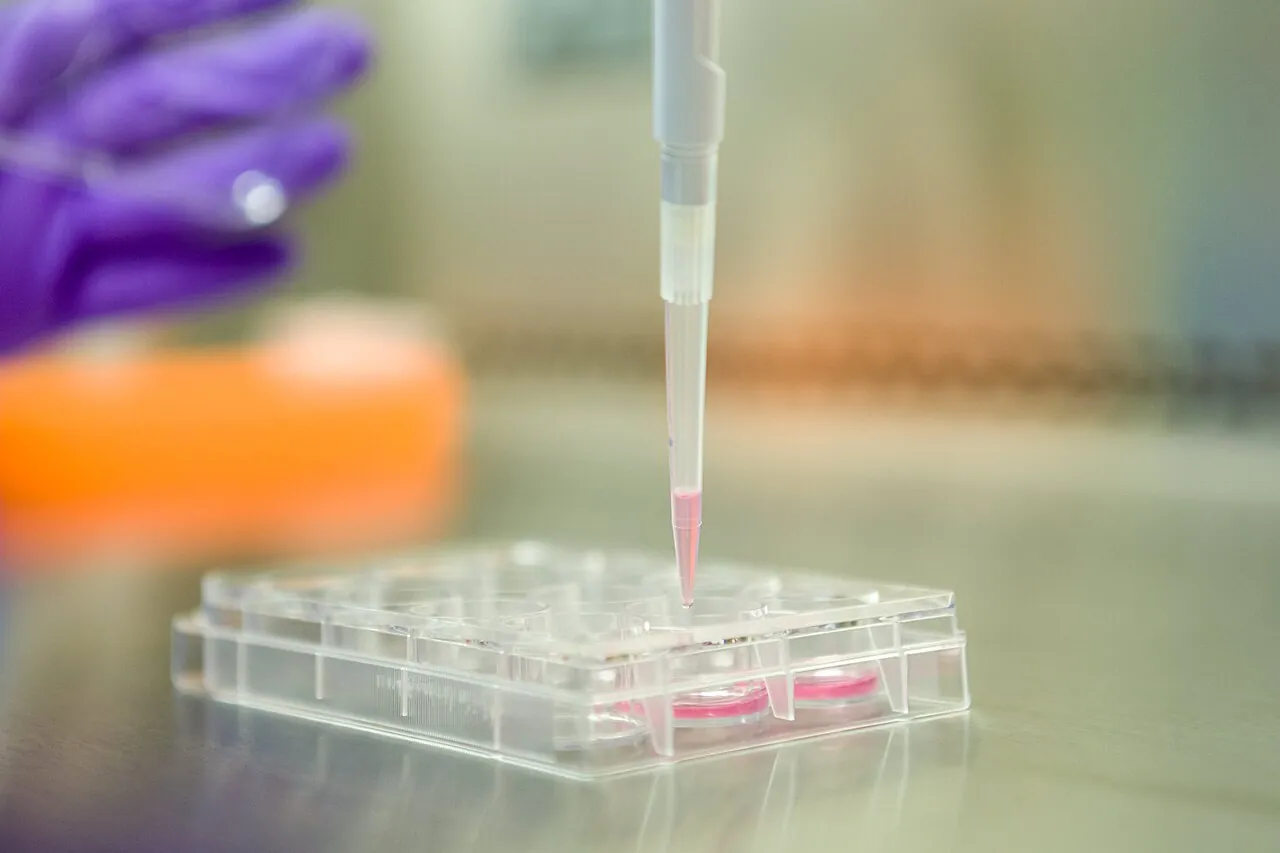
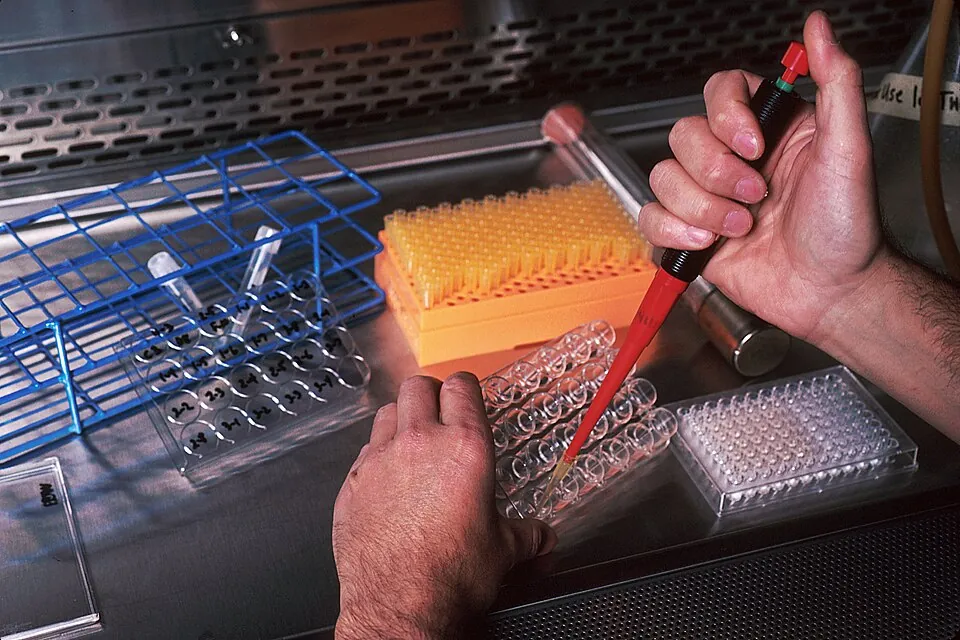
Stem cell therapy in Panama almost always means mesenchymal stem cells (MSCs) taken from donated umbilical cord tissue, multiplied in a lab, and given by IV drip or injection. The Stem Cell Institute, Auragens, Regeneration Clinic of Panama and BioGenesis all describe their main product this way.[1][2][3][4] The cells are allogeneic, meaning they come from a donor, not from your own body.
Where the cells come from
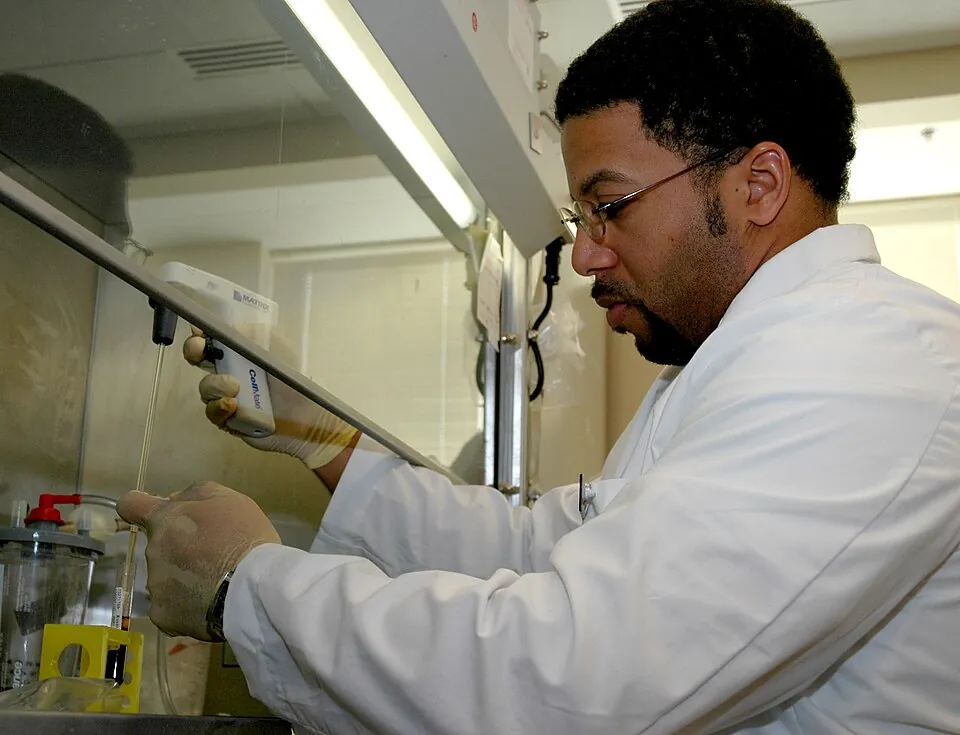
The Stem Cell Institute says its cord donations come from healthy women in Panama after normal or C-section births. Donors sign a consent form, fill out a questionnaire and give a blood sample that is tested for infectious diseases.[1] Regeneration Clinic of Panama uses cells from Wharton's jelly, the gel-like tissue inside the cord, from donors who deliver in Panama City and are screened for HIV, hepatitis B, hepatitis C and other diseases.[3] Auragens says it cultures and expands donated cord tissue in its own on-site lab.[2]
Sources disagree on whether bone marrow is still part of the mix. The Stem Cell Institute says it stopped using bone marrow and fat-derived cells, and that it does not use embryonic or fetal cells.[5] A Costa Rica competitor says the Panama clinic combines donor cord cells with the patient's own bone marrow cells.[6] If the cell source matters to you, ask the clinic in writing.
Allogeneic vs autologous cells
Autologous cells are your own, usually taken from bone marrow or fat. Allogeneic cells come from a donor, which in Panama means birth tissue. Regenexx, which runs a competing clinic in Grand Cayman, grows patients' own bone marrow cells there. It notes that Panama clinics culture-expand birth tissue cells instead, and argues that there is more published human trial data for cultured bone marrow cells in orthopedic use.[7] That is a competitor's view, but the distinction is worth understanding before you compare quotes.
How the cells are given
Most protocols use several routes, and patients typically receive at least three applications over a full protocol.[8] The Stem Cell Institute describes each route this way:
- IV infusion: about 20 to 30 minutes, no anesthesia, sometimes a lidocaine spray on the needle site.[8]
- Intramuscular and intra-articular injections: into a muscle or joint (the joint route is common for arthritis), usually without anesthesia.[8]
- Intrathecal (lumbar puncture): into the spinal fluid, done by an anesthesiologist under local anesthesia, taking about 30 minutes.[8]
Other routes on Panama clinic sites include perilymphatic injection, nebulization and ultrasound-guided injections into joints, spine, nerves or soft tissue.[1][2][4]
Exosomes, PRP and other add-ons
Many packages add products beyond the cells. Auragens says its protocols may include enhanced platelet-rich plasma (PRP) and exosome-based biologics.[2] The Stem Cell Institute uses an intranasal product it calls MTF, described as containing exosomes and over 300 molecules, in its autism protocol.[1] Its wellness packages add items such as hormone panels, IV hydration, glutathione boosts and red light therapy.[9] Regeneration Clinic starts its protocols with a vitamin or Myers' Cocktail IV, and BioGenesis offers glutathione and vitamin drips.[3][4] The FDA has issued a public safety notification on exosome products after reports of serious adverse events.[10]
Why patients travel to Panama for stem cells
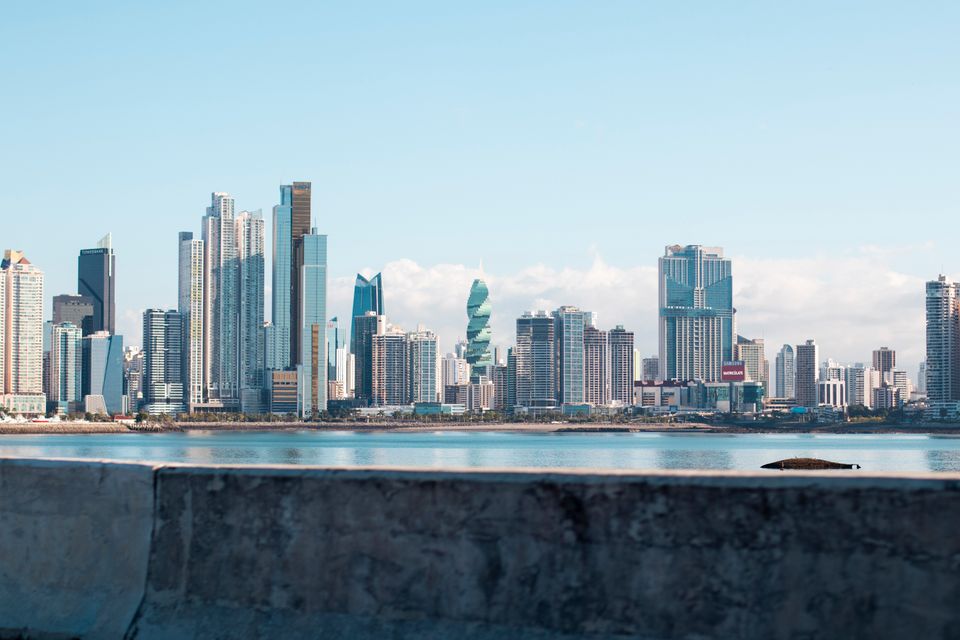
The main reason is that the product most Panama clinics sell, culture-expanded donor cells, cannot be legally marketed in the US for these uses. Outside the US, cells can be grown to large numbers over days to weeks and frozen for later use. Regenexx names the Stem Cell Institute in Panama, its own Cayman clinic and CellTex in Cancún as the three stable places close to the US that allow this.[7]
Several practical draws come on top of that:
- Short nonstop flights. Miami is the busiest US gateway to Panama's Tocumen airport, with roughly seven to eight Copa round trips a day plus two on American as of December 2025.[11]
- Dollars and paperwork. Prices are quoted in US dollars, and the Medical Tourism Association says US and Canadian citizens do not need a visa.[12]
- Bundled packages. The airport pickup, hotel and transfers are usually included.[13]
- Hospitals nearby. Panama City has private hospitals for anything that goes wrong (see the risks section below).
Panama's early reputation also rests on well-known patients. Regenamex, a Mexican competitor, says the Stem Cell Institute gained credibility by attracting patients such as Tony Robbins and Mel Gibson.[14] That is publicity, not evidence that the treatment works.
The trade-off is price. Regenamex claims Panama clinics charge $25,000 to $50,000 or more per round, against its own $2,500 to $12,000, and that Panama wait times run one to four months.[14] Those are a competitor's figures. They suggest Mexico is the main lower-cost alternative, and that the cell product, dose and oversight need comparing, not just the sticker price. Costa Rica regulates adult stem cell therapies under Executive Decree 45116-S of June 2025, which sets requirements for health services that offer them.[6]
How stem cell therapy is regulated in Panama vs the US
Panama regulates advanced-therapy products through its Ministry of Health (MINSA), but the clinic-level rules are hard to find in public sources. The US FDA treats cultured umbilical cord cells as unapproved drugs and has kept sending warning letters to US sellers into 2026.
Panama: MINSA and product registration
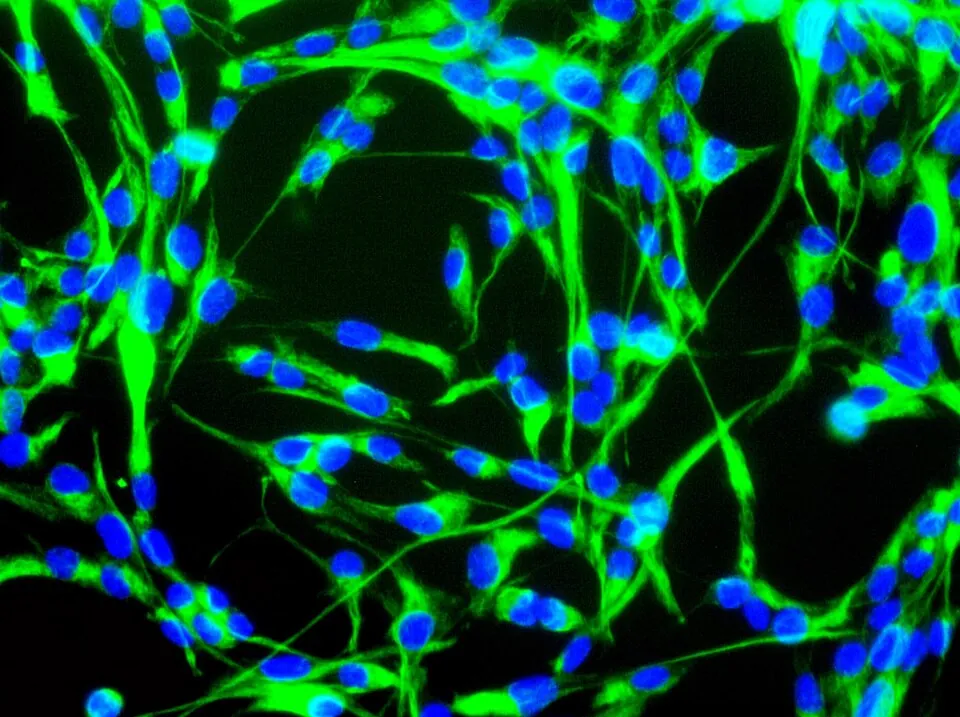
A 2024 regulation published in Gaceta Oficial No. 30028-C (10 May 2024) has a chapter on registering advanced-therapy products. It says such a product, whether made in Panama or imported, must be approved as being of quality, safe and effective. The company applying needs an operating license from MINSA's Dirección Nacional de Farmacia y Drogas.[15] The same chapter leaves the detailed procedure and requirements to a separate executive decree.[15] Medicines more broadly are registered with MINSA's Departamento de Registros Sanitarios under Ley 419 of 2024.[16]
In practice, clinics describe their status in general terms. The Stem Cell Institute's site says its lab, Medistem Panama, is "fully authorized by the Panamanian Ministry of Health," without giving a registration number.[17] The Medical Tourism Association says The Panama Clinic operates under MINSA's regulatory framework.[12] Neither statement tells you which document covers which product. Ask for the authorization itself.
Ask for two separate things: the clinic's operating authorization as a health facility, and the registration or approval covering the specific cell product you will receive. A clinic-wide "we are authorized" answer covers neither.
United States: FDA position as of 2026
The FDA regulates umbilical cord products that are more than minimally processed, or used for something other than their natural function, as drugs and biologics. These require an approved biologics license before they can be marketed. Its enforcement grace period for certain products ended in November 2020.[18] Warning letters through 2025 and early 2026 apply this to umbilical cord and exosome products sold for healing, joint injuries and heart failure. Recipients included Chara Biologics (January 2025), Platinum Biologics and Innate Healthcare Institute (August 2025), New Life Medical Services (September 2025) and Dynamic Stem Cell Therapy (February 2026).[19][10][20][21][22] The letters are addressed to the companies selling the products.
The FDA's consumer guidance on unapproved products lists stem cells, umbilical cord blood, amniotic fluid, Wharton's jelly and exosomes. It notes reports of blindness, tumor formation and infections, and it was updated in March 2026.[23] Auragens and Regeneration Clinic of Panama both state that their treatments are not FDA-approved.[2][3]
What is available in the US is narrower. Regenexx argues that bone marrow concentrate is the only therapy with real stem cells currently permitted under US law.[7] US clinics generally describe same-day procedures as compliant when they use the patient's own bone marrow or fat, concentrated in a centrifuge and injected into a joint.[24]
- MINSA
- Panama's Ministry of Health, which licenses health facilities and, through its pharmacy directorate, advanced-therapy products.
- DNFD
- Dirección Nacional de Farmacia y Drogas, the MINSA directorate that issues operating licenses to companies registering advanced-therapy products.
- HCT/P
- The FDA's category for human cells and tissues. Products that fail its "minimal manipulation" and "homologous use" tests are regulated as drugs.
- BLA
- Biologics License Application, the FDA approval a cell product needs before it can be sold for treatment in the US.
- IRB
- Institutional Review Board, the ethics committee that approves a clinical trial. Approval of a trial is not approval of a treatment.
- AABB
- A voluntary accreditation body for cell therapy labs. Accreditation covers named lab activities and is not FDA approval of any treatment.
Stem cell research in Panama and what the evidence shows
Most stem cell research tied to Panama comes from the Stem Cell Institute's own group. Independent reviews of MSC therapy for MS and autism describe early, small studies, not established benefit.
Research from Panama
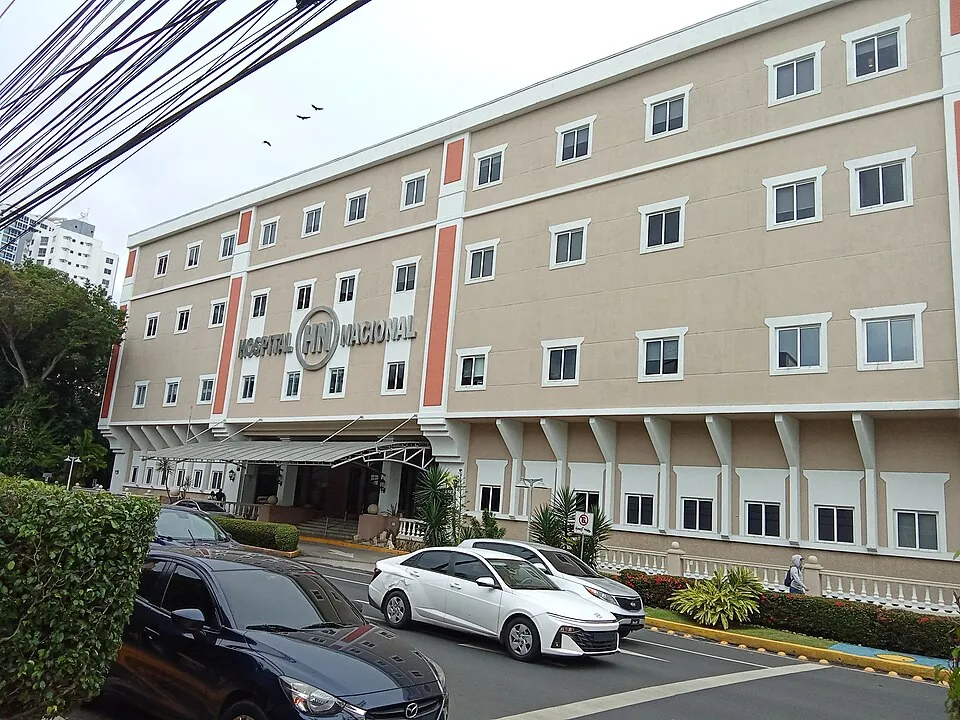
The Stem Cell Institute claims more than 70 peer-reviewed papers and 17 families of patent applications.[1] A 2016 press release says Translational Biosciences, a subsidiary of Medistem Panama, runs IRB-approved phase 1/2 trials in Panama for autism, MS, osteoarthritis, rheumatoid arthritis and spinal cord injury. The release points readers to ClinicalTrials.gov but gives no trial numbers.[25] The same group reported a US single-patient compassionate-use case in 2016, in which a boy with Duchenne muscular dystrophy received cord-tissue MSCs with Medistem Panama handling the cells.[26] That was individual expanded access, not a trial.
Panama does not appear among the trial sites in a 2020 review of cerebral palsy stem cell trials. That review counted 39 such trials on ClinicalTrials.gov as of April 2020, of which 18 were completed.[27] If a clinic says its protocol is part of a trial, ask for the NCT number and look it up yourself.
"Golden Cells" and clinic success rates
The Stem Cell Institute brands its cells "Golden Cells." It says they come from six cell lines identified in a two-and-a-half-year retrospective analysis of its successful cases.[13] Its pages do not describe how that analysis was done.[28] Some clinic pages publish condition-specific success rates, such as 80% for MS and 85% for osteoarthritis on an Auragens page, without naming the study behind them.[29] Patient testimonial videos are individual stories, not outcome data.
What independent reviews say
- Multiple sclerosis. A review of MSCs in neurological disorders reports better results with high-dose umbilical cord MSCs than with lower-dose bone marrow MSCs. It also says the link between dose and effect remains unclear and that few studies use comparable protocols.[30]
- Autism. As of March 2026, MSC trials for autism were still early, mostly open-label with small numbers of children and no control groups.[31] A 2026 placebo-controlled trial used a different cell type, cord blood mononuclear cells, and noted that long-term safety had not been studied.[32]
- Inflammatory and autoimmune disease. A 2025 review found that 82.2% of registered umbilical cord MSC studies for inflammatory disease were in phase I or II. It said dosing, routes and long-term efficacy still need systematic evaluation.[33]
Families weighing treatment for a child or for MS can read our guide to stem cell therapy for autism and MS in Panama, which goes through the condition-specific studies and the questions to ask.
The main stem cell clinics in Panama City, compared
Two clinics publish prices and full packages: the Stem Cell Institute and Auragens. Regeneration Clinic of Panama, BioGenesis and The Panama Clinic publish far less. The table sets out what each clinic states about itself. None of it is independently verified.
| Clinic | Cells (as stated) | Published price | Typical stay | Lab claim | Hotel in package |
|---|---|---|---|---|---|
| Stem Cell Institute | Umbilical cord tissue MSCs ("Golden Cells") | Children from $15,825; adults from $26,900 | 4 treatment days, 5 nights (sample) | Medistem Panama lab, ISO 9001, GMP | Included Most published detail |
| Auragens | Umbilical cord (Wharton's jelly) MSCs, plus PRP and exosomes | Children 12 and under from $14,500; adults from $28,750 | 5 days, Monday to Friday | AABB accreditation for MSC processing, stated as 2026-2028 | May be included |
| Regeneration Clinic of Panama | Wharton's jelly MSCs from Panama City donors | Not published | Not published | Sterility, microbial and endotoxin testing per batch | Not stated |
| BioGenesis Regenerative Center | Wharton's jelly MSCs, exosomes | Not published; its blog cites $5,000-30,000 for Panama | Not published | Not stated | Not stated |
| The Panama Clinic | Not stated publicly | $5,000-20,000 estimate (MTA page) | Not published | Says it operates under MINSA rules | Not stated |
Clinics' own published starting prices or ranges in US dollars as of October 2026. Final prices depend on the protocol. "Most published detail" reflects how much each clinic discloses, not a recommendation.
Stem Cell Institute
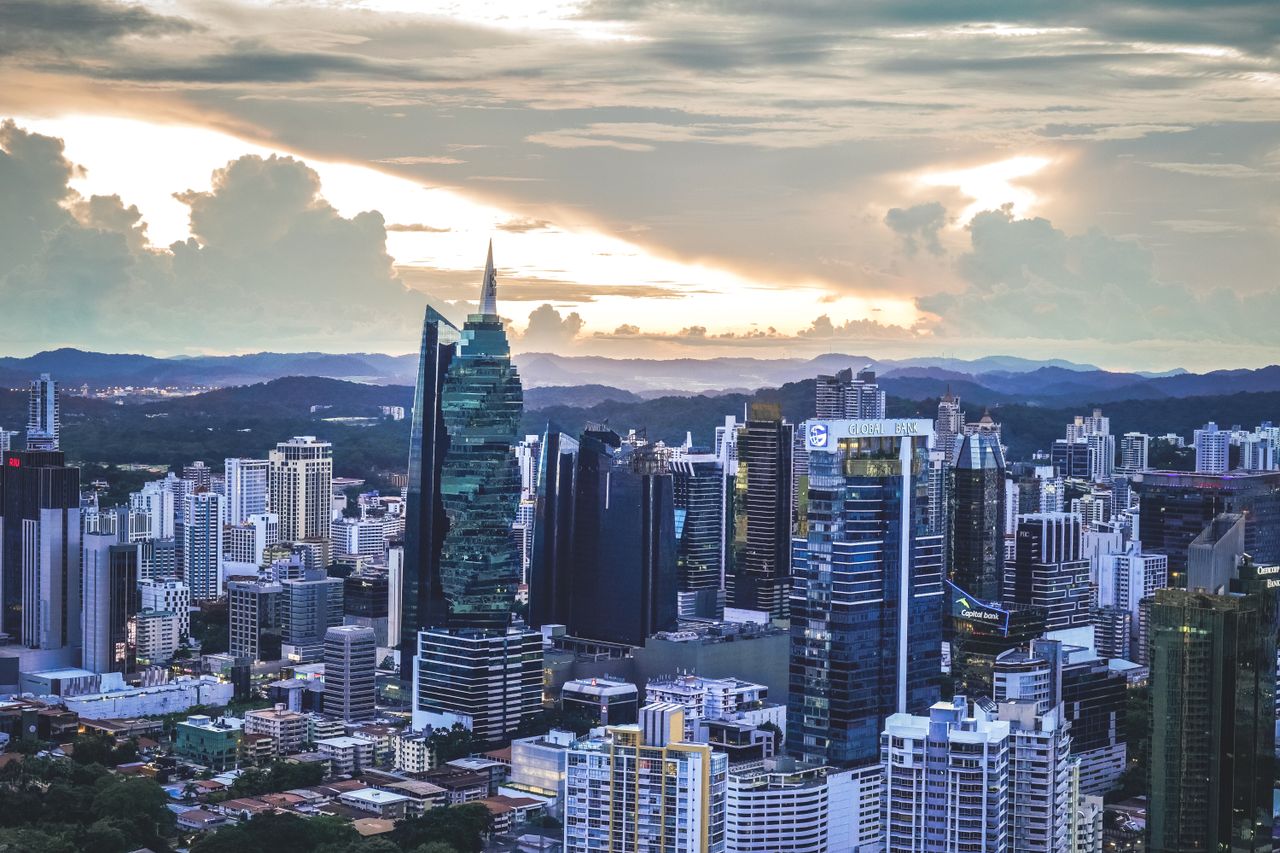
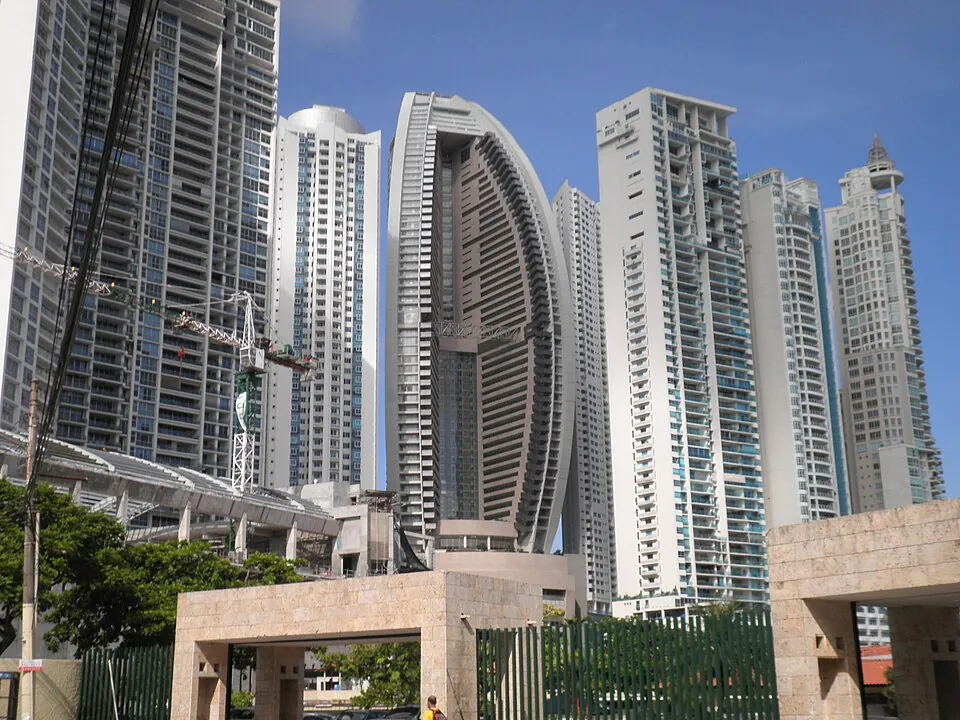
The Stem Cell Institute, founded by Neil Riordan, is the best-known stem cell clinic in Panama City. It occupies the 63rd floor of the BICSA Tower, which it shares with the Hilton Panama, so patients reach the clinic from their room by elevator.[34][5] Its cells are processed at Medistem Panama in the City of Knowledge. The clinic describes that lab as an 11,000-square-foot, ISO 9001-certified facility with more than 75 employees, 15 of them in quality control.[1]
The clinic's own figures do not line up. Several pages say it has treated patients since 2006, another says it opened for treatment in 2008, and its procedure counts range from 25,000 to more than 80,000.[13][17][35] Its listed conditions include autism, autoimmune disease, cerebral palsy, frailty of aging, heart failure, MS, osteoarthritis, rheumatoid arthritis and sports injuries.[1] It says it does not treat ALS or Duchenne muscular dystrophy.[35] Patient reports, complaints and alternatives are covered in our Stem Cell Institute Panama review.
Auragens
Auragens built out the 48th floor of Oceania Business Plaza Tower 1000 for its lab and treatment rooms.[36] It lists starting prices of $14,500 for children 12 and under and $28,750 for adults, with the final price set by the patient's protocol.[2] Its routes include IV, ultrasound-guided intramuscular, intra-articular, intrathecal and nebulized delivery.[2]
Auragens says its lab holds AABB accreditation for processing, storing and distributing Wharton's jelly MSCs, effective 1 June 2026 to 31 March 2028.[36] A 2025 profile described the lab as having only submitted itself for accreditation.[37] AABB's online directory is the authoritative check, and an accredited facility can provide AABB's official notice on request.[38] Auragens' own pages give the protocol as five days in one place and three to five days with three to four sessions in another.[2][29]
Regeneration Clinic of Panama (Regenerate Panama)
Regeneration Clinic of Panama, which operates as regeneratepanama.com, publishes more about its lab testing than most clinics. It says it tests each batch of vials for sterility and microbes, and runs an endotoxin test before injection.[3] Its condition list includes ALS, autism, autoimmune disease, rheumatoid arthritis, lupus, MS, arthritis and back pain.[3] Note that the Stem Cell Institute excludes ALS. The site publishes no prices or trip length.
BioGenesis, The Panama Clinic and Panama Cell Therapies
BioGenesis Regenerative Center lists Dr. Raúl Moreno as medical director and co-founder. It describes a three-step protocol: an IV infusion of Wharton's jelly MSCs, ultrasound-guided local injections, then exosome co-therapy.[4] The Panama Clinic is in the Pacific Center complex on Ramón H. Jurado Street and is led clinically by Dr. Pablo Duran. A Medical Tourism Association page that promotes it estimates its prices at $5,000 to $20,000.[12] Panama Cell Therapies (PCT) describes a focus on neurological, autoimmune, spine and cardiovascular conditions but publishes little else.
What a stem cell treatment trip to Panama looks like
Most trips are four to six days in Panama City. The pattern is a day of exams and blood tests, three or four days of infusions or injections, then the flight home, with weeks of paperwork before and remote follow-up after. The sequence below follows the Stem Cell Institute's published sample protocol, with Auragens' differences noted.
Review and records request 2-5 working days
The Stem Cell Institute says review usually takes a couple of working days and no more than five. Doctors often request more records before approval.[8]
Arrival at Tocumen Day 0
A concierge meets Stem Cell Institute patients at the gate, guides them through customs to a VIP lounge and drives them to the Hilton Panama.[5]
Physical exam and blood tests Day 1
The first clinic day is an exam and blood work.[1]
Home and follow-up
The Stem Cell Institute says its medical team follows up at regular intervals after you return home.[8]
The Stem Cell Institute warns that medical records sent to its street address may not reach the Panama clinic. Get routing instructions from your patient coordinator first.[34]
Flights to Panama City
Scheduled flight time from Miami to Tocumen is listed at anywhere from about 2 hours 40 minutes to 3 hours.[40][12] Copa's site showed Miami round trips from $542 in economy for some dates as of October 2026.[41] Copa also flies nonstop to Tocumen from 17 mainland US cities, and United flies from Houston, Newark and San Francisco.[11]
Where you stay and spare time
A standard Hilton Panama room is included in Stem Cell Institute treatment, and its wellness packages come as four- or five-night stays.[35][9] A companion staying longer, or patients at clinics without a hotel deal, will find financial-district hotels from roughly $80 to $200 a night.[12] Our guide to where to stay in Panama City compares neighborhoods. If you are worried about getting around, our guide to whether Panama is safe covers the areas near these clinics.
Keep plans light and ask the treating doctor what activity is fine after each injection. The Stem Cell Institute suggests the canal if time allows.[5] The Miraflores Locks visitor center is the easiest short outing, and the Panama City travel guide covers the rest.
Is stem cell therapy in Panama safe? Risks, side effects and aftercare
The short-term side effects clinics report are usually mild, but long-term safety data is limited. The FDA has also received reports of blindness, tumor formation and infections linked to unapproved cell and tissue products.[23]
The Stem Cell Institute says fewer than 10% of patients, mostly after lumbar punctures, get a minor fever, headache, nausea or vomiting that has never lasted more than three days.[42] An Auragens page comparing itself with that clinic gives both a 16.2% adverse-event rate from a safety review and an under-10% figure for side effects.[29] Treat these as clinic claims, not audited data.
Independent reviews say MSC therapy is generally considered safe, but patient responses vary.[30] A 2026 autism trial found mostly mild, reversible side effects, and long-term safety had not been studied.[32] With donor cells, the main safeguards are donor screening and batch testing. That is why the evaluation questions below ask for test results, not just a description.
Plan for problems before you fly. Hospital Pacífica Salud in Panama City is affiliated with Johns Hopkins Medicine International and holds JCI accreditation.[12] Our guide to healthcare in Panama for foreigners covers the main private hospitals and travel insurance. At home, give your own doctor a written record of the product, cell dose, routes and dates, because you will be managing any later issue there.
How to evaluate a Panama stem cell clinic: questions to ask
Ask every clinic the same questions in writing and compare the answers side by side. A careful clinic answers with documents, not adjectives.
- What is your MINSA authorization number, and can I see the document? The Medical Tourism Association advises asking for it before you proceed.[12]
- Is the cell product itself registered or approved, and by whom? Panama's 2024 rules treat advanced-therapy products separately from the facility.
- Exactly what cells will I receive? Ask for the source tissue, donor or own cells, how many cells per dose, how many doses, and which routes.
- Which lab makes the cells, and what are its certifications? Then check the claims yourself, for example on the AABB directory.
- What are the batch test results? Ask for sterility, endotoxin and viability results for the lot you receive.
- What outcome and adverse-event data do you have for my condition? Ask whether it is published, and where.
- Is my treatment part of a registered trial? If yes, ask for the NCT number.
- Will joint or spine injections be image-guided? Regenexx claims patients treated in Panama have typically received blind injections.[7]
- What does the price include and exclude? Request a fully itemized breakdown before committing.[12]
- What happens if I have a complication here or after I go home? Ask who pays, and who your contact is.
AABB says its facility lists are a public courtesy and can change. An accredited facility can supply AABB's official notice of accreditation on request.[38] Accreditation covers named lab activities only, not the company or its treatments.[36]
Warning signs
- Promises of a cure, or success percentages with no named study.
- "Fully authorized" with no license number or document.
- A protocol offered before anyone has reviewed your records.
- Evidence that consists only of testimonials and celebrity names.
- Vague answers on cell source, dose or lab testing.
How much stem cell therapy in Panama costs
Published starting prices run from $14,500 to $15,825 for children and from $26,900 to $28,750 for adults, as of October 2026.[13][2] Every price is a starting point, and the clinic sets the final figure once your protocol is decided.
Floor of the estimates on BioGenesis and MTA pages; no package detail.
Starting price with hotel, transfers and airport VIP service.
Starting price, same inclusions.
Starting price; hotel and transport may be included.
The Stem Cell Institute's starting prices include the injections, VIP customs clearance, ground transportation and the Hilton stay.[13] Flights are not included.[43] BioGenesis cites $5,000 to $30,000 for Panama generally, and the Medical Tourism Association estimates $5,000 to $20,000 at The Panama Clinic.[4][12] An Auragens page quotes a wider industry range of $5,000 to $50,000, with complex cases up to $100,000.[29]
Insurance is not an option. Auragens says insurers have not set a billing code for these treatments, so payment is due before service, and it offers financing.[2] For a realistic adult total, start with the $26,900 package and a Miami round trip from about $542, which comes to roughly $27,450.[41] Then add a companion's flight, any extra hotel nights, follow-up tests at home and any repeat rounds.
Our breakdown of stem cell therapy cost in Panama compares packages line by line and sets them against prices in the US and Mexico.
Because payment comes before treatment, get the protocol, cell dose, inclusions and refund terms in writing before you transfer anything.
Before you go
Is stem cell therapy legal in Panama?
Yes, private clinics in Panama City offer it openly under Ministry of Health (MINSA) oversight. A 2024 regulation requires advanced-therapy products to be approved as safe, effective and of quality, but the detailed procedure was left to a separate decree. Ask each clinic for its authorization document and number rather than accepting a general claim.
Is stem cell therapy in Panama safe?
Short-term side effects reported by clinics are usually mild, but long-term safety is not well studied. The Stem Cell Institute reports minor fever, headache or nausea in under 10% of patients, mostly after lumbar punctures. The FDA has received reports of blindness, tumors and infections linked to unapproved cell products. See our guide to healthcare in Panama for foreigners for hospital options if something goes wrong.
How much does stem cell therapy cost in Panama?
Published packages start at about $14,500 to $15,825 for children and $26,900 to $28,750 for adults at Auragens and the Stem Cell Institute, as of October 2026. Smaller clinics and competitor pages quote ranges from about $5,000 upward. Flights, extra nights and follow-up at home are extra. Our stem cell therapy cost guide breaks this down.
How much does the Stem Cell Institute in Panama cost?
Its published starting prices are $15,825 for children and $26,900 for adults. These cover the injections, airport VIP clearance, ground transportation and a standard room at the Hilton Panama, but not flights. The final price depends on the protocol your doctors recommend.
Is the Stem Cell Institute in Panama legitimate?
It is a long-running, real clinic in Panama City, but its treatments are not FDA-approved and most of its safety and success figures are self-reported. Its own pages give conflicting start dates and procedure counts. Our Stem Cell Institute Panama review covers patient reports, complaints and alternatives.
Are stem cells illegal in the United States?
No, but most umbilical cord and exosome products cannot be legally marketed for treatment without FDA approval. The FDA regulates them as drugs and biologics and sent warning letters to sellers through 2025 and into 2026. Procedures using your own minimally processed bone marrow or fat are generally described as allowed.
How long does a stem cell treatment trip to Panama take?
Usually four to six days on the ground. The Stem Cell Institute's sample protocol is four treatment days and five hotel nights, and Auragens runs a Monday-to-Friday week. Before that comes an online application with a review of about two to five working days, plus records requests.
How long do stem cell injections last?
There is no established answer. The Stem Cell Institute says its transplanted cells normally remain in the body for about six months, but that is a clinic claim. Independent reviews say long-term efficacy and dosing still need systematic study.
Are stem cells more likely to become cancerous?
The long-term cancer risk of these donor-cell products is not well established. Tumor formation is among the harms the FDA lists in reports linked to unapproved cell products. Long-term follow-up in the published MSC studies is limited, so ask any clinic what follow-up data it has.
Which celebrities have gone to Panama for stem cell treatment?
Mel Gibson and Tony Robbins are the names most often linked to the Stem Cell Institute in Panama City. A Mexican competitor credits them with giving the clinic early credibility. Celebrity use is publicity, not evidence that a treatment works for your condition.
Sources
Prices, schedules and rules change. The small numbers in the text point to these sources.
- 1Stem Cell Institute - Panama homepagecellmedicine.com
- 2Auragens - Stem cell therapy in Panamaauragens.com
- 3Regeneration Clinic of Panama - Stem cell treatmentsregeneratepanama.com
- 4BioGenesis - Stem cell therapy in Panamabiogenesiscenter.com
- 5Neil Riordan - Where to get stem cell therapy in Panama Cityneilriordan.com
- 6Stem Cell Transplant Institute - Costa Rica vs Panama treatment comparisonstemcellstransplantinstitute.com
- 7Regenexx - Panama stem cell clinic reviewsregenexx.com
- 8Stem Cell Institute - Treatment processcellmedicine.com
- 9Stem Cell Institute - Wellness and longevity packagescellmedicine.com
- 10
- 11Rio Times - Flights from the United States to Panamariotimesonline.com
- 12Medical Tourism Association - Stem cell clinics in Panama reviews 2026better.medicaltourism.com
- 13Stem Cell Institute - Treatment cost and packagecellmedicine.com
- 14Regenamex - Why go to Panama for stem cellsregenamex.com
- 15
- 16Jurisconsultas Abogados - Registro sanitario en Panamájurisconsultasabogados.com
- 17Stem Cell Institute - Founder Neil Riordan pagecellmedicine.com
- 18
- 19
- 20
- 21
- 22
- 23Armstrong & Bradylyons - FDA warning letters on exosome productsarmstrongbradylyons.com
- 24Denver Regenerative Medicine - FDA regulations and stem cell therapy guide 2026denverregenerativemedicine.com
- 25
- 26Stem Cell Institute - FDA Duchenne umbilical cord press releasecellmedicine.com
- 27PMC - Stem cell trials for cerebral palsy review 2020pmc.ncbi.nlm.nih.gov
- 28Stem Cell Institute - Where to get stem cell treatmentcellmedicine.com
- 29
- 30PMC - Mesenchymal stem cells in neurological disorders reviewpmc.ncbi.nlm.nih.gov
- 31PMC - MSC therapies for autism spectrum disorder review 2026pmc.ncbi.nlm.nih.gov
- 32Stem Cell Research & Therapy - Cord blood cells autism trial 2026link.springer.com
- 33PMC - Umbilical cord MSCs as a therapeutic frontier reviewpmc.ncbi.nlm.nih.gov
- 34Stem Cell Institute - Contact pagecellmedicine.com
- 35Stem Cell Institute - How to start treatmentcellmedicine.com
- 36Auragens - AABB accreditationauragens.com
- 37Life Sciences Review - Auragens vendor profile 2025cell-and-gene-therapy.lifesciencesreview.com
- 38
- 39
- 40Trip.com - Miami to Tocumen flightsus.trip.com
- 41Copa Airlines - Miami to Panama farescopaair.com
- 42Stem Cell Institute - Treatment conditions and side effectscellmedicine.com
- 43
Image credits
- A cell culture plate with induced pluripotent stem cells (46291373491)National Center for Advancing Translational Sciences from Bethesda, MD · Public domain
- Pipetting activitiesDiane A. Reid (Photographer) · Public domain
- Panama City skyline with a spiral-shaped tower across…Pexels · Pexels License
- Neural Stem CellsWelcome Collection · CC BY-SA 4.0
- Hospital Nacional (Ciudad de Panamá)Virpana · CC0
- Punta Pacifica, Panama CityCivArmy · CC BY-SA 4.0
- Monoclonal antibodies (8)Linda Bartlett (Photographer) · Public domain
- Panama City 2016Dronepicr · CC BY 3.0
- Biomuseo panamaEditorpana · CC BY-SA 4.0
- Panama City financial districtDronepicr · CC BY 3.0
- Isla Naos e Isla PericoAyaita · CC BY 3.0
- Casco Viejo, Panama City, Panama - 54319827771RB Photo · CC BY 2.0
- Causeway de Amador 17-12-14Edwinosb · CC BY-SA 4.0
This guide is general information, not medical advice. Treatments, prices and regulations change; talk to a licensed physician about your own case before making any decision.