Healthcare in Panama is good where most foreigners use it. The private hospitals in Panama City, led by Hospital Punta Pacífica and Clínica Hospital San Fernando, both accredited by Joint Commission International since 2011, offer modern care from largely bilingual doctors.[1] Private prices run at roughly a third to a half of US levels. Public care through MINSA and the Social Security Fund (CSS) is cheap but slower and mostly in Spanish, and hospital capacity thins out quickly beyond Panama City and David.
Your status shapes your experience of healthcare in Panama more than your preference does. A foreigner working for a Panamanian employer pays into the CSS and can use its hospitals. A retiree, remote worker or medical traveler will almost always pay a private hospital directly or through insurance, and private hospitals usually want that payment before treatment.[2]
Panama uses the US dollar, so you can compare its prices with US bills directly.[3] All figures below are as of October 2026. Private prices vary by hospital, doctor and room type, so treat every range as a guide and ask for a written estimate.
Is healthcare in Panama good?
It is good in Panama City's private hospitals, mixed in the public system and thin in much of the interior. The system has three parts. Two are public networks, the Ministry of Health (MINSA) and the Social Security Fund (CSS), and they run separate facilities. The third is a private sector concentrated in Panama City and David.[4]
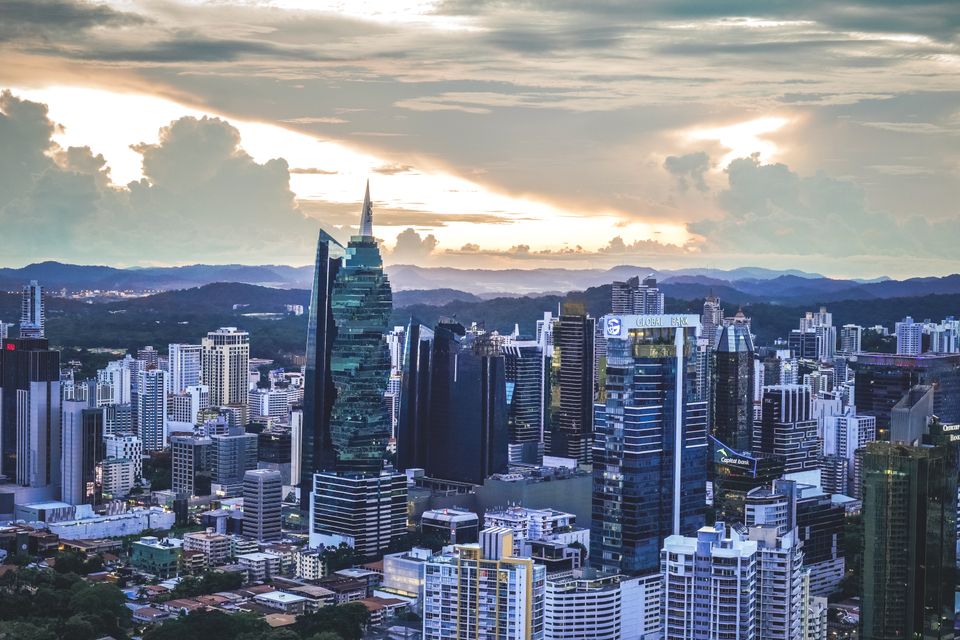
Most expats, retirees and medical travelers use the private hospitals. They offer shorter waits, a wider choice of specialists and staff who speak English. Hospital websites are often Spanish-only, but doctors tend to be bilingual.[1]
Doctor training varies. Some Panamanian doctors trained in the US, but few are US board-certified. Many studied in Spain, Mexico or Panama, and a smaller number in Cuba.[4] If board certification matters to you, ask the doctor's office where they trained and which certifications they hold before you book.
Location makes the biggest difference to quality. Most doctors prefer to work in Panama City, and rural areas face bed shortages.[4] In 2011 only 12.3% of doctors worked in rural areas, where 33% of the population lived.[5] Life expectancy follows the same split: 79 years in Panama City in 2014, against 70 in the Ngäbe-Buglé Comarca.[5]
You will also see Panama ranked anywhere from 57th to 95th among world health systems. Neither figure comes with a year or a named official ranking. Neither tells you much about the private hospital a foreigner would actually use.
The downsides expats run into
- Money first. Private hospitals typically ask for the estimated cost, or an insurer's guarantee, before non-emergency care.[2]
- Spanish paperwork. Forms, lab results and insurer letters are usually in Spanish, even when your doctor speaks English.
- Public waits. A public hospital appointment often means waiting a few weeks.[6] Clinics tend to work first come, first served, so a booked time is a rough guide.
- Medicines in the public system. The CSS covers a list of basic drugs, but some expensive medicines have to be bought out of pocket.[2]
For how health costs fit into a monthly budget, and which towns put you closest to good hospitals, see our guide to living in Panama as an expat.
Public healthcare in Panama: MINSA, the CSS and who can use them
Foreigners can use MINSA clinics and hospitals and pay the low public fee. CSS hospitals are for people who pay into social security, which in practice means employees and their dependents. Under Ley 51 of 2005, only people covered by social security may use CSS services.[7] Non-working expats and tourists can use the public sector and pay out of pocket.[1] Retirees and self-employed foreigners are usually pointed to MINSA on a pay-as-you-go basis.[8]
- MINSA
- The Ministry of Health network for people without social security. As of September 2025 it had about 20 hospitals and about 150 health centers handling urgent and emergency cases.[9]
- CSS (Caja de Seguro Social)
- Funded by employer and employee contributions. It runs its own hospitals and polyclinics and also administers pensions.[4]
- Ciudad de la Salud
- The large CSS hospital complex in Panama City. It opened in January 2024 after years of delay.[2]
- Cost-compensation agreements
- In some interior regions MINSA and the CSS treat each other's patients and settle the cost between them.[7]
What public care costs
Official fees are low, and actual charges vary by region. A 2009 executive decree makes general medicine and dental consultations free at MINSA primary-care centers.[7] Each health region sets its own fees, always well below the cost of care, with the state covering the difference.[7] The figures usually quoted are around $9–11 for a GP visit at a public hospital and $50–100 for a full emergency visit at a MINSA facility.[2]
Joining the CSS as a foreigner
CSS membership is mandatory for every worker, Panamanian or foreign, who provides services in Panama.[10] Authorities may not block a foreign worker's affiliation because they lack a work permit or residence.[10] Contribution rates have been quoted at 9.75% of salary for the employee and 12.25% to 12.75% for the employer.[11][2] A 2025 law reformed the CSS,[12] so confirm the current rate with your employer.
A foreign retiree living on a pension from abroad doesn't fall into the CSS groups. Plan on MINSA for minor needs and private care for anything serious. Expats who avoid public hospitals usually cite the long waits and the lack of consistent English-speaking staff.[3]
The best private hospitals in Panama City
The private hospitals foreigners use most are Hospital Punta Pacífica, Clínica Hospital San Fernando, Hospital Paitilla, Hospital Nacional and The Panama Clinic. Pacífica Salud also runs a newer hospital in Costa del Este. All are in Panama City, and they differ mainly in accreditation, specialties and which insurers they work with.
| Hospital | Location | JCI accredited | International ties | Best for |
|---|---|---|---|---|
| Hospital Punta Pacífica (Pacífica Salud) | Punta Pacífica | Yes, since 2011 | Johns Hopkins Medicine International | Complex care, cardiology, robotic surgery Strongest credentials |
| Clínica Hospital San Fernando | Vía España | Yes, since Aug 2011 | Tulane Medical Center, Baptist Health South Florida | Long track record, bilingual international office |
| Hospital Paitilla | Calle 53 Este, Paitilla | Reports conflict | Cleveland Clinic conferences, Grupo Hospiten | Established general hospital |
| Hospital Nacional | Avenida Cuba | Reports conflict | None stated | Obstetrics, gynecology, pediatrics |
| The Panama Clinic | Pacific Center, Calle Ramón H. Jurado | No (TEMOS instead) | TEMOS certification | Newest building, robotics, transplants |
| Pacífica Salud Hospital Costa del Este | Town Center Costa del Este | Not stated | Johns Hopkins Medicine International backing | East-side residents, maternity |
Accreditation and affiliations as reported in October 2026. Confirm current JCI status in the JCI directory before relying on it.
Hospital Punta Pacífica (Pacífica Salud)
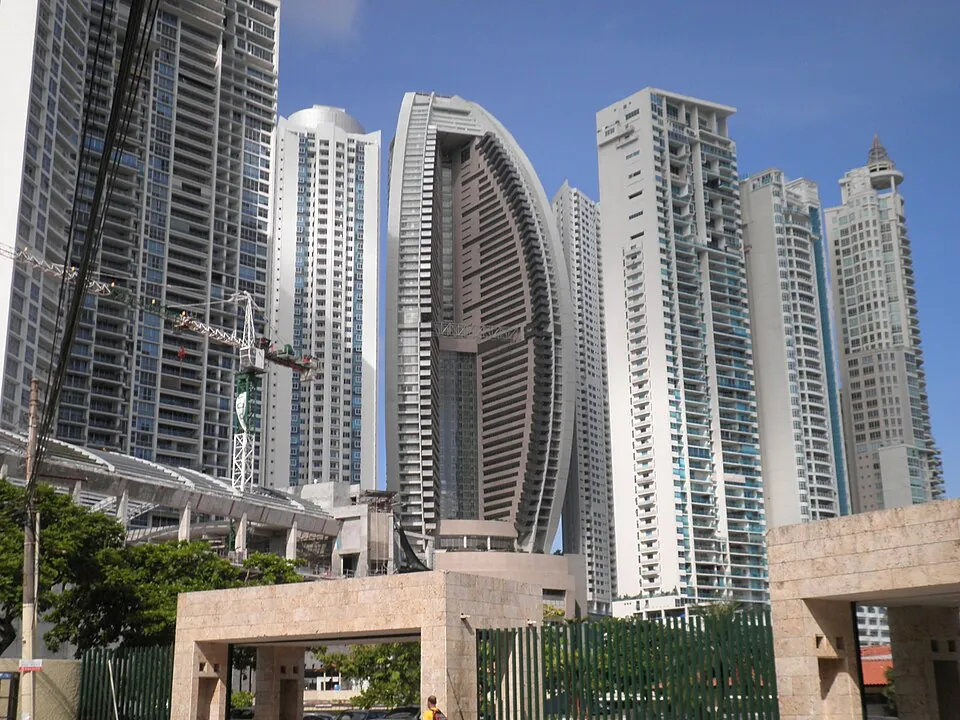
Hospital Punta Pacífica is the hospital most often named as Panama's best. It is on Bulevar Pacífico and Vía Punta Darién in Punta Pacífica, one of the city's wealthiest neighborhoods.[1] It is described as having 101 beds, 52 private rooms and more than 350 English-speaking doctors and staff.[6] Its operator, Pacífica Salud, lists cardiovascular centers, maternity, radiology, adult and pediatric emergency departments, a robotics division and a dedicated medical tourism service.[13]
The robotics program uses the Hugo RAS system. A November 2024 Journal of Robotic Surgery article described its use in complex gynecologic surgery at the hospital.[14] Pacífica Salud also earned its seventh recertification from Panama's national research bioethics committee in March 2024.[14]
Pacífica Salud Hospital Costa del Este
Pacífica Salud's second hospital is in Town Center Costa del Este, on the city's east side, and also operates with Johns Hopkins Medicine International backing.[15] It has consulting rooms, an emergency department, MRI and other imaging, a clinical laboratory, maternity and neonatology, operating rooms, an ICU, a blood bank and a pharmacy.[15] It hosted a US veterans fair in October 2025.[14] For residents of Costa del Este it avoids the drive across the city to Punta Pacífica.
Clínica Hospital San Fernando
San Fernando dates from 1949 and is Panama's oldest private hospital.[4] It was the first in the country to earn JCI accreditation, in August 2011, and is affiliated with Tulane Medical Center and Baptist Health South Florida.[1] It is described as having 159 beds on Vía España, plus an international office offering 24/7 bilingual help with hotels, flights and insurance benefits.[6]
Hospital Paitilla (Hospiten Paitilla)
Hospital Paitilla was long known as Centro Médico Paitilla and is on Calle 53 Este.[1] It was founded in 1975 and is described as having 166 beds. When the US bases operated, it was one of two hospitals authorized to treat US military personnel and their families.[6] It rebranded as Hospital Paitilla in 2019 after joining Spain's Hospiten Group.[1] Reports of a later sale to Spain's Vithas group have circulated, so check the current operator with your insurer if network status matters. Its Cleveland Clinic link is built around jointly organized annual conferences.[6]
Hospital Nacional
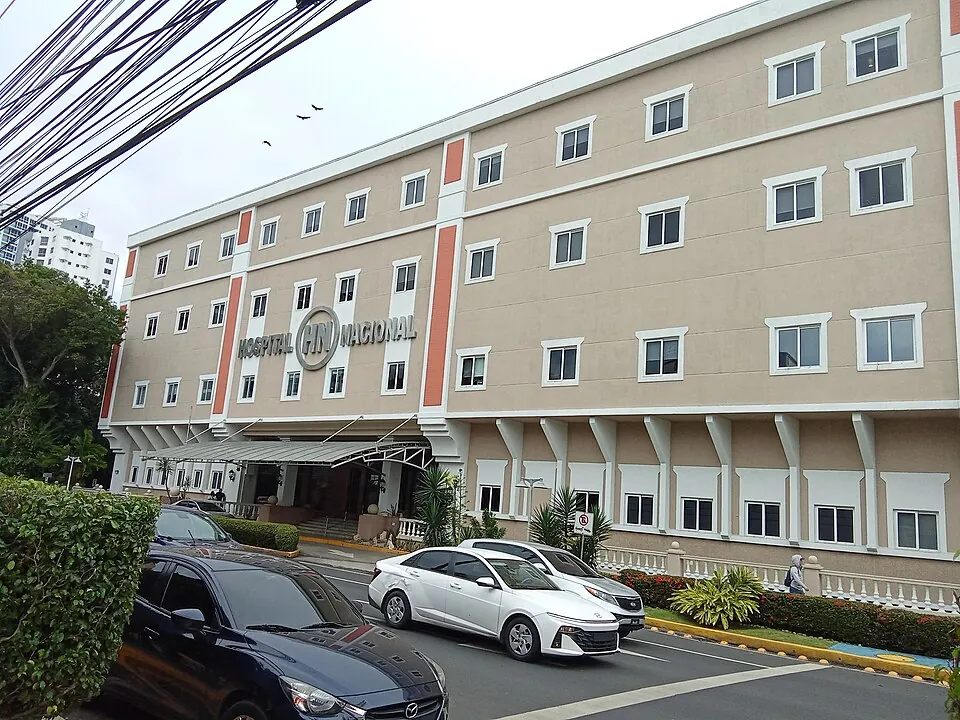
Hospital Nacional is on Avenida Cuba between Calles 38 and 39. It is best known for gynecology, obstetrics and pediatrics, and also handles elective and emergency surgery across specialties.[1] It is a smaller hospital, with bed counts of 78 to 80 depending on the year described.[3][6]
The Panama Clinic
The Panama Clinic is a private high-complexity hospital inside Pacific Center, a complex with a hotel, shops and offices in Panama City.[16] Listings that place it in Bajo Boquete conflict with its own address in Torre B on Calle Ramón H. Jurado.[17] It lists a 24/7 emergency room, ambulance transfer, ICU, blood bank, transplant unit and a robotic surgery institute. It also has separate international, medical tourism and expat offices.[17]
Inpatient care spans three floors with 58 rooms in three categories: standard rooms of 31 m², deluxe rooms of 46 m² and suites of 62 m².[18] It accepts children from 30 days to 15 years old and says it takes national and international insurance.[18] The hospital also says Newsweek and Statista have listed it among the world's best hospitals.[16]
Private hospitals outside Panama City
Outside the capital, the main private hospital hubs are David and Chitré.[1] In David, Centro Médico Mae Lewis is described as the leading private hospital in Chiriquí Province and the largest medical center outside Panama City.[1] Hospital Chiriquí, also in David, sells a membership plan with discounts of 50–70% on most procedures and serves expats as far away as Bocas del Toro.[6]
Boquete has a large expat population but limited medical capability of its own.[4] Our comparison of El Valle de Antón vs Boquete covers healthcare access in both mountain towns. On the Pacific beach strip, Clínica San Fernando Coronado in Las Lajas is a satellite of the Panama City hospital.[1] That clinic is one reason buyers in our Coronado real estate guide rate the town for retirement.
Hospital accreditation in Panama: JCI, TEMOS and the US affiliations
Two Panama City hospitals hold Joint Commission International accreditation: Hospital Punta Pacífica and Clínica Hospital San Fernando, both since 2011.[1] JCI is the main international hospital accreditor, and more than 1,000 organizations in over 70 countries hold its seal.[19] Punta Pacífica is reported to have earned its fifth reaccreditation in 2023.[20]
The other hospitals are less clear-cut. Centro Médico Paitilla has been listed as JCI-accredited with ISO 9001:2015 certification,[21] and also described as lacking JCI accreditation.[22] Hospital Nacional is shown with local accreditation only in one listing and as JCI-accredited in another.[23] The Panama Clinic holds TEMOS certification, a German scheme for international patient care, and is not JCI-accredited.[24] The hospital itself lists TEMOS accreditations in Quality of Medical Care and Excellence in Medical Tourism.[16]
Accreditation lapses and renews on a cycle. Search JCI's public directory by country before you rely on any hospital's status, including the ones in the table above.
What the US affiliations actually mean
An affiliation is a consulting and teaching relationship. It does not mean a US hospital owns or runs the Panamanian one, and it is not an inspection. Johns Hopkins Medicine International calls Punta Pacífica one of its affiliates. In 2017 its emergency medicine experts helped design, equip and standardize care for the hospital's pediatric emergency department, the first in a private Panamanian hospital.[25] The arrangement is described as covering clinical protocols, training and quality audits rather than ownership.[26] Some guides describe the hospital as managed by Johns Hopkins, which goes further than that.
Paitilla's Cleveland Clinic tie centers on joint annual conferences.[6] San Fernando's links are with Tulane and Baptist Health South Florida.[1] Panama's tourism authority lists medical tourism as a product category, but its 2020–2025 master plan describes the country's medical tourism image as weak and sets out no certification scheme.[27] JCI remains the most useful independent check.
What healthcare in Panama costs compared with the US
Private care in Panama typically costs about a third to a half of US prices for the same service, and public care costs next to nothing.[6] A private GP consultation usually runs $30–80, a specialist $50–120, a private emergency visit $100–500 and an MRI $300–700. A private hospital day costs $300–1,000.[3] Those prices are low for Americans but roughly in line with Panamanian wages, which is why most locals use public care.[4]

| Service | Panama private | Panama public | US typical | Gap |
|---|---|---|---|---|
| GP consultation | $30–80 | Free to about $11 | $150–300+ | About a quarter of US |
| Specialist visit | $50–120 | Varies by region | $250–500+ | About a quarter of US |
| Emergency room visit | $100–500 | $50–100 (MINSA) | $1,000–3,000+ | About a sixth of US |
| MRI scan | $300–700 | Varies by region | $1,000–3,000+ | About a quarter of US |
| Hospital stay, per day | $300–1,000 | Varies by region | $2,000–5,000+ | Biggest saving |
Typical ranges in US dollars as of October 2026, before any insurance or retiree discount. Room category and surgeon fees drive most of the variation.
Major surgery follows the same pattern. A knee replacement is commonly quoted at around $12,000 in Panama, against $50,000 or more in the US. Package prices for surgery vary widely, so compare written estimates that list the surgeon, anesthesia, room nights and implants separately.
Paying up front
Expect to pay before you are treated. Private hospitals typically ask for the estimated cost before care, and hospitals in general expect bills settled immediately.[2][1] At Punta Pacífica, patients must settle what they owe before discharge.[28] If you have international insurance, many private hospitals will not bill the insurer directly until it issues a 24/7 guarantee of payment. Ask your insurer how fast it issues one.
Retiree discounts on medical bills
Panama's retiree benefit law gives eligible pensioners discounts at private providers. Ley 6 of 1987 sets 20% off general and specialist consultations, 15% off dental and optometry services, 15% off the total bill at private hospitals and clinics, and 10% off prescription medicines.[29] A 2025 report after the president vetoed a bill to expand these benefits puts the medicine discount at 15%, so confirm the pharmacy rate when you pay.[30] The veto left the existing Ley 6 benefits in place.[30]
The discounts cover Panamanians and foreign residents aged 55 or over for women and 60 or over for men, plus all retirees and pensioners. You prove eligibility with a cédula or retiree card.[29] The consumer agency CLICAC enforces the discounts, with fines of B/.50 to B/.5,000 for refusing them.[29] The usual route for foreigners is the Pensionado visa, which requires a lifetime pension of at least $1,000 a month, or $750 a month if you buy property in Panama worth at least $100,000.[31] Our comparison of Panama residency visas sets the Pensionado against the other options.
Dental care and prescriptions
Dental care is one of the clearest savings. MiniMed advertises teeth cleaning for under $30.[32] A single implant with crown is commonly quoted at $800–1,500 in Panama, against $3,000–5,000 in the US.
Pharmacies sell many medicines over the counter that need a prescription in the US. Learn the Spanish generic name of anything you take regularly. Medicare Part D will not cover prescriptions bought outside the US.[33]
Health insurance in Panama for expats and retirees
Most expats use one of three types of cover, often in combination: an international plan, a local Panamanian plan, or a MiniMed membership for everyday care. Insurance can be the second-biggest cost of living in Panama after housing.[34] The right mix depends on your age, your residency status and whether you want cover back home.
International plans
Expats commonly use Cigna Global and Allianz International plans, which Panamanian hospitals widely recognize.[3] For US citizens, BCBS Global Solutions Worldwide Premier includes up to nine months of US coverage in a policy year.[1] Global policies generally won't cover more than 180 days a year in your home country.[3] Make sure any plan includes medical evacuation.[3]
Premiums climb steeply with age. One 2025 example quoted under $200 a month at 56, with a $1,000 yearly deductible in Panama and $5,000 outside it. The same holder expected $250 at 60, $350 at 65 and $450 at 70.[34] Typical international plans start around $100–300 a month without US cover and can roughly double with it.
Local Panamanian plans
Local insurers include MAPFRE and Pan American Health. In 2025, Pan American Health sold a co-pay plan at $125 a month for policyholders in their 70s, paying 70% of costs at participating hospitals.[34] Local plans typically cost about $50–125 a month depending on age and cover, and bill network hospitals directly.
Two practical points apply. Panamanian health insurance can generally be bought only once your residency process has started.[34] Local insurers mostly work in Spanish, while brokers who serve expats usually speak English.[34] Before you sign, ask which hospitals in the table above are in the network, because direct billing only works in-network.
MiniMed's Expat Health Membership
MiniMed launched its membership in April 2025 at $20 a month or $220 a year, plus $10 a month or $110 a year for a spouse.[35] Later listings show $22 a month or $243 a year, and $11 a month or $121 a year for a spouse or dependent, so expect the higher price in 2026.[32] It includes unlimited general doctor visits, unlimited lab work and x-rays, three specialist consultations a year and ambulance service, with no age or pre-existing-condition restrictions.[35] The network has 14 clinics and its own hospital on Tumba Muerto Avenue in Panama City.[35]
The membership is not health insurance. It cuts the cost of routine care, but a hospitalization or major surgery still needs an insurance plan or savings behind it.
Can you use US Medicare in Panama?
Original Medicare almost never pays for care in Panama. It covers care abroad only in three narrow cases tied to being in the US or traveling within it, such as an emergency in the US when a foreign hospital is closer than the nearest US one.[33] If a foreign hospital doesn't file a claim, you pay and submit form CMS-1490S yourself.[33]
Medigap helps visitors, not residents. Most Medigap plans pay 80% of emergency care abroad after a $250 yearly deductible, up to $50,000 lifetime. The emergency must start within the first 60 days of a trip.[33]
Medicare Advantage plans must follow Medicare's rules abroad but may add foreign emergency benefits, which vary by plan.[33] They also require permanent residence in the plan's US service area, and members away for more than six months can be disenrolled. A plan is therefore no way to insure life in Panama.[36] MiniMed says it accepts Medicare Advantage plans,[32] which can help in an emergency on a visit.
Some retirees keep Part B and self-insure in Panama, flying home for major care. That leaves them exposed in an emergency.[34] Our guide to retiring in Panama shows how insurance fits into a realistic retiree budget.
US veterans
Some VA benefits are available in Panama to veterans who qualify.[34] Pacífica Salud held a US veterans fair with care and benefits information at its Costa del Este campus in October 2025.[14]
Emergencies, ambulances and hospital admission
In an emergency, dial 911. MINSA describes it as a free national number you can call from anywhere in the country.[9] Older guidance says 911 worked only in Panama City with Spanish-speaking operators.[2] Expect to speak Spanish and to wait longer outside the capital. If an ambulance is slow, a taxi to the nearest hospital is the standard fallback.[3]
Public ambulances usually come from MINSA regional hospitals. Private ambulance companies sell monthly memberships, and in rural areas the nearest emergency room can be a 30–45 minute drive away.[2] In Panama City you can go straight to a private emergency department. Punta Pacífica's emergency admission at the back of the hospital is open 24 hours a day, every day of the year.[28]
Save your address, a landmark and the phrases for your main health conditions in Spanish on your phone. Dispatchers and ambulance crews work from directions given in Spanish.
How a private hospital admission works
Planned admissions follow a set paperwork sequence. Hospital Punta Pacífica's published process is typical of the large private hospitals:[28]
Get the hospitalization order Before admission
Your doctor writes an order stating the diagnosis. The hospital will not admit you for planned care without it.
Clear it with your insurer Days ahead
For elective care you need the insurer's pre-authorization, a second-opinion document and a confirmation of benefits stating what the plan covers.
Pre-admit online Optional
Uploading the medical order, pre-certification, second opinion and covered amount in advance speeds up check-in.
Check in with your passport Admission day
Foreigners present a passport. The admission office at the main entrance is open Monday to Friday 6:00 to 18:00 and Saturday 6:00 to 14:30.
Settle the bill Before discharge
Wear the ID bracelet you receive at check-in, and pay whatever your insurer does not cover before you leave.
Medical tourism in Panama: what people come for
Medical travelers come to Panama City and David mainly for aesthetic and orthopedic procedures.[4] The large private hospitals also sell executive checkups. The Panama Clinic takes separate bookings for its Chequeo Ejecutivo,[37] and Pacífica Salud offers an executive plan alongside its medical tourism service.[13] Dental work and robotic surgery round out the usual list.
The big hospitals run offices for foreign patients. The Panama Clinic has international, medical tourism and traveler service offices.[17] San Fernando's international office helps with hotels, flights and checking insurance benefits.[6] Panama's own tourism planners still describe the country as little known for medical tourism in its source markets.[27] Medical tourism also sits outside national tourism law, so no public body vets providers for you.[38]
Cosmetic surgery is the biggest draw. Our guide to plastic surgery in Panama covers procedures, price ranges, how to vet a surgeon and recovery logistics. Stem cell treatments are a separate decision with their own regulatory and evidence questions. The guide to stem cell therapy in Panama explains how it is regulated, what clinics offer and what to ask before you travel.
Plan the follow-up before you fly
Aftercare is the part medical travelers most often underplan. Medicare generally won't pay for doctor services after a covered foreign stay ends, or for the trip home.[33] Arrange follow-up with a doctor at home before you book, and get your operative notes and imaging on a drive before discharge. Stay in Panama long enough that any early complication is handled by the surgeon who operated.
Pacific Center, home of The Panama Clinic, includes a Marriott Residence Inn, so some patients recover a short walk from the hospital.[16] Our guide to where to stay in Panama City compares Punta Pacífica and other areas near the main hospitals.
Before you go
Is healthcare in Panama good?
Yes in Panama City's private hospitals, less so elsewhere. Hospital Punta Pacífica and Clínica Hospital San Fernando have held Joint Commission International accreditation since 2011, and many private doctors speak English. Public care is cheap but slower, and specialist capacity drops off sharply outside Panama City and David.
What is the best hospital in Panama?
Hospital Punta Pacífica, run by Pacífica Salud, is the hospital most often named as Panama's best. It is JCI-accredited and affiliated with Johns Hopkins Medicine International. Clínica Hospital San Fernando is also JCI-accredited, and The Panama Clinic is the newest large private hospital in Panama City.
Is Hospital Punta Pacífica affiliated with Johns Hopkins?
Yes, it is a Johns Hopkins Medicine International affiliate. The relationship covers consulting, clinical protocols, training and quality audits rather than ownership. Johns Hopkins helped design and equip the hospital's pediatric emergency department, which opened in 2017.
Is The Panama Clinic accredited?
It holds TEMOS certification, not JCI accreditation. TEMOS is a German scheme focused on care for international patients. The Panama Clinic is a private hospital inside Pacific Center in Panama City, with a 24/7 emergency room, ICU, transplant unit and robotic surgery institute.
Does Panama have free healthcare?
Partly. A 2009 decree makes general medicine and dental consultations free at MINSA primary-care centers, and other public fees are kept well below cost. CSS hospitals are mainly for people who pay into social security. Private hospitals charge full price and usually want payment or insurer approval first.
How much does it cost to see a doctor in Panama?
A private GP visit typically costs $30–80, and a specialist $50–120, as of 2026. A GP visit at a public hospital is around $9–11, and MINSA primary-care consultations can be free. Eligible retirees get 20% off private consultations under Ley 6 of 1987.
Can you use US Medicare in Panama?
No, Original Medicare almost never pays for care in Panama. Medigap plans cover 80% of emergencies in the first 60 days of a trip, up to $50,000 lifetime. Medicare Advantage plans require US residence. Most retirees who live in Panama buy an international or local plan instead. See our guide to retiring in Panama.
How much is health insurance in Panama for expats?
Roughly $50–125 a month for a local plan, and from about $100–300 a month for an international plan, rising steeply with age. One 2025 example put an international plan under $200 a month at 56 and about $450 at 70. A MiniMed membership costs about $20–22 a month but is not insurance.
Is Hospital Paitilla still affiliated with the Cleveland Clinic?
It still promotes a Cleveland Clinic link, built around jointly organized annual conferences. The hospital, formerly Centro Médico Paitilla, rebranded in 2019 after joining Spain's Hospiten Group. Reports on its JCI status and current owner conflict, so check with your insurer.
What is the emergency number in Panama?
Dial 911, which the Ministry of Health describes as a free national emergency number reachable from anywhere in the country. Expect Spanish-speaking dispatchers and slower response outside Panama City. In the capital you can also go straight to a private hospital's 24-hour emergency department.
Sources
Prices, schedules and rules change. The small numbers in the text point to these sources.
- 1International Insurance - Best international hospitals in Panamainternationalinsurance.com
- 2International Insurance - The Panama healthcare system guideinternationalinsurance.com
- 3Expat Financial - Panama healthcare system and medical insuranceexpatfinancial.com
- 4Wikipedia - Health care in Panamaen.wikipedia.org
- 5Wikipedia - Health in Panamaen.wikipedia.org
- 6Premier Casa - Facts about Panama healthcarepremiercasa.com
- 7
- 8Expatsi - Panama healthcare reportexpatsi.com
- 9
- 10
- 11AMPYME - Guía rápida para emprendedoresampyme.gob.pa
- 12Asamblea Nacional - Ley 30238 de 2025 CSS reform (Gaceta Oficial)s3-legispan.asamblea.gob.pa
- 13Pacífica Salud - Services and promotions menupacificasalud.com
- 14Pacífica Salud - Publications pagepacificasalud.com
- 15Pacífica Salud - Hospital Costa del Este inaugurationpacificasalud.com
- 16The Panama Clinic - About usthepanamaclinic.com
- 17The Panama Clinic - Contact and appointmentsthepanamaclinic.com
- 18The Panama Clinic - Hospitalization servicesthepanamaclinic.com
- 19Joint Commission International - Hospital accreditation programjointcommissioninternational.org
- 20
- 21Medical Tourism Packages - Mitos del turismo médico en Panamá (Spanish)medicaltourismpackages.com
- 22Medical Tourism Packages - Mejores cirujanos plásticos en Panamá (Spanish)medicaltourismpackages.com
- 23Medical Tourism Packages - Guide for American medical touristsmedicaltourismpackages.com
- 24Medical Tourism Packages - JCI hospitals and TEMOS accreditationmedicaltourismpackages.com
- 25Johns Hopkins Medicine International - Impact report FY2017-2018hopkinsmedicine.org
- 26Rio Times - Healthcare in Panama 2026riotimesonline.com
- 27
- 28Pacífica Salud - Hospital Punta Pacífica admission guideapps.pacificasalud.com
- 29Consulado General de Panamá en Marsella - Ley 6 de 1987 jubilados benefitsconsulatgeneraldepanamamarseille.com
- 30
- 31Kraemer & Kraemer - Visa de pensionado en Panamákraemerlaw.com
- 32Panama Relocation Tours - MiniMed healthcare membership guidepanamarelocationtours.com
- 33
- 34Retire In Panama Tours - Three myths of Panama healthcareretireinpanamatours.com
- 35Newsroom Panama - MiniMed Expat Health Membership launchnewsroompanama.com
- 36Expat Insurance - Medicare coverage for Americans living abroadexpatinsurance.com
- 37The Panama Clinic - Specialtiesthepanamaclinic.com
- 38Excelencias Panamá - Turismo de salud articleexcelenciaspanama.com
Image credits
- Panama City skyline at duskPexels · Pexels License
- Punta Pacifica, Panama CityCivArmy · CC BY-SA 4.0
- Biomuseo (10229212235)F Delventhal · CC BY 2.0
- Causeway de Amador 17-12-14Edwinosb · CC BY-SA 4.0
- Isla Naos e Isla PericoAyaita · CC BY 3.0
- Casco Viejo, Panama City, Panama - 54311684313RB Photo · CC BY 2.0
- Panama City financial districtDronepicr · CC BY 3.0
This guide is general information, not medical advice. Treatments, prices and regulations change; talk to a licensed physician about your own case before making any decision.