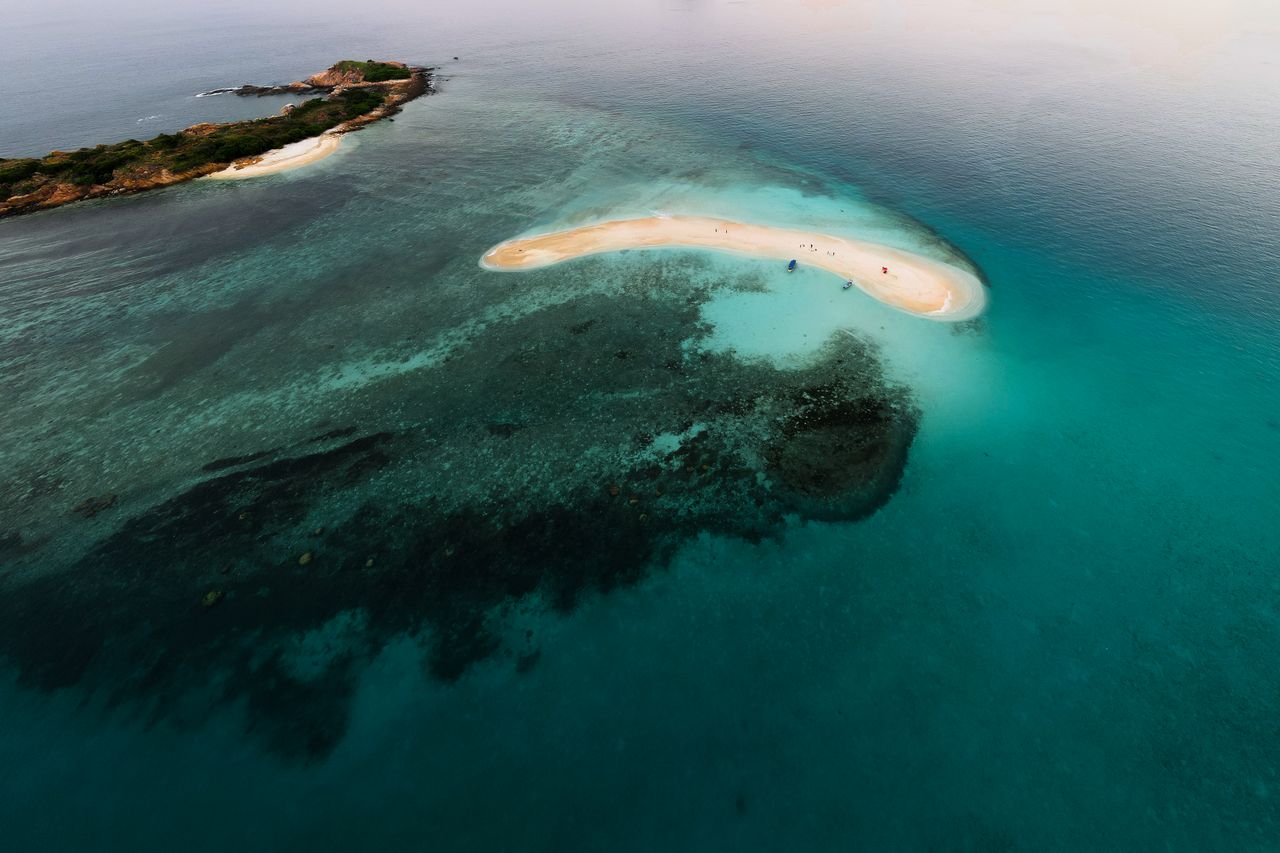
Forty-eight kilometres off the Pacific coast of Panama City, the Archipiélago de las Perlas sits in the Gulf of Panama like a scattered handful of emeralds — white-sand beaches, warm turquoise water, and almost no one on them. The question is not whether to go. It is which island, how to get there, and how long to stay.
Most travel content about the Pearl Islands stops at "take the ferry to Contadora." That is fine advice as far as it goes, but the archipelago has more than 200 islands and islets, each with a different character, price point, and level of infrastructure. This guide covers the ferry schedules and charter options in detail, gives you a clear framework for choosing between Contadora, Saboga, Isla del Rey, San José, and the uninhabited day-trip islands, and tells you exactly what things cost.
Section 01Why the Pearl Islands deserve more than a day trip
The Pearl Islands are Panama's Pacific answer to San Blas — closer to the capital, drier during the rainy season, and far less visited than their Caribbean counterpart. Where Bocas del Toro draws backpacker crowds and San Blas fills up with sailing tours, Las Perlas remains genuinely quiet outside Panamanian holiday weekends. On a Tuesday in February you can have a beach to yourself within twenty minutes of arriving on Contadora.
The archipelago earned its name from the pearl-diving industry that the Spanish established here after Vasco Núñez de Balboa first encountered the islands in 1513. For centuries the islands supplied pearls to the Spanish crown; today the main exports are sunsets, humpback whales, and the kind of silence that Panama City cannot offer. The CBS television series Survivor filmed three seasons here — on Mogo Mogo, Chapera, and Contadora — which gives you some sense of how cinematically beautiful the scenery is.
Crucially, the Pearl Islands stay relatively dry even during Panama's rainy season (May through November). Afternoon showers are common but brief, and mornings are almost always clear. That makes the archipelago a viable escape year-round, unlike the Caribbean islands where October can bring days of unbroken rain.
Section 02Getting there: ferry schedules, flights and charters
There are three ways to reach the Pearl Islands from Panama City: the scheduled ferry, a scheduled light aircraft, and a private charter (boat or plane). Each suits a different budget and travel style.
The ferry
All ferries depart from Flamenco Marina on the Amador Causeway, a 15–25 minute drive or Uber ride from most Panama City hotels. The main operator is Sea Las Perlas (ferrypearlislands.com), which runs daily departures to Contadora and Saboga. Check-in opens at 7:00 AM; the boat departs at 7:30 AM. The return ferry leaves Contadora at 3:30 PM (check-in 3:00 PM). A second midday service operates on some days — confirm current schedules directly with the operator, as they change seasonally.
The crossing to Contadora takes approximately 90 minutes; Saboga is a further 15–20 minutes beyond that. Boats are modern enclosed fast ferries with assigned seating, air conditioning, and onboard bathrooms. Round-trip fares run $90–$110 per person for Contadora; one-way tickets are available at roughly $50–$60. Book online in advance — the ferry does sell out on weekends and holidays.
A second operator, Aero Albrook / ferry services, also offers transfers to Bolanos Island and other stops. Schedules and operators in the Pearl Islands have historically been fluid, so always verify current departure times within a week of your trip.
Scheduled light aircraft
FlyTrip currently operates scheduled flights on Fridays and Sundays between Albrook Airport (Marcos A. Gelabert, PAC) in Panama City and Contadora. Air Panama discontinued its Pearl Islands service. The flight takes 15–20 minutes. Fares vary; expect to pay $100–$200 per person one-way depending on availability and booking window.
Private charter flights
Charter operators including Aero Albrook fly on demand, any day of the week, departing after 6:00 AM and returning before 5:00 PM. A Piper Saratoga (4 passengers) runs approximately $737 one-way; a King Air F90 (6 passengers) is around $1,675 one-way; a Kodiak Quest (9 passengers) costs about $1,512 one-way. Split among four to six people, a charter can cost less per head than a round-trip ferry ticket while cutting travel time to under 30 minutes door-to-island. The Contadora airstrip handles aircraft up to 18 passengers.
Section 03Ferry vs. charter: which makes sense for your group
| Option | Cost (per person) | Time | Best for |
|---|---|---|---|
| Ferry (round trip) | $90–$110 | ~3 hrs total | Solo / couples / budget |
| Scheduled flight (FlyTrip) | $100–$200 one-way | ~20 min | Flexible dates limited |
| Charter plane (4 pax, split) | ~$185 pp one-way | ~25 min | Groups of 4–6 |
| Charter plane (6 pax, split) | ~$140 pp one-way | ~25 min | Best value per head |
| Private boat charter (day) | $400–$800 total | Flexible | Island-hopping groups |
| Sailing charter (4 days) | $400–$500 pp | Multi-day | Adventure travelers |
The ferry is the right call for solo travelers, couples, and anyone on a tighter budget. The morning departure and afternoon return works perfectly for a day trip, and the 90-minute crossing is genuinely pleasant in calm conditions. Book the ferry if you are staying overnight on Contadora or Saboga and want the flexibility of a one-way ticket.
Charter a plane when you have four or more people, when you want to arrive on your own schedule, or when you are heading somewhere the ferry does not serve — San José Island, for example, has no regular ferry connection and is typically reached by private boat or charter flight. A private boat charter is the best option for island-hopping between uninhabited beaches: hire a local panga (small motorboat) on Contadora for $50–$150 per half day and you can reach Mogo Mogo, Chapera, or Pacheca in under 30 minutes.
Section 04Which island should you pick?
The honest answer depends entirely on what you want. Here is a direct breakdown of the five islands that matter for visitors.
Contadora — the obvious choice, for good reason
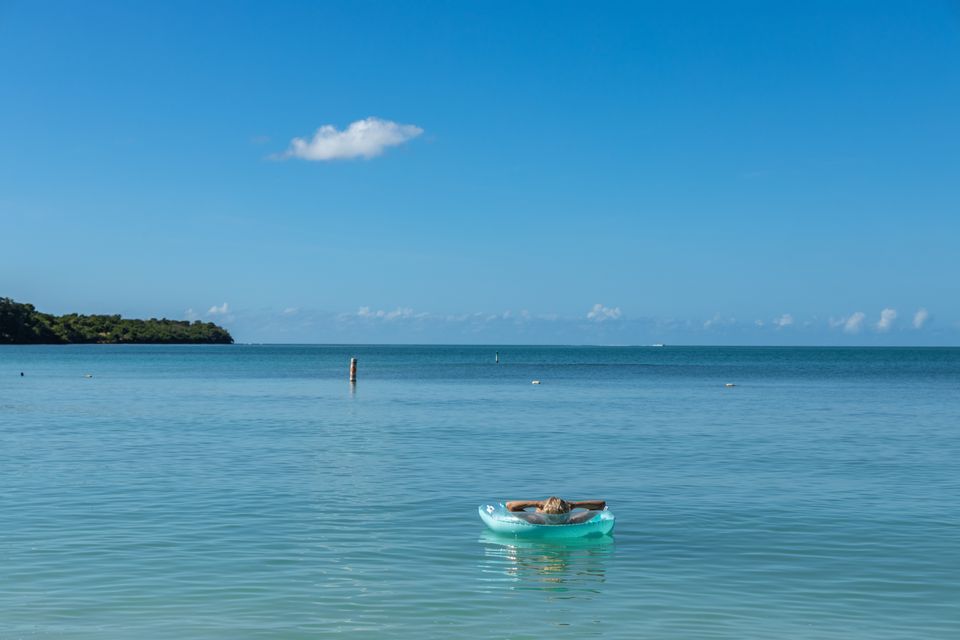
Contadora is the most developed island in the archipelago and the only one with a genuine village infrastructure. It has a handful of restaurants (including European and Panamanian cuisine), three small grocery stores, a medical clinic, a small police presence, and paved main roads. Golf carts are the primary transport — there is not a single traffic light. The island has more than ten named beaches, each with a different character: Playa Larga is the longest and most swimmable; Playa Cacique is calm and good for snorkeling; Playa Sueca (also called Las Suecas) on the southern coast is Panama's only officially recognized nude beach and is genuinely secluded. Accommodation ranges from boutique hotels and bed-and-breakfasts to vacation rentals. Expect to pay $80–$200 per night for a decent room.
Pick Contadora if: you want amenities, restaurant options, easy beach access, and the ability to explore independently without pre-arranging everything.
Saboga — quieter, cheaper, rawer
Saboga is the island where most of Contadora's resort workers live, which tells you something about its character: it is a real community rather than a tourist destination. The ferry stops here before Contadora, and a small number of vacation rentals and guesthouses have opened in recent years. There are almost no restaurants — bring provisions from Panama City. Roads are mostly dirt. The beaches are beautiful and almost always empty. Accommodation runs $50–$120 per night for a rental apartment.
Pick Saboga if: you want a genuinely quiet island experience, you are self-sufficient with food, and you do not mind the absence of amenities. Good for writers, couples wanting solitude, and budget travelers who cook for themselves.
Isla del Rey — the overlooked giant
At 234 square kilometres, Isla del Rey is the largest island in the Pearl Islands and the second largest island in Panama after Coiba. Most visitors never go there, which is precisely its appeal. The main town is San Miguel, a working fishing community with a church, a school, and a few basic fondas (local restaurants). The island has more than fifteen pre-Columbian archaeological sites associated with the Cuevas and Coclé cultures. Beaches here — including stretches of golden, white, and black sand — are entirely undeveloped. There is no luxury hotel, no beach club, and no ATM. You reach Isla del Rey by ferry (the Sea Las Perlas service extends to Vivieros, San Miguel, and Bolaños on certain days) or by private boat from Contadora.
Pick Isla del Rey if: you want to be genuinely off the tourist trail, you are interested in archaeology or wildlife, or you want deserted beaches without hiring a panga. Bring cash, food, and a sense of adventure. Not suitable for day trips from Panama City — the distances involved make an overnight stay essential.
San José — private island luxury
Isla San José is home to the Pearl Island resort development — 3,500 acres with 30 kilometres of coastline, a private marina, seven beaches, and a beach club. This is the ultra-luxury end of the archipelago: private beachfront villas, infinity pools, and a future Ritz-Carlton Reserve. It is not a backpacker destination. Access is by private charter flight to the island's private airstrip or by private boat. Budget accordingly — accommodation here starts well above $500 per night.
Pick San José if: budget is not a constraint and you want a genuinely private island experience with world-class infrastructure.
Mogo Mogo, Chapera, Pacheca — day-trip islands
These uninhabited islands are best visited as excursions from Contadora by hired panga. Mogo Mogo (sometimes spelled Mogo Mog) is the most famous, having served as a Survivor filming location — its beaches are postcard-perfect and completely undeveloped. Pacheca Island is a birding destination where frigatebirds and boobies nest in enormous numbers. Chapera has a long white-sand beach and good snorkeling on its eastern side. Expect to pay $50–$100 for a panga that will drop you off and collect you later. Bring everything you need: water, food, sunscreen, and snorkeling gear.
Section 05Beaches, snorkeling and diving
The Pearl Islands are not a world-class scuba destination in the way that Coiba is — the Pacific upwelling that makes the Gulf of Panama so productive for marine life also reduces visibility compared to the Caribbean. Expect 5–15 metres of visibility on most dives, occasionally better. What the islands lack in clarity they make up for in marine density: you will see reef fish, rays, sea turtles, and — during the right season — whale sharks and humpbacks.
Best snorkeling spots
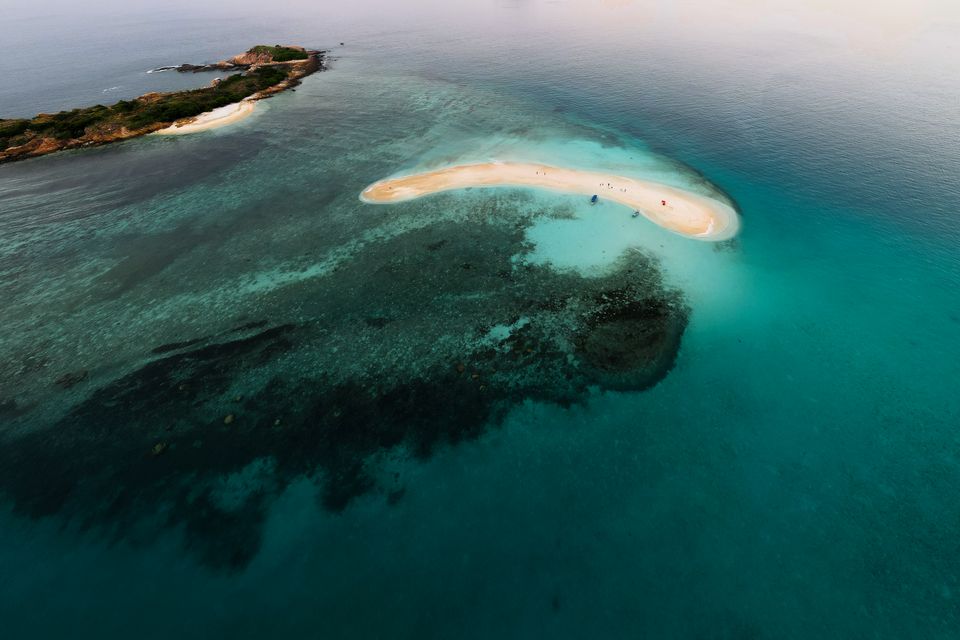
Playa Cacique (Contadora): The most accessible snorkeling on the island. Calm water, coral heads close to shore, and consistent fish life including parrotfish, surgeonfish, and the occasional ray. Best at high tide when the water is clearest.
Chapera Island: The eastern side of Chapera has a small reef system with better coral coverage than Contadora's beaches. Hire a panga from Contadora and ask the captain to anchor on the east side.
Mogo Mogo: Snorkeling around the rocky points at either end of the main beach turns up octopus, moray eels, and reef fish. The water is calmer on the leeward (western) side.
Diving
Dive operators on Contadora offer two-tank dives for approximately $80–$120 per person including equipment. The most interesting sites are offshore seamounts and rocky pinnacles where Pacific currents concentrate fish. El Bajo de Mogo Mogo is a submerged seamount that attracts schools of jacks, amberjack, and the occasional hammerhead shark during the dry season. Depths range from 12 to 30 metres. This is an intermediate-level dive — some current experience recommended. Visibility averages 8–12 metres.
For serious divers, Coiba National Park (a UNESCO World Heritage marine site) is the superior destination — but it requires a separate trip from Santa Catalina on the Azuero coast. The Pearl Islands are a good introduction to Pacific diving for those based in Panama City.
Section 06Whale watching: the July–October window
Humpback whales migrate into the Gulf of Panama between July and October to breed and calve in the warm, sheltered waters around the Pearl Islands. This is one of the most reliable and accessible whale-watching opportunities in Central America. The whales are often visible from the ferry crossing itself — look for blows and breaches on the port side heading south. Dedicated whale-watching tours depart from Contadora for $60–$100 per person and typically last three to four hours.
Peak activity is usually August and September, when mother-calf pairs are most commonly seen. Humpbacks in the Gulf of Panama are notably unafraid of boats — close approaches of 20–30 metres are common. Operators are supposed to maintain a 100-metre minimum distance under Panamanian regulations, but the whales themselves often approach the boats.
Beyond humpbacks, the Gulf of Panama is home to bottlenose dolphins year-round, and whale sharks pass through between December and April. Spotted eagle rays are common around the island reefs throughout the year.
Section 07Day trip vs. overnight: making the call
A day trip to Contadora is entirely viable and genuinely satisfying. The 7:30 AM ferry gets you to the island by 9:00 AM; the 3:30 PM return gives you roughly six hours on the ground. That is enough time to walk to three or four beaches, snorkel at Playa Cacique, have lunch at one of the waterfront restaurants, and catch a panga to a nearby uninhabited beach. Day-trip packages that include ferry transport plus a beach club day pass (Mar y Oro Beach Club on Contadora, for example) run $130–$160 per person all-in and are the lowest-stress option for first-timers.
Overnight stays unlock a different experience. Once the day-trip ferry departs at 3:30 PM, Contadora becomes remarkably quiet. Evenings are warm, the restaurants are uncrowded, and the beaches at sunrise are completely empty. Two nights is the ideal minimum — one full day for Contadora's own beaches and a second day for a panga excursion to Mogo Mogo or Chapera. Three nights allows you to slow down properly and consider a day trip to Saboga or a fishing charter.
If you are visiting specifically for whale watching, an overnight stay is strongly recommended. Whales are most active in the early morning, before the day-trip crowds arrive and before the afternoon chop picks up. Being on the island the night before means you can be on a whale-watching boat by 6:30 AM.
Section 08Budget breakdown by island
Here is a realistic daily spend estimate per person, assuming two people sharing accommodation, eating at local restaurants, and doing one activity per day.
| Island | Accommodation/night | Meals/day | Activities | Daily total (pp) |
|---|---|---|---|---|
| Contadora (mid-range) | $80–$160 | $30–$50 | $20–$80 | $80–$170 |
| Contadora (budget) | $50–$80 | $20–$35 | $10–$40 | $45–$90 |
| Saboga (rental) | $50–$120 | $10–$20 (self-catering) | $0–$50 | $35–$95 |
| Isla del Rey (basic) | $25–$60 | $10–$20 (fonda) | $0–$30 | $25–$65 |
| San José (luxury) | $500+ | Included/resort | Included | $300–$600+ |
Add the ferry cost ($90–$110 round trip) or charter flight cost ($140–$200 per person one-way) to whichever island total applies. For a two-night Contadora trip at mid-range, budget roughly $400–$500 per person all-in including transport. A Saboga self-catering weekend with ferry transport can come in under $250 per person.
Important: there are no ATMs in the Pearl Islands. Bring enough US dollars in cash to cover your entire stay, plus a buffer. Some hotels and restaurants accept credit cards, but do not rely on it — especially on Saboga and Isla del Rey. There is also no bank on Contadora.
Section 09Practicalities: infrastructure, safety and what to bring
Cell service and connectivity
Contadora has reasonable mobile coverage on the Claro and Movistar networks — you will get 4G signal in the village and on the main beaches. Saboga has patchy coverage. Isla del Rey's coverage is limited to the San Miguel town area. Do not expect reliable data on uninhabited islands. Download offline maps (Maps.me or Google Maps offline) before you leave Panama City.
Medical facilities
Contadora has a small medical clinic capable of handling minor injuries and illness. For anything serious, evacuation to Panama City is required — by air charter in an emergency, which takes under 30 minutes. Travel insurance with medical evacuation coverage is strongly recommended. Saboga and Isla del Rey have no medical facilities.
Safety
The Pearl Islands are among the safest destinations in Panama. Crime is extremely rare. The main hazards are environmental: strong sun (bring SPF 50+), dehydration, and — on uninhabited islands — currents that can be stronger than they look. Always check conditions before swimming on exposed beaches, particularly on the southern and eastern sides of any island. The ferry operators and local panga captains are reliable sources of current information.
What to bring
Pack light but pack smart. Essentials: reef-safe sunscreen (chemical sunscreens are damaging to the coral systems here), a dry bag for electronics on the panga, cash in US dollars, snorkeling gear if you have your own (rental quality on the island is variable), a reusable water bottle, and motion sickness medication if you are prone to it. Contadora has grocery stores for basics but selection is limited and prices are higher than Panama City. Stock up before you board the ferry.
Getting around on the islands
On Contadora, golf carts are the standard transport. Rentals run approximately $40–$60 per day and can be arranged through most hotels or at the ferry dock. The island is small enough to walk — the main village to Playa Larga takes about 15 minutes on foot. Bicycles are also available for rent at some properties. On Saboga and Isla del Rey, walking and local transport are your options — neither island has golf cart rentals.