Boquete is small enough to walk across in twenty minutes — but where you sleep changes your entire experience. The right neighbourhood depends on whether you want to stroll to breakfast, wake up inside a cloud, or fall asleep to absolute silence at 5,000 feet.
Almost every guide answers "where to stay in Boquete" with a hotel list. That is not what you need. You need to understand what each part of town actually feels like at 6 a.m., whether you will need a taxi to eat dinner, and how much colder it gets the moment you climb out of the valley. This guide covers all of that, neighbourhood by neighbourhood, with real price bands and honest trade-offs.
Section 01Quick verdict by travel style
Before the detail: here is the one-line answer for each type of traveller.
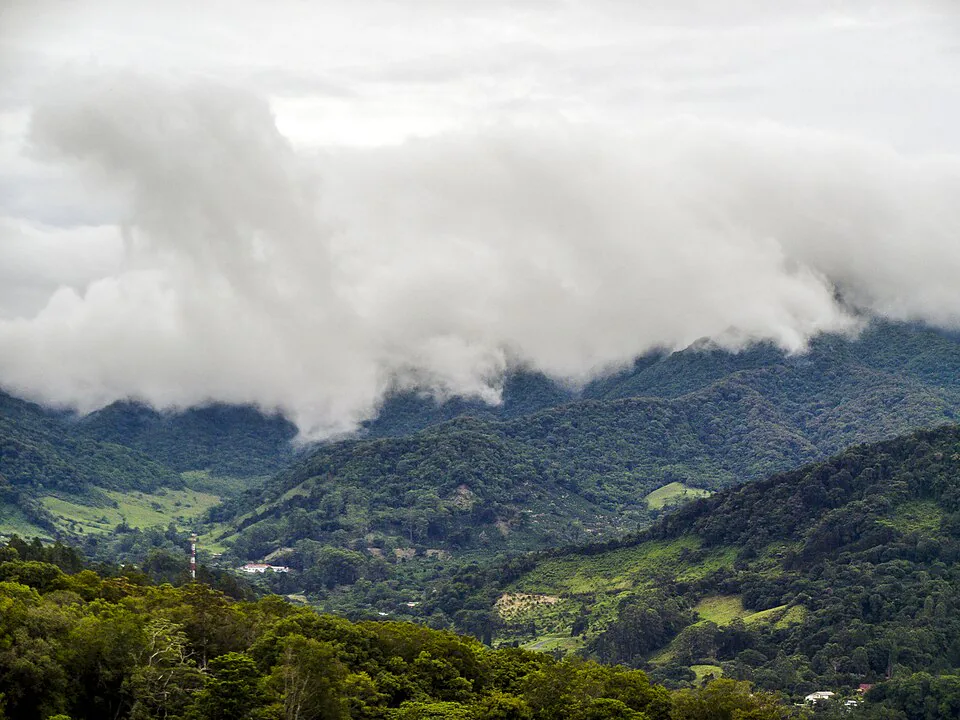
| Traveller type | Best area | Why | Car needed? |
|---|---|---|---|
| First-time visitor, 2–4 nights | Bajo Boquete | Walk to everything; tour pickups at your door | No |
| Couples, nature immersion | Jaramillo | Farm-to-table restaurants, forest views, quiet | Helpful |
| Serious birders, cloud-forest hikers | Alto Quiel / Los Naranjos | Closest to Finca Lérida and Barú trailheads | Yes |
| Digital nomads, long stays | Bajo Boquete or Palo Alto | Best internet infrastructure, expat services nearby | No |
| Retirees scouting to live | Volcancito or Alto Boquete | Residential calm, larger properties, good light | Yes |
| Budget backpackers | Bajo Boquete (town centre) | All hostels cluster here; $12–$18 dorm beds | No |
Section 02Bajo Boquete — the walkable core
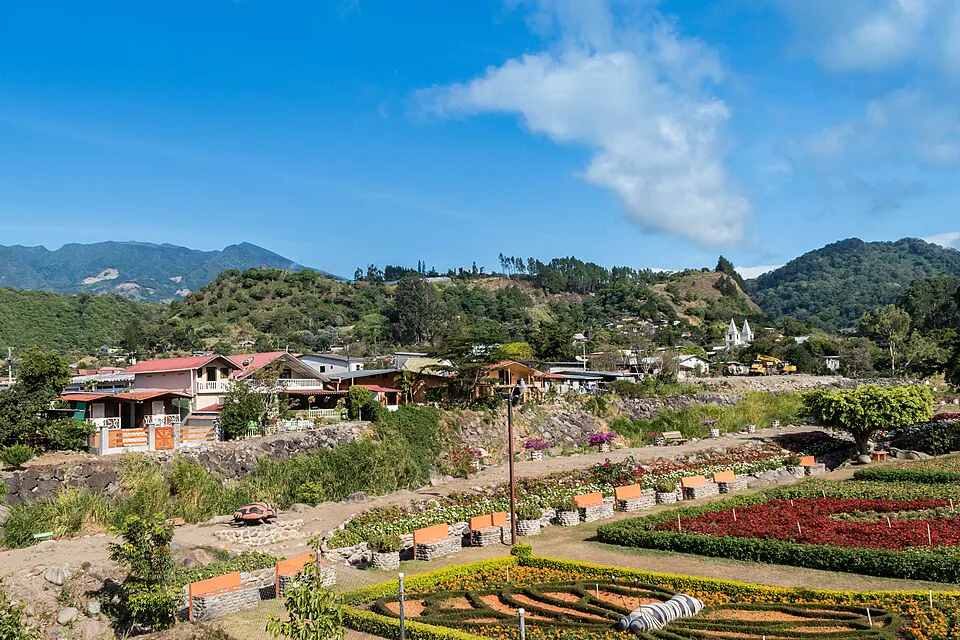
Bajo Boquete is the town centre, sitting at roughly 3,500 feet (1,067 m) above sea level along the Río Caldera. This is where everything happens: the central plaza, the Saturday farmers market, the bus stop for David, the ATMs, the pharmacy, the supermarket, the tour operators, and the majority of Boquete's restaurants and cafes. You can walk the entire downtown in under ten minutes.
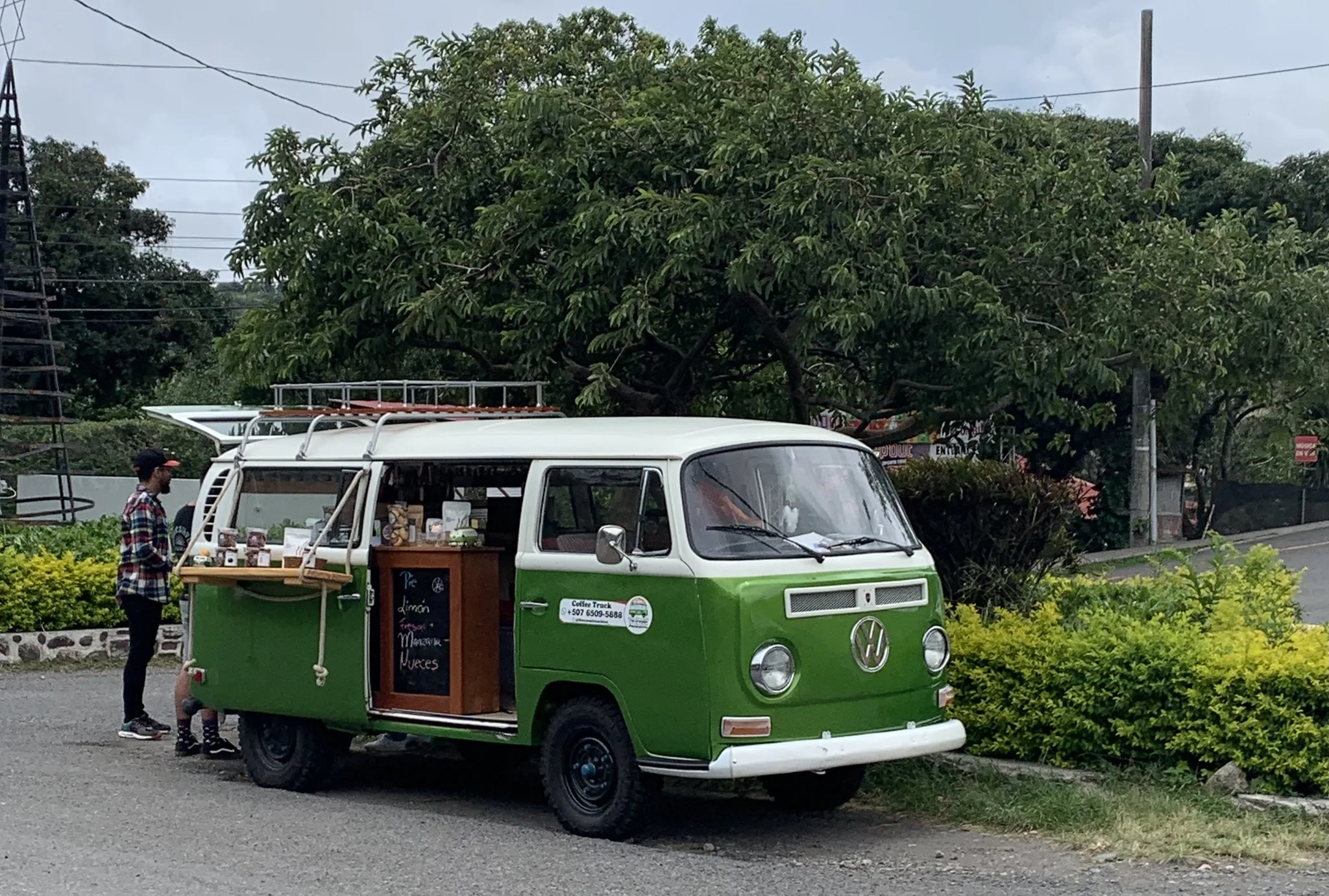
For a first visit, this is the obvious base. Tour operators for the Pipeline Trail, the Quetzal Trail, zip-lining, and coffee-farm visits all offer pick-ups from hotels in Bajo Boquete. You do not need to arrange transport to get your day started. That convenience is worth a lot when you are only here for three nights.
The trade-off is noise. The main street — Avenida Central — carries vehicle traffic from early morning. The Saturday and Sunday market starts before 6 a.m. with vendors setting up. If you are a light sleeper, choose a hotel set back from the main road or one of the quieter side streets near the river. The Caldera River itself provides pleasant white-noise if you are on the right side of town.
The social scene concentrates here. Boquete Brewing Company, the town's craft brewery, is a five-minute walk from the plaza. The handful of bars and late-night spots are all in Bajo Boquete. If you want a quiet evening, this is still manageable — Boquete is not a party town by any measure — but if you want guaranteed silence, you need to go uphill.
Accommodation range: Bajo Boquete has the widest spread. Dorm beds at social hostels like Selina Boquete run $15–$25 per night. Clean mid-range guesthouses and small hotels cost $50–$100. Boutique options like the historic Hotel Panamonte (on the northern edge of town, a ten-minute walk from the plaza) sit at $100–$170. The gated Valle Escondido resort, which technically sits just outside the centre on the western side, runs $150–$250 and operates as a self-contained bubble with a spa, golf, and restaurants — ideal if you want resort amenities but still want to be close to town.
Infrastructure: Two ATMs (Banco Nacional and Banistmo), a full supermarket (Super Baru), a pharmacy, a hardware store, a post office, and multiple tour-operator offices are all walkable. Buses to David ($2.50, 45 minutes) leave from the main terminal every 20–30 minutes. Taxis to anywhere in Boquete proper cost $3–$6.
Section 03Jaramillo — farm-to-table calm on the eastern hillside
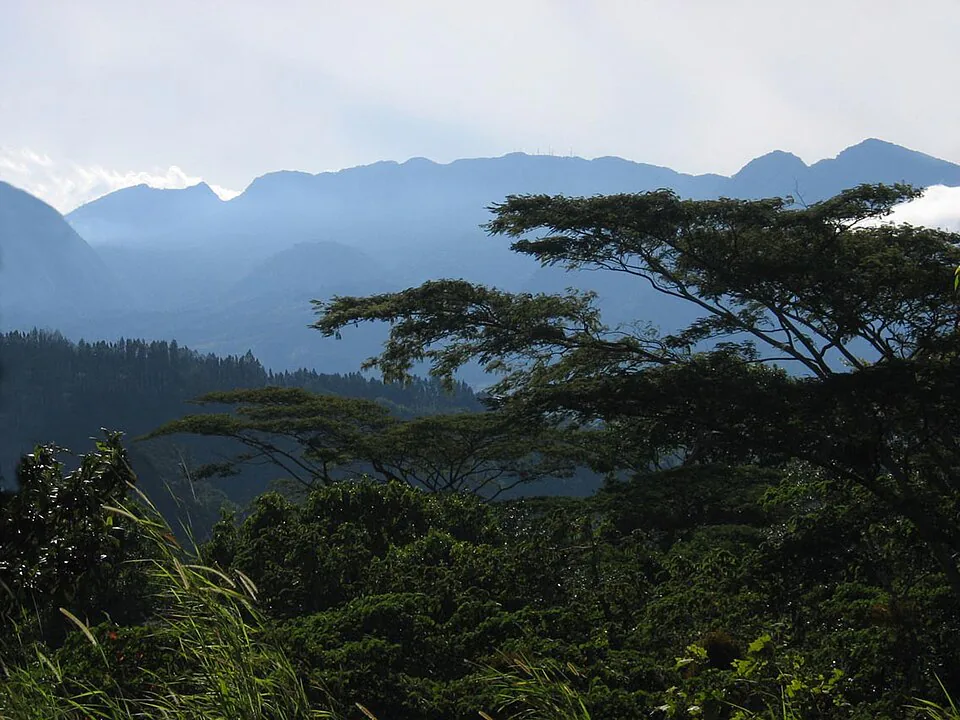
Jaramillo sits on the eastern hillside above Bajo Boquete, roughly 10–15 minutes by car or taxi from the town centre. It is not a village in the conventional sense — more a loose scatter of farms, small lodges, and residential properties spread across a green hillside with views back across the valley toward Volcán Barú.
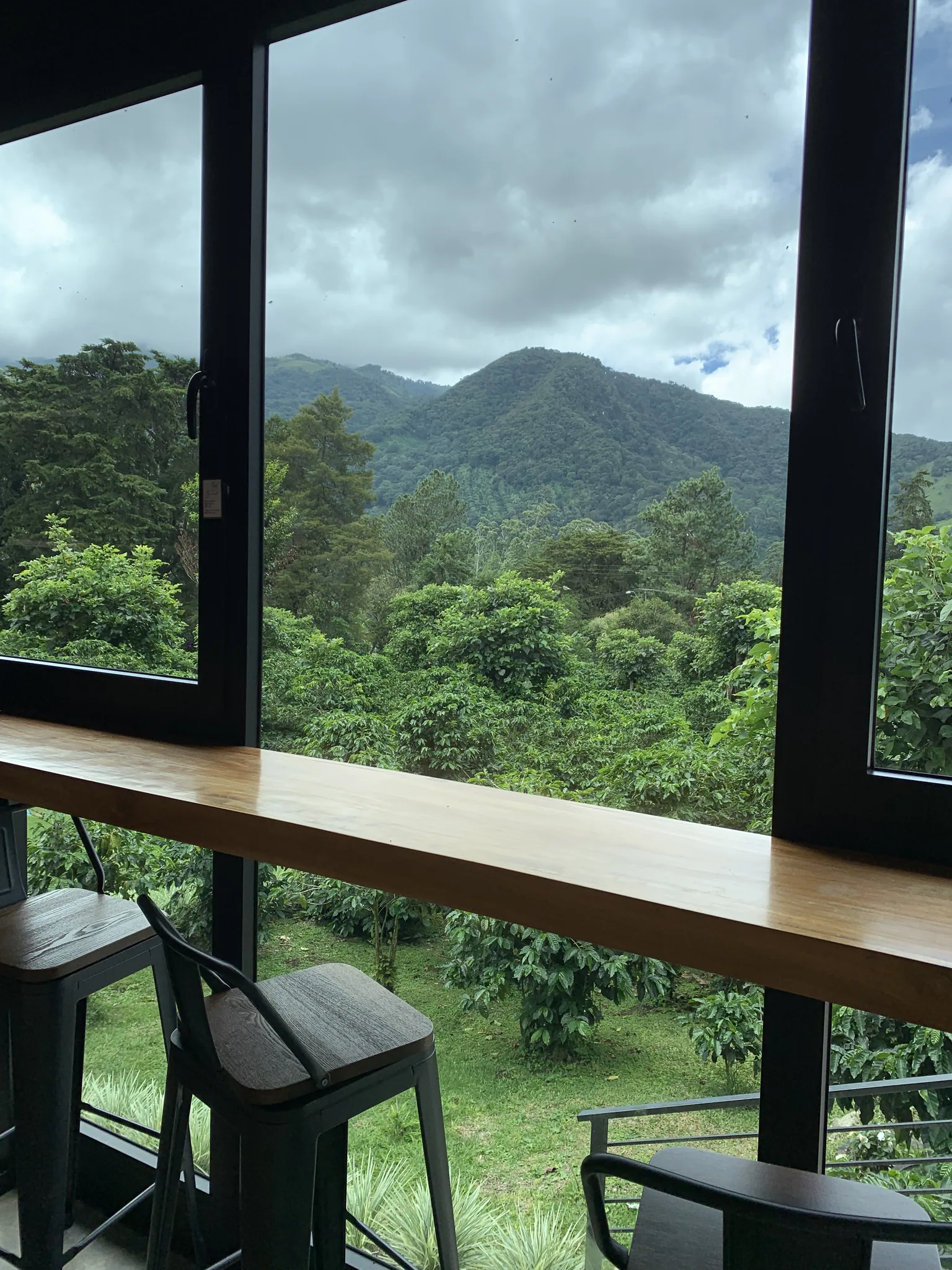
The character here is completely different from downtown. Jaramillo is where you find farm-to-table restaurants that source from the fields visible from their dining rooms. The food culture is genuinely good — this is one of the few areas in Boquete where the restaurant experience justifies the taxi ride. Several small lodges and boutique properties have opened here over the past decade, catering to couples and slow-travel visitors who want nature immersion without complete isolation.
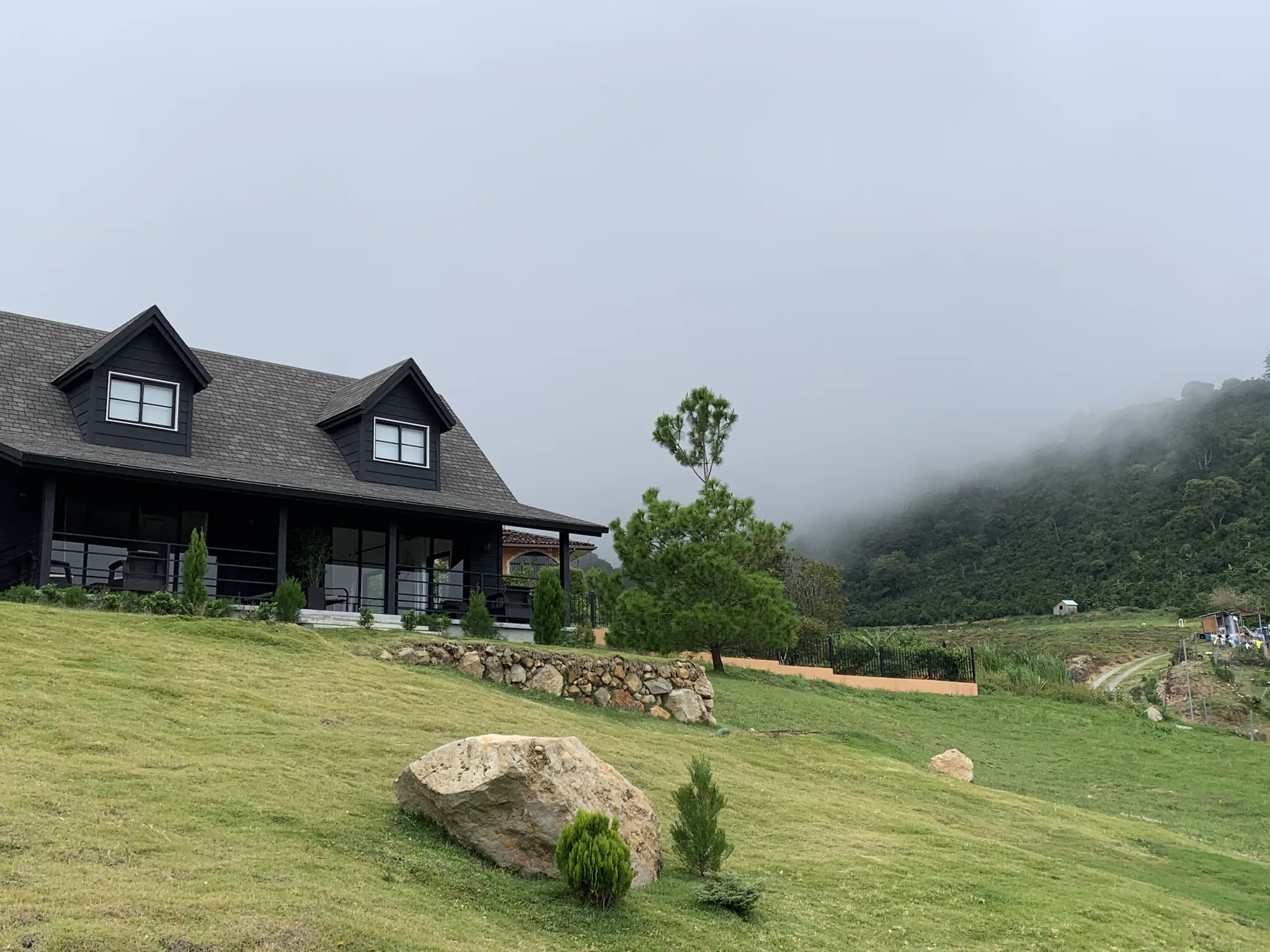
The elevation in Jaramillo sits roughly 200–400 feet higher than Bajo Boquete depending on exactly where you are, which means slightly cooler nights and noticeably more cloud cover during the rainy season (May–November). Mornings in Jaramillo frequently involve mist rolling through the valley below — a genuinely beautiful sight, though it does mean you may not see the volcano from your window every day.
Who it suits: Couples on a romantic trip, food-focused travellers, people who want to wake up inside the landscape rather than looking at it from a town street. It also suits anyone doing multi-day hiking who wants a quieter base — the Quetzal Trail trailhead is accessible from Jaramillo without going back through town.
Car dependency: Moderate to high. You can take a taxi to and from Bajo Boquete for $4–$6 each way, which is manageable if you are eating at the lodges or farm restaurants in Jaramillo itself. But if you plan to eat in town every night or want spontaneous access to the supermarket, the taxi costs add up. Renting a car for a Jaramillo stay makes sense for visits of three nights or more.
Accommodation range: Jaramillo skews mid-range to upscale. Small boutique lodges and farm stays typically run $80–$160 per night. There are very few budget options — this is not backpacker territory.
Three rides. One unforgettable Boquete.
Premium Orbea e-bikes that do the climbing for you. Helmet, gloves, water and route support included — and you pay when you arrive.
Coffee Farm E-Bike Tour
Ride to a working farm and see how Geisha — the world's most expensive coffee — is made. Tasting at Altieri Specialty Coffee, geisha ice cream included.
Guided Highlights Ride
Lost Waterfalls, Library Park and the highland viewpoints locals love — the spots most visitors never find.
Self-Paced Rental
Hourly or full-day. Take a recommended route or just wander. The e-bike means hills don't decide your day.
Section 04Alto Quiel — cloud forest, serious birding, and the coldest nights
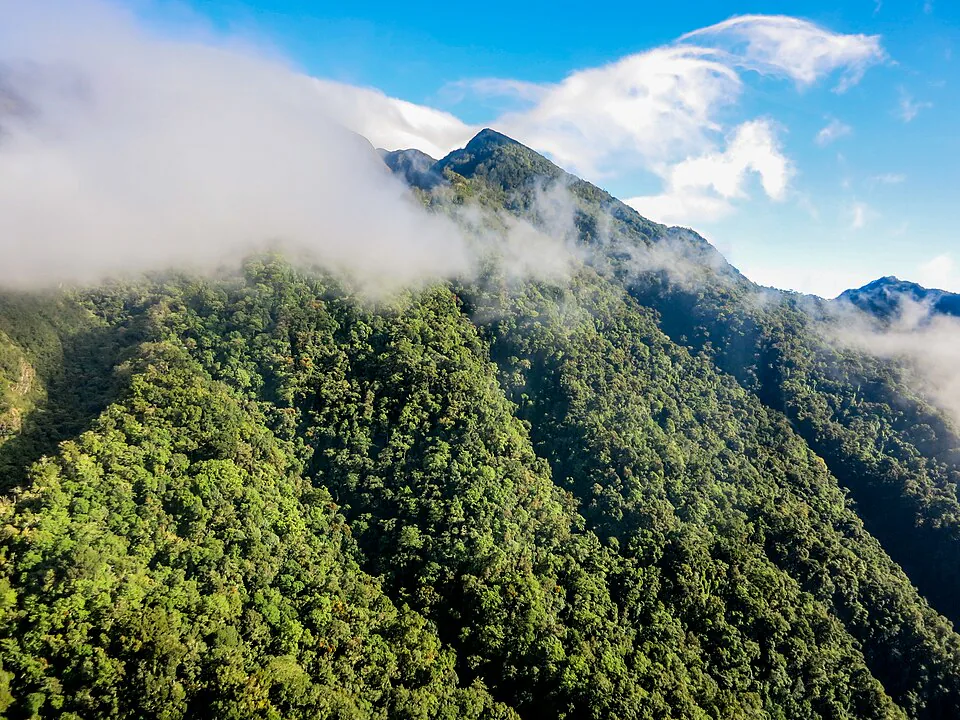
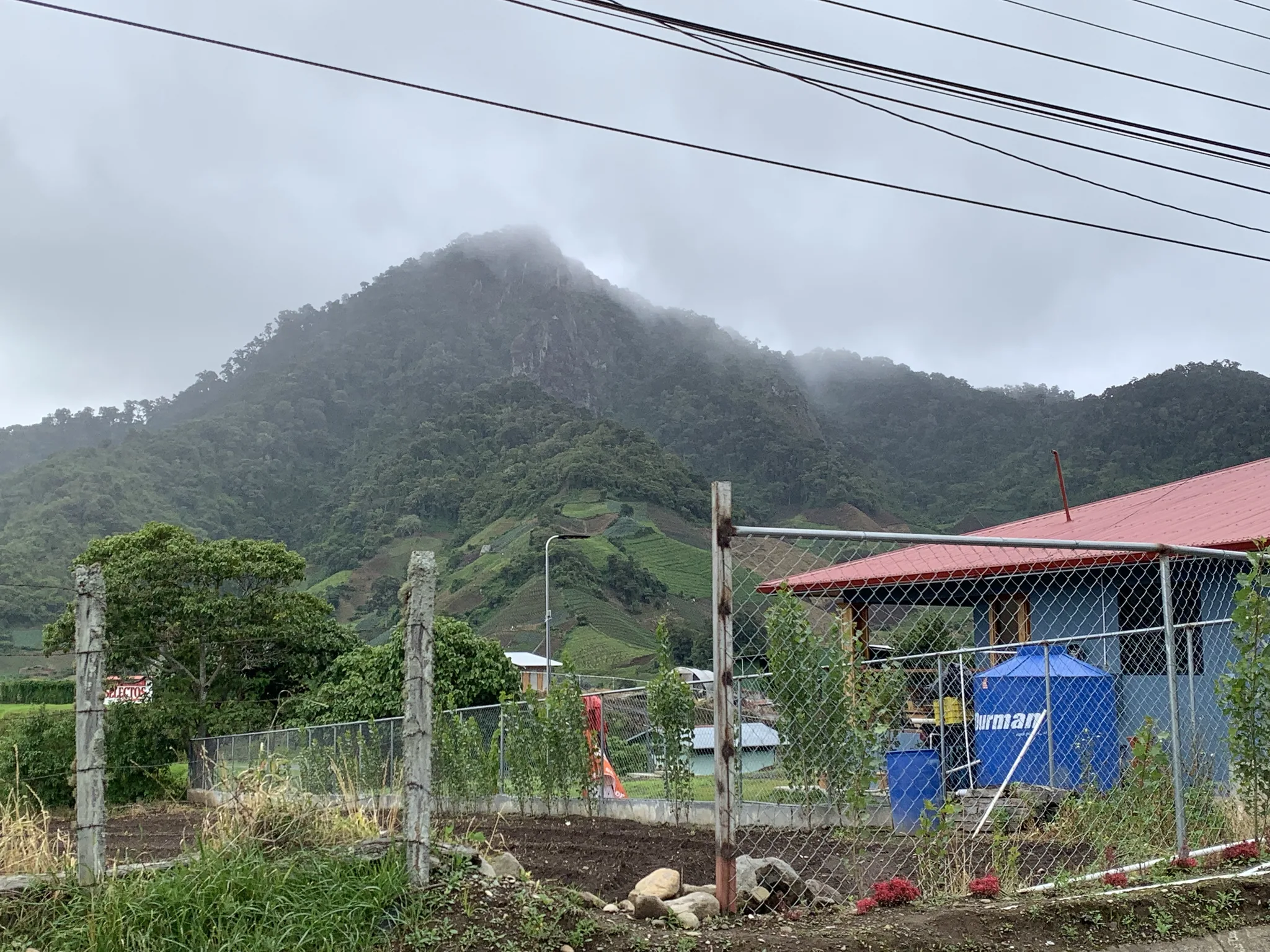
Alto Quiel is the area most visitors never reach, which is precisely why it appeals to the people who seek it out. It sits on the upper slopes of Volcán Barú, at elevations ranging from roughly 4,500 to 6,000 feet (1,370–1,830 m), and it is where the cloud forest begins in earnest. Finca Lérida, one of the most celebrated coffee estates and eco-lodges in Panama, is located here.
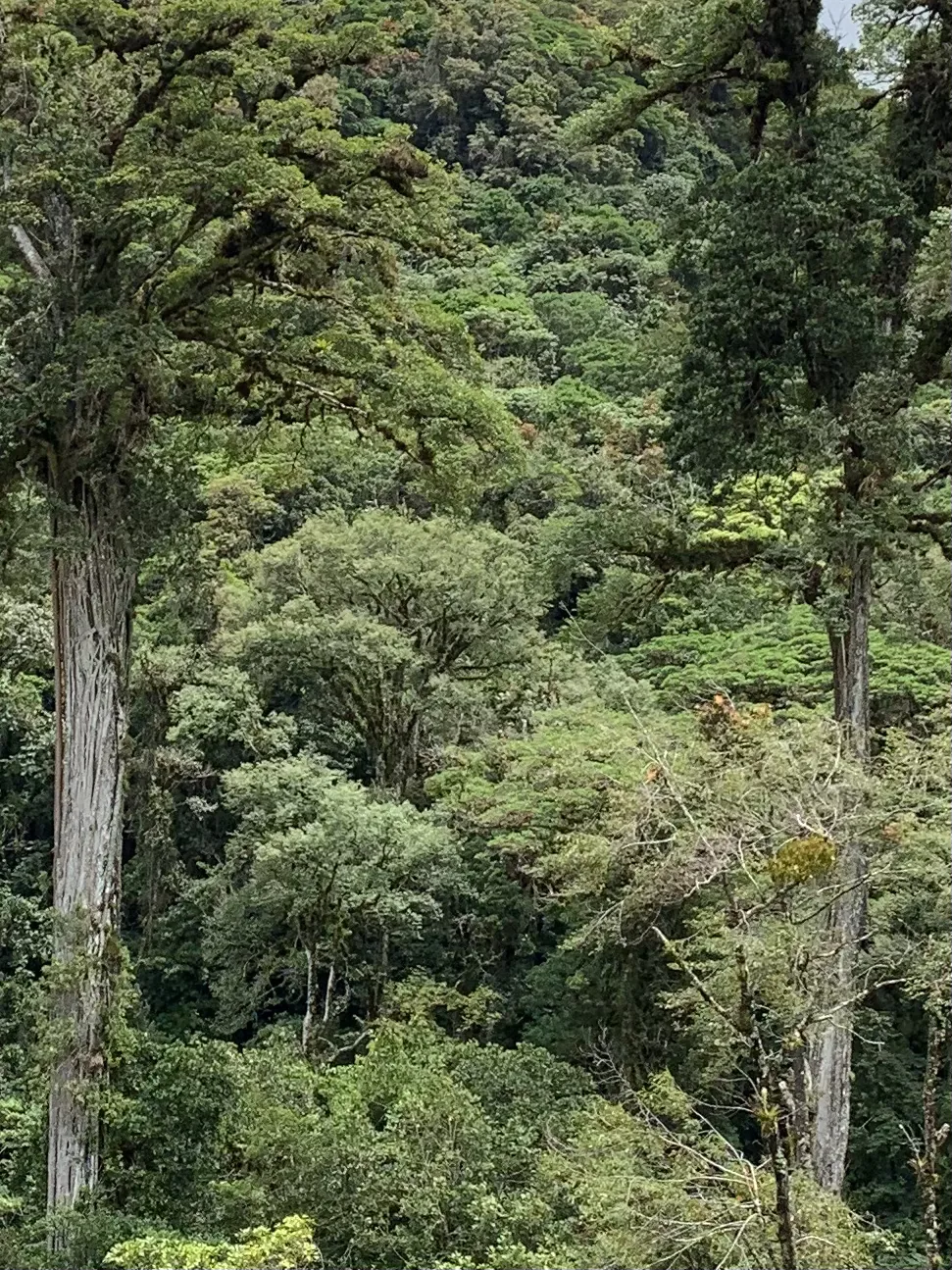
The temperature difference between Alto Quiel and Bajo Boquete is significant and often surprises visitors. Using the standard lapse rate of approximately 3.5°F per 1,000 feet of elevation, Alto Quiel at 5,500 feet runs roughly 7–8°F cooler than the town centre. On clear dry-season nights, temperatures in Alto Quiel can drop to 10–12°C (50–54°F). Bring a proper fleece or light down jacket regardless of when you visit — this is not the Panama of beach holidays.
The birding here is exceptional. Alto Quiel and the Los Naranjos area adjacent to it sit within the buffer zone of La Amistad International Park (PILA), a UNESCO World Heritage Site. Resplendent quetzals are reliably seen here from January through April during nesting season. Over 500 bird species have been recorded in the Boquete area, and a significant proportion of the most sought-after species — quetzals, emerald toucanets, various hummingbirds — are concentrated at this elevation.
Who it suits: Birders, cloud-forest hikers, coffee-plantation enthusiasts, and anyone who specifically wants the coldest, quietest, most atmospheric version of Boquete. Also well-suited to travellers doing the Volcán Barú summit hike — the standard trailhead accessed from the Boquete side is in this general area, and starting from a high-elevation lodge rather than Bajo Boquete saves meaningful time and altitude gain.
Car dependency: High. There is no reliable public transport serving Alto Quiel. A taxi from Bajo Boquete costs $8–$12 one way. Most lodges in this area offer transfers or have their own vehicle. If you are staying at Finca Lérida or a similar property, the on-site restaurant and trails mean you may not need to leave for days — which is either a feature or a problem depending on your travel style.
Accommodation range: This is the most expensive area in Boquete. Finca Lérida runs $110–$180 per night. Other boutique farm lodges in the Los Naranjos and Alto Quiel corridor sit at similar levels. Budget accommodation does not exist here.
Section 05Volcancito and Palo Alto — the residential middle ground
Two more areas deserve mention because they appear in accommodation searches and suit specific traveller types well.
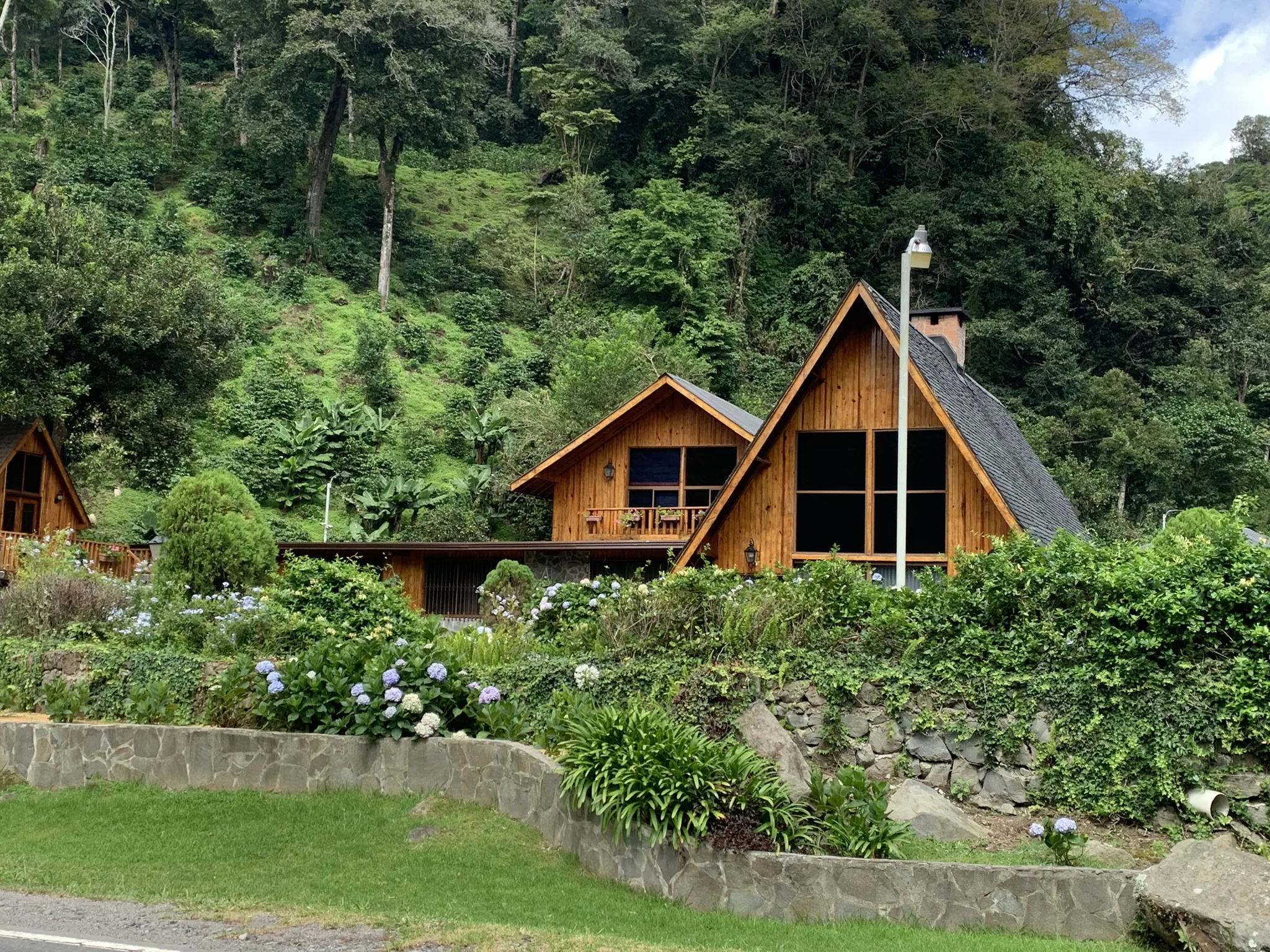
Palo Alto sits just north of Bajo Boquete, roughly five to eight minutes on foot from the central plaza. It occupies an interesting middle ground: close enough to town to walk for dinner, but set back enough to feel residential and quiet. Several well-regarded small hotels and guesthouses are located here, including properties along the river. The Pipeline Trail — one of Boquete's most popular and accessible hikes — starts very close to Palo Alto, making it an excellent base for walkers who want to step out of the door and onto a trail without arranging transport. For first-time visitors who want walkability but find the main street of Bajo Boquete too noisy, Palo Alto is often the best compromise.
Volcancito is a residential neighbourhood on the western slopes above Bajo Boquete, at around 4,000 feet elevation. It is primarily a long-stay and expat area — you will find larger homes, more garden space, and a higher concentration of North American and European retirees than anywhere else in the Boquete district. Short-term accommodation is limited; most of what is available here is monthly or longer-term rental. Nightly rates for the few guesthouses that exist run $70–$130. Volcancito is worth knowing about if you are scouting Boquete as a potential place to live rather than just visiting.
Section 06Climate differences between neighbourhoods
Boquete has 21 documented microclimates within its district boundaries. That is not a marketing claim — it is a meteorological reality that affects daily life and should directly influence where you book.
The core principle is simple: every 1,000 feet of elevation drops the average temperature by roughly 3.5–4°F (2°C). Bajo Boquete at 3,500 feet sits at an average daytime high of around 22–24°C (72–75°F) year-round. Alto Quiel at 5,500 feet averages 15–18°C (59–64°F) during the day and can drop to single digits Celsius on clear nights in the dry season.
| Area | Elevation | Avg daytime high | Avg night low | Cloud/fog |
|---|---|---|---|---|
| Bajo Boquete (town centre) | 3,500 ft / 1,067 m | 22–24°C / 72–75°F | 14–16°C / 57–61°F | Occasional morning mist |
| Palo Alto / Jaramillo lower | 3,700–4,000 ft | 20–22°C / 68–72°F | 12–14°C / 54–57°F | Regular morning cloud |
| Volcancito / Alto Boquete | 4,000–4,500 ft | 18–21°C / 64–70°F | 11–13°C / 52–55°F | Frequent afternoon cloud |
| Alto Quiel / Los Naranjos | 4,500–6,000 ft | 15–18°C / 59–64°F | 9–12°C / 48–54°F | Cloud forest; frequent mist |
Boquete also experiences a local weather phenomenon called bajareque — a fine, almost horizontal mist that blows through the valley during the dry season (December–April). It is not rain in any conventional sense, more a damp, cool breeze that keeps the valley green even in the dry months. Bajareque is most pronounced in Bajo Boquete and the lower hillsides; at altitude in Alto Quiel, you are more likely to be inside actual cloud.
The rainy season runs May through November, with the heaviest rainfall in September and October. During this period, higher-elevation areas like Jaramillo and Alto Quiel can experience persistent cloud cover for days at a time. The views that make these areas special — Volcán Barú, the valley panorama — disappear behind cloud for long stretches. If you are visiting specifically for the scenery, the dry season (December–April) is strongly preferable for the upper neighbourhoods.
Section 07Do you need a car in Boquete?
The honest answer depends entirely on where you stay and what you plan to do.
In Bajo Boquete and Palo Alto, you do not need a car. The town is walkable, taxis are cheap ($3–$6 within town), and tour operators pick up from your hotel for almost every activity. Buses to David run every 20–30 minutes from the main terminal. If you are only visiting Boquete for three to five days and staying in the centre, renting a car is an unnecessary expense.
In Jaramillo, a car is helpful but not essential. You can manage with taxis if you are willing to plan ahead and are not making multiple daily trips to town. A taxi from Jaramillo to Bajo Boquete costs $4–$6 each way; if you are making two round trips per day, that is $16–$24 daily in taxi fares — at which point a rental car ($35–$50 per day from David) starts to make financial sense for stays of four nights or more.
In Alto Quiel, Volcancito, and the upper areas, a car is effectively required unless you are staying at a property with its own transport and dining (like Finca Lérida). Taxis exist but are not on-demand — you need to call ahead, and late-night returns from town can be unreliable. If you are renting a car for Alto Quiel, note that some roads in the upper areas are unpaved and benefit from a vehicle with reasonable ground clearance, particularly during the rainy season.
One underrated option for getting around the valley: e-bikes. E-Valley Bikes operates guided and self-guided e-bike tours out of Boquete, covering the coffee-farm roads, the Caldera River valley, and the lower hillside routes at a pace that lets you actually stop and look around. It is a genuinely good way to cover ground between neighbourhoods without a car, particularly on the flatter valley-floor routes.
Section 08Cost breakdown by area
Boquete is more expensive than most Panamanian highland towns — the expat and tourist economy has pushed prices up relative to, say, Cerro Punta or Volcán. That said, it remains affordable by international standards, and the range within Boquete itself is wide.
| Area | Budget accommodation | Mid-range | Upscale | Meal cost (local) |
|---|---|---|---|---|
| Bajo Boquete (centre) | $15–$30 (dorm/guesthouse) | $50–$100 | $100–$170 | $4–$8 set lunch |
| Palo Alto | $40–$60 | $70–$120 | $130–$200 | $4–$8 (walk to town) |
| Jaramillo | Limited / $60+ | $80–$140 | $150–$220 | $12–$25 (farm restaurants) |
| Alto Quiel / Los Naranjos | None | $110–$160 | $160–$280 | On-property dining only |
| Volcancito / Alto Boquete | Limited / $50+ | $70–$130 | $150–$250 | Taxi to town required |
Daily budget in Bajo Boquete: A traveller staying in a mid-range guesthouse ($70/night), eating a local set lunch ($6), having coffee at one of the specialty cafes ($3–$5), and doing one paid activity ($30–$75) will spend roughly $120–$160 per day all-in. Budget travellers in a hostel dorm eating at El Sabroson or similar local spots can manage $50–$70 per day.
Long-term rentals: Monthly rentals in Bajo Boquete run $500–$900 for a furnished one-bedroom apartment. In Volcancito and Alto Boquete, a house with a garden rents for $800–$1,800 per month. Jaramillo and Alto Quiel skew toward short-term or vacation-rental pricing rather than monthly leases. The most affordable long-term options are found by word of mouth on the ground rather than online listings — the expat community in Boquete maintains active Facebook groups where off-market rentals are posted.
Grocery costs: Super Baru in Bajo Boquete is the main supermarket; prices are roughly 15–20% higher than in David for most items. A week's groceries for two people runs $60–$90. There is no supermarket outside Bajo Boquete — all other areas require a trip to town for groceries.
Section 09Who each area suits — the honest summary
After covering the detail, here is the plain-language verdict for each neighbourhood.
Bajo Boquete is right for you if this is your first visit, you are here for fewer than five nights, you do not want to think about transport, or you are travelling on a budget. The noise is real but manageable. The convenience is genuine. Almost every tour, restaurant, and service in Boquete is either walkable or a $4 taxi away. This is also the right choice for digital nomads: the best internet infrastructure in the area is here, the coffee shops with reliable wifi are here, and the social fabric of the expat community is centred here.
Jaramillo is right for you if you are on a romantic trip, you care about food, and you want to feel like you are inside the landscape rather than looking at it from a town street. Budget at least $80 per night and plan for taxi costs. Visit in the dry season if the views matter to you. The farm-to-table dining here is the best in the Boquete area.
Alto Quiel and Los Naranjos are right for you if birds are the reason you came. Full stop. The quetzal sightings, the cloud-forest atmosphere, and the proximity to the Barú trailheads are unmatched. You will need a car or a lodge with transfers, and you will need a warm layer every evening. The experience is worth it if the natural environment is your priority.
Palo Alto is the underrated option — close enough to Bajo Boquete to walk to dinner, quiet enough to sleep well, and right on the doorstep of the Pipeline Trail. For independent travellers who want the best of both worlds without paying Jaramillo prices, Palo Alto is the answer that most guides miss.
Volcancito and Alto Boquete are primarily for people scouting a longer-term move. The residential calm and larger properties make sense for a month-long stay; they are overkill for a five-day visit. If you are seriously considering retiring or relocating to Boquete, spend at least a week in Volcancito to test whether the microclimate, the car dependency, and the quieter social scene suit your lifestyle.