Boquete sits at 1,200 metres in the Chiriquí highlands, and the hills that make it beautiful are the same ones that make cycling here a genuine decision. Get the bike choice wrong and you'll spend your morning grinding uphill in the rain. Get it right and you'll cover more ground in three hours than most visitors see in two days on foot.
This guide answers every question the booking sites don't: what a half-day rental actually costs, what's included in the price versus what gets added later, which routes are worth doing and which are mostly pavement with nothing to see, and how the rainy season changes everything. Whether you're a solo traveler, a couple, or a family with older kids, there's a setup here that works — you just need to know what to ask for.
Section 01Why cycling is one of the best ways to see Boquete
The town of Bajo Boquete is walkable in eight minutes end to end, but the things worth seeing — coffee farms, waterfalls, cloud-forest viewpoints, the flanks of Volcán Barú — are scattered across a 15-kilometre radius connected by paved roads and dirt tracks. A taxi gets you there but leaves you waiting at the roadside. A guided hiking tour covers one trail in half a day. A bike, especially one with electric assist, lets you chain three or four destinations together at your own pace and still be back for lunch.
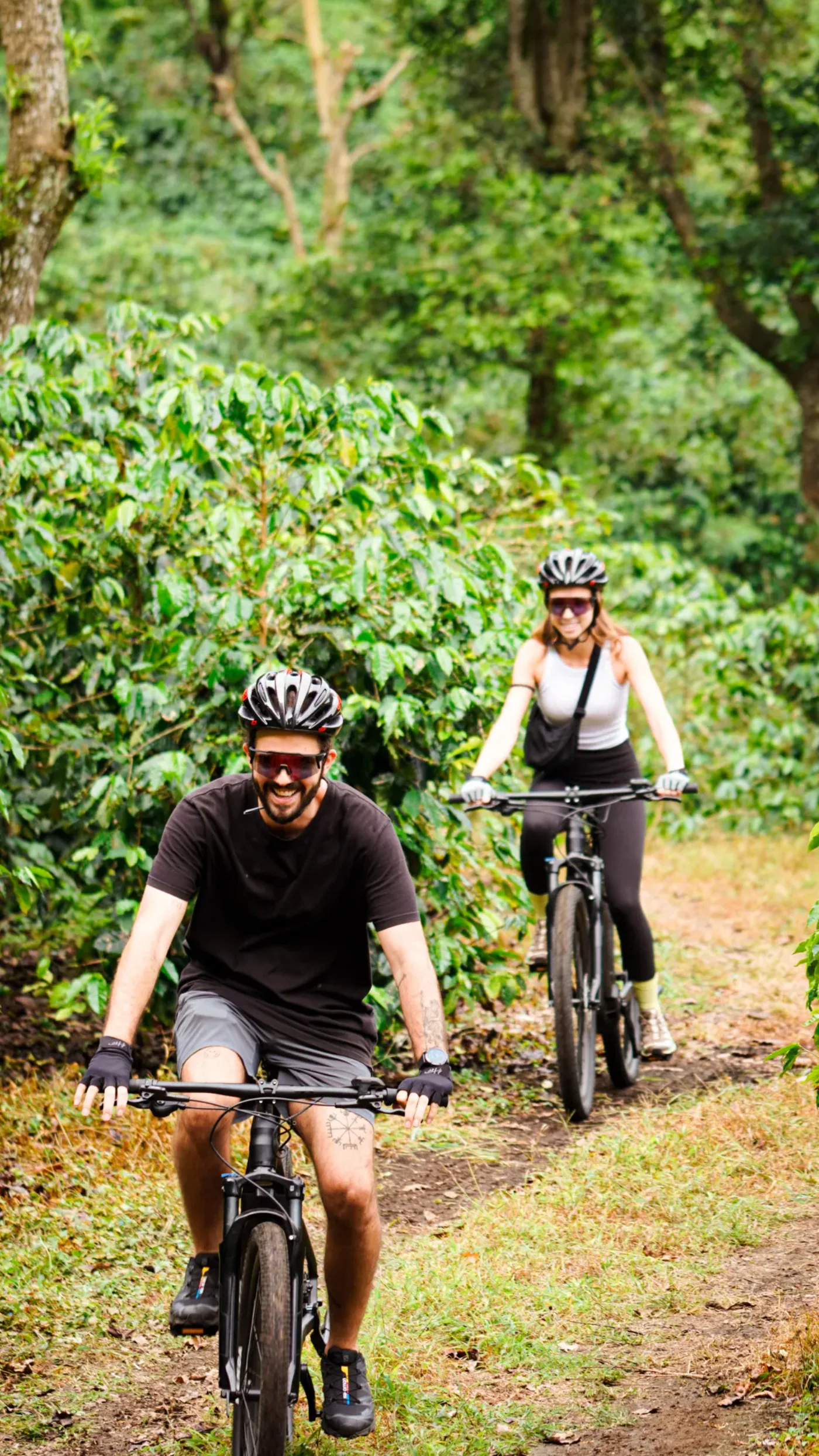
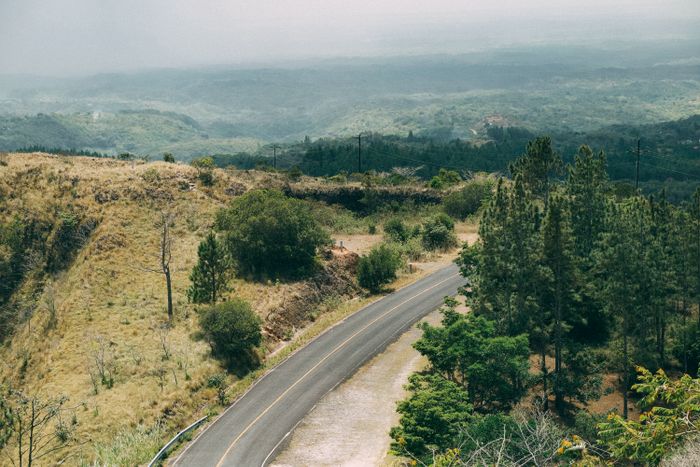
The terrain is hilly but manageable. The main arteries out of town — toward Bajo Mono to the northwest, toward Palmira to the north, and down toward Caldera to the south — are paved and carry light traffic on weekday mornings. The elevation gain on most loops is between 150 and 400 metres, which is comfortable on an e-bike and demanding but doable on a standard mountain bike if you're reasonably fit. The roads are narrow in places, so riding single-file and using a bell or horn matters.
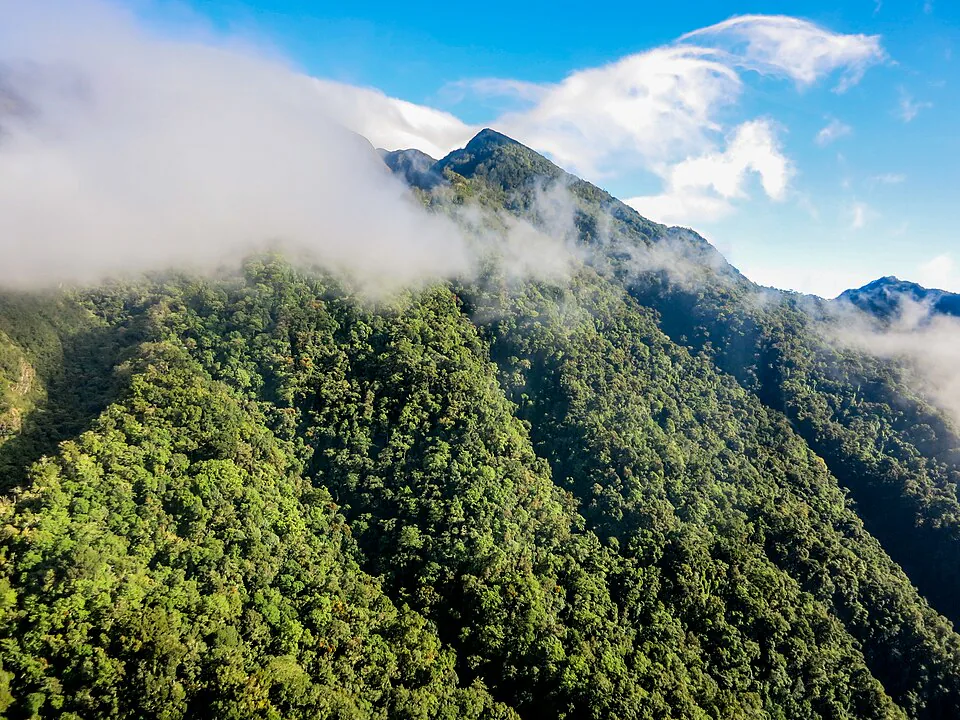
The other reason cycling works here: Boquete's coffee country is genuinely beautiful at road level. You ride past working fincas with drying beds visible over stone walls, through corridors of bamboo and flowering hedges, with Volcán Barú appearing and disappearing in the cloud above. It's the kind of scenery that rewards slow travel, and a bike — unlike a van window — puts you inside it.
Section 02E-bike versus standard bike: which should you rent?
The honest answer: for most visitors, rent the e-bike. Here's why — and when a standard bike makes more sense.
Boquete's signature routes involve sustained climbs. The Bajo Mono Loop gains roughly 300 metres over 8 kilometres of uphill before the descent. The road to Finca Lerida climbs even harder. On a standard mountain bike, that's 45–60 minutes of genuine effort before you reach the payoff. On an e-bike with pedal assist, it's 20–25 minutes of comfortable riding. The e-bike doesn't eliminate the exercise — you still pedal — but it removes the wall that stops casual riders from going further.
E-bikes in Boquete are mid-drive or hub-motor models with ranges of 40–70 kilometres per charge, which is more than enough for any single-day route. Reviewers consistently report returning bikes with 50% or more charge remaining after a full day of riding. The bikes at E-Valley Bikes are described as well-maintained and near-new; staff will show you how to adjust assist levels before you leave.
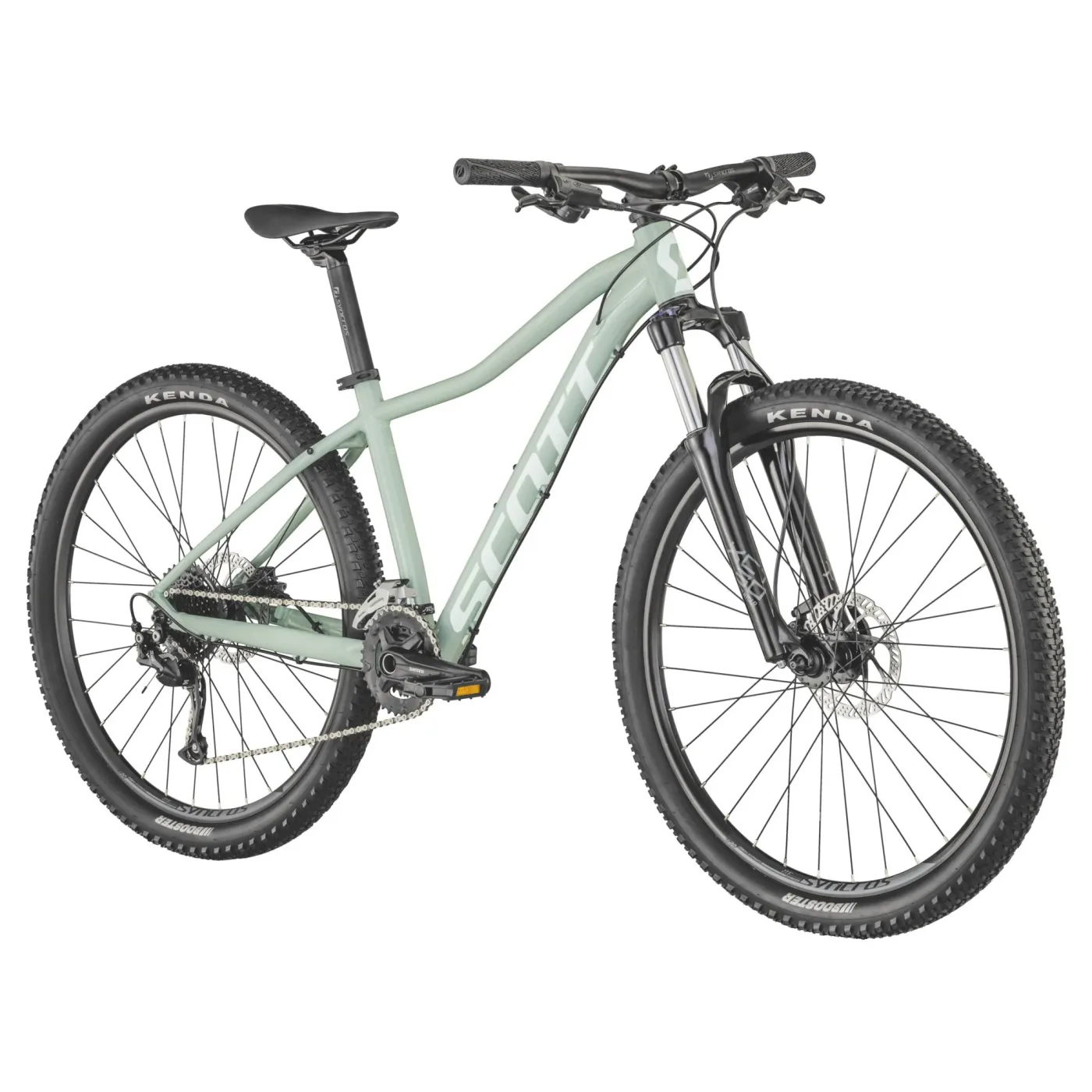
Standard mountain bikes make sense if you're a confident cyclist who wants the workout, if you're doing a predominantly downhill route (where you won't need assist anyway), or if you're traveling with someone who specifically wants unpowered riding. Standard bikes are also cheaper — typically $15–$20 per half day where available — but the rental market in Boquete has shifted heavily toward e-bikes, and not every shop carries a full fleet of quality standard bikes.
Section 03Rental prices: what you'll actually pay in 2026
Pricing in Boquete varies by duration, operator, and whether you want a guided or self-guided experience. The table below consolidates the current market rates. Note that OTA platforms (GetYourGuide, Expedia, Marriott Activities) sometimes list slightly different prices from booking direct — direct is usually the same or cheaper, and you get more flexibility on start times.
| Option | Duration | Price (per person) | Verdict |
|---|---|---|---|
| E-bike self-rental (2 hrs) | 2 hours | ~$35 | Solo/couples |
| E-bike self-rental (half day) | 4 hours | $40–$45 | Best value |
| E-bike self-rental (full day) | 8 hours | $55–$80 | Explorers |
| E-bike multi-day (per day) | 24 hrs+ | $40–$55/day | Longer stays |
| Guided e-bike tour (half day) | 3–4 hours | $55–$75 | First-timers |
| Guided e-bike tour (full day) | 6–8 hours | $75–$80 | With coffee stop |
| Standard MTB rental (half day) | 4 hours | $15–$20 | Fit riders only |
| Private/luxury guided tour | 4–6 hours | $135+ | Small groups |
A real-world data point: one Tripadvisor reviewer paid $80 total for two people on a 4-hour e-bike rental from E-Valley Bikes — that's $40 per person, which is the going rate for a half-day. Another rented for two full days at $80 USD total, suggesting multi-day rates can drop to around $40 per day per bike when negotiated directly. The Expedia listing for a full-day rental shows $55 per person; the GetYourGuide listing starts at $35 for a 2-hour slot. Book direct when possible.
No operator currently charges a solo rider premium for self-guided rentals — you pay the per-bike rate regardless of group size. Guided tours sometimes have a two-person minimum (Soul Planet Cycles explicitly states this), so solo travelers should confirm before booking a guided experience or ask to join a scheduled group departure.
Three rides. One unforgettable Boquete.
Premium Orbea e-bikes that do the climbing for you. Helmet, gloves, water and route support included — and you pay when you arrive.
Coffee Farm E-Bike Tour
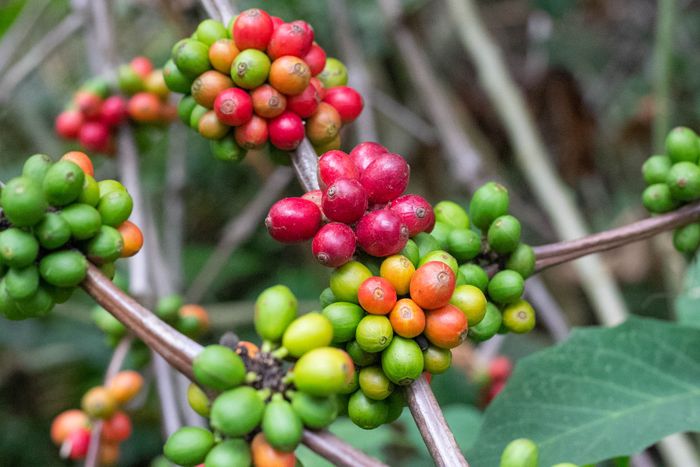
Ride to a working farm and see how Geisha — the world's most expensive coffee — is made. Tasting at Altieri Specialty Coffee, geisha ice cream included.
Guided Highlights Ride
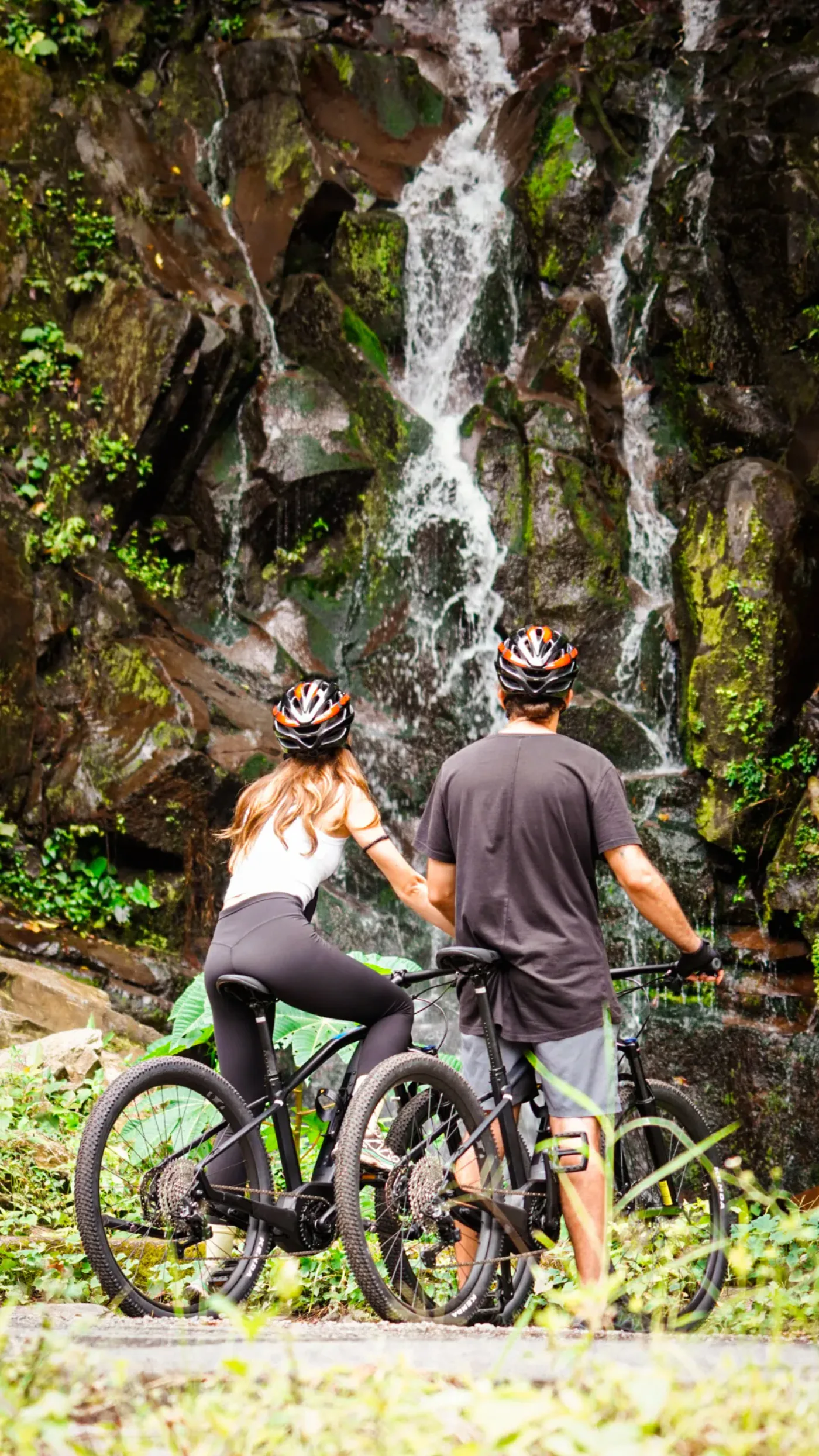
Lost Waterfalls, Library Park and the highland viewpoints locals love — the spots most visitors never find.
Self-Paced Rental
Hourly or full-day. Take a recommended route or just wander. The e-bike means hills don't decide your day.
Section 04What's actually included — and what isn't
The standard rental package at E-Valley Bikes includes: the e-bike, helmet, cable lock, backpack, bottled water, gloves, sunglasses, and a rain poncho. They also set you up on the Komoot app, which has six pre-planned routes to Boquete's main attractions — coffee farms, waterfalls, Volcán Barú viewpoints — available offline. That's a genuinely useful feature that removes the navigation anxiety of self-guided riding.
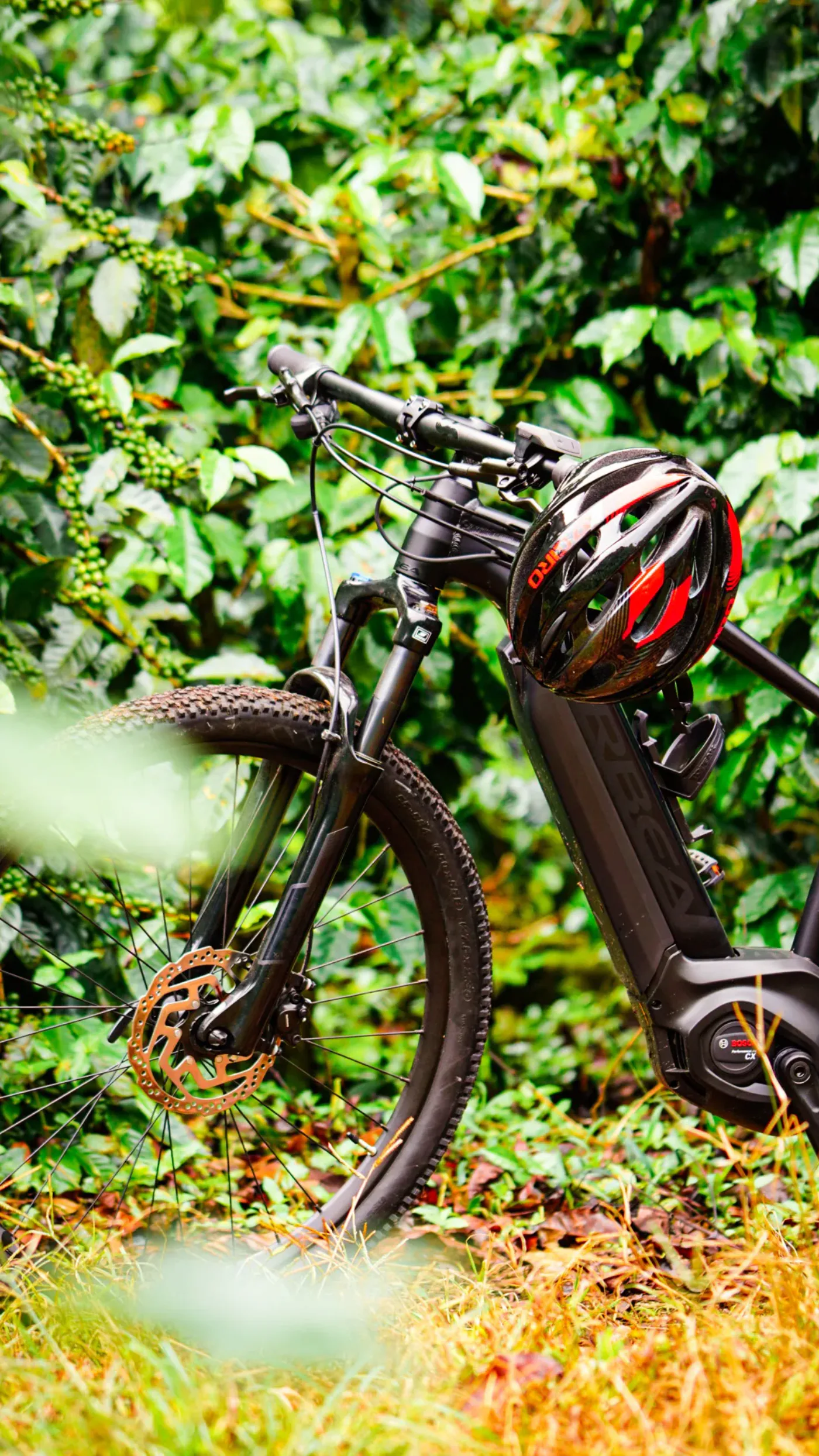
What's not included: food, entry fees to specific attractions (some coffee farms charge $10–$20 for a tour), and tips. If you want to visit Finca Lerida or another working finca along the route, budget an extra $15–$30 per person for the farm experience. The bike rental itself does not cover those costs.
On helmet quality: reviewers describe the helmets as proper cycling helmets, not the thin foam tourist-grade versions. The sunglasses included are wraparound sports glasses — not prescription-compatible, so bring your own prescription eyewear or contacts if you need them. The gloves are light cycling gloves adequate for the climate.
Damage and liability: ask the shop directly about their policy before you ride. Standard practice in Boquete is that minor wear is covered, but significant damage (crash damage, lost equipment) may be charged to you. There is no formal insurance product attached to these rentals. If you have travel insurance that covers cycling activities, check your policy before you go.
For multi-day rentals, E-Valley Bikes allows you to keep the bike overnight at your accommodation — the cable lock is included for exactly this purpose. One reviewer stored the bike in their hotel room. A charger is available on request if you're doing a particularly long day.
Section 05The 5 routes actually worth riding from Boquete
Every rental shop will hand you a generic map. Here's what the routes actually involve, with realistic distances, elevation figures, and honest difficulty ratings.
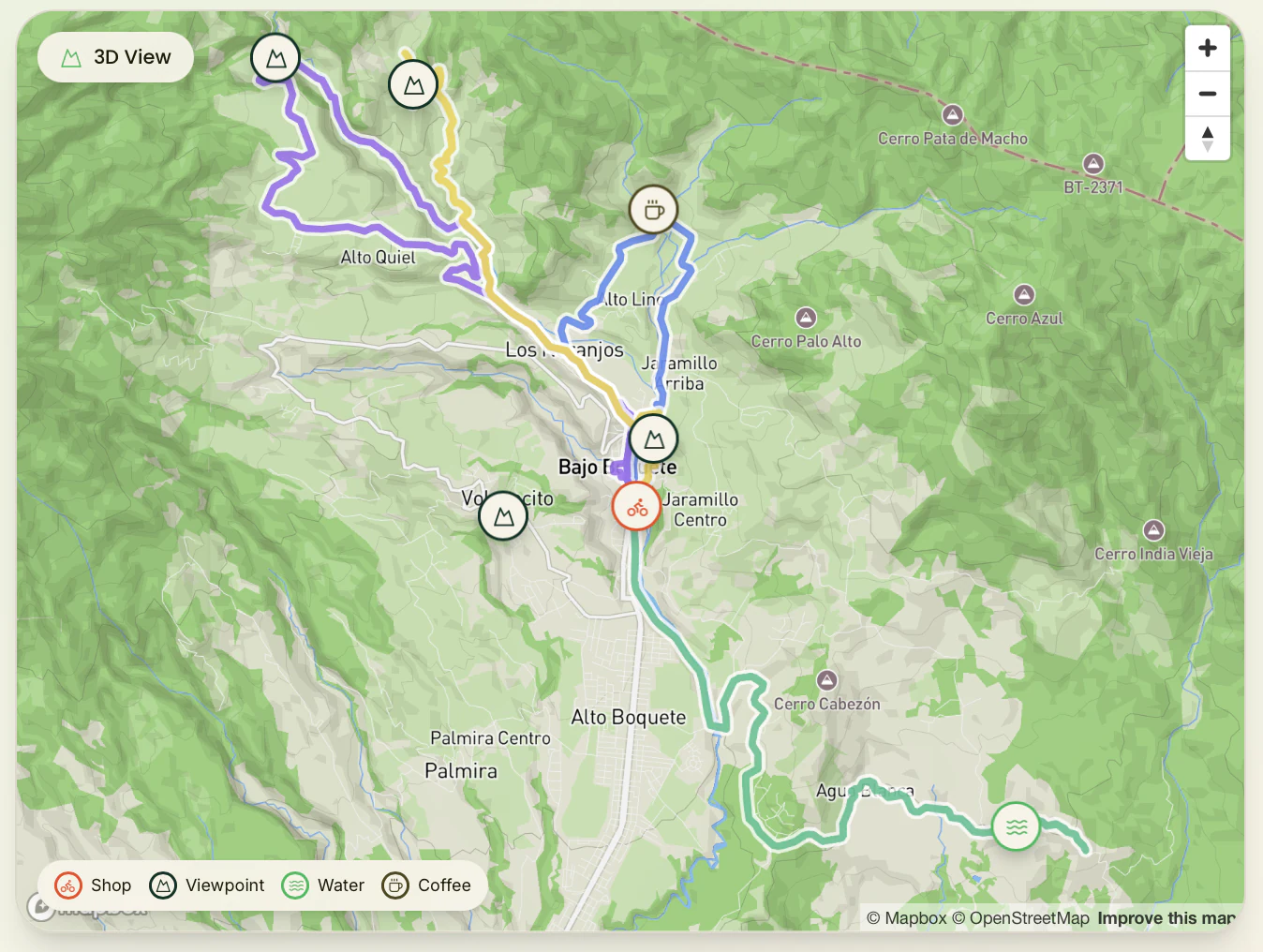
1. Bajo Mono Loop
The classic Boquete cycling route. From the town center, head northwest on the road toward Bajo Mono, climbing steadily through coffee farms and bamboo groves before looping back via a different road. Total distance: approximately 18–22 kilometres round trip. Elevation gain: 280–320 metres. Estimated time: 2.5–3.5 hours on an e-bike, 3.5–5 hours on a standard bike. Difficulty: moderate. The road is paved throughout and carries very little traffic on weekday mornings. The descent back toward town is fast and satisfying. This is the route the Komoot app highlights first, and it's the one most rental shops recommend for first-time visitors.
2. Finca Lerida / Volcán Barú Road
Head north from town on the road toward Volcán Barú National Park, climbing through increasingly dramatic cloud-forest scenery. Finca Lerida — one of Boquete's most respected specialty coffee estates — is at roughly 1,600 metres elevation, about 8 kilometres from town. The climb gains approximately 400 metres from the town center. Distance to Finca Lerida and back: 16 kilometres. Estimated time: 3–4 hours including a stop at the farm. Difficulty: hard on a standard bike, moderate on an e-bike. The road is paved but steep in sections. If you want to add a coffee tasting at the finca, budget $15–$25 extra and ideally call ahead to confirm availability.
3. Lost Waterfalls Trail Access Road
The Lost Waterfalls (Sendero Los Quetzales access, not to be confused with the full Quetzales Trail) are reached via a dirt road that branches off the main Volcán Barú route. The ride to the trailhead is approximately 10 kilometres from town, gaining around 350 metres. The final kilometre or two is unpaved — manageable on an e-bike in dry conditions, muddy and slippery in the rainy season. From the trailhead, you hike 45–60 minutes to the three waterfalls. Total outing (bike + hike): 4–5 hours. Difficulty: moderate-hard. This is the route that rewards the most — the waterfalls are genuinely impressive and the trail is well-marked.
4. Palmira Viewpoint Loop
Head north through the community of Palmira, which sits above Boquete on the eastern side of the valley. The road climbs sharply for the first 3 kilometres before leveling out with panoramic views over the Caldera River valley and, on clear mornings, the Pacific lowlands. Distance: 14–16 kilometres round trip. Elevation gain: 250–300 metres. Estimated time: 2–3 hours. Difficulty: moderate. The road surface is mixed — paved in sections, compacted gravel in others. Best done in the morning before cloud rolls in from the Pacific. This is a quieter route than Bajo Mono and sees fewer rental bikes.
5. Caldera River Road (Downhill Option)
The road south from Boquete toward Caldera descends steadily for most of its length, making it the most accessible route for riders who want the scenery without the climbing. From town, it's approximately 12 kilometres to the Caldera hot springs (Pozos de Caldera), with a net descent of around 200 metres. The catch: you have to come back up. On an e-bike, the return climb is manageable. On a standard bike, it's a hard 45-minute grind. Distance: 24 kilometres round trip. Estimated time: 3–4 hours. Difficulty: easy (outbound), hard (return on standard bike), moderate (return on e-bike). The hot springs themselves have a small entry fee of around $5 per person.
Section 06Seasonal riding conditions: when to go and what to expect
Boquete has two seasons that matter for cycling: the dry season (December through April) and the rainy season (May through November), with a brief dry spell sometimes appearing in July or August called the veranillo.
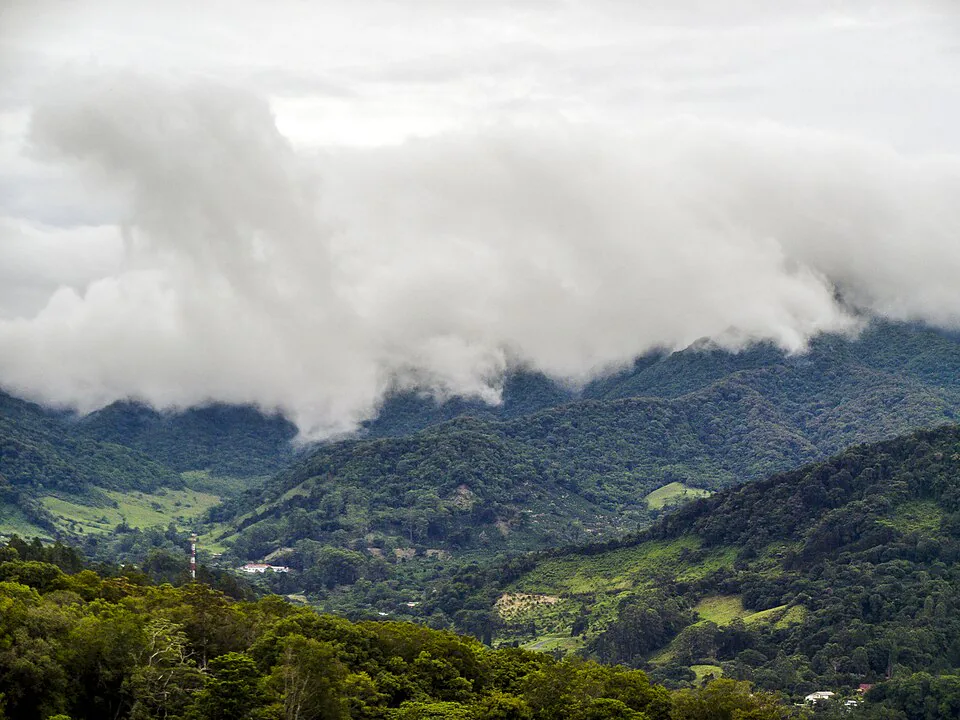
In the dry season, mornings are clear and cool — ideal riding conditions. Expect temperatures of 16–20°C at the start of the day, rising to 22–24°C by midday. Roads are firm, dirt tracks are passable, and the Volcán Barú road stays open. This is the best time to attempt any of the routes involving unpaved sections, including the Lost Waterfalls access road and the upper Palmira loop.
In the rainy season, rain typically arrives in the afternoon — often between 2:00 and 4:00 pm — which means morning rides are usually fine. The problem is the roads. Dirt tracks become slick within minutes of rain starting, and the red clay soil in the highlands is particularly treacherous when wet. Any route with unpaved sections should be treated with caution from May onward. Stick to the fully paved routes (Bajo Mono Loop, Palmira Viewpoint, Caldera River Road) and start early. The rain ponchos included in the rental kit are useful but not a substitute for good timing.
October and November are the wettest months and the least suitable for ambitious cycling routes. January through March is the sweet spot: dry, clear, and with the best visibility for Volcán Barú views. If you're visiting specifically to cycle, plan around this window.
| Month | Conditions | Best routes | Verdict |
|---|---|---|---|
| Dec–Apr | Dry, clear mornings | All routes, including dirt tracks | Best season |
| May–Jun | Afternoon rain begins | Paved routes only after 1pm | Go early |
| Jul–Aug | Veranillo dry spell | Most routes, check forecast | Variable |
| Sep–Nov | Heavy afternoon rain | Paved loops only, morning only | Limited |
Section 07Solo riders: what you need to know
Solo travel by bike in Boquete is straightforward and common. Self-guided e-bike rentals have no minimum group requirement — you pay the per-bike rate and go. The Komoot app routes are designed for independent navigation, and the main cycling roads are safe enough that solo riders are not at meaningful risk, provided you stay on paved or well-traveled routes.
The two-person minimum that appears in some listings applies specifically to guided tours at certain operators (Soul Planet Cycles is explicit about this). If you're solo and want a guided experience, ask whether you can join a scheduled group departure — operators will often accommodate this, especially in high season when other guests are booked on the same slot. E-Valley Bikes, located next to Selina hostel on Boquete's main road, is a good starting point for solo travelers because the hostel environment means other guests are often looking for riding companions.
For solo riders doing longer routes (the Finca Lerida climb or the Lost Waterfalls loop), tell someone at your accommodation where you're going and when you expect to be back. Save the rental shop's WhatsApp number before you leave. The roads are not remote by any standard, but a flat tire 10 kilometres from town is easier to deal with if someone knows you're out there.
Section 08Safety, logistics, and practical details
Boquete's main cycling roads are narrow two-lane roads shared with cars, trucks, and the occasional slow-moving agricultural vehicle. Traffic is light on weekday mornings but picks up by 10:00 am. Ride single-file, use the bell or horn on blind corners (there are many on the mountain roads), and wear the helmet — it's included in every rental for a reason.
Parking and trailhead logistics: all rental shops are in the Bajo Boquete town center, within a few blocks of the main square. You ride from the shop directly — there is no shuttle to a starting point. This means the first and last kilometres of every route are through town, which is fine. No shops currently offer one-way rentals or trailhead drop-offs, so all routes are loops returning to the rental location.
E-Valley Bikes is located on Avenida A Este, next to Selina (formerly Socialtel) on Boquete's main road — easy to find on foot from anywhere in town. They operate Monday and Wednesday through Sunday, 8:00 am to 5:00 pm (closed Tuesdays as of the latest available information — confirm before arriving). U-Rides BQT operates on the same street and offers both e-bikes and mountain bikes, with tours starting from $35 per adult and private options from $135. Soul Planet Cycles is based at Avenida Central in the Boquete Brewing Company parking lot and runs structured guided tours at $50–$75 per person with a two-person minimum.
For visitors who want to explore both Boquete and El Valle de Antón on the same Panama trip, it's worth knowing that E-Valley Bikes also operates in El Valle — the same quality of bikes and the same self-guided rental model in a different highland setting. Our guide to things to do in El Valle de Antón covers the riding options there in detail.
One final note on the broader Boquete activity picture: if you're deciding between a bike rental and one of the guided e-bike tours that include a coffee farm stop, the guided option is worth the extra cost for first-time visitors. The farm context — seeing how Geisha coffee is processed, tasting it at the source — adds something that a self-guided ride past the farm gates doesn't. Our Boquete tours guide compares the full range of guided experiences with honest prices and difficulty ratings.