Panama produces some of the most expensive coffee on earth, and almost all of it grows within a short drive of Boquete. A boquete coffee farm tour is one of the few places on the planet where you can stand among the same trees that broke world auction records, taste a Geisha that costs $400 a pound at retail, and pay $30 for the privilege. This guide tells you exactly which farm to choose, what you will actually see and do, how the experience changes by season, and what it genuinely costs to taste the good stuff.
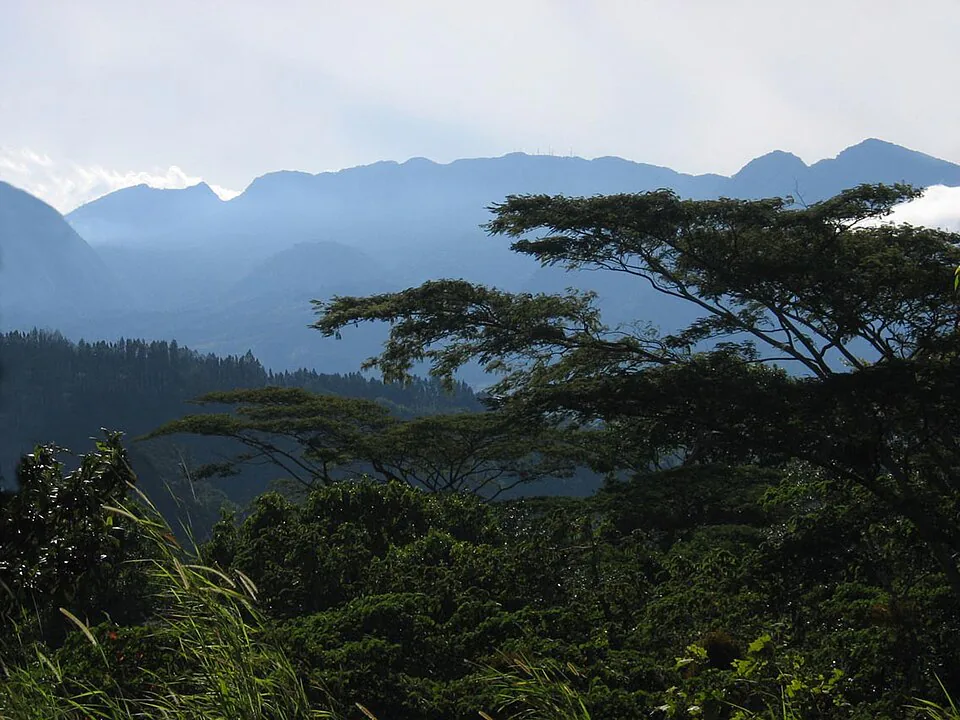
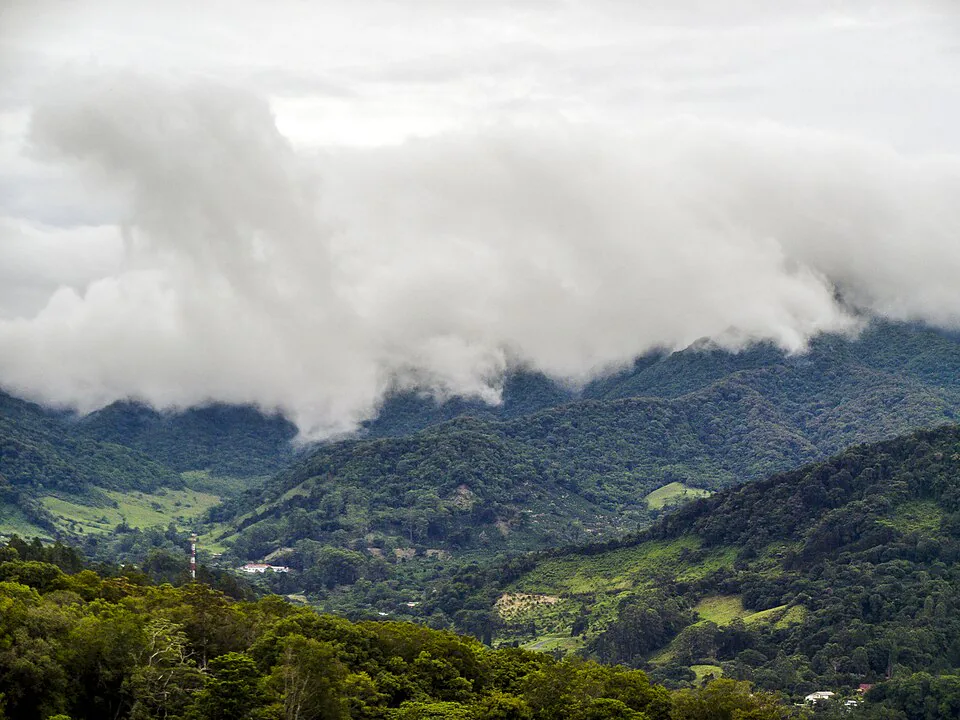
The valley sits on the eastern slopes of Volcán Barú at 1,000 to 1,600 meters, wrapped in the cool mist locals call bajareque. That combination — volcanic soil, altitude, slow cherry ripening — produces arabica with a brightness and aromatic complexity that has made Boquete a household name in specialty coffee circles since Hacienda La Esmeralda's Geisha dominated the Best of Panama auction in 2004. Today more than a dozen farms open their gates to visitors, ranging from a quick tasting session to a full-day immersion with a working agronomist.
Section 01Why Boquete coffee is genuinely different
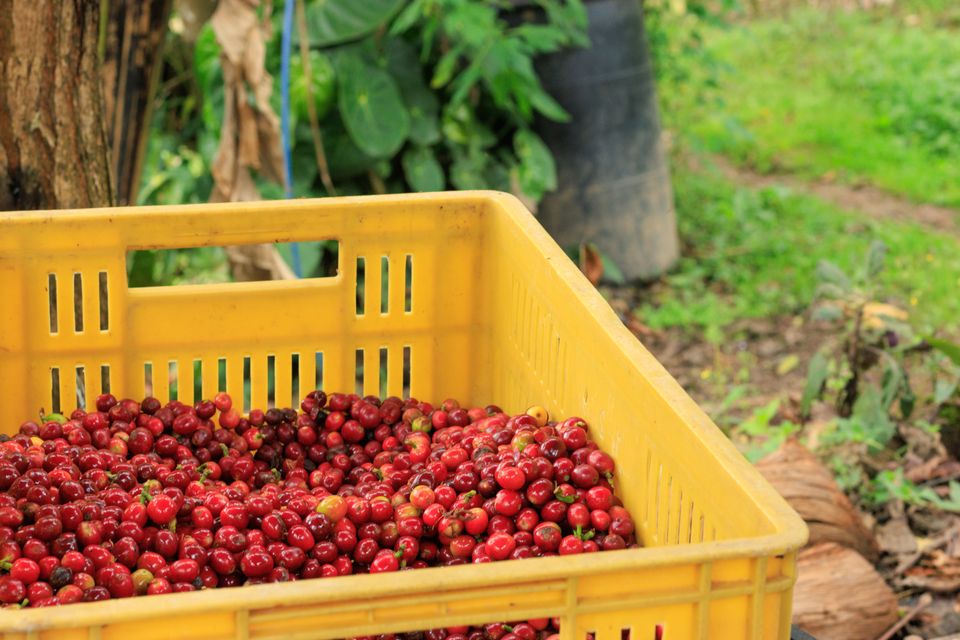
Most coffee-growing regions produce one or two signature varieties. Boquete grows more than ten, including Geisha, Pacamara, Caturra, Catuai, Typica, Bourbon, and experimental anaerobic microlots — often on the same farm, at different elevations, processed by different methods. That diversity means a good coffee tour here is not a single tasting but a structured flight through flavor profiles you simply cannot compare anywhere else in Central America.
The terroir argument is not marketing language. Boquete's farms cluster between 1,200 and 2,100 meters. At those altitudes, nighttime temperatures drop to 12–16°C, slowing cherry development and concentrating sugars. The volcanic ash soils drain well but hold nutrients. The result is medium-to-high acidity, moderate body, and the kind of floral, citrus, and stone-fruit aromatics that make Geisha taste, to many first-timers, like nothing they expected coffee to taste like.
Panama's Best of Panama auction, run annually by the Specialty Coffee Association of Panama, has set world records multiple times. In 2025, a Hacienda La Esmeralda lot broke the record again. That context matters when you're standing on a farm tasting the same varietal from the same volcanic hillside. You are not at a theme-park coffee experience. You are at the source.
Section 02Farm-by-farm comparison: which tour to choose
Here is an honest side-by-side of the main farms offering tours in and around Boquete. Prices are per person as of early 2026 and may change; always confirm directly with the farm before booking.
| Farm | Price (pp) | Duration | Geisha tasting | Guide level | Verdict |
|---|---|---|---|---|---|
| Finca Dos Jefes | $30 | ~2 hrs | Yes (included) | Owner-led, expert | Best for depth |
| Kotowa / Rio Cristal | $25–35 | 2–3 hrs | Yes (included) | Family estate, bilingual | Best for variety |
| Finca Lerida | $20–30 | 2–3 hrs | Yes (add-on) | Trained guides, bilingual | Best for birders |
| Finca Casanga | $35 | 2.5 hrs | Yes (included) | Hands-on, small groups | Best hands-on |
| Cafe Ruiz | $20 | 1.5–2 hrs | Optional ($) | Commercial scale, EN/ES | Best budget pick |
| Finca Don Pachi | $20–25 | 2 hrs | Yes (included) | Family-run, historical | Best for history |
| Finca Elida | $25–35 | 2–3 hrs | Yes (included) | Lamastus family, expert | Highest altitude |
Finca Dos Jefes
Rich Lipner and Dee Harris bought an abandoned farm above Boquete's El Salto neighborhood in 2003 and turned it into one of the valley's most respected small-batch operations. Seven acres, 8,000 trees, seven arabica varieties including Geisha and Heirloom Bourbon, all grown at 1,400–1,450 meters. What makes this tour stand out is Rich himself — a US national who has been farming here for over two decades and leads tours with the kind of detail you'd expect from an agronomist, not a hospitality script. The natural-process method (cherries dried whole on raised bamboo beds, then rested three months before milling) produces a distinctly fruity cup. Book directly at boquetecoffeetour.com; tours run most mornings and require advance reservation. Maximum group size is small, which means you actually get to ask questions.
Kotowa Coffee Estate
The Koyner-Duncan family has been farming in Boquete since the early 1900s. Today Ricardo Koyner and his daughter Victoria manage multiple estates spanning 1,200 to 1,850 meters, with the main visitor experience at Rio Cristal inside the Boquete Tree Trek reserve. The varietal portfolio is the broadest in the valley: Geisha, Typica, Pacamara, Caturra, plus experimental anaerobic fermentation microlots. Tours include a cupping of up to eight different Kotowa coffees — different roast profiles, processing methods, and the Geisha, which scores 91–92 on the SCA scale. This is the tour for people who want a structured sensory education rather than a farm walk with a tasting at the end.
Finca Lerida
Lerida has two things most farms don't: a hotel on-site and one of the best cloud-forest birding trails in Chiriquí. The farm was founded by the engineer who designed the Panama Canal's safety gates, which gives it a historical dimension that tour guides lean into effectively. The coffee tour covers plantation, processing plant, and a guided varietal tasting. The birding trail (separate from the coffee tour) passes through primary cloud forest where resplendent quetzals have been reliably spotted from January through April. If you're combining coffee with wildlife, Lerida is the obvious choice. Book via fincalerida.com; the hotel also makes it the easiest farm for an overnight stay.
Finca Casanga
Casanga, run by a small team outside Boquete town, pitches itself explicitly at hands-on visitors. Tours are capped at small groups, the activity area is mostly flat (genuinely accessible for most mobility levels, with a couple of small steps), and the format is participatory — you roast beans, you grind, you brew. They also offer a standalone 30-minute "Roast Your Own" experience in town if a full tour doesn't fit your schedule. At $35 per person it's the most expensive standard tour in Boquete, but the intimacy justifies it for people who want to do rather than watch. Book at buypanamacoffee.com.
Section 03What a typical boquete coffee tour includes
Most tours follow the same three-act structure regardless of which farm you choose. Understanding what to expect at each stage helps you ask better questions and get more out of the experience.
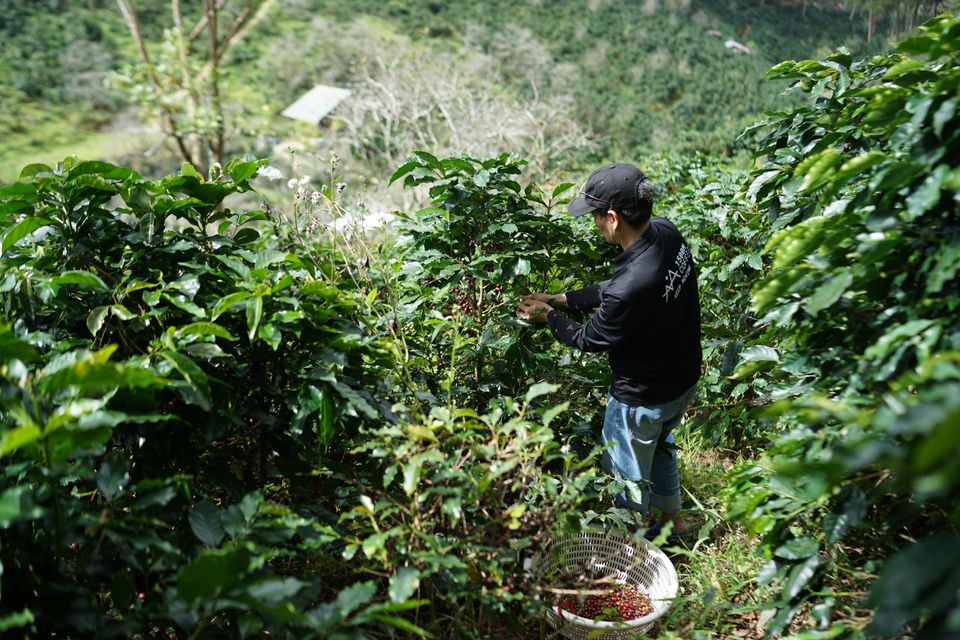
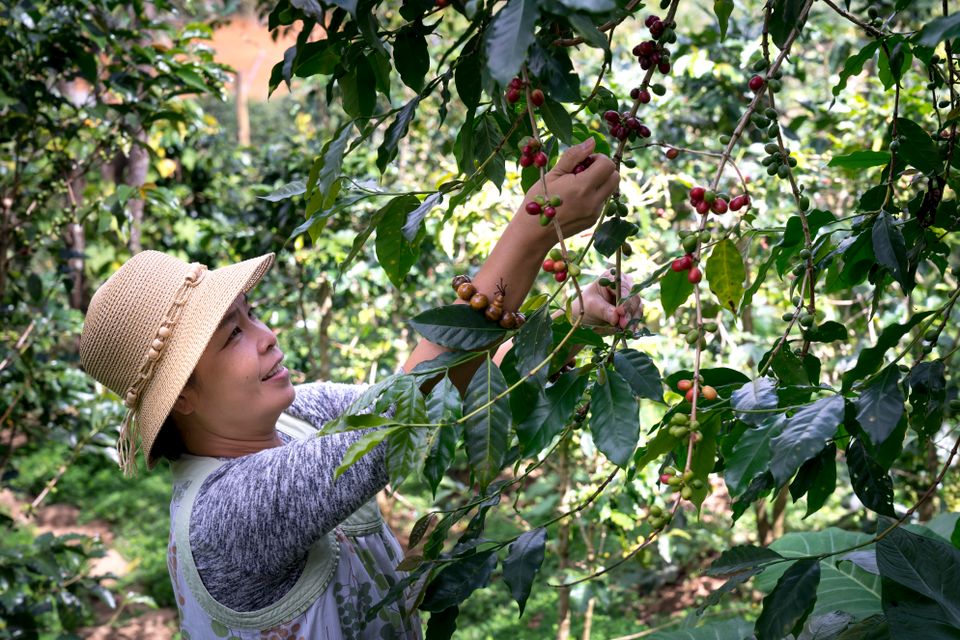
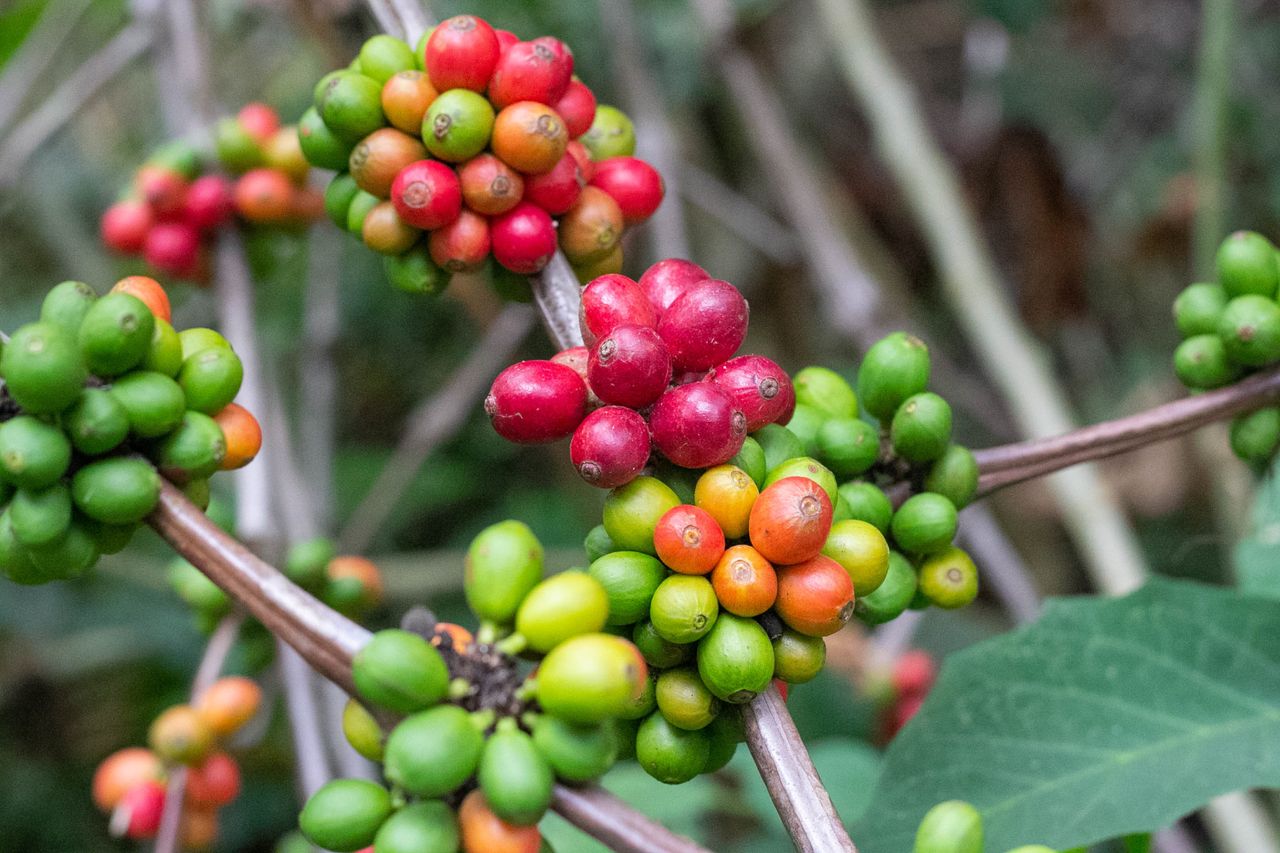
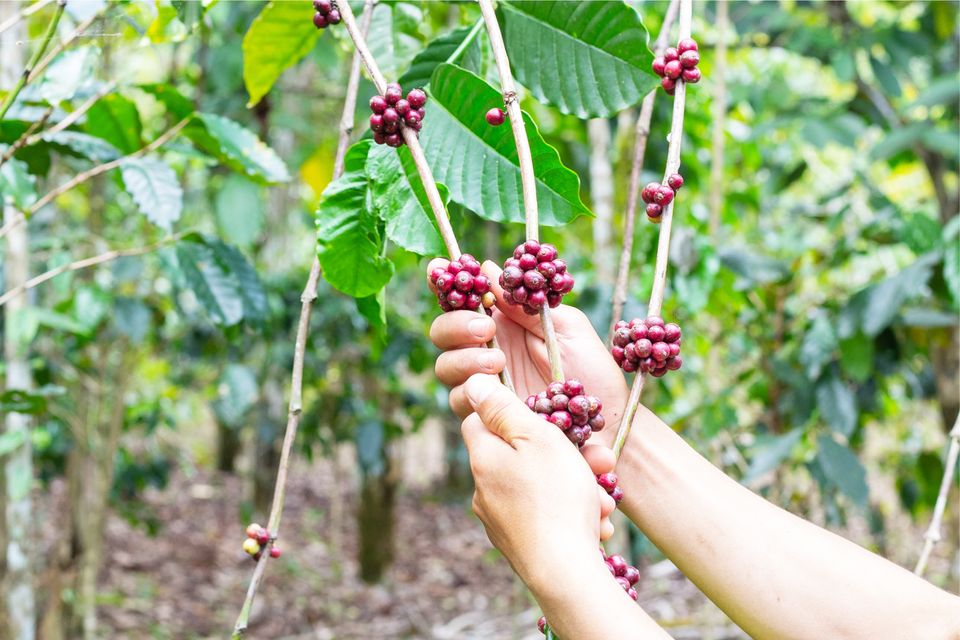
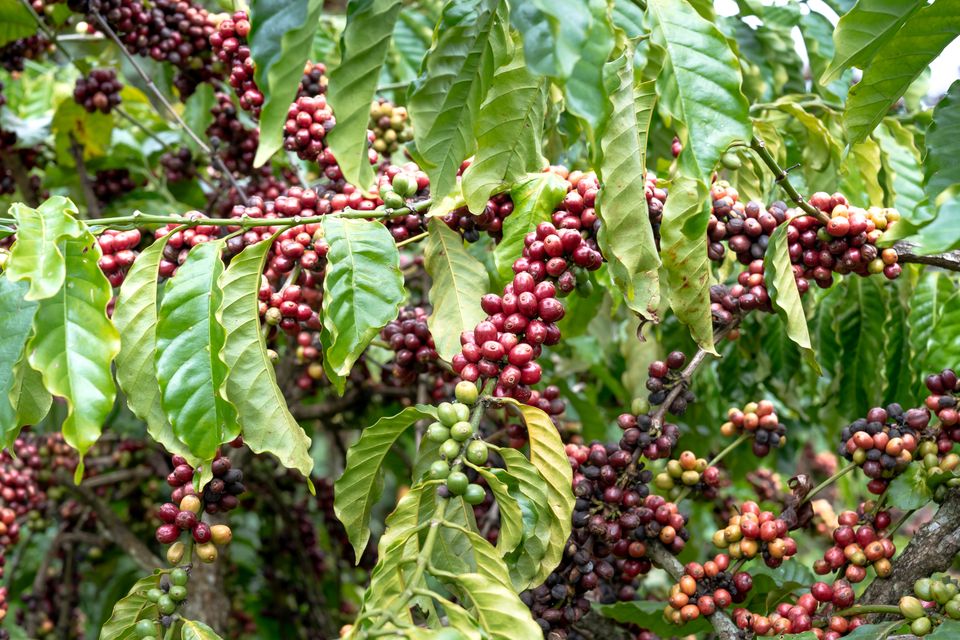
Act 1 — The plantation walk (30–45 min). You walk among the coffee trees. A good guide will show you cherry at different stages of ripeness (green, yellow, red), explain why only red cherries are hand-picked, demonstrate selective picking technique, and point out the shade trees (often Guaba or Inga species) that regulate temperature and add nitrogen to the soil. During harvest season (December to March) you may pick alongside workers. Off-season, the trees are flowering or in early cherry development — still interesting, and often more photogenic.
Act 2 — Processing area (30–45 min). This is where most tours get genuinely educational. You'll see depulping machines that remove the cherry skin, fermentation tanks for washed-process lots, raised drying beds or mechanical dryers, and the dry mill where parchment is removed before export. The best guides connect processing method to flavor: washed lots taste cleaner and brighter; natural-process lots (dried whole) taste fruitier and more complex; honey-process sits in between. Kotowa's tour includes anaerobic fermentation tanks — a newer technique producing winey, intense flavor profiles that are worth understanding even if you don't love the result in the cup.
Act 3 — Cupping or tasting (30–60 min). The tasting format varies. Some farms do a structured cupping (SCA protocol: hot water poured over ground coffee, crust broken, slurped from a spoon to aerate). Others do a comparative brew — multiple varieties prepared by pour-over or French press. The best sessions include at least three varieties side by side so you can actually perceive the differences altitude, processing, and varietal produce. Most tours include coffee cherry tea (made from the dried husk, called cascara) as a bonus — it tastes nothing like coffee, more like a hibiscus-rosehip blend.
Three rides. One unforgettable Boquete.
Premium Orbea e-bikes that do the climbing for you. Helmet, gloves, water and route support included — and you pay when you arrive.
Coffee Farm E-Bike Tour
Ride to a working farm and see how Geisha — the world's most expensive coffee — is made. Tasting at Altieri Specialty Coffee, geisha ice cream included.
Guided Highlights Ride
Lost Waterfalls, Library Park and the highland viewpoints locals love — the spots most visitors never find.
Self-Paced Rental
Hourly or full-day. Take a recommended route or just wander. The e-bike means hills don't decide your day.
Section 04Seasonal guide: what you actually see month by month
Almost every guide mentions "harvest season is December to March" and leaves it there. Here is what that actually means for your visit, month by month.
| Month | What you see on the farm | Tour experience | Weather |
|---|---|---|---|
| Dec–Jan | Peak harvest: red cherries, pickers working, processing at full capacity | Most dynamic; may pick yourself; wet mill running | Dry season begins; clearer mornings |
| Feb–Mar | Late harvest; drying beds full; green coffee resting | Full process visible end-to-end; less picking activity | Dry, ideal conditions |
| Apr–May | Post-harvest; trees pruned; flowering begins (white blossoms, jasmine scent) | Quieter; flowering is spectacular; roasting and cupping focus | Rains begin; misty mornings |
| Jun–Aug | Green cherry development; lush, intensely green landscape | Fewer farm workers; more focus on processing education and tasting | Wettest months; afternoon rain common |
| Sep–Nov | Cherry sizing up; some early varieties beginning to color | Good for photography; farm at its most verdant; crowds minimal | Still rainy but manageable mornings |
The honest answer is that off-season tours (April through November) are not inferior — they are different. You lose the visual drama of harvest but gain empty farms, attentive guides, and the extraordinary sight of a coffee tree in full flower, which smells like jasmine and lasts only a few days. The tasting quality is identical year-round because farms roast from stored green coffee continuously. If avoiding crowds matters to you, April through November is the better choice.
Section 05Geisha coffee: what you actually pay to taste it
Geisha is the reason Boquete is famous. It is also the most misunderstood part of the coffee tour economy. Here is the pricing reality that almost no guide bothers to explain.
At auction: Top Hacienda La Esmeralda Geisha lots have sold for $2,700 per pound. This is the world-record figure that gets quoted everywhere. It is not what you pay on a farm tour.
At retail (direct from farm): Expect $40–$120 per 100g for natural-process Geisha from a reputable Boquete farm. Washed Geisha is typically $30–$80 per 100g. These are the prices you'll see in farm shops and in Boquete's specialty cafes.
On a tour tasting: Most farms include a Geisha cup in their standard tour price ($20–$35). You are not getting auction-grade coffee — you are getting the farm's commercial Geisha, which is still exceptional. At Kotowa, the Geisha cup is included in the cupping flight. At Finca Lerida, Geisha tasting is sometimes an add-on of $5–$10. At Finca Dos Jefes, it's included in the $30 tour price.
Standalone Geisha tasting: Some farms offer a tasting-only session without the full tour. Cafe Ruiz charges approximately $10–$15 for a Geisha tasting flight. This is worth doing if you've already done a plantation walk elsewhere and just want to focus on the cup.
The flavor profile that justifies all the fuss: Geisha is less bitter and less acidic than most arabicas. It has a distinctive floral character (jasmine, bergamot), bright citrus acidity (lemon, mandarin), and a tea-like body that surprises people expecting a heavy espresso. The natural-process version adds tropical fruit notes — mango, papaya — that can be almost overwhelming. If you have only ever drunk commercial coffee, this will taste like a different beverage entirely.
Section 06Getting there and practical logistics
Boquete is 480 km from Panama City. Your options for getting there:
| Route | Cost | Time | Verdict |
|---|---|---|---|
| Fly PTY → DAV, then taxi to Boquete | $80–140 flight + $30–40 taxi | ~2.5 hrs total | Fastest |
| Bus from Panama City (Albrook terminal) | $18–22 pp | 7–8 hrs | Budget option |
| Rental car from Panama City | $40–70/day + fuel | 6–7 hrs | Most flexible |
| Taxi from David to Boquete | $25–35 | 45 min | Easy connection |
Getting between farms: This is the logistics gap that usually gets glossed over. Farms are spread across different neighborhoods of the Boquete valley — El Salto, Palmira, Jaramillo, Palo Alto — and are rarely within walking distance of each other. Options are taxi (roughly $5–10 per farm-to-farm trip), rental car, or an e-bike from E-Valley Bikes, which lets you cover multiple farms at your own pace on the valley's scenic highland roads without the cost of a taxi for every stop. The roads between farms are paved and gently rolling — exactly the kind of terrain where pedal-assist makes the difference between arriving sweaty and arriving ready to taste coffee.
Parking at farms: Most farms have small parking areas adequate for 5–10 cars. During harvest season weekends, Finca Lerida and Kotowa can fill up. Arrive before 9 am or after 2 pm to avoid competition for spots.
Language: All major tour farms offer English-language tours, though at some smaller operations you may need to request an English guide in advance. Finca Dos Jefes, Kotowa, Finca Lerida, and Finca Casanga are reliably bilingual. At Cafe Ruiz, tours run in Spanish with English translation available on request.
Weather cancellations: Farms do not cancel tours for rain. The processing areas are covered, and most plantation walks can be done in light rain with appropriate footwear. Bring a light rain jacket from April through November. The one exception is if there is an electrical storm — guides will pause the outdoor portion until it passes, which rarely takes more than 30 minutes.
Physical accessibility: Finca Casanga is the most accessible — their activity area is described as mostly flat with a couple of small steps, and they welcome strollers and walkers. Finca Lerida's main tour path is moderate — some uneven ground, no serious elevation gain. Kotowa's Rio Cristal farm involves more walking on unpaved paths. Finca Elida, at 2,100 meters, is the most demanding — the elevation alone will slow you down if you're coming from sea level. Be honest with yourself and with the farm when booking about any mobility limitations.
Section 07Visiting multiple farms in a single day
One farm tour takes two to three hours. Boquete's valley is compact enough that you can realistically visit two farms in a full day, or three if you skip the full plantation walk at one and do a tasting-only session. The challenge is transport between them.
A logical multi-farm day: start at Finca Dos Jefes at 8 am (the El Salto road is beautiful in the morning mist), finish by 10:30, then move to Kotowa's Rio Cristal for the cupping-focused tour at 11 am, done by 1:30 pm. That gives you the contrast between a small artisan operation and a multi-generation estate with a broad varietal portfolio — and you've tasted Geisha twice, processed differently, which is genuinely instructive.
If you want to add a third stop, Cafe Ruiz in town offers a standalone tasting session that doesn't require a full plantation walk. It's a good way to end the day with a direct comparison to a larger commercial operation.
The most enjoyable way to connect farms is on an e-bike. E-Valley Bikes operates guided and self-guided e-bike tours in Boquete, and the highland roads linking the valley's farms — through Palmira, past the Caldera River, up toward El Salto — are among the most scenic cycling routes in Chiriquí. The pedal-assist means the uphill sections to higher-elevation farms don't require athletic fitness, and you can stop wherever you want to take in the Volcán Barú views between tastings. It's a genuinely better way to experience the geography that makes the coffee possible.
Section 08Buying coffee after the tour: what to know
Every farm sells coffee on-site. The question is whether you're getting good value or paying a tourist markup. Here is how to evaluate what you're buying.
Look for roast date, not "best by" date. Fresh-roasted coffee is best within 2–6 weeks of roasting. Ask when the bag was roasted. Any farm worth visiting should be able to tell you. If they can't, walk past the retail shelf.
Understand the processing label. "Natural" or "dry process" means more fruit-forward, heavier body. "Washed" or "wet process" means cleaner, brighter, more acidic. "Honey" is in between. These terms affect flavor dramatically; buy what matched your preference in the tasting.
Price benchmarks for direct-from-farm purchases: Standard arabica blends, $8–15 per 250g. Single-origin washed Geisha, $30–80 per 100g. Natural-process Geisha, $40–120 per 100g. If a farm is selling Geisha at $8 for 250g, it is not Geisha — it is a blend with Geisha marketing.
Shipping coffee home: Green (unroasted) coffee ships without restriction in most countries. Roasted coffee is also generally fine, but check your home country's customs rules on agricultural products. Most farms can vacuum-seal bags for travel. For larger quantities, Finca Dos Jefes and Kotowa both ship internationally — ask at the farm or check their websites. Expect $15–30 shipping for a 500g order to the US or Europe.
Best value for direct purchases: Finca Dos Jefes and Finca Casanga tend to offer the most transparent pricing with the least tourist markup. Cafe Ruiz's retail shop in town is convenient but prices are slightly higher than buying at the farm gate. Kotowa's on-site shop has the broadest selection of varietals and processing methods if you want to take home a comparative set.
Section 09The Boquete Coffee and Flowers Festival
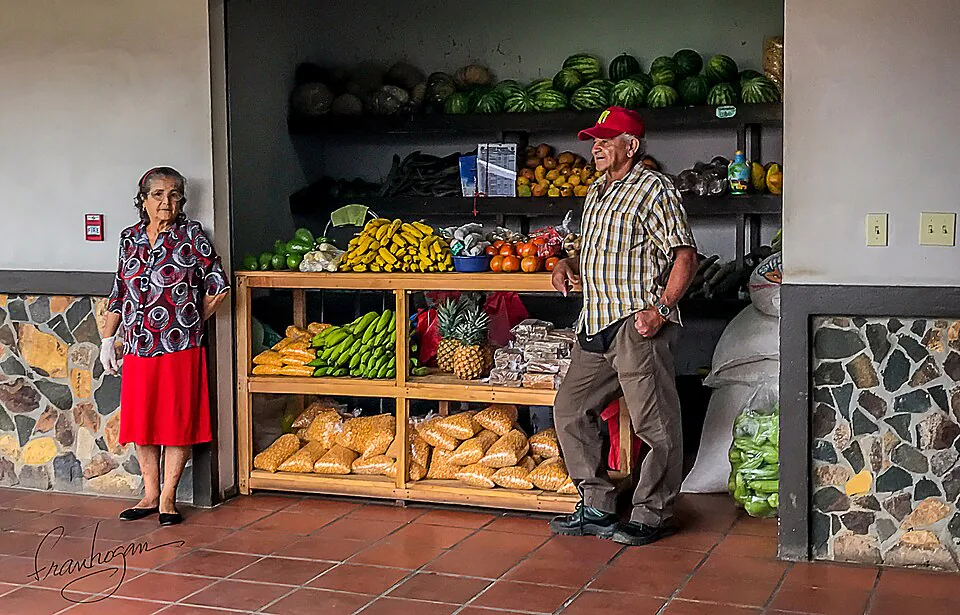
Every January or February (dates shift slightly year to year, typically the second or third week of January through mid-February), Boquete hosts the Feria de las Flores y del Café — the Coffee and Flowers Festival. It is the single best time to visit if you want to combine a farm tour with the broader cultural experience of Boquete's coffee community.
The festival runs for approximately two weeks at the fairgrounds on the edge of town. The coffee component includes cupping competitions, producer presentations, and booths where individual farms sell their current harvest lots directly to the public — often at prices lower than you'd pay in specialty cafes in Panama City. The flowers component is equally serious: Boquete's highland climate produces orchids, anthuriums, and roses that are displayed in elaborate arrangements throughout the fairgrounds.
Practically: book accommodation at least six weeks in advance for festival weeks. Prices roughly double, and the better guesthouses fill completely. Farm tours during the festival period are also more popular — book them before you arrive. The festival itself has a modest entrance fee (around $3–5) and is open daily. Evening hours include live music and food stalls. It is genuinely worth timing your trip around if you have flexibility.
Outside festival season, Boquete's specialty coffee scene is concentrated on the main street (Avenida Central) and the streets just off the central plaza. Kotowa has a cafe in town where you can cup their current lots without booking a farm tour. Geisha Coffee House and Café Kotowa are both worth a stop before or after your farm visit to calibrate your palate against the same varietals in a cafe setting.
The farms that shaped Boquete's reputation were built by people who moved here from elsewhere and bet everything on volcanic soil and altitude. That immigrant energy — Scottish, German, American, Panamanian — is still visible in how the farms are run and how seriously the families take the craft. A coffee tour here is not a tourist attraction. It is an introduction to a living agricultural tradition that happens to produce the most expensive coffee in the world.