CapitalCity guideUpdated · May 2026

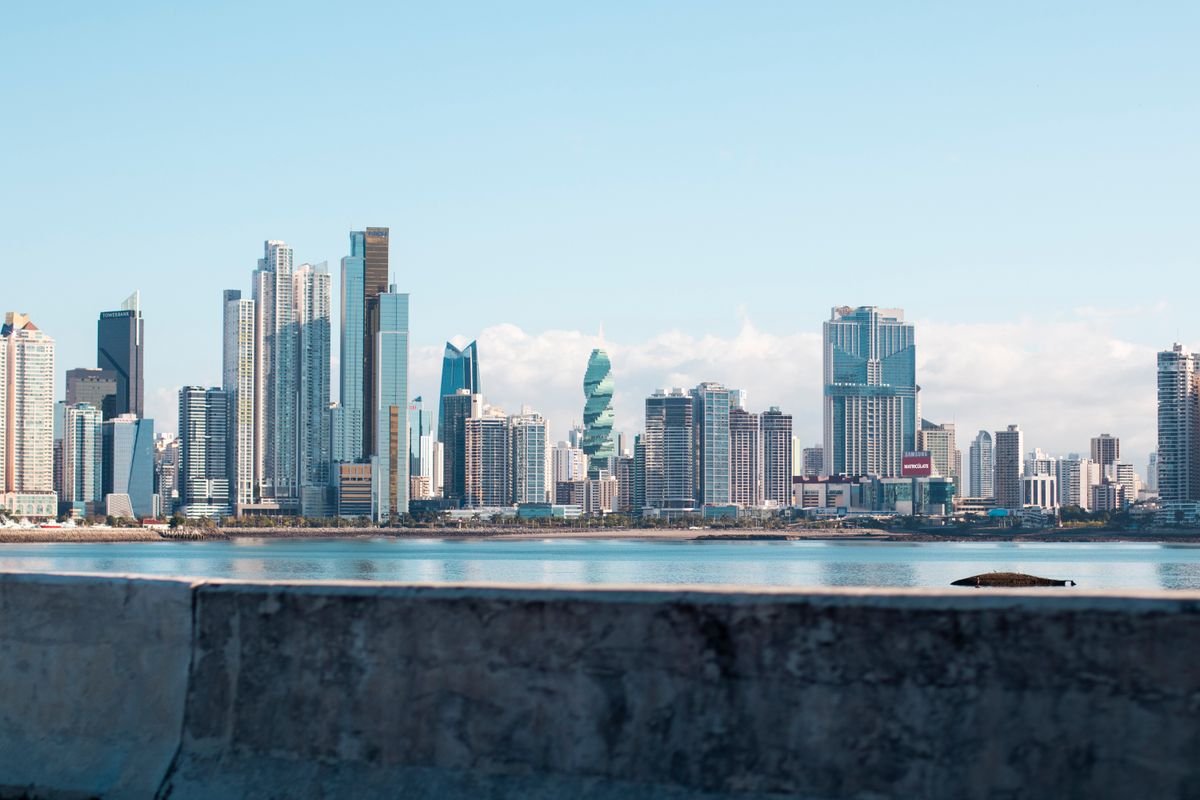
Panama City — where a 16th-century old town keeps watch over a skyline of glass.

Latin America’s most vertical capital wears its history on its sleeve: a UNESCO old quarter, the canal that built it, and a Pacific skyline that never quite stops growing.

You land, and the city hits you in two registers at once: a wall of glass towers along the bay, and somewhere behind them, a low cluster of tile roofs that has been there for 350 years. Panama City is a capital that never picked a single century to live in.

This guide assumes you have never been. It is built to answer the questions you’ll actually have, in the order you’ll have them — and to leave out the filler.

Section 01Why go

It’s the most cosmopolitan capital in Central America, and the only one with a UNESCO-listed old town, a world-changing canal, and a skyline to rival Miami — all within a few kilometres of each other. Add a serious food-and-rooftop scene and rainforest you can reach before lunch, and a few days fill themselves.

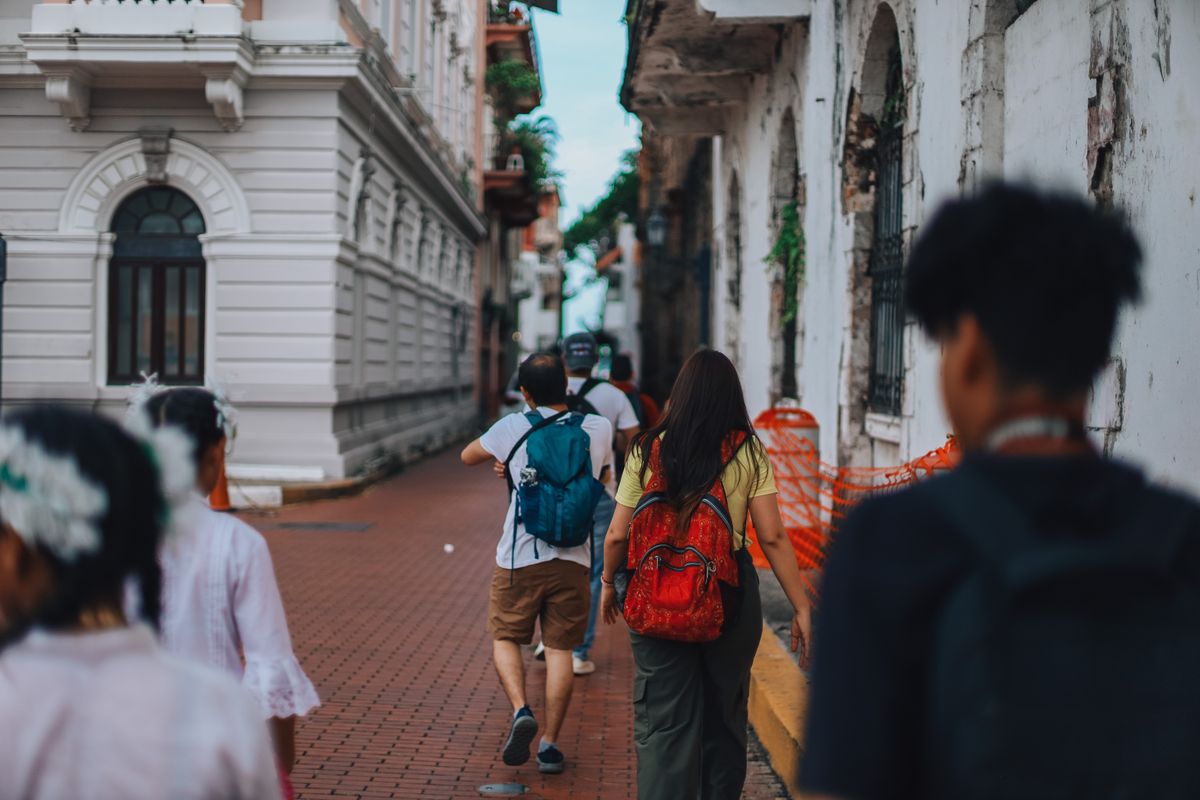
Field note · Base in the old townSleep in Casco Viejo if you can. It’s walkable, safe, and puts the prettiest part of the city outside your door at night — when the day-trippers have gone and the rooftops open up.
Casco Viejo.The restored colonial quarter is the city’s historic heart — and its most walkable corner.

Section 02Getting there

Tocumen International (PTY) is the biggest hub in the region, so getting here is the easy part. From the airport it’s about 30–45 minutes into town by taxi or ride-share, or a longer but cheap ride on the Metro and a connecting bus.

From the airportModeCostTimeComfort
Ride-shareUber / app$18–$3030–45 minEasiest
Airport taxiOfficial desk$30–$4030–45 minSimple
Metro + busLine 2 + transfer$1.2560–80 minCheapest
Hotel shuttlePre-booked$25–$4530–45 minDoor-to-door

Section 03When to visit

The dry season — roughly mid-December to April — brings the clearest, least humid days, and that’s when the city feels its best for walking Casco Viejo and the waterfront. January and February are especially pleasant. The green season is hotter and wetter but quieter and cheaper.

Section 04Where to stay

Pick your base by mood. The old town trades convenience for atmosphere; the modern districts trade charm for skyline views and easy business logistics.

  • Casco Viejo: boutique hotels in restored mansions, walkable, best for atmosphere and nightlife.
  • Marbella & Obarrio: modern, central, close to dining and the banking district.
  • Punta Pacífica & Avenida Balboa: high-rise hotels with ocean views and waterfront walks.

Section 05What to do

Walk the four plazas of Casco Viejo and duck into Iglesia de San José to see its golden altar; watch a ship rise through the Miraflores Locks; stroll or cycle the Cinta Costera at sunset; and end the night on a rooftop bar above the old town.

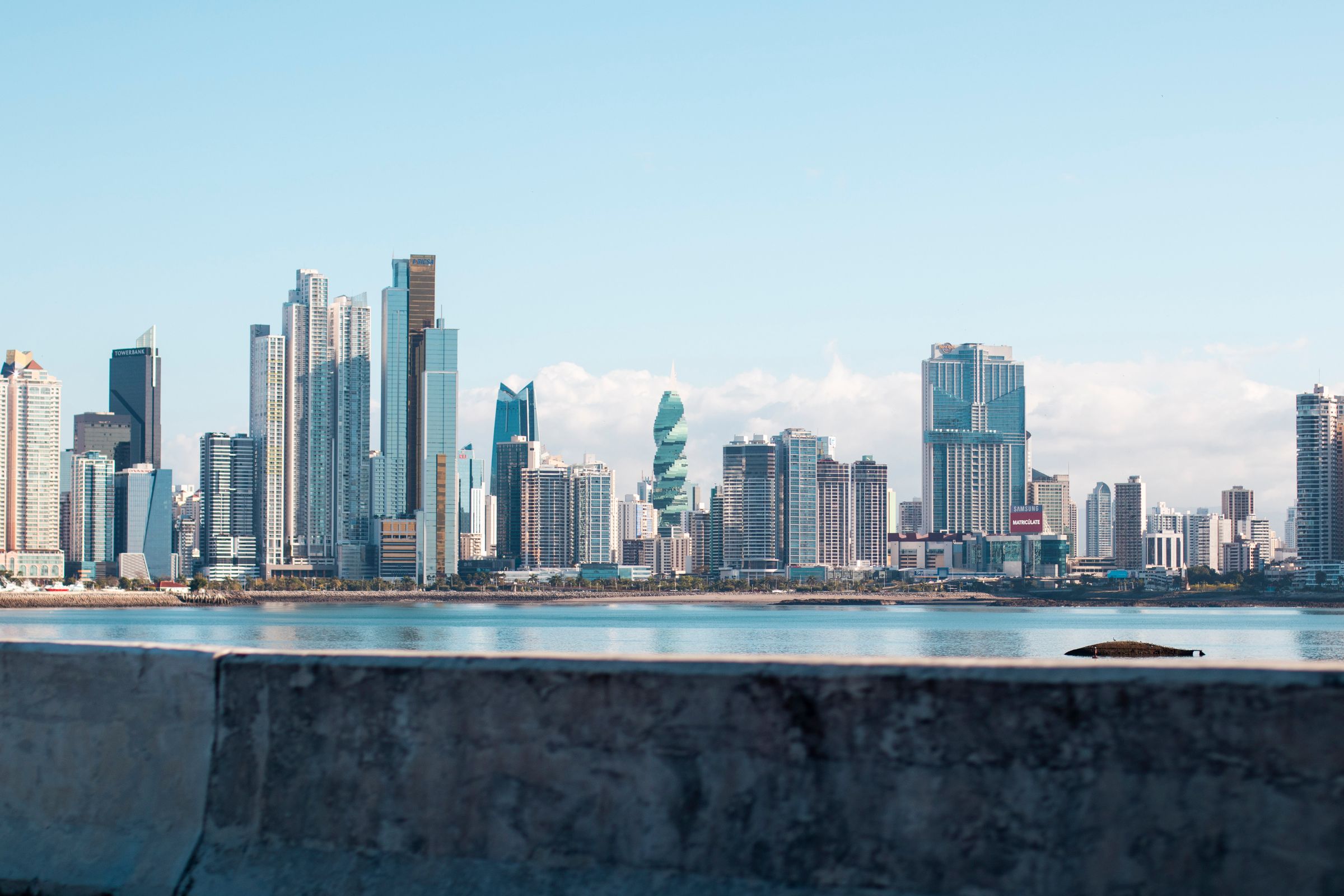
The bay and causeway after dark
4historic plazas to walk

Rooftop bars

Hidden atop old-town mansions, with skyline views.

Section 06Know before you go

The basics that save a trip: the city runs on US dollars, ride-share is everywhere, and the heat is real — pace your walking and carry water. Tap water is safe to drink. Tipping around 10% is standard in restaurants.

City essentials

  • US dollars are the currency — small bills help with taxis.
  • Use the Metro and ride-share apps to beat the traffic.
  • Keep valuables low-key and stick to the patrolled areas at night.
  • Pack light layers — it’s hot and humid year-round.
In pictures

What it actually looks like

Old town, new town, and the bay between them — in five frames.

Panama City is two cities pretending to be one — the old one that still remembers the pirates, and the glass one that forgot them on purpose.
— from the field notebook
The short version

Three things to know

Good to know
1519

Oldest on the Pacific

Panamá Viejo was the first European city on the Pacific coast of the Americas — its ruins still stand on the city's eastern edge.

Good to know
80 km

Built by the canal

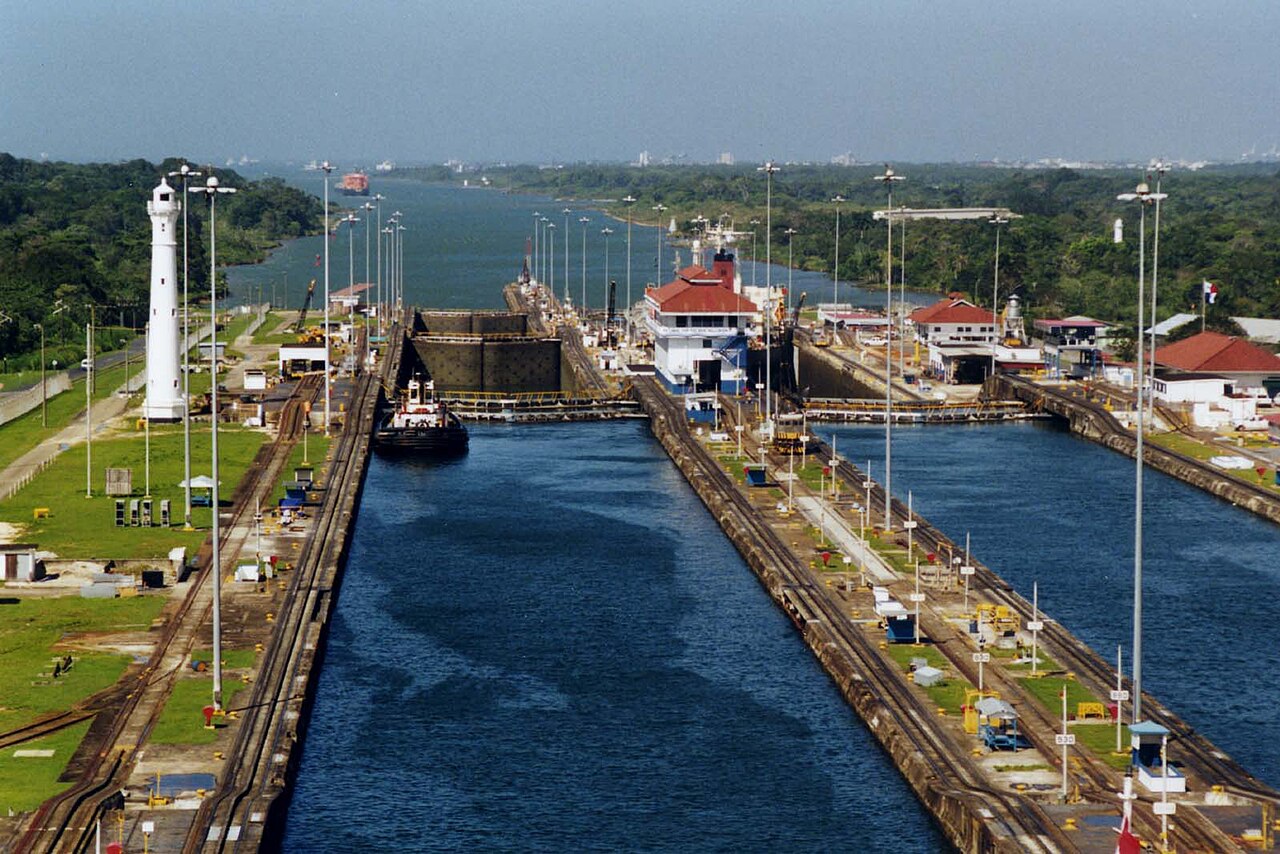
The Panama Canal runs from the city to the Caribbean; the Miraflores Locks are a short trip from downtown.

Good to know
1st

Central America's metro

The region's first metro system, plus cheap ride-share, makes a sprawling city surprisingly easy to cross.

Around the capital

More of Panama City

After dark

A skyline that works late

The banking district, the rooftops above Casco Viejo, and a waterfront that lights up along Avenida Balboa.

From the capital
Everyone says they’re here for the canal. They stay for the old town, the ceviche, and the rooftops.
— Casco Viejo
Nightlife

Rooftops & bars

Plan

Build a 3-day Panama City itinerary.

Coming soon
The Canal

Miraflores Locks

Watch container ships rise and fall through the locks from the visitor decks, a short trip from downtown.

Questions

Before you book

The main tourist areas — Casco Viejo, the banking district, Cinta Costera and Amador — are well patrolled and fine to walk by day and evening. Use normal big-city sense at night, keep valuables low-key, and skip neighborhoods like El Chorrillo and Curundú unless you have a local reason to be there.
Three to four. Give a full day to Casco Viejo on foot, half a day to the Panama Canal and the waterfront, and the rest to Panamá Viejo, the Biomuseo, or a day trip to the rainforest or the Pacific beaches.
The Metro and ride-share apps are cheap and reliable; the old town is walkable end to end. Traffic is heavy at rush hour, so plan canal and airport runs around it.
Yes. The Miraflores Locks visitor center is about 20 minutes from Casco Viejo and has viewing decks and a museum. Go mid-morning or late afternoon to catch ships actually transiting the locks.