Playa Venao is a surf bay on the Pacific side of Panama's Azuero Peninsula, about five hours by road from Panama City, or a flight of under an hour to Pedasí followed by a 30-minute ride.[1] It has waves for beginners and intermediate surfers all year, and the places to stay range from surf hostels to villas and the Eco Venao lodge. The 9 October 2026 earthquake damaged buildings and roads here, so confirm that your lodging is open and the road is passable before you go.
Playa Venao is one bay with one road in. Hostels, surf schools, cafes and a growing number of villas and condos sit behind the sand. Nearly everything else, including the ATMs, the airstrip and the boats to Isla Iguana, is in Pedasí, half an hour back up the road. Most visitors come for the surf and use the bay as a base for turtle nights, whale watching and trips along the coast.
Check one thing before anything else this season. The earthquake of 9 October 2026 hit the Azuero Peninsula hard, and Playa Venao was among the places damaged. Read the earthquake section below before you commit to dates.
Playa Venao at a glance: what it is and who it suits
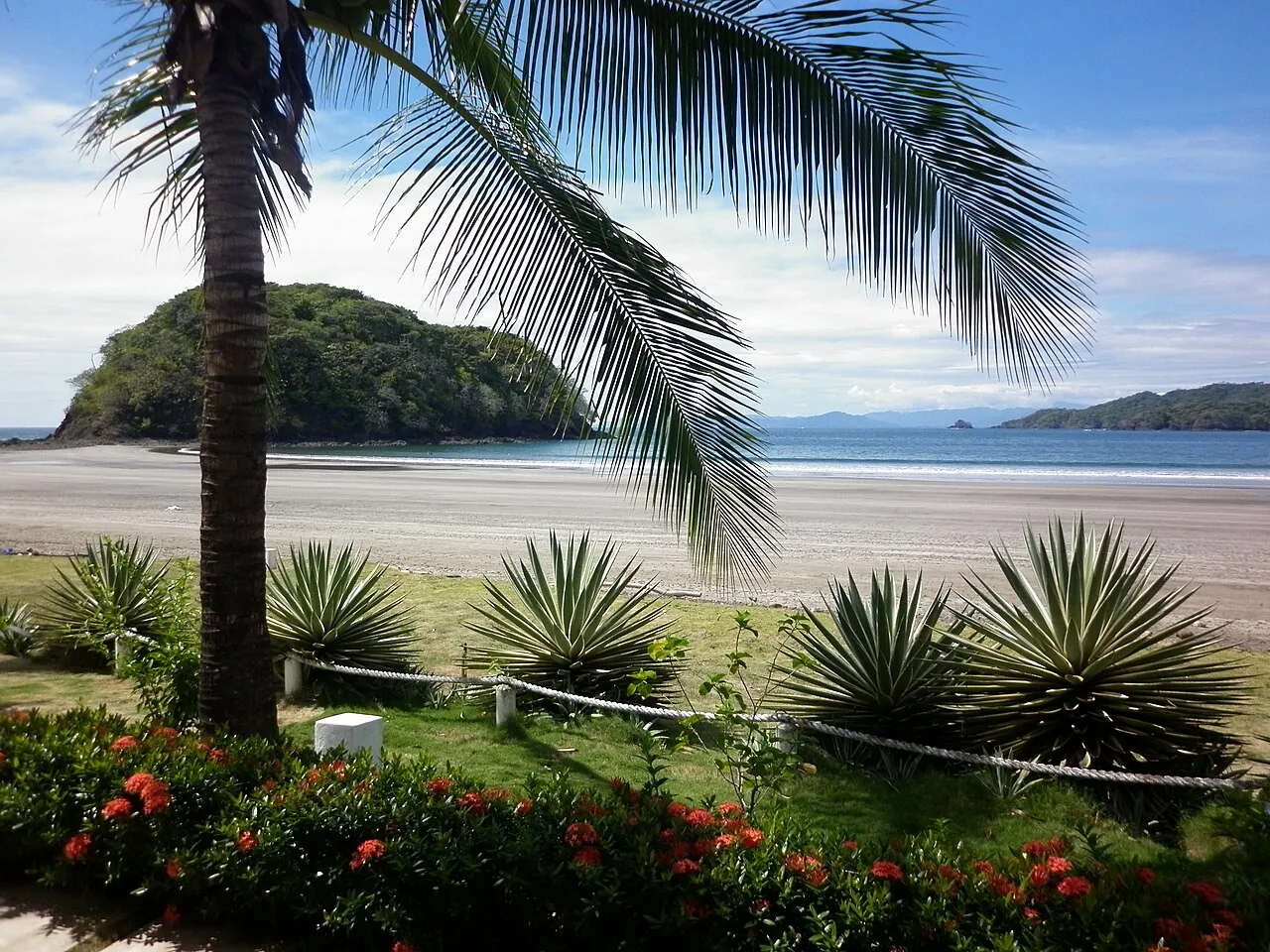
Playa Venao is a crescent of dark sand on the Pacific coast of the Azuero Peninsula in Los Santos province. It is about 30 minutes from Pedasí or Tonosí and roughly five hours by road from Panama City.[1][2] It is a surf town first and a beach town second: the waves are the reason the place grew, and surf schools and board shops line the beach.[1]
Booking.com lists 76 places to stay around the bay, with prices from $46 a night as of October 2026.[3] Temperatures stay between 24°C and 33°C (75°F to 91°F) all year. The dry season runs from about December to April or May, and the rainy season from May or June to November.[4]
The bay has two sides with different characters. One stretch has filled with newer condos, villas and polished boutique stays. The other is still mostly open-air palapa bars, hostels and surf shacks. Electronic music parties have become a bigger draw in recent years, and remote workers have settled in alongside the surfers.[1] Many lodges focus on permaculture, farm-to-table food and hikes through reforested hills.[1]
Who it suits, and who should skip it
- Good fit: beginner and intermediate surfers, people who want a week of lessons and slow days, remote workers, and travelers who want to add turtles, whales or fishing to a beach trip.
- Think twice: if you want a large resort with everything on site, or a short, easy trip from the capital. There is no bank in Venao, the nearest hospitals are small rural ones, and getting here takes most of a day. If you want quiet nights, pick a place away from the center of the beach.
The October 2026 earthquake: what it means for your trip
A major earthquake struck Panama on Friday 9 October 2026, with its epicenter in the Azuero Peninsula near Tonosí. Playa Venao was directly damaged, and the Hotel El Sitio partly collapsed.[5][6] Roads and buildings in the area were still being assessed in the weeks after the quake, so check that your accommodation is open and the road is passable before you travel.
The magnitude figures differ. The US Geological Survey's preliminary reading was 7.7, while Panamanian and regional outlets reported figures between 7.2 and 7.6.[5][7] A 6.9 aftershock followed the same afternoon.[5] Across the country, the official count passed 2,000 damaged structures, including 11 hotels and about ten roads, routes and bridges.[6]
What it means for a trip
- Lodging: Pedasí's mayor reported the collapse of Hotel El Sitio at Playa Venao.[5] Listings on booking sites may not reflect damage yet, so showing availability does not prove a property is open.
- Roads: The public works ministry (MOP) cleared a landslide on the Las Tablas–Tonosí road at El Espavé. It has also been clearing and assessing the Playa Venao sector, Búcaro, Cambutal and the Tonosí–Macaracas route.[8] In the first days after the quake, some communities around Tonosí were cut off because roads and bridges were destroyed.[6]
- Health care: The Tonosí hospital was the worst hit of 67 damaged health facilities. Medical cover in the area was already thin, and it is likely thinner until repairs are done.[6]
Ask your lodging whether its buildings have been inspected and whether the road from Pedasí is open. Add a spare day to the trip in case bus times or the final stretch of road change at short notice.
Surfing Playa Venao: the break, the seasons and lessons
Playa Venao has good waves all year and is one of Panama's best-known surf spots. The water is warm, and the waves work for both beginners and experienced surfers.[1][2] The beach has hosted international competitions, including events on the ALAS Latin American tour.[1][9]
The break
Venao is a beach break, with waves breaking both left and right.[9] Beginner lessons usually happen at the south end of the bay. The north corner near the river mouth has steeper waves for experienced surfers.[10] The western point is generally seen as the spot for intermediate and advanced surfers.
Mornings are usually the best time to surf. The wind tends to pick up in the afternoon and make the surface choppy, and there are fewer people in the water early. After heavy rain in the wet season, runoff from the river can muddy the bay.
Best time to surf Playa Venao
There is no single best month, and sources disagree. Eco Venao says the best waves come between January and May, while other guides favor February to April for consistent waves and drier weather.[2][11] The seasonal trade-off below is the clearer guide.[12]
| Months | Conditions | Crowds | Best for |
|---|---|---|---|
| December to April (dry) | More consistent offshore wind, clear skies | Busiest in the water | Most visitors, beginners |
| May and November (transition) | Mixed conditions, building swell | Thinning | Flexible travelers who check forecasts |
| June to October (green) | Bigger south swells, afternoon rain | Quietest | Experienced surfers |
Seasonal pattern as of 2026. Swell varies from year to year, so check a live forecast in the week before you go.
If you are learning, the dry months give you cleaner, more predictable mornings and plenty of schools running lessons. If you already surf and don't mind afternoon rain, June to October gives up some sunshine in exchange for bigger south swells and fewer people in the water.
Lessons, board rental and surf camps
Surf schools and shops line the beach, and several lodges run their own lessons. At Eco Venao, lessons are taught by the Surf Dojo academy.[1][2] Lessons have usually cost around $40, board rental around $20 a day and a week's rental about $90. Prices vary by school, so check current rates when you arrive.
If you want a week built around lessons with lodging included, our comparison of Panama surf camps in Santa Catalina, Playa Venao and Bocas compares Venao's camps with the other surf regions by level, season and weekly price.
Where to stay in Playa Venao, including Eco Venao Lodge
Playa Venao has around 76 listed places to stay, from surf hostels to private villas with pools, with prices from about $46 a night as of October 2026.[3] Places on the beachfront and the main road are close to the surf schools and restaurants. Hillside villas and jungle cabins have views and quiet, but you will usually need a car to get around from them.
Eco Venao Lodge, Panama: hostel, cabañas and family houses
Eco Venao Lodge sits on a 140-hectare (346-acre) reforestation project where the hills of the Azuero meet the bay, away from the busier center of the beach.[13] Its gate is on the right about 1 km past the main beach entrance, next to a pink bus stop.[4] The lodge has a restaurant and free Wi-Fi, and the team is bilingual.[3][13] On Tripadvisor it rates 4.5 out of 5 from 286 reviews.[14]
It offers more types of accommodation than most places on the beach: a surfers' hostel, beachfront cabañas, riverside cabañas, a Panama Hut, camping space and family houses.[15][2] Rates vary by unit and season, so check them for your dates. The four family houses differ quite a bit:[13]
- La Casona
- Colonial-style hilltop house with high ceilings, three large air-conditioned bedrooms, a front terrace and a full kitchen. Sleeps up to 8.
- La Casita
- Two bedrooms on the highest point of the property, with the best view of the bay. Each room has air conditioning, a private bathroom and hot water. There is no kitchen, so it is usually rented together with La Casona a few steps away. You can also rent its rooms individually.
- La Casa Espavé
- Probably the largest house, with three air-conditioned bedrooms, two and a half bathrooms, a full kitchen and ocean views from every room. Pets are allowed.
- La Casa Mango
- Mediterranean-colonial style, with three rooms cooled by ceiling fans and natural ventilation instead of air conditioning.
The property also has the Cascada waterfall trail, a turtle nursery, permaculture tours and yoga on a covered beachfront terrace. There is also an outdoor beachfront gym, a spa offering deep-tissue and aromatherapy massage, and guided horseback rides.[15][2] The permaculture project started in 2015 and includes fruit and vegetable gardens, composting, grey-water recycling and a bee farm.[2]
Other places travelers shortlist
Beach Break Hotel & Surf Camp
BeachfrontOutdoor poolSurf campA beachfront hotel and surf camp with an outdoor pool. It suits travelers who want lessons and a bed in one place.
Best for surf-focused staysWao Beach Venao
PoolPrivate beach areaRestaurantHas an outdoor pool, garden, terrace, private beach area and a restaurant serving international food, plus free parking. Its sister property, Wao Jungle Venao, sits back from the sand with a garden and terrace.
Best for a comfortable beach baseNao Hostels Playa Venao
HostelShared kitchenFree Wi-FiA hostel with a garden, shared kitchen and shared lounge. Cooking your own meals cuts costs in a town where most food is bought at restaurants.
Best for tight budgetsAlaya Panama
Wellness retreatPoolFitness centerA private retreat and wellness resort with an outdoor pool, fitness center, garden and shared lounge. It suits travelers who want yoga and recovery between surf sessions.
Best for wellness staysAll facilities above are as listed on Booking.com as of October 2026.[3] Other budget options include La Choza, a guest house with a shared kitchen whose staff can arrange a shuttle, and Selina Venao, now listed as Selina Venao by Mika.[3] Groups who want a pool and privacy often rent a private house such as Casa Samambaia.[3]
El Sitio de Playa Venao still appears on some booking sites. It is the hotel reported partly collapsed in the October 2026 earthquake, so treat any listing for it with caution until it confirms it has reopened.
If a holiday here gets you thinking about staying longer, our guide to Pedasí and Playa Venao real estate covers what homes and land cost on the Azuero coast and how foreigners buy.
How to get to Playa Venao from Panama City: car, plane or bus
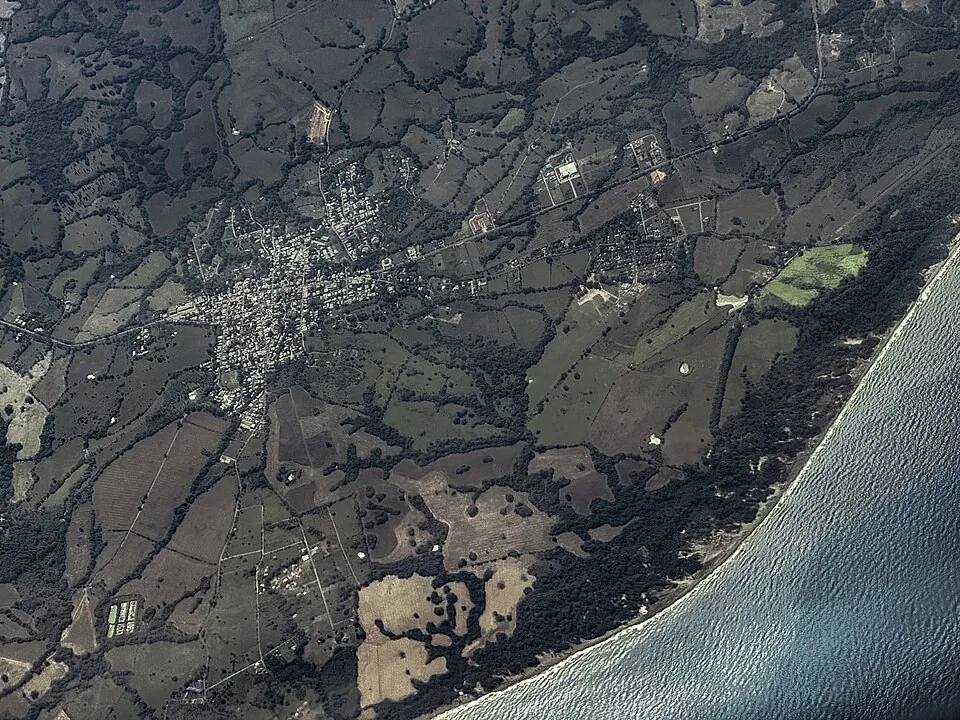
The fastest way from Panama City to Playa Venao is a flight of about 35 minutes to Pedasí, then a 30-minute taxi ride. Driving takes about five hours, and the bus is the cheapest option but takes most of a day.[16][1] All three routes finish on the same road south from Pedasí.
| Option | Cost | Travel time | What to know | Best for |
|---|---|---|---|---|
| Drive (rental car) | Rental plus fuel | About 5 h | Easy access to Pedasí, La Playita and Cambutal once there | Most flexible |
| Flight to Pedasí + taxi | Fares seen around $127 one way, plus about $25 taxi | 35 min flight + 30 min taxi | Small Cessnas; check baggage limits | Fastest |
| Bus via Las Tablas or Pedasí | About $10-13, plus local bus or taxi | 6-8.5 h | Local buses are infrequent; few or none on Sundays | Lowest cost |
Bus and flight prices per person, taxi per ride, as of October 2026. Check schedules after the October earthquake.
Driving from Panama City
Take the Pan-American Highway west to Divisa and turn south toward Chitré. Stay on the main road through Chitré, Las Tablas and Pedasí; each town is about 30 minutes from the next.[4] The Divisa turnoff is under the highway overpass and is poorly marked, so have the route loaded on your phone before you get there.[4] From Pedasí, continue straight and follow the signs for Playa Venao for about 30 more minutes.[1][4]
Fill the tank and withdraw cash in Pedasí or earlier. A car is useful here. It lets you reach Pedasí's ATMs and boats, La Playita, Cambutal and the hillside lodgings without waiting for infrequent buses. Our guide to renting a car in Panama explains the mandatory insurance and deposit you should expect.
Flying to Pedasí
Flights to Pedasí leave from Marcos A. Gelabert airport in Panama City.[1] Older guides mention Air Panama on this route, but the airline no longer lists Pedasí. Scheduled flights are now run by Flytrip and Euroairlines.[17][18][16] Flight trackers show about 22 flights a week as of October 2026, departing between 8:45 a.m. and 3:00 p.m. The flight takes about 35 minutes.[16]
The planes are small Cessnas, so check the baggage allowance if you are bringing a surfboard.[16] One-way fares for December 2026 were around $127, but small-plane fares change a lot by date. A taxi from Pedasí to the Eco Venao end of the beach costs about $25.[4]
By bus
Buses to Las Tablas and Chitré leave Albrook Terminal throughout the day. The ride to Las Tablas takes about six hours and costs around $10, and a ticket through to Pedasí is around $13.[4][19][20] Including the connection to Pedasí, the whole trip can take 7 to 8.5 hours, so plan on a full travel day.[21] Morning departures make it sensible to spend the night before in the city; our guide to where to stay in Panama City compares the areas.
Albrook to Las Tablas about 6 h
Buses run throughout the day and cost about $10. Buy your ticket at the terminal.
Las Tablas to Pedasí or straight to Venao 45 min to 1 h 30
One direct bus to Playa Venao leaves the main square in Las Tablas around 12:30 to 1:00 p.m. Otherwise, take a Pedasí bus, which runs about every 45 minutes until late afternoon and costs about $2.70. A taxi from Las Tablas costs about $35 to $40.
Pedasí to Playa Venao about 30 min
Local buses toward Cañas stop at Venao Monday to Saturday, with departures listed at around 6:30 a.m., 9:00 a.m., 12:00 p.m., 4:00 p.m. and 6:40 p.m. Tell the driver the name of your lodging.
Eco Venao lists only three buses a day from Pedasí, with none on Sundays, so expect the timetable to change. Local buses also leave early or late, so get to the stop well ahead of time and have a taxi as a backup.[4] The direct bus back from Venao to Las Tablas usually leaves around 7:00 a.m. You can also take a bus to Tonosí and connect locally from there.[1] Tonosí was the area hit hardest by the earthquake, though, so the Las Tablas route is the safer choice for now.
What else to do around Playa Venao
Apart from surfing, the main things to do around Playa Venao are a day trip to Isla Iguana, whale watching from July to October, turtle nesting and hatchling releases in the second half of the year, the waterfall trail and sportfishing.[1] Most of these are within an hour of the bay.
About what non-guests have paid to walk Eco Venao's trail.
Foreign visitors, paid online before you sail.
Typical price for a lesson on the beach.
Per boat, round trip, for up to five adults.
Isla Iguana: snorkeling and a wildlife refuge
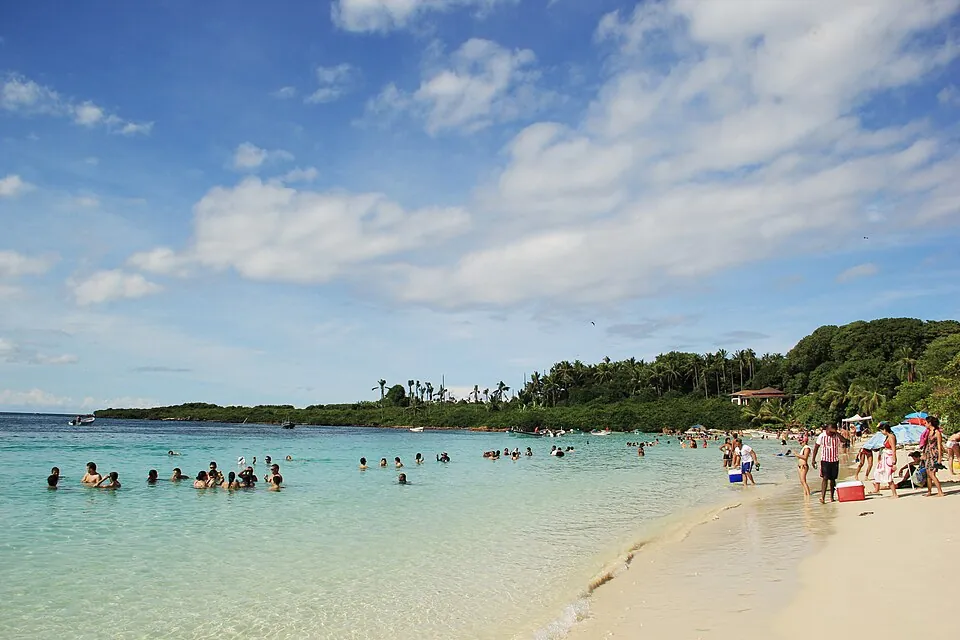
Isla Iguana is a wildlife refuge about 30 minutes by boat from Pedasí, and it is the usual choice for snorkeling and diving near Venao.[2] Boats leave from Playa El Arenal, and the Ministry of Environment (MiAmbiente) sets firm rules for visits:
- A daily cap of 300 visitors: 100 places managed by MiAmbiente and 200 through the boat services at Playa El Arenal.[22]
- To book one of the ministry's places, reserve with MiAmbiente at least 72 hours ahead, giving your name, ID number, age and nationality.[22]
- The control post at Playa El Arenal is open 8:00 a.m. to 12:00 p.m. on weekdays and 7:00 a.m. to 1:00 p.m. on weekends. Visitors with reservations who arrive after 10:00 a.m. lose their place.[22]
- Boats may carry only five adults plus the captain. A group of five gets an extra place only if the sixth person is under six years old.[22]
- All visitors must leave the island by 3:00 p.m.[22]
- Entry costs $10 for foreigners and $4 for nationals and residents, under resolution DM-0013-2024. Pay online at miambiente.gob.pa before you arrive.[23]
Boats have usually cost about $70 to $80 per boat for the round trip, paid in cash.[24][25] Entry fees now come on top of that. Pedasí's mayor estimated a group of seven pays about $150 in total, compared with about $80 before the fees were introduced.[26] Parts of the 53-hectare island may still contain unexploded ordnance, so stay on the marked trails. Our guide to diving in Panama compares the island with Coiba, Portobelo and Bocas.
Because of the 10 a.m. cut-off and the drive from Venao to Pedasí, leave the bay early, by about 8:30 a.m. at the latest. Capacity usually fills by mid-morning.
Whales and sea turtles
Humpback whales pass along this coast from July to October.[1] Turtles, including leatherbacks and hawksbills, come ashore to nest between about July and December. Hatchling releases at the local sanctuary run from October to December.[1][27]
The local program, Tortugas de Playa Venao (also listed as Save the Turtles), has run nightly beach patrols since 2020 and offers paid hatchling releases. The price has usually been around $50 per person, but confirm the current price and schedule locally. The mass nesting arrivals (arribadas) of olive ridley turtles at Isla Cañas are a bigger event. They run from July to November, are busiest from September to November, and are sold as a separate excursion from Venao.[28]
The Cascada trail and La Playita
Eco Venao's Cascada trail climbs through the reforested hills to a waterfall and viewpoint. The walk to the viewpoint takes about 25 minutes, and the full loop takes about 45 minutes to an hour.[2] With luck you will see howler, capuchin and spider monkeys.[2] Non-guests have been charged about $4 to walk it.
La Playita is a smaller beach next to Venao with a cash-only entry fee. It is usually around $5 per person Monday to Thursday, $7 at weekends and $10 if you bring a cooler. You can walk there along the shore from Playa Venao in about 30 minutes, but only at low tide. The road is unpaved and very bumpy, and after heavy rain it is not worth trying without a 4WD.
Check the tide table before you walk the shore route, and time your return before the tide comes back in. If you get caught out, you will have to wait or find another way back.
Sportfishing out of Pedasí
The waters off Pedasí are among Panama's best sportfishing grounds, and fishing is best in the rainy season from late June.[29] This stretch is known as the tuna coast, and several fishing operators work in the area. Lodge receptions can point you to them.[1][2] Our guide to fishing in Panama compares the regions and what a charter costs.
Pedasí and Cambutal: day trips or a different base
Pedasí, about 30 minutes away, is the practical hub. It has the banks with ATMs, pharmacies, the airstrip, the local buses and the boats to Isla Iguana.[1][4] Cambutal is the next surf beach along the coast, beyond Tonosí, 1 to 1.5 hours from Venao by road.[30] Base yourself in Pedasí if Isla Iguana and fishing matter more to you than surf. Stay in Venao if waves and evenings out come first. Cambutal suits surfers who don't mind longer drives, but it was also among the areas MOP was assessing after the earthquake.[8]
Cash, health care and safety in Playa Venao
Bring cash, plan for basic medical care only, and take normal precautions. Playa Venao has no specific travel warning, but it is remote.
- Cash and ATMs
- Panama uses the US dollar day to day. The balboa, worth the same as a dollar, exists only as coins. The nearest ATMs are in Pedasí, at Caja de Ahorros and Banco Nacional.[4] Carry cash for La Playita, boat captains and local buses.
- Medical care
- There are small rural hospitals in Tonosí and Pedasí, each about 30 minutes away, and both towns have pharmacies stocking most basic medicines.[4] The Tonosí hospital was badly damaged in the October 2026 earthquake.[6] Travel insurance that covers transfers to a larger hospital is worth having.
- Bugs and illness
- Sandflies, known locally as chitras, can be a nuisance at sunrise and sunset. Eco Venao reports no malaria or dengue cases in the immediate area. There have been a handful of cases of hantavirus, which is spread by rodents, in the region in recent years, so see a doctor if you get a high fever or flu-like symptoms during or after the trip.[4]
- Safety
- The US State Department rates Panama as a whole at Level 2 (exercise increased caution) because of crime. Its Do Not Travel areas are the Mosquito Gulf and parts of the Darién, both far from Los Santos. Our honest guide to whether Panama is safe covers each region.
- Weather
- Expect sun and crowds from December to April, and afternoon rain with quieter beaches from June to October. Our month-by-month guide to the best time to visit Panama covers the Pacific coast alongside the rest of the country.
Before you go
Is Playa Venao worth visiting?
Yes, if surfing is part of your plan. The waves work for beginners and intermediate surfers all year, and there is lodging from hostel beds to villas, plus turtle and whale seasons. The downsides are a five-hour trip from Panama City and no ATMs in the bay. After the October 2026 earthquake, also confirm your lodging and the road before you go.
How do I get from Panama City to Playa Venao?
Drive about five hours, fly to Pedasí, or take the bus. Flights to Pedasí take about 35 minutes and leave from Marcos A. Gelabert airport, followed by a taxi of about $25. Buses from Albrook to Las Tablas or Pedasí cost about $10 to $13 and take six hours or more, followed by a local bus to Venao.
How long is the drive from Panama City to Playa Venao?
About five hours. Take the Pan-American Highway to Divisa, then head south through Chitré, Las Tablas and Pedasí, which are each about 30 minutes apart. Venao is about 30 minutes past Pedasí. Allow extra time while post-earthquake road repairs continue.
Is Playa Venao safe?
There is no specific travel warning for Playa Venao or Los Santos province. The US State Department rates Panama as a whole at Level 2 because of crime, and its Do Not Travel areas are far away in the Darién and the Mosquito Gulf. The bigger practical concerns right now are earthquake damage, limited medical care and remote roads. See our guide to whether Panama is safe.
Was Playa Venao affected by the October 2026 earthquake?
Yes. The 9 October 2026 earthquake had its epicenter near Tonosí. The Hotel El Sitio at Playa Venao partly collapsed, and roads in the area were damaged. The public works ministry has been clearing and assessing the Playa Venao sector, so check that your lodging is open and the road is passable before you travel.
Where should I stay in Playa Venao?
Stay on the beachfront or main road if you don't have a car, and in the hills if you want quiet. About 76 places are listed, from around $46 a night as of October 2026. Options include surf camps like Beach Break, hostels like Nao, Wao Beach Venao and the Eco Venao lodge on its reforestation project.
How much does Eco Venao Lodge cost per night?
It depends on the unit and the season. Hostel beds are usually the cheapest option, and the family houses, which sleep up to eight people, cost the most. Prices across the beach start from about $46 a night on Booking.com as of October 2026, so compare Eco Venao's current rates for your dates.
When is the best time to surf Playa Venao, and is it good for beginners?
December to April suits most visitors, especially beginners. The dry season brings more consistent offshore wind and clean mornings, but it is the busiest time. June to October has bigger south swells and fewer people in the water, which experienced surfers often prefer. Beginner lessons are usually held at the gentler south end of the bay.
When can I see turtles and whales near Playa Venao?
Whales from July to October, and turtles from about July to December. Hatchling releases at the local sanctuary run from October to December. The mass nesting arrivals of olive ridley turtles at Isla Cañas run from July to November and are busiest from September to November.
Where is the nearest ATM and hospital to Playa Venao?
Both are in Pedasí, about 30 minutes away. Caja de Ahorros and Banco Nacional have ATMs there. Pedasí and Tonosí each have a small rural hospital and pharmacies, but the Tonosí hospital was badly damaged in the October 2026 earthquake.
Sources
Prices, schedules and rules change. The small numbers in the text point to these sources.
- 1Tourism Panama - Playa Venao & Azuero Peninsula beach guidetourismpanama.com
- 2
- 3Booking.com - Playa Venao hotels listingbooking.com
- 4
- 5
- 6
- 7
- 8
- 9Guananoticias - ALAS 2025 surf tour at Playa Venaoguananoticias.com
- 10TakeYourBackpack - Playa Venao beach guidetakeyourbackpack.com
- 11Pack Lightly - Things to do at Playa Venaopacklightly.es
- 12Denter Tumas - Surfing Playa Venao best months and tidesdenter-tumas.com
- 13
- 14TripAdvisor - Best 3-star hotels in Pedasítripadvisor.es
- 15Eco Venao Lodge - Blog index page 5ecovenao.com
- 16FlightConnections - Flights Panama City (PAC) to Pedasí (PDM)flightconnections.com
- 17Air Panama - Itinerarios (flight schedules)airpanama.com
- 18Aeropuertos del Mundo - Airlines at Marcos A. Gelabert (PAC) airportaeropuertosdelmundo.net
- 19
- 20
- 21All About Panama City - Pedasí travel guideallaboutpanamacity.com
- 22MiAMBIENTE - Isla Iguana visit guidelines and reservationsmiambiente.gob.pa
- 23
- 24Panamá América - New Isla Iguana fee worries boat operatorspanamaamerica.com.pa
- 25Viaja con Gus - Isla Iguana guide, boat costs and accessviajacongus.com
- 26
- 27
- 28Panama by Burwa - Playa Venao excursions including Isla Cañaspanamabyburwa.com
- 29
- 30Kambutaleko hotel - How to get to Cambutalhotelkambutaleko.com
Image credits
- Panamá-PlayaInzay20 · CC BY-SA 3.0
- Pedasí, Pedasí, PanamaWMrapids · CC0