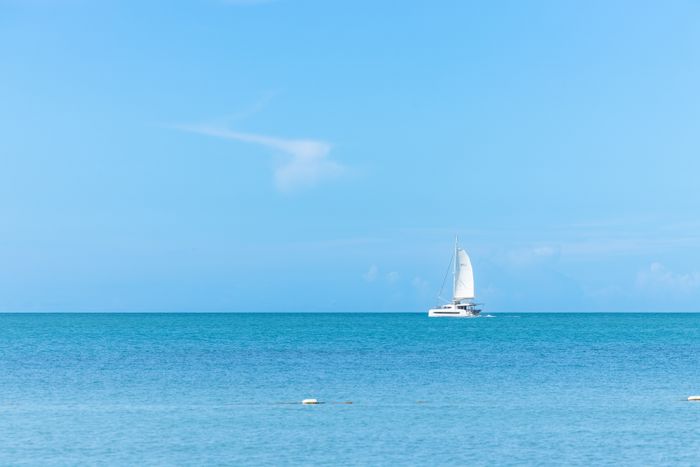
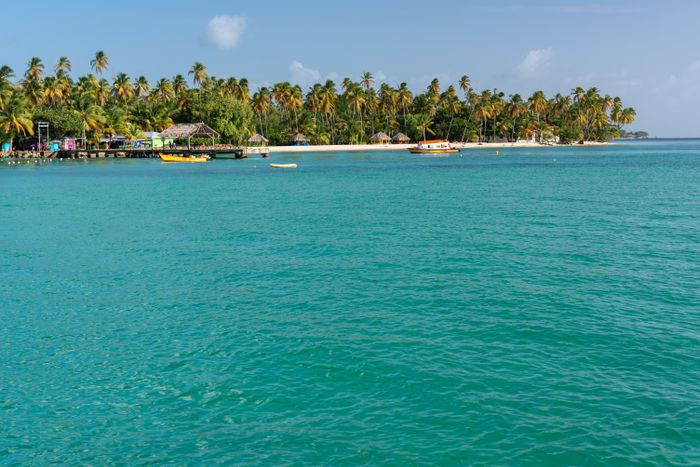
The San Blas Islands are not a resort destination. They are an autonomous indigenous territory — Comarca de Guna Yala — where the Guna people govern themselves, set the rules, and collect the entry fees. That distinction changes everything about how you plan your trip, and it is precisely what makes this one of the most extraordinary places in the Caribbean.
Most travel guides treat San Blas as a beach destination with a colorful cultural backdrop. This guide treats it as what it is: a self-governing nation within a nation, where visitors are guests, the infrastructure is deliberately minimal, and the experience rewards preparation and respect. Here is how it actually works.
Section 01What Guna Yala actually is — and why it matters
The official name is Comarca de Guna Yala. "San Blas" is the colonial-era geographic term still widely used by tour operators and travelers, but the Guna people prefer Guna Yala, meaning "Land of the Guna." Both names refer to the same archipelago of roughly 350 to 400 islands — the exact count depends on whether you include every exposed sandbar — stretching 226 kilometers along Panama's northeastern Caribbean coast toward the Colombian border.

The comarca is not a national park or a protected reserve managed by the Panamanian government. It is a legally recognized autonomous territory, the result of the 1925 Guna Revolution, when the Guna successfully resisted forced assimilation policies and won formal self-governance. That outcome was historically remarkable and remains the foundation of everything you experience as a visitor today.
What this means in practice: no non-Guna person may own property within the comarca. Every tour operator, every island cabana, every lancha (motorboat) is Guna-owned or must involve substantive Guna ownership and participation. The Guna congress — the Congreso General Guna — sets policy on tourism, land use, and access. Individual island communities set their own rules on top of that. This is why some islands are closed to tourists entirely, why photography rules vary by location, and why alcohol is prohibited on certain islands.
About 49 of the islands are inhabited by Guna communities. Some of these are densely populated — Carti Sugtupu, near the main entry point, is famously crowded onto a tiny island — while others are small family settlements. The majority of islands are uninhabited, and a subset of those uninhabited islands have been developed with basic tourist cabanas by Guna families who commute from nearby community islands to run them.
Section 02Entry fees and permits — what you actually pay and to whom
Every visitor to Guna Yala pays a $20 USD entry fee. This is not optional, not included in most tour prices unless explicitly stated, and must be paid in cash. It is collected at the entry point — typically at the Carti pier or on the first island you visit — by a Guna official who will check your passport. Keep your receipt; you may be asked to show it at other islands.
In addition to the $20 comarca entry fee, individual islands charge their own small visitor taxes, typically $2 to $5 per person per island. These are collected by the island's saila (chief) or a designated community member. If you are on a guided tour, your guide will usually handle the logistics, but you should carry small bills in USD. There are no ATMs anywhere in Guna Yala. The nearest ATMs are in Panama City or at the El Llano gas stations on the road to Carti. Withdraw enough cash before you leave the city.
There is no advance permit system for individual travelers — you simply show your passport at entry and pay the fee. Tour operators handle the paperwork for group bookings. If you are sailing through the comarca on a private yacht, the entry fee still applies and Guna officials will board to check documentation at anchorages.
Section 03Getting there: the 4x4 road, the pier, and the lancha
The standard route from Panama City to the San Blas Islands combines a land transfer and a boat ride. There is no other practical option for most visitors.
The road from Panama City climbs over the Continental Divide through the Serranía de San Blas before descending steeply to the Caribbean coast. It is paved in sections but includes long stretches of rough, unpaved mountain road that require a high-clearance 4x4 vehicle. Standard sedans and rental cars cannot make this journey safely, and rental car companies explicitly prohibit their vehicles on this road. Do not attempt it in a regular car.
The drive from Panama City to the Carti pier takes approximately 2.5 to 3.5 hours depending on road conditions, traffic at the start, and weather. Departures are typically at 5:00 or 5:30 AM to reach the pier before the morning boat rush. If you are booking independently, shared 4x4 transfers depart from Albrook bus terminal area and from various hostels in Casco Viejo and El Cangrejo. Expect to pay $25–$40 per person each way for a shared transfer.

From the Carti pier, lanchas (open motorboats, typically holding 8–15 passengers) take you to the islands. The boat ride to western islands near El Porvenir takes 20–40 minutes. Islands further east in the archipelago — the Cayos Holandeses, for example — require 1.5 to 2.5 hours by boat from Carti. Seas can be rough, especially in the afternoon and during the rainy season. Sit toward the middle of the boat if you are prone to seasickness, and keep electronics in a dry bag.
| Route | Cost (per person) | Time | Verdict |
|---|---|---|---|
| Shared 4x4 + lancha (booked independently) | $25–40 transfer + $20 entry + boat fees | 3–4 hrs total | Most flexible |
| All-inclusive day tour from Panama City | $110–$150 | 4 hrs each way + ~5 hrs on islands | Easiest logistics |
| All-inclusive 2-night tour (transport + cabana + meals) | $280–$400 | Depart day 1, return day 3 | Best overall value |
| Air Panama flight to El Porvenir | $120–$180 one way | 30 min flight | Avoids road, limited schedule |
| Sailing catamaran (multi-day) | $180–$350/night all-in | Flexible | Most immersive |
Air Panama operates small prop-plane flights from Albrook Airport in Panama City to El Porvenir and a handful of other airstrips in the comarca. Flights take about 30 minutes and cost $120–$180 one way. The schedule is limited (typically one or two flights per day, weather permitting) and seats sell out weeks in advance during high season. This option is worth considering if you have a bad back, are traveling with young children, or simply want to skip the mountain road. The tradeoff is that you miss the dramatic descent through the jungle — which is genuinely spectacular on a clear morning.
Section 04Day tour versus overnight: what the experience actually looks like
A day tour from Panama City is logistically exhausting and experientially thin. You leave the city at 5 AM, spend three-plus hours in a 4x4, ride a boat to two or three tourist islands, have a fish lunch, swim for a few hours, and reverse the entire journey to be back in Panama City by 9 or 10 PM. You will be tired. The islands will feel rushed. You will not have time to absorb anything. Day tours are not recommended unless you have no other option — they exist primarily because some travelers have only one free day.
Two nights and three days is the minimum stay that actually makes sense. It gives you one full day on the islands, time to slow down, swim properly, watch a sunset, and have a real conversation with your Guna hosts. Three nights and four days is better. Beyond four nights, you will start to feel the limits of what the islands offer in terms of activities — which is not a criticism, it is simply the nature of the place. The San Blas are for people who can sit still and find that satisfying.
A typical two-night itinerary looks like this: Day 1 — depart Panama City at 5 AM, arrive Carti pier around 8:30 AM, boat to your island by 9:30 AM, afternoon snorkeling trip to a nearby reef or wreck island, sunset on the beach, dinner at the cabana. Day 2 — full day of island-hopping by lancha, visiting two or three nearby islands including at least one inhabited Guna community island, mola market, lunch on a sandbar island. Day 3 — morning swim, pack up, boat back to Carti by 10 AM, 4x4 back to Panama City, arrive early afternoon.
Section 05Which islands to actually visit — and the real differences between them
The western end of the comarca, accessible from the Carti pier, is where most visitors go. It has the highest concentration of tourist-oriented cabana islands and is the easiest to reach. The eastern end, toward the Colombian border, is more remote, less visited, and requires longer boat journeys — but offers significantly better snorkeling and more authentic interactions with Guna communities that see fewer outsiders.

Isla Perro (Achutupu / Dog Island): One of the most visited islands in the western comarca, famous for a 1940s cargo ship wreck sitting in shallow water just off the beach. The wreck is snorkelable without equipment (though fins help) and is genuinely impressive. The island itself is tiny and fills up with day-trippers by midday. Go early or stay overnight on a nearby cabana island and visit at dawn.
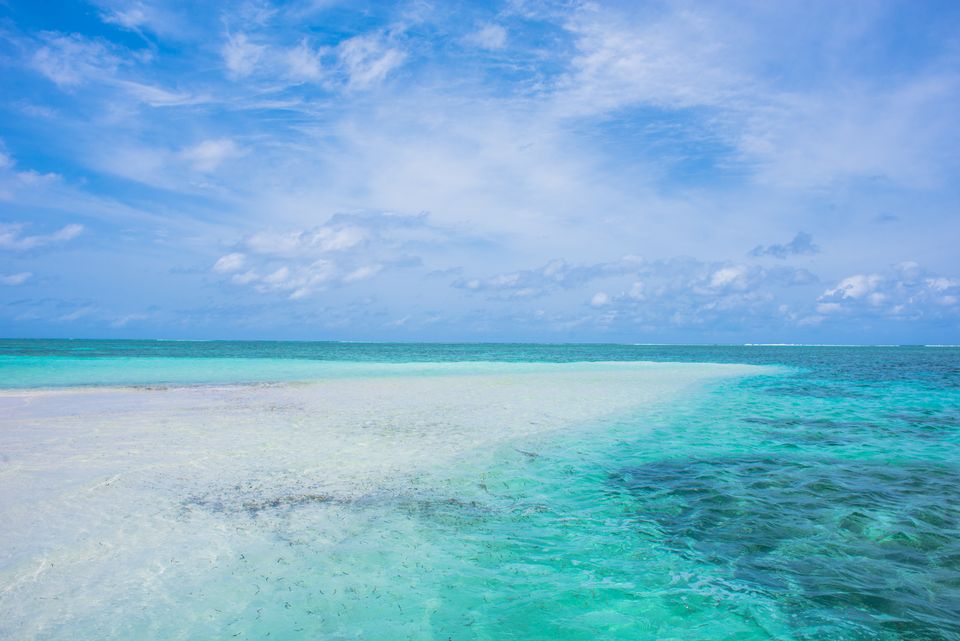
Isla de las Estrellas (Starfish Island): A shallow sandbar with starfish visible in the water. Extremely popular on day tours. Crowded between 10 AM and 2 PM. Pretty, but not the most interesting stop if you have more time.
Cayos Holandeses (Dutch Cays): The most spectacular snorkeling and diving in the entire comarca, located in the northwestern section and requiring 1.5–2.5 hours by boat from Carti. Visibility regularly exceeds 20 meters. Coral health is significantly better here than near the more visited western islands. Worth the extra travel time if underwater scenery is your priority. Very few tourists make it this far.
Yandup Island: A mid-range cabana island with a reputation for good food and a friendly Guna family operation. Positioned near several inhabited community islands, making cultural day trips easy to arrange. Good choice for first-time visitors who want both beach relaxation and cultural context.
Carti Sugtupu: The most densely populated island in the western comarca, home to a large Guna community. Not a tourist island — people live here. Worth a brief visit as part of a guided cultural tour to understand the reality of island life, which is genuinely different from the postcard version. Ask your guide before visiting and follow their lead on behavior and photography.
Sapibenega and nearby private islands: Some of the better-run mid-range cabana operations in the western comarca. Clean, organized, with reliable solar power and decent food. Prices run $150–$200 per person per night all-inclusive.
Section 06Real cost breakdown by traveler type
The San Blas Islands have a reputation for being expensive relative to the rest of Panama, and that reputation is partly deserved. The remoteness, the boat logistics, and the all-inclusive structure of most cabana stays mean costs add up quickly. Here is an honest breakdown.
Budget backpacker (2 nights, shared dorm-style cabana): Transfer $35 each way + $20 entry fee + $160–$200 for two nights all-inclusive (meals, basic accommodation, one or two boat excursions included) + $20–30 in island fees and incidentals = approximately $270–$320 total per person. This is genuinely budget travel for the San Blas — you will be in a hammock or basic bunk in a shared hut, eating whatever the kitchen produces, and loving it.
Mid-range traveler (2 nights, private or semi-private cabana): Transfer $35–50 each way + $20 entry + $300–$400 for two nights all-inclusive in a private cabin + $30–50 incidentals = approximately $420–$550 total per person. This buys you a private room, usually with a proper bed, a fan, and a shared bathroom. Meals are typically fresh fish, rice, patacones, and fruit — simple but good.
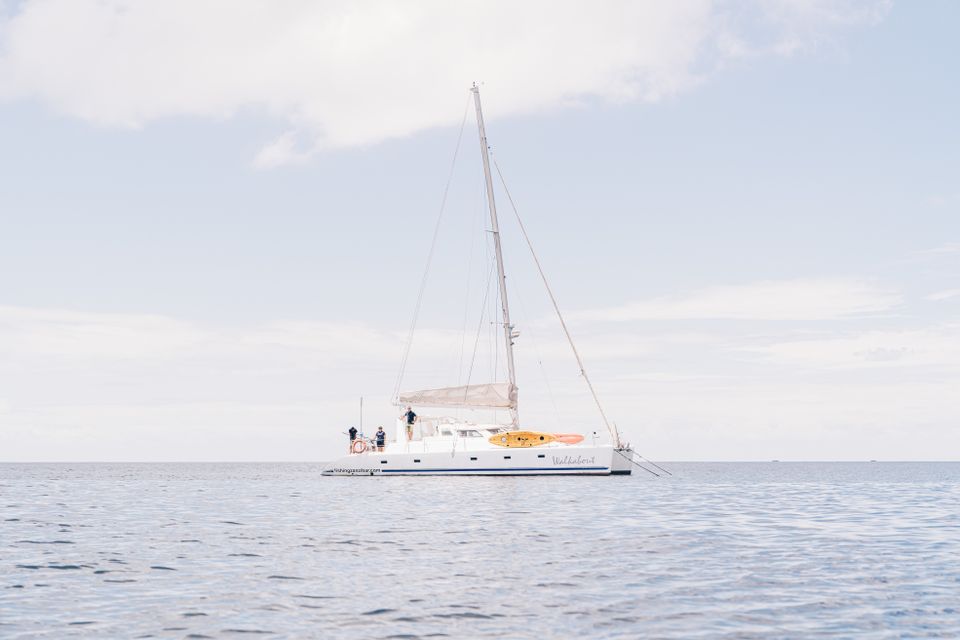
Comfort traveler (3 nights, sailing catamaran): Sailing tours run $180–$350 per person per night all-inclusive, covering accommodation on the boat, meals, snorkeling gear, and island-hopping by dinghy. A three-night sailing trip costs $540–$1,050 per person. This is the most comfortable way to see multiple areas of the archipelago and the only way to reach the more remote eastern islands without a very long lancha journey.
Day trip only: $110–$150 all-inclusive from Panama City, covering transfer, entry fee, boat trips to two or three islands, and lunch. Not recommended as a primary San Blas experience, but acceptable if your schedule genuinely does not allow more time.
Section 07When to go — weather, sea conditions, and the hurricane question
The dry season runs from approximately December through April. This is when the San Blas are at their best: seas are calmer, visibility for snorkeling is higher, and the trade winds keep temperatures comfortable without making boat rides miserable. January through March is peak season — book transfers and cabanas at least four to six weeks in advance.
The rainy season runs from May through November, with the heaviest rainfall typically in October and November. Rain does not make the islands unvisitable — it usually comes in afternoon squalls rather than all-day downpours — but sea conditions deteriorate significantly. Boat rides become rougher and wetter, some island crossings become inadvisable, and visibility underwater drops. If you are visiting between June and November, choose a cabana island close to Carti to minimize boat exposure, and build flexibility into your schedule for weather delays.
On the hurricane question: the San Blas Islands sit south of the main Caribbean hurricane belt and have historically been spared direct hits. This is one reason the islands remain so pristine — they have not been periodically devastated and rebuilt. That said, tropical weather systems can still bring heavy seas and sustained rain to the region. The comarca is not immune to the effects of major Atlantic storms, even if direct landfalls are rare.
Section 08Guna cultural etiquette — how to be a respectful visitor
The Guna are not a tourist attraction. They are a living community with their own governance, language (Dulegaya), spiritual practices, and social norms. The fact that some of them run tourist cabanas does not change that. Visiting Guna Yala with curiosity and respect produces a fundamentally better experience than visiting it as a consumer.

Photography: Always ask before photographing Guna people, especially women in traditional dress. On some inhabited islands, photography is explicitly prohibited — your guide will tell you. On others, Guna women may ask for a small fee ($1–2) to be photographed, which is entirely reasonable. Do not photograph people without permission under any circumstances. Photographing the landscape, the sea, and uninhabited islands is generally fine.
Dress and behavior on inhabited islands: Cover up when walking through Guna community islands. Swimwear is appropriate on tourist beach islands but not in villages. Public displays of affection are considered disrespectful in community settings. Alcohol is prohibited on some islands — ask your guide before bringing any.
Mola purchasing: Molas are hand-sewn textile panels, traditionally worn as part of Guna women's clothing, made using a reverse appliqué technique that can take days or weeks to complete. They are sold to visitors and represent a significant source of income for Guna women. Buy directly from the maker when possible. Prices range from $10–15 for small panels to $40–80 or more for large, complex double-sided molas. Bargaining aggressively is disrespectful — these are not mass-produced souvenirs.
Waste: The islands have minimal waste infrastructure. Most cabana operators ask guests to take their non-organic waste back to the mainland. Do not leave plastic on the islands. The ocean around the archipelago is not a trash receptacle.
Language: Guna people speak Dulegaya as their first language, Spanish as a second. English is spoken by guides and some younger community members who have worked in tourism, but it is not universal. Learning a few words of greeting in Spanish — or even attempting a word of Dulegaya — is appreciated.
Section 09Safety, practicalities, and honest risk assessment
The San Blas Islands are safe for tourists. Crime against visitors is rare. The comarca's self-governance means Guna authorities maintain order within the territory, and the remote, island-based geography limits the kind of opportunistic crime that occurs in urban environments. The "Is it safe?" question is largely answered by the experience of the hundreds of thousands of visitors who go each year without incident.
The genuine risks are logistical and environmental, not criminal. Boat safety is the primary concern. Lanchas are open motorboats operated by Guna boatmen who know these waters well, but they are not equipped with life jackets for every passenger in all cases, and seas can be rough. If you are a non-swimmer or have serious concerns about open-water boat travel, discuss this with your operator before booking. Sailing catamarans are significantly more stable and comfortable for those with sea-sickness concerns.
Sun exposure on open boats and white-sand beaches is severe. Bring high-SPF sunscreen, a hat, and a long-sleeve rash guard. The equatorial sun at sea level will burn you faster than you expect. Mosquitoes are generally not a significant problem on the open islands due to sea breezes, but they can be present on mainland-adjacent islands at dusk. Malaria risk in Guna Yala is low but not zero — consult a travel health clinic if you are concerned.
There is no hospital in the comarca. The nearest medical facilities are in Panama City. For anything beyond minor first aid, you will need to return to the mainland. This is not a reason to avoid the islands, but it is a reason to have travel insurance that covers medical evacuation.
Connectivity: Mobile signal (Claro and Movistar) reaches some western islands intermittently. Do not rely on it. Wi-Fi is available at some cabana operations but is slow and unreliable. Tell someone on the mainland your itinerary before you go.
Section 10The Panama City to Colombia connection
The San Blas Islands sit on the route between Panama and Colombia, and a significant number of visitors pass through the comarca as part of a Panama-to-Colombia or Colombia-to-Panama journey. The Darien Gap — the roadless jungle between the two countries — makes this the only practical overland-ish crossing, and it has become a well-established backpacker route.
The most common option is a sailing catamaran that departs from Carti or Portobelo, spends three to five nights in the San Blas Islands, and continues to Cartagena or the Colombian coast. These trips cost approximately $550–$900 per person all-inclusive and take four to six days total. They combine island time with the crossing and are popular with travelers who want to avoid flying. Book well in advance — reputable operators fill up months ahead during high season.
A faster option is a speedboat service that runs directly from Carti to the Colombian coast in approximately eight to ten hours, with a brief stop in the islands. These cost $300–$450 per person and are more utilitarian than scenic. They are faster but rougher, and the sea crossing between Panama and Colombia can be genuinely challenging in bad weather.
If your goal is to spend meaningful time in the San Blas Islands rather than simply transit through them, the sailing route is far preferable to the speedboat. The extra days in the archipelago are the point. If you are on a tight schedule and primarily need to get to Colombia, the speedboat is efficient but unglamorous.