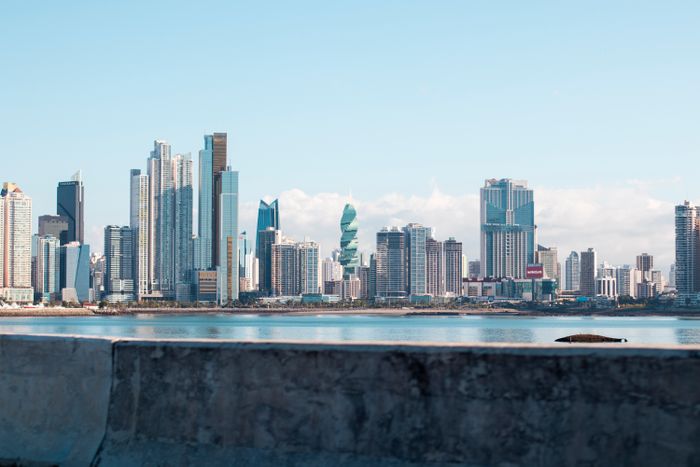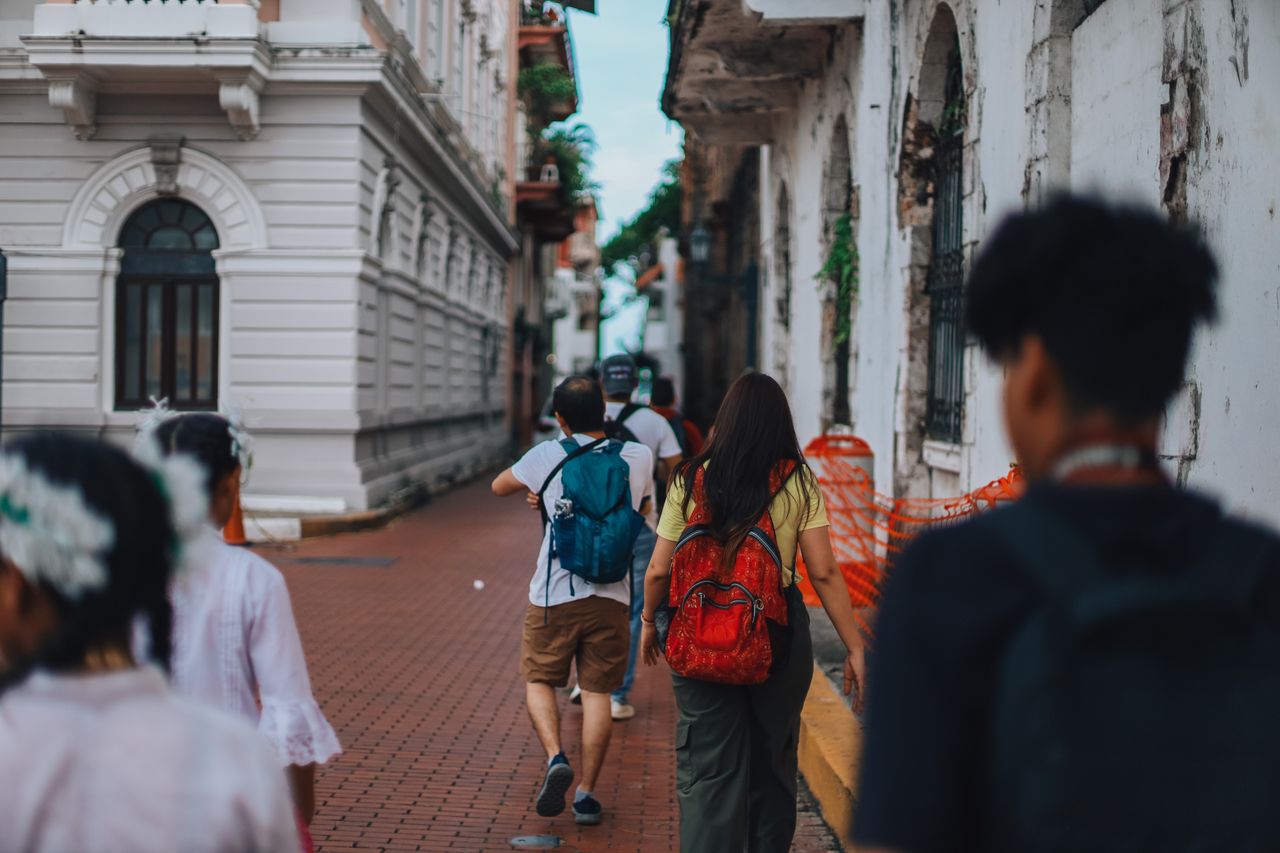
Panama City keeps its most extraordinary secret on a narrow peninsula jutting into the Pacific. Casco Viejo — officially Casco Antiguo, locally just "El Casco" — packs 350 years of colonial, neoclassical, and Caribbean architecture into a grid barely 400 metres wide. It is, without question, the most rewarding half-day you can spend in Panama City, and with the right information it costs almost nothing to do it well.
This guide gives you what most guides do not: a timed, turn-by-turn walking route with real distances, current admission prices, crowd-pattern data, and an honest block-by-block safety assessment. Whether you have two hours between flights or a full day to linger, you will leave knowing exactly what to do next.
Section 01Why Casco Viejo belongs at the top of your Panama itinerary
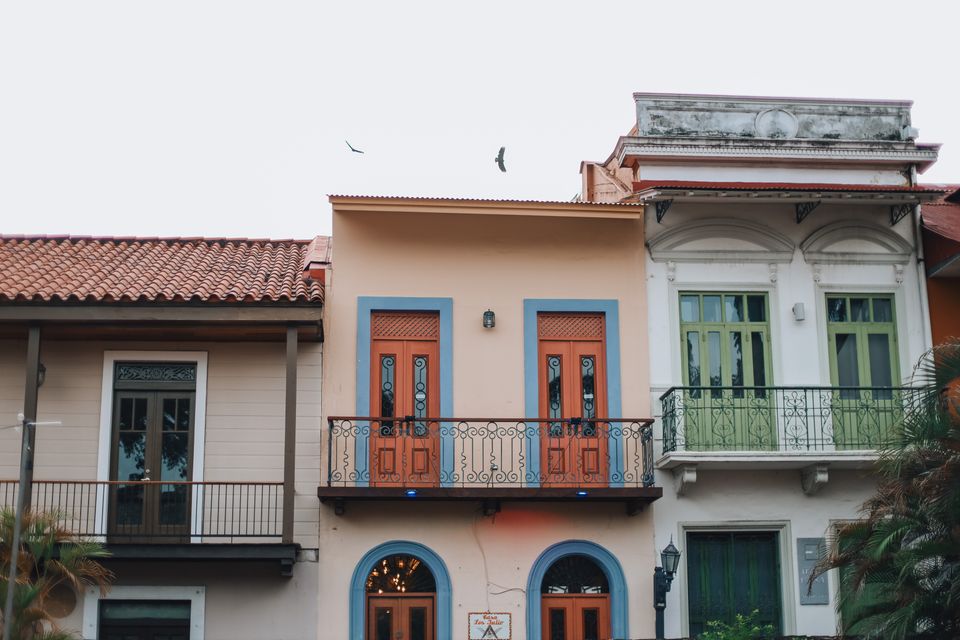
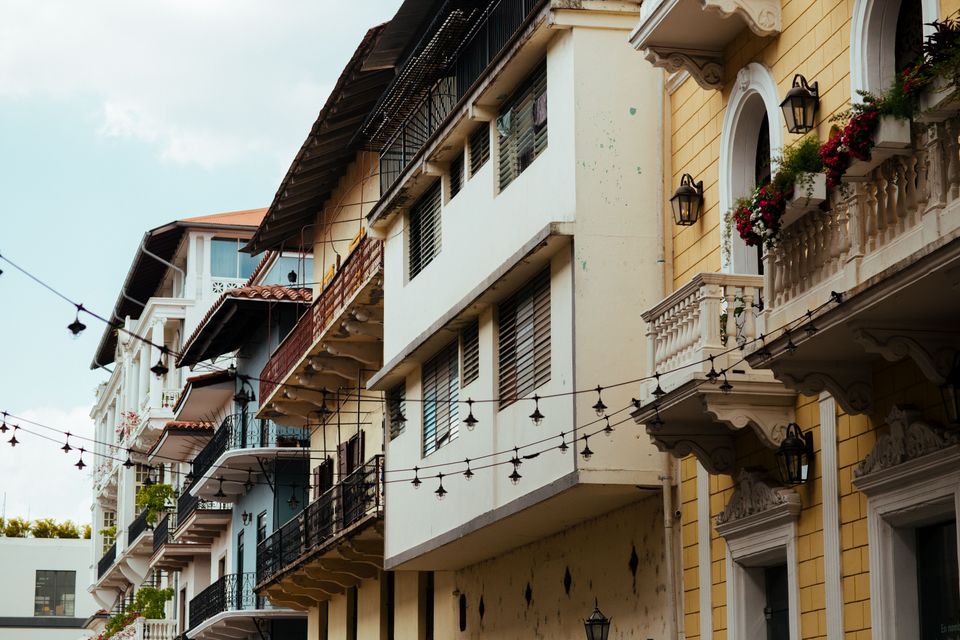
Casco Viejo earned UNESCO World Heritage status in 1997, and unlike some heritage districts that coast on the designation, it keeps earning it. The neighbourhood is genuinely alive: residents hang laundry from wrought-iron balconies above restaurants where a plate of ceviche costs $8, rooftop bars pour Seco cocktails with views of the Bridge of the Americas, and crumbling ruins stand three doors down from a five-star hotel. That tension between decay and restoration is the point. No other city in the Americas puts a 17th-century Baroque church next to a Frank Gehry-adjacent skyline quite like this.
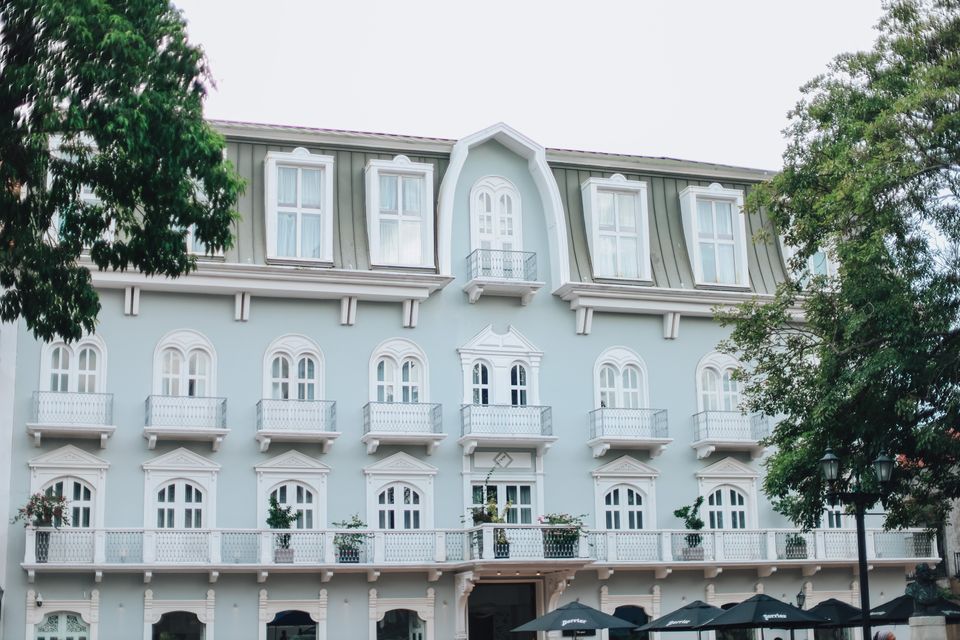
The district covers roughly 22 hectares — compact enough to walk end to end in under 15 minutes at a brisk pace, rich enough to absorb a full day if you let it. The main plazas, the golden altar, the sea wall, the canal museum, and the best rooftop in Central America are all within a 1.2-kilometre loop. You do not need a guide, a tour bus, or a pre-booked ticket for most of it. You need comfortable shoes, a bottle of water, and this guide.
Section 02A brief history worth knowing before you walk
Panama City was founded on August 15, 1519, making it the oldest continuously inhabited European settlement on the Pacific coast of the Americas. It lasted 152 years in its original location — now called Panamá Viejo, about 8 kilometres northeast — before the Welsh privateer Henry Morgan sacked and burned it in January 1671. The Spanish governor, facing Morgan's 1,200 buccaneers, reportedly ordered the city torched himself rather than let it fall intact.
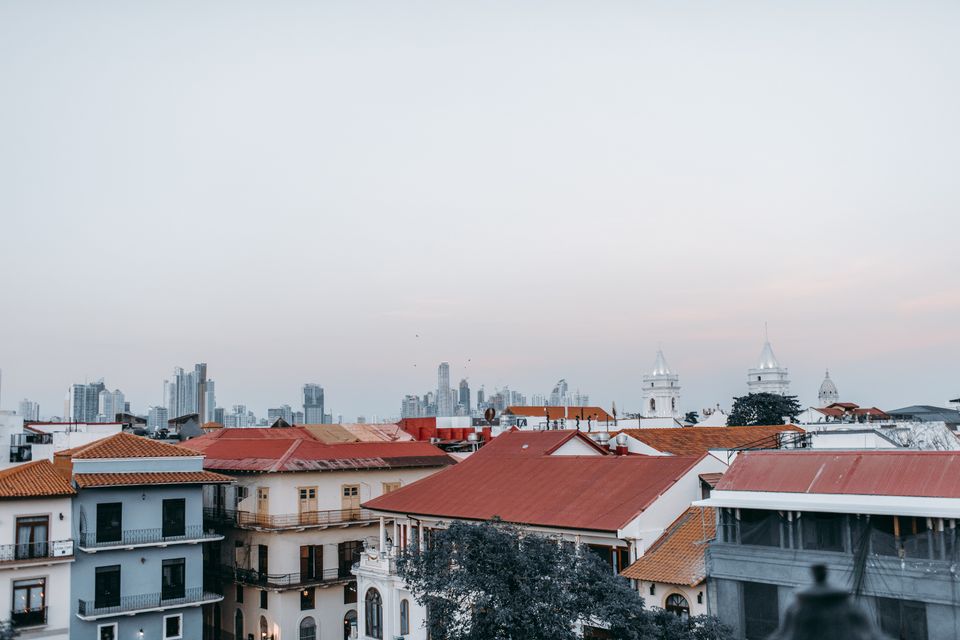
Two years later, in 1673, the colonial authorities rebuilt on a more defensible peninsula: a narrow finger of land that could be walled off on its landward side and protected by the sea on three others. That peninsula is what you walk today. The new city was laid out in a tight Spanish colonial grid, fortified with sea walls and bastions, and populated by survivors from the ruins of Panamá Viejo — including, famously, the stones of the Iglesia de la Merced, which were transported block by block from the old city.
The 18th century brought three major fires that partially reshaped the district. The French canal era of the 1880s added a neoclassical overlay — the ornate ironwork balconies, the pitched roofs, the building that now houses the Canal Museum. The 20th century brought neglect, then gentrification. Since the 1990s, a combination of tax incentives (30-year property tax exemptions, 10-year income tax breaks) and private investment has restored roughly 60 percent of the San Felipe core, while the adjacent Santa Ana district remains perhaps 15 percent restored — which is part of what makes wandering off the main plazas so compelling.
Section 03Getting to Casco Viejo
Casco Viejo sits about 6 kilometres southwest of the Miraflores Locks and 8 kilometres from the Tocumen airport expressway. There is no direct Metro station inside the district, but three options work well depending on your budget and starting point.
| Route | Cost | Time | Verdict |
|---|---|---|---|
| Uber / InDriver from Miraflores area | $5–8 | 15–25 min | Easiest |
| Metro Line 1 to 5 de Mayo + walk | $0.35 + 15-min walk | 30–40 min total | Cheapest |
| Taxi (metered or negotiated) | $8–15 | 15–30 min | Fine |
| Bus (Metrobus) to Santa Ana | $0.35 | 45–60 min | Slow but local |
The most practical approach from most hotels: open Uber, request a ride to "Plaza de la Independencia, Casco Viejo." Drop-off is right at the main plaza. For the return, Uber pickups work fine from any of the main plazas — wait times are typically under five minutes during the day. If you walk from 5 de Mayo Metro station, follow Avenida Central southwest for about 1.2 kilometres; the neighbourhood entrance is marked by a change in paving and the sudden appearance of restored colonial facades.
Driving yourself is possible but not recommended. Parking inside Casco Viejo is extremely limited, streets are narrow enough that two cars cannot pass simultaneously on several blocks, and the entire walking circuit is under 1.5 kilometres. Leave the car at your hotel.
Section 04The self-guided walking route: 1.5 km, 2–4 hours
The route below covers the eight essential stops in a logical sequence that avoids backtracking. At a relaxed pace with brief stops, allow 2 hours minimum. Add museum visits and you will want 3.5–4 hours. The total walking distance is approximately 1.5 kilometres. Elevation change is minimal — the only significant incline is the short ramp up to the Paseo Esteban Huertas seawall.
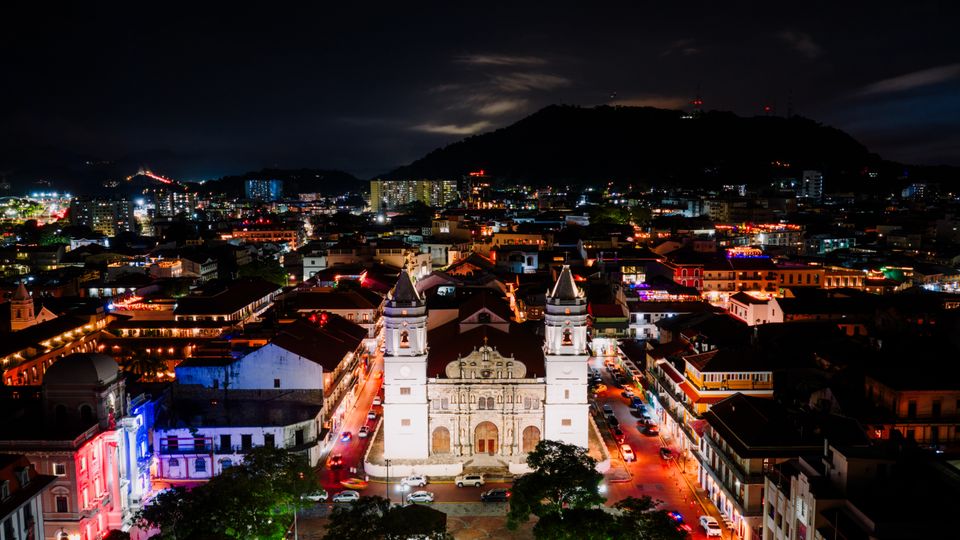
Start: Plaza de la Independencia (Plaza Catedral) — This is the civic heart of Casco Viejo and the logical entry point. Panama declared independence from Colombia here on November 3, 1903. The plaza is anchored on the north by the Metropolitan Cathedral, whose twin bell towers are inlaid with mother-of-pearl from the Pearl Islands — look closely in afternoon light. The Canal Museum (Museo del Canal Interoceánico) occupies the former French canal company headquarters on the south side. Allow 20–30 minutes just to orient yourself and take in the facades.
Stop 2: Catedral Metropolitana — Entry is free. The cathedral took over 100 years to complete (1688–1796), which explains why the interior mixes Baroque and neoclassical elements. It is open most mornings from around 7 am; check for midday closures. The mother-of-pearl tower inlay is unique in Latin America.
Stop 3: Museo del Canal Interoceánico — Admission is $2 for adults, $0.50 for children. This is the best museum in Panama City for understanding the canal's full history, from the failed French attempt through the American construction era. Allow 45–60 minutes if you read the exhibits. Closed Mondays.
Stop 4: Iglesia San José and the Golden Altar (Altar de Oro) — Walk two blocks west on Avenida A to reach this unassuming church. Inside is one of the most remarkable objects in Panama: a hand-carved Baroque altar covered entirely in gold leaf. The legend holds that when Henry Morgan sacked Panamá Viejo in 1671, a quick-thinking priest painted the altar black to disguise it. Morgan reportedly asked about any golden altars; the priest said he had seen one — Morgan had taken it. The altar survived. Entry is free; a small donation box is near the door. It is open daily, typically 7 am–noon and 2–6 pm.
Stop 5: Plaza Bolívar — One block northeast of San José. This intimate plaza honours Simón Bolívar, who convened the first pan-American congress here in 1826 in the Salón Bolívar — the room still exists inside the Palacio Bolívar and can be visited for a small fee ($1). The plaza is shaded and a good spot to rest. The Iglesia de San Francisco de Asís on the north side is worth a look for its Baroque altars.
Stop 6: Arco Chato (Ruins of Santo Domingo) — Half a block south of Plaza Bolívar on Avenida A. This single flat arch, built in the 1670s and standing without a keystone, survived every earthquake and fire for over 300 years. The legend — probably apocryphal but widely repeated — is that its survival was cited as evidence of Panama's seismic stability when the US was deciding whether to build the canal in Panama or Nicaragua. The church itself is a ruin; the arch stands alone. Free to view from the street; the adjacent Museum of Religious Art charges $1 admission.
Stop 7: Plaza de Francia and Las Bóvedas — Walk south along Avenida A to the tip of the peninsula. Plaza de Francia honours the French engineers and workers who died during the failed 19th-century canal attempt. The obelisk is surrounded by busts of Ferdinand de Lesseps and his colleagues. Descend the steps to Las Bóvedas — the Spanish colonial sea vaults built in the 1670s as a defensive fortification, later used as a prison under Colombian rule, now home to the French Embassy and a few restaurants. The views from the top of the seawall are the best in Casco Viejo: the Bridge of the Americas to the southwest, the Biomuseo on the Amador Causeway, Cerro Ancón with the Panamanian flag, and the modern skyline of Punta Paitilla to the east.
Stop 8: Paseo Esteban Huertas — Walk north along the seawall promenade. This elevated walkway runs along the top of the colonial fortifications, shaded by bougainvillea and offering continuous bay views. It connects Plaza de Francia back toward the main plaza. Street vendors sell fresh coconut water here for $1–2. This is the best stretch for photographs of the skyline, especially in the late afternoon when the light hits the modern towers from the west.
Section 05Key sites: hours, prices, and what most guides don't tell you
It is easy to find a list of Casco Viejo's attractions; harder to find out which ones are actually worth paying for, which are free, and which are closed when you show up. Here is the honest breakdown.
| Site | Admission | Hours | Worth it? |
|---|---|---|---|
| Metropolitan Cathedral | Free | Daily ~7 am–noon, 2–6 pm | Yes — free |
| Canal Museum (Museo Interoceánico) | $2 adults / $0.50 kids | Tue–Sun 9 am–5 pm | Best museum in Casco |
| Iglesia San José / Golden Altar | Free (donation) | Daily ~7 am–noon, 2–6 pm | Essential stop |
| Salón Bolívar (Palacio Bolívar) | ~$1 | Tue–Sun 9 am–4 pm | Worth 15 min |
| Arco Chato / Museum of Religious Art | Free (arch) / $1 (museum) | Tue–Sun 9 am–4 pm | View arch for free |
| National Theatre (Teatro Nacional) | $5 for self-guided entry | Mon–Fri 9 am–4 pm | Beautiful interior |
| Mola Museum | $5 | Tue–Sun 10 am–5 pm | Excellent if you plan to buy molas |
| Plaza de Francia / Las Bóvedas | Free | Always open | Essential — best views |
A note on the National Theatre: the exterior on Plaza Bolívar is impressive, but the interior — a restored 1908 opera house with a painted ceiling by Roberto Lewis — is genuinely worth the $5 if you have time. Go on a weekday morning when it is quiet. On weekends it is sometimes closed for private events; call ahead or check the door.
The Mola Museum is underrated. Kuna (Guna) molas are reverse-appliqué textile panels made by indigenous women of the Guna Yala comarca, and the museum explains the iconography and technique before you encounter vendors selling them. If you are going to buy a mola — and you should, they are one of the few genuinely worthwhile souvenirs in Panama — understanding what you are looking at first makes the purchase more meaningful and helps you avoid inferior machine-made imitations.
Section 06Where to eat, drink, and which places to skip
Casco Viejo has more restaurants per square metre than almost anywhere in Panama City, and the quality range is enormous. The tourist-trap tier clusters around Plaza de la Independencia and the main pedestrian stretch of Avenida B — overpriced, mediocre, and obvious. The genuinely good places are one or two blocks off the main drag.

Coffee and breakfast: Unido Casco Viejo (Avenida B near Calle 3) is the standout — serious pour-overs, excellent acai bowls, and breakfast sandwiches under $10. It gets busy after 9 am; arrive early or expect a wait. Casa Sucre on Calle 3 is quieter and good for a lazy morning with a book. The American Trade Hotel coffee shop is beautiful but charges hotel prices ($6–8 for a coffee); worth it once for the atmosphere.
Lunch: Fonda Lo Que Hay (Calle 3 Este near Avenida B) is the best value sit-down lunch in Casco — a rotating menu of Panamanian-influenced dishes, casual atmosphere, mains around $12–16. Pulpería on Avenida A is excellent for ceviche ($8–12) and is genuinely popular with locals, not just tourists. La Rana Dorada brewery on Calle 3 does craft beer flights and pizza in a casual setting; a pint runs $4–5.
Dinner and rooftops: The rooftop bar question comes up constantly, and the honest answer is that Tantalo Rooftop (Calle 1 Este) and Casa Casco (Avenida B) are the two most-recommended options, but they have different vibes. Tantalo skews younger and louder after 9 pm — more nightclub than bar. Casa Casco is more relaxed and has better sightlines toward the bay. For sunset drinks, arrive at either by 5:30 pm to get a good spot; both fill quickly. Cocktails run $10–14. The Sofitel Legend rooftop is the most spectacular view in Casco Viejo — it is technically for hotel guests, but the bar is open to the public and worth the splurge for one drink ($14–18).
What to skip: The restaurants directly facing Plaza de la Independencia on the north side charge 30–40 percent more for the same food you will find a block away. The menus are in English only, the waiters are aggressive, and the food is mediocre. Walk past them.
Section 07When to go: morning light, sunset, and the rainy season reality
The single best time to walk Casco Viejo is between 7:30 and 10:30 am. The light is golden and directional, hitting the cathedral facade and the coloured colonial walls at a low angle that makes every photograph look effortless. The streets are quiet — locals heading to work, a few vendors setting up, almost no tour groups. The churches are open for morning mass and then free entry. The temperature is manageable, typically 26–28°C in the dry season. By 11 am the tour buses arrive and the main plazas fill.

The second-best window is 4:30–7 pm. The afternoon heat softens, the light turns amber, and the rooftop bars come alive. This is the time for Las Bóvedas and the Paseo Esteban Huertas — the sunset over Panama Bay, with the Biomuseo and the Bridge of the Americas silhouetted against the sky, is genuinely spectacular. Bring a jacket if you are staying for dinner; the sea breeze picks up after dark.
Dry season (mid-December to mid-April) is the most comfortable time to walk. Humidity is lower, temperatures peak around 32°C in the afternoon, and you can count on clear skies for rooftop views. January through March are the sweet spot.
Rainy season (May to November) brings afternoon downpours, typically starting between 2 and 4 pm and lasting 30–90 minutes. The cobblestones become slippery when wet, and some of the lower-lying streets near Santa Ana collect standing water. Strategy: walk in the morning, take shelter in a café or museum during the afternoon rain, and emerge for the post-rain golden hour, which is often the most atmospheric time of day in Casco Viejo — steam rising off the cobblestones, the air washed clean, the light diffuse and warm.
Crowds: Weekday mornings are the least crowded. Saturday afternoons and Sunday mornings are the busiest — tour groups from cruise ships and city hotels converge on Plaza de la Independencia between 10 am and 2 pm. If you are visiting on a weekend, start by 8 am or wait until after 3 pm.
Section 08Safety in Casco Viejo: an honest block-by-block assessment
The short answer: Casco Viejo is safe for tourists during the day, and safe in the core tourist area at night. The longer answer requires more nuance than that.

The safe zone (any time of day or night): The restored core of San Felipe — roughly bounded by Plaza de la Independencia, Plaza Bolívar, Avenida B, and the seawall — is well-lit, well-patrolled by tourist police (policía de turismo, identifiable by their distinctive blue uniforms), and densely populated with restaurants, hotels, and other tourists. You can walk this area after midnight without concern. The tourist police are genuinely helpful; do not hesitate to ask them for directions or assistance.
Exercise normal urban awareness: The transitional blocks between the restored San Felipe core and the Santa Ana district — particularly the streets around Plaza Herrera and the blocks west of Avenida Central toward El Chorrillo — are less restored and less patrolled. They are not dangerous in the sense of active threat, but petty theft (phone snatching, bag grabbing) has been reported on these blocks, particularly after dark. Keep your phone in your pocket rather than in your hand, do not wear flashy jewellery, and be aware of your surroundings.
After dark: Stick to the illuminated main streets and the restaurant/bar district around Avenida B and Calle 1 Este. Avoid the dark residential side streets of Santa Ana after 9 pm. Use Uber for late-night returns rather than walking to the neighbourhood boundary — the ride is $5 and not worth the risk of navigating unfamiliar streets in the dark.
Solo female travelers: The tourist core is fine during the day. At night, the same rules apply as any Latin American city: stay in populated, well-lit areas, use Uber, and trust your instincts. The rooftop bars and restaurant district are genuinely safe and well-staffed.
What to leave at the hotel: Expensive cameras with obvious lenses attract attention on the transitional blocks. A mirrorless camera or a good phone is fine in the tourist core. Leave your passport at the hotel (carry a photo on your phone) and carry only the cash you need for the day.
Section 09Day trips from Panama City: when the city gets too loud
Casco Viejo is best done in a half-day or full day. If you have more time in Panama — and you should — the city makes an excellent base for day trips that offer a complete contrast to the urban intensity of El Casco.

The most dramatic escape is El Valle de Antón, a highland crater town about 120 kilometres west of Panama City. The drive takes roughly 2.5 hours, and the contrast is immediate: from sea-level heat and cobblestones to a cool volcanic crater at 600 metres, surrounded by cloud forest, waterfalls, and a Sunday artisan market that sells the real thing. El Valle is one of the most underrated destinations in Panama and makes a perfect overnight if you want to decompress after the city.
For exploring El Valle properly, E-Valley Bikes runs e-bike tours out of the town centre — a genuinely good way to cover the crater's spread-out attractions (the hot springs, the waterfall at La Cascada, the Chorro El Macho trail) without the midday heat becoming a problem. It is the kind of low-effort, high-reward experience that pairs well with a day of walking cobblestones.
Other solid day trips from Panama City: Panamá Viejo (the ruins of the original city, 8 kilometres northeast, free entry to the ruins, $10 for the museum), the Miraflores Locks visitor centre ($15 adults, excellent for watching ships transit), and the Gamboa rainforest and Pipeline Road for serious birding. See our Panama City day trips guide for full logistics on all of these.