Panama is safer than its reputation suggests and more complicated than the reassuring brochures admit. The honest answer for 2026: most tourists visit without incident, but the gap between a safe trip and a bad one often comes down to knowing exactly which ten blocks to avoid — and why.
Every year roughly two million visitors pass through Panama. The overwhelming majority leave without a serious problem. That statistic is real, but it does not mean Panama is uniformly safe. It means Panama is a country of sharp contrasts: gleaming financial districts next to impoverished barrios, world-class tourist infrastructure a short walk from streets that government advisories flag by name. This guide names those streets, explains the actual risk levels, and gives you the specific information the generic travel advisories leave out.
Section 01The honest headline
Panama's 2025 Numbeo crime index sits at approximately 42.7 — meaningfully lower than Guatemala (68), Honduras (73), and El Salvador (62), and also lower than Costa Rica (44.5), which surprises many travelers who assume Costa Rica is the safe benchmark for the region. Panama's homicide rate in 2024 was approximately 11 per 100,000 — well below the Central American average of roughly 20, and comparable to parts of urban Brazil. For context, the US rate is around 6.3 and Mexico's is approximately 24.
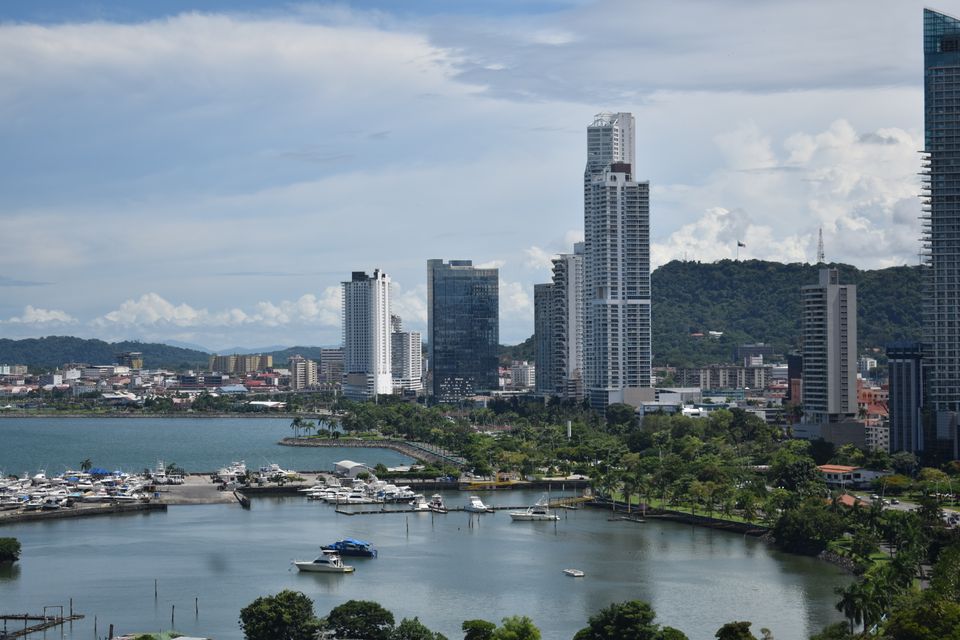
What does that mean practically? Violent crime in Panama is real but heavily concentrated in specific urban neighborhoods and in the Darién border zone. Tourist-facing violent crime — muggings, armed robbery of visitors — does happen, but it is not the norm. Petty theft (pickpocketing, bag-snatching, phone grabs) is the far more common experience for travelers. The US State Department rates Panama at Level 2 ("Exercise Increased Caution") — the same rating as France, Germany, and the UK. Canada rates it green: "Take Normal Security Precautions" overall, with specific zones elevated. Neither rating should cause alarm, but neither should be ignored.
The single most important thing to understand about Panama safety is geography. The risks in El Chorrillo (a dense urban barrio in Panama City) are categorically different from the risks in Boquete (a highland coffee town). Treating Panama as one risk level is the mistake most generic advisories make. This guide does not do that.
Section 02Panama City by neighborhood
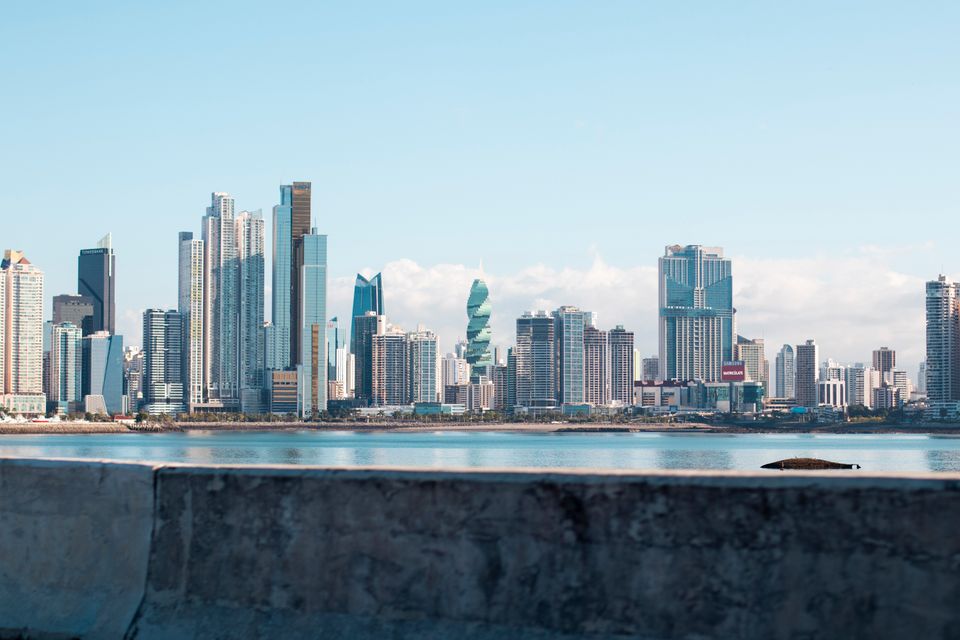
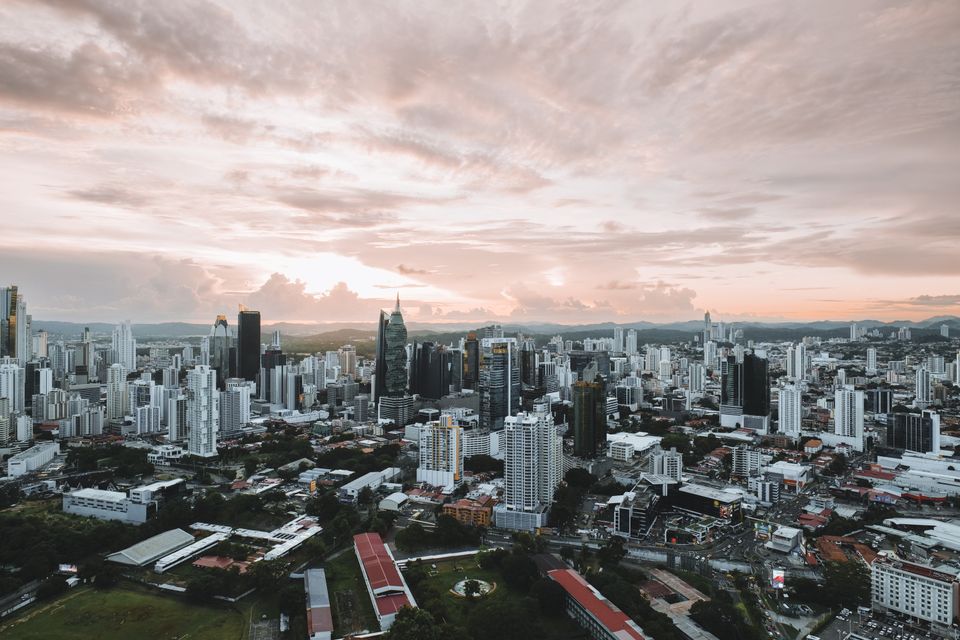
Panama City is where most tourists spend time and where most safety decisions get made. The city's neighborhoods vary dramatically within short distances. Here is a frank, area-by-area breakdown.
| Neighborhood | Daytime | After Dark | Verdict |
|---|---|---|---|
| Casco Viejo (tourist core) | Comfortable | Generally fine in main plazas | Safe for tourists |
| Casco Viejo (northern edges / Avenida A entry) | Use awareness | Avoid walking alone | Some caution |
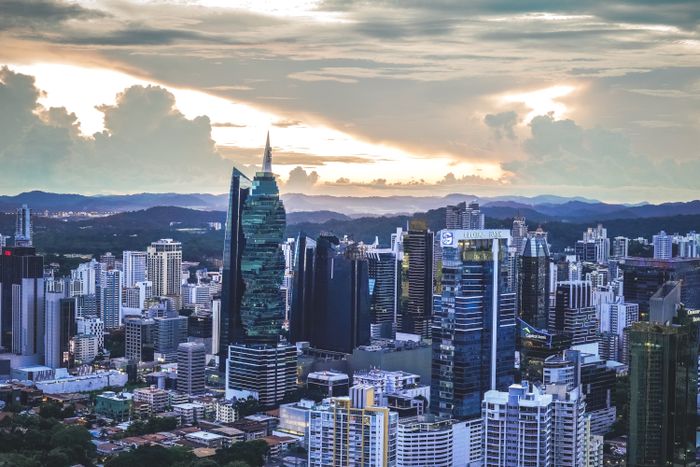
| El Cangrejo / Obarrio / Marbella | Very comfortable | Active and safe | Recommended base |
| Punta Pacífica / Costa del Este | Very comfortable | Very comfortable | Safest districts |
| Bella Vista / San Francisco | Fine | Mostly fine on main streets | Good for tourists |
| Calidonia / Santa Ana | Busy, use awareness | Avoid | Daytime only |
| El Chorrillo | Avoid unless with local | Avoid | Not for tourists |
| Curundú / Río Abajo | Avoid | Avoid | Skip entirely |
| San Miguelito | Avoid tourist wandering | Avoid | High-crime zone |
| 24 de Diciembre | Avoid | Avoid | Skip entirely |
| Panama Viejo ruins (site itself) | Fine at the site | Avoid surroundings | Stick to the ruins |
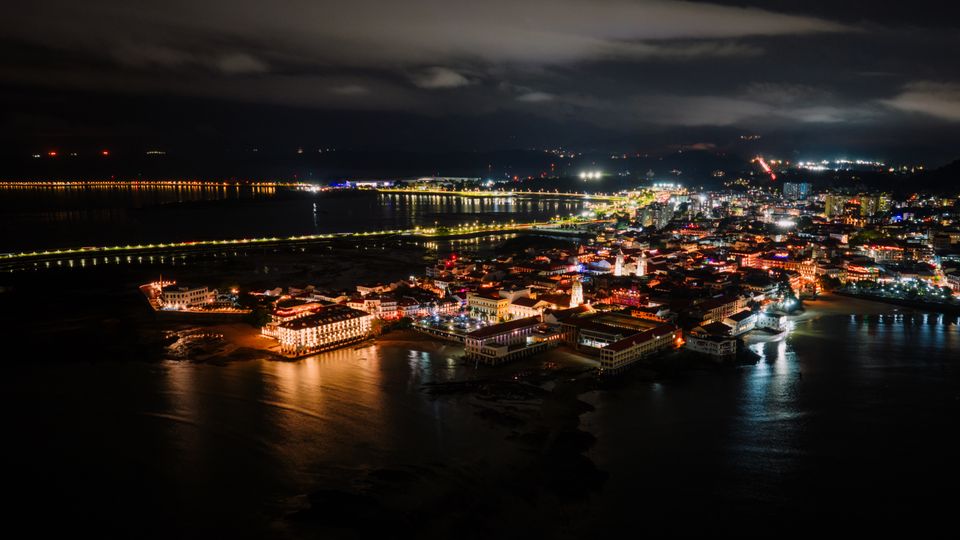
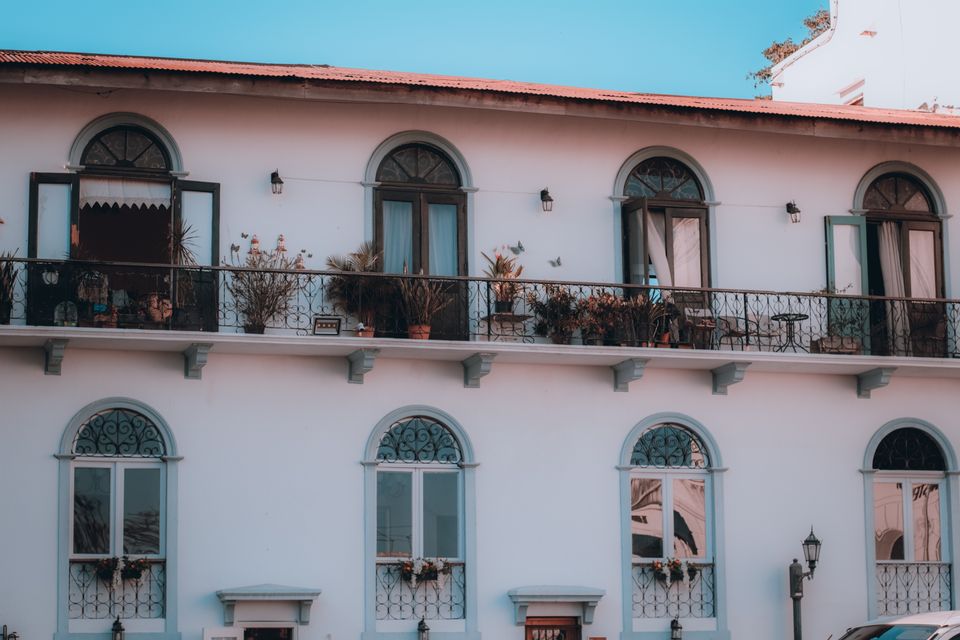
Casco Viejo in detail: The restored historic quarter has a dedicated tourist police unit (SETUR) that patrols on foot and bicycle. The core — Plaza de la Independencia, Plaza Bolívar, Calle Primera, Paseo Las Bóvedas — is well-lit, lively with restaurants and bars, and genuinely comfortable at night. The risk rises sharply when you walk north out of the restored zone into the transitional blocks bordering El Chorrillo and Santa Ana. The boundary is roughly Avenida Central as it exits the peninsula. Do not walk that boundary alone after dark. Take an Uber back to your hotel rather than walking out through the neighborhood's northern entry point.
El Cangrejo and Obarrio are the practical choice for most tourists: dense with hotels, restaurants, and nightlife, well-policed, and connected to the rest of the city by metro and rideshare. Avenida Balboa and the Cinta Costera waterfront promenade are safe for daytime and evening walks. The Via España shopping corridor in Calidonia — a few blocks north of El Cangrejo — is flagged by multiple advisories for pickpocketing; keep your phone in your front pocket and your bag in front of you there.
Albrook Mall and bus terminal: The bus terminal adjacent to Albrook Mall is one of the higher-risk spots in the city for bag-snatching and phone theft. Keep valuables secured and be alert when arriving or departing by intercity bus. The mall itself is fine.
Section 03Getting around safely
How you move around Panama City matters almost as much as where you go. The transport hierarchy for safety is clear.
| Mode | Cost (city trip) | Safety level | Verdict |
|---|---|---|---|
| Uber / InDriver | $4–$12 | High — tracked, rated | Best option |
| Metro (lines 1 & 2) | $0.35–$0.65 | Good — crowded but monitored | Use freely |
| Official yellow taxis (metered) | $5–$15 | Moderate — negotiate fare first | Acceptable |
| Unofficial taxis / street hails | Variable | Lower — unvetted drivers | Avoid at night |
| Diablo Rojo (old painted buses) | $0.25 | Lower — crowded, pickpocket risk | Daytime only |
| Walking (tourist zones) | Free | Good in daylight, variable at night | Fine with awareness |
Uber is the single most practical safety upgrade available to tourists in Panama City. It is widely available, cheaper than most visitors expect, and eliminates the risk of unlicensed taxi drivers. Open the app before you exit the airport — Tocumen International has a designated rideshare pickup area outside arrivals. Do not accept unsolicited offers from drivers inside the terminal.
The Panama City Metro is genuinely useful and safe for daytime travel. Lines 1 and 2 connect Albrook, El Cangrejo, and the Corredor Sur corridor. Keep your phone in your pocket on crowded trains — not in your hand. The metro does not currently serve Casco Viejo directly; the closest station is 5 de Mayo, which puts you at the edge of Calidonia. From there, take an Uber the final stretch to Casco rather than walking through Calidonia at night.
ATMs: Use machines inside banks, supermarkets, or shopping malls — not standalone street kiosks. There are documented incidents of ATM skimming and of people being followed after withdrawing cash from street machines. Withdraw during daylight hours where possible. Most tourist-area restaurants and hotels accept cards, reducing how often you need cash.
Driving: Renting a car in Panama is straightforward for travel outside the capital. In Panama City itself, traffic is aggressive and parking in tourist areas is limited. Road conditions outside the Pan-American Highway vary significantly; the highland and Pacific beach routes are generally good, but some rural roads flood in wet season (May–November). Drive during daylight hours in unfamiliar areas. Do not leave anything visible in a parked car.
Section 04Scams and tourist fraud
Petty theft gets most of the coverage, but tourist-specific scams are a more consistent risk in Panama City. These are the ones to know.
Fake or unlicensed taxis: The most common scam targeting new arrivals. A driver offers a "taxi" at the airport or outside a hotel, charges two to three times the normal rate, or — in rarer cases — takes a detour. Solution: use Uber from the moment you land. If you must take a yellow taxi, agree on the fare before getting in. Licensed taxis have a yellow plate and a visible driver ID card.
ATM card skimming: Documented at standalone machines in tourist areas. Use bank-branch ATMs or machines inside Multiplaza, Albrook Mall, or MultiCentro. Cover the keypad when entering your PIN. Check your account the following day.
Distraction theft teams: One person bumps into you, spills something, or asks for directions while an accomplice takes your phone or bag. Common on Avenida Central in Calidonia and around the Albrook bus terminal. Keep your phone in a front pocket or inside a zipped bag.
Overcharging at informal restaurants: In heavily touristed parts of Casco Viejo and near Panama Viejo, some vendors charge significantly more than posted prices. Check the menu price before ordering. Most legitimate restaurants in Casco have printed menus with prices in USD.
Gem and investment scams: A well-dressed stranger strikes up a conversation, eventually steering toward a "once-in-a-lifetime" investment opportunity, gem purchase, or business deal. This is a classic long-con variant. Panama City's financial district attracts these operators. Politely disengage.
Romantic / dating scams: Particularly relevant for solo male travelers. A new acquaintance — sometimes met in a bar, sometimes online — leads to a situation involving overpriced drinks, fabricated emergencies, or outright robbery. Stick to well-reviewed venues and trust your instincts.
Section 05Safety by traveler type
Panama's risk profile is not the same for every visitor. Here is specific, honest guidance for different groups.
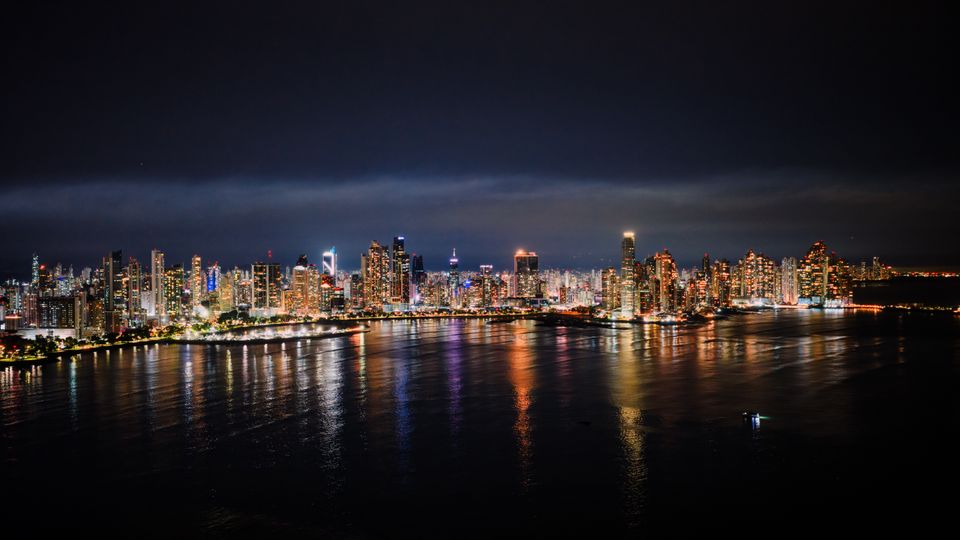
Solo women: Panama City is manageable for solo female travelers who stick to tourist neighborhoods and use rideshares after dark. The risks are real but not exceptional by Latin American standards. Verbal harassment (piropos) is common on busy streets, particularly in Calidonia and Santa Ana — it is unpleasant but typically not threatening. The UK FCDO specifically notes incidents of sexual assault in tourist areas; these are documented but not frequent. Practical steps: avoid walking alone in Casco Viejo's peripheral streets after midnight, use Uber rather than walking between venues at night, and stay in hotels with 24-hour reception in El Cangrejo or Obarrio. Bocas del Toro's Isla Colón is generally fine; Bastimentos island has had mugging incidents after dark — take a water taxi back to Isla Colón before midnight.
Families with children: Panama is genuinely family-friendly in the right areas. Costa del Este, Clayton (near the former Canal Zone), and the Amador Causeway are comfortable, low-stress environments. The Biomuseo, Miraflores Locks, and Parque Natural Metropolitano are all easy, safe family outings. Avoid the Calidonia–Santa Ana corridor with young children; the crowds and pickpocket risk make it stressful. Beach destinations like Coronado, Playa Blanca, and Santa Catalina are relaxed and safe for families.
LGBTQ+ travelers: Panama City has an active and visible LGBTQ+ scene, concentrated in El Cangrejo (particularly around Calle Uruguay) and Bella Vista. Same-sex relationships are legal, and the capital hosts an annual Pride event. Public displays of affection attract less acceptance outside the capital and in rural or deeply Catholic communities. In highland towns like Boquete and El Valle de Antón, discretion is advisable not because of safety risk but because of social conservatism. The Darién and Colón are not appropriate destinations for any traveler regardless of identity.
Older travelers and those with mobility needs: The tourist infrastructure in Panama City's better neighborhoods — Casco Viejo, El Cangrejo, Punta Pacífica — is reasonably accessible. The highland towns of Boquete and El Valle de Antón are calm, slow-paced, and popular with long-stay expats precisely because they feel safe and unhurried. The main risks for older travelers are the same as for everyone else: petty theft in crowded areas and transport decisions after dark.
Solo male travelers and backpackers: The risk of being targeted for robbery is real but manageable. The most common scenario involves alcohol: a night out in a bar leads to a situation that escalates. Stick to well-reviewed venues in El Cangrejo or Casco Viejo, do not accept drinks from strangers, and get home by Uber rather than walking. The backpacker trail — Panama City, Bocas del Toro, Boquete, Santa Catalina — is well-established and generally safe when you follow the standard precautions.
Section 06Beach and highland towns
Outside Panama City, the safety picture improves considerably for most tourist destinations. The highland and beach towns that make up the standard tourist circuit are, by any reasonable measure, safe.
Boquete (Chiriquí highlands, 1,200m elevation): One of the safest places in Panama for tourists and long-stay visitors. The town has a large expat community, active tourist police presence, and very low violent crime. Petty theft exists — do not leave valuables in rental cars at trailheads — but it is not common. The main hiking trails (Volcán Barú, Quetzal Trail, Pipeline Trail) are safe with a guide; going solo on Barú requires registration and is physically demanding but not dangerous from a crime standpoint.
El Valle de Antón (Coclé highlands, 600m elevation): A small crater town two hours from Panama City, El Valle is quiet, walkable, and essentially crime-free for tourists. The Sunday market, the hot springs at Pozos Termales, and the trails around Cerro Gaital are all comfortable. It is one of the easiest day trips or weekend escapes from the capital, and the kind of place where leaving your camera on a café table while you order is not a crisis.
Santa Catalina (Pacific coast, Veraguas): A small surf village with a relaxed, community feel. Crime affecting tourists is rare. The main practical risk is the road — the last stretch from Soná can be rough and slow, particularly in wet season. Drive in daylight.
Coronado and the Pacific Riviera beaches: The beach communities along the Pan-American Highway west of Panama City (Coronado, Playa Blanca, Farallon) are popular with Panamanian families and expats. They are safe and well-serviced. Standard precautions apply: do not leave belongings unattended on the beach.
Bocas del Toro: The archipelago is a top tourist destination and generally safe on the main island (Isla Colón), where the police station is located and tourist infrastructure is concentrated. Bastimentos island has had documented mugging incidents, particularly on the path to Playa Wizard after dark. Take a water taxi back before nightfall. Red Frog Beach is fine during the day. The town of Bocas del Toro on Isla Colón had protests and a state of urgency declared in mid-2025 following civil unrest; the situation had stabilized by late 2025, but check current advisories before traveling.
San Blas / Guna Yala: The indigenous comarca is self-governed by the Guna people and has its own security structure. Crime against tourists is extremely rare. The main risks are logistical: small planes and boats in variable weather, basic facilities on some islands. It is one of the safest places in Panama for tourists in terms of crime.
Section 07The Darién — full stop
The Darién Gap south of Metetí is not a travel destination. It is a genuine no-go zone, and this is not a matter of over-cautious advisory language. The region is controlled by organized crime groups including drug and human traffickers, FARC-linked armed factions, and other non-state actors. Incidents documented in recent years include kidnapping, sexual assault, armed robbery, and murder of both migrants and travelers. The volume of migrants attempting the crossing has surged since 2021 — over half a million crossed in 2023 alone — and the associated criminal infrastructure has intensified accordingly.
The Canadian government issues an "Avoid all travel" advisory for areas south of Metetí. The US State Department and UK FCDO issue equivalent warnings. This is one of the few places in Latin America where every major government advisory agrees: do not go.
The Mosquito Gulf coast (from Boca de Río Chiriquí to Coclé del Norte) carries a similar "Avoid all travel" designation from Canada due to drug smuggling and human trafficking activity along the remote coastline. This is not a tourist area in any normal sense, but it is worth noting for anyone considering a boat journey along the Caribbean coast.
The rest of Darién Province — including Meteti itself and the Darién National Park if accessed from the Pacific side with an authorized guide — is a different matter. The national park's accessible areas are visited by birders and ecotourists with local operators. But this requires proper planning, a licensed guide, and current local intelligence. It is not a casual add-on to a Panama City trip.
Section 08Health, water, and nature risks
Safety in Panama is not only about crime. Several health and environmental factors deserve honest coverage.
Tap water: In Panama City and most major towns, tap water is treated and safe to drink. The Panama Canal Authority maintains water quality standards that are among the best in Central America. In Bocas del Toro, on smaller islands, and in rural communities, the infrastructure is less reliable — drink bottled or filtered water in those areas. El Valle de Antón and Boquete have reliable municipal water. When in doubt, ask your hotel.
Mosquitoes and vector-borne disease: Dengue fever is present in Panama and has seasonal spikes, particularly in the wet season (May–November) and in lowland areas. Use DEET-based repellent, wear long sleeves at dawn and dusk, and stay in accommodations with screens or air conditioning. Malaria risk exists in the Darién and some remote indigenous areas; it is not a concern in Panama City, Boquete, El Valle, or the main tourist beach towns. Yellow fever vaccination is recommended if you are traveling to the Darién or certain jungle areas; it is not required for standard tourist itineraries.
Wildlife: Panama has venomous snakes (fer-de-lance, bushmaster) in jungle and rural areas. The risk is low if you stay on trails and wear closed shoes in vegetation. Do not handle any snake. Jellyfish are occasionally present at Pacific beaches. The ocean currents at surf beaches are the more significant physical risk — see the note on swimming above.
Road safety: Traffic accidents are a genuine risk in Panama. The Pan-American Highway has fast-moving traffic and limited lighting in rural sections. Driving at night outside the capital is not recommended. Motorcyclists are particularly vulnerable. If you are renting a car, choose a reputable agency, confirm insurance coverage, and drive defensively.
Altitude: Boquete sits at around 1,200 meters and Volcán Barú's summit is at 3,474 meters. The altitude is not extreme by Andean standards, but the summit hike involves a cold, wet, pre-dawn ascent. Prepare with appropriate layers and do not attempt it without acclimatization if you are coming directly from sea level.
Section 09Emergency resources
Knowing what to do if something goes wrong is as important as knowing how to avoid problems in the first place. Panama's emergency infrastructure is functional but uneven.
Emergency numbers: 911 covers police, fire, and medical emergencies nationwide. 104 is the dedicated police line. These numbers work from mobile phones without a local SIM in most areas.
Tourist police (SETUR): Panama City has a dedicated tourist police unit that patrols Casco Viejo, the Amador Causeway, and major tourist sites. Officers are identifiable by their green uniforms and "Policía de Turismo" insignia. They speak basic English. If you are the victim of a crime, report it to SETUR or the nearest police station before leaving Panama — reports filed after departure are not typically investigated.
Hospitals: Panama City has several private hospitals that provide high-quality care: Hospital Punta Pacífica (affiliated with Johns Hopkins, +507 204-8000) and Centro Médico Paitilla (+507 265-8800) are the two most recommended for tourists. Both have English-speaking staff and accept international insurance. Outside the capital, Boquete has a clinic (Centro de Salud de Boquete) for minor issues; serious emergencies require transfer to David or Panama City. Travel insurance with medical evacuation coverage is strongly recommended.
Embassies: The US Embassy is in Clayton (+507 317-5000). The UK Embassy is in Bella Vista (+507 269-0866). Both maintain emergency lines for citizens in distress. Register with your embassy's traveler registration program (STEP for US citizens, FCDO registration for UK) before arriving.
Travel insurance: Non-negotiable. Medical costs at private hospitals in Panama City are high by regional standards. A policy that covers emergency medical treatment, evacuation, and trip interruption costs around $50–$100 for a two-week trip and is worth every dollar.
The bottom line on Panama safety in 2026: this is a country where the vast majority of visitors have smooth, enjoyable trips. The risks are real, specific, and largely avoidable with the right information. Know which neighborhoods to avoid, use Uber after dark, keep your phone in your pocket, and stay well clear of the Darién. Do those things, and Panama will almost certainly deliver exactly what it promises: a remarkable, accessible, genuinely rewarding destination.