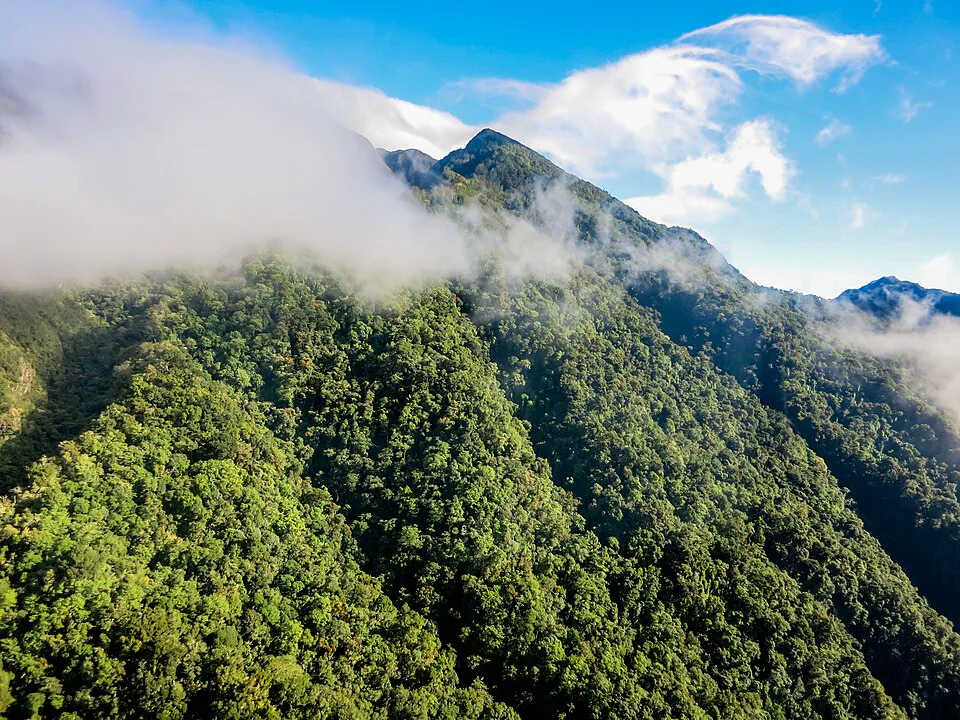
Boquete sits at 1,200 metres above sea level in a crease between Volcán Barú and the Caldera River, where the air smells of coffee blossom and the cloud forest drips year-round. It is, without question, Panama's most complete adventure destination — and one of the best small mountain towns in all of Central America.
This guide covers every worthwhile thing to do in Boquete, from the famous hikes and coffee farms to lesser-known canyons, chocolate workshops, and craft-beer bars. It also addresses the questions almost nobody answers cleanly: when exactly to go for each activity, what everything costs, how to get here from Panama City, and how to structure two, three, or five days without wasting a morning. Read it once before you book, and you will arrive knowing exactly what you are doing. If your Panama trip also takes in El Valle de Antón — the crater town a couple of hours from Panama City — our companion guides cover its hikes, things to do, and tours there too.
Section 01Why Boquete is worth your time
Boquete is not a beach town. It does not have ruins or a colonial quarter. What it has is a rare convergence: world-class specialty coffee, a volcano you can summit overnight, cloud forest trails that harbour one of the most sought-after birds on earth, white-water rivers, hot springs, zip lines, and a downtown small enough to walk end-to-end in fifteen minutes. The climate is the other thing — highs around 21°C (70°F) year-round, cool nights, and the kind of fresh air that makes every morning feel like a reward.
The town has a substantial expat community, which means English is widely spoken, the restaurant scene punches above its weight, and logistics are straightforward. That said, it has not lost its Panamanian character: the Tuesday market, the flower-draped Caldera bridge, and the farms climbing the hillsides above town are still unmistakably local. Three to five days is the sweet spot for a first visit; serious hikers and coffee obsessives routinely stay longer.
Section 02Getting to Boquete
There is no airport in Boquete. The nearest commercial airport is in David (Enrique Malek International, DAV), 40 km away. The most common routes from Panama City are by bus or shuttle.
| Route | Cost | Time | Verdict |
|---|---|---|---|
| Panama City → David (Albrook bus terminal, Padafront or Axesa) | $18–$20 | 6–7 hrs | Cheapest |
| Panama City → David (Copa Airlines or Air Panama flight) | $80–$150 one-way | 1 hr flight + transfers | Fastest |
| David bus terminal → Boquete (Boquete Express) | $2.50 | 45–55 min | Easy connection |
| Panama City → Boquete (private shuttle, e.g. Boquete Shuttle) | $45–$55 per person | 7–8 hrs door-to-door | Most comfortable |
| Bocas del Toro → Boquete (water taxi + bus via Almirante/Changuinola) | $25–$35 | 5–6 hrs | Classic combo route |
The bus from Albrook terminal in Panama City to David departs roughly every hour from 6 am to 11 pm. From David's bus terminal, Boquete Express minibuses depart every 30 minutes from 5 am to 9:30 pm. The full journey from Panama City to Boquete costs under $25 if you go by public bus — the best budget option by a wide margin. If you fly into David, a taxi from the airport to the David bus terminal costs about $3–$5, or you can take a direct taxi to Boquete for around $35–$40.
Getting around Boquete itself is easy. The town centre is walkable. Taxis to trailheads cost $4–$8 each way, and most drivers will wait or return for you at an agreed time. For maximum flexibility — especially for coffee-farm hopping along the Jaramillo road or reaching the Pipeline Trail and Lost Waterfalls on the same morning — renting an e-bike from E-Valley Bikes is the smartest move. Their pedal-assist bikes handle the valley's hills effortlessly and let you stop wherever you like without waiting for a taxi.
Section 03Coffee farm tours
Boquete produces some of the most expensive coffee on earth. The Geisha variety, developed here in the highlands of Chiriquí, has sold at auction for over $1,000 per pound. A coffee farm tour is not optional — it is the single activity that most defines a visit to this town, and the quality of the experience varies enormously between operators.
The main farms and what they offer
Café Ruiz is the most established name in Boquete coffee. Family-owned since 1959, their farm tour ($35–$40 per person) covers the full process from seedling to cup, walking guests through the drying beds, the wet mill, and the roasting room. The cupping session at the end is serious — this is not a tourist tasting, it is the same format used by professional buyers. Book ahead; tours fill up, especially December through March.
Kotowa Coffee Estate operates out of a beautifully restored 1918 mill in Palo Alto, about 10 minutes from town. The tour ($30–$35) emphasises the estate's history — it was founded by a Scottish engineer — and its current focus on sustainable, shade-grown production. The cupping room in the old mill building is atmospheric and the Geisha tasting is worth the premium. Kotowa also ships internationally if you want to bring beans home.
Finca Lérida sits higher up the mountain than either of the above, at around 1,600 metres, which means cooler air and exceptional birdwatching on the estate trails. The coffee tour ($25–$30) is combined with a walk through the farm's private cloud-forest reserve, and the on-site boutique hotel makes it the best option if you want to stay on a working plantation. Quetzals have been spotted on the farm's trails as recently as the 2025 nesting season.
The Perfect Pair is a smaller, newer operation that runs hands-on coffee and chocolate experiences from their café on Avenida Central. Their chocolate-making workshop ($30–$40) uses cacao grown in Panama and is one of the best family-friendly activities in town. Coffee tastings run daily and focus on the story of single-origin Panamanian beans.
The most enjoyable way to visit multiple farms in a single morning is by e-bike. The Jaramillo road climbs gently out of town past Café Ruiz and several smaller fincas, and the descent back into Bajo Boquete takes about twenty minutes with almost no pedalling required. E-Valley Bikes can advise on the best farm-hopping loop from their rental base in town.
Three rides. One unforgettable Boquete.
Premium Orbea e-bikes that do the climbing for you. Helmet, gloves, water and route support included — and you pay when you arrive.
Coffee Farm E-Bike Tour
Ride to a working farm and see how Geisha — the world's most expensive coffee — is made. Tasting at Altieri Specialty Coffee, geisha ice cream included.
Guided Highlights Ride
Lost Waterfalls, Library Park and the highland viewpoints locals love — the spots most visitors never find.
Self-Paced Rental
Hourly or full-day. Take a recommended route or just wander. The e-bike means hills don't decide your day.
Section 04Hiking trails
Boquete's trail network is the best in Panama, full stop. The options range from a two-hour stroll through cloud forest to a multi-day traverse of Volcán Barú National Park. Here are the trails worth your time, in order of difficulty.
Lost Waterfalls Trail (Sendero Los Chorros)
This is the most popular hike in Boquete, and deservedly so. The trail passes three waterfalls — the second and third are the most dramatic, with the third requiring a short rope-assisted scramble. Allow three hours return. The path is well-marked but can be extremely muddy after rain; waterproof boots are strongly recommended. Entrance fee: $10, payable in cash at the trailhead. Getting there: taxi from town costs $5–$6 each way (arrange a pick-up time with the driver). The trailhead is on the road to Jaramillo, about 6 km from the central plaza.
Pipeline Trail (Sendero El Pianista / Pipeline)
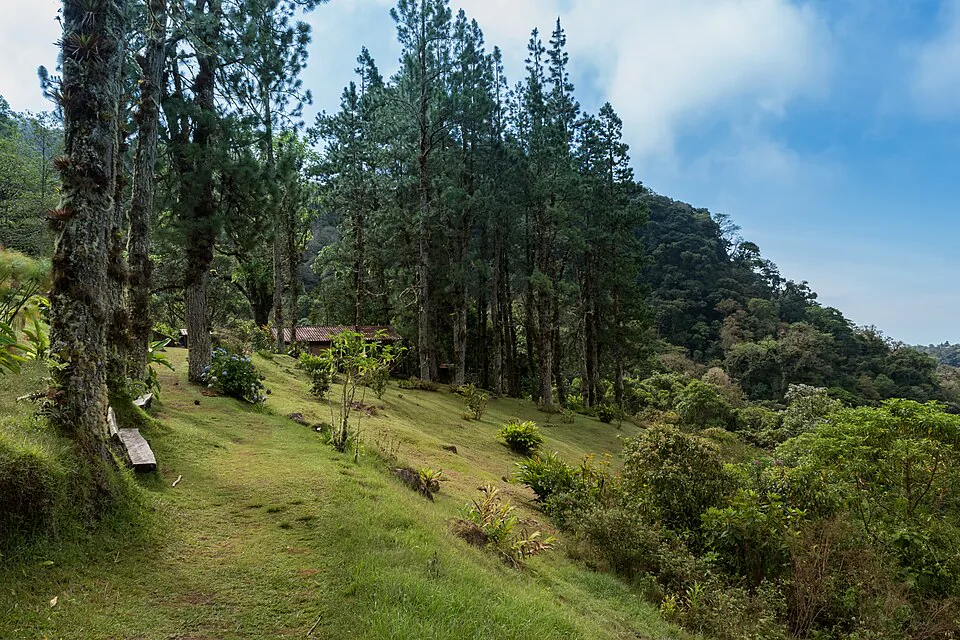
A two-to-three-hour out-and-back walk through primary cloud forest, ending at a tall but gentle cascade. The trail follows an old water pipeline route through dense canopy — the thousand-year-old tree about halfway along is genuinely impressive. This is the best trail in Boquete for quetzal sightings, particularly in the early morning between February and June. Entrance fee: $5, collected at the gate by the landowners. The trailhead is close to the Lost Waterfalls trailhead; an early start allows you to do both in one day.
Sendero Los Quetzales
The most spectacular trail in the region. This 9.6-kilometre route traverses the northern flank of Volcán Barú through old-growth cloud forest, connecting Boquete to Cerro Punta on the other side of the volcano. The full one-way traverse takes five to seven hours and requires arranging transport at both ends — a taxi to the Boquete trailhead ($8–$10) and a return bus or taxi from Cerro Punta ($5–$8 to Volcán, then a bus back to David). Alternatively, hike to the Mirador La Roca viewpoint and return the same way (about four hours). Entrance: $5 national park fee. Hire a guide ($40–$60 for a half-day) if you want the best chance of spotting wildlife; the trail is easy to follow but a good guide will find birds you would otherwise walk past.
El Pianista Trail
Not to be confused with the Pipeline Trail, El Pianista is a steeper, more demanding hike that climbs into the clouds above Boquete with over 600 metres of elevation gain in 4 km. The path narrows as it enters the forest and the upper section is often shrouded in mist. Allow three to four hours return. No entrance fee. The trailhead is about 4 km from the plaza — walkable, or a short taxi ride.
Hanging Bridges (Boquete Tree Trek)
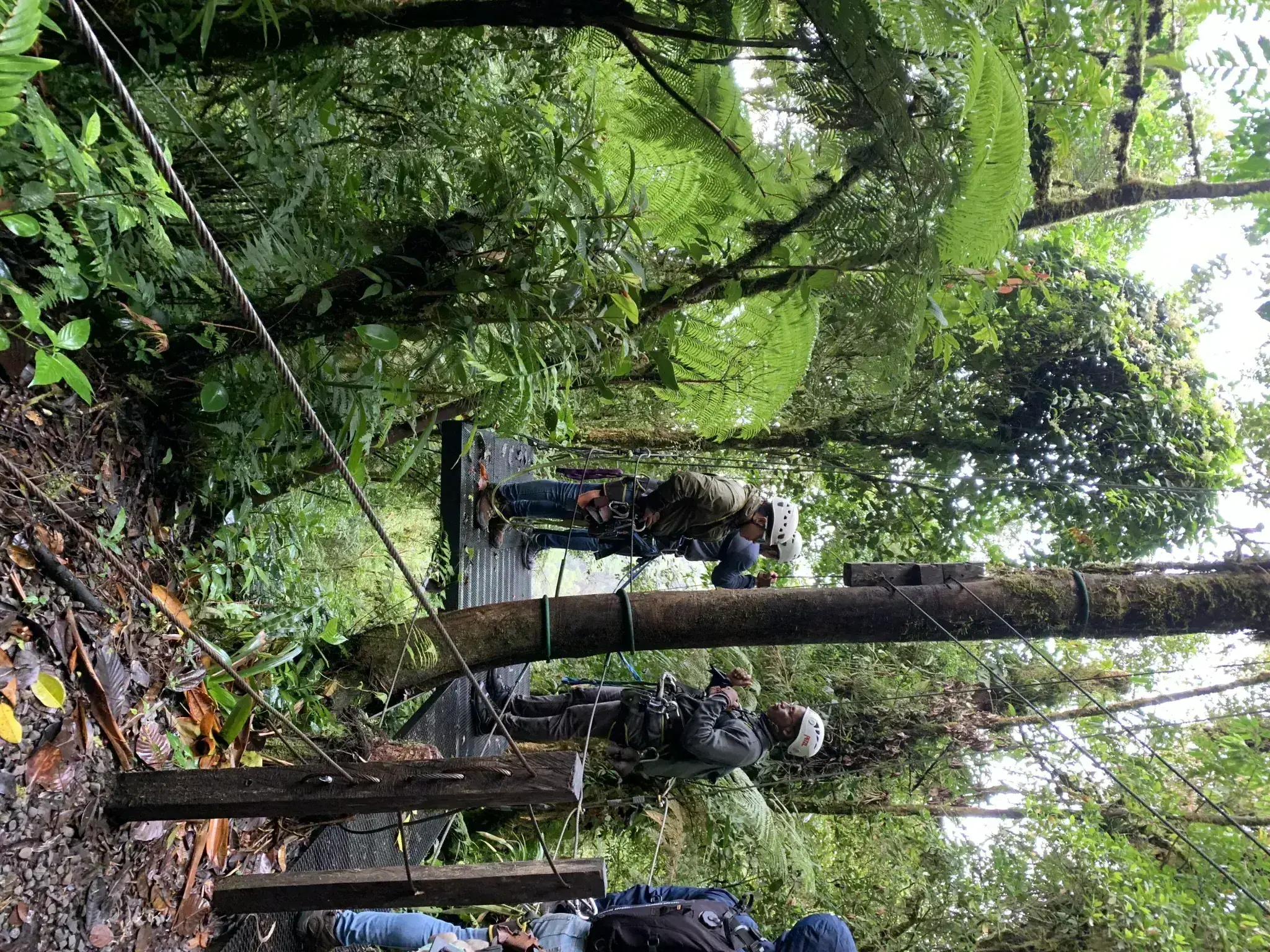
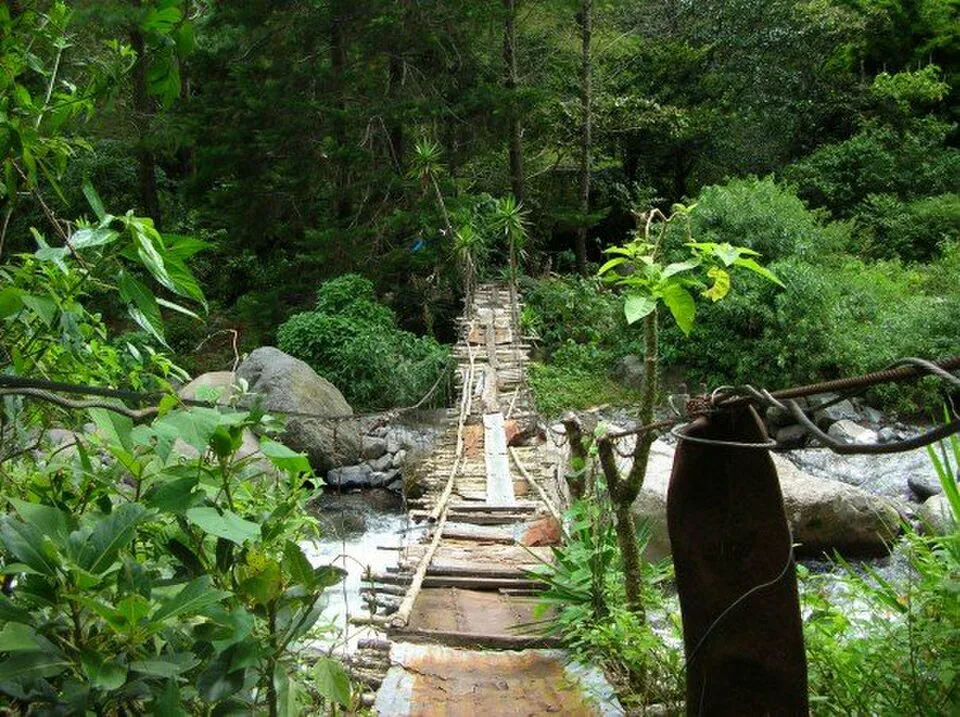
Boquete Tree Trek operates a network of seven suspension bridges ranging from 70 to 135 metres long, strung between 10 and 75 metres above the forest floor. The guided walk takes about two hours and costs $40 per person. It is not a hike in the traditional sense — the path is well-maintained and the pace is gentle — but the views over the cloud forest canopy are extraordinary and it is the best option for families with children or travellers who want forest immersion without serious exertion.
Section 05Volcán Barú: summit options
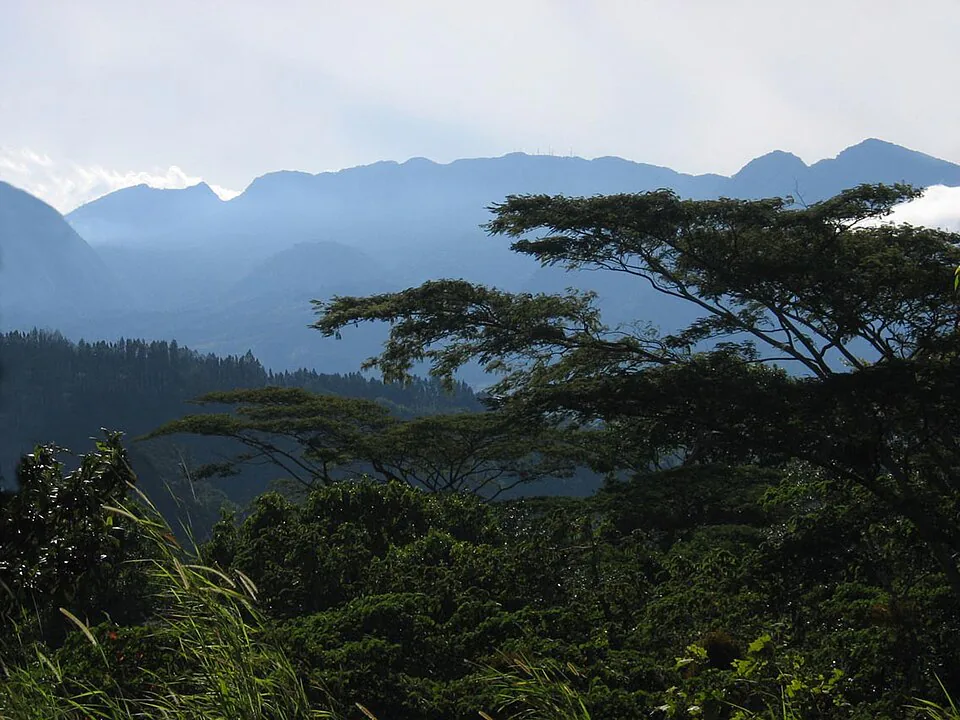
At 3,475 metres, Volcán Barú is the highest point in Panama and one of only a handful of places on earth where, on a clear day, you can see both the Pacific and Atlantic oceans simultaneously. The summit is the defining physical challenge of a Boquete visit — but there are several ways to experience it, and the right choice depends on your fitness and budget.
Overnight summit hike
The classic approach: leave Boquete at midnight, hike six to eight hours to the summit (arriving around dawn), watch the sunrise, and descend. The trail gains roughly 2,200 metres of elevation over 13 km. It is relentlessly steep, cold (temperatures at the summit can drop below 5°C), and dark for the first half. You will need a headlamp, warm layers, rain gear, and solid fitness. The national park entrance fee is $5. Guided overnight hikes cost $75–$85 per person and include a guide, transport to the trailhead, and basic gear. Going without a guide is permitted but not recommended for first-timers — the trail is unmarked in sections and the weather can close in fast.
4x4 vehicle ascent
For those who want the summit views without the physical ordeal, several operators offer 4x4 rides to the top, departing around 3–4 am to catch the sunrise. Cost: $120–$155 per person, usually including breakfast. The road is rough and the ride takes about two hours each way. This is the best option for older travellers, families with older children, or anyone who wants the panorama without the punishment.
Day hike (fit hikers only)
A very long day hike is possible for strong hikers leaving by 4 am, but most people find the combination of altitude, distance, and darkness makes the overnight approach far more enjoyable. Budget $75–$85 for a guided day hike.
Section 06Birdwatching and the resplendent quetzal
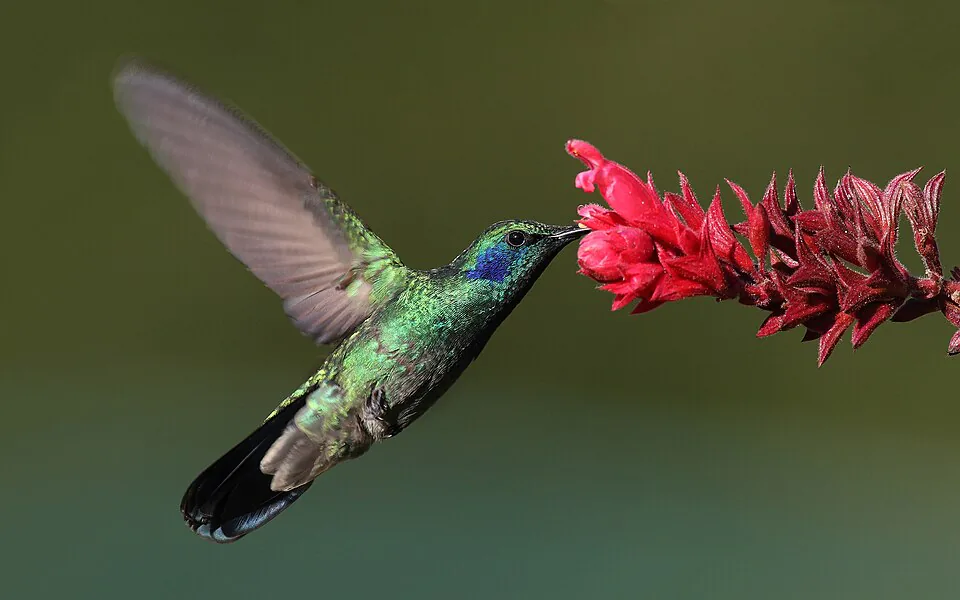
Boquete sits within one of the richest birding corridors in the Americas. Over 500 species have been recorded in Chiriquí Province, including toucans, emerald toucanets, hummingbirds (at least a dozen species), and the resplendent quetzal — arguably the most spectacular bird in the Western Hemisphere, and the one every visitor wants to see.
When and where to find the quetzal
The quetzal nests at elevations between 1,500 and 3,000 metres and is most reliably spotted between February and June, when males display their extraordinary metre-long tail feathers during breeding season. The Pipeline Trail and the trails around Finca Lérida are the two best locations near Boquete. Sendero Los Quetzales is also excellent, as the name suggests. Arrive at the trailhead before 6 am for the best chance — the birds are most active in the first two hours of daylight.
A local birding guide dramatically increases your chances of a sighting. Coffee Adventures offers half-day birding tours from $75 for two people and full-day tours for $195. Guides know the current nesting locations and can identify the quetzal's distinctive call before you ever see the bird. Even without a guide, if you see a group of people on the Pipeline Trail staring intently into the canopy with binoculars, join them — they have almost certainly found something.
Section 07Adventure activities
Beyond hiking and coffee, Boquete has a full menu of adrenaline activities. Here is what is worth your money and what to expect.
White-water rafting on the Chiriquí Viejo
The Chiriquí Viejo River is one of the best white-water rivers in Central America, with continuous Class III–IV rapids through steep jungle canyons. The standard half-day trip runs the Palon section (Class III, suitable for beginners) or the more demanding Esti section (Class IV, for experienced paddlers). Cost: $65–$85 per person, including transport, guide, and equipment. Operators include Chiriquí River Rafting and Boquete Outdoor Adventures. The season runs year-round, but water levels are highest and most exciting from May to November.
Zip-lining and canopy tours
Boquete Tree Trek runs the best zip-line circuit in the area — a 12-zip course through old-growth forest above the Caldera River valley, with the longest line running over 400 metres. Cost: $75 per person, around two hours. The combination hanging-bridges-and-zip-line package ($95) is worth it if you want to do both. Book directly or through your hotel to avoid booking-platform markups.
Rock climbing at Los Ladrillos
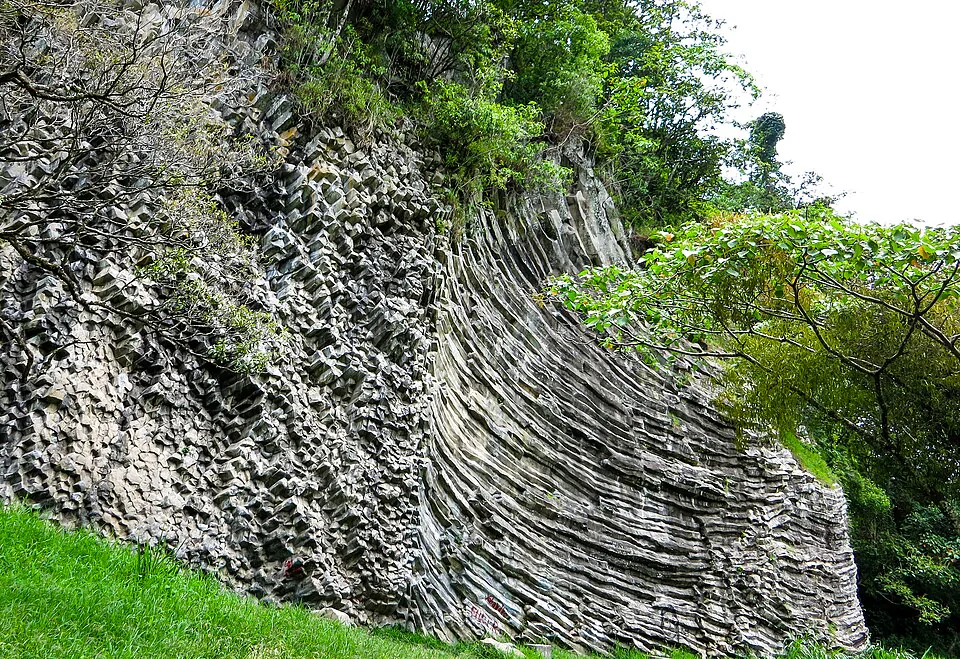
A lesser-known but genuinely excellent option: the basalt columns at Los Ladrillos, about 20 minutes from town, offer sport climbing routes from beginner to advanced. Guided climbing tours with equipment cost around $60–$80 per person. This is one of the most underrated activities in Boquete — the rock quality is good, the setting is dramatic, and you will almost certainly have the crag to yourself.
Cangilones Mini Canyons
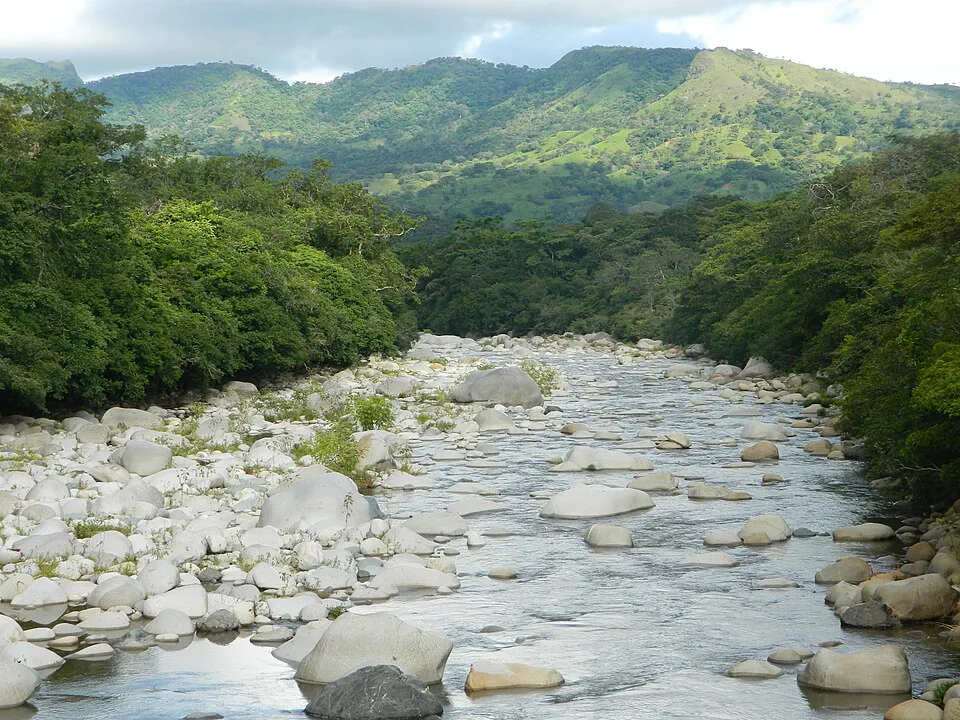
The Cangilones are a series of smooth river-carved rock pools and narrow gorges on the Chiriquí River, about 25 minutes from Boquete near the village of Gualaca. Guided tours ($38–$45) involve swimming, jumping between pools, and scrambling through canyon passages. It is one of the best family-friendly adventure activities in the region and completely different from anything else on this list. The water is cold and clear; bring a swimsuit and water shoes.
Cochea River tubing
A newer offering: guided tubing on the Cochea River, about 45 minutes from Boquete. The two-and-a-half-hour trip floats through jungle on Class I–II water — gentle enough for families, scenic enough for everyone. Cost: around $60 per person.
Horseback riding
Cloud-forest horseback rides through the hills above Boquete are available from several operators, typically running two to three hours for $50–$70 per person. The Epic Cloud Forest Horseback Riding Adventure is the most frequently recommended option, covering terrain above 1,500 metres with views over the valley.
Section 08Hot springs at Caldera and day trips
The hot springs at Caldera are one of the most underrated experiences near Boquete, and one that most guides mention only in passing. They deserve more attention.
Los Pozos de Caldera
Located about 30 km southeast of Boquete near the village of Caldera, these natural thermal pools sit alongside a cool river, allowing you to alternate between hot and cold water in a jungle setting. The springs are on private land and accessed via a rough dirt road — a high-clearance vehicle helps, though it is not strictly necessary in the dry season. Entrance: $5–$10. Getting there: taxi from Boquete costs $20–$25 each way; arrange a return time with the driver. The springs are at their best in the morning before tour groups arrive. A full family tour package from Boquete including transport and guide costs around $85 per person.
Caldera itself is a warmer, lower-altitude village — a complete contrast to Boquete's mountain cool. Combine the hot springs with lunch at one of the simple restaurants in the village and you have a full, unhurried day out.
Gulf Islands day trip (Boca Chica)
A 90-minute drive from Boquete, Boca Chica is a small Pacific coast village that serves as the launch point for boat tours around the Chiriquí Gulf archipelago. The 25 uninhabited islands are home to howler monkeys, sea turtles, exotic birds, and excellent snorkelling. Organised day tours from Boquete cost around $75 per person and include transport, boat, guide, and lunch. This is the best option for travellers who want to add a beach or marine element to a Boquete trip without going all the way to Bocas del Toro.
David day trip
Panama's third-largest city is 40 km away and easily visited in half a day. It is not a tourist destination per se, but it has the best supermarkets and pharmacies in the region, a good central market, and several banks with international ATMs. Most travellers pass through David on the way to or from Boquete rather than making a specific trip.
Bocas del Toro
The classic Panama combo is Boquete (mountains, coffee, hiking) paired with Bocas del Toro (Caribbean islands, beaches, snorkelling). The journey takes five to six hours via water taxi and bus through Almirante and Changuinola, and costs $25–$35. It is a long travel day but entirely doable. Many travellers do Boquete first (arriving from Panama City) and Bocas second, or vice versa. Our Bocas del Toro travel guide covers the logistics in full.
Section 09Downtown Boquete: food, coffee, and culture
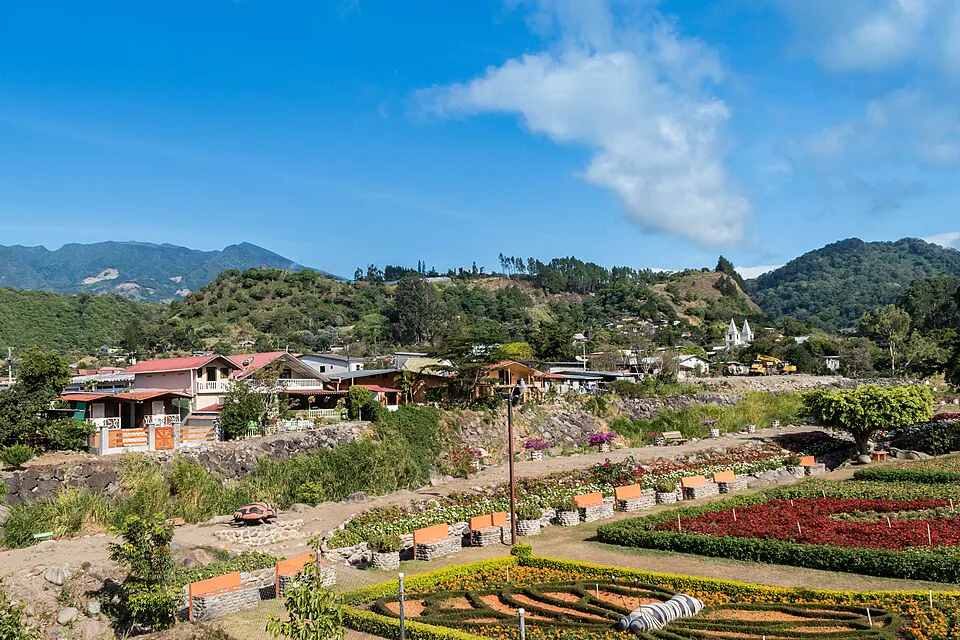
Boquete's downtown is small enough to walk in twenty minutes, but it rewards slow exploration. The central plaza, the Caldera River bridge draped in flowering vines, and the grid of streets climbing the hillside above Avenida Central are all worth an unhurried hour. Here is where to eat, drink, and spend time in town.
Restaurants worth knowing
Panamonte Hotel Restaurant is the most celebrated dining room in Boquete — a century-old hotel with a kitchen that has been feeding diplomats and adventurers since 1914. The menu changes seasonally and leans on local highland ingredients. Dinner for two with wine runs $60–$90. Reservations recommended.
Big Daddy's Grill consistently tops local rankings for casual dining. The fish and shrimp tacos are excellent, the portions are generous, and the prices are honest — expect $10–$15 for a full meal. It sits at the bottom of town near the river and has outdoor seating.
Bistro Boquete is the mid-range standby: solid sandwiches, good salads, and reliable coffee in a comfortable setting on Avenida Central. Lunch runs $8–$14 per person.
Sugar and Spice is an expat-run café serving burritos, turkey sandwiches, and American-style breakfasts. It is not a local experience, but it is fast, clean, and cheap ($6–$10), and the coffee is good.
Nuestro Café is where locals eat before work: cafeteria-style rice, eggs, and patacones for under $4. Go once for the experience and the price.
Coffee shops
Boquete has more good coffee per square metre than almost anywhere in Central America. The Coffee Widow (La Viuda del Café) on Avenida Central is the place to try Geisha — the staff can walk you through the flavour profile and the preparation method. Kotowa's in-town café serves their estate beans and is a reliable morning stop. For something more relaxed, the café at Finca Lérida (a 15-minute drive uphill) has the best views of any coffee shop in the valley.
Craft beer
Panama's craft beer scene has reached Boquete. Baru Boquete, a pub with a garden beside the central plaza, pours local and Panamanian craft beers and is the most social spot in town after dark. The Panamonte Hotel's small jazz bar is the more refined alternative — occasional live music, good cocktails, and a fireplace on cold evenings.
Markets and culture
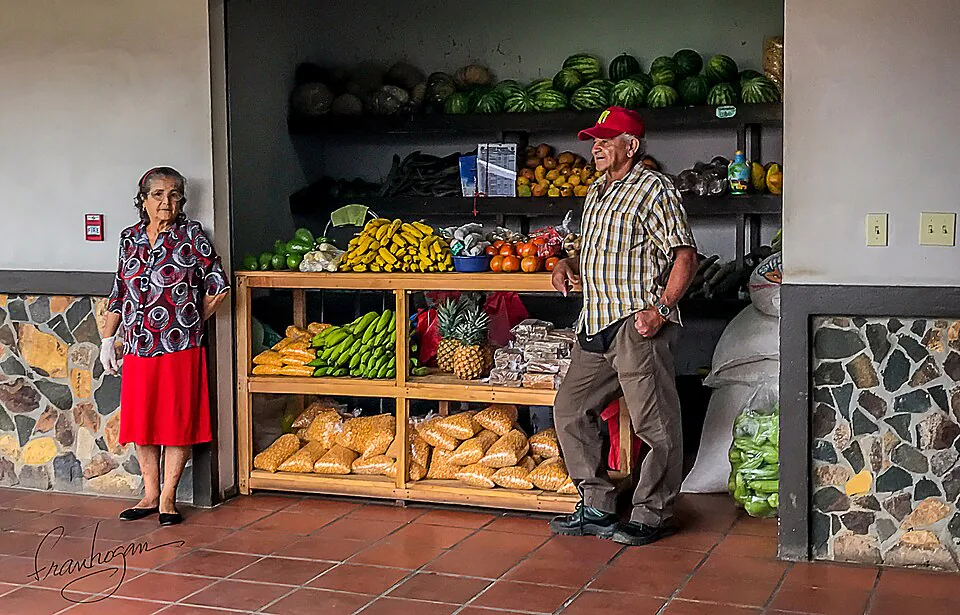
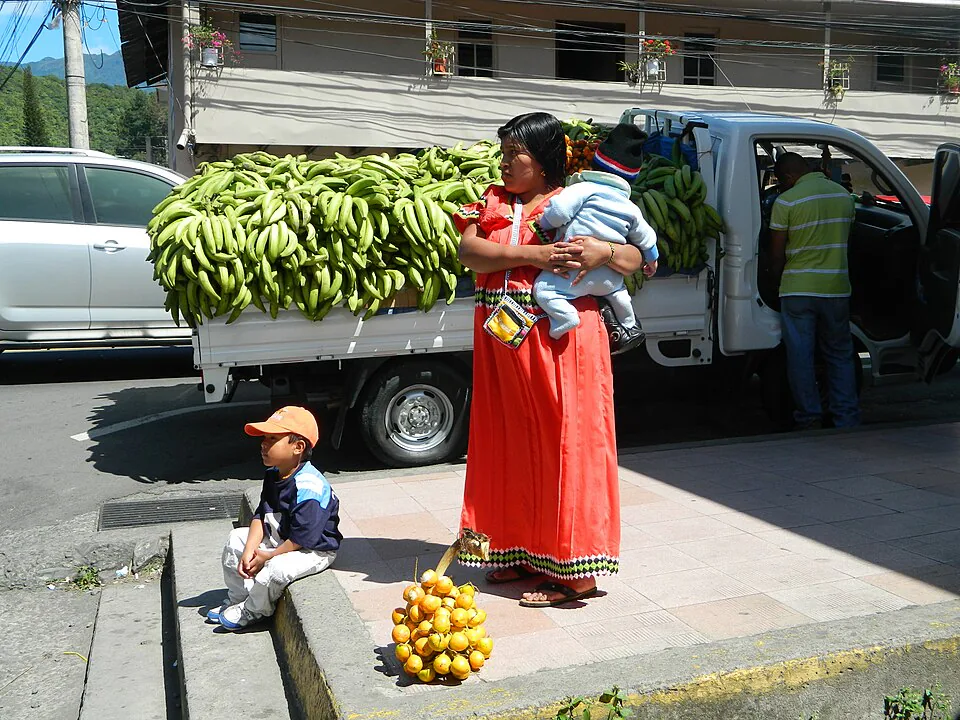
The Tuesday market near the central plaza is the best place to buy local produce, flowers, and handmade goods. The annual Boquete Jazz and Blues Festival (usually January) brings international acts to the valley and fills accommodation fast — book months ahead if your visit coincides. The Feria de las Flores y del Café (Flower and Coffee Fair) in January is the town's biggest annual event, with coffee competitions, live music, and flower displays from the surrounding farms.
Section 10Sample itineraries
The following itineraries assume you are based in Bajo Boquete and have already arrived. They are realistic — not aspirational lists of everything possible, but actual schedules that account for travel time, energy, and the fact that you will want to sit down with a good coffee at some point.
2-day itinerary
Day 1 — Trails and waterfalls. Depart your accommodation by 6:30 am and take a taxi to the Pipeline Trail trailhead ($5). Walk the Pipeline Trail (two to three hours), keeping eyes open for quetzals in the canopy. Return to the trailhead and walk or taxi the short distance to the Lost Waterfalls trailhead. Hike to the second and third waterfalls (two to three hours, including a swim at waterfall two). Taxi back to town by 2 pm. Afternoon: walk the Caldera River bridge, browse the central plaza, and have lunch at Big Daddy's Grill. Evening: coffee tasting at The Coffee Widow, dinner at Bistro Boquete.
Day 2 — Coffee and adventure. Morning coffee tour at Café Ruiz or Kotowa (book ahead; tours start at 8 or 9 am, last three hours, cost $30–$40). Afternoon: zip-lining at Boquete Tree Trek ($75) or white-water rafting on the Chiriquí Viejo ($65–$85). Evening: dinner at Panamonte Hotel Restaurant.
3-day itinerary
Follow the two-day itinerary above, then add:
Day 3 — Caldera hot springs and town. Morning: rent an e-bike from E-Valley Bikes and ride the Bajo Boquete loop — up the Jaramillo road past the coffee farms, through the flower nurseries, and back down to town (allow two to three hours at a relaxed pace). Afternoon: taxi to Caldera hot springs ($20–$25 each way), soak for two hours, return to town. Evening: Baru Boquete pub for craft beer and a final dinner.
5-day itinerary
Days 1–3 as above, then:
Day 4 — Volcán Barú. Depart at midnight for the overnight summit hike (guided, $75–$85). Arrive at the summit around dawn. Descend by midday. Afternoon: rest, light lunch, recovery nap.
Day 5 — Sendero Los Quetzales or Gulf Islands. If you have the energy after the volcano, the Los Quetzales trail is the finest half-day hike in the region (taxi to trailhead at 6 am, hike to the Mirador La Roca viewpoint, return by noon). Alternatively, take the day trip to Boca Chica and the Gulf Islands ($75) for a complete change of scenery. Depart Boquete in the evening or the following morning.
Section 11When to go: seasonal timing by activity
Boquete has a year-round mild climate, but the dry and wet seasons matter significantly for specific activities. Almost nobody addresses this properly, so here is the honest breakdown.
| Activity | Best months | Notes | Verdict |
|---|---|---|---|
| Quetzal spotting | Feb–Jun | Peak nesting Mar–Apr; males display tail feathers | Mar–Apr best |
| Volcán Barú summit | Dec–Apr | Clear skies most reliable; cloud closes in May onwards | Jan–Mar ideal |
| Lost Waterfalls / Pipeline Trail | Year-round | Trails muddier in wet season; waterfalls more dramatic | Boots essential May–Nov |
| White-water rafting | May–Nov | Higher water levels; more intense rapids | Jun–Oct for big water |
| Coffee harvest season | Nov–Mar | Picking season; farms at their most active and photogenic | Dec–Jan for harvest tours |
| Caldera hot springs | Year-round | Road access easier in dry season | Dec–Apr easiest access |
| Flower and Coffee Fair | January | Book accommodation 2–3 months ahead | Best cultural event |
The dry season (December to April) is the most popular time to visit and the best for summit hikes and clear views. The wet season (May to November) brings lush, intensely green landscapes, fewer tourists, lower prices, and better rafting — but expect afternoon rain on most days and genuinely muddy trails. The shoulder months of November and December combine the end of the coffee harvest, the beginning of dry weather, and the start of quetzal nesting preparation — arguably the most interesting time of year for a first visit.
Section 12Budget breakdown
Boquete is not expensive by North American or European standards, but it is not as cheap as some other Central American destinations. Here is what a realistic daily budget looks like, broken down by traveller type.
| Expense | Budget ($) | Mid-range ($$) | Comfortable ($$$) |
|---|---|---|---|
| Accommodation (per night) | $15–$25 (hostel dorm) | $50–$90 (guesthouse) | $120–$250 (plantation hotel) |
| Meals (per day) | $10–$15 | $25–$40 | $50–$80 |
| Coffee tour | — | $30–$40 | $50–$80 (private) |
| Lost Waterfalls hike | $10 entrance + $10 taxi | $10 entrance + $10 taxi | $40–$60 guided |
| Pipeline Trail | $5 entrance + $10 taxi | $5 entrance + $10 taxi | $40–$75 guided birding |
| Volcán Barú (guided hike) | — | $75–$85 | $120–$155 (4x4) |
| Zip-lining | — | $75 | $95 (combo) |
| Rafting | — | $65–$85 | $85–$100 (private) |
| Caldera hot springs | $5 entrance + $45 taxi return | $5 entrance + $45 taxi | $85 (full tour) |
Three days in Boquete on a budget: $150–$200 total, including accommodation, food, the two self-guided hikes, and one coffee tour. Three days mid-range: $350–$500, adding zip-lining or rafting and a nicer hotel. Three days comfortable: $700–$1,000, with a plantation hotel, private tours, the Volcán Barú 4x4, and dinner at Panamonte.
Free and cheap activities worth knowing: the central plaza and Caldera bridge cost nothing. The Tuesday market is free to browse. The El Pianista Trail has no entrance fee. Walking the Bajo Boquete loop — through the flower nurseries and up past the coffee farms on the Jaramillo road — is one of the most rewarding things you can do in Boquete and costs only the energy to walk it (or the modest rental fee for an e-bike if the hills feel ambitious).