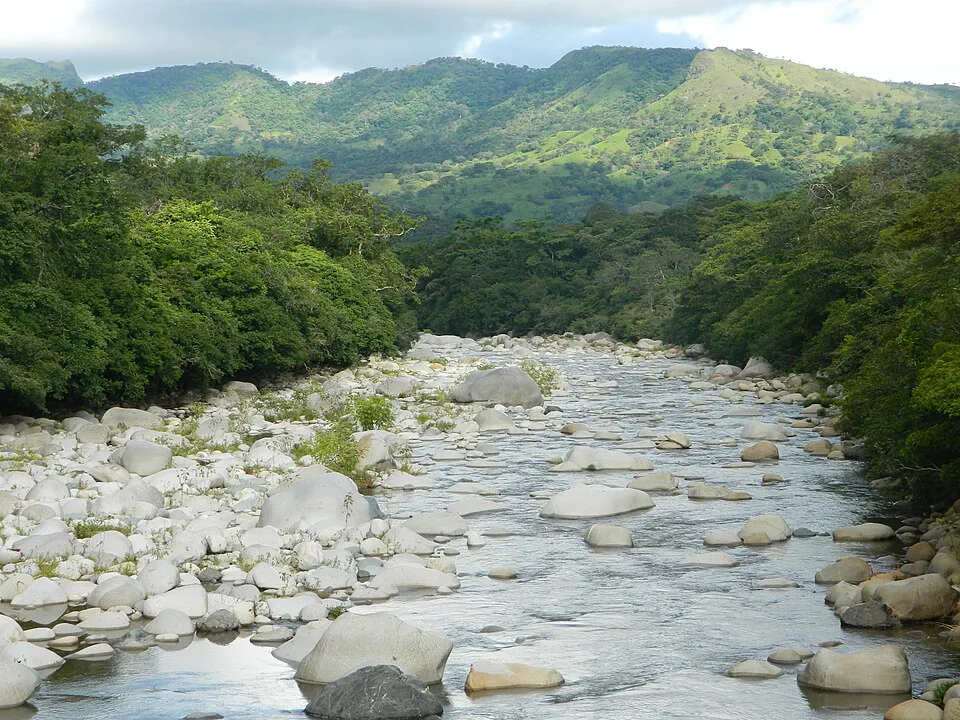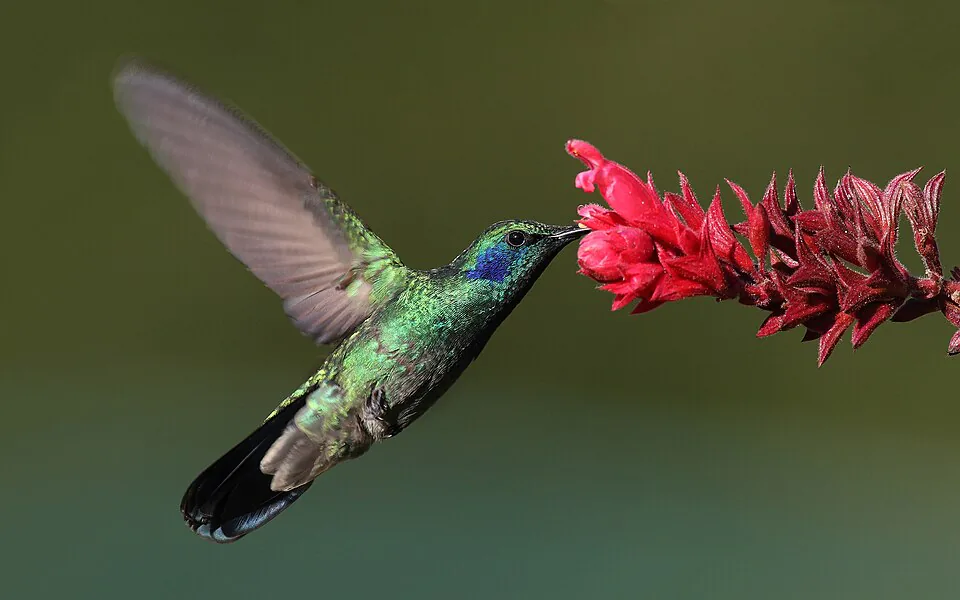
Boquete sits at 1,200 metres in the Chiriquí highlands, ringed by coffee farms, cloud forest, and the flanks of Panama's only volcano. The tours here are genuinely good — but the internet makes them hard to compare. This guide cuts through the noise with real prices, honest difficulty ratings, and the seasonal fine print that most listings skip entirely.
Whether you want to pick Geisha cherries at a working finca, coast downhill through coffee country on an e-bike, or raft Class IV rapids on the Chiriquí Viejo River, Boquete delivers. The trick is knowing which tour suits your fitness level, how much of that "full day" is actually spent on the activity, and what the weather will do to your plans in any given month. If your Panama trip also takes in El Valle de Antón — the crater town a couple of hours from Panama City — our companion guides cover its hikes, things to do, and tours there too.
Section 01Why Boquete deserves a place on your Panama itinerary
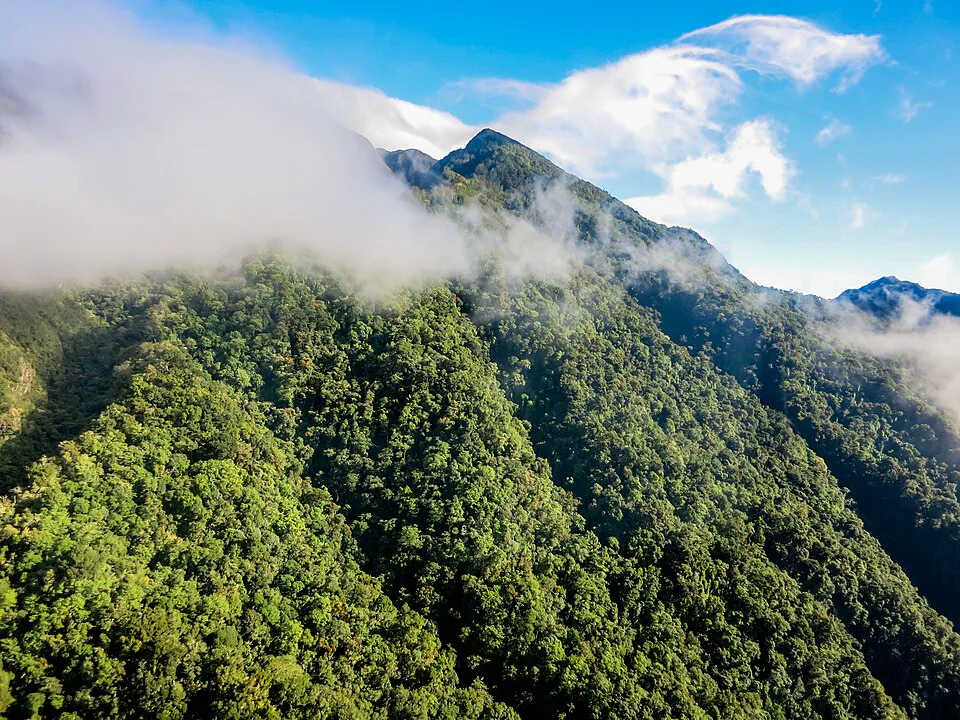
Boquete is the kind of place that earns its reputation. The town of Bajo Boquete — the walkable center most visitors use as a base — is small enough to navigate on foot but connected to a surprisingly dense network of farms, trails, and rivers within a 30-minute drive. The elevation keeps temperatures between 16°C and 24°C year-round, which means hiking and cycling are comfortable even in the middle of the day, a rare luxury in Panama.
The coffee story is real, not marketing. Boquete's volcanic soils, altitudes between 1,000 and 2,100 metres, and persistent morning mist create conditions that produce some of the most expensive specialty coffee on earth. The Geisha variety grown here has sold at auction for over $13,000 per kilogram. You can taste it on a farm tour for $35–$55 per person — one of the better value-for-money experiences in all of Central America.
Beyond coffee, the activity menu is broad: guided e-bike rides through the Bajo Mono Loop, zip-line canopy tours above La Amistad International Peace Park, white-water rafting on two separate rivers graded for different skill levels, birding for the resplendent Quetzal along the Pipeline Trail, and multi-day volcano hikes to the summit of Volcán Barú at 3,475 metres. Few highland towns in the region pack this much into a 10-kilometre radius.
Section 02Getting to Boquete
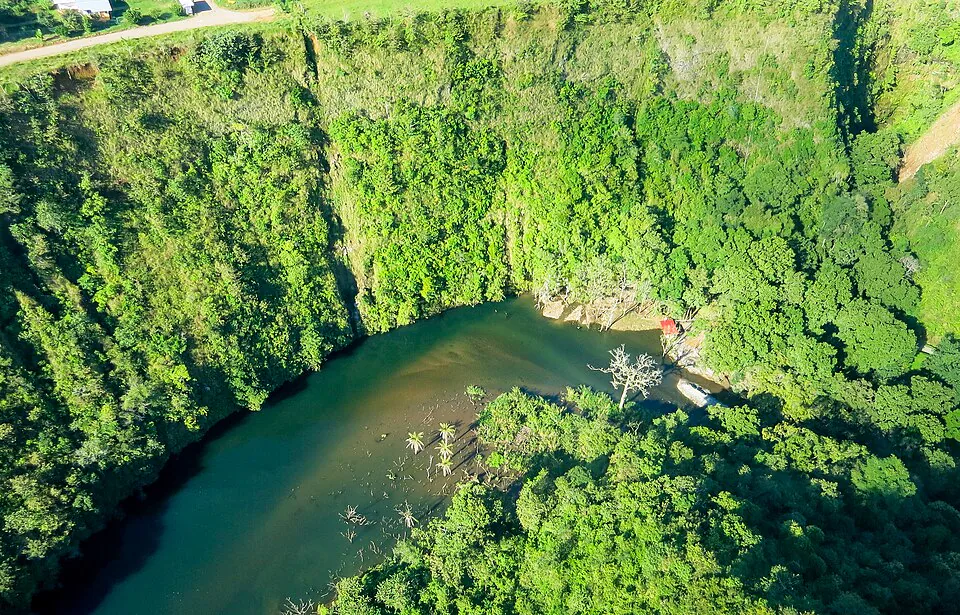
The most practical gateway is David, the capital of Chiriquí Province. From David, Boquete is 38 kilometres north on a well-paved road that climbs steadily through cattle pasture and then coffee country.
| Route | Cost | Time | Verdict |
|---|---|---|---|
| Bus: David terminal → Boquete | $2 per person | 55–70 min | Best value |
| Taxi: David → Boquete | $25–$35 per car | 40 min | Best with luggage |
| Rental car from David | From $35/day | 40 min | Useful for farm visits |
| Bus: Panama City (Albrook) → David | $16–$18 per person | 7–8 hrs | Overnight bus saves a night's accommodation |
| Flight: PTY → DAV (Air Panama) | $80–$140 one way | 55 min flight | Fastest from Panama City |
David's main bus terminal (Terminal de Transporte) runs buses to Boquete roughly every 30 minutes from 6:00 am to 8:00 pm. The last bus back from Boquete to David typically departs around 7:30 pm — confirm this at the Boquete bus stop on Avenida Central before booking a late-afternoon tour that might run over time. If you are crossing from Costa Rica, the Paso Canoa border is 90 minutes from David; take a bus to David first, then connect to Boquete.
Section 03Coffee tours in Boquete — compared honestly
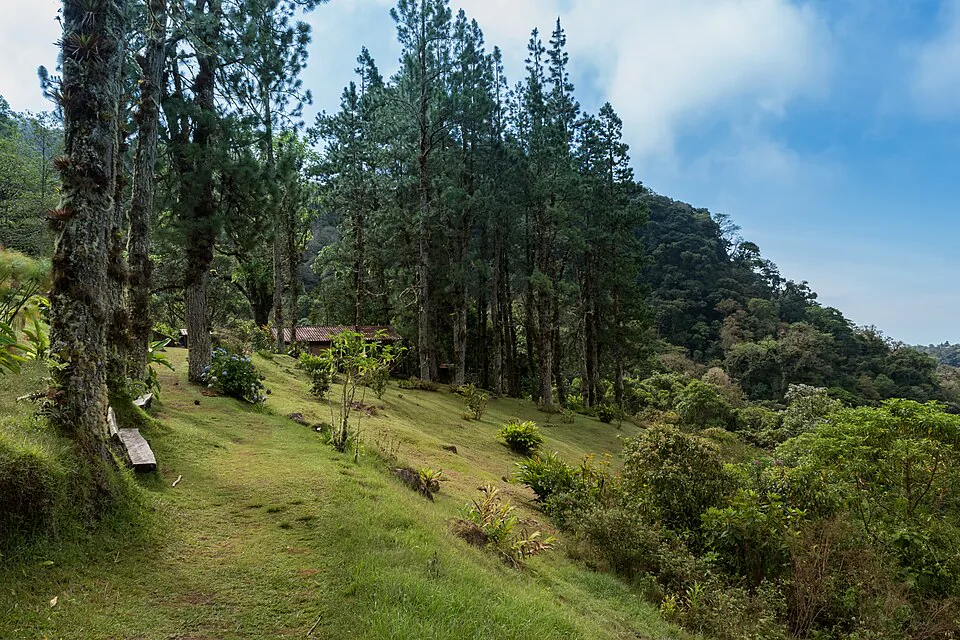
Not all coffee tours are equal. The key variables are: how much time you spend on the farm versus in a van, whether you actually pick or process beans yourself, the quality of the tasting (tourist-grade drip versus professional cupping), and group size. Here is how the main options break down.
The working-farm experience ($30–$45 per person)
Tours at farms like Finca Dos Jefes (on the road toward Volcán Barú) and Don Pepe's Estate run at 9:00 am and 2:00 pm daily, last approximately 2.5 hours, and cost around $35 per person. You walk the farm, see the processing facility, and finish with a tasting. Groups typically run to 8–12 people. These are solid, honest introductions to the coffee process — you will understand cherry-to-cup by the end — but the tasting is not a professional cupping session and the Geisha sample is usually a small pour rather than a full flight.
Finca Dos Jefes does not accept walk-ins; book at least a day ahead via their website or through agencies on Avenida Central. The farm is a 20-minute drive from town — factor in transport if you are without a car.
The specialist cupping experience ($45–$75 per person)
For a deeper dive, look for tours that include a professional cupping session led by a certified barista or Q-grader. One highly rated option operating out of Palmira (a small area within the Boquete district) limits groups to four people, includes round-trip transport, and walks you through growing, harvesting, and roasting before a formal cupping of multiple varietals including Geisha. At approximately $55–$65 per person, this is the tour to book if coffee is your primary reason for visiting Boquete. Expect 3.5–4 hours total, with roughly 2.5 hours of hands-on time.
The roast-your-own experience ($40–$55 per person)
Several operators in Bajo Boquete offer sessions where you roast a small batch of green beans to take home. One well-reviewed option sets up in the town itself and runs 90-minute sessions focused on the science of roasting and extraction. Good for coffee enthusiasts who have already done a farm tour and want something more technical. Groups are small (4–6 people maximum).
The e-bike coffee combo
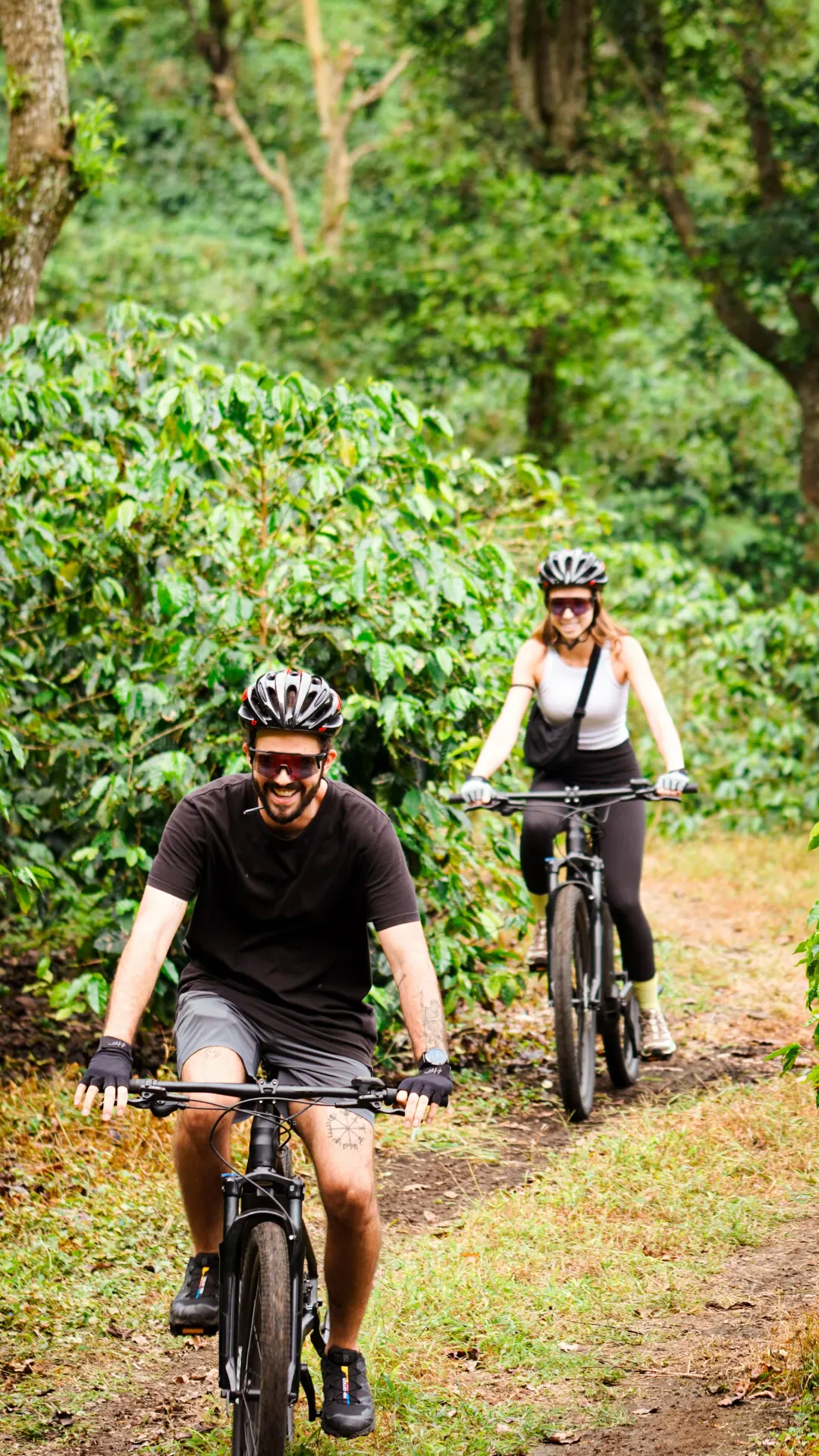
This is the format that has grown most quickly in Boquete over the past two years, and for good reason: you cover more ground, see the landscape properly, and arrive at the farm having actually earned the coffee. E-Valley Bikes is the local operator to know for guided e-bike tours that combine cycling the Bajo Mono Loop with a stop at a working coffee farm. Their tours run 3–4 hours, include a tasting, and are structured so that the electric assist handles the uphill sections while you freewheel through the farm roads. More on the bike specifics in the next section.
Three rides. One unforgettable Boquete.
Premium Orbea e-bikes that do the climbing for you. Helmet, gloves, water and route support included — and you pay when you arrive.
Coffee Farm E-Bike Tour
Ride to a working farm and see how Geisha — the world's most expensive coffee — is made. Tasting at Altieri Specialty Coffee, geisha ice cream included.
Guided Highlights Ride
Lost Waterfalls, Library Park and the highland viewpoints locals love — the spots most visitors never find.
Self-Paced Rental
Hourly or full-day. Take a recommended route or just wander. The e-bike means hills don't decide your day.
Section 04Bike tours and e-bike rentals in Boquete
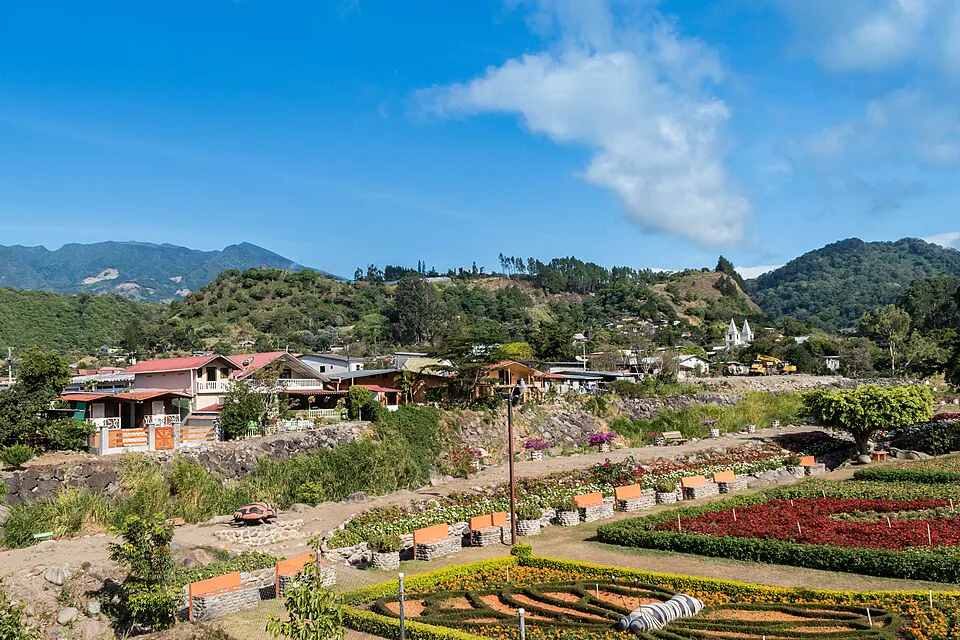
Cycling in Boquete has evolved significantly. The old "25 km downhill" format — a van drops you at altitude, you coast to town — still exists, but guided e-bike tours that actually explore the coffee farms and viewpoints of the Bajo Mono Loop have become the more interesting option for most visitors.
E-Valley Bikes — the local specialist
E-Valley Bikes is Boquete's dedicated e-bike operator, offering both guided tours and self-guided rentals. Their guided tours run 2–4 hours and cover the paved and light-gravel roads of the Bajo Mono Loop, passing through coffee farms, flower gardens, and mirador viewpoints with Volcán Barú as a backdrop. The electric assist means the route is accessible to riders of average fitness — you do not need to be a cyclist to enjoy it, but you do need to be comfortable on a bicycle.
Guided tours are quoted per person depending on duration and whether a coffee farm visit is included — message E-Valley Bikes on WhatsApp (+507 6983-3141) or see the Boquete e-bike tours for current pricing. Standalone e-bike rentals start from $35, which suits independent riders who want to self-navigate the loop. Helmets and a route briefing are included with all rentals.
Terrain and what to expect
The Bajo Mono Loop is primarily paved road with some packed-gravel sections near the farms. Total elevation gain on the guided tour circuit is modest — roughly 150–200 metres — because the electric assist takes the sting out of the climbs. The roads carry light vehicle traffic; early mornings (7:00–9:00 am) are quietest. The route passes through Palo Alto and into the upper finca zone, with views opening up toward the Caldera River valley on the descent back to town.
For riders who want more technical terrain, the roads above Alto Lino and toward El Pianista Trail offer longer climbs and rougher surfaces — better suited to confident cyclists using the e-bikes in a lower-assist mode. Discuss your preference with E-Valley Bikes when booking; they will tailor the route accordingly.
The classic downhill bike tour
The original Boquete cycling format — a van shuttle to a high point on the Volcán Barú road followed by a 25-kilometre gravity-assisted descent — is still offered by several operators and costs $45–$65 per person including transport and a guide. The road is paved throughout. It suits casual riders and families; the gradient is consistent rather than steep, and the scenery through the coffee and flower farms is excellent. Total active cycling time is approximately 1.5–2 hours. The van shuttle and group assembly typically add another 45–60 minutes to the stated tour duration.
Section 05Adventure tours — rafting, hiking, zip-lining, and more
White-water rafting ($55–$75 per person)
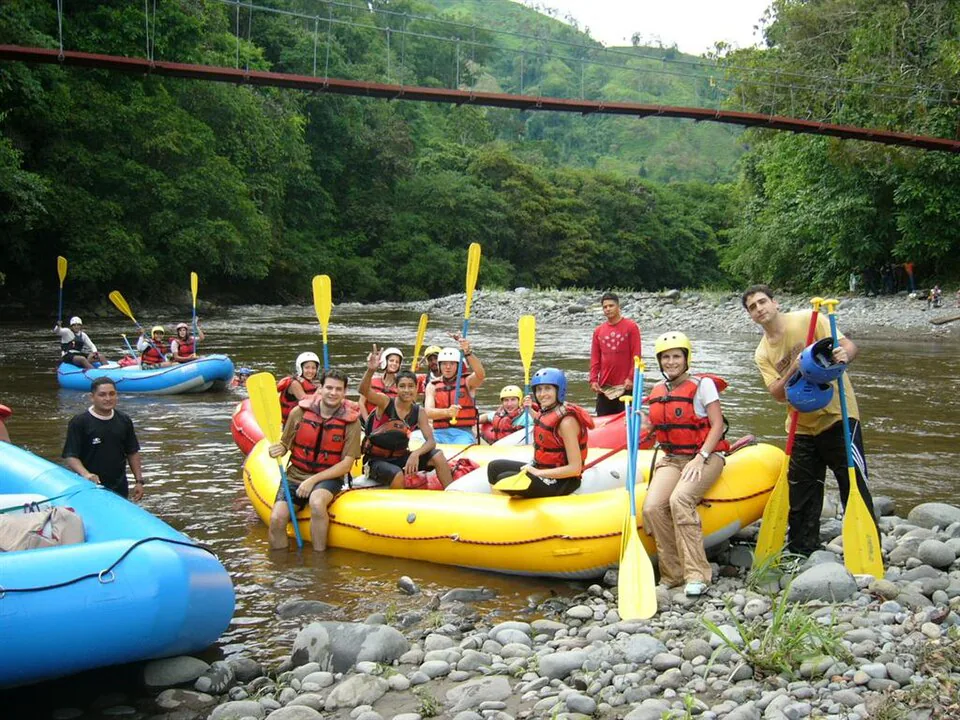
Two rivers, two very different experiences. The Río Chiriquí (also called the Chiriquí Nuevo) offers Class II–III rapids and is the better choice for families, beginners, or anyone who wants a scenic float with some excitement but not genuine danger. The Chiriquí Viejo River is a different proposition: sustained Class III–IV rapids through steep canyon walls, with no easy exit points once you are on the water. It is world-class white water by any measure. Both rivers run full-day tours departing around 7:45 am and returning by 3:30 pm. Prices include transport, a certified guide, all safety equipment, and a riverside lunch. The Chiriquí Viejo requires a minimum of two participants; most operators will not take children under 12 or non-swimmers on this route.
Zip-line canopy tours ($55–$75 per person)
Boquete Tree Trek is the established operator, running a multi-platform zip-line circuit above the cloud forest near La Amistad International Peace Park. The course covers 12 platforms and several suspension bridges, with the longest single run exceeding 400 metres. Duration is approximately 2.5–3 hours on the platforms, plus transport. Suitable for most fitness levels; minimum weight 35 kg, maximum 120 kg. Book directly through Boquete Tree Trek for the best availability.
Lost Waterfalls hike ($10–$15 entry, self-guided or guided)
The Lost Waterfalls trail in the Bajo Mono area is one of the most accessible hikes near town: a 6-kilometre round trip through cloud forest to three tiered waterfalls, with a total elevation gain of around 300 metres. The trail is well-marked and manageable for anyone in reasonable shape. Entry is $10 for tourists; the trailhead is a 20-minute drive or taxi ride from Bajo Boquete. Guided versions ($25–$35 per person) add natural history commentary and are worth it if you want to learn the flora and fauna rather than just walk the route.
Pipeline Trail birding hike ($30–$45 per person guided)
The Pipeline Trail in the Bajo Mono Loop area is Boquete's premier birding route and one of the best places in Panama to spot the resplendent Quetzal between December and April. The trail is 2.8 miles one way through cloud forest at around 1,500 metres elevation. Guided half-day tours depart at 8:30 am and return by 12:30 pm. A minimum of two people is required for most operators. Independent hikers can walk the trail for free, but a guide dramatically increases your chances of finding Quetzals and other highland endemics.
Volcán Barú summit ($75–$150 per person guided)
Panama's highest point at 3,475 metres is a serious undertaking. The standard route departs at midnight to reach the summit for sunrise — the only point in Central America where, on a clear day, you can see both the Pacific Ocean and the Caribbean Sea simultaneously. The hike is 14 kilometres round trip with 1,800 metres of elevation gain on a rocky 4WD track. Expect 6–8 hours up and 4–5 hours down. Guides are strongly recommended; the summit area is frequently in cloud and navigation is difficult in the dark. The 4x4 vehicle tour (drive to the summit, no hiking) costs around $75 per person and is a legitimate alternative for those who want the views without the physical demand.
Section 06Seasons, weather, and what it means for your tour
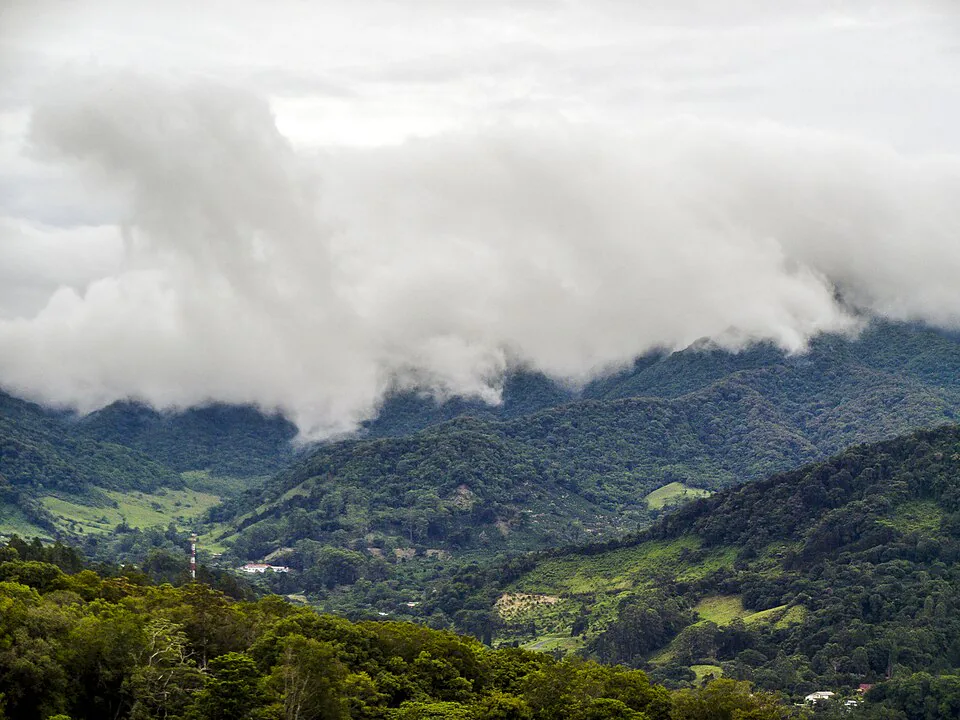
Boquete is wetter than almost anywhere else in Panama — it rains roughly 10 months of the year, and even the "dry season" brings afternoon mist. Understanding this is essential for planning, because weather affects specific tours very differently.
| Month | Conditions | Best tours | Watch out for |
|---|---|---|---|
| Dec–Apr | Dry season; clear mornings, occasional afternoon cloud | All tours; peak Quetzal season; coffee harvest | Prime time |
| May–Jun | Rains begin; mornings often clear | Coffee tours, zip-line, rafting (rivers rising) | Book morning slots |
| Jul–Aug | Wetter; rivers at good rafting level; humpback whales on Pacific coast | Rafting (Chiriquí Nuevo best), whale watching day trip | Trail mud on hikes |
| Sep–Oct | Heaviest rains; rivers can flood | Coffee tours, indoor tastings, town exploration | Chiriquí Viejo may close |
| Nov | Rains easing; landscape intensely green | Hiking, waterfalls at full flow, photography | Underrated month |
A few specifics that most guides omit: the Pipeline Trail for Quetzal spotting is productive from December through April, with the peak window in February and March. After April, Quetzals move to higher elevations and sightings drop sharply. The Chiriquí Viejo River rafting is best from June through October when water levels are high enough for proper Class IV conditions; in the dry season, some sections become rocky and operators switch to the milder Chiriquí Nuevo. E-bike tours on the Bajo Mono Loop are year-round, but the gravel farm roads become slippery after heavy rain — reputable operators like E-Valley Bikes will reroute to paved sections when conditions warrant.
Morning tours almost always beat afternoon tours in Boquete. The standard pattern is clear skies until 10:00–11:00 am, cloud building through midday, and rain or heavy mist by 2:00–3:00 pm. Book hiking, birding, and cycling tours for the earliest available slot. Coffee farm tours and rafting are less sensitive to afternoon cloud, but still benefit from a morning start.
Section 07Tour difficulty — honest ratings for self-selection
Almost no guide tells you this clearly enough, so here it is: Boquete's tours span a genuine range from "suitable for a 70-year-old with a bad knee" to "requires real fitness and a head for heights." Match yourself to the right activity before you book.
| Tour | Difficulty | Fitness required | Notes |
|---|---|---|---|
| Coffee farm tour (walking) | Easy | None | Flat to gentle slopes; 1–2 km walking total |
| E-bike tour (guided, Bajo Mono Loop) | Easy–Moderate | Basic cycling ability | Electric assist handles climbs; 15–25 km total |
| Downhill bike tour (van shuttle) | Easy | Basic cycling ability | Paved road, gravity-assisted; no real climbing |
| Lost Waterfalls hike | Moderate | Comfortable walking 6 km with 300 m gain | Some rooted, muddy sections; no technical terrain |
| Pipeline Trail (birding hike) | Moderate | Comfortable walking 9 km with 400 m gain | Cloud forest terrain; slippery after rain |
| Zip-line canopy (Tree Trek) | Easy–Moderate | No hiking; requires head for heights | Weight limits apply (35–120 kg) |
| Rafting — Chiriquí Nuevo (Class II–III) | Moderate | Able to swim; basic paddle following | Good for first-timers and families |
| Rafting — Chiriquí Viejo (Class III–IV) | Strenuous | Good fitness; prior rafting experience helpful | No exit points mid-river; minimum age 12 |
| Volcán Barú summit hike | Very Strenuous | Strong fitness; altitude acclimatization helps | 14 km, 1,800 m gain; starts at midnight |
| Volcán Barú 4x4 drive | Easy | None | Vehicle does the work; same summit views |
Age and altitude are the two factors most visitors underestimate. Boquete sits at 1,200 metres and the surrounding trails climb significantly higher. If you are arriving from sea level (Panama City or a beach destination), give yourself one full day in town before attempting anything strenuous. Mild headaches and reduced stamina on the first day at altitude are normal and not a sign of a problem — they just mean you should not schedule the Barú hike for your first evening.
Section 08Pricing breakdown — what you actually pay
Prices in Boquete are quoted in US dollars (Panama uses the dollar). All operators are required to add 7% ITBMS sales tax on top of listed prices; most OTA listings include this, but some operator websites quote pre-tax. Always confirm. Here is what the main tours cost in 2026, with a clear breakdown of what is and is not included.
| Tour | Price (per person) | Included | Not included |
|---|---|---|---|
| Coffee farm tour (working finca) | $30–$45 | Guide, farm walk, tasting | Transport if no car |
| Specialist cupping tour | $55–$75 | Guide, transport, full cupping flight | Tips |
| E-bike guided tour (E-Valley Bikes) | On request | E-bike, helmet, guide, coffee stop | Tips, additional tastings |
| E-bike self-rental | From $35 | E-bike, helmet, route map | Guide, coffee farm entry |
| Downhill bike tour | $45–$65 | Bike, helmet, van shuttle, guide | Tips |
| Rafting — Chiriquí Nuevo | $55–$65 | Guide, gear, transport, lunch | Tips, photos |
| Rafting — Chiriquí Viejo | $65–$75 | Guide, gear, transport, lunch | Tips, photos |
| Zip-line (Tree Trek) | $55–$75 | All equipment, guide, transport | Tips, photos |
| Lost Waterfalls (guided) | $25–$35 | Guide, transport | $10 trail entry fee |
| Pipeline Trail birding (guided) | $30–$45 | Guide, transport | Tips, binoculars (bring your own) |
| Volcán Barú 4x4 sunrise | $75–$95 | 4x4 vehicle, guide, hot drinks | Breakfast (sometimes included — confirm) |
| Volcán Barú summit hike (guided) | $100–$150 | Guide, transport, headlamp | Park entry ($5), food, tips |
| 2-day combo packages | $115–$185 | Varies — always ask for itemised breakdown | Accommodation, most meals |
A few honest notes on hidden costs: tips are not included in any listed price and are expected — $5–$10 per person for a half-day tour, $10–$15 for a full day is the local norm. Photos taken by guides or operators are almost always sold separately at $10–$20 per set. Multi-day packages from operators like Boquete Outdoor Adventures quote per-person prices that assume double occupancy; solo travelers often pay a supplement of $20–$40 per night. The 7% ITBMS tax applies to all commercial tour services; if a price seems suspiciously low, it may be pre-tax.
Section 09Where to stay in Boquete
Your accommodation choice in Boquete has a real effect on your tour experience, because the town's geography is more spread out than it looks on a map. Here is how the main zones break down.
Bajo Boquete town center ($20–$80/night)
The walkable core of town, within five minutes of every tour operator, café, and bus stop. Hostels and budget guesthouses cluster here at $20–$35 per night for a private room; mid-range hotels run $50–$80. The best option for first-timers or anyone doing multiple tours, because you can walk to every booking office and the morning bus connections to David are easy. The Yellow House, about 3 kilometres from the center on the outskirts, offers private bungalows from around $25–$40 per night with a quiet, residential feel.
Coffee plantation lodges ($120–$250/night)
Staying on a working finca is one of the most distinctive experiences Boquete offers. Coffee Estate Inn and Hotel Finca Lérida are the two most established options — both sit above town in the coffee-growing zone, offer on-site tours and cafés, and provide a genuine sense of what makes this landscape special. Finca Lérida in particular is an excellent base for birding, with Quetzal sightings possible from the property itself during the dry season. Expect to pay $150–$250 per night; rates typically include breakfast and a basic farm tour.
Palo Alto and Bajo Mono ($60–$150/night)
Guesthouses and small boutique lodges in the Palo Alto and Bajo Mono areas sit closer to the trailheads and fincas, making them ideal if hiking or cycling is your primary focus. You will need a car or be comfortable with taxis to reach town for meals and tours, but the setting — surrounded by coffee farms with mountain views — is hard to beat. E-Valley Bikes operates in this zone, so if you are planning multiple e-bike days, staying nearby saves time.
For those planning a broader Chiriquí itinerary — combining Boquete with the Pacific beaches at Playa Las Lajas, the Caldera hot springs, or the Barú lowlands — David makes a practical overnight hub between legs. It is a functional city rather than a destination, but the accommodation is cheaper and the transport connections are better.