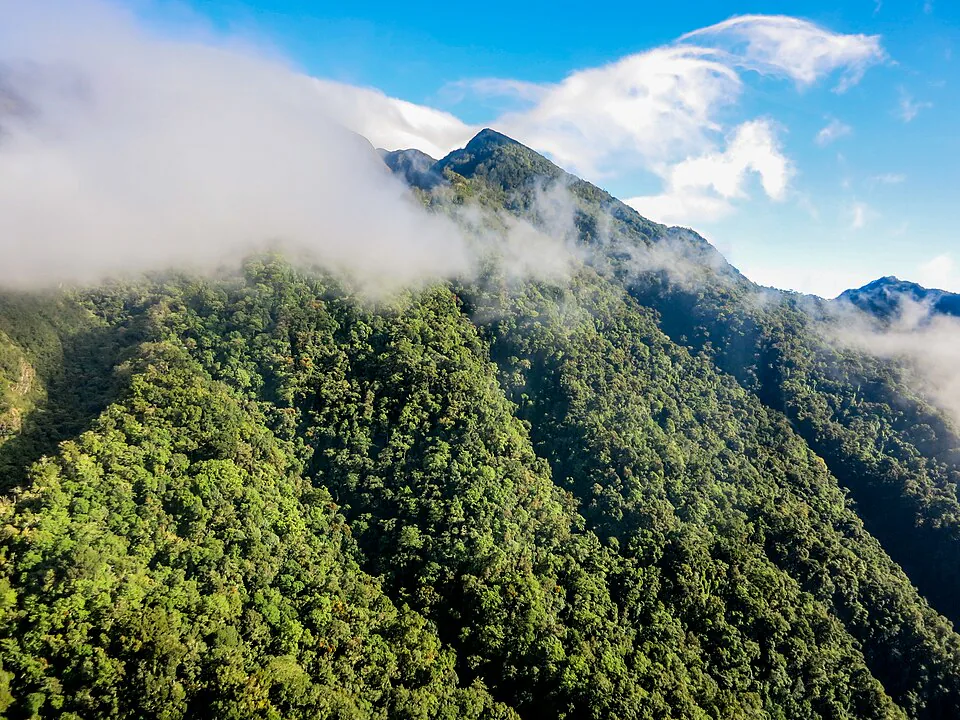
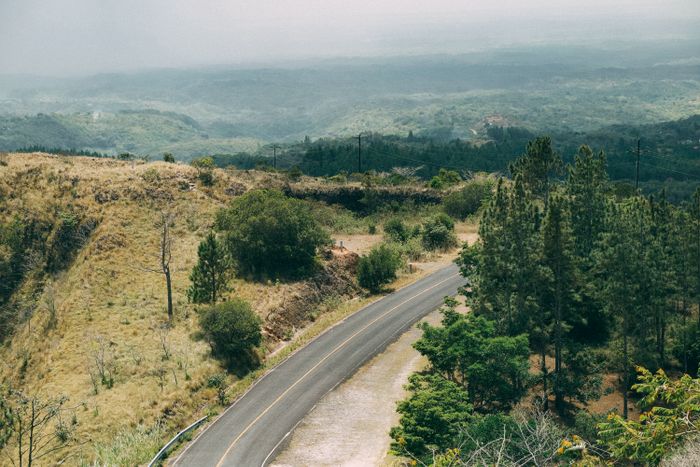
The resplendent quetzal is not a bird you stumble across. It lives in a narrow band of cloud forest, moves on its own schedule, and has no interest in making your trip easier. But Boquete, Panama sits almost perfectly inside that band — and between February and May, the odds shift meaningfully in your favor.
This guide covers what no other page does: the behavioral logic behind the season, a realistic month-by-month breakdown of what you can expect, the specific elevation bands and named locations where sightings concentrate, how to vet a guide before you pay, and the weather variables that actually determine whether you see one. Read it before you book, not after you arrive disappointed.
Section 01Why Boquete is Panama's best quetzal destination
The resplendent quetzal (Pharomachrus mocinno) is restricted to cloud forests between roughly 1,000 and 3,200 metres above sea level across a narrow strip of Central America. In Panama, viable habitat is largely confined to the western highlands of Chiriquí Province — and Boquete sits at the geographic heart of it.
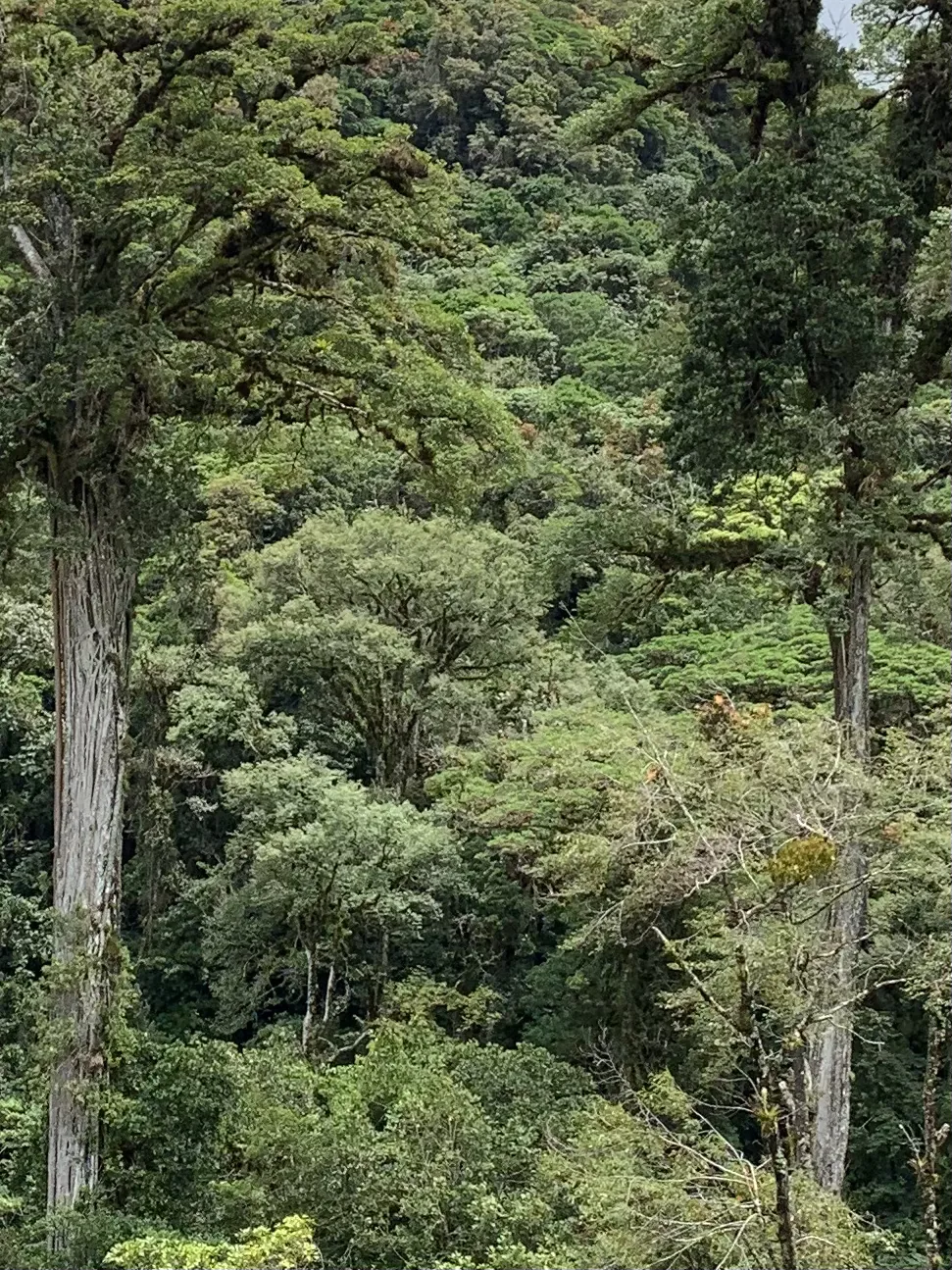
The town itself sits at around 1,000 metres, but the forested slopes above it climb quickly past 2,000 metres into the buffer zone of La Amistad International Park, a UNESCO World Heritage site. That unbroken habitat corridor — from coffee-farm edge up through primary cloud forest into protected park — is what makes the area exceptional. Birds are not isolated in a fragment; they move through a vast, intact landscape. The quetzal population here is one of the most accessible in the entire species' range, which runs from southern Mexico to western Panama.
Boquete also has practical advantages: a small but experienced community of specialist birding guides, several lodges positioned inside or adjacent to prime habitat, and trail infrastructure that puts you in the right elevation band without requiring a technical mountaineering effort.
Section 02The bird itself: what you're actually looking for
Before you go looking, know what you're looking for — because the quetzal is simultaneously one of the most spectacular birds in the Americas and one of the easiest to miss in a forest canopy.

The male in breeding plumage is unmistakable if you get a clear view. The head, back, and chest are an iridescent metallic green that shifts between emerald and gold depending on the angle of light. The belly and undertail coverts are crimson red. The bill is yellow. The feature that defines the species — and drives birders to schedule trips months in advance — is the pair of elongated upper tail coverts that extend well beyond the true tail during breeding season, reaching up to 90 centimetres (about three feet) in the most developed males. These are not tail feathers; they are modified covert feathers that grow specifically for the breeding season and are shed afterward.
The female is far more cryptic: greenish above, reddish below, with a barred tail and no elongated coverts. She is genuinely difficult to spot and is often overlooked entirely by visitors focused on finding the male.
The quetzal's call is the key to finding it. It has several vocalizations, but the one most useful in the field is a deep, resonant two-note call — often described as a low, melodic "kyow-kyow" — that carries well through forest. A second call, heard frequently during courtship, is a longer, rolling series of notes that sounds almost like a mournful whistle. Learn both before you go; free recordings are available on the Cornell Lab's Macaulay Library. The call of the black-headed solitaire is a common source of false hope for first-time visitors — it is higher-pitched and more liquid, but the brain hears what it wants to hear.
Quetzals are fruit specialists. Their primary food source is aguacatillo — small wild avocado relatives in the family Lauraceae — and their foraging behavior is tightly tied to which trees are fruiting at a given elevation. This is the single most important fact for planning a sighting: find the fruiting aguacatillo trees, and you find the quetzals. Experienced guides know which trees have been productive in recent days. This is knowledge you cannot replicate from a map.
Section 03Month-by-month: what actually changes
Almost every guide says "February to May" and stops there. That range is accurate but unhelpfully broad. Here is what actually differs across those months — and why it matters for planning.

December–January: Quetzals are present in the Boquete highlands year-round but are dispersed across a wide altitudinal range and not engaged in breeding behavior. Sightings happen — some visitors get lucky — but they are genuinely opportunistic. The birds are not making the repeated, predictable foraging trips to nest trees that make them findable. December and January are excellent months for the broader highland bird community (more than 400 species in the Boquete area), and the dry-season weather is ideal, but if the quetzal is your primary goal, these months carry lower odds than February onward.
February: This is when breeding behavior begins in earnest at the elevations around Boquete. Males start establishing territories and performing courtship displays — undulating flight patterns over the canopy that are actually easier to spot than a perched bird. Tail coverts are growing but may not yet be at maximum length in early February. Sighting rates climb noticeably compared to January. The dry season is still holding, mornings are typically clear, and trails are in good condition. February is arguably the best month for first-time visitors who want a combination of good odds, good weather, and manageable crowds.
March: Peak breeding activity. Males are in full plumage with maximum tail covert development. Courtship displays are frequent. Pairs are actively searching for nest cavities — typically in dead or decaying trees at 1,500 to 2,200 metres — and males are making regular, predictable foraging flights to aguacatillo trees near the nest site. This predictability is what drives the highest sighting rates of the season. March is also when the most serious birding photographers arrive, and popular spots like the Pipeline Trail and Finca Lérida see their highest visitor numbers. Weather remains predominantly dry.
April: Nesting is underway. The female is incubating eggs or brooding chicks, and the male is making frequent food runs — sometimes every 20 to 30 minutes to the same fruiting tree. If you find an active nest tree with a knowledgeable guide, April can produce the most sustained and close-range views of the season. The rainy season begins to establish itself toward the end of April, with afternoon showers becoming more frequent. Morning conditions are still generally good. Crowds thin slightly compared to March.
May: Chicks are being fed and are approaching fledging. The male is still highly active. Tail coverts begin to shorten as the breeding season winds down. The rainy season is now established, meaning afternoon rain is reliable and morning fog is more common. Sighting rates remain good in the early morning but drop off faster as the day progresses than in the dry months. May offers a genuine trade-off: lower visitor numbers, greener landscapes, and still-productive birding in the first two hours after dawn, at the cost of less predictable weather.
June onward: The breeding season ends and quetzals disperse. They are still present but behave more like the December–January pattern — present but not findable through predictable foraging routes. Sightings become genuinely opportunistic again.
Three rides. One unforgettable Boquete.
Premium Orbea e-bikes that do the climbing for you. Helmet, gloves, water and route support included — and you pay when you arrive.
Coffee Farm E-Bike Tour
Ride to a working farm and see how Geisha — the world's most expensive coffee — is made. Tasting at Altieri Specialty Coffee, geisha ice cream included.
Guided Highlights Ride
Lost Waterfalls, Library Park and the highland viewpoints locals love — the spots most visitors never find.
Self-Paced Rental
Hourly or full-day. Take a recommended route or just wander. The e-bike means hills don't decide your day.
Section 04Time of day: the window that matters
Every source says "go early." None of them say what that actually means in practice, or why.
The productive window for quetzal activity in Boquete is approximately 6:00 a.m. to 9:30 a.m. This is not arbitrary. Cloud-forest bird activity peaks in the first two to three hours after dawn for several converging reasons: temperatures are coolest, light is low and diffuse (which reduces the bird's exposure to aerial predators), and fruit digestion from overnight drives early-morning foraging. By 10:00 a.m., activity drops noticeably. By noon, in the dry season, rising temperatures and increasing convective cloud often push birds into denser cover where they are nearly impossible to locate.
In practical terms: if you are hiring a guide, confirm that the tour starts at or before 6:30 a.m. A guide who proposes an 8:00 a.m. start is giving you the second half of the productive window at best. At Finca Lérida, the standard guided birding tour begins at 8:00 a.m. — still workable, but earlier is better if you can negotiate it.
In May, when morning fog is more common, there is sometimes a secondary activity window between 10:30 a.m. and noon as fog lifts and birds resume foraging. This is less reliable than the dawn window but worth knowing if your morning was fogged out.
Sunset is occasionally productive — quetzals sometimes make a final foraging run in the last hour of light — but the dawn window is consistently more reliable and should be your primary target.
Section 05Where to look: the specific locations
The key variable is elevation. Quetzals in the Boquete area concentrate between 1,500 and 2,200 metres during breeding season. Below 1,400 metres, sightings are rare. Above 2,400 metres, habitat transitions and quetzal density drops. The sites below are ranked by a combination of accessibility, habitat quality, and documented sighting frequency.

Finca Lérida (1,600–2,250 m): The most reliable single site in the Boquete area. This 294-acre private coffee estate and cloud-forest reserve sits squarely in the quetzal's preferred elevation band and connects directly to La Amistad International Park. The estate has documented active quetzal nests in its upper reserve for multiple consecutive seasons, and the guided morning tour — approximately $60 per person for a 4.5-hour walk — is led by naturalists who know which trees have been productive in recent days. Book at least two weeks ahead in March. Read our full guide to Finca Lérida and the Los Quetzales Trail for complete logistics.
Pipeline Trail / Camino del Pipeline (1,200–1,600 m): The most famous name in Boquete birding, partly because of the National Geographic article that cemented its reputation. The trail runs through Los Naranjos and is on private property — there is a small entry fee, typically $5–10. It sits at the lower end of the quetzal's preferred range, which means sightings are possible but less reliable than Finca Lérida. It is, however, excellent for the broader highland bird community: green hermit, red-faced spinetail, collared redstart, and various hummingbirds are reliably present. For quetzals specifically, the upper sections of the trail — where elevation approaches 1,600 metres — produce the best results.
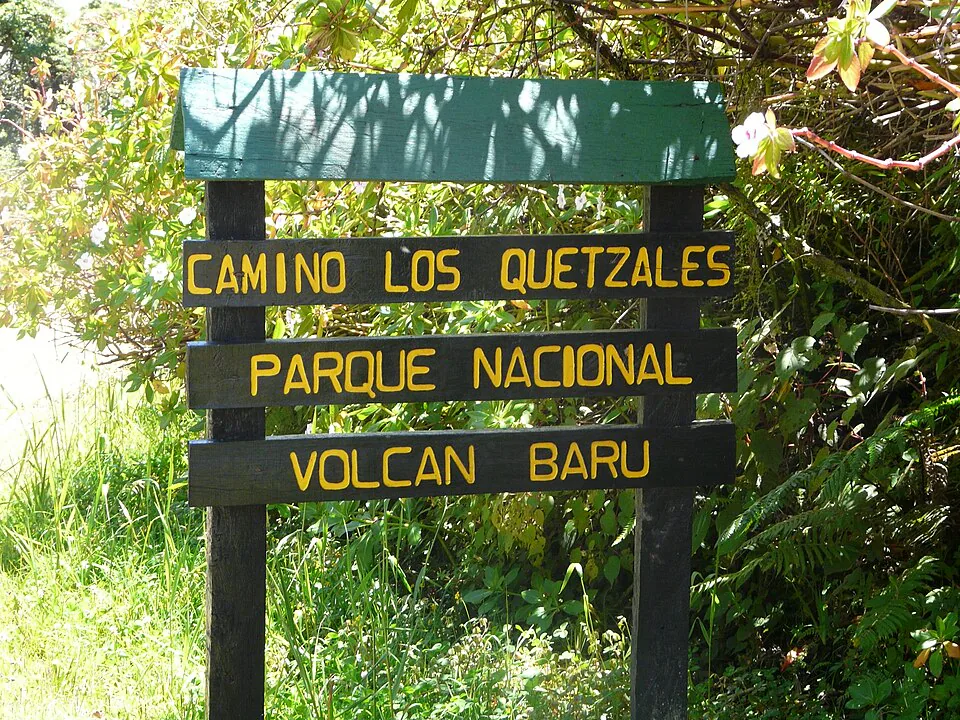
Los Quetzales Trail / Sendero Los Quetzales (1,800–2,400 m): The trail that connects Boquete to Guadalupe (near Cerro Punta) through Volcán Barú National Park. At 8.7 kilometres one-way, it runs through some of the finest cloud forest in Panama. Elevation here puts you solidly in quetzal territory. The catch: the trail has been subject to periodic closures and maintenance issues — confirm current status with the ANAM park office in Boquete before planning a visit. When open and combined with a knowledgeable guide, this trail offers the highest-elevation quetzal habitat accessible on foot from Boquete. Most visitors do it Guadalupe-to-Boquete (downhill) and arrange transport at both ends.
Bajo Mono (1,100–1,400 m): A rural road and trail system northwest of Boquete town, accessible by taxi in about 15 minutes. Elevation here is at the lower margin for quetzals, but the area is productive for a wide range of highland species and is considerably less visited than Pipeline or Finca Lérida. Local guides occasionally report quetzal sightings here in March and April when birds range more widely during active courtship. Worth including if you are spending multiple days birding and want to cover different habitat.
Volcán Barú National Park upper slopes (2,200–3,000 m): The highest accessible habitat in Panama. Quetzals are present here but the elevation is above their peak breeding density, and access requires either the summit trail (a strenuous overnight hike) or a vehicle with four-wheel drive on the park road. Birding here is more about the endemic and near-endemic highland specialists — volcano junco, volcano hummingbird — than about reliable quetzal encounters. Not the right choice if quetzals are your primary target.
Less-visited alternative: the roads above Jaramillo: The community of Jaramillo, about 8 kilometres north of Boquete, sits at 1,400–1,600 metres and has a network of farm roads and forest edges that see almost no organized birding tourism. Local guides who know the area report quetzal sightings here during March and April. It is not a formal trail — you need a guide who works this area specifically — but if you want a genuine off-the-beaten-path experience with decent odds, ask your guide about Jaramillo before defaulting to Pipeline.
| Location | Elevation | Quetzal odds | Crowds | Verdict |
|---|---|---|---|---|
| Finca Lérida | 1,600–2,250 m | High (guided) | Moderate | Best overall |
| Los Quetzales Trail | 1,800–2,400 m | High (when open) | Low–moderate | Best habitat |
| Pipeline Trail | 1,200–1,600 m | Moderate | High | Good for variety |
| Bajo Mono | 1,100–1,400 m | Low–moderate | Low | Good secondary |
| Jaramillo roads | 1,400–1,600 m | Moderate (guide only) | Very low | Hidden gem |
Section 06Hiring a guide: what to pay and how to vet them
Every source says "hire a guide." None of them tell you what separates a good guide from a mediocre one, what you should pay, or what questions to ask before handing over money.
A specialist birding guide in Boquete charges between $60 and $120 for a half-day (4–5 hour) morning tour for one or two people. Group rates per person drop with larger parties. Finca Lérida's in-house guided tour runs approximately $60 per person and includes access to the private reserve. Independent guides working the Pipeline Trail and other areas typically charge $60–80 for a private half-day. Be wary of anyone charging significantly less — the guides with the highest success rates are in demand and do not need to undercut the market.
Questions to ask before booking:
- Where specifically will we go? A guide who can name the trail, the elevation band, and the fruiting trees they have been monitoring recently is operating at a different level than one who says "the cloud forest."
- What time does the tour start? The answer should be 6:00–6:30 a.m. for quetzal-focused tours. An 8:00 a.m. start is a yellow flag.
- Have you had quetzal sightings this week? Honest guides will give you a straight answer. Evasive answers suggest they have not been in the field recently.
- How many people will be in the group? Groups larger than four significantly reduce sighting odds — noise and movement disturb birds. A private or semi-private tour is worth the premium.
- Do you have a spotting scope? For photography and for sharing views of distant birds, a scope is invaluable. Not all guides carry one.
Reputable guides in Boquete are often booked through Finca Lérida directly, through established operators like Boquete Outdoor Adventures, or through recommendations from the Boquete birding community on Facebook (the "Birding in Boquete" group is active and locals post recent sighting reports there). Do not book a guide through an unsolicited approach on the street.
Section 07Weather and visibility: what actually affects your odds
Most guides mention "dry season" as if it is a binary switch. In practice, weather conditions on the day of your visit have a significant effect on sighting probability, and understanding this helps you make better decisions in the field.
Morning fog: Boquete's cloud forest is — by definition — frequently in cloud. A dense fog bank sitting on the 1,800–2,200 metre zone reduces visibility to a few metres and suppresses bird activity. Quetzals do not forage actively in thick fog. If you arrive at Finca Lérida at 6:30 a.m. and the upper forest is fogged in, wait. Fog at this elevation typically burns off between 8:00 and 10:00 a.m. in the dry season, and bird activity often surges in the 30-minute window immediately after clearing. In May, fog can persist longer or not clear at all.
The bajareque: Boquete's signature fine mist — a light drizzle that falls while the sun is still shining — is generally not a problem for birding. Birds continue to forage through light precipitation, and the soft light can actually improve photography. Heavy sustained rain is a different matter; it suppresses activity and makes the forest floor dangerous.
Wind: Strong wind is the worst condition for birding. It makes birds harder to hear, harder to spot (they move unpredictably), and harder to locate by call. Fortunately, strong wind is relatively rare inside the forest at Boquete's elevations. It is more of a factor on exposed ridgelines.
Temperature: Boquete's cloud forest sits at 14–18°C (57–64°F) at quetzal elevations during the dry season. This is comfortable for birding but cold enough to require a layer. Hypothermia is not a risk on a morning walk, but you will be standing still for extended periods. Dress accordingly.
Dry season vs. green season trade-off: The dry season (mid-December through April) offers clearer mornings, better trail conditions, and more predictable weather. The green season (May onward) offers lower visitor numbers, more dramatic landscapes, and — in May specifically — still-productive early-morning birding. The trade-off is real and depends on your flexibility. If you have a fixed itinerary and one shot at a quetzal, book the dry season.
Section 08What to bring
Birding in Boquete's cloud forest requires a modest but specific kit. The following is not a generic packing list — it is what actually makes the difference between a productive morning and a frustrating one.
- Binoculars, 8x42 minimum: This is non-negotiable. A quetzal perched 20 metres up in a fruiting tree is invisible to the naked eye and spectacular through good glass. Borrow a pair if you do not own one — your guide may have a spare, but confirm in advance. 8x42 is the standard for forest birding: wide field of view, good low-light performance.
- Waterproof layer: Even in the dry season, cloud forest means moisture. A light rain jacket packs small and weighs almost nothing.
- Neutral-colored clothing: Dark greens, grays, and browns. Avoid white or bright colors. You do not need camouflage, but you should not look like a traffic cone.
- Sturdy closed-toe shoes: Trails at quetzal elevations are often muddy, rooted, and uneven. Waterproof hiking boots are ideal. Sandals are not appropriate.
- A bird app with offline maps: Merlin Bird ID (Cornell Lab, free) has Panama species packs and audio recordings. Download it and listen to the quetzal's calls before you leave home. The difference between knowing the call and not knowing it is the difference between finding the bird and walking past it.
- Camera with a long lens if photography matters: A 400mm equivalent or longer is the practical minimum for frame-filling quetzal shots. A smartphone will capture a record shot at best.
If you are exploring the broader Boquete area between birding sessions — checking out coffee farms, the town market, or the roads through the highlands — an e-bike is a practical and enjoyable way to cover ground without a car. E-Valley Bikes operates guided and self-guided e-bike tours in the area, which pair well with a morning birding session followed by an afternoon exploring the valley at your own pace.
Section 09Getting to Boquete
Boquete is in Chiriquí Province in western Panama, approximately 470 kilometres from Panama City by road.
| Route | Cost | Time | Verdict |
|---|---|---|---|
| Fly Panama City → David, then taxi/bus to Boquete | $80–150 one way (Air Panama) | ~45 min flight + 1 hr ground | Fastest |
| Bus Panama City → David (Albrook terminal), then bus to Boquete | $16–20 total | ~5.5 hrs total | Cheapest |
| Rental car from Panama City | $40–70/day plus fuel | ~3.5 hrs on the Pan-American | Most flexible |
| Taxi from David to Boquete | $25–35 | ~45 min | Easy connection |
Within Boquete, taxis are the standard way to reach trailheads. A taxi from the town center to Finca Lérida costs approximately $8–12 and takes 20 minutes. Agree on a return pickup time before your driver leaves, or arrange a return through your guide. There is no Uber in Boquete. For getting around the valley between sites, local taxi drivers who know the birding spots can be hired for half-day rates of $40–60 — worth considering if you are visiting multiple locations.
Boquete has a good range of accommodation at every price point, from budget guesthouses in town (from $25/night) to the on-site hotel at Finca Lérida (from $150/night). Staying at Finca Lérida eliminates the taxi logistics entirely and puts you in the forest before dawn if you want to be — a genuine advantage during peak season. For a broader look at what the town offers, see our guide to highland Panama destinations.