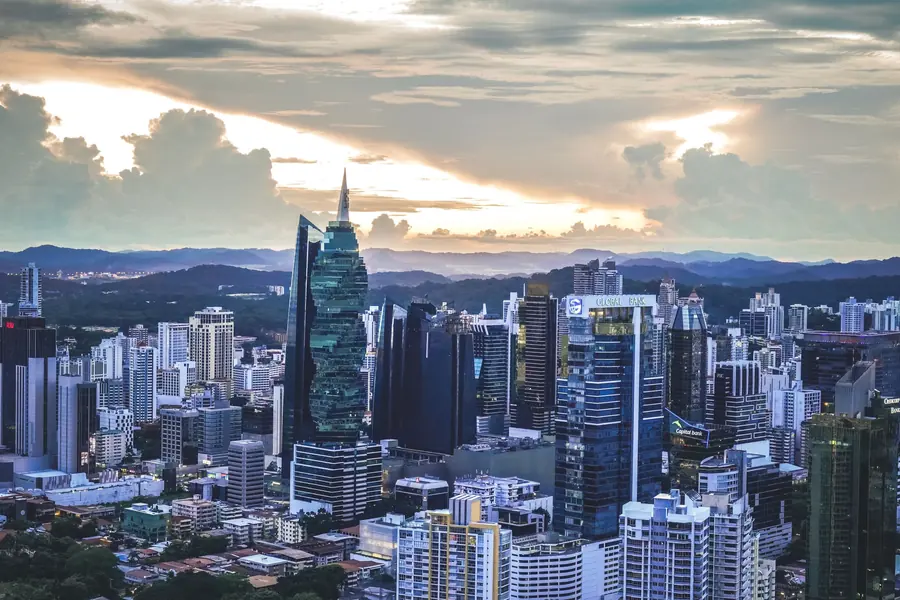
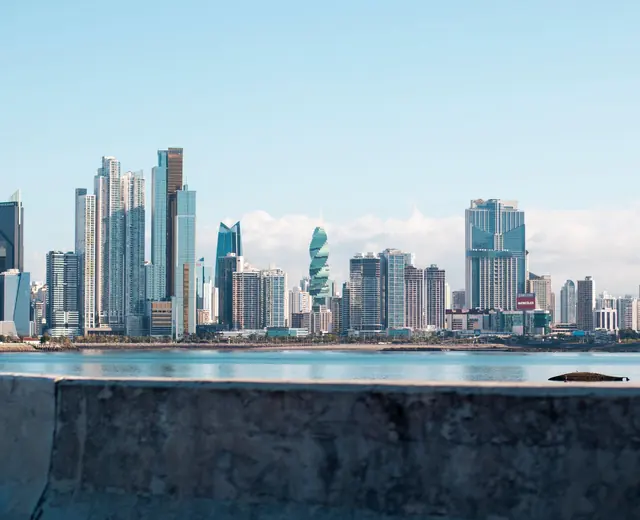
 Panama CityCapital and canal
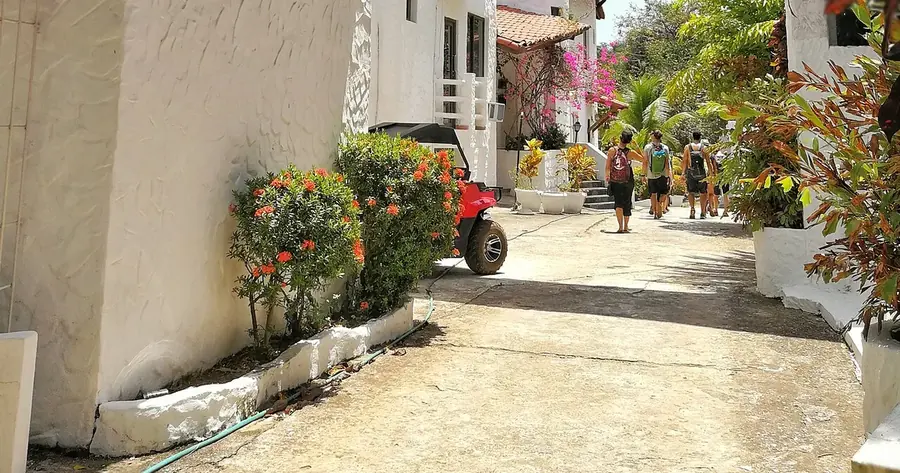
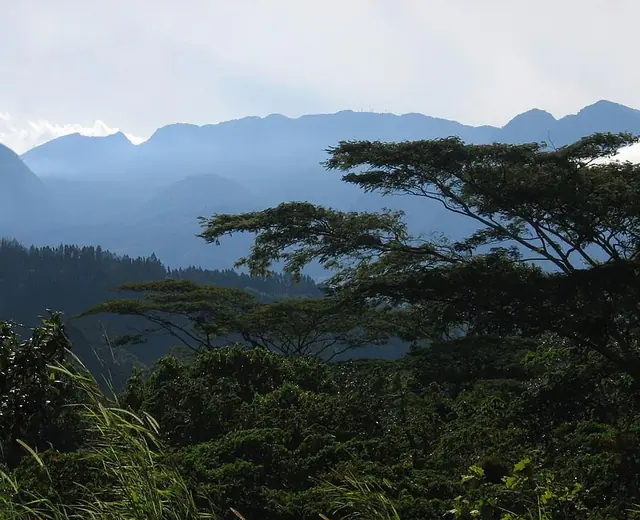 BoqueteCoffee highlands
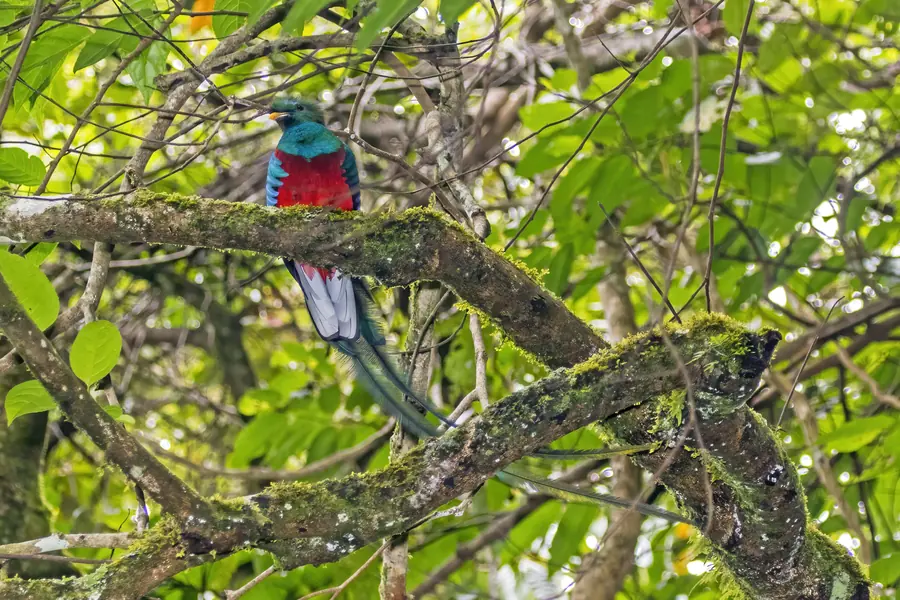
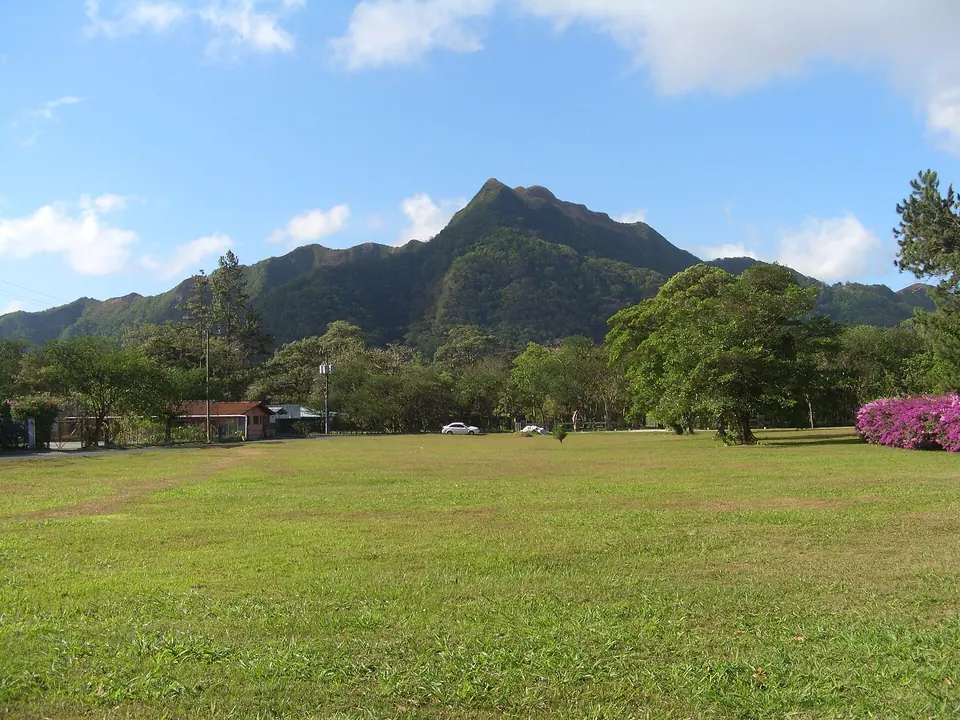 El Valle de AntónVolcanic crater
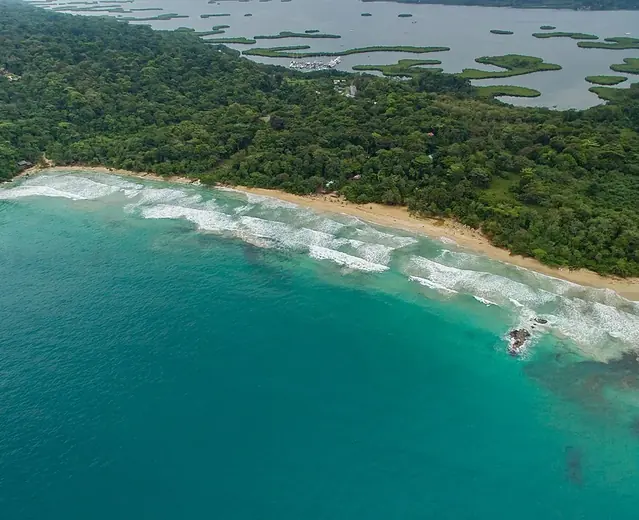 Bocas del ToroCaribbean islands
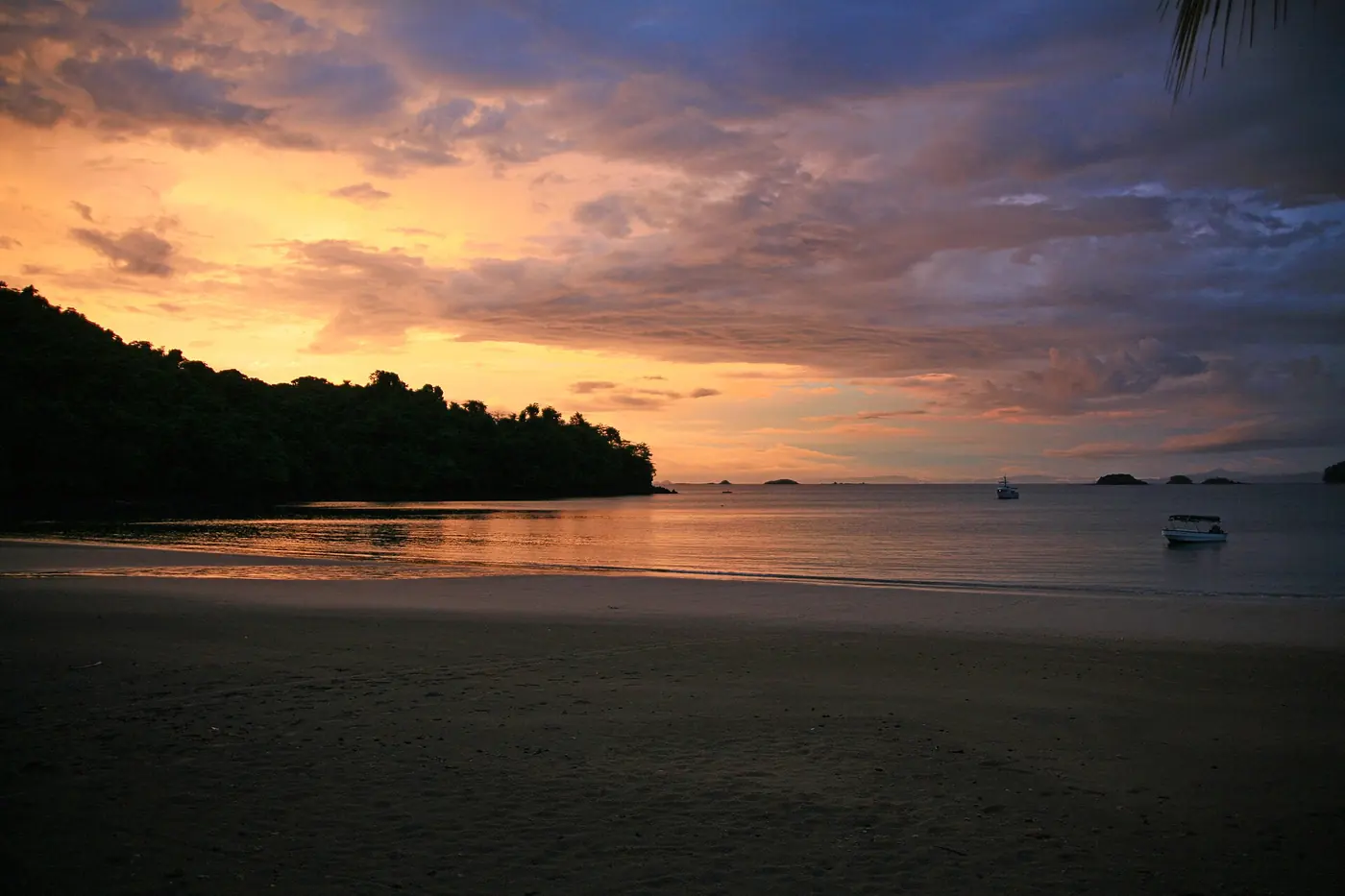
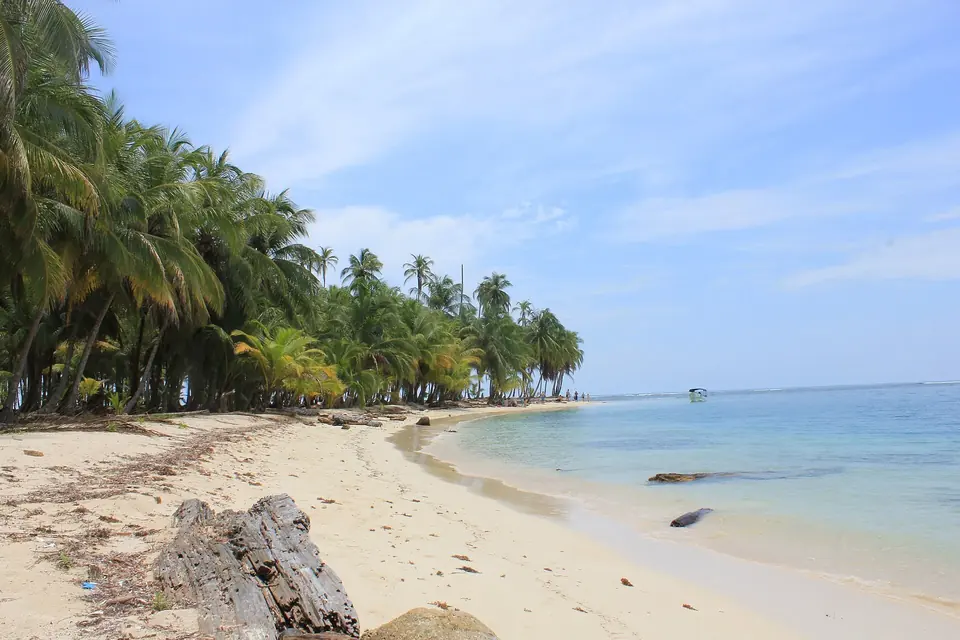 San BlasGuna Yala
Fishing in Panama is strongest on the Pacific side. Black and blue marlin, sailfish and big yellowfin tuna run off Piñas Bay, the Gulf of Chiriquí and Coiba, and roosterfish and cubera snapper feed inshore along the Tuna Coast around Pedasí. A private charter out of Panama City costs from about $575 per boat for four hours to $1,200 for a full day as of November 2026, with up to six anglers sharing the boat.[1]
This guide covers the regions, the species calendar, what charters and lodge weeks actually cost in 2026, and the rule changes that take effect in December 2026. It is written for anglers planning a trip, from a single day out of Panama City to a full week chasing black marlin.
Two things trip people up early. Search results for "Panama City fishing charters" mix in Panama City Beach, Florida, which is a different place with different prices. And Panama's sport-fishing rules are changing on December 10, 2026, so anything you read about licenses that predates June 2026 may already be out of date.
Fishing in Panama at a Glance: Is It Worth the Trip?
Yes, if you want billfish, tuna or big inshore species: Panama is one of the few places where marlin are caught twelve months a year, and nearly all of them are blues or blacks.[2] The Pacific coast runs about 1,000 miles, and the best-known offshore grounds in the Gulf of Chiriquí sit around 50 miles from the mainland.[2]
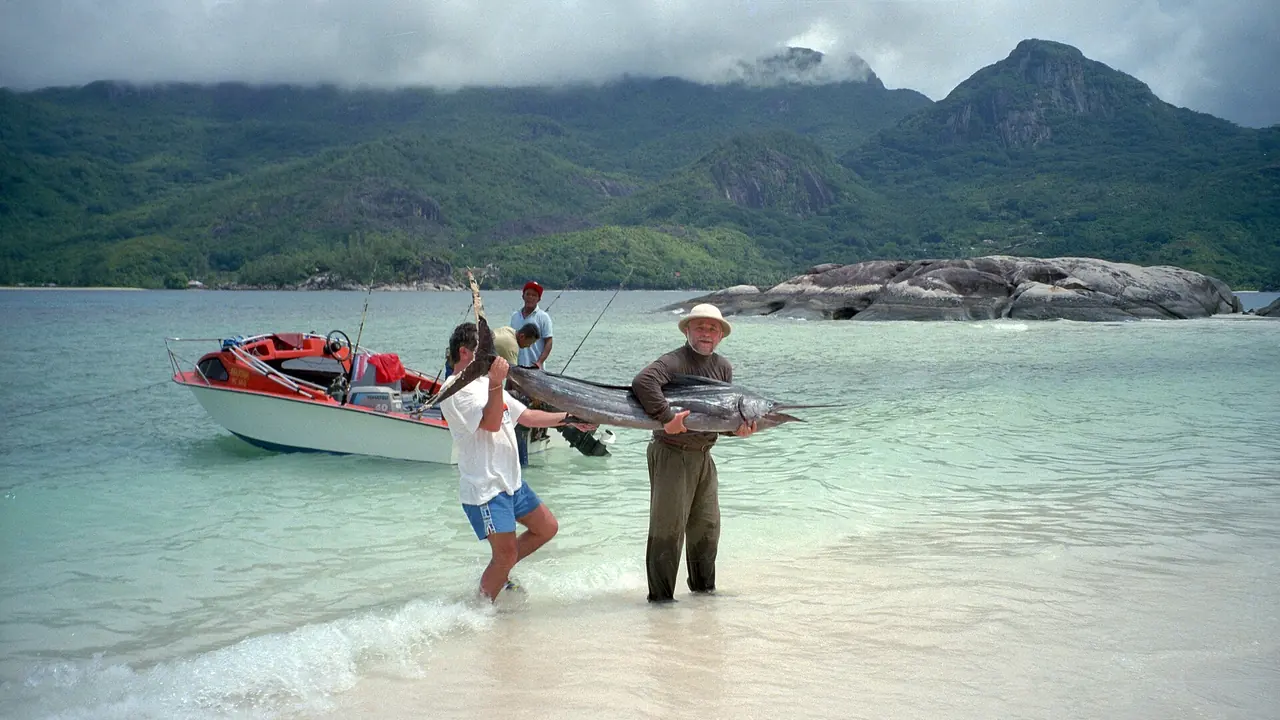
Size expectations are realistic but serious. Pacific sailfish here usually run 100 to 150 pounds, and tuna caught on poppers and stickbaits are mostly 40 to 100 pounds, with fish over 200 pounds taken regularly in peak season.[2] Black marlin top 500 pounds.[3] Inshore, a good week can put 20 to 30 different species in the boat.[2][4]
There are three ways to fish: a day charter from a marina, a fishing lodge that bundles room, meals and boat, or a mothership that lives on the water for several days. The Caribbean side, mainly Bocas del Toro, adds tarpon and bonefish, and Gatún Lake in the Panama Canal adds freshwater peacock bass.
Many "Panama City fishing charter" results are party boats in Panama City Beach, Florida, on the Gulf of Mexico. Their per-person prices and species have nothing to do with Panama the country, so check the marina name before you compare prices.
The Best Regions for Sport Fishing in Panama
The four regions that matter most are Piñas Bay for black marlin, the Gulf of Chiriquí for offshore and inshore variety, the Tuna Coast for popping and jigging, and the Pearl Islands and Panama Bay for day trips from the capital. Each suits a different trip length and budget.
Piñas Bay (Darién)
Black marlin150 mi from Panama CityLodge staysHome of Tropic Star Lodge and Zane Grey Reef, the most famous black marlin ground in the country. Remote and expensive, and peak weeks book a year or more ahead.
Best for a dedicated marlin weekGulf of Chiriquí and Coiba
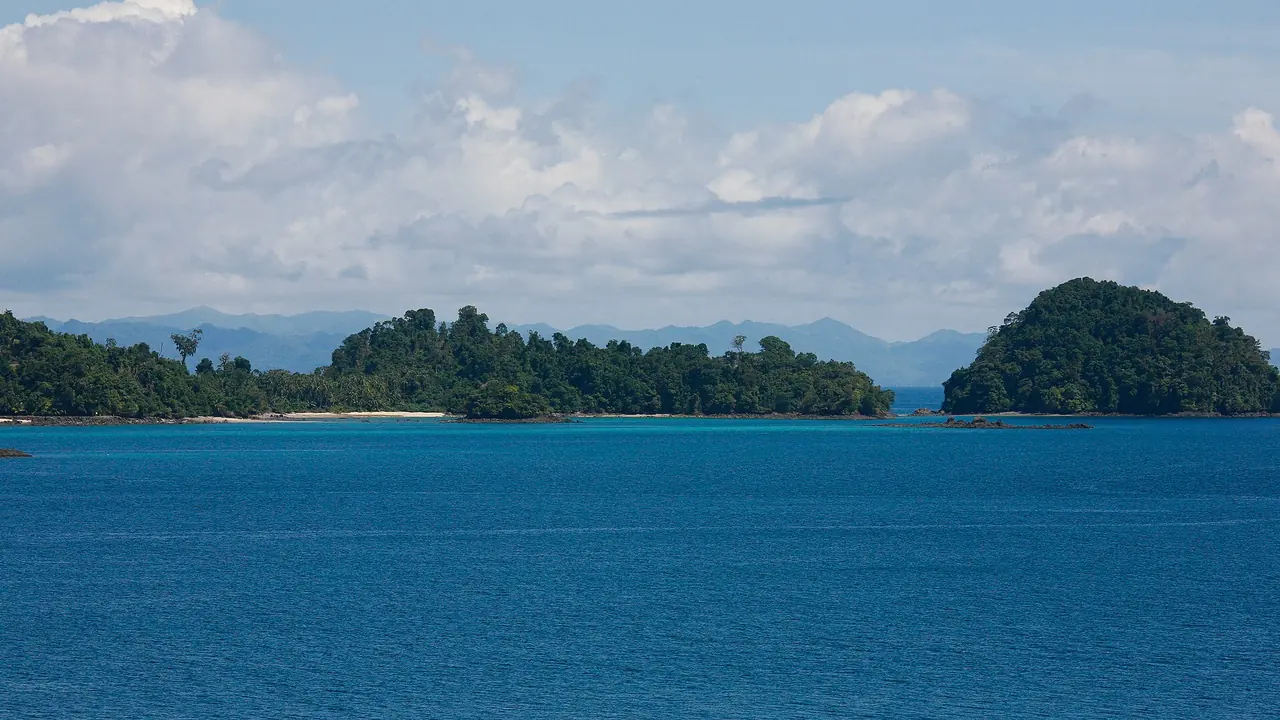
Marlin, tuna, roosterfishFly to DavidSeveral lodgesHannibal Bank, Isla Montuosa and Coiba give offshore marlin and tuna, while the islands closer in hold roosterfish and cubera. The widest choice of lodges in Panama.
Tuna Coast (Pedasí)
Roosterfish, cubera5-6 h by roadPangas and small lodgesThe continental shelf drops off close to shore, so pangas reach deep water in minutes. Known for IGFA-record roosterfish and cubera on lures.
Best for poppers and jigsPearl Islands and Panama Bay
Tuna, sailfish, corvina30-60 mi offshoreDay tripsBoats leave from Flamenco Marina on the Amador Causeway. Easy to fit into a city stay, with tuna around the islands and corvina and snook in the bay.
Best for one day from the capitalPiñas Bay and Zane Grey Reef
Tropic Star Lodge sits in the Darién jungle about 150 miles southeast of Panama City and has run offshore and inshore fishing for more than 60 years.[5] The reef is about 20 minutes from the dock, which means you spend the day fishing rather than running.[5] Piñas Bay is credited with more than 300 IGFA world records, including black marlin, blue marlin, Pacific sailfish and yellowfin tuna.[6]
The lodge fishes Classic and Premium Bertram 31s and Blackfin 32s, and your party gets the boat to itself for the whole stay.[7][5] Transfers from Panama City are not in the package price and cost $745 per person as of 2026.[7] Kids 16 and under can fish free on selected April to August dates, one junior per paying adult angler, so check which weeks qualify.[5]
Gulf of Chiriquí: Hannibal Bank, Montuosa and Coiba
Hannibal Bank is the headline offshore ground, a seamount that rises from thousands of feet of water to about 150 feet.[3] Distances quoted for it range from about 45 to 50 miles offshore, depending on where you leave from.[6][2] From Selva Terra on Boca Brava the run takes about 70 minutes, and Isla Montuosa is 40 nautical miles away; inshore grounds at Isla Paridas and Isla Secas are 15 to 30 minutes out.[8]
This is where most of Panama's fishing lodges are. Paradise Fishing Lodge near David launches to Hannibal Bank and Montuosa.[9] Sport Fish Panama Island Lodge is on Isla Paridas, 12 miles off the coast inside the Gulf of Chiriquí National Marine Park.[10] Los Buzos Resort added two 40-foot Sea Hunters to its fleet in late 2024.[11] Expect the occasional safety inspection by maritime authorities around the gulf and Hannibal Bank.[12]
Coiba National Park, a UNESCO World Heritage Site since 2005, borders these grounds.[8] Every sport-fishing boat entering the park needs a license from MiAmbiente, and ARAP where applicable.[13] Operators that sell Coiba day trips usually include the fishing permit, while the park entrance fee is charged per person and paid separately online.[14] Enforcement is real: in July 2026 MiAmbiente and SENAN intercepted a sport-fishing yacht operating inside the Coiba protection zone without a permit.[15] If someone in your group dives rather than fishes, our guide to diving Coiba National Park covers the trips out of Santa Catalina.
The Tuna Coast: Pedasí to Punta Mariato
The Tuna Coast is a 70-mile stretch at the southern end of the Azuero Peninsula, between the Gulf of Panama and the Gulf of Chiriquí.[16] The continental shelf is only half a mile offshore in many places, and most of the panga fleet works out of Pedasí, with scattered charters west to Cambutal and Punta Mariato.[16]
The spots have names worth knowing. Isla Iguana, a wildlife refuge 2 miles off Punta del Tigre, is known for wahoo and has produced black marlin of 200 to 300 pounds; Media Luna, nine miles northeast of Iguana, is a key black marlin spot; and Volcan, 24 miles southeast of Punta Mala, is where blue marlin, black marlin and larger tuna are more likely.[16] At Los Frailes the bottom drops from 253 to 1,880 feet within half a mile, but tides over 17 feet can muddy the water, so a moderate-tide period fishes best.[16]
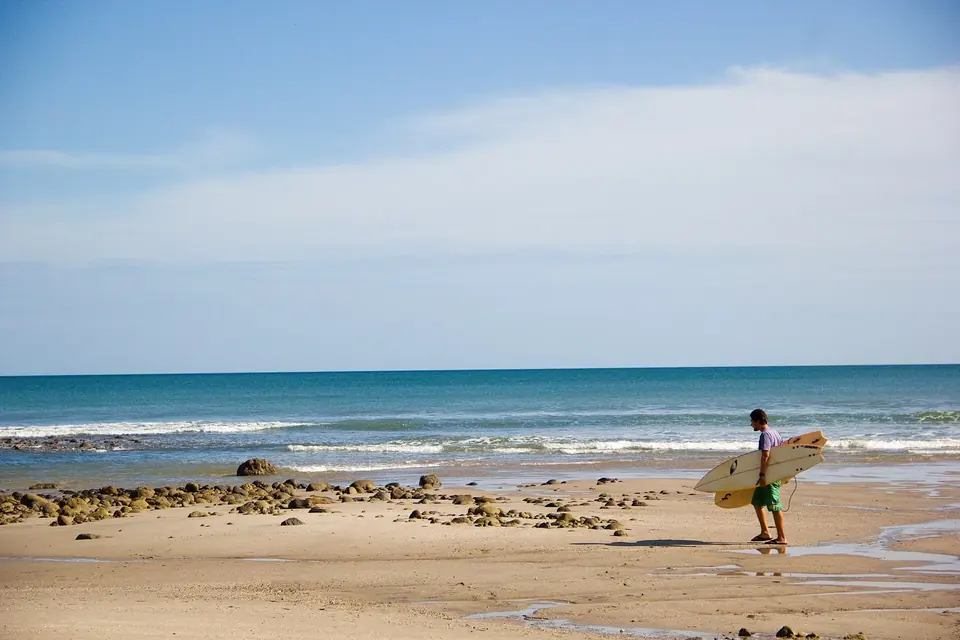
The inshore fishing is the draw. Pedasí guides have recorded an IGFA length record roosterfish of 144 cm (November 2023) and an 83-pound all-tackle record Pacific cubera (May 2023).[17] Some lodges fish artificials only, with no live bait or trolling, so confirm the style before you book.[4] West of Pedasí, the Cebaco Bay Sportfishing Club runs two air-conditioned motherships: the 110-foot Cebaco Bay for nine anglers and the 115-foot Discovery for 16 guests.[16] Non-fishing partners often base at Playa Venao, the surf beach on the Azuero coast.
Panama City, Panama Fishing Charters: The Bay, Taboga and the Pearl Islands
You can fish from the capital without an overnight transfer. Most boats leave from Flamenco Marina on the Amador Causeway and fish Panama Bay, Taboga Island and the Pearl Islands.[18] The marina is at the end of the causeway covered in our Amador Causeway guide, a short taxi from most hotels.
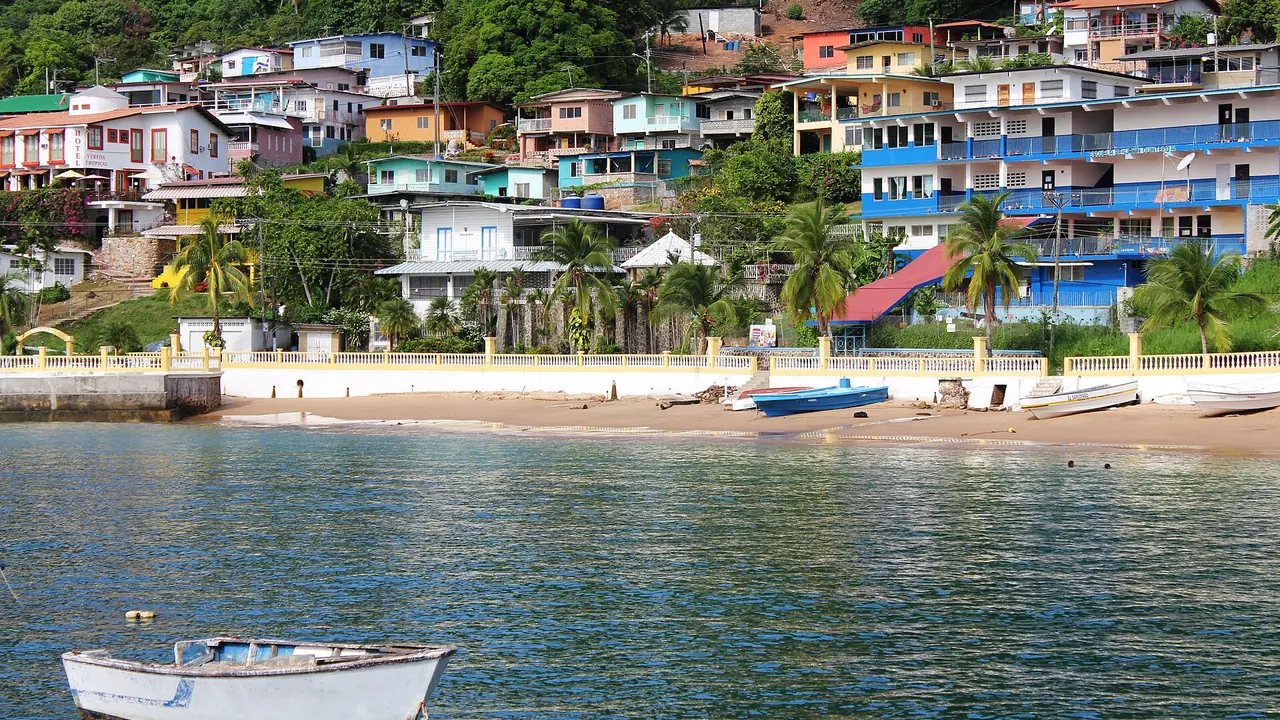
Panama Bay fishing starts minutes from downtown, with corvina and snook year-round, often over 30 pounds, and sailfish and dorado from December to April.[6] The Pearl Islands sit roughly 30 to 60 miles out, and the big yellowfin there come from June to November near Contadora and Pacheca.[6] Some boats also fish around Otoque.[1] If you would rather spend a few nights on the islands, our Pearl Islands guide covers ferries, flights and which island to pick. Larger yachts can run multi-day trips with you sleeping on board, no lodge needed.[18]
An hour and a half west by car, the Pacific Riviera offers year-round charters from Buenaventura Marina in Río Hato, targeting dorado, sailfish, tuna, wahoo and marlin offshore.[19]
Gatún Lake and the Bayano River
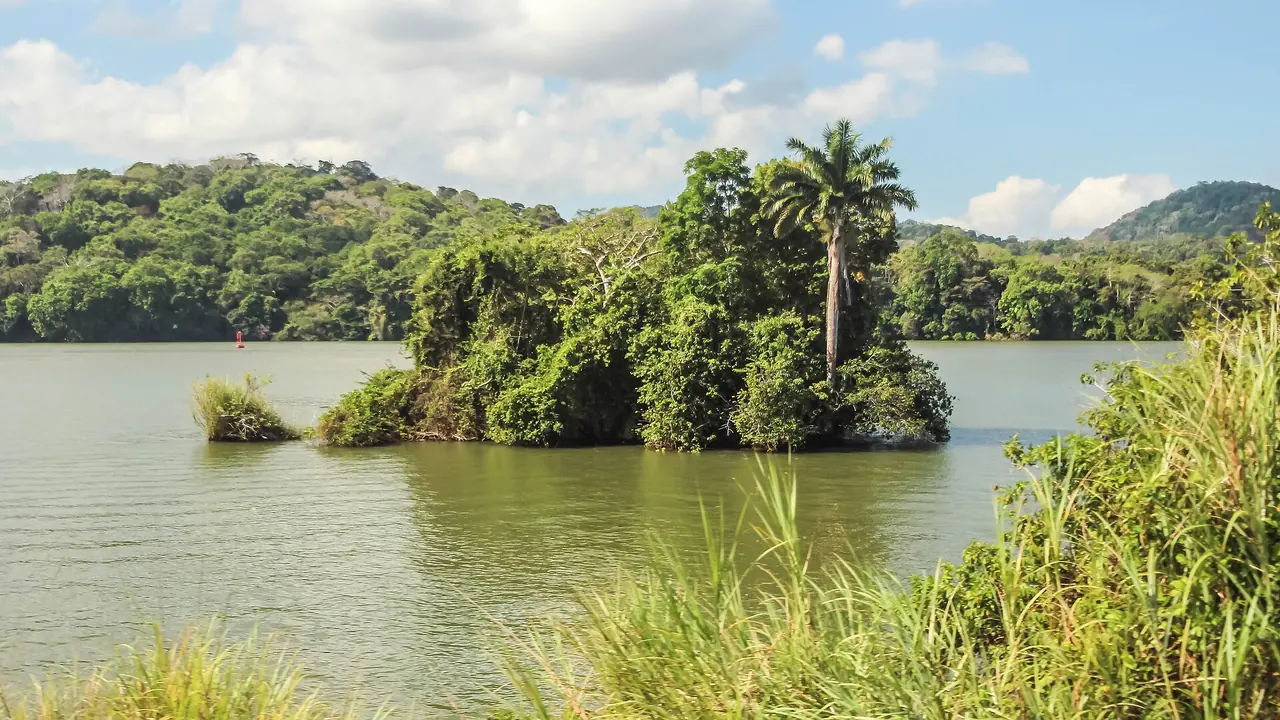
Gatún Lake, the canal's reservoir, covers more than 180 square miles, and its peacock bass fish best from December to April when the water is clearest, with trophies around 10 pounds.[6] Snook and the occasional tarpon turn up too, and a half day there fits easily around a city stay.[16] Canal-area trips commonly leave from Gamboa.[20] On the Bayano River east of the city, tarpon (released) and snook are the targets, and the tides largely decide the results.[21]
Bocas del Toro and the Caribbean
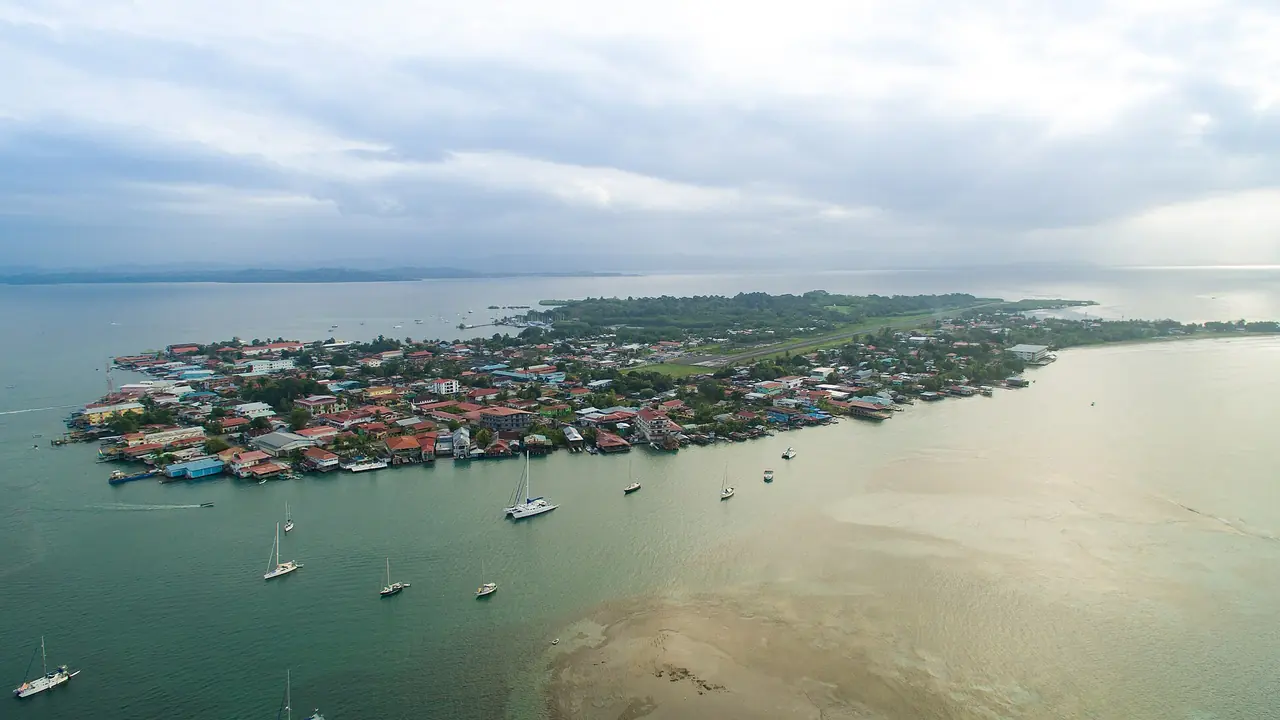
The Caribbean side is a tarpon, bonefish, permit and snook fishery, with October and November as prime time in Bocas del Toro.[6] Offshore boats there have landed wahoo, blackfin tuna, kingfish and cero mackerel, and many Bocas trips mix a few hours of trolling with snorkeling and beach stops.[22] It suits a family or a group where not everyone fishes. For the rest of the trip, see our Bocas del Toro travel guide.
Species and Seasons: The Best Months to Fish in Panama
There is fish to catch all year, but the best months depend on the species: December to March for black marlin, spring and summer for yellowfin, February to April for inshore numbers on the Tuna Coast, and October to November for Caribbean tarpon. Sources disagree on exact months for the same species, so the table gives the widest defensible window and the region it applies to.
| Species | Where | Best months | What to expect |
|---|---|---|---|
| Black marlin | Piñas Bay, Hannibal Bank, Tuna Coast | Dec-Mar; Jan-Feb at Piñas Bay | Fish over 500 lb; caught year-round in smaller numbers |
| Blue marlin | Piñas Bay, Gulf of Chiriquí | Jun-Sep and Dec at Piñas Bay; Dec-May in Chiriquí | Offshore trolling and live bait |
| Sailfish | Panama Bay, Pacific grounds | Dec-Feb, again in June; Dec-Apr in Panama Bay | Usually 100-150 lb |
| Yellowfin tuna | Gulf of Chiriquí, Pedasí | Feb-Sep, peak Apr-Jun | 40-100 lb on poppers, 200 lb+ in peak |
| Yellowfin tuna | Hannibal Bank | Peak Aug-Sep | Fish regularly over 200 lb |
| Yellowfin tuna | Pearl Islands | Jun-Nov | Biggest near Contadora and Pacheca |
| Dorado | Panama Bay, offshore trash lines | Dec-Apr in the bay; May-Aug offshore | Rainy-season runoff lines hold fish |
| Roosterfish, cubera snapper | Tuna Coast, Chiriquí islands, Piñas Bay | Feb-Apr on the Tuna Coast; Mar-May at Piñas Bay | Topwater and jigs; roosterfish release-only from Dec 2026 |
| Corvina, snook | Panama Bay | Year-round | Often over 30 lb |
| Peacock bass | Gatún Lake | Dec-Apr | Trophies around 10 lb |
| Tarpon, bonefish | Bocas del Toro, Caribbean | Oct-Nov; Feb-May also quoted | Tarpon release-only from Dec 2026, one per boat per day allowed |
Season windows as of 2026. Months vary by year and operator; ask your captain for recent catch reports.
Dry Season vs Rainy Season on the Pacific
The Pacific dry season runs roughly January to April with northeast trade winds, and the rainy season runs May to December.[23] In the dry months those winds push cold, nutrient-rich water up in the Gulf of Panama, while the Gulf of Chiriquí stays more stable because it sees less upwelling.[23] At Pedasí the water drops to about 20-22°C in the dry season and sits around 28-29°C in the rainy season.[4]
Rainy season does not mean washed-out days. Lodges report that many mornings are clear, with rain mostly in the afternoon.[9] Runoff builds trash lines offshore that hold dorado and yellowfin from May through August, while October is the quietest month offshore.[6] For how the seasons affect the rest of a trip, see our month-by-month guide to the best time to visit Panama.
February to April brings the sardine run and the best inshore numbers off Pedasí, but strong north winds blow along the eastern side of the Tuna Coast from January to May. Build a spare day into a dry-season trip and expect rougher water at spots like La Bruja.
Those two facts overlap: the dry season produces double-digit catches during the sardine run, and the same months bring the wind.[4][16] Operators on the coast mostly run trips from January to April or October to November.[4] Some Azuero trips from the Pacific Riviera only operate from April 15 to September 15.[19]
Marlin Fishing in Panama: Where and When for Black and Blue
For black marlin, Piñas Bay in January and February is the classic choice, and Tropic Star sells only full 6-day, 7-night weeks in those months.[7] Hannibal Bank and Isla Montuosa are the alternatives, with lodges there reporting marlin over 500 pounds.[8] On a budget, the Tuna Coast's Media Luna and Volcan spots hold black marlin closer to shore.[16]
The main methods are speed trolling plastic squids or slow trolling live bait, ideally bonito.[2] Crews also check floating debris in blue water, and if bait is holding around it, a couple of passes with live bonito is usually worth the time.[24] Blind trolling the freighter lanes 6 to 10 miles off the Tuna Coast rarely pays off unless dolphins, birds and bait show up together.[16]
Panama Fishing Charter Prices in 2026
Expect to pay about $200 to $400 per boat for an inshore panga, around $650 to $800 for a full-service full day, and $575 to $1,200 for a private boat out of Panama City, as of 2026.[3][1] The cheapest figures you will see online are for pangas fishing close to shore. A private offshore boat from Panama City starts around $550 for four hours.[25]
| Trip | Where | Length | Price per boat | Best for |
|---|---|---|---|---|
| Inshore panga | Pedasí, Chiriquí coast | Half to full day | $200-400 | Roosterfish and snapper on a budget |
| Inshore listing, 1-4 anglers | Chiriquí | 8 hours | From $235 | Cheapest full day found |
| Bocas del Toro trip | Caribbean | Half to full day | $200-600 | Tarpon, wahoo, mixed outings |
| Panama Bay inshore | Panama City | 4-8 hours | From $300 | Corvina and snook |
| Gatún Lake or canal | Gamboa | 4-8 hours | From $310-330 | Peacock bass, half day from the city |
| Private offshore, half day | Panama City | 4 hours | From $550-575 | A morning on the water |
| Full-service full day | Pacific coast | 8 hours | $650-800 | Best value |
| Private offshore, full day | Panama City | 8 hours | Up to $1,200 | Bigger boat, longer runs |
| Pearl Islands | From Panama City | 8 hours | From $1,375 | Tuna around the islands |
| Gulf of Chiriquí day trip | Hannibal Bank, Montuosa | Full day | $700-1,500 | Offshore marlin and tuna |
| Coiba day trip | Coiba National Park | Full day | $350-1,500+ | Permit usually included |
| Realistic total: private full day, 2-4 anglers, plus 10-20% tip | Pacific coast or Panama City | 8 hours | About $720-1,440 | What most groups end up spending |
Published "from" prices and typical market ranges per boat, not per person, as of November 2026. Prices vary by boat size, season and number of anglers.
The Panama City listings show how much prices spread. Calipso #1 runs $575 to $1,200 per boat for up to six guests, and Blue Lobster starts at $675 for 4 to 8 hours.[1][3] PescaYa's all-inclusive 8-hour offshore trip starts at $875.[3] Azuero charters fall roughly between $300 and $1,000.[6]
What a Charter Includes, and What It Doesn't
A full-service charter normally includes a twin-engine boat, captain and mate, rods, reels, lures, bait, fuel, life jackets and water.[3] Many listings also include the fishing license and drinks.[26] What is often left out: transfers to the marina and food.[1] Ask about extra-guest fees too, since some boats quote a base price and charge more above a set number of anglers.
Deposits, Cancellations and Bad Weather
Marketplace bookings take a deposit and you pay the balance on the day. PescaYa asks for 15 percent, and Tom's Catch asks for 20 percent, which is non-refundable.[3][26] The balance usually goes to the captain in cash or by card, depending on the boat.[26] Some listings allow free cancellation up to 7 days before the trip.[1]
Weather policies differ. One operator cancels only when conditions are unsafe, tries to reschedule first and refunds in full if it can't, but does not count rain or dark clouds as bad weather and gives no refund if you choose not to go out in the rain.[2] Read the policy before you pay the deposit.
How Much to Tip the Captain and Mate
Tip the crew 10 to 20 percent of the charter price.[3] On multi-day trips some operators put it in daily terms, with $150 per day at the lower end and $200 to $300 at the higher end.[2] One Pedasí lodge week suggests about $150 to $200 per angler for guides and lodge staff.[4] Tips are almost never included in lodge packages.
Lodge and Package Prices
Lodge weeks are priced per angler and drop as more anglers share the boat. Tropic Star's own 2026 rates show the pattern.
| Season | Months | Trip | Per angler, 4 per boat | Notes |
|---|---|---|---|---|
| Black marlin | Jan-Feb | 6 days fishing, 7 nights | $7,900 | Only week-long trips; $9,800 for 2 anglers, $15,500 solo |
| Inshore | Mar-May | 6 days | $5,850 | Roosterfish and cubera focus |
| Inshore | Mar-May | 3 days fishing, 4 nights | About $4,200 | Lowest entry |
| Blue marlin | Jun-Sep and Dec | 6 days | $6,750 | 3- and 4-day options also sold |
Tropic Star published rates on a Classic Bertram 31, as of 2026. Transfers ($745 per person) are extra. Non-anglers pay $4,600 in black marlin season.
Black marlin weeks generally sell out more than a year in advance.[7] Some booking agents quote lower figures for the same week, such as $8,590 per angler for two anglers, so treat the lodge's own rate page as the budget figure.[27] For 2027, one agent lists blue marlin trips from $5,130 per person for four nights and three fishing days with four anglers.[28]
Elsewhere, packages cost less. A Pedasí lodge week runs from $3,250 for 7 nights and 5 fishing days with three anglers per boat, excluding flights, drinks and tips.[4] Gulf of Chiriquí packages run about $1,800 to more than $4,000.[6]
Fishing Lodges vs Day Charters: Which Suits Your Trip
Book a day charter if you have a day or two around a city or beach stay. Book a lodge if you want marlin on the remote grounds, where the travel only pays off over several days of fishing. The price gap is large, but so is the difference in what you reach.
Day charters make sense when you are based in Panama City, on the Pacific Riviera or in Bocas, when you want inshore or bay species, or when you are testing whether a longer trip is worth it. You pick the date, the boat and the hours, and you pay per boat.
All-inclusive Panama fishing trips make sense for Hannibal Bank, Montuosa, Coiba and Piñas Bay. A typical lodge bundles transfers, meals, drinks and tackle: Paradise Fishing Lodge, for example, includes breakfast, lunch on the boat, a four-course dinner, all drinks, laundry, wifi, tackle, lures, fuel and private ground transport.[9] Lodge boats are set up for the grounds, such as Selva Terra's five boats for up to four anglers each, or the 33-foot catamaran at Sport Fish Panama Island Lodge.[8][29]
- Day charter: flexible, $235 to $1,500 per boat depending on region, best for one or two days and for groups that only half-fish.
- Lodge week: $3,250 to $9,800 or more per angler, best for marlin and tuna seasons on remote grounds.
- Mothership: several days on the water near the fish, such as the Cebaco motherships or a liveaboard yacht from Panama City, best for groups who want maximum fishing time.
Our comparison of Panama fishing lodges, including Tropic Star, Paradise and Sport Fish Panama Island Lodge, goes through each one's species, boats and packages side by side.
Fishing Licenses, Catch-and-Release and the December 2026 Rules
Until December 10, 2026, visitors fishing on a charter do not need a personal license, because the boat carries the permit.[12] From that date, two new executive decrees signed on June 10, 2026 take full effect and change what you can keep and what papers anglers carry.[30]
- Personal fishing card
- La Prensa reports that under the new rules anyone over 12 must carry a personal, non-transferable carné de pesca, with temporary licenses for foreigners from $20 for 7 days to $150 for 180 days.[30] Some charter platforms say guests on a licensed charter are covered by the boat's license instead.[6] Ask your operator in writing whether you need your own card for trips after December 10.
- Captains and boats
- Captains of commercial tourist fishing boats need a $100 special card plus valid AMP and ATP licenses.[30] Under the new regime every trip must also be reported to the authorities.[6]
- Billfish
- Since Executive Decree 33 of 1997, marlin and swordfish have been reserved for sport fishing and may not be sold, with catch-and-release recommended.[31] Most operators already release every billfish.[12]
- Mandatory release from Dec 10, 2026
- Eleven species become strictly catch-and-release: blue, black, striped and white marlin, both spearfish, sailfish, swordfish, roosterfish (pez gallo), tarpon (sábalo real) and Atlantic cubera snapper.[30] One swordfish or one tarpon per boat per day may be kept to eat, never sold or given away.[30]
- What you can keep
- Tuna, dorado, wahoo, snapper, grouper, corvina and snook can be kept, and release of Pacific cubera is encouraged rather than required.[2] Under the new rules the daily limit is 25 fish per boat for recreational trips and 15 for tourist charters.[6] Sharks and rays may not be kept, and selling any catch is banned.[6]
- Circle hooks
- Operators state that circle hooks are required when fishing for billfish, and most crews rig with them as standard.[2]
- Coiba National Park
- A tourist sport-fishing license allows up to two permits per boat per month, each for no more than 10 days inside the park.[32] Recreational anglers may keep 8 fish per day and 20 per week, and tournaments are banned in the park.[13]
- Canal waters
- The new decree does not apply to Gatún Lake or other canal waters; guides there handle any Panama Canal Authority requirement for their clients.[33]
Many anglers already release roosterfish voluntarily. From December 10, 2026 it becomes law, so a "keep your catch" line in a listing will not cover roosterfish, tarpon beyond the one-per-day allowance, or any billfish.
Getting to the Fishing Grounds and Taking Your Catch Home
Every trip starts at Tocumen (PTY) in Panama City, which has daily nonstop flights from Los Angeles, Houston, Newark, Miami and other cities.[16] From there, the time to the fish ranges from minutes to most of a day.
For Pacific lodges in Chiriquí, most anglers connect to David in about 45 minutes and transfer to Boca Chica or the gulf.[3] By road, the transfer is about four hours to Cebaco and five to Pedasí.[16] One Pedasí lodge puts the bus at five to six hours, leaving the hotel around 9:00 am.[4] If you plan to drive yourself, our guide to renting a car in Panama explains the mandatory insurance and road conditions.
Fly into Panama City Day 1
Most anglers arrive in the afternoon and sleep near the airport or in the city rather than connecting the same day.
Transfer to the coast 45 min to 6 h
A domestic flight to David for Chiriquí, a road transfer for Pedasí or Cebaco, or the lodge's own transfer for Piñas Bay.
Fish 3 to 6 days
Lodge weeks usually include one rest day. Tell the lodge in advance if you need to rent popping or jigging tackle.
Transfer back and fly home Last day
Allow a full day for the return, and freeze any fish you keep the night before.
Pack sun protection, polarized glasses, rain gear and motion-sickness tablets. Lodges that fish lures only recommend heavy popping rods with 80-100 lb braid and a lighter setup with 50-60 lb braid, and some rent quality tackle if you ask ahead.[4]
Can You Take Your Fish Home?
No service in Panama packs and ships sport-caught fish for you, so the usual method is to carry it in your luggage, frozen solid in a soft, leak-proof cooler.[2] Confirm your airline's rules in writing before you fly, and check your home country's customs rules for fish, since limits vary. Billfish can never be sold or exported commercially, and from December 2026 you will not be keeping them anyway.
Air cargo standards for perishable fish call for a sealed plastic bag inside an insulated box, inside a sealed carton labeled as perishable food. Packing your cooler the same way makes airline check-in smoother.
Before you go
How much does it cost to fish in Panama?
A private day charter costs roughly $235 to $1,500 per boat as of 2026, depending on region and boat. Inshore pangas run about $200 to $400, a Panama City boat $575 to $1,200, and a peak black marlin week at Tropic Star Lodge $7,900 per angler with four anglers on the boat. Add a 10 to 20 percent tip for the crew.
Is Panama good for fishing?
Yes, especially for marlin, tuna and roosterfish. Marlin are caught year-round, Piñas Bay is credited with more than 300 IGFA world records, and the Tuna Coast has produced record roosterfish and cubera snapper. The Caribbean side adds tarpon and bonefish.
What are the best months to fish in Panama?
December to March for black marlin, February to April for inshore numbers on the Tuna Coast, and April to June for Gulf of Chiriquí yellowfin, with Hannibal Bank tuna peaking in August and September. October is the quietest month offshore, while Bocas del Toro tarpon fishing is best in October and November.
What is the best fishing resort in Panama?
Tropic Star Lodge in Piñas Bay is the most famous, mainly for black marlin on Zane Grey Reef 20 minutes from the dock. In the Gulf of Chiriquí, Paradise Fishing Lodge, Sport Fish Panama Island Lodge and Selva Terra cost less and reach Hannibal Bank and Montuosa. Our Panama fishing lodges comparison sets them side by side.
Where is the best place to catch black marlin in Panama?
Piñas Bay in January and February is the classic choice, though Tropic Star sells only full weeks in those months and they book more than a year ahead. Hannibal Bank and Isla Montuosa in the Gulf of Chiriquí are the main alternatives, and the Tuna Coast's Media Luna and Volcan spots also hold black marlin.
Do I need a fishing license in Panama?
Not before December 10, 2026, if you fish from a licensed charter. From that date, new decrees reportedly require a personal fishing card for anyone over 12, with temporary cards for foreigners from $20 for 7 days to $150 for 180 days. Some charter platforms say guests on a licensed boat are covered, so confirm with your operator in writing.
Do billfish have to be released in Panama?
Yes. Marlin, sailfish and spearfish are release-only, and from December 10, 2026 the rule becomes strict for 11 species, including roosterfish and tarpon. One swordfish or one tarpon per boat per day may be kept to eat, never sold. Operators also use circle hooks for billfish.
Can I take the fish I catch home from Panama?
Yes, but you carry it yourself. There is no service that packs and ships sport-caught fish, so anglers freeze fillets solid and check them in a soft, leak-proof cooler. Confirm your airline's rules and your home country's customs limits before you travel.
How much should I tip on a fishing charter in Panama?
Tip 10 to 20 percent of the charter price. On multi-day trips, some operators suggest $150 per day at the lower end and $200 to $300 at the higher end, and one Pedasí lodge suggests $150 to $200 per angler for the week. Tips are rarely included in lodge packages.
Can you go deep sea fishing from Panama City, Panama?
Yes. Boats leave from Flamenco Marina on the Amador Causeway and fish Panama Bay, Taboga and the Pearl Islands. A private half day starts around $550 to $575 per boat, a full day runs up to about $1,200, and an 8-hour Pearl Islands trip starts at $1,375 as of 2026.
Sources
Prices, schedules and rules change. The small numbers in the text point to these sources.
- 1
- 2Central America Fishing - Panama sport fishing packagescentralamericafishing.com
- 3
- 4Travel2Fish - Fishing trip Panama Tuna Coast packagetravel2fish.com
- 5Tropic Star Lodge - Home pagetropicstar.com
- 6
- 7Tropic Star Lodge - Our rates pagetropicstar.com
- 8Selva Terra Resort - Sportfishing packages pageselvaterraresort.com
- 9Paradise Fishing Lodge & Marina - Home pageparadisefishinglodge.com
- 10Grundéns - Panama Sport Fishing Paradise blog posteu.grundens.com
- 11Central America Fishing - 7 best fishing lodges in Panamacentralamericafishing.com
- 12Fish Panama Today - Panama fishing regulations guidefishpanamatoday.com
- 13Gaceta Oficial - Plan de Aprovechamiento Pesquero PN Coiba (Gaceta 28766-B)gacetaoficial.gob.pa
- 14Pacific Advent - Coiba one-day offshore fishing tourpacificadvent.com
- 15
- 16
- 17Fish Pedasí - Home pagefishpedasi.com
- 18Panama Gem Charters - Yacht rental and fishing charterspanamagemcharters.com
- 19Pacific Riviera - Listo charter fishing pagelistosportfishing.com
- 20
- 21Panama Canal Fishing - Home pagepanamacanalfishing.com
- 22Sportfishing Bocas del Toro - Home pagesportfishingbocasdeltoro.com
- 23
- 24Fish Panama Today - Black marlin species guidefishpanamatoday.com
- 25
- 26Tom's Catch - Tunahawk charter listing (2026 prices)tomscatch.com
- 27Angler Adventures - Tropic Star Lodge listingangleradventures.com
- 28Fishing with Larry - Tropic Star Lodge pagefishingwithlarry.com
- 29Sport Fish Panama Island Lodge - Home pagefishpanamatoday.com
- 30
- 31
- 32Gaceta Oficial - Plan de Aprovechamiento Pesquero PN Coiba (Gaceta 28798-A)gacetaoficial.gob.pa
- 33
Image credits
- Playa Sta Catalina 02Ayaita · CC BY-SA 3.0
- Isla de Coiba - Granite de Oro - Pacific Ocean Islands off Panama - panoramio (10)David Broad · CC BY 3.0
- Arothron meleagrisLASZLO ILYES from Cleveland, Ohio, USA · CC BY 2.0
- Sailfish, SeychellesJerzy Strzelecki · CC BY 3.0
- Isla ParidaMónica Mora · CC BY-SA 2.0
- Coiba Panama (26822070175)dronepicr · CC BY 2.0
- Isla Boca Brava PanamaLbobbe · CC BY-SA 3.0
- Boca Chica Chiriquí - 17921271560Mónica Mora · CC BY-SA 2.0
- Pescadores La MochilaFany mcGhan y Laurie Batista · CC BY-SA 3.0
- Golfo de Chiriquí Isla BolañosMónica Mora · CC BY-SA 2.0
- Coiba Sunset (2071282152)LASZLO ILYES from Cleveland, Ohio, USA · CC BY 2.0