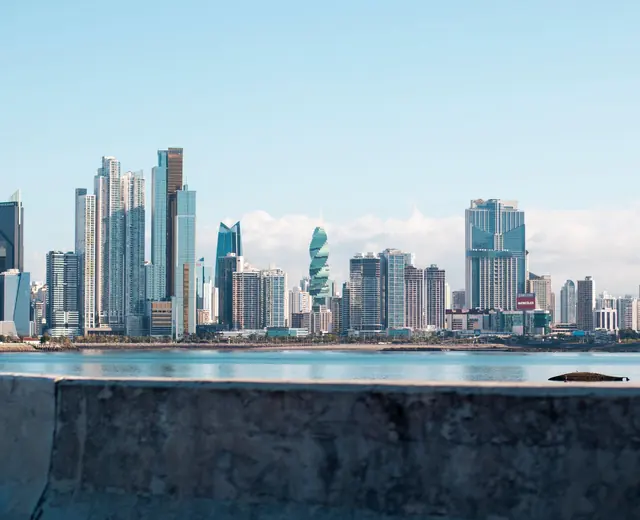
 Panama CityCapital and canal
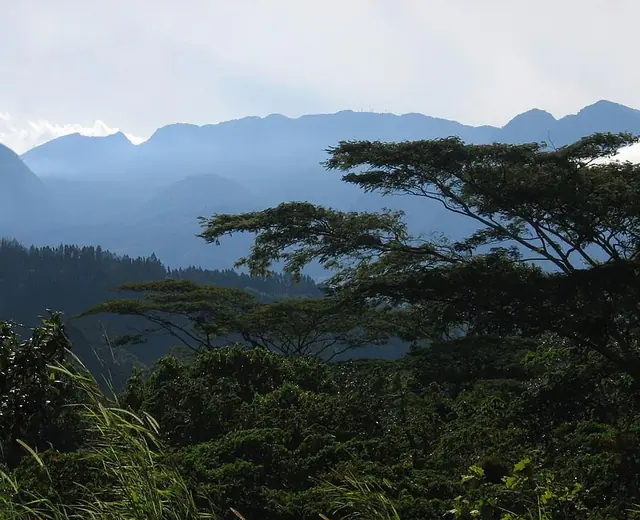 BoqueteCoffee highlands
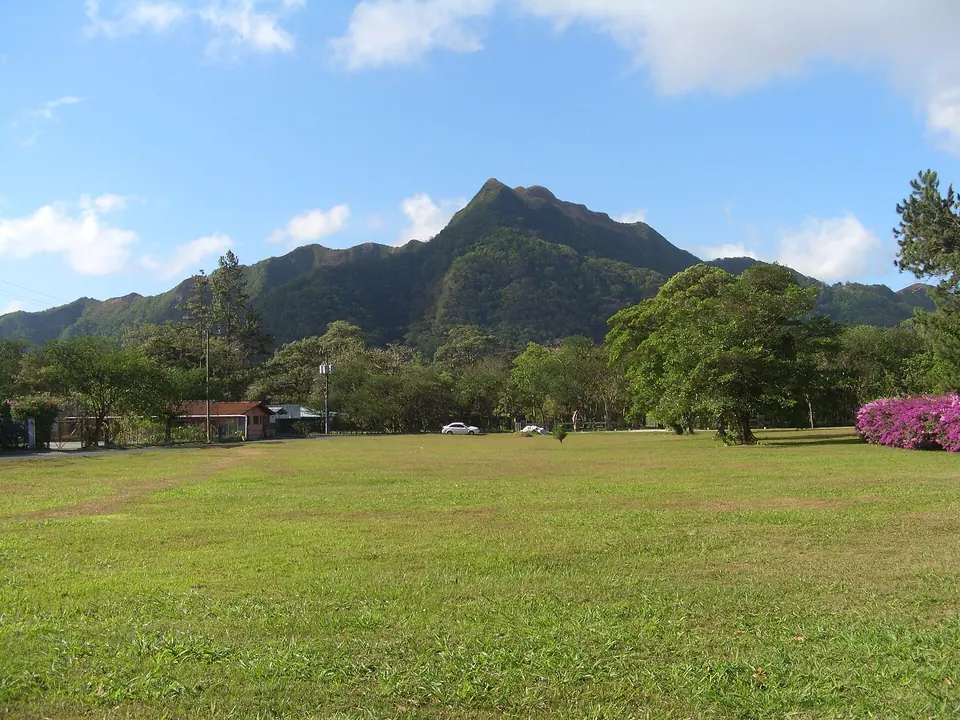 El Valle de AntónVolcanic crater
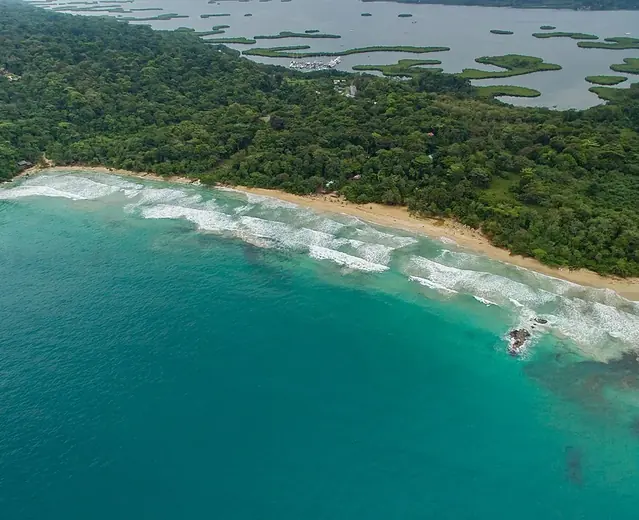 Bocas del ToroCaribbean islands
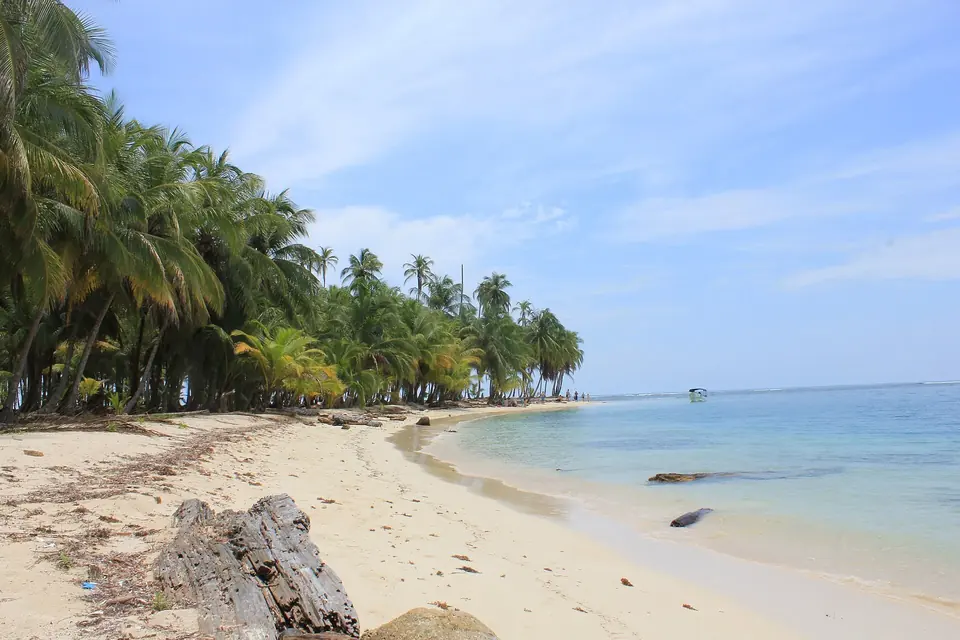 San BlasGuna Yala
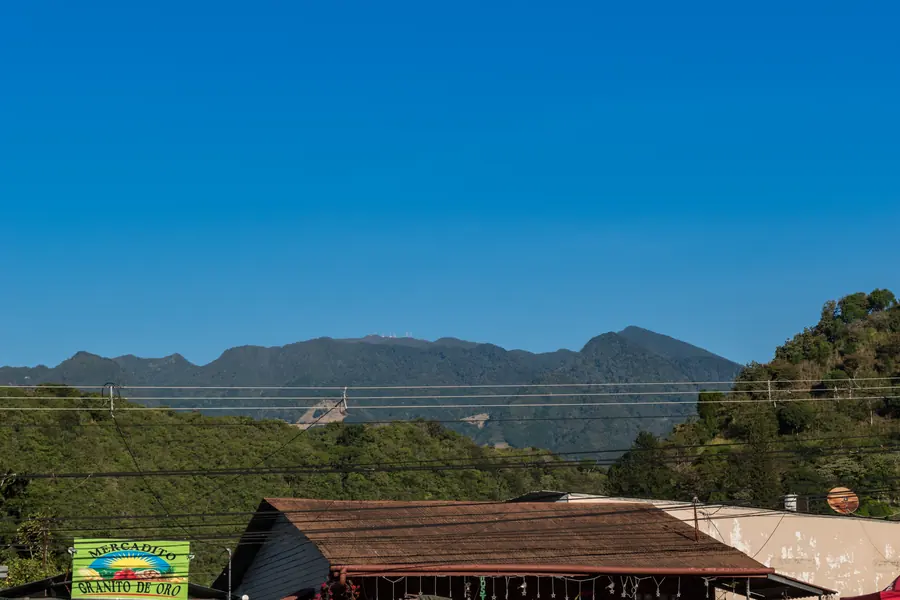
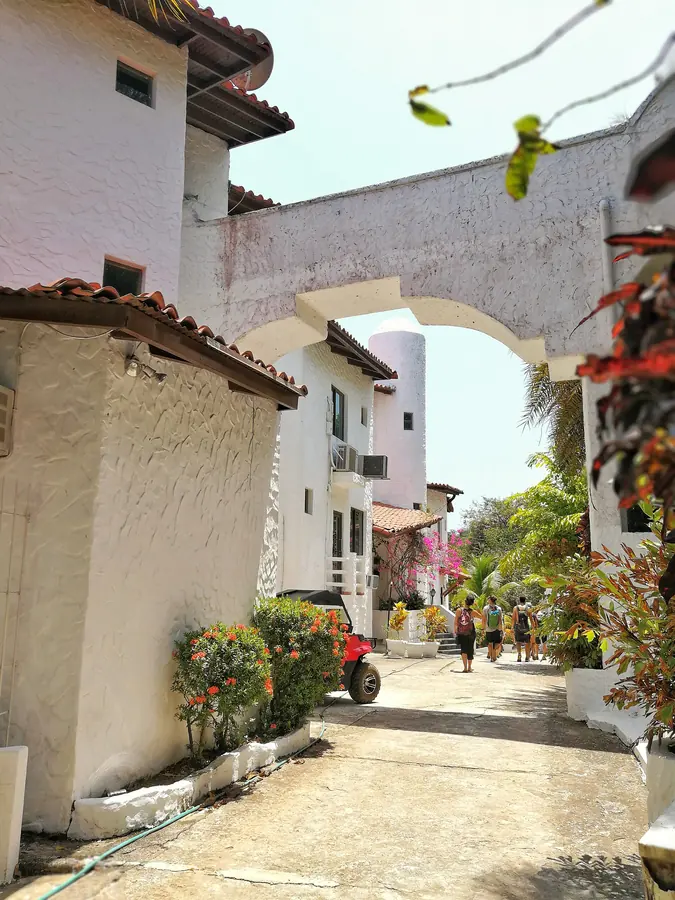
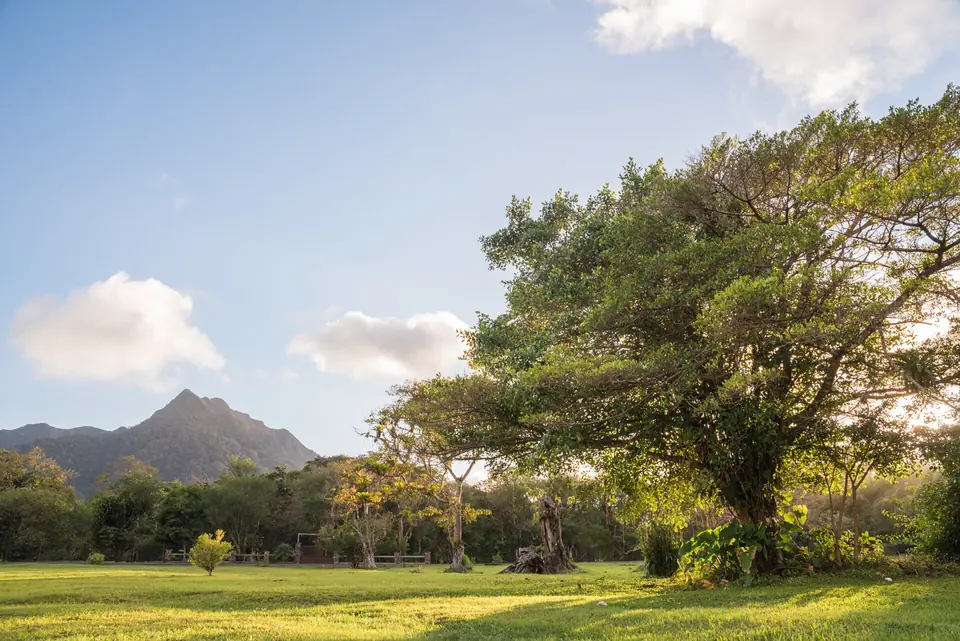
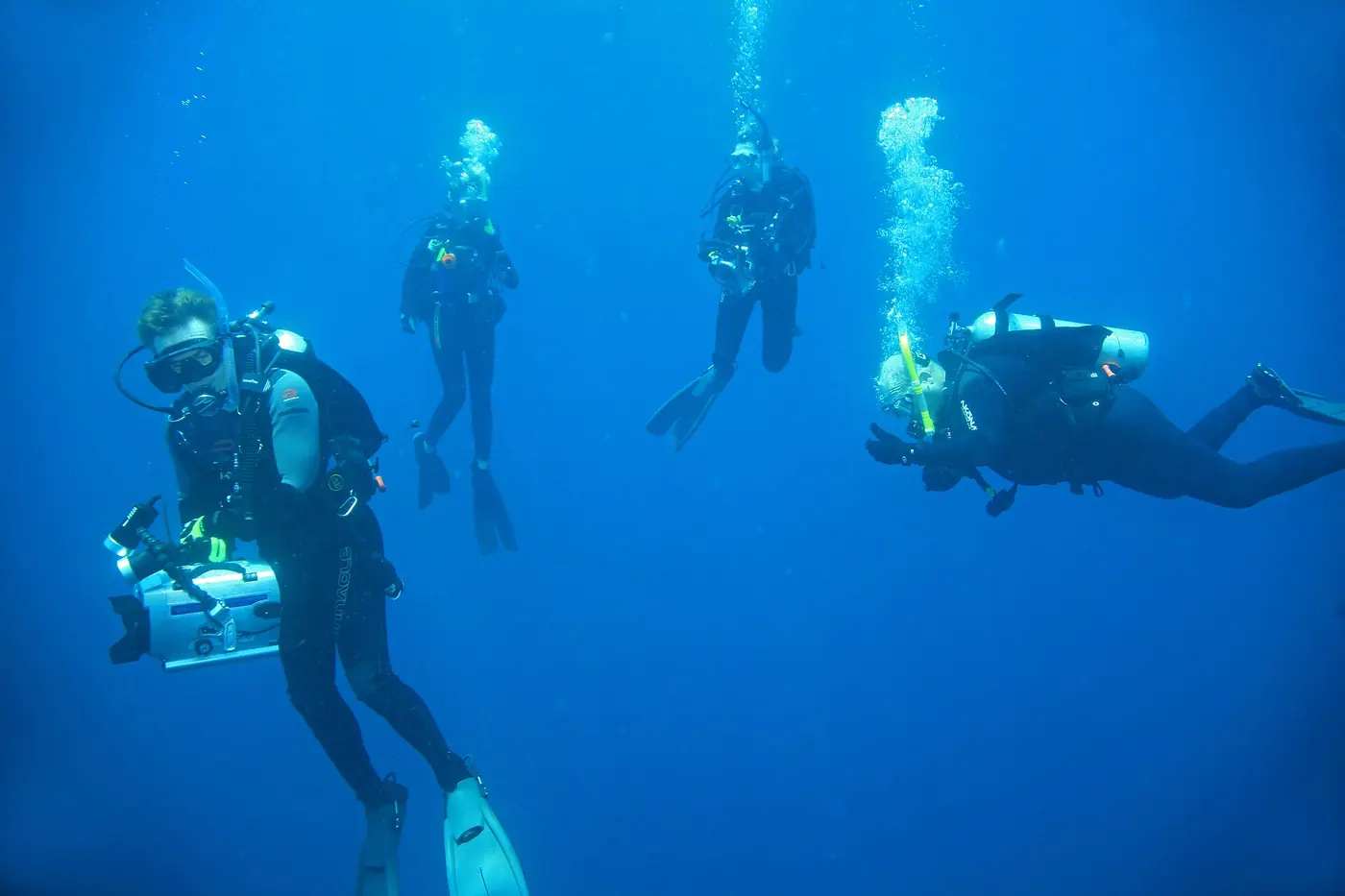
Coiba diving is done mostly on day trips from Santa Catalina, at about $155 for two dives or $185 for three, plus a $20 park fee for foreigners, as of November 2026.[1] The boat ride to the sites takes 60 to 90 minutes each way. The calmest seas and best visibility run from December to April, and divers with Advanced certification get the most from the park's current-swept outer sites.
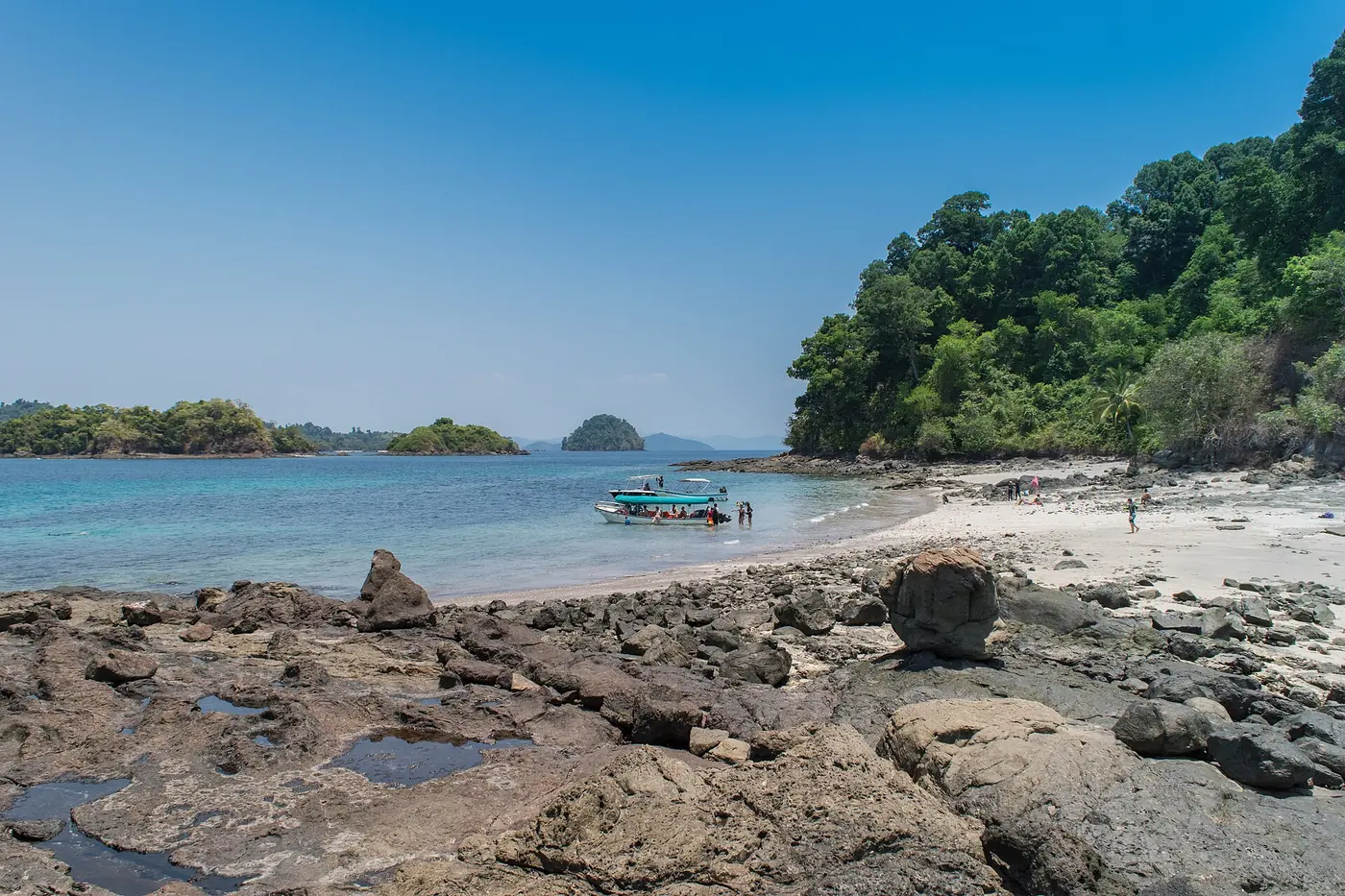
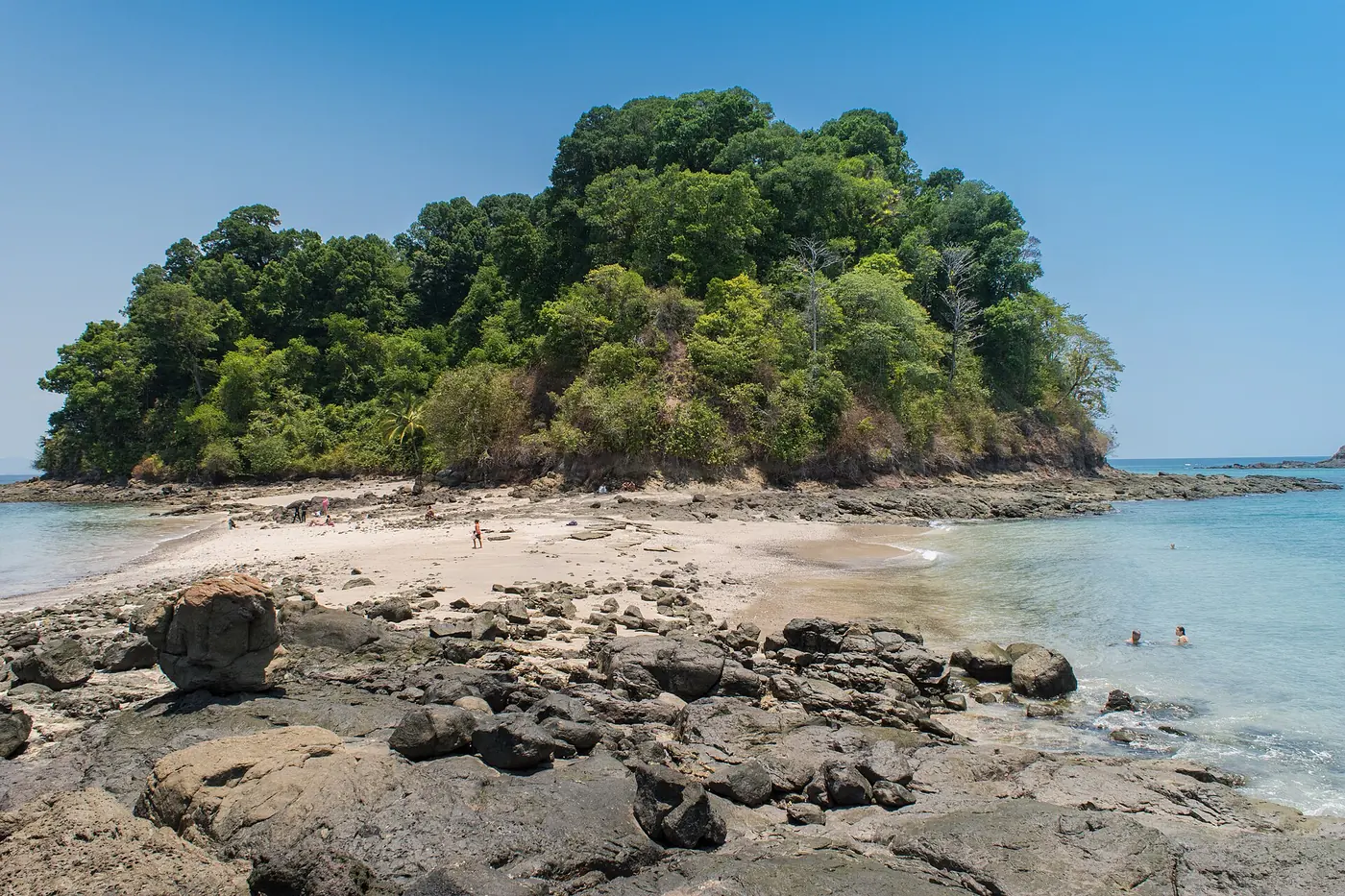
Coiba National Park lies in the Gulf of Chiriquí off Panama's Veraguas coast. It protects Coiba Island, 38 smaller islands and the sea around them.[2] UNESCO listed it as a World Heritage Site in 2005.[3] Nearly every diver reaches it by boat from Santa Catalina, a small surf town at the end of the road, or from the fishing village of Pixvae, which sits much closer to the dive sites.
The diving is about fish volume and sharks rather than postcard coral, and it asks a lot of you. Expect a long trip from Panama City, up to three or four hours on a boat each day, currents on the outer sites and thermoclines that leave you cold at depth. For divers who want white-tip reef sharks on most dives and a real chance at hammerheads or a whale shark, that trade is usually worth it.
Why Coiba Diving Is Worth the Long Trip
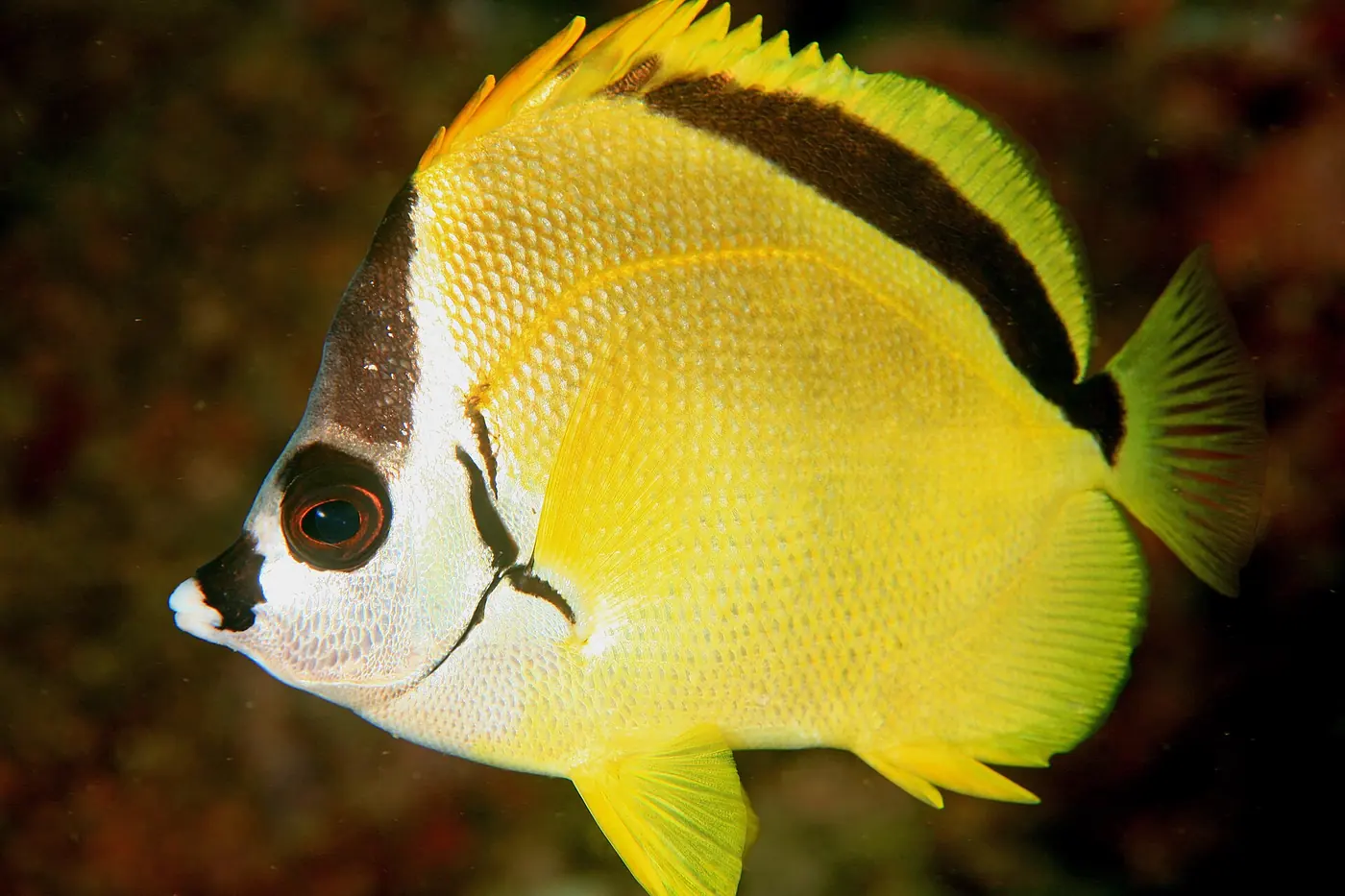
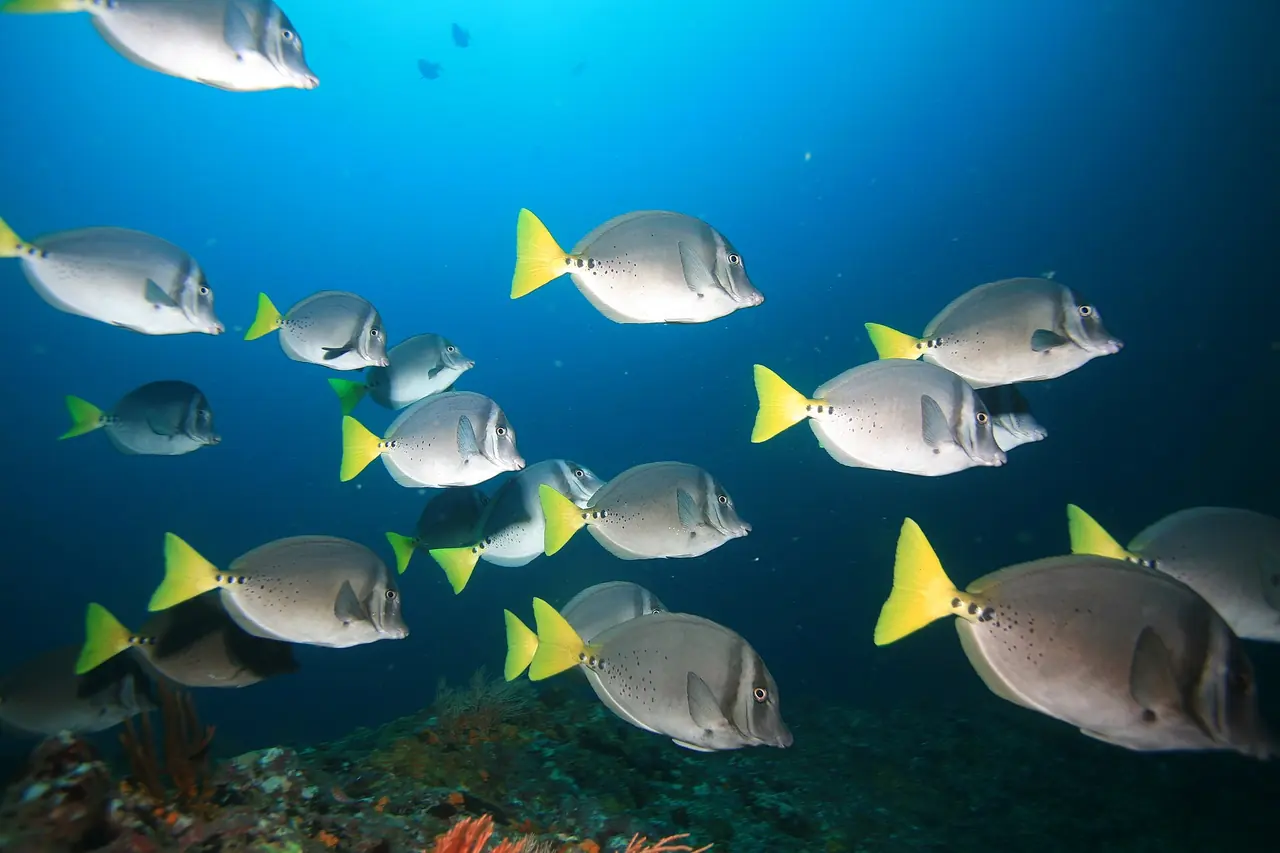
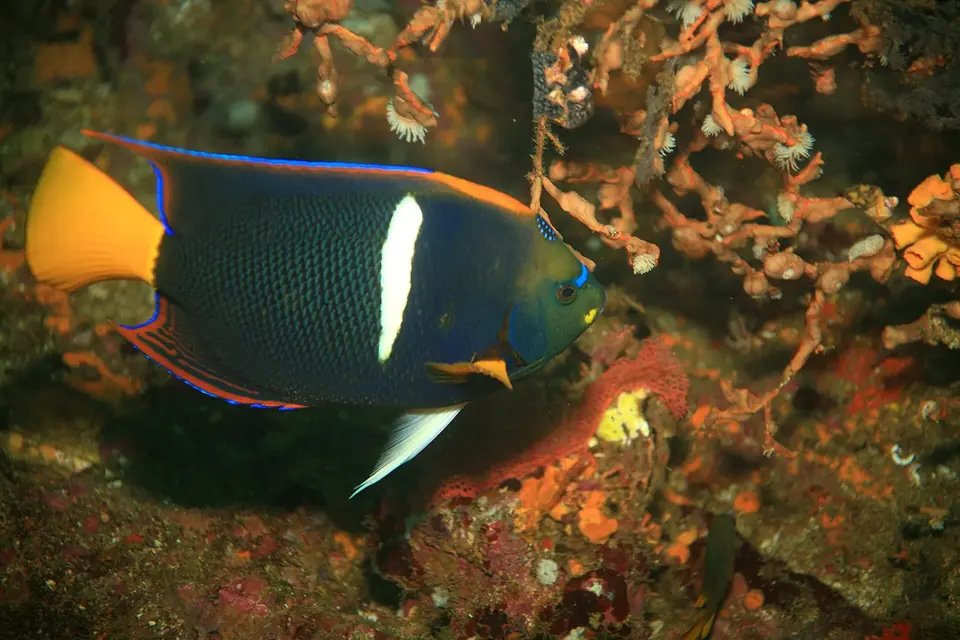
Coiba diving is worth the effort for the amount of life in the water: 760 fish species have been recorded in the park.[4] White-tip reef sharks are very common, and bull sharks are present year-round at some sites.[5] The reefs themselves are not the draw. Panama Dive Center says plainly that Coiba's reefs are not famous for bright corals, but the abundance of marine life is high.[6]
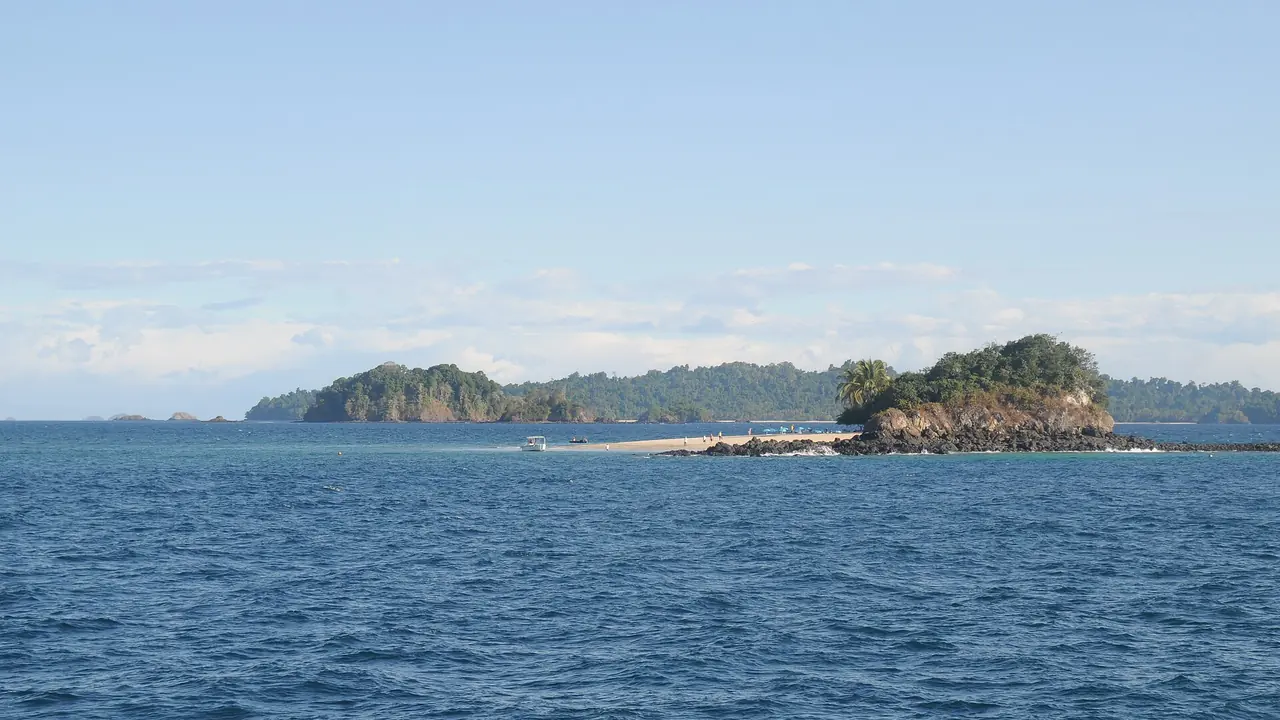
History explains much of that abundance. From 1919 to 2004 Coiba Island was a penal colony, and the isolation that came with it helped keep the island and its waters intact.[7][8] The park dates from 1991, when Panama's natural resources agency INRENARE created it by board resolution. Law 44 of July 2004 strengthened its legal status and created the Special Zone of Marine Protection around it.[9] That law sets the national park at 270,125 hectares.[10] With the 160,700-hectare special marine zone added, the World Heritage property covers 430,825 hectares, most of it ocean.[11][12] Smaller figures you may see online usually refer to Coiba Island alone, which covers about 503 km².[7]
Coiba is the northern anchor of the Eastern Tropical Pacific Marine Corridor, the same chain of protected waters that includes Galápagos, Cocos, Malpelo and Gorgona.[13] That link explains the pelagic visitors: hammerheads, mantas, devil rays and seasonal whale sharks.
The park's public-use plan lists 31 dive sites, mostly between Isla Uvas and the Gambute area, and operators have reported at least 10 more.[14] Day-trip boats spread across the waters around Coiba, Isla Ranchería, the Canales islands and the Contreras group.[6] Several of the best sites suit only experienced divers because of currents, deep profiles and open-ocean conditions.[5]
Coiba is a stretch if you have just certified or want calm, shallow, colorful reefs. Scuba Coiba itself suggests learning or refreshing skills on the Caribbean side in Bocas del Toro first if you have time.[5] To weigh Coiba against Portobelo, Bocas and the Pearl Islands on price, season and conditions, see our comparison of diving in Panama.
How to Get to Santa Catalina and Pixvae for Coiba
Santa Catalina is about six hours from Panama City by road. The cheapest way in is a public bus for under $20, with a change in Soná.[8] Charter flights cut the trip to under an hour, but they are priced per plane, not per seat.
By Bus or Shuttle
Buses leave Albrook terminal in Panama City for Soná. From Soná a local bus or taxi covers the last stretch to Santa Catalina, for a total of 7 to 9 hours and roughly $16 one way.[7] Tickets for the Albrook to Soná bus are sold only in person at the terminal, and the air conditioning is strong enough that a warm layer helps.[15] Shuttle services to Santa Catalina run about $60 and take around six hours. A private transfer costs around $300.[8]
By Charter Flight
Charters fly from Albrook airport (PAC) to Lago Bay, a private grass airstrip near Santa Catalina. The flight takes about 45 minutes, and the drive into town takes 10 to 15 minutes.[16] The strip is open for daylight operations only.[17] Lago Bay lists one-way prices of $975 for a Cessna 172 (1 to 3 passengers), $1,430 for an Aztec (up to 5) and $2,500 for a Kodiak (up to 9).[18] Other charter sellers advertise "from" prices of $875, $1,250 and $2,200 for the same aircraft types.[19][20] Shared with other passengers, Scuba Coiba estimates the cost at $150 to $300 per person, depending on the plane and group size.[21]
By Car
The drive is 5 to 7 hours on paved roads.[7] Car rental runs about $200 to $300 a week.[8] Before you pick up a car, read our guide to renting a car in Panama: mandatory insurance and deposits change the real price considerably.
Getting to Pixvae Instead
Pixvae is the shortcut into the park, about 20 minutes by dive boat from Coiba.[8] By public transport, take the Albrook to Soná bus (about 4 hours), then the single midday bus from Soná to Pixvae (about 1 hour), or a taxi.[15] The Soná–Pixvae road opened in January 2024. Rains damaged it later that year, and the collapsed section at kilometer 38.5 was rebuilt by July 2025.[22][23] A three-year maintenance contract has covered the road since March 2025.[24]
Pixvae is a small fishing village with very basic services. A 2020 guest review on Dive Base Coiba's site describes no mains electricity, no mobile signal and a simple solar-lit hostel, though conditions may have improved since the paved road arrived.[15]
Dive boats leave Santa Catalina between about 7:15 and 8:30 am, and no bus from Panama City gets you there in time. Plan to sleep in town the night before your first dive.
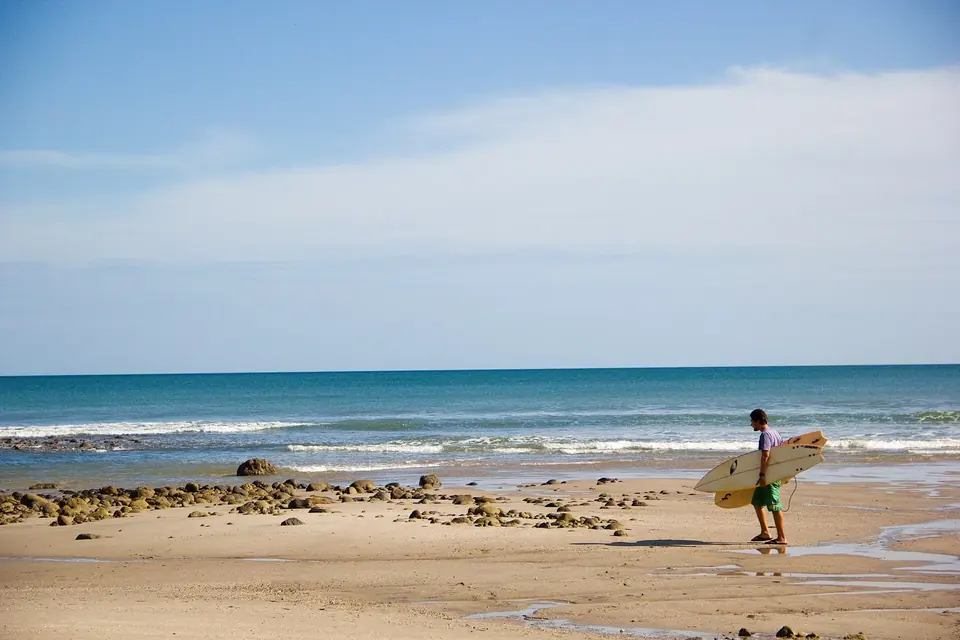
Santa Catalina is also one of Panama's main surf towns, so non-diving partners often surf while you dive. Our comparison of Panama surf camps covers the Santa Catalina options alongside Playa Venao and Bocas. In town, Expedición Coiba runs Casa Relax, a lodging directly in front of the bus stop and two blocks from the beach.[25]
Coiba Diving Day Trips from Santa Catalina
A Coiba diving day trip from Santa Catalina runs from about 7:30 am to 4 pm and includes two or three dives. Panama Dive Center charges $155 for two dives and $185 for three, including equipment, lunch, fruit and water, as of November 2026.[1] The park fee is extra and payable in cash: $20 for foreigners, $5 for Panamanians and residents.[6] These trips are for certified divers only.
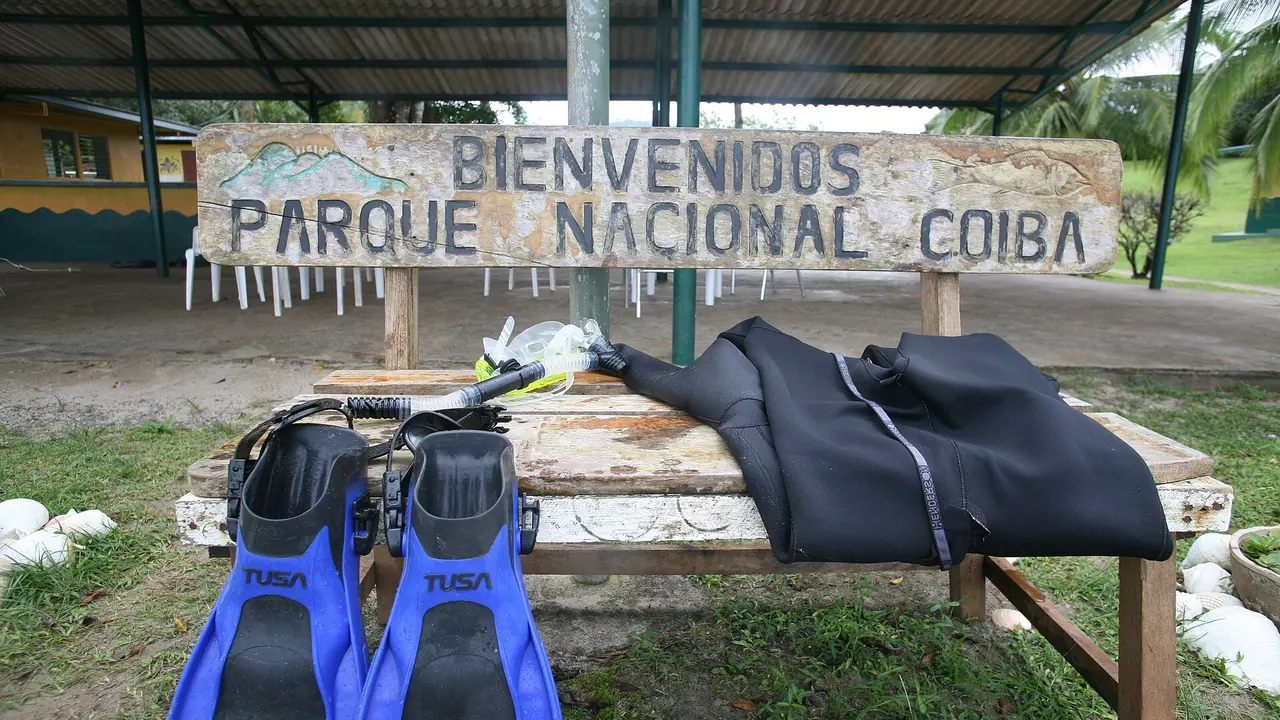
Coffee and briefing 7:30 am
Meet at the dive center, get fitted for gear and walk to the beach.
Boat ride out about 1 h 30
Head to the day's sites around Coiba, Ranchería, Canales or Contreras.
First dive about 50 min
Most dives run between 10 and 30 meters, depending on the site.
Lunch on a park beach surface interval
Rice with chicken or vegetables on a beach where monkeys, agoutis, crocodiles and iguanas live.
Second and third dives afternoon
The third dive depends on weather, especially in the rainy season.
Back in Santa Catalina 3:30-4 pm
Pay the park fee in cash, plus the third-dive supplement if it applies.
That schedule is Panama Dive Center's. Dives last about 50 minutes, depending on conditions and your air.[6] In the rainy season the shop cannot guarantee a third dive, so you book two and pay an extra $30 on return if the third happens.[6]
| Trip | Price per person | Dives | Out / back | Rental gear | Best for |
|---|---|---|---|---|---|
| Panama Dive Center, 2 dives | $155 + park fee | 2 | 7:30 am / 3:30-4 pm | Included, with computer | Rainy season, a shorter day |
| Panama Dive Center, 3 dives | $185 + park fee | 3 | 7:30 am / 3:30-4 pm | Included, with computer | Best value |
| Scuba Coiba, Contreras Islands day | $185 + park fee | 3 tanks | 7:15 am / 4:30-5 pm | $20 extra | Advanced divers, hammerhead months |
| Snorkel day tour (Panalive, Snorkel Coiba) | $60-75 + park fee | Snorkel only | 8 am / 4-4:30 pm | Snorkel gear included | Non-divers and families |
Prices per person as of November 2026. Park fee: $20 for foreigners, $5 for Panamanians and residents, in cash.
Some Santa Catalina shops, including Fluid Adventures Panama, have quoted day trips at around $125 to $150 with park entry included.[1] Scuba Coiba's own Contreras listing charges the fee on top. Ask each shop whether the price includes the fee, gear and lunch before comparing numbers.
The Contreras Islands Day for Experienced Divers
Scuba Coiba runs a longer special day trip to the Contreras Islands, the northern group where hammerheads gather. It costs $185 with three tanks, a $40 deposit and a group of 4 to 6. It needs Advanced certification, or proof of deep dives plus 30 dives in the last 12 months.[26] The boat leaves at 7:15 am, the ride takes 1 hour 30 to 2 hours each way, and you are back around 4:30 to 5 pm. Non-diving passengers are not taken.[26] Full rental gear is $20 extra. Nitrox is $30 for the day, or $10 per extra tank.[26]
Which Coiba Dive Sites Suit Your Level
Depths and conditions vary sharply from site to site, so the sites a shop picks on the day depend on the group's experience.
- Mona Lisa: a submerged rock and large cleaning station, sheltered from current and fine for newer divers. White-tips hunt over the reef at night, which makes it a good night dive.[27]
- Wahoo Rock (Canales): gentle slopes down to sand at around 28 meters, a wall where frogfish often hide. It suits all levels and snorkelers.
- Mali Mali (Ranchería): a shallow, colorful reef with seahorses and mobula rays, suitable for all levels.
- Hill Rock: maximum depth about 22 meters. It is best dived at high tide because of surge from the south.[27]
- Cathedral Rock: two pinnacles from about 13 to 25 meters, with a hammerhead cleaning station. Currents can be fairly strong, and divers shelter on the lee side.[27]
- Jacob's Ladder: a pinnacle near the drop-off, exposed to oceanic currents and swell, where Galápagos and tiger sharks are frequent visitors.[27] It is for advanced divers only.
- Punta Peligro and Sueño del Pescador (Contreras): deep dives past 30 meters, often in cold water. They suit advanced divers with deep experience.
Coiba National Park Snorkeling Trips
Coiba National Park snorkeling trips follow the same boat ride with three reef stops and lunch on an island. Panalive Tours charges $60 plus the park fee, with a $10 deposit. Its boat leaves the downtown beach at 8:00, reaches Granito de Oro around 9:30, stops at Coco island, has lunch at Ranchería and returns at about 4:30 pm.[28] It uses a 24-foot fiberglass boat that takes a maximum of 10 passengers and carries life vests, radio and GPS.[28] Snorkel Coiba charges $75 including boat, guide, gear and lunch. Its stops are Coco Pequeño, Coco Grande and the Canales islands, plus Ranchería and the visitor center.[7]
Families have options: Panalive takes children as young as 5, with a life vest and an assistant beside each child.[28] Park rules require snorkelers in the managed zones to go with a certified guide.[29] If you are a snorkeler traveling with a diver, ask whether you can ride the dive boat. The Contreras trip does not take non-divers, and private snorkel boats start from $600 per boat.[7]
What You See on the Island Between Dives
Lunch stops and surface intervals are on park beaches. Ranger walks from Ranchería include the Sendero de los Monos, a monkey trail, and a stop at the old penal colony buildings.[30] Coiba has its own endemic howler monkey and an endemic bird, the Coiba spinetail.[28] The island records 147 bird species, including the scarlet macaw.[4] It also has large crocodiles and venomous snakes such as the fer-de-lance, and its trails are hard to follow without a guide.[4]
Multi-day Coiba Trips and Liveaboards
Multi-day Coiba trips put you to bed close to the dive sites, on private Isla Simca or in the village of Pixvae, so you trade boat time for dive time. Scuba Coiba sells them for experienced divers only.[13] From Simca, many sites are 10 to 30 minutes away. From Pixvae, most are 20 to 50 minutes away, and the Contreras islands are 20 to 40 minutes from either base.[13]
Isla Simca (Scuba Coiba)
$990 (2023)3 days, 2 nights10-30 min to sitesA former research station on a private island, with private double rooms, full board and guided dives. The boat from Santa Catalina or Pixvae is included.
Best for experienced divers who want the most bottom timePixvae Dive-and-Stay
From $1,1543 nights20 min to CoibaArk Divers and Dive Base Coiba both run multi-day diving from the village. It is the shortest boat ride into the park, with simple village lodging.
Best for divers coming by car who hate long boat ridesIsland Camping (Premier Coiba Tours)
$460-4903 days, 2 nightsSnorkel, not scubaA snorkel and hiking expedition with a tent or hammock, all meals and an expedition leader. Confirm it is running, because the park's own booking system lists no camping.
Best for snorkelers and non-divers aged 14 and upLiveaboard from David
VariesDeparts near David airportFew departuresLiveaboard boats depart near Enrique Malek International Airport. Boats, dates and prices change, and departures are irregular.
Best for divers who want a ship and can match its datesIsla Simca with Scuba Coiba
Scuba Coiba's three-day Simca trip was last listed at $990 per person with a $300 deposit, but that listing was for January 2023 dates, so expect a different price now.[31] It includes the boat from Santa Catalina or Pixvae, two nights in private double rooms, meals from lunch on day one to lunch on the last day, guided dives and basic rental gear. It excludes the $20 daily park fee, Panama's 7% VAT, Nitrox at $10 a tank, a single-room supplement of $85 a night and your transport to the departure port.[31]
Scuba Coiba has also run overnight trips to the northern sites with lodging in Pixvae, only a few times a year and usually between late April and May.[32] A February 2026 trip report puts Coiba Dive Center's three-day overnight trip at about $795 including meals and accommodation, with park fees included on multi-day trips. Confirm the current price and inclusions directly.
Pixvae Packages
Ark Divers' published Dive+Stay package from Pixvae (three nights) cost $1,154 per person in a triple or quad room, $1,231 in a double and $1,473 single. The rates were valid until October 31, 2026, and the $20 daily park fee was extra.[33] Check the 2027 rate sheet before budgeting. Dive Base Coiba, which says it is the first PADI Dive Resort in Pixvae and uses ScubaPro and XDeep gear, also sells daily and multi-day trips but publishes no prices.[15]
Can You Stay Overnight on Coiba Island?
For regular tourists, generally no. The official MiAmbiente reservation system currently lists Coiba as "admission entry only (no camping)".[34] One Santa Catalina operator also states that independent boats and overnight camping are not allowed for regular tourists.[7] Older trip reports describe divers sleeping in ranger bunkhouses on the island. Premier Coiba Tours still sells a three-day camping expedition at $460, or $490 in peak weeks around Christmas, Carnival and Holy Week, not suitable for children under 14.[30] With the official system showing no camping, get the operator to confirm in writing where you will sleep before you pay.
Liveaboards
Liveaboards are the thinnest part of the Coiba market. Liveaboard.com lists Panama boats departing about five minutes from Enrique Malek International Airport in David, reached by domestic flight from Panama City.[27] Boat names, itineraries and prices are not fixed year to year, so check current departures before planning around one. Most divers end up choosing a land-based multi-day trip instead.
The park fee is charged for each day you are inside the park, not once per trip. On a three-day trip, a foreign diver pays it every day unless the package says it is included.
Coiba Marine Life and the Best Time to Dive
For most divers, the best time to dive Coiba is the dry season, from mid-December to April. Cooler, plankton-rich upwellings arrive in late January and bring mantas, devil rays and whale sharks, while hammerheads are most often seen around the Contreras islands from March to August.[8] No animal is guaranteed in any month.
What You Can See Year-Round
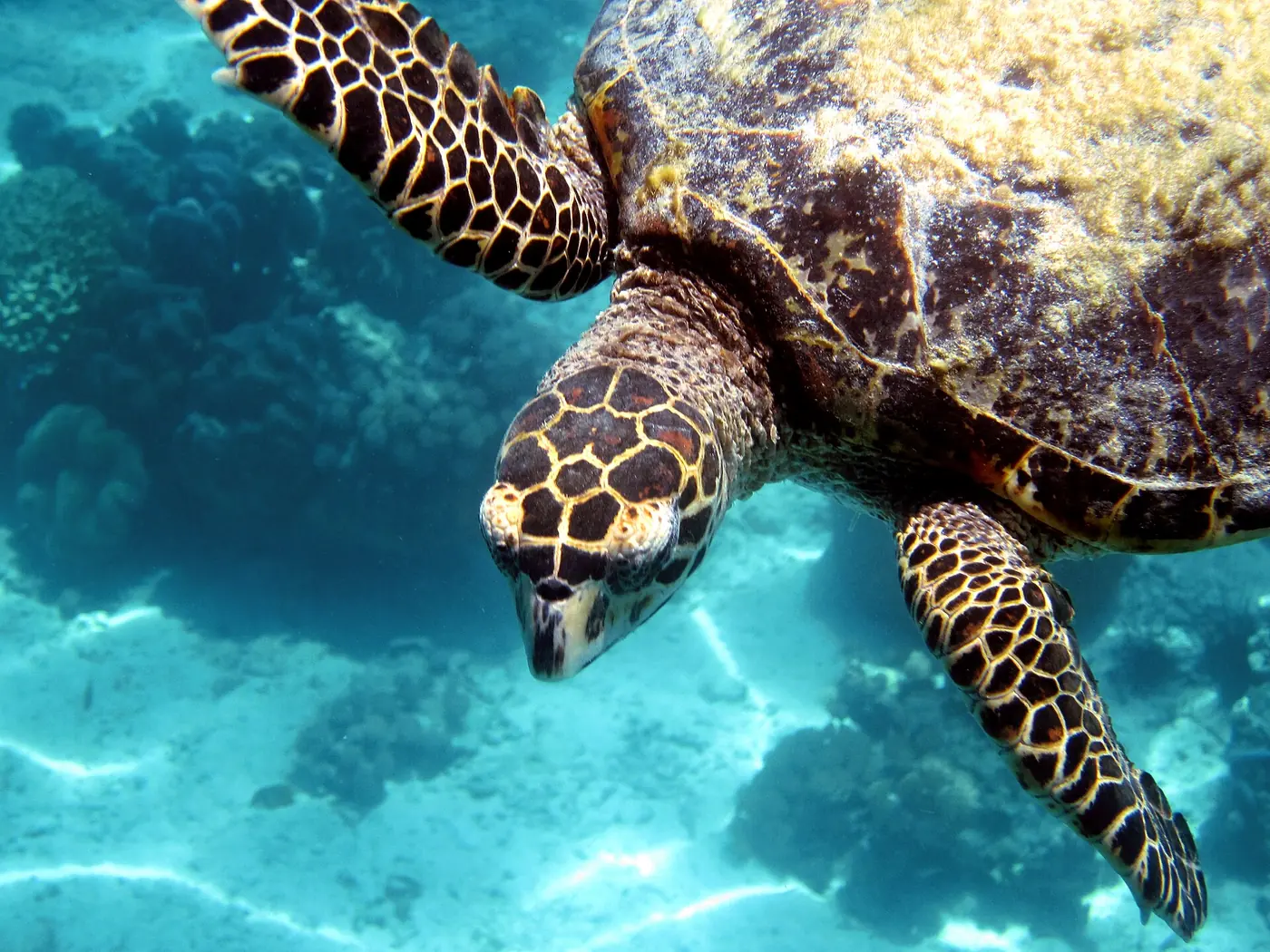
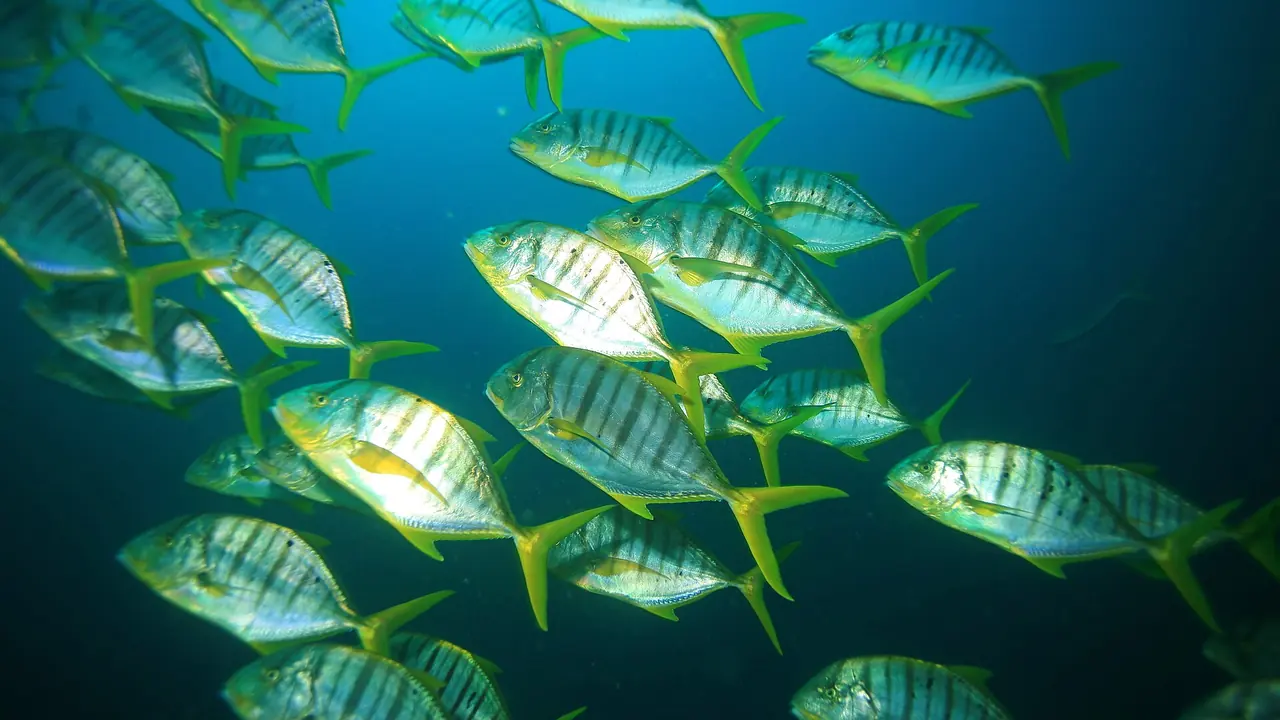
White-tip reef sharks are the constant, and bull sharks are present year-round at some sites.[5] Panama Dive Center lists turtles, dolphins, eagle rays, devil rays, stingrays, lobsters, seahorses, frogfish, jacks, barracudas, moray eels, wahoo and snappers among regular sightings.[6] Recent reviewers report oceanic mantas, oceanic blacktips, hammerheads and pygmy devil rays. One December 2025 diver counted more than two dozen sharks on a single dive, most of them white-tips.[13]
| Months | Weather and sea | Water | Big animals |
|---|---|---|---|
| Mid-Dec to Jan | Dry season starts, calm seas | Warm, around 26-29°C | Upwelling and whale sharks from late January |
| Feb to Apr | Dry, best visibility; windy, rougher afternoons | Thermoclines common, about 20°C at depth | Whale sharks, mantas (peak Mar-May), hammerheads from March |
| May to Jun | Rains begin | Thermoclines to early June, 18-24°C | Hammerheads, especially in the Contreras islands |
| Jul to Oct | Rainy season | Warm, 26-30°C | Humpback whales (peak Aug-Sep), hammerheads to August, rare orcas |
| Mid-Sep to Nov | Heaviest rain; third dive not guaranteed | Warm | Humpbacks until about October |
Seasons as reported by Coiba operators; sightings are never guaranteed.
Water Temperature and Thermoclines
Most of the year the water runs 26 to 30°C. From mid-March to early June, thermoclines can bring water between 18 and 24°C.[6] PADI puts deeper water at around 20°C from February to April.[8] On a bad day the thermocline can plunge the temperature to 16°C.[27] Visibility generally ranges from 10 to 30 meters.[8]
Divers who report on Coiba consistently recommend a 5 mm wetsuit, even though the surface feels tropical. The cold layers hit hardest on the deep Contreras sites.
Whale Sharks and Hammerheads: The Conflicting Calendars
Operators disagree by a month or two. Snorkel Coiba gives whale shark season as January to March.[7] Ark Divers says January to April, and gives May to October for scalloped hammerheads.[35] Scuba Coiba adds that whale sharks also show up year-round after full moons.[5] Science backs the later hammerhead window: a satellite-tagged, likely pregnant scalloped hammerhead arrived in the Gulf of Chiriquí in May, during the March to June period when local fishers catch the most newborn hammerheads.[36] If hammerheads are your goal, aim for April to June and book a Contreras day or a multi-day trip.
Rainy Season Diving and Whales
The rainy season runs from June to November, with the heaviest rain from mid-September to November.[8] Diving continues, but weather can cut the third dive.[6] The payoff is whales: humpbacks are seen from July to October, with peak sightings in August and September.[7] Scuba Coiba also reports rare killer whales between July and September.[13] Wind also matters in the dry season, because seas tend to be roughest on February, March and April afternoons.[28] To fit Coiba into a wider trip, our guide to the best time to visit Panama breaks down each region by month.
Coiba Diving Prices in 2026
Plan on $155 to $185 a day for Coiba diving from Santa Catalina, plus the park fee, as of November 2026.[1] Three-night dive-and-stay packages out of Pixvae have run from about $1,150 to $1,475 per person, with park fees extra.[33]
Panalive tour, plus park fee; Snorkel Coiba is $75.
Panama Dive Center, gear and lunch included.
Panama Dive Center or Scuba Coiba's Contreras day.
Ark Divers, triple room; double $1,231, single $1,473.
| Cost | Price | Notes |
|---|---|---|
| Park fee, foreigners | $20 per day | Cash; charged per day on multi-day trips |
| Park fee, Panamanians and residents | $5 per day | Bring your cédula |
| Rental gear | Included or $20 | Included at Panama Dive Center; $20 a set at Scuba Coiba |
| Nitrox | $30 a day or $10 a tank | Scuba Coiba; e-learning course with 3 nitrox dives $190 |
| Third dive in rainy season | $30 | Paid on return, only if the dive happens |
| Bus, Panama City to Santa Catalina | Under $20 one way | 7-9 hours via Soná |
| Shuttle, Panama City to Santa Catalina | About $60 one way | About 6 hours |
| Charter flight to Lago Bay | $975 per plane one way | Cessna 172, 1-3 passengers |
| Simca extras | 7% VAT, $85 a night single | On top of the package price |
| Typical total: two 3-dive days, park fees, return shuttle | About $530 | Realistic budget Before lodging, dinners and tips |
Prices per person as of November 2026, unless marked per plane.
The biggest swing in the budget is transport. Taking the bus both ways instead of the shuttle saves around $80. Splitting a three-seat Cessna brings the flight to roughly $325 each way per person, which only makes sense if time matters more than money. Scuba Coiba's rental set ($20) and Nitrox are the other easy extras to forget.[26]
Tipping is expected by some crews. A 2025 reviewer said Scuba Coiba staff asked for tips for the guide, captain and assistant.[13] Dive courses are available from Expedición Coiba (Open Water, Advanced and Rescue), Scuba Coiba and Dive Base Coiba, but none of them publish course prices, so ask for a written quote that includes the park fees for the training days.[25]
Coiba National Park Rules, Permits and Dive Safety
You can enter Coiba National Park only with a licensed operator, and you pay a park fee of $20 a day as a foreigner or $5 as a Panamanian or resident.[7] Diving is allowed only at sites MiAmbiente has authorized, with certified operators and divers.[29] Your operator handles the permit, but a few rules land on you directly.
- Entry
- Only with a licensed boat operator; independent boats are not allowed for regular tourists.[7]
- Park fee
- $20 a day for foreigners, $5 for Panamanians and residents, usually collected in cash before the boat leaves.[30] MiAmbiente's own procedure asks for payment online or by bank transfer at least 72 hours ahead, with the receipt shown at Gambute, so let the operator tell you which method applies.[37]
- ID
- Carry your passport on the boat. Rangers check the date of your Panama entry stamp, and Panamanians and residents can use a cédula.[30]
- Visiting hours
- MiAmbiente sets park visiting hours from 8:00 am to 3:00 pm.[37]
- Diving and snorkeling zones
- Scuba only at authorized sites; snorkeling in the managed zones only with a certified guide.[29]
- Fishing
- Catch-and-release sportfishing is allowed with a permit.[4] In July 2026 park patrols ordered an unauthorized sportfishing yacht out of the marine zone.[38] For charters elsewhere, see our guide to fishing in Panama.
The 2026 Detention Unit on Coiba
Coiba holds prisoners again. On June 13, 2026, the Ministry of Security moved 29 high-danger detainees to the existing aeronaval (SENAN) station on the island.[40][41] A further three people were transferred in August.[42] President Mulino has called the transfer a national security matter.[43] MiAmbiente says the facilities already existed, no new construction has taken place, nothing happens outside the building the aeronaval service occupies, and it will inspect periodically. It also says a permanent prison with new buildings would not be viable for legal, environmental and World Heritage reasons.[40]
For visitors, one Santa Catalina operator says the unit sits inside a closed military zone far from visitor areas and that day tours are unaffected.[7] Rules can shift quickly on a politically sensitive issue like this, so ask your operator about any new restrictions when you book.
Dive Safety at a Remote Park
Coiba's deep drop-offs, exposed currents and thermoclines are the main risks, and depth creeps up fast on the outer sites.[27] Help is far away. A 2026 reviewer noted that the nearest hyperbaric chamber is hours from this region.[13] That makes dive insurance with emergency evacuation cover worth having before you go.
Equipment and boats vary in quality. Reviews posted on Scuba Coiba's own site in 2025 and 2026 describe a weight belt falling off at 45 feet, a tank showing 50 bar that ran out of air, and a contracted boat too small for the group.[13] Bring your own computer and mask if you can, check rental gear before the first dive, and ask how many divers will share the boat.
What to Pack
- A 5 mm wetsuit, plus a DIN adapter if your regulator needs one
- Cash for the park fee and tips, since Santa Catalina has few card options on the boat
- Your passport, plus a photo of it on your phone
- Reef-safe sunscreen, a rash guard, water shoes and a dry bag[39]
- A warm layer for the air-conditioned bus[15]
Day trips to Coiba accept certified divers, but the Contreras islands and multi-day trips expect Advanced certification or proof of recent deep dives. Bring your logbook or app records, not just your card.
Before you go
Can you visit Coiba Island?
Yes, but only with a licensed tour or dive operator. Most visitors go on a day trip from Santa Catalina or Pixvae, which includes a stop at the ranger station and a beach lunch. Independent boats are not allowed, and you must carry your passport and pay the park fee.
Can you stay overnight on Coiba?
Generally not on the island itself. MiAmbiente's official booking system lists day admission only, with no camping. Multi-day dive trips sleep on private Isla Simca or in the village of Pixvae, close to the sites. One operator still sells a camping expedition, so confirm where you will sleep before paying.
How much does Coiba diving cost?
About $155 for two dives or $185 for three from Santa Catalina, plus a $20 park fee for foreigners ($5 for residents), as of November 2026. Three-night dive-and-stay packages from Pixvae have run from about $1,154 to $1,473 per person. A typical two-day trip with fees and a return shuttle comes to around $530 before lodging.
What is the best time to dive Coiba?
December to April, the dry season, brings the calmest seas, the best visibility and whale shark season from late January. Hammerheads peak later, roughly March to August around the Contreras islands. July to October is humpback whale season, with more rain.
How far is Coiba from Panama City?
Around six hours by road to Santa Catalina, then 60 to 90 minutes by boat. The public bus via Soná takes 7 to 9 hours and costs under $20, and shuttles run about $60. A charter flight to the Lago Bay airstrip takes about 45 minutes but is priced per plane, from $975 one way for up to three people.
Is Coiba good for beginner divers?
Partly. Sheltered sites like Mona Lisa, Wahoo Rock and Mali Mali suit newer divers. The best outer sites have strong currents, deep profiles and cold thermoclines, and the Contreras trips and multi-day trips require Advanced certification or recent deep-dive experience.
Is Coiba National Park good for snorkeling?
Yes, it is one of Panama's best snorkeling day trips. Tours from Santa Catalina cost $60 to $75 plus the park fee and stop at reefs such as Granito de Oro, Coco and the Canales islands, with turtles and white-tip reef sharks common. Some operators take children from age 5 with a life vest and an assistant.
Is Panama a good place for diving?
Yes, especially on the Pacific side at Coiba, which offers sharks, rays and large fish schools. The Caribbean side, around Bocas del Toro and Portobelo, has calmer, shallower diving that suits beginners better. Our comparison of diving in Panama sets the regions side by side.
Does the 2026 prison transfer affect visits to Coiba?
Day tours are reported as unaffected. Since June 2026, high-danger detainees have been held in the existing aeronaval station on the island, which MiAmbiente says involves no new construction and no activity outside that building. Ask your operator about any new restrictions when you book.
Sources
Prices, schedules and rules change. The small numbers in the text point to these sources.
- 1
- 2
- 3UNESCO - World Heritage 35 COM report on Coiba (2011)whc.unesco.org
- 4Anywhere.com - Coiba National Park visitor guideanywhere.com
- 5Scuba Coiba - Scuba diving in Panama guidescubacoiba.com
- 6Panama Dive Center - Coiba general information and pricespanamadivecenter.com
- 7Snorkel Coiba - Ultimate Coiba travel guidesnorkelcoiba.com
- 8
- 9Gaceta Oficial 28766-B - Coiba park legal status notegacetaoficial.gob.pa
- 10Ley 44 de 2004 - Creación del Parque Nacional Coibadocs.panama.justia.com
- 11
- 12Panama Passage - Coiba National Park guidepanamapassage.com
- 13Scuba Coiba - Home page, team and reviewsscubacoiba.com
- 14Gaceta Oficial 28798-A - Coiba public-use plan (2019)faolex.fao.org
- 15Dive Base Coiba - Pixvae transport and dive trip informationdivebasecoiba.com
- 16
- 17Panama Charter Flights - Lago Bay Airstrip (MPLY) detailspanamacharterflights.com
- 18
- 19Coiba Island Panama - Panama City to Santa Catalina flightscoiba-island.com
- 20Panama Charter Flights - Panama City to Santa Catalina by airpanamacharterflights.com
- 21Scuba Coiba - Getting to Scuba Coiba directionsscubacoiba.com
- 22Panamá América - Carretera hacia Pixvae rehabilitada, MOPpanamaamerica.com.pa
- 23
- 24
- 25Expedición Coiba - Santa Catalina dive operator and Casa Relaxexpedicioncoiba.com
- 26Scuba Coiba (WeTravel) - Contreras Islands day trip listingscubacoiba.wetravel.com
- 27Liveaboard.com - Coiba Island liveaboard divingliveaboard.com
- 28Panalive Tours - 1-day Coiba snorkeling tourwetravel.com
- 29Gaceta Oficial - Coiba park management zone rulesgacetaoficial.gob.pa
- 30Premier Coiba Tours - Coiba Elite 3-day expeditionpremiercoibatours.com
- 31
- 32Divingsquad - Coiba diving personal reviewdivingsquad.com
- 33Ark Divers - 3 nights & 2 days Dive+Stay packagethearkdivers.com
- 34MiAmbiente - Reservas de áreas protegidas, Parque Nacional Coibareservasap.miambiente.gob.pa
- 35Ark Divers - Migration species and patterns in Coibathearkdivers.com
- 36
- 37MiAmbiente - Comunicado on Coiba visit payment and hoursmiambiente.gob.pa
- 38MiAmbiente - Patrullajes en Zona Especial Marina de Coibamiambiente.gob.pa
- 39Nativo Boutique Hotel - How to visit Coiba National Parknativoboutiquehotel.com
- 40MiAmbiente - Comunicado on June 2026 detainee transfer to Coibamiambiente.gob.pa
- 41Presidencia de Panamá - Traslado de reos a estación aeronaval de Coibapresidencia.gob.pa
- 42
- 43
Image credits
- Prionurus laticlaviusLASZLO ILYES from Cleveland, Ohio, USA · CC BY 2.0
- Isla de Coiba - Granite de Oro - Pacific Ocean Islands off Panama - panoramio (10)David Broad · CC BY 3.0
- Welcome to Isla Coiba (2070475089)LASZLO ILYES from Cleveland, Ohio, USA · CC BY 2.0
- Gnathanodon speciosusLASZLO ILYES from Cleveland, Ohio, USA · CC BY 2.0
- Lutjanus viridisLASZLO ILYES from Cleveland, Ohio, USA · CC BY 2.0
- Coiba Sunset (2071282152)LASZLO ILYES from Cleveland, Ohio, USA · CC BY 2.0
- Coiba Panama (26822070175)dronepicr · CC BY 2.0
- Insel Coiba Strand (26217559123)dronepicr · CC BY 2.0
- Johnrandallia nigrirostrisLASZLO ILYES from Cleveland, Ohio, USA · CC BY 2.0
- Hawksbill turtle on Pom Pom IslandProfmauri · CC BY-SA 3.0
- DiveTulsa (2062961046)LASZLO ILYES from Cleveland, Ohio, USA · CC BY 2.0