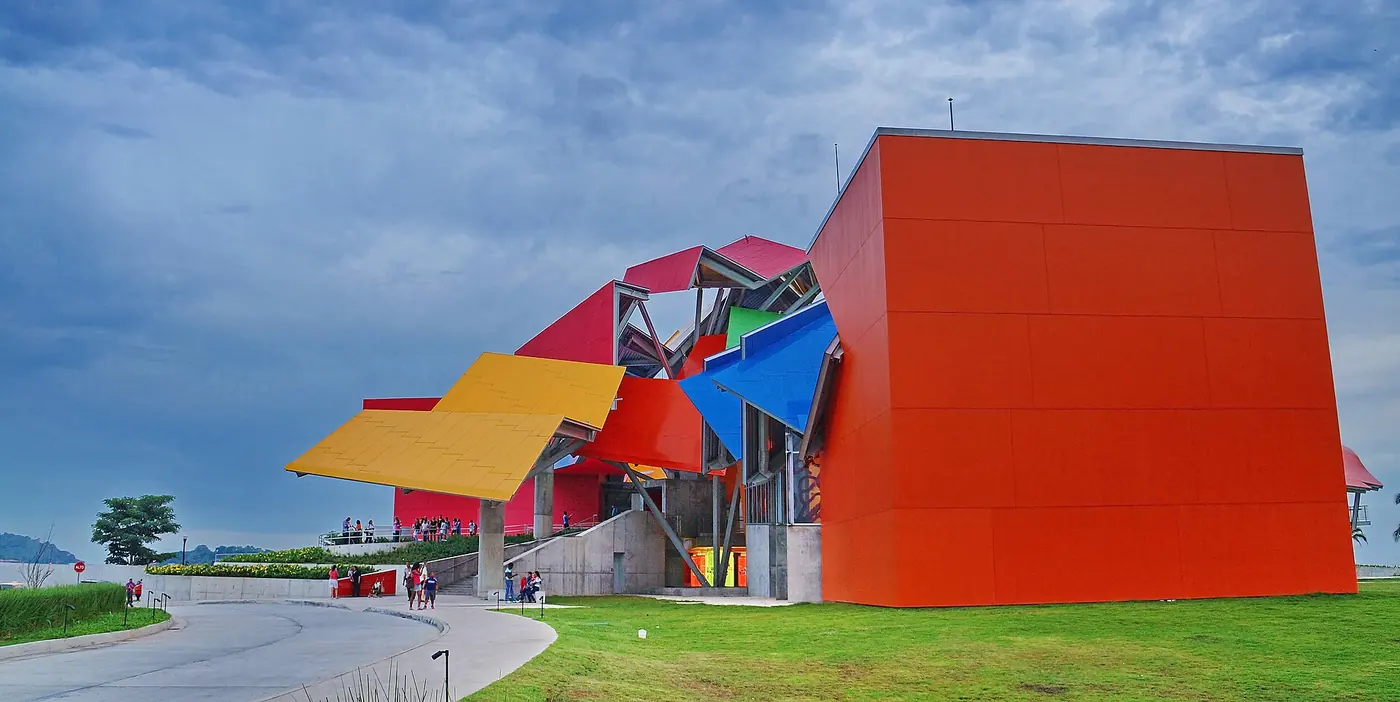
 Panama CityCapital and canal
 BoqueteCoffee highlands
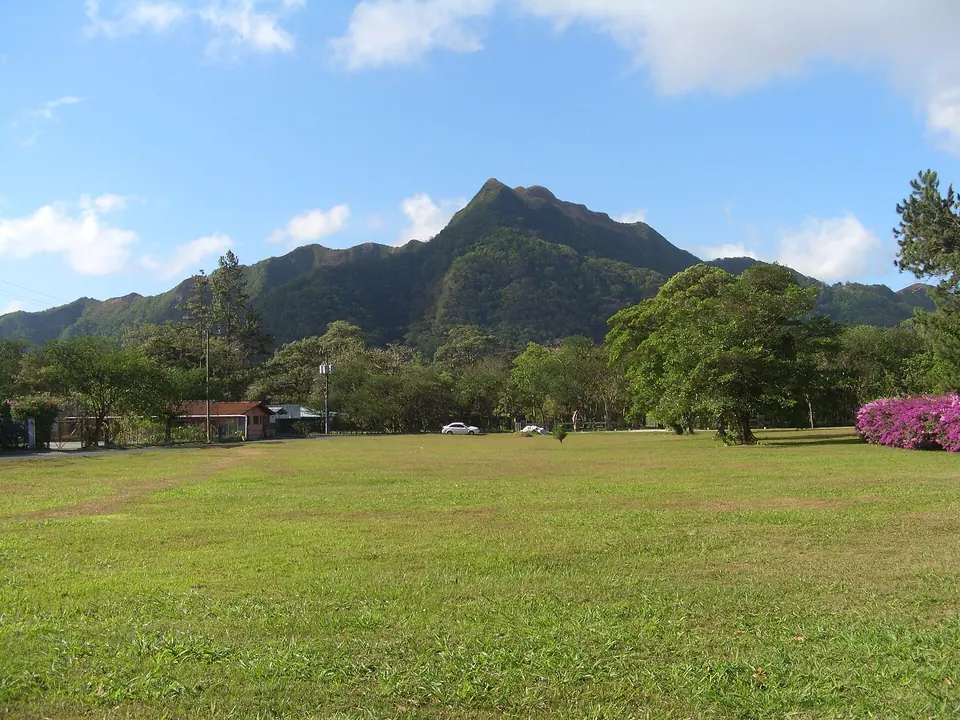 El Valle de AntónVolcanic crater
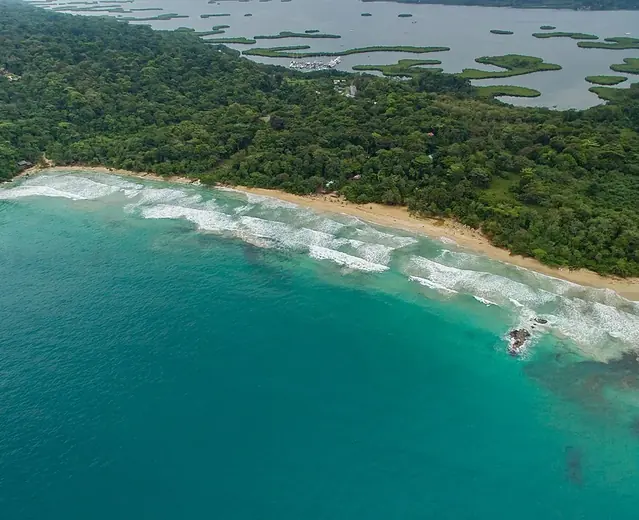 Bocas del ToroCaribbean islands
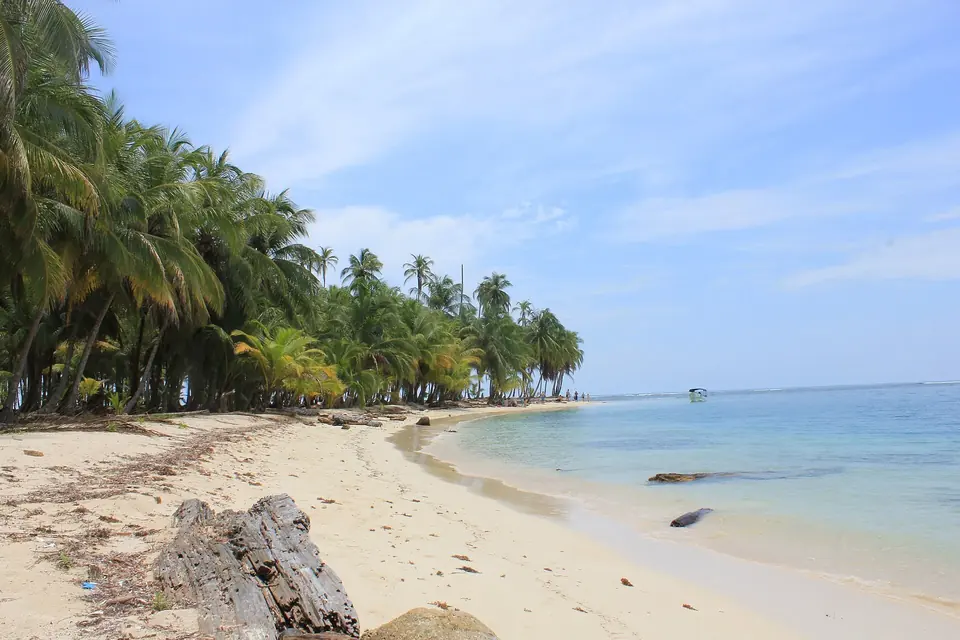 San BlasGuna Yala




Panama stem cell autism treatment is sold by private clinics, mainly the Stem Cell Institute in Panama City, as multi-day packages of IV infusions made from donated umbilical cord tissue, and the same clinics also list multiple sclerosis. Panama has registered no stem cell medicine for autism or MS, and its national bioethics committee treats any use beyond blood-forming stem cell transplants as experimental, permitted only inside approved research.[1]
Most results for Panama stem cell autism searches come from the clinics themselves: protocols, testimonials and explanations of cell sources, with no prices and very little independent evidence. This page sets out what those clinics describe as of November 2026, what the published trials found for autism and for MS, where Panama's regulators stand, and the questions to put to any clinic in writing before you pay anything.
For the wider picture across all conditions, including clinic types and what a treatment trip involves, see our guide to stem cell therapy in Panama.
What Panama Stem Cell Autism and MS Clinics Offer
Two clinic groups market autism treatment in Panama on their own websites: the Stem Cell Institute, which infuses donor umbilical cord tissue cells, and Regenerate Panama, which puts stem cells at the end of a three-stage protocol. They are not the only ones. A Stem Cell Reports analysis, as reported by La Prensa, counted at least six companies promoting stem cell treatments in Panama by the end of 2025, with multiple sclerosis, autism spectrum disorder and cerebral palsy among the conditions promoted.[2]
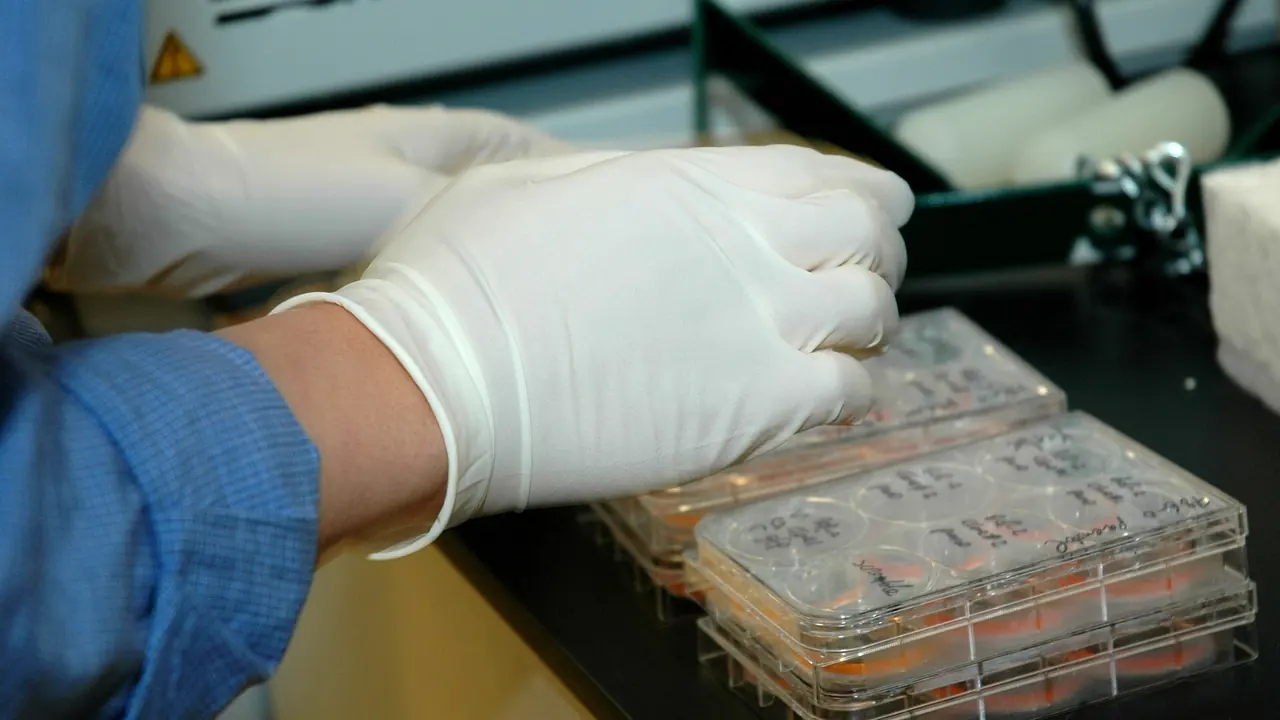
Stem Cell Institute (Panama City)
The Stem Cell Institute uses what it calls Golden Cells: allogeneic (donor) mesenchymal stem cells from human umbilical cord tissue, processed at its sister lab, Medistem Panama.[3] It lists intravenous, intramuscular, intrathecal (into the spinal fluid), perilymphatic and intra-articular routes, and autism and multiple sclerosis appear on its list of conditions.[3] For autism it has also added a cell-free product called MTF, given through the nose, to its protocol.[4]
The clinic's own figures vary from page to page. Its homepage cites more than 80,000 procedures and, elsewhere, more than 20,000 patients, and neither number is independently verified.[3] Its autism page also carries an FDA disclaimer: no stem cell product from any source, including a patient's own cells, is approved by the US FDA to treat autism.[5] Our independent review of the Stem Cell Institute in Panama covers what patients report and the complaints on record.
The autism page lays out a sample six-night protocol.[5] The homepage shows a shorter example of four treatment days and five hotel nights, with three IV infusions on days 2 to 4 plus intramuscular and joint injections as needed.[3] The two pages do not match, so ask which applies to your case. The autism version runs like this:
Application and review Before travel
You send medical records through an online patient application. After screening, a video call with the clinic's international medical team may follow.
Protocol assigned Before travel
A physician assigns a protocol only after the application is approved.
Exam and blood tests Day 1
Physical examination and blood work at the clinic in Panama City.
Four IV infusions Days 2-5
One intravenous infusion of umbilical cord tissue cells per day in the sample protocol.
Follow-up Up to 12 months
Clinic staff contact the family at 1, 3, 6, 9 and 12 months to ask about progress.
Regenerate Panama and the ABC Protocol
Regenerate Panama says it specializes in mesenchymal stem cells from Wharton's jelly, the gel-like tissue inside the umbilical cord.[6] Its autism "ABC Protocol" has three stages: gut microbiome restoration through Aflora Medical Center (which says its work includes fecal microbiota transplants in children with autism), MeRT brain stimulation that combines repetitive transcranial magnetic stimulation with EEG mapping, and then stem cell infusions, with quantitative EEG before, during and after.[6] The ABC of Autism site presents the stem cell stage as the "Third Step" through the Regeneration Clinic of Panama.[7] Neither page gives session counts, prices, safety data or a cited study for the protocol.
| Clinic | Cell source named | Autism protocol published | MS listed | Price on website |
|---|---|---|---|---|
| Stem Cell Institute, Panama City | Umbilical cord tissue MSCs (Golden Cells), plus cell-free MTF | Sample schedule | Yes | None |
| Regenerate Panama / Regeneration Clinic of Panama | Wharton's jelly MSCs | Stages only | Yes | None |
Based on each clinic's own website as of November 2026. Listing a condition is not evidence of benefit or regulatory approval.
- Allogeneic
- Cells from a donor rather than from the patient. Both clinics above use donor cells from umbilical cords.
- Cord tissue vs cord blood
- Cells grown from the cord itself are not the same product as cells from cord blood. Clinics often blur the two, so ask exactly which one you would receive.
- MTF
- The Stem Cell Institute's cell-free product derived from its cells, which it says contains exosomes and other molecules. It is given by nose, injection or nebulizer.
- Intrathecal
- An injection into the spinal fluid. It is a different procedure from an IV drip, so ask whether it is part of an MS plan.
What the Clinics Offer for MS
For multiple sclerosis, both clinics list the condition but publish no MS-specific protocol, dose or outcome data on the pages that rank for these searches. Panama's bioethics committee records show a 2013 feasibility study of umbilical cord tissue cells in MS, sponsored by Medistem, marked as finalized.[8] If a clinic proposes MS treatment, ask for the published results of that study.
Is Stem Cell Therapy for Autism or MS Legal in Panama?
Clinics advertise openly, but Panama's rules treat cord cell infusions for autism or MS as experimental. Executive Decree 179 of June 8, 2018 limits proven clinical use to hematopoietic (blood-forming) stem cell transplants, and other uses must run inside authorized research protocols.[2] Four institutions are reported as authorized for those transplants: the Instituto Oncológico Nacional, the Complejo Hospitalario Dr. Arnulfo Arias Madrid of the Caja de Seguro Social, the Hospital del Niño Dr. José Renán Esquivel and The Panama Clinic.[2]
According to the Comité Nacional de Bioética de la Investigación (CNBI), MINSA's Dirección Nacional de Farmacia y Drogas has registered no stem cell-based advanced therapy medicines for other uses, and no stem cell trial protocols have been submitted for ethics review through the national research registry since 2018.[1] MINSA's Metropolitan Health Region inspected two establishments offering stem cell treatments and opened administrative files over missing operating permits, paperwork problems and products without sanitary registration.[2]
The lab side does hold a permit. Medistem Panama appears on MINSA's January 2025 list of private clinical laboratories, at Ciudad del Saber, Building 221, Clayton.[9] Those lists cover laboratory permits from the Consejo Técnico de Salud, not treatment clinics.[10] A lab permit is not a product registration and not an approval to treat autism or MS.
Ethics approvals are mixed too. The CNBI's 2018 status list shows an approved open trial of umbilical cord tissue cell infusions for autism, sponsored by Translational Biosciences, and a rejected Stem Cell Institute protocol that combined the patient's own stem cells with hyperbaric chamber therapy for autism.[8] Meanwhile, Panama's trade ministry has promoted the Stem Cell Institute as part of medical tourism, describing it as recognized for therapies for spinal cord injury, autism and degenerative diseases.[11] That is promotion, not a health authorization.
The US FDA's Position
The FDA warns patients to avoid unapproved products made from human cells or tissues, says it has not reviewed their quality, safety, purity or potency, and cites a patient death after use of an imported placental product.[12] In 2025 and 2026 it sent warning letters to US companies calling their umbilical cord-derived products unapproved new drugs and unlicensed biological products.[13][14] A law firm's summary of an August 2026 FDA warning letter to R3 Medical Companies says autism was among the conditions the company promoted.[15] These letters concern US firms, but they show how US regulators classify the same kind of product.
What the Research Says About Stem Cells for Autism and MS
For autism, the published evidence consists of small early-phase studies and pooled reviews with mixed conclusions. No controlled trial has established that these cells improve autism. For MS, randomized trials exist, but they test different cell products from the ones sold in Panama.
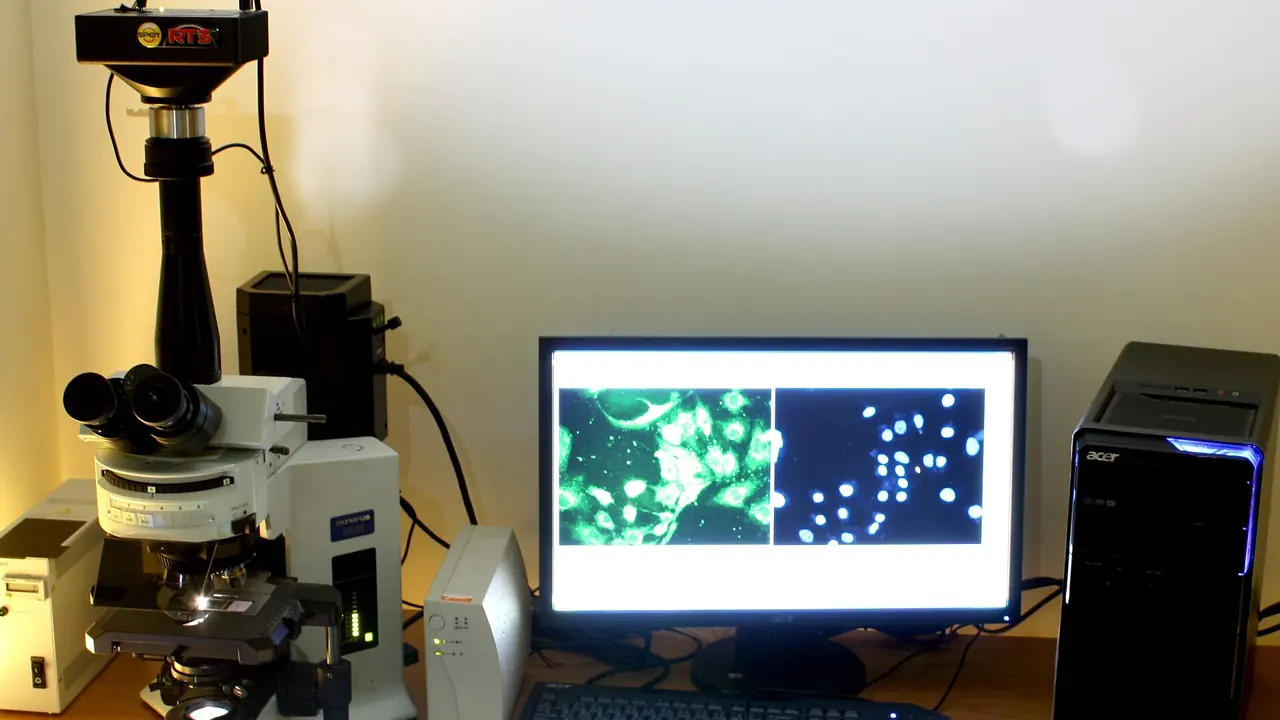
The Panama Autism Trial (2019)
The only peer-reviewed study of the Panama protocol is a phase I/II trial published in Stem Cells Translational Medicine in 2019 (NCT02192749). Twenty children aged 6 to 16 received four series of umbilical cord cell infusions every 12 weeks over nine months, each series being four infusions of 9 million cells in one week, for 144 million cells in total.[16] It was single-arm, meaning there was no control group to compare against.[16]
- Safety: 133 adverse events were recorded over 296 infusions, 58 of them judged related to treatment, with no treatment-related serious adverse events.[16] Possibly related events included moderate increases in tics, obsessive-compulsive behaviors and aggression in six children, plus mild fatigue, headache, fever and increased hyperactivity or anxiety.[16]
- Completion: 16 of 20 children finished all four series, and the main statistical analysis of symptom scores ran on just 10 children with complete data.[16]
- Symptom scores: at 12 months, 8 of the 20 children scored in a lower severity category on the CARS rating scale than at the start. The authors describe these as signals that need further investigation, not proof of effect.[16]
- Who was excluded: children with intellectual disability, seizure disorders, autoimmune conditions or a history of head trauma, and those born before 32 weeks.[16] The safety data says nothing about those groups.
- Links between the parties: the trial was sponsored by Translational Biosciences, the cells were made by MediStem Panama, and treatment was given at the Stem Cell Institute.[16] Translational Biosciences is described as a division of MediStem Panama.[17]
A review that searched ClinicalTrials.gov in December 2019 lists the trial as completed.[18] Before relying on it, check the journal's page for any later correction or notice.
Reviews and Other Autism Trials
The 2022 meta-analysis by Qu and colleagues in Frontiers in Pediatrics pooled five studies and found lower CARS scores in stem cell groups than in controls.[19] It found no difference on the Clinical Global Impression scale and no significant difference in adverse reactions, and the authors called the evidence limited by small studies, inconsistent doses and routes, and a lack of long-term follow-up.[20] A 2022 commentary in Brain Sciences went further: the evidence does not yet support using stem cells for autism in clinical practice.[21] A 2026 meta-analysis abstract pooled 22 studies but reported very high variation between them (I² of 95%), which makes a single pooled figure hard to interpret.[22]
Duke University's Marcus Center runs the best-documented program outside Panama. Its open-label phase I study gave 12 children aged 4 to 9 one to three infusions of cord tissue cells. The product was well tolerated, 6 of 12 children improved on at least two autism measures, and 5 developed new anti-HLA antibodies. The authors note that the improvements may not be related to treatment.[23] Its double-blind, placebo-controlled phase II trial (IMPACT) finished enrolling children aged 4 to 11 in January 2023, with results expected in summer 2024.[24] Check whether those results have been published, because this is the design that can actually answer the efficacy question. Separately, a Duke letter to parents said its cord blood expanded access program was not open to children with autism, and it cited a 2020 cord blood trial that "did not definitively demonstrate benefit."[25]
| Autism study | Design | Who | Control group | What it reported |
|---|---|---|---|---|
| Panama trial, 2019 (NCT02192749) | Phase I/II, single-arm | 20 children, 6-16 | None | No treatment-related serious events; symptom changes called signals only |
| Duke phase I (NCT03099239) | Open-label | 12 children, 4-9 | None | Well tolerated; 5 of 12 developed anti-HLA antibodies |
| Duke IMPACT (NCT04089579) | Phase II, double-blind | Children, 4-11 | Placebo | Results expected 2024; check for publication Strongest design |
| Qu et al., 2022 | Meta-analysis of 5 studies | Pooled | Some studies | Lower CARS scores; no difference on global impression; evidence limited |
| Brain Sciences, 2022 | Critical commentary | Reviewed evidence | n/a | Not supported for clinical practice yet |
Published study details as of November 2026. None of these studies tested the Regenerate Panama protocol.
Clinic sites feature parent stories of more words, better eye contact and fewer meltdowns. A single family's account has no comparison group and no standardized measures, and the operator's own testimonial page states that individual results can vary.
Stem Cells for MS
MS research on mesenchymal cells is further along in design, but none of the controlled trials uses the donor cord tissue product sold in Panama. SMART-MS, run at four Norwegian hospitals, is a randomized, double-blind, placebo-controlled phase I/II trial of a single spinal-fluid injection of the patient's own bone marrow cells in progressive MS, with a primary endpoint of nerve-signal timing at six months.[26] A phase 2 trial of the patient's own fat-derived cells in relapsing-remitting MS randomized 24 patients to six IV infusions or placebo and reported meeting its quality-of-life endpoint at 52 weeks. It was presented as a conference abstract at ECTRIMS 2025, not a peer-reviewed paper, and its FDA RMAT designation from August 2025 is not a marketing approval.[27]
A 2025 systematic review covering 34 studies found that protocols varied widely in dose, cell source and delivery, and its authors called for phase III trials.[28] Much MS "stem cell" research is actually autologous hematopoietic stem cell transplantation, a different procedure from cord cell infusions.[29] If you have MS, ask your neurologist how any trip would fit around your current treatment before you commit.
Questions to Ask a Stem Cell Clinic in Panama
Ask these in writing and keep the answers. A clinic that cannot answer them clearly has told you something.
- Is this treatment part of a CNBI-approved research protocol? Ask for the approval number, since Panama allows uses beyond blood transplants only inside approved research.
- Is the cell product registered with MINSA's Dirección Nacional de Farmacia y Drogas? Ask for the registration number, not a description of the lab's permit.
- Exactly what will be given? Cell source (cord tissue, Wharton's jelly or cord blood), number of cells per dose, number of infusions, route, and whether MTF or other products are added.
- What controlled study supports this for my child's or my own condition? For MS in particular, ask for published results from the 2013 feasibility study.
- Who makes the cells, and who funded your studies? In the 2019 autism trial, the sponsor, the manufacturer and the treating clinic were linked.
- What are your eligibility rules? Ask about age limits, seizures, intellectual disability and autoimmune conditions, and how the diagnosis is confirmed. The trial required confirmation by ADOS or ADI-R.
- What adverse events have you recorded, and what happens if one occurs after we fly home? Ask who pays for any hospital care.
- How many rounds will you recommend, and is the quoted price per trip? The clinic's homepage says patients typically receive at least three rounds of treatment.
- Will you give us the batch's testing certificates and full medical records? Your doctor at home will need them.
Ask your child's developmental pediatrician to record baseline scores before you travel. CARS and ATEC are the scales the Panama trial used. Any change afterwards should then be judged by someone with no stake in the result.
Costs and Logistics of a Treatment Trip to Panama
Neither clinic publishes a price for autism or MS, so the only reliable figure is a written, itemized quote. Across the Panama market, the Stem Cell Reports analysis reported by La Prensa found treatments promoted at $5,000 to $50,000 by the end of 2025.[2] A May 2019 third-party interview put the Stem Cell Institute's five-day autism package at around $13,000 to $18,000, depending on the child's weight. That figure is seven years old, was never published by the clinic, and covers autism only. Our guide to stem cell therapy costs in Panama compares clinic pricing in more detail.
These clinics work on a cash-pay basis, so plan to pay out of pocket and confirm any coverage with your insurer in writing. Repeat rounds multiply the cost. The 2019 trial used four separate one-week series over nine months, so one quote may not reflect the whole plan a clinic has in mind.[16]
What a Package Covers and What It Leaves Out
The Stem Cell Institute's autism package note lists a Hilton hotel room with breakfast, Wi-Fi, airport transportation and VIP airport gate service with expedited customs clearance.[5] Flights, other meals, extra nights and a second parent or caregiver are not mentioned, so ask about each. Ask too about the deposit, the refund terms if your child is found ineligible on Day 1, and whether follow-up beyond the five scheduled check-ins costs extra.
The clinic's two sample protocols run five or six nights. Families who add rest days before or after the infusions, especially with a child who struggles with travel, should book flexible flights.
If you are staying longer or bringing family, our guide to where to stay in Panama City compares the neighborhoods, and our guide to safety in Panama covers the city area by area. If a complication needs hospital care during the trip, our overview of healthcare in Panama for foreigners explains the private hospitals and what insurance covers.
Before you go
Is there stem cell treatment for autism in Panama?
Yes, private clinics in Panama sell it, mainly the Stem Cell Institute in Panama City. It offers IV infusions of donor umbilical cord tissue cells, and Regenerate Panama sells a multi-stage protocol that ends with stem cells. Panama's bioethics committee treats this use as experimental, permitted only inside approved research.
Does stem cell therapy cure autism?
No published study shows that stem cells cure autism. The only Panama trial had 20 children and no control group, and its authors called the symptom changes signals, not proof. Reviews are mixed, and a 2022 commentary concluded the evidence does not support clinical use yet.
Is stem cell therapy for autism FDA approved?
No. The Stem Cell Institute's own disclaimer states that no stem cell product from any source is FDA-approved to treat autism. The FDA warns patients to avoid unapproved cell and tissue products and has sent warning letters to companies selling umbilical cord products.
How much does stem cell therapy for autism cost in Panama?
Clinics do not publish prices, so you need a written quote. Treatments in Panama were promoted at $5,000 to $50,000 by the end of 2025, and a 2019 third-party report put one clinic's autism package at about $13,000 to $18,000 by weight. See our guide to stem cell therapy costs in Panama.
What did the Panama autism stem cell trial find?
It reported no treatment-related serious adverse events and exploratory symptom changes in a small group. At 12 months, 8 of 20 children scored in a lower severity category on CARS, but only 10 had complete efficacy data and there was no control group. Possibly related side effects included more tics, aggression, fatigue, headache and fever.
Can stem cells treat multiple sclerosis in Panama?
Clinics list MS, but Panama has registered no stem cell medicine for it and publishes no MS protocol or outcome data. Controlled MS trials abroad test different products, such as a patient's own bone marrow or fat cells. Those trials are early-stage, and reviewers are calling for phase III trials.
Is there an age limit for stem cell treatment for autism?
Clinics set their own eligibility rules, so ask for them in writing. The 2019 Panama trial enrolled only children aged 6 to 16 and excluded those with seizures, intellectual disability or autoimmune conditions. Duke's trials covered other ages, from toddlers to adults aged 18 to 35.
How long does a stem cell treatment trip to Panama take?
The Stem Cell Institute's sample protocols run five or six nights. Day 1 is an exam and blood tests, followed by daily IV infusions. Its two sample schedules differ, with three or four infusions, so confirm yours before booking flights.
Are stem cell clinics in Panama regulated?
Only partly. Medistem Panama's laboratory holds a MINSA clinical lab permit, but no stem cell product is registered for uses beyond blood transplants. MINSA has opened files on two establishments over missing permits and unregistered products.
Sources
Prices, schedules and rules change. The small numbers in the text point to these sources.
- 1
- 2
- 3Stem Cell Institute - Panama homepage and Golden Cellscellmedicine.com
- 4Stem Cell Institute - Eridon autism patient storycellmedicine.com
- 5Stem Cell Institute - Autism stem cell treatment pagecellmedicine.com
- 6Regenerate Panama - Autism stem cell ABC Protocol pageregeneratepanama.com
- 7ABC of Autism - Stem cells page (Regeneration Clinic of Panama)theabcofautism.com
- 8SENACYT CNBI - Estado de estudios CNBI 2018 status listcnbi.senacyt.gob.pa
- 9
- 10
- 11
- 12
- 13
- 14
- 15Armstrong & Bradylyons - Summary of FDA warning letter to R3 Medical (2026)armstrongbradylyons.com
- 16PMC - Allogeneic umbilical cord MSC safety trial in children with autismpmc.ncbi.nlm.nih.gov
- 17
- 18PMC - Cell therapy approaches to autism: review of clinical trial datapmc.ncbi.nlm.nih.gov
- 19
- 20PMC - Efficacy and safety of stem cell therapy in autism meta-analysis (2022)pmc.ncbi.nlm.nih.gov
- 21PMC - Haste Makes Waste: critical commentary on stem cells for autismpmc.ncbi.nlm.nih.gov
- 22PMC - Stem cell therapy for autism systematic review and meta-analysis (2026)pmc.ncbi.nlm.nih.gov
- 23PMC - Phase I open-label hCT-MSC infusion study in children with ASDpmc.ncbi.nlm.nih.gov
- 24Duke Marcus Center - Current cell therapy trials listmarcuscenter.duke.edu
- 25
- 26PMC - SMART-MS intrathecal MSC trial in progressive multiple sclerosispmc.ncbi.nlm.nih.gov
- 27
- 28
- 29Rare Disease Advisor - Multiple sclerosis clinical trials overviewrarediseaseadvisor.com
Image credits
- Neural Stem CellsWelcome Collection · CC BY-SA 4.0
- Well cell culture platesDiane A. Reid (Photographer) · Public domain
- Olympus Research microscope BX51Mk2010 · CC BY-SA 3.0
- High-rise skyline over the bayPexels · Pexels License
- Biomuseo panamaEditorpana · CC BY-SA 4.0
- TabogaBeachAyaita · CC BY 3.0
- Causeway de Amador 17-12-14Edwinosb · CC BY-SA 4.0
- Calle Casco ViejoMelpanama · Public domain
- Kristallklares Wasser Coiba Panama (26549517610)dronepicr · CC BY 2.0
This guide is general information, not medical advice. Treatments, prices and regulations change; talk to a licensed physician about your own case before making any decision.