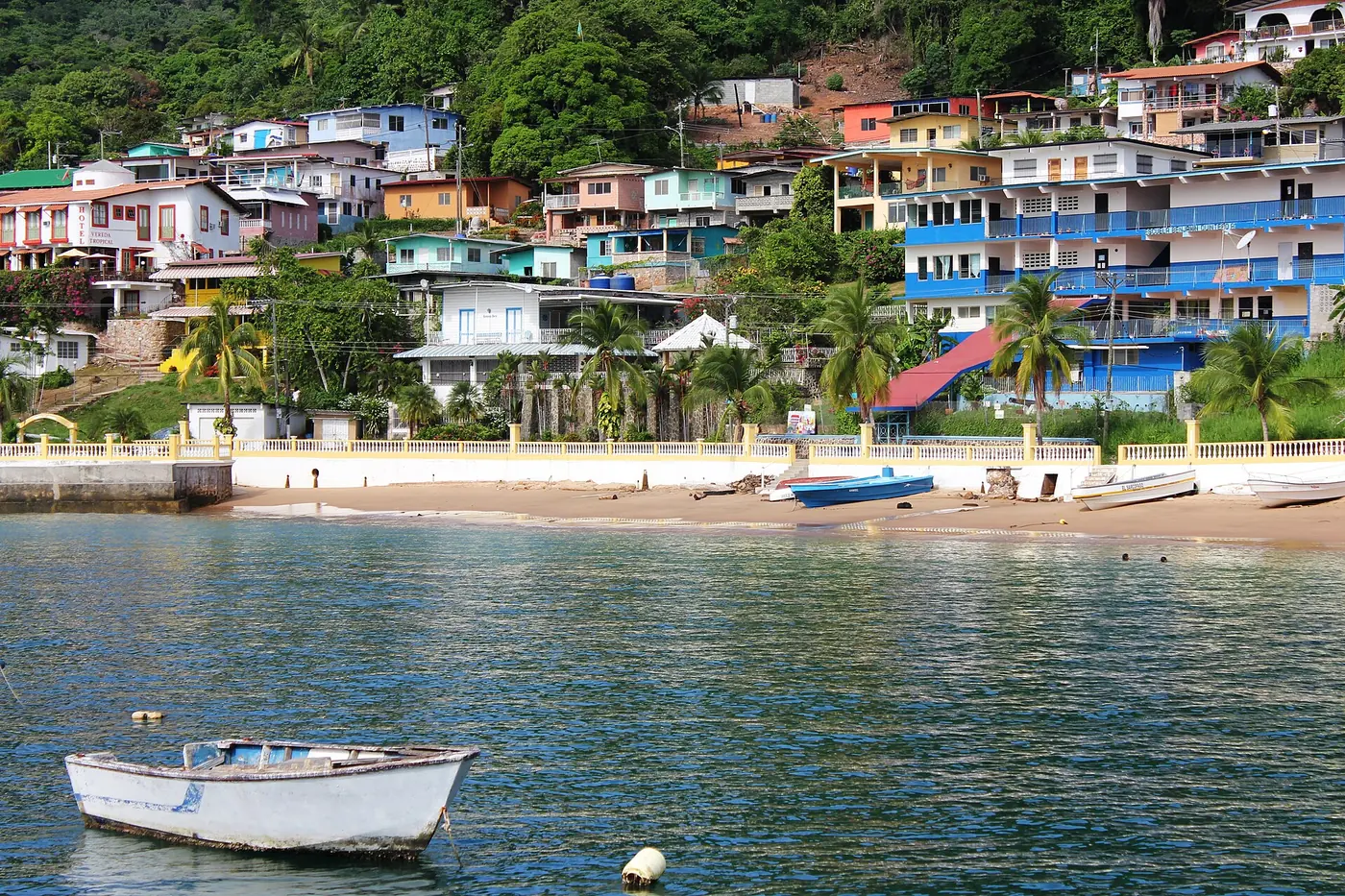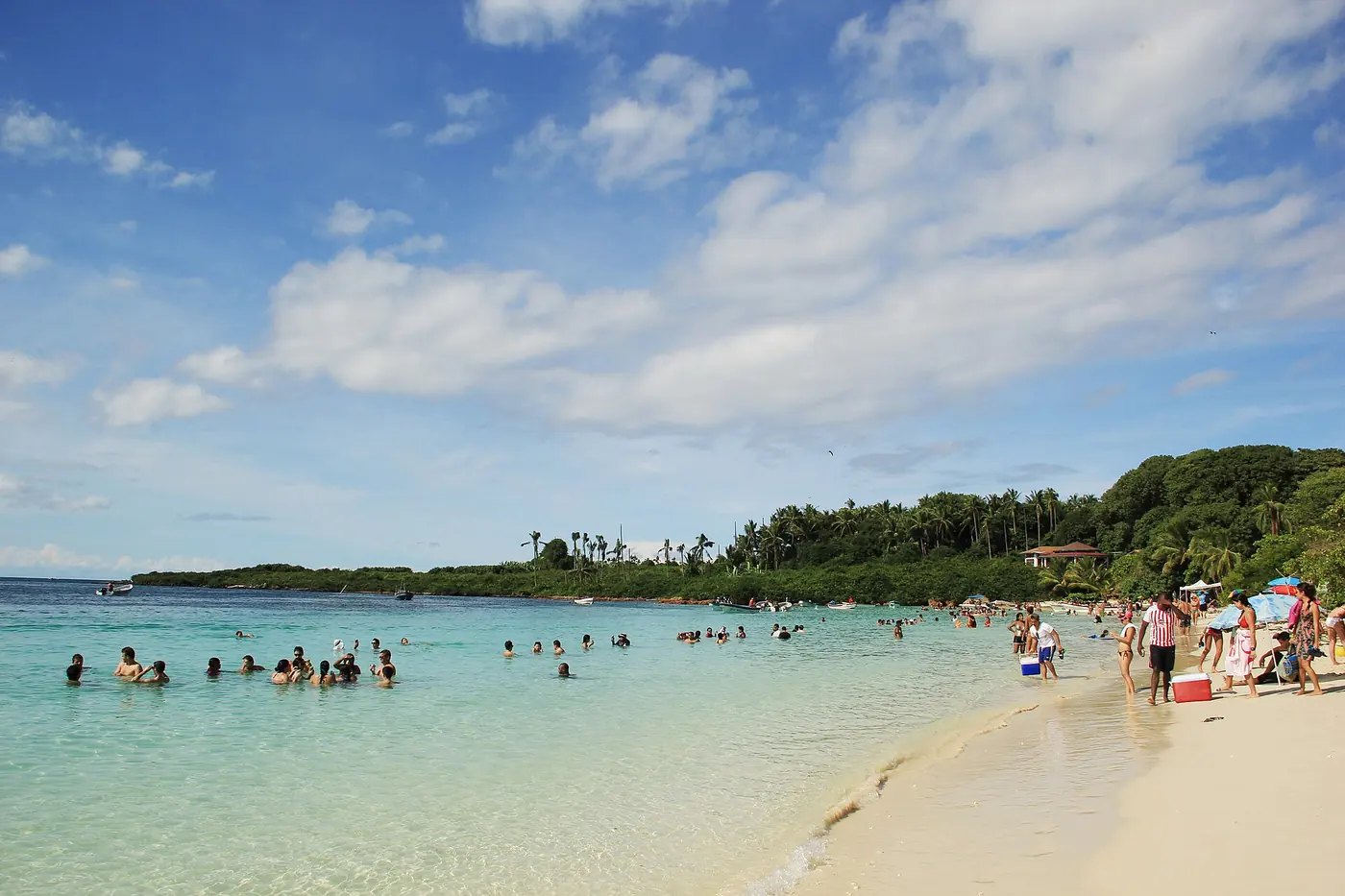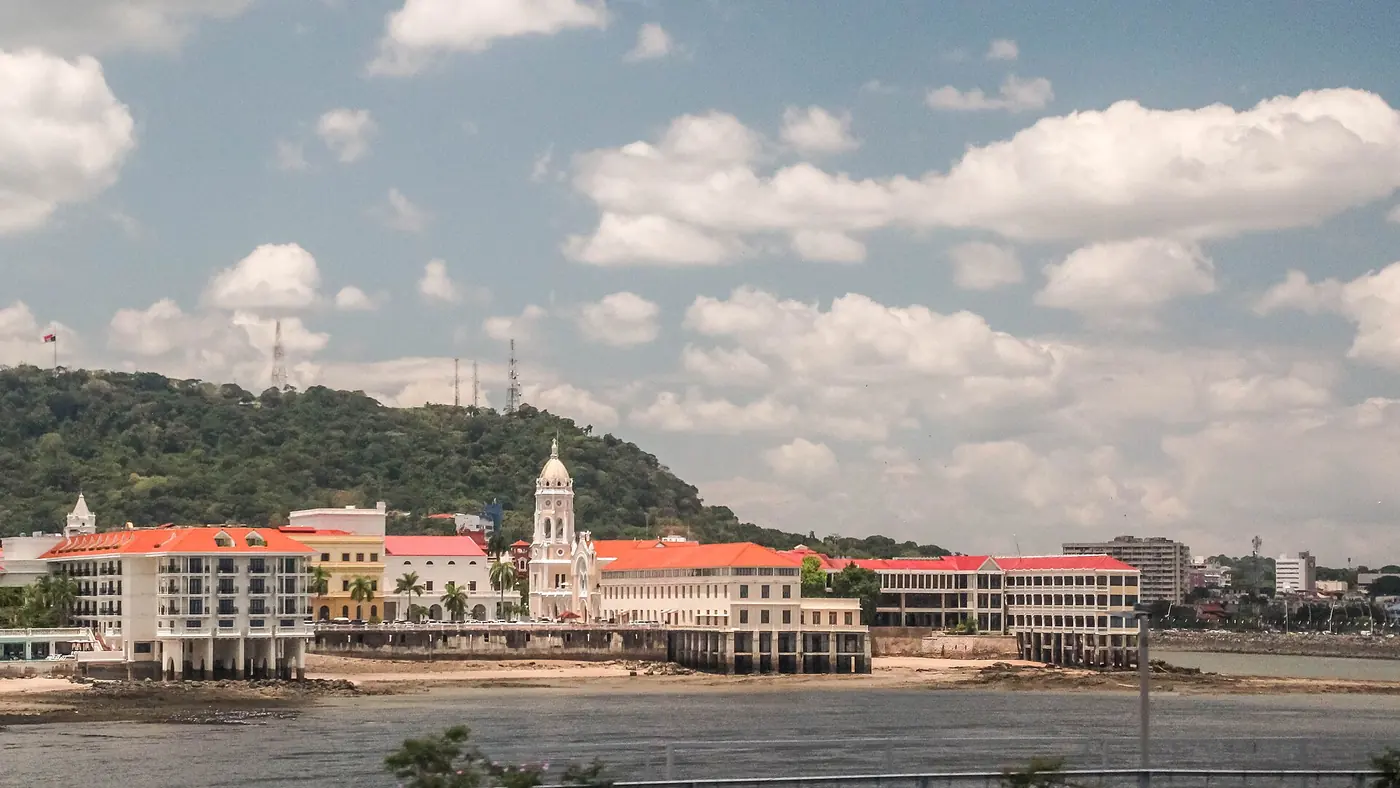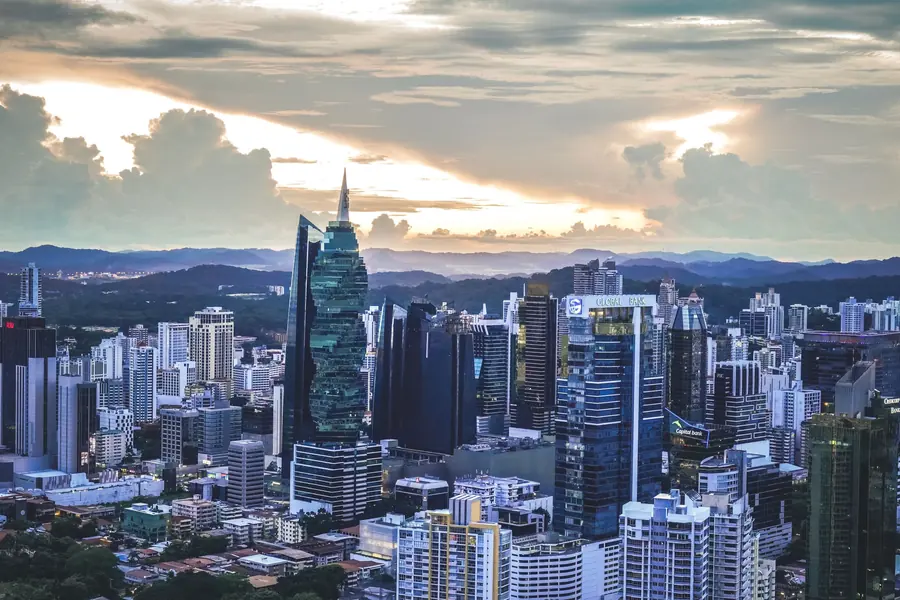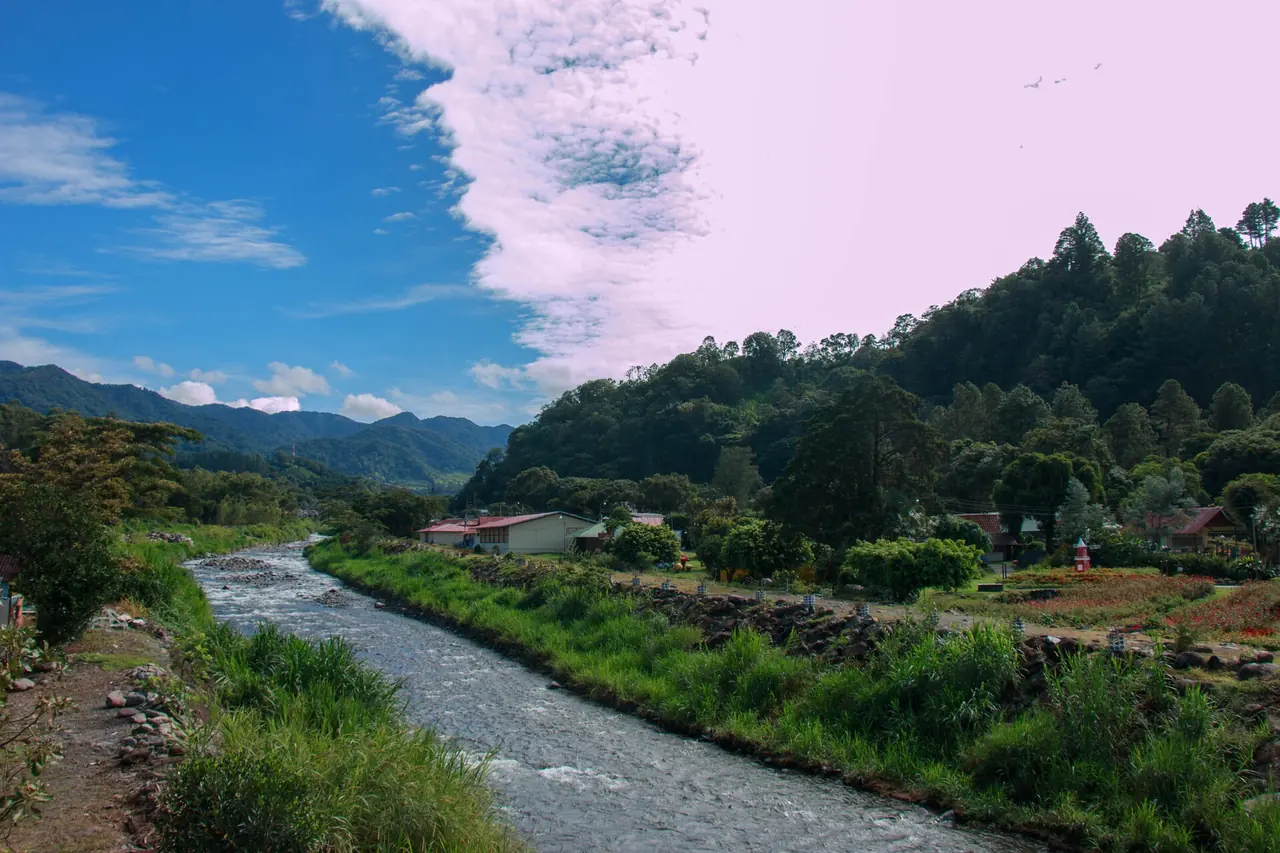
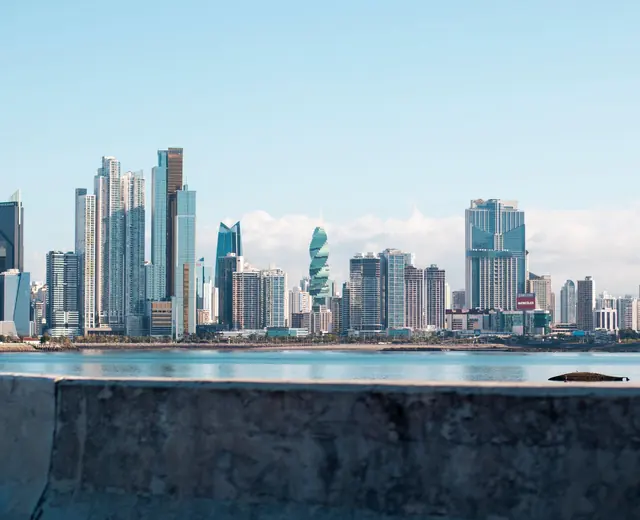
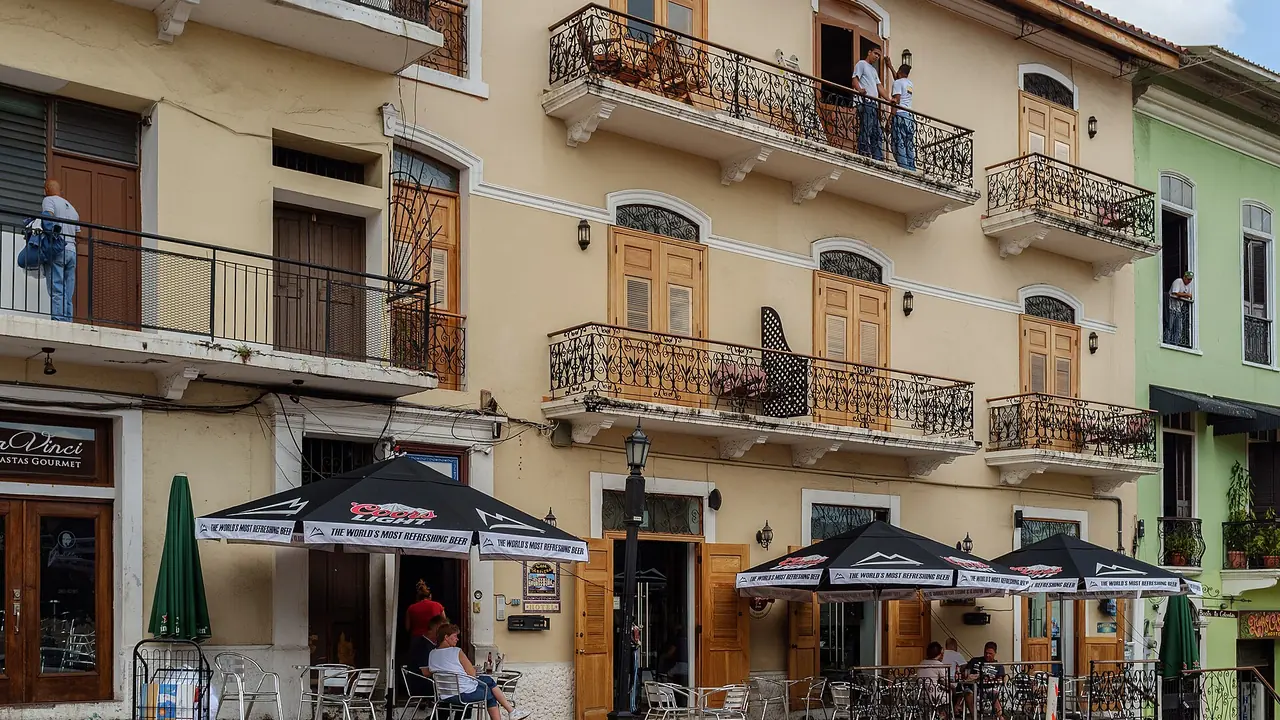
 Panama CityCapital and canal
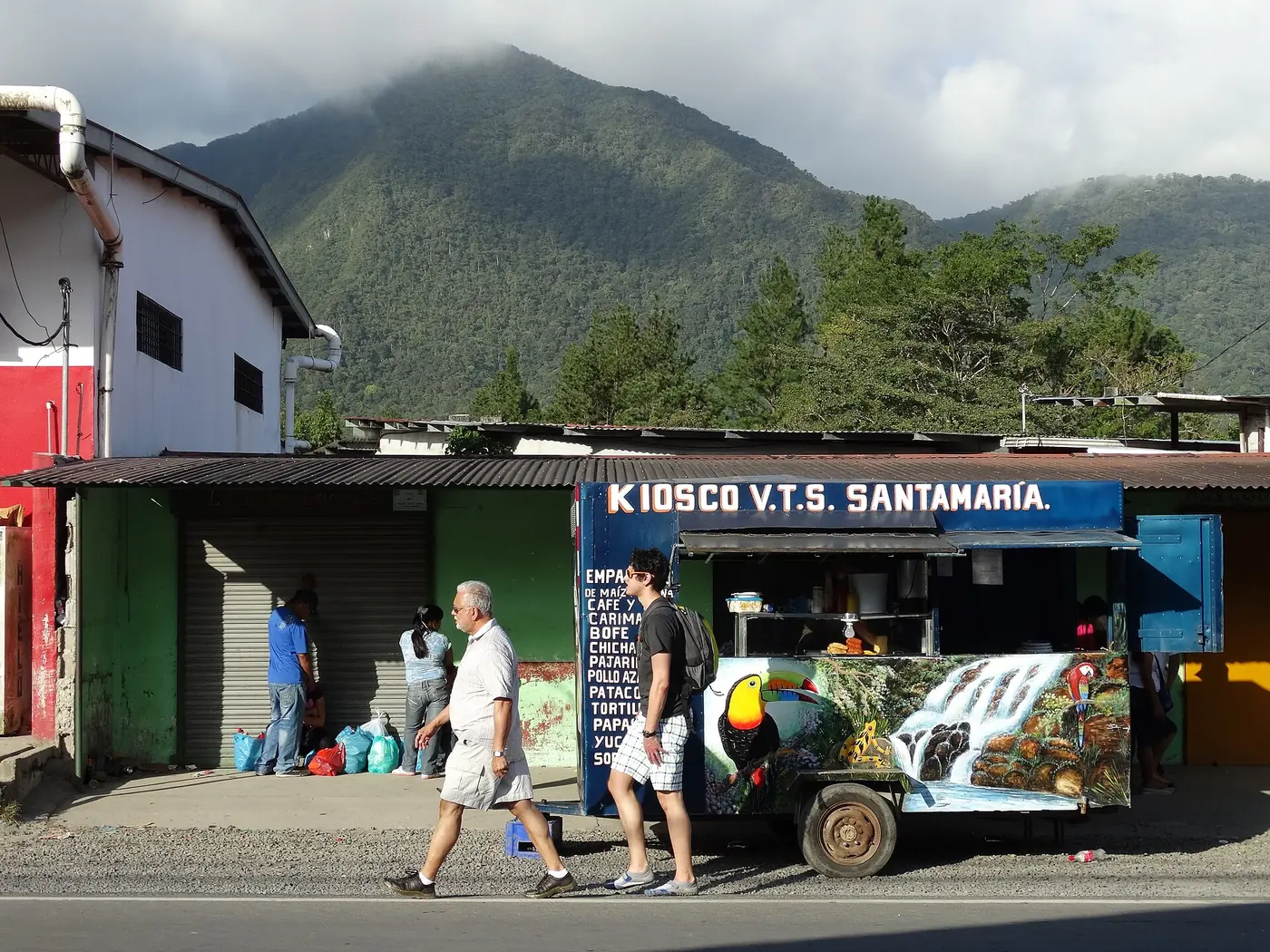
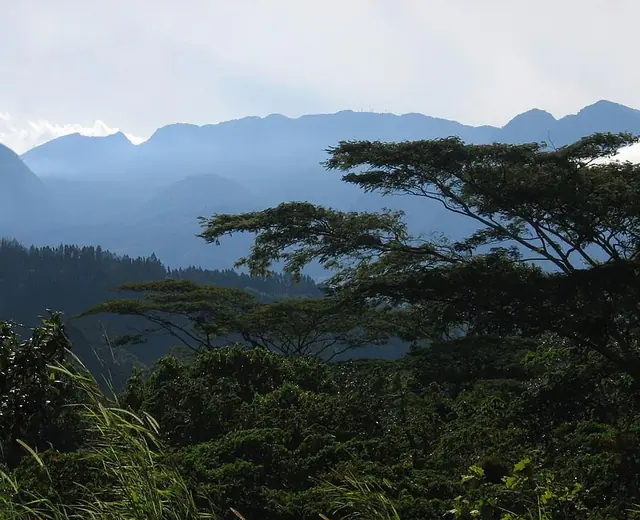 BoqueteCoffee highlands
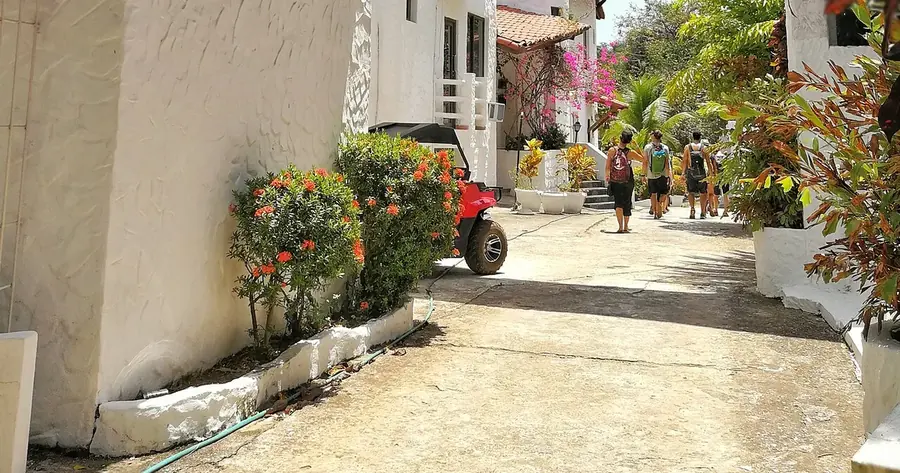
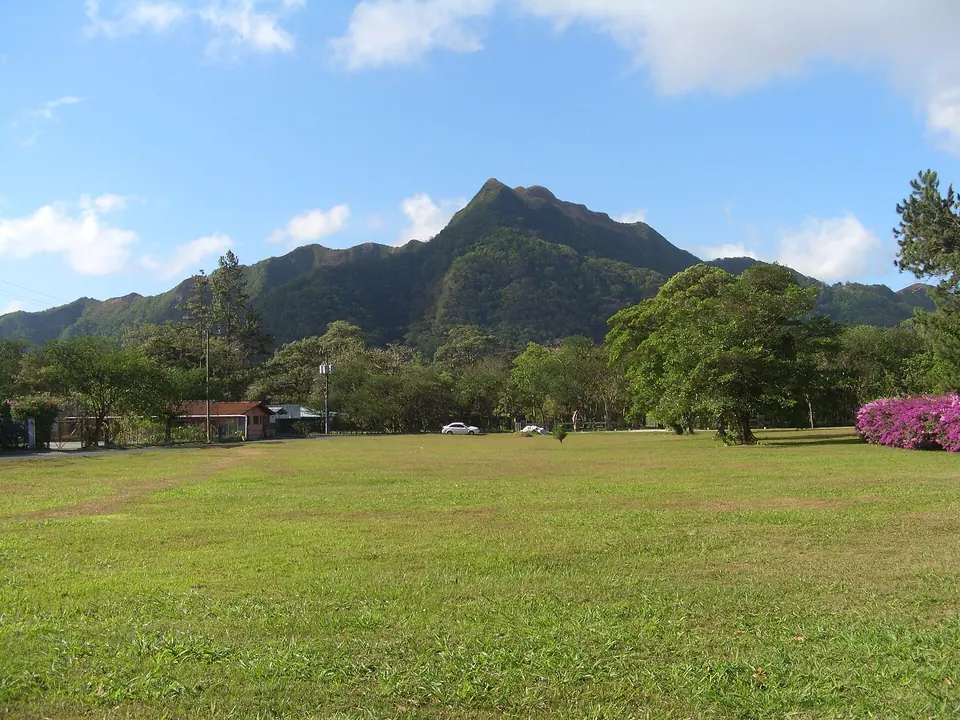 El Valle de AntónVolcanic crater
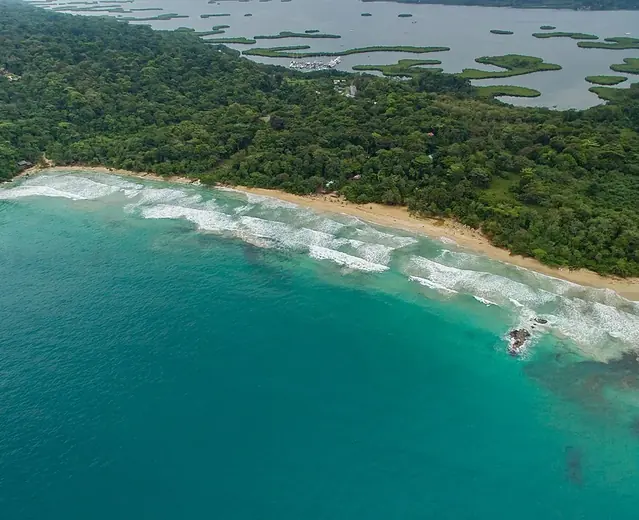 Bocas del ToroCaribbean islands
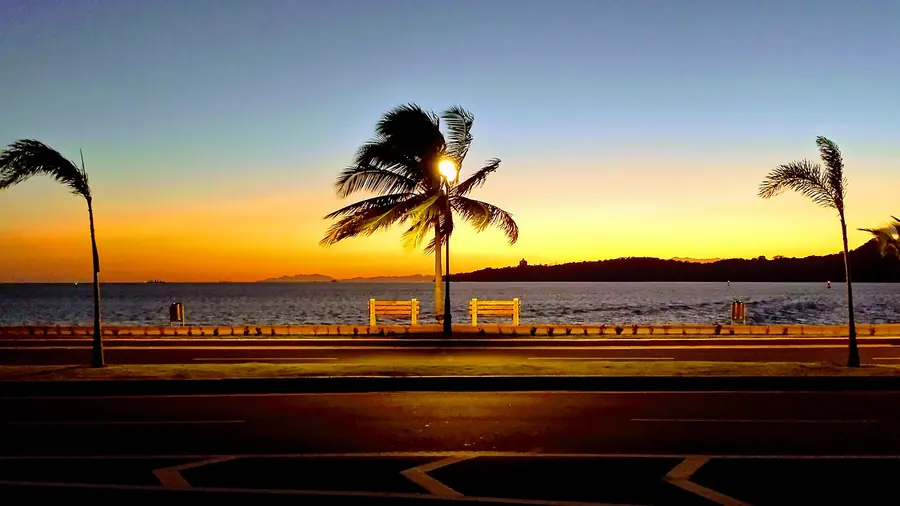
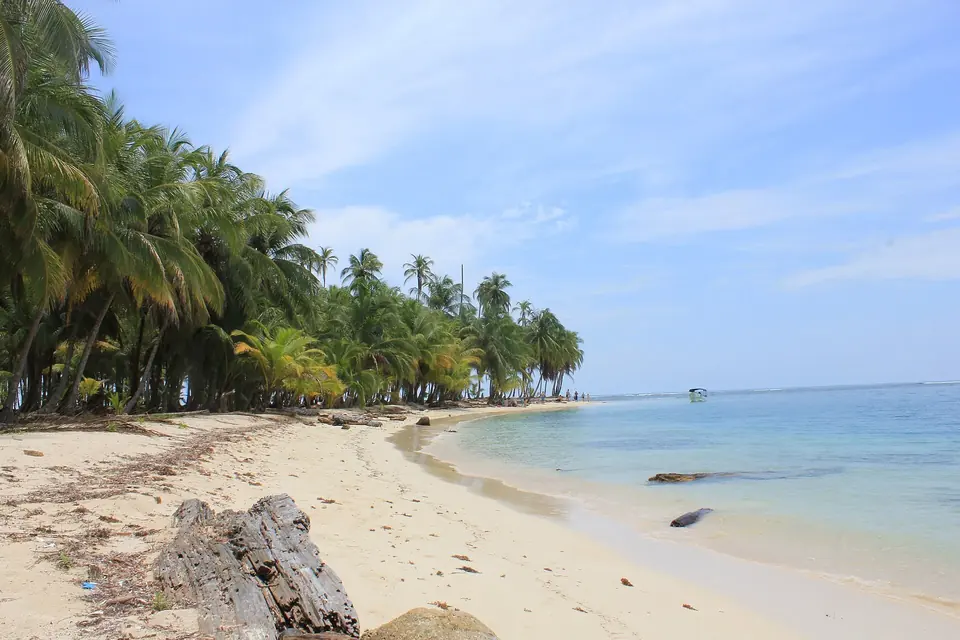 San BlasGuna Yala
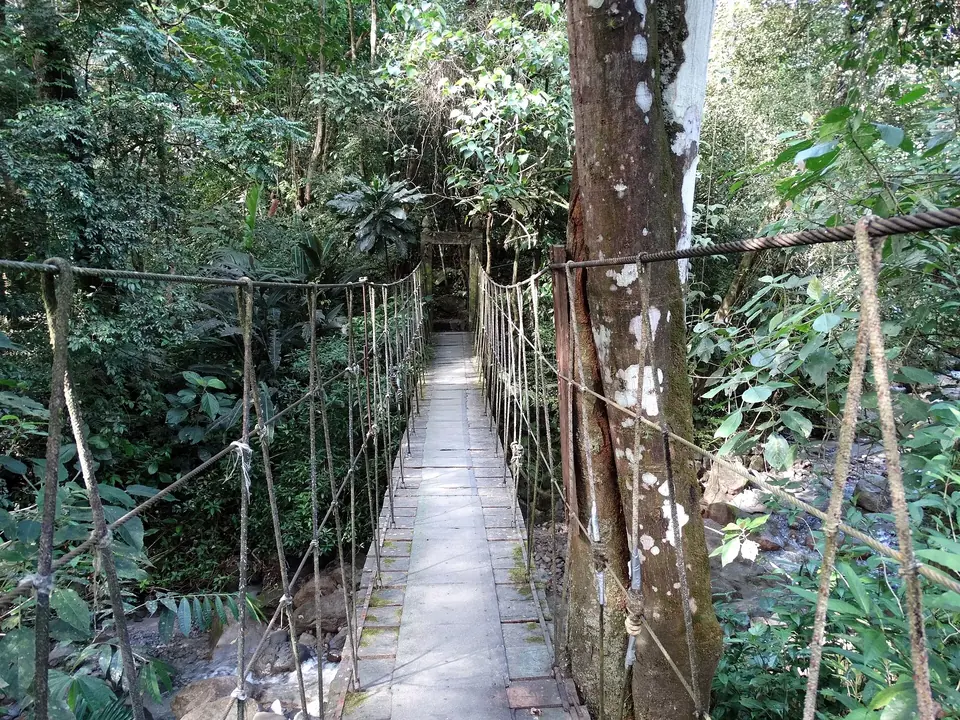
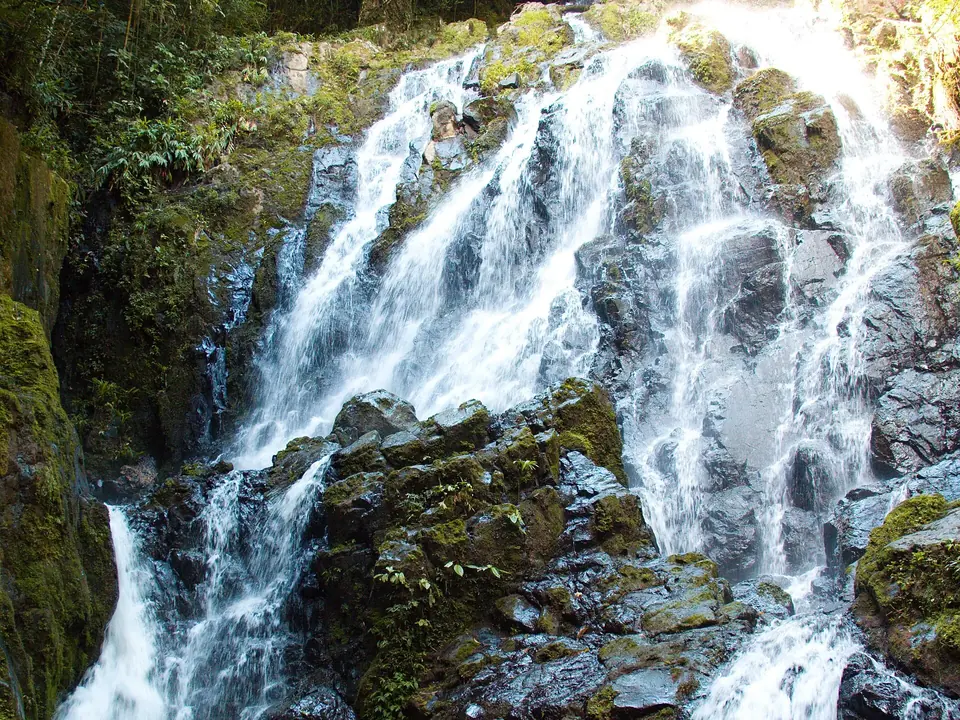
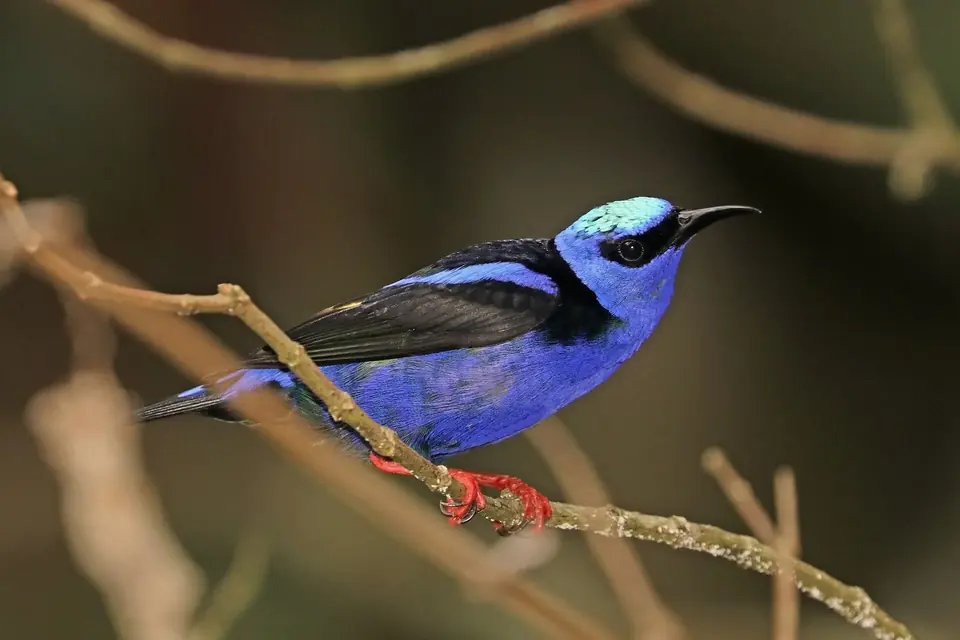
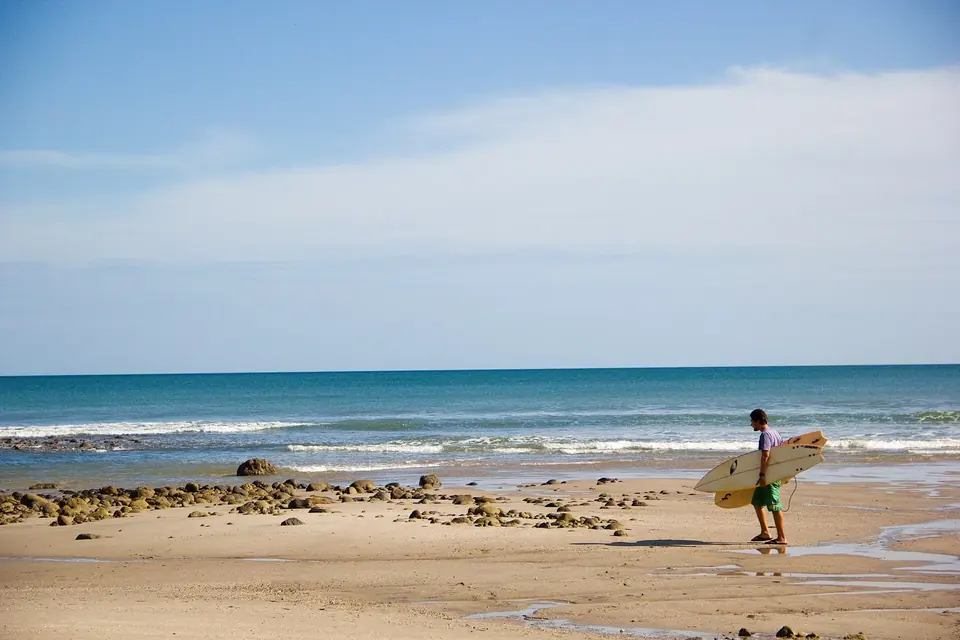
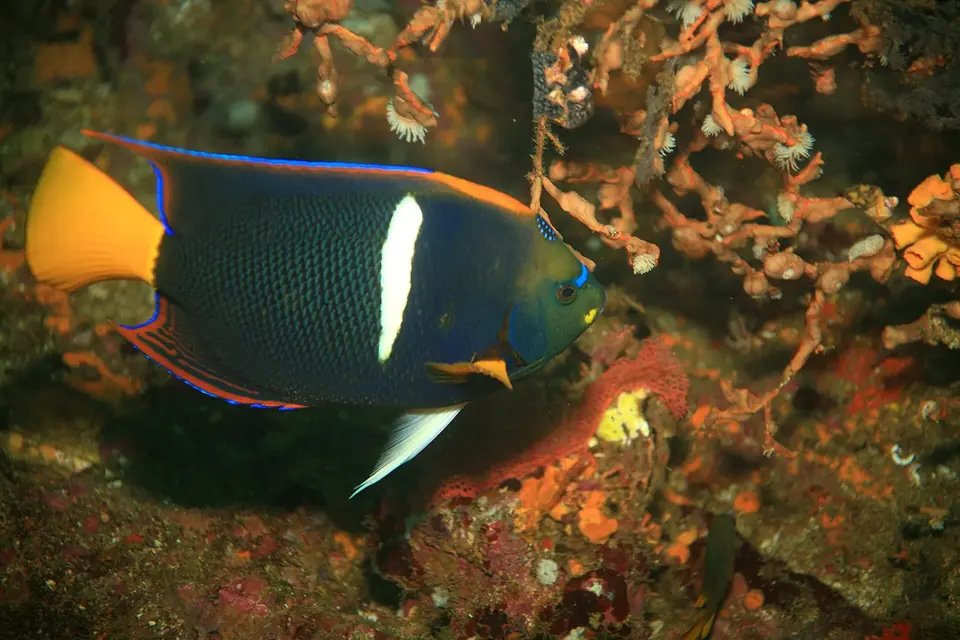
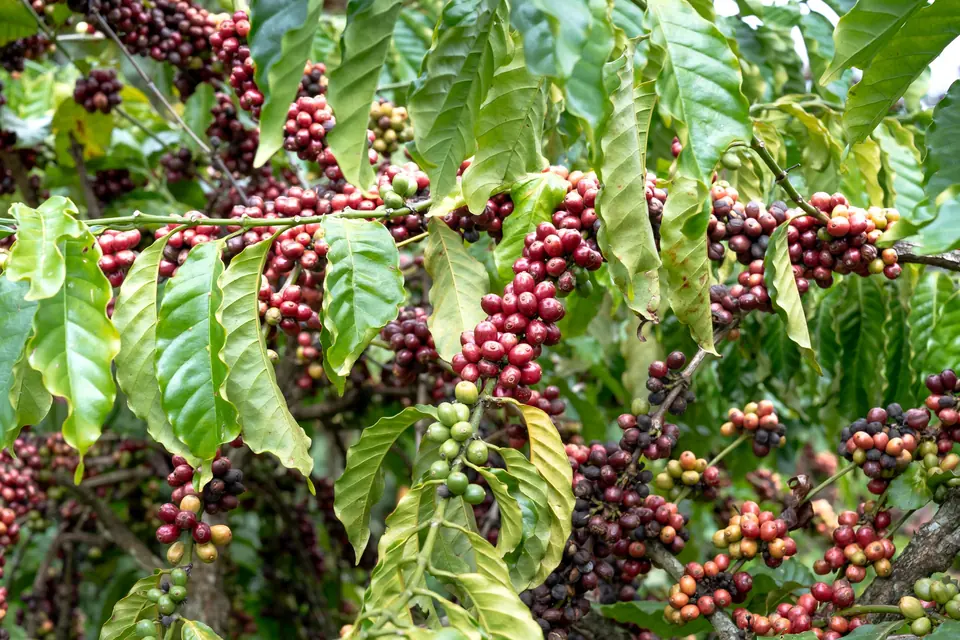
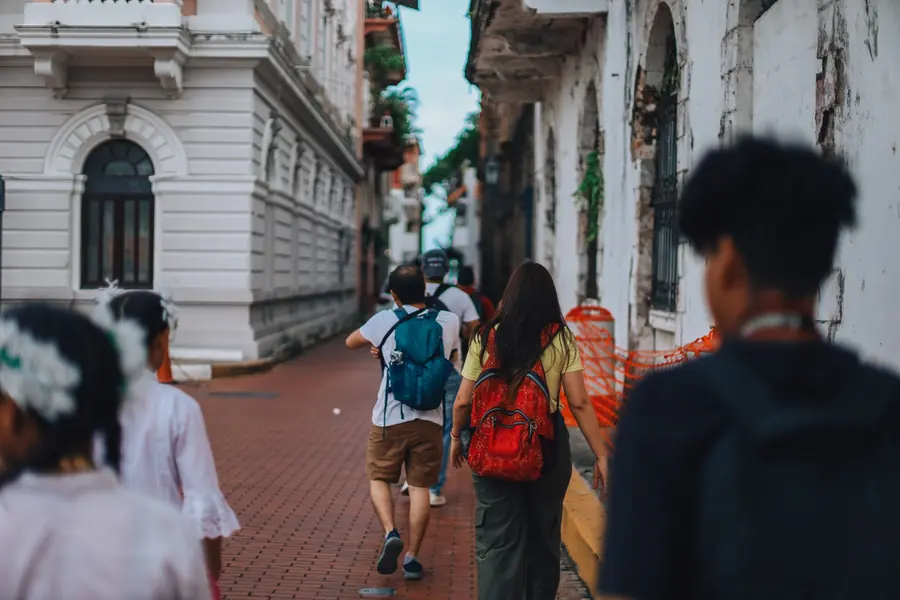
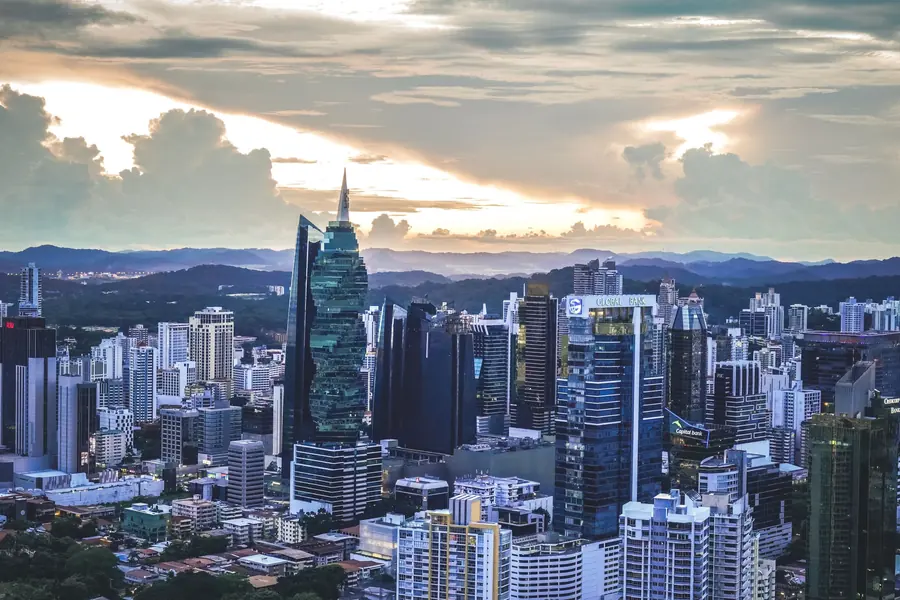
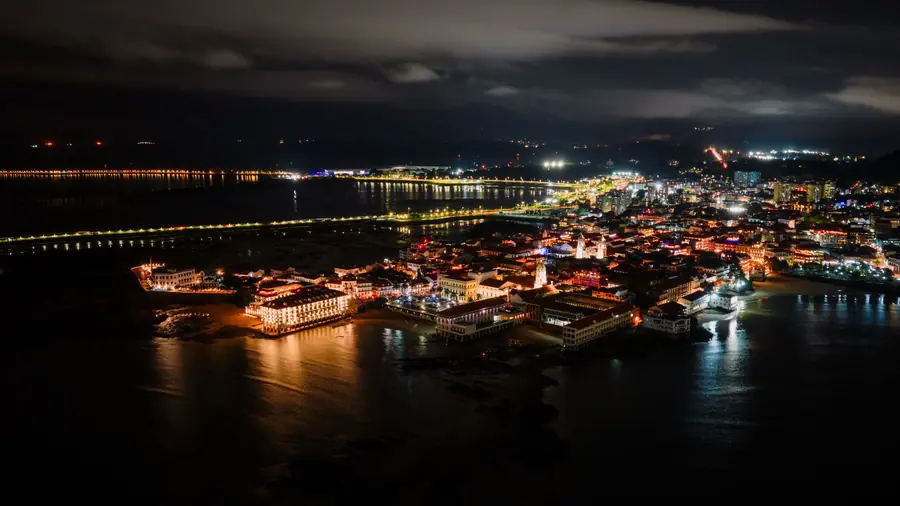
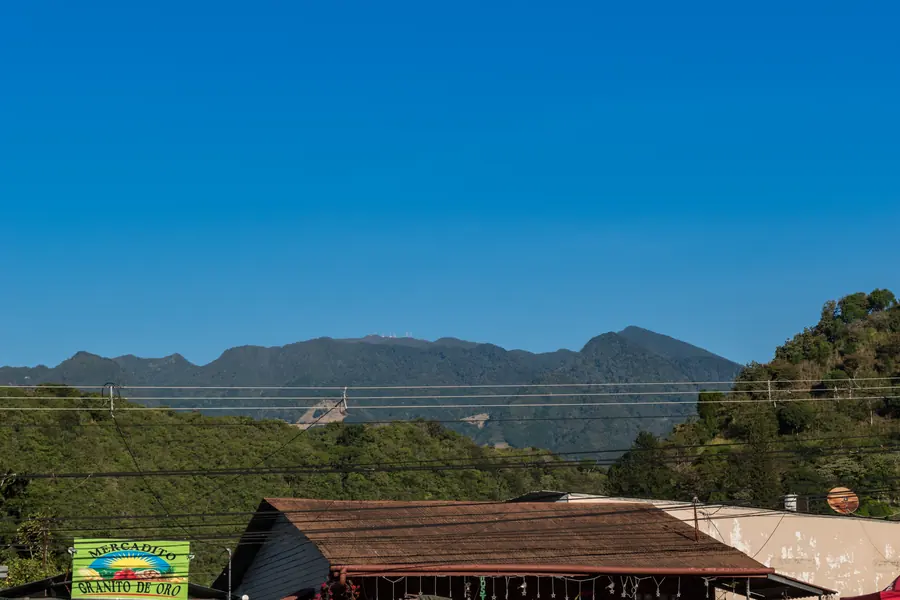
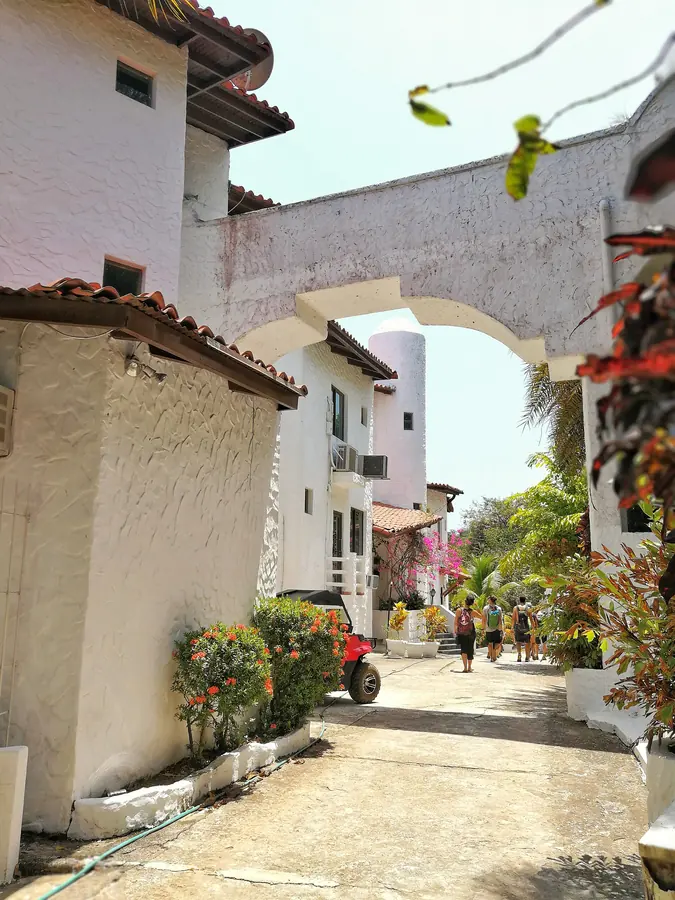
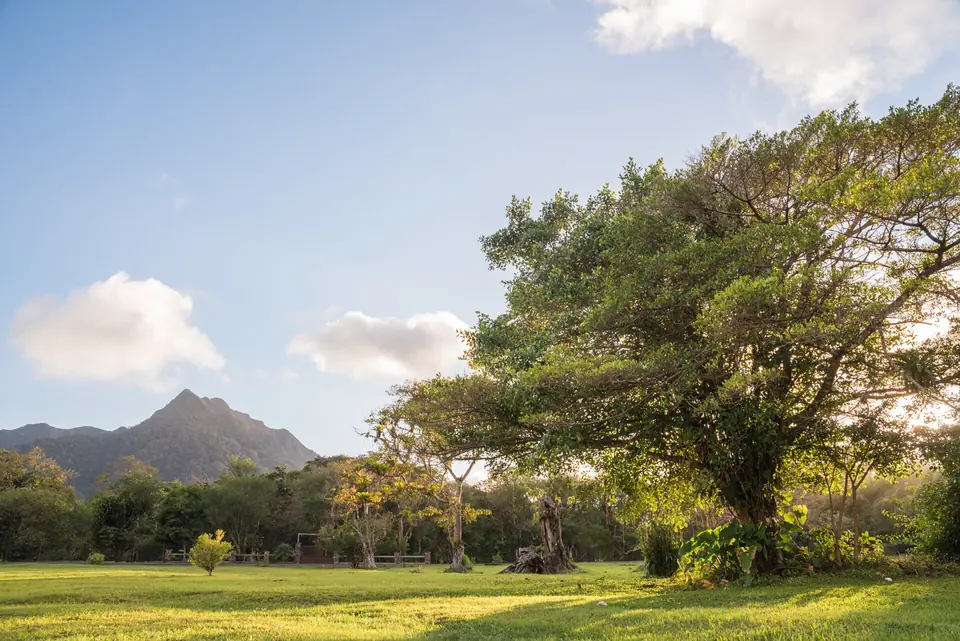
The best places to live in Panama for most expats are Panama City for hospitals, jobs and flights, Boquete for a cool mountain climate, Coronado for beach life within reach of the capital, and Pedasí or the Azuero coast for a quieter, cheaper stretch of coast. Living in Panama costs most expats roughly $2,000 to $3,500 a month as of 2026. It costs less in interior towns and more in Panama City's high-rise districts.[1]
The 2025 Expat Insider survey of 10,085 expats in 46 destinations named Panama the best place in the world for expats, for the second year running.[2] The 2026 edition reportedly put it first again. The appeal is the US dollar, a tax system that ignores most foreign income, and a retiree visa with no minimum age. Choosing among the best places to live in Panama comes down to three trade-offs: heat or cool mountain air, how far you can live from a major private hospital, and whether you are willing to drive for everything.
The most common advice from people who have made the move is to rent for six to twelve months before you buy anything.[2] Many newcomers move two or three times inside Panama in their first couple of years before they settle.[3]
Living in Panama: What Expat Life Is Really Like
In the capital, expat life in Panama runs on dollars with modern infrastructure. Almost everywhere else, life is slower, more cash-based and conducted in Spanish. Most expats live in one of a handful of places: Panama City, the Chiriquí highlands around Boquete and Volcán, the Pacific beach strip around Coronado, the Azuero Peninsula, and Bocas del Toro.
Money and Taxes
The balboa has been pegged one-to-one to the US dollar since 1903. The paper money in circulation is US currency, and the balboa exists only as coins.[4][5] For anyone earning in dollars, that removes exchange-rate risk completely.
Panama taxes only income from Panamanian sources. Foreign pensions, dividends, capital gains and pay from a foreign employer generally fall outside it.[6] Panama-source income is taxed at 0% up to $11,000, 15% from $11,000 to $50,000 and 25% above that, and most purchases carry a 7% sales tax called ITBMS.[7] You become a tax resident after 183 days in the country.[8] Rent from a property you own in Panama counts as Panamanian-source income, so it is taxable there.
Climate and Seasons
The wet season runs from roughly May to mid-December, and the dry high season from late December through March.[6] Rainfall varies a lot by region. The mountain towns get about 100 inches a year, mostly from August to November. The Azuero coast around Pedasí gets as little as 40 inches, and the Caribbean side about 120.[9] Panama City stays at 29 to 32°C (84 to 90°F) all year.[10] It sits outside the hurricane belt.[9] The country stays on UTC-5 all year, with no daylight saving time.[11]
Language and the Expat Community
Only about 14% of Panamanians speak English, so outside expat circles daily life happens in Spanish.[10] Estimates put the number of Americans living in Panama at 25,000 to 30,000, plus around 8,000 Canadians.[6] New arrivals keep coming. Between January and June 2026, the National Immigration Service approved 16,010 residence permits, including 5,145 permanent ones and 1,230 for US nationals.[12]
The expat population skews older. In the 2025 Expat Insider survey, 35% of expats in Panama were already retired, against 11% worldwide, and 94% said they were happy with life there.[2]
Working in Panama
Residency does not give you the right to work. Employment needs a separate work permit from the Ministry of Labor (MITRADEL).[12] Pensionado visa holders cannot work for a Panamanian employer.[7] Local companies face limits on how many foreigners they can hire, and they usually require fluent Spanish.[10]
Cost of Living in Panama by City
In Panama City, a single person spends about $780 a month before rent and a family of four about $2,840, according to Numbeo's August 2026 data.[6] Rent is what decides most budgets. It ranges from a few hundred dollars in interior towns to $3,000 or more for a sea-view apartment in the capital.
Inflation is low: the national statistics office, INEC, put it at 1.8% a year in July 2026.[6] Numbeo's estimates shift from month to month. Its July 2026 figures were $829 for a single person and $3,016 for a family of four.[12] An October 2026 reading put the single-person figure near $855.
| Place | Typical rent | Electricity a month | Car needed | Couple's monthly total | Best for |
|---|---|---|---|---|---|
| Panama City (El Cangrejo, Obarrio, San Francisco) | 1-bed $900-1,700 | $120-250 with AC | No | $1,900-3,900 | Hospitals, flights, work |
| Panama City (Punta Pacífica, Costa del Este) | 2-3 bed $1,500-3,000+ | Higher with AC | No | $3,500-5,500 | Sea views, families near schools |
| Boquete | 2-bed $800-1,200 | $25-50, no AC | Helpful | $1,650-3,500 | Most expat support |
| Volcán | 2-bed $500-900 | Low, cool climate | Yes | Below Boquete | Cool climate, tighter budget |
| Coronado | 2-bed ocean view $1,000-1,800 | $120-250 with AC | Yes | From about $2,500 | Beach within reach of the capital |
| Pedasí and Azuero coast | 1-2 bed $500-1,000 | Depends on AC | Yes | From about $1,700 | Quiet coast, surf, dry climate |
| Bocas del Toro | 1-bed about $930 | Depends on AC | No, boats | Varies widely | Caribbean island life |
| El Valle de Antón | 1-bed from about $500 | Utilities about $140 | Helpful | Varies | Mild climate near the capital |
Long-term monthly rents and couple totals including rent, as of November 2026. The Panama City central and Boquete totals are built from the budget lines in the next table.
A one-bedroom in a central Panama City expat neighborhood rents for about $900 to $1,700. Two or three bedrooms in Punta Pacífica or Costa del Este cost $1,500 to $3,000 or more, and central rents rose about 4% in 2025.[1] Near Boquete's town center, a two-bedroom runs $800 to $1,200. An ocean-view two-bedroom in Coronado costs $1,000 to $1,800, and a one- or two-bedroom in Pedasí $500 to $1,000.[1] In Volcán, a two-bedroom, two-bath unit rents for $500 to $900, and in El Valle de Antón one-bedrooms start around $500.[13] One-bedrooms in Bocas del Toro average around $930.[4]
Couples in Panama City's modern districts typically spend $3,500 to $5,500 a month.[1] In Coronado, most singles and couples budget at least $2,500 including rent.[9] In Pedasí, a couple can live on about $1,200 a month plus rent.[9]
Many rentals in Panama come fully furnished, and in the highlands the rent sometimes includes utilities.[3] In beach and interior towns, Facebook groups and local agents usually turn up lower prices than international listing sites.[1]
What a Couple Spends in a Month: Panama City vs Boquete
| Monthly cost for a couple | Panama City (central) | Boquete |
|---|---|---|
| Rent, 1-2 bedrooms | $1,000-1,700 | $800-1,200 |
| Electricity | $120-250 | $25-50 |
| Water and gas | $10-30 | About $12 |
| Internet and phone | $50-80 | About $55 |
| Groceries | $400-700 | $400-700 |
| Eating out | $200-400 | $200-400 |
| Transport | $50-150 (Metro, taxis, apps) | $100-500 (taxis or own car) |
| Health insurance, two people | $60-600 | $60-600 |
| Realistic total | $1,900-3,900 | $1,650-3,500 |
Ranges as of November 2026. The low end assumes local groceries and a local insurance plan, and the high end imported food and an international plan.
Electricity is the line that surprises people most. Boquete's cool climate means no air conditioning and bills of about $25 to $50 a month, while air-conditioned homes on the coast pay $120 to $250.[1] One Boquete resident's total utilities in May 2025 came to $84: $25 for electricity, $5 for gas, $7 for water and trash, $22 for a cellphone and $33 for high-speed internet.[5] Water typically costs $10 to $30 a month where supply is reliable.[6]
A couple cooking mostly local food spends about $350 to $550 a month on groceries. North American shopping habits push that to $600 to $1,000 or more.[1] The government's basic food basket of 50 staples cost B/.346.09 in urban areas outside the capital in May 2026 (one balboa equals one dollar).[14] The 59-item basket for the Panamá and San Miguelito districts was B/.365.99 in January 2025.[15]
Local food is cheap. Bananas cost about $1 a kilo, rice $1 to $2 a kilo and fresh fish $5 to $10 a kilo. Private schools and drugstore items cost more than many other things.[16] A set lunch at a fonda (a small local eatery) costs $5 to $8.[1] A meal at a better Panama City restaurant runs about $30 a person, and a couple typically spends around $300 a month on dining out and activities.[8]
Transport and the Car Question
Panama City has two Metro lines. A regular trip costs $0.35 on Line 1 and $0.50 on Line 2, a trip with a transfer costs $0.85 in total, and contactless bank cards and phone wallets work at the turnstiles.[17] The reloadable Metro card costs $2 to $4.[17][18] Retirees and seniors pay $0.24 on Line 1 and $0.35 on Line 2 with a personalized card that costs $4 to issue.[17] City buses cost about $0.25 a ride.[16] Uber and InDriver operate citywide.[1] Rush hours run from 7 to 9 a.m. and 4 to 6 p.m.[6]
Outside Panama City you will need a car. Coronado and most beach and mountain areas are hard to live in without one.[12] Owning a car adds about $300 to $500 a month for insurance, maintenance and fuel, and a reliable used SUV costs $15,000 to $25,000.[1] Fuel prices quoted for 2026 range from about $0.90 to $1.30 a liter.[6][1] To test a region before you buy a car, our guide to renting a car in Panama covers the mandatory insurance and road conditions.
Schools and Help at Home
International schools charge about $8,500 to $28,000 a year and mostly run on an August to June calendar. Panamanian public schools run from March to December.[7] A cleaner costs $15 to $30 a visit, and a live-in housekeeper about $350 a month.[8]
Can You Live on $1,000 a Month in Panama?
Only in a cheap interior town, with local habits and very low rent or none at all. A homeowner in Pedasí can live on about $1,000 a month, but renters have to add rent on top.[9] Small towns and farming communities can work on about $800 to $1,500 a month, while people living near Panama City are advised to have at least $2,500.[2] The $1,000 pension the Pensionado visa requires is a visa threshold, not a living budget.[19]
Homeowner in a small interior or Azuero town, shopping local.
Renting in Pedasí or Boquete, cooking at home, some meals out.
Central Panama City apartment, private insurance, regular dining out.
Children at home, before international school fees.
Families with children typically need $4,500 to $7,000 a month before some international school costs, and a retired couple $2,500 to $4,000, depending on insurance, housing and a car.[12] For retiree budgets in more detail, including the visa and the towns retirees choose, see our guide to retiring in Panama.
Panama Cost of Living vs the US
In August 2026, overall prices in Panama were about 35% lower than in the US, and rent about 43% lower.[6] On Numbeo's comparison, a one-bedroom in a city center averages around $950 in Panama against $1,730 in the US.[7] The gap narrows quickly if you live in a Punta Pacífica tower, buy imported groceries and pay international school fees.
The Best Places to Live in Panama, Compared
The best place to live in Panama depends mostly on climate and hospital access. Panama City suits people who want healthcare, flights and city life. Boquete and Volcán suit those who want cool weather, and Coronado and the Azuero coast suit beach lovers willing to drive. Before you choose, stay in your shortlisted towns during both the dry season and the rainy season.[6]
| Place | From Panama City | Nearest major hospital | Climate | Typical home price |
|---|---|---|---|---|
| Panama City | - | In the city | 29-32°C, humid | $250K-670K |
| Boquete | 6.5-7 h drive, or fly to David | David, 45-60 min | Spring-like, about 100 in of rain | $230K-410K |
| Coronado area | 1-2 h drive | Panama City, about 1.5 h | Dry arc, rarely above 31°C | $190K-395K |
| Pedasí and Azuero | 4-5 h drive or 45 min flight | Chitré or Las Tablas, about 1 h | Driest, about 40 in of rain | $170K-320K |
| Bocas del Toro | About 1 h flight | Check before you move | Wet, about 120 in of rain | $180K-610K |
The Coronado row is tagged Closest beach base. Home prices are the middle half of homes and condos listed for sale in October 2026, excluding land and farms.
Those price bands reflect homes and condos listed for sale in October 2026.[11] Drive and flight times also come from 2026 listings, and they vary with traffic.[11]
Panama City
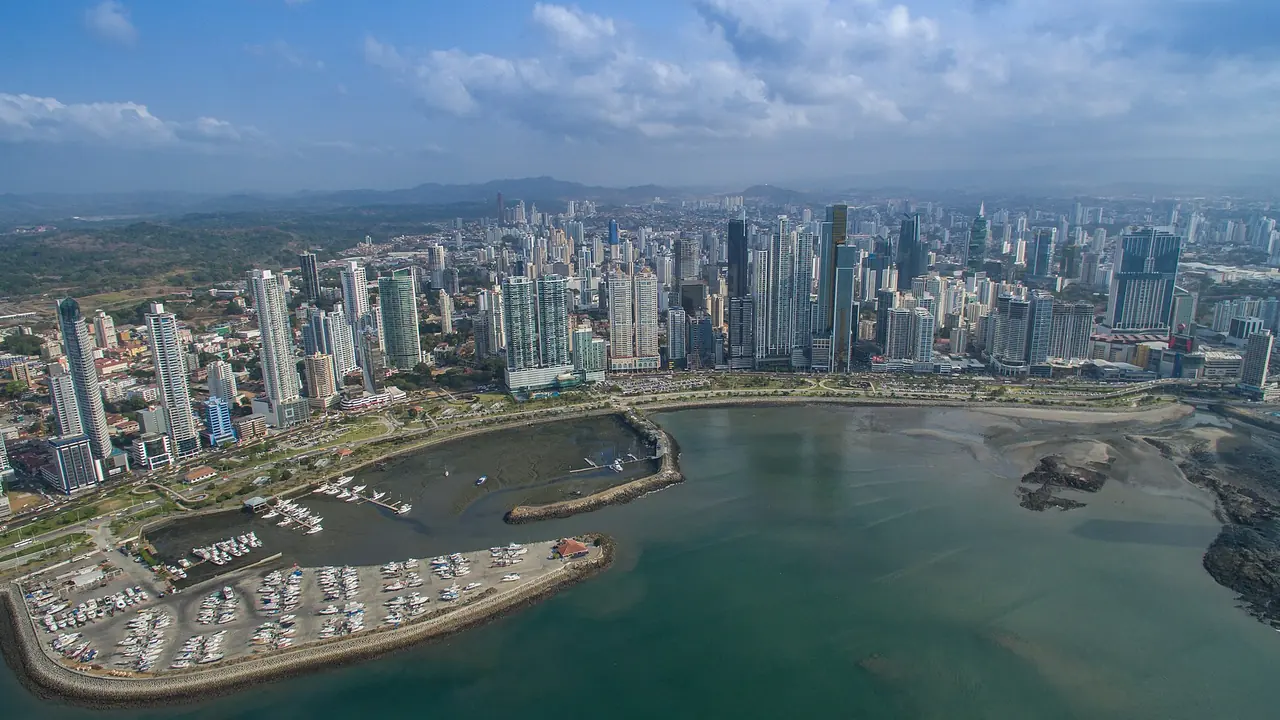
Living in Panama City gets you the country's best private hospitals, Tocumen International Airport, two Metro lines and a metro area of more than 1.2 million people.[7] Tocumen handled a record 20.2 million passengers in 2025.[7] Miami is about three hours away by air.[9] Average home broadband in the city runs at about 235 Mbps.[20] The downsides are the country's highest rents and heavy traffic.
El Cangrejo and Obarrio
1-bed about $1,150WalkableCentralCentral, walkable and relatively affordable, with cheap restaurants, parks and a large expat community. Obarrio two-bedroom listings start around $600 a month.
Best for first-timers on a mid budgetSan Francisco
1-bed about $1,20015 min to TocumenCondo towersHigh-rise condos next to the business districts, with easy runs to the airport and the center. The neighborhood mixes long-time residents with newcomers and has a growing number of small businesses.
Best for frequent flyers and commutersPunta Pacífica and Avenida Balboa
1-bed about $1,735Bay viewsCinta CosteraTowers facing the bay and the Cinta Costera waterfront park, within walking distance of the financial district. Punta Pacífica is also home to the city's best-known private hospital.
Best for sea views and walkingCosta del Este
1-bed about $1,95015 min to TocumenNear schoolsThe priciest and most planned district, close to the international schools. High-spec apartments rent for about $3,500 a month.
Best for families and corporate movesOne-bedroom listing medians in October 2026 ran about $1,150 in Obarrio, $1,200 in San Francisco, $1,735 in Punta Pacífica and $1,950 in Costa del Este. Obarrio two-bedroom listings in 2026 range from about $599 to $1,200 a month.[21] On Avenida Balboa, moderate small apartments rent for about $1,250, and in Costa del Este high-spec apartments go for about $3,500.[8] Costa del Este and San Francisco are both about 15 minutes from Tocumen.[8][13]
Two other areas come up often. Casco Viejo is the historic quarter with the nightlife, where a furnished three-bedroom rents for a little over $2,000.[8] Clayton is suburban and quiet, and families favor it.[10] Before you sign a lease, our guide to renting an apartment in Panama City covers building rules, deposits and what to check.
Boquete
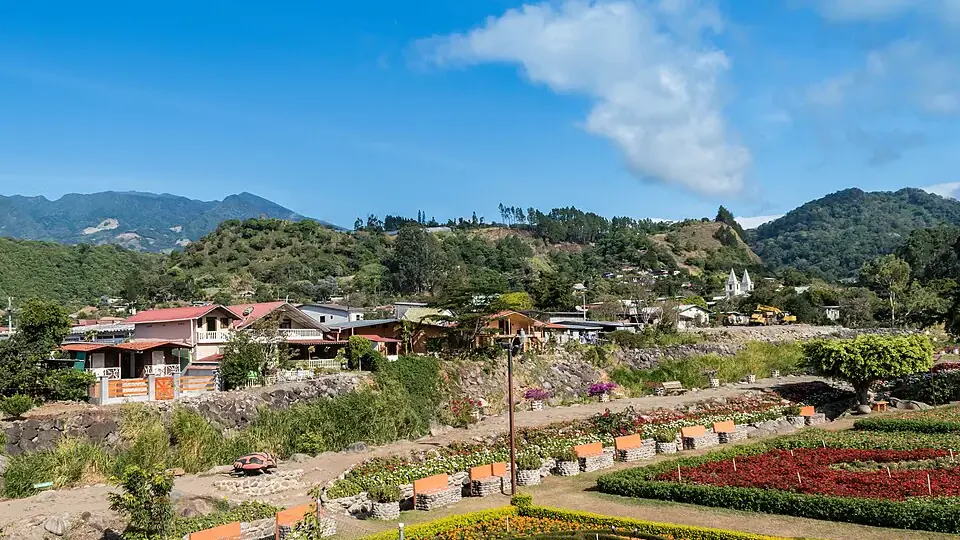
Boquete is the classic highland choice. At 3,000 to 4,000 feet, daytime highs run 70 to 80°F, and evenings are about ten degrees cooler.[9] About a quarter of the town's population is international, and the district had 23,562 residents in 2023.[6][7] The hospitals in David are 45 minutes to an hour away.[11]
The trade-offs are rain and internet. The town gets around 100 inches of rain a year, most of it from August to November.[9] Home internet runs at 30 to 50 Mbps.[4] Housing marketed to expats is not always cheap either.[12] The expat crowd skews older, which families with young children sometimes find limiting. If you are torn between the two mountain towns, our comparison of El Valle de Antón vs Boquete covers climate, cost and healthcare.
Volcán and David
Volcán sits at the foot of Volcán Barú, about 45 minutes from David. It is slightly higher and a little cooler than Boquete, with the same 100 inches of rain.[9] The town has about 15,000 residents and daytime temperatures of 70 to 75°F, and two-bedroom rentals cost $500 to $900.[13] Nearly 80% of Panama's fresh produce comes from these highlands.[9]
David is one of the hottest places in Panama, in the mid-80s to 90s°F year-round. It offers most of Panama City's infrastructure at a much lower cost.[13] Housing there is more affordable, and it has hospitals and regional shopping.[12]
Coronado and the Pacific Beach Towns
Coronado is the established beach base. It sits in the Arco Seco, Panama's driest strip, and daytime highs rarely pass 88°F.[9] The town is 87 km from Panama City.[7] The drive takes one to two hours depending on traffic.[9][11] Coronado has 24-hour supermarkets and medical clinics.[13] The top hospitals in Panama City are about an hour and a half away.[11]
Rentals in Coronado itself often start around $1,500. In Gorgona, five minutes east, a good rental costs about $1,000.[3] A car is a requirement here.[12] For houses, condos and gated communities, see our guide to Coronado, Panama real estate.
Pedasí and the Azuero Coast
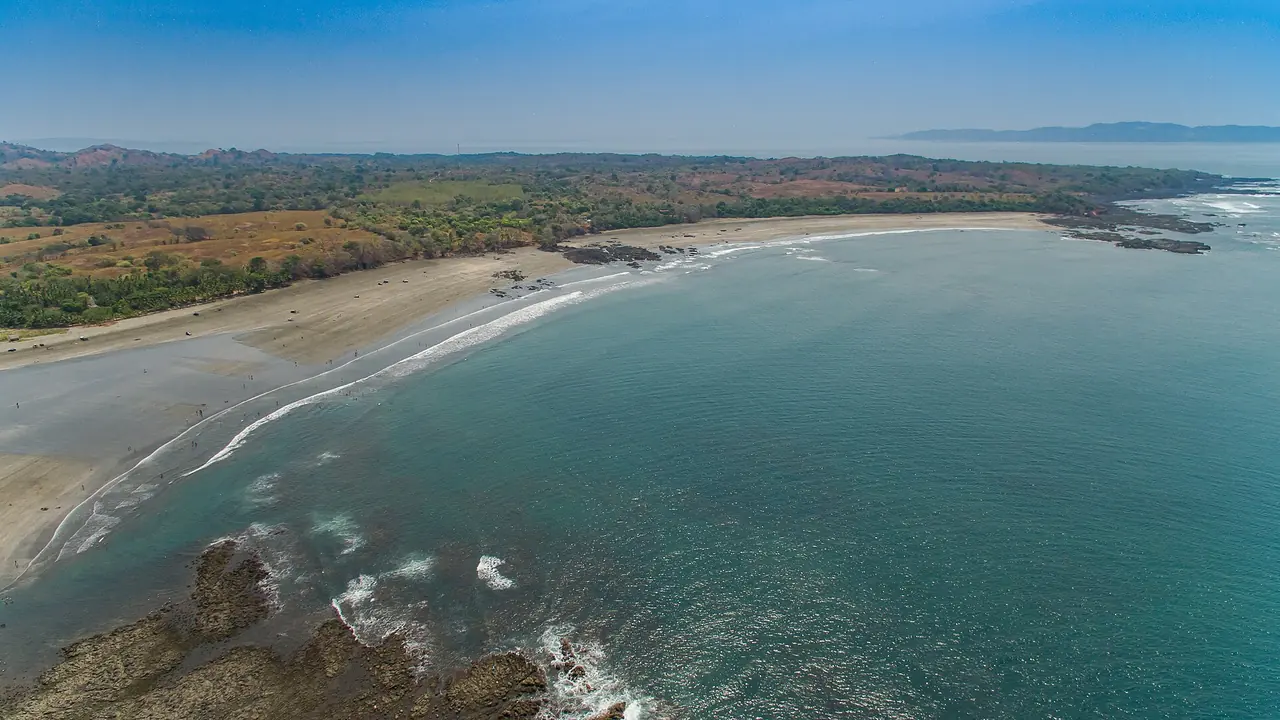
Pedasí is a small surf and fishing town at the southeastern tip of the Azuero Peninsula, known for seasonal whale watching.[4] It is four to five hours from Panama City by road, or about 45 minutes by air.[6][11] The nearest hospitals are in Chitré and Las Tablas, about an hour away.[11] Serious emergencies go to Chitré or Panama City.[4]
Prices are lower here. In the beach communities between Chitré and Las Tablas, two-bedroom houses rent for about $650.[3] Internet in Pedasí and Chitré runs at about 10 to 30 Mbps, and English is not widely spoken in Chitré.[4] Chitré has daily flights to Panama City.[13]
Bocas del Toro
Life in Bocas del Toro runs on water taxis, and the Caribbean side gets about 120 inches of rain a year.[9] Bocas Town on Isla Colón had 6,708 residents in the 2023 census.[7] Flights from Panama City's Albrook airport take about an hour.[11] Nearly all coastal and island land in Panama is untitled, so buying here takes extra legal checks.[22]
El Valle de Antón and the Cheaper Corners
El Valle de Antón sits inside a volcanic crater about 2.5 hours from Panama City, with a mild average of about 22°C.[11] One-bedrooms rent from about $500, and a typical monthly grocery bill is around $200.[13] Essential utilities average about $140.[4] Farther west near the Costa Rican border, Puerto Armuelles has one-bedrooms for under $330 and average electricity bills of about $80.[4] Two-bedroom apartments there rent for as little as $300.[13]
Organized scouting trips exist. Panama Relocation Tours runs a six-day, seven-night tour through Panama City, the Coronado area, the Azuero, Santiago, David, Boquete and Volcán.[3] If you scout on your own, use a simple checklist. Drive to the nearest hospital, price your medications at a pharmacy and test the internet. If you won't own a car, check the bus and taxi options too.[3]
Healthcare in Panama for Expats: Hospitals, Costs and Insurance
Private healthcare in Panama City is good and inexpensive by US standards. A GP visit typically costs $20 to $50, and a specialist consultation around $50 to $100.[6] Specialists in Panama City can charge up to about $130.[1] Pacífica Salud Hospital Punta Pacífica holds Joint Commission International accreditation and is affiliated with Johns Hopkins Medicine International.[6]
Care thins out quickly outside the capital, so distance matters when you choose a town. Boquete residents go to David, 45 minutes to an hour away. Pedasí residents go to Chitré or Las Tablas, about an hour away, and Coronado residents to Panama City, about 1.5 hours away.[11]
Health Insurance
Local plans that cover you only in Panama start at about $30 to $70 a month. Expat plans run $100 to $300.[6] International plans for people up to age 75 cost $150 to $450 a month, and members keep coverage for life as long as they pay.[5] After 75, international plans stop taking new applicants. The remaining option is hospital co-pay plans, where the hospital pays 70% and you pay 30%.[5] Some local plans stop taking new members at 60.
If you are in your late 60s or early 70s, enroll in an international plan before you move. Applicants who arrive in Panama over 75 can no longer join one.[5]
Public Healthcare and the Pensionado Discounts
Coverage from the Caja de Seguro Social (CSS), the public system, comes through employment and contributions. It is not an automatic right for foreign pensioners.[19] The Pensionado visa does not require health insurance, while the remote-worker visa does.[19] Medicare generally does not cover routine care outside the United States.[12]
Pensionado holders get medical discounts under Law 6 of 1987: 20% on doctor consultations, 15% on dental and optometry, 15% on private hospital stays and 10% on prescription medicines.[23] Some 2026 press summaries give 20% for medicines, so check at the pharmacy counter.[24] For hospitals, accreditation and insurance compared in detail, see our guide to healthcare in Panama for foreigners.
Is It Safe to Live in Panama? Safety, Internet and Banking
Panama is safe enough for most expats if you choose your neighborhood with care. Violent crime is concentrated in specific parts of Panama City and Colón, not in the towns where expats usually settle.[4] The country recorded 581 homicides in 2024, a rate of 13 per 100,000 people. Panamá, Colón and Panamá Oeste were the provinces with the most homicides.[25]
The 2024 rate was above the 2020 to 2024 average of 11.87 per 100,000.[26] Early 2025 was slightly calmer. From January to April, homicides were 178 against 181 a year earlier, and robberies fell 17.5% to 1,044.[27] The US State Department kept Panama at Level 2, "exercise increased caution", in August 2026.
Higher-crime areas of Panama City include El Chorrillo, Curundú, Santa Ana and San Miguelito. The Colombian border region is the area to avoid.[4] The usual precautions apply: window grilles and an alarm on ground-floor homes, registered taxis or ride-hailing, and ATMs inside banks. For a neighborhood-by-neighborhood breakdown, see our honest guide to whether Panama is safe.
Internet for Remote Work
Central Panama City averages about 235 Mbps for downloads and 35 Mbps for uploads.[20] Boquete gets about 30 to 50 Mbps, and Pedasí and Chitré about 10 to 30 Mbps.[4] Home internet typically costs $30 to $40 a month.[8] Speeds vary from building to building, so run a speed test in the actual rental before you sign.
Banking, Cash and Cards
Panamanian banks generally will not open an account for someone on a tourist entry. They want you to be a resident or in the residency process, and they usually ask for bank references, proof of income and an opening deposit. Expect the process to take from a few days to a couple of weeks. Keep a bank account at home to receive pension deposits, because a foreign check is close to useless in Panama.[5]
Cards work widely in Panama City, including contactless payment on the Metro.[17] In smaller towns, cash is still the default, and some residents pay their electricity bill in cash at the grocery store. ATM withdrawal limits are often around $500 a day, so plan bigger cash needs ahead.
Tap Water
Tap water in central Panama City is widely regarded as drinkable. Outside the capital, many residents filter their water or buy bottled. In fast-growing Panamá Oeste, close to half of the treated water is lost to leaks, which causes outages. Ask whether a building has its own storage tank before you rent there.
Moving to Panama from the US: Visas, Shipping and Pets
Moving to Panama starts with choosing a residency route. Retirees with a lifetime pension use the Pensionado visa. Citizens of listed countries with a job or $200,000 to invest use Friendly Nations, and bigger investors use the Qualified Investor route. US citizens can scout first as tourists for up to 180 days. They need a passport valid for at least three months, proof of $500 in funds and a return ticket.[7]
| Visa | Money required | Path to permanent | Work allowed | Best for |
|---|---|---|---|---|
| Pensionado | $1,000/month lifetime pension (+$250 per dependent), or $750 with a $100,000 property | Permanent from approval | Not for a Panamanian employer | Easiest for retirees |
| Friendly Nations | A job in Panama, a $200,000 property or a $200,000 three-year deposit | 2 years provisional, then permanent | Separate work permit | Citizens of the 51 listed countries |
| Qualified Investor | $300,000 new property; $500,000 resale or securities; $500,000-750,000 deposit | Permanent directly | Separate work permit | Investors who want speed |
| Remote worker | $36,000 a year in foreign income | None; 9 + 9 months maximum | Foreign employers and clients only | Testing Panama while working |
| Reforestation | $100,000 (provisional) or $350,000 (permanent) | Provisional or direct permanent | Separate work permit | Long-term land investors |
Thresholds as of November 2026. Government fees and attorney costs are extra.
Pensionado
The pension must be paid for life, so savings, IRAs and 401(k)s do not count. Each dependent adds $250 a month to the requirement, and there is no minimum age.[6] If you own Panamanian property worth at least $100,000, the floor drops to $750 a month.[28] The main applicant pays no government fee or repatriation deposit. Dependents pay B/.250 plus an $800 deposit, except children under 12. Attorney and processing costs usually come to $1,500 to $3,000, and approval takes about three to six months once the file is complete.[7][5]
Friendly Nations
Friendly Nations is open to citizens of 51 countries. Ecuador was added by Executive Decree 16 of 31 August 2026. Colombia, Venezuela, Italy and India are not on the list. You qualify with a job in Panama, a $200,000 property or a $200,000 fixed-term deposit held for three years. You spend two years on provisional residency before moving to permanent, and the government fees are B/.250 plus B/.800.[7]
Qualified Investor
Executive Decree 17 of 8 September 2026 replaced Decree 722 of 2020 and has been in force since 16 September 2026. It sets the property minimum at $300,000 for a new, first-sale home and $500,000 for a resale.[11] Securities also need $500,000. A fixed-term deposit needs $500,000 at Banco Nacional or Caja de Ahorros, or $750,000 at a private bank.
Several rules apply to the investment:
- The funds must come from abroad, and you must keep the investment for five years.
- For property, the lower of the price paid and the market value counts, minus any mortgages or liens.
- Rights-of-possession (ROP) land does not qualify.
Government fees are $5,000 to the National Treasury and $5,000 to the National Immigration Service for the main applicant, plus $1,000 to each per dependent. The Ministry of Commerce (MICI) certifies the investment within 15 business days, and Immigration decides within 30. Applications filed before 16 September 2026 follow the old rules. Investments or contracts signed before that date can also use them if the application is filed within six months, which means by March 2027.
Remote Worker Visa
The remote-worker visa lasts up to 9 months and can be extended once for 9 more. It requires at least $36,000 a year in foreign-source income, earned as an employee of a foreign company or as a freelancer whose work takes effect abroad. You file through a legal representative after you enter Panama.[29] You cannot serve clients in Panama, and the visa does not cover dependents.[30] For the full requirements and costs of each route, see our comparison of Panama residency visas.
Permanent residency can be cancelled if you spend more than two years outside Panama. You can apply for citizenship after five years of permanent residency, or three if you are married to a Panamanian, but you must renounce your original nationality and pass an exam.
The Residency Process, Step by Step
Pick your route Before you fly
Match your pension, savings or job to a category. Investors should confirm whether their contract dates fall under the old or new Qualified Investor rules.
Gather and legalize documents At home
You will need police records, pension or income letters and civil records such as birth and marriage certificates, all apostilled and translated into Spanish.
File in Panama through an attorney On arrival
A licensed Panamanian attorney submits your file to the National Immigration Service, and you complete biometrics in person.
Wait for approval About 3-6 months
That is the typical Pensionado timeline once the file is complete.[7] Qualified Investor decisions are faster under the 2026 rules.
Set up your life After approval
Open a bank account and arrange health cover. If you will be employed, get a work permit from MITRADEL.
Taxes and Benefits for Americans
US citizens keep federal reporting obligations on worldwide income while living abroad.[12] The US has no income tax treaty and no Social Security totalization agreement with Panama. Self-employed Americans may owe 15.3% US self-employment tax, and the foreign earned income exclusion is $132,900 for tax year 2026.[7] The federal filing deadline is automatically extended to June 15 for Americans abroad.[7]
Shipping Household Goods
The duty-free allowance depends on your status. Under Cabinet Decree 41 of 2002, foreigners who prove they are coming to reside can bring used household goods duty-free up to B/.25,000 in customs value.[31] Pensionado holders are usually described as getting a one-time exemption of up to $10,000 under the 1987 retiree laws.[28] The 7% ITBMS may still apply even when duty is waived.[32] Confirm your exact allowance and documents with a licensed customs broker before you book a container.
Smaller shipments go through the courier regime. Goods worth B/.100 or less enter tax-free, and goods between B/.100 and B/.2,000 pay tax through a licensed broker.[33] Since many rentals come furnished, a lot of people ship far less than they planned.
Bringing a Car
Pensionados can import one vehicle every two years without import duty, paying 5% ISC and 7% ITBMS instead. The car cannot be sold, leased or pledged without paying the waived taxes.[31]
Bringing Pets
Dogs, cats and ferrets can enter without long kennel quarantine if the paperwork is in order.
- Export health certificate
- A zoosanitary export certificate issued by your home country's official veterinary authority, apostilled or consularized, and no more than 30 days old on arrival.[34]
- Vet health certificate
- A certificate of good health, also valid for 30 days at most, stating that the animal was treated for internal and external parasites.[35]
- Rabies vaccine
- The vaccine must be given at least 30 days before travel, and the animal must be at least 4 months old.[36]
- Advance notice
- Send the entry request form, the export certificate and the vaccination card to the Ministry of Health's zoonosis control office 3 to 5 business days before you land.[34]
- Arrival at Tocumen
- Take the originals and copies to MIDA's agricultural quarantine office, open 8 a.m. to 10 p.m. daily, for a document check and a physical inspection of the animal.[34][35]
- Home quarantine
- A 2013 Ministry of Health sheet listed a home quarantine with a fee of B/.130 per animal. Ask whether it still applies when you send your advance notice.[37]
Renting First, Then Buying
You do not need residency to buy property in Panama. Foreigners can hold titled property on the same legal footing as Panamanians.[11] The main restriction is land within 10 km of the land borders with Costa Rica and Colombia. It does not apply to the coast in general.[38] Rights of possession are not a title, and about 90% of the land outside Panama City is untitled, as is nearly all coastal and island property.[22] The first 22 meters of beach on the Pacific side are public.[39]
The US Embassy recommends a reputable attorney, a licensed broker and title checks at the Public Registry.[22] Several taxes apply. Sellers pay a 2% transfer tax on the higher of the price and the cadastral value, though an exemption under Law 546 of 2026 has applied since 1 September 2026. Capital gains are taxed at 10%, with an advance of 3% of the price paid before registration. Annual property tax runs from 0% to 1%, with a separate regime for a primary residence, and there is 10% off if you pay the full year before 30 April. Our guide to buying property in Panama as a foreigner walks through the closing process.
Pros and Cons of Living in Panama
Panama's strengths are money and access: the dollar, territorial taxes, an inexpensive retiree visa and a hub airport. Its weaknesses show up in daily life: heat and rain, slow paperwork, Spanish, car dependence and thin healthcare outside the capital.
The Pros
- No currency risk. Prices are in dollars, so a US pension buys the same amount every month.
- Territorial tax. Foreign pensions and remote income generally go untaxed in Panama.[6]
- Retiree discounts. Under Law 6 of 1987, retirees get 50% off entertainment, 25% off airfares and restaurants (15% at fast-food places), and 30% off intercity buses, trains and boats. They also get 25% off electricity up to 600 kWh, and 50% off hotels Monday to Thursday or 30% Friday to Sunday.[23] Law 746, signed in 2026, widens some retiree benefits, so check the current percentages.[40]
- Connections. Tocumen is a major hub, and Miami is about three hours away.[9]
- A choice of climates. You can pick between spring-like highlands, a dry Pacific arc and a wet Caribbean coast, all within one country.
- Low inflation. Annual inflation was 1.8% in July 2026.[6]
The Bad Things About Living in Panama
- Rising city rents. Central Panama City rents rose about 4% in 2025.[1]
- Heat, humidity and rain. The lowlands stay hot all year, and the rainy season lasts most of the year. In the highlands, constant humidity leaves sheets damp and shortens the life of electronics.
- Language. With about 14% of Panamanians speaking English, phone calls, contracts and repairs happen in Spanish.[10]
- Paperwork. Residency means apostilled and translated documents, an attorney and months of waiting.
- Healthcare distance. The best hospitals are in Panama City. From Pedasí or Boquete, serious care means an hour or more on the road.[11]
- Car dependence and traffic. Outside the capital you need a car, and inside it rush hour is slow.
- Imported goods. Private schools and drugstore items cost more than many other things, and imported brands push grocery bills toward US levels.
- Property risk. Untitled land can lead to ownership disputes, and resolving them in Panama's courts can be slow and complicated.[22]
- Cash habits. Outside Panama City, many shops and services still expect cash.
What People Regret About Moving to Panama
The regrets people report tend to follow the same pattern.
- Buying before renting.
- Choosing a town on cost rather than lifestyle.[6]
- Visiting only in the dry season.
- Underestimating the drive to a hospital.
- Treating the $1,000 Pensionado minimum as a budget.
People who renting first before buying, spent time in two or three regions and priced their own routine, including medications, internet and transport, rarely have to move twice.
Before you go
How much does it cost to live in Panama per month?
Most expats spend about $2,000 to $3,500 a month as of 2026. A single person in Panama City spends around $780 a month before rent, and a central one-bedroom costs $900 to $1,700. Couples in interior towns such as Pedasí or Boquete can live on less, while Panama City's luxury districts cost $3,500 to $5,500 a month for a couple.
Can I live on $1,000 a month in Panama?
Only in a cheap interior town, if you own your home or pay very little rent. A Pedasí homeowner can manage on about $1,000 a month with local shopping habits. Renters, and anyone living in Panama City, need far more. The $1,000 Pensionado pension is a visa requirement, not a realistic budget.
Is it cheaper to live in Panama or the US?
Panama is cheaper: overall prices were about 35% lower than in the US in August 2026, and rent about 43% lower. The gap shrinks if you live in a high-end Panama City tower, buy imported groceries or pay international school fees. Electricity can be costly in the hot lowlands because of air conditioning.
Where do most Americans live in Panama?
Most Americans live in Panama City, Boquete and the Coronado beach area. Smaller communities live in Pedasí and the Azuero coast, Volcán, El Valle de Antón and Bocas del Toro. Estimates put the number of Americans in Panama at 25,000 to 30,000.
Is it safe to live in Panama?
Yes, for most expats who choose their neighborhood carefully. Violent crime is concentrated in specific parts of Panama City, such as El Chorrillo, Curundú and San Miguelito, and in Colón, rather than in the expat towns. The national homicide rate was 13 per 100,000 people in 2024. Avoid the Colombian border region.
Does Panama use US dollars, and is it better to pay with cash or card?
Panama uses the US dollar as its paper money, and the local balboa exists only as coins of equal value. Cards and contactless payments work widely in Panama City, including on the Metro. In smaller towns cash is still expected, so plan your ATM withdrawals.
Can I collect Social Security and live in Panama?
Yes. Many retirees in Panama live on a US pension, and a lifetime pension of at least $1,000 a month is what the Pensionado visa requires. Keep a US bank account to receive the deposits. Medicare generally does not cover routine care abroad, so budget for private insurance.
How long can I stay in Panama without residency?
US citizens can stay up to 180 days as tourists. You need a passport valid for at least three months, proof of $500 in funds and a return ticket. To stay longer you need a residency visa, such as the Pensionado or Friendly Nations, or the remote-worker visa, which allows up to 18 months.
Do I need a car to live in Panama?
Not in Panama City, but almost everywhere else you do. The capital has two Metro lines with fares of $0.35 and $0.50, cheap buses and ride-hailing apps. In Coronado and most beach and mountain towns, a car is close to essential and adds about $300 to $500 a month.
Can foreigners buy property in Panama?
Yes. Foreigners can own titled property on the same terms as Panamanians, and residency is not required. The main restriction is land within 10 km of the land borders with Costa Rica and Colombia. Much coastal and island land is held only as rights of possession, which are not a title, so hire an attorney and check the Public Registry.
Sources
Prices, schedules and rules change. The small numbers in the text point to these sources.
- 1StartAbroad - Panama cost of livingstartabroad.com
- 2
- 3Panama Relocation Tours - Choosing where to live in Panamapanamarelocationtours.com
- 4International Insurance - Safest cities to live in Panamainternationalinsurance.com
- 5Retire In Panama Tours - Canadians living in Panamaretireinpanamatours.com
- 6Global Citizens Solutions - Living in Panama expat guideglobalcitizensolutions.com
- 7TaxesForExpats - Moving to Panama from the US: visas and taxestaxesforexpats.com
- 8NomadCapitalist - Expat living guide for Panama Citynomadcapitalist.com
- 9International Living - Best places to live in Panama 2023internationalliving.com
- 10InterNations - Panama City expat guideinternations.org
- 11Panama Properties - Panama area guide and typical home pricespanama-properties.com
- 12
- 13Casa Solution - Panama retirement towns guidecasasolution.com
- 14
- 15
- 16FRAPAN-Invest - Cost of living in Panamafrapan-invest.com
- 17Metro de Panamá - Tarifas 2026metrodepanama.org
- 18All About Panama City - Tarjeta MetroBús y recargaallaboutpanamacity.com
- 19Settled Overseas - Mudarse a Panamá: pensionado y costossettledoverseas.com
- 20The Earth Awaits - Panama City cost of living datatheearthawaits.com
- 21
- 22US Embassy Panama - Living in Panama and real estate cautionpa.usembassy.gov
- 23Consulado General de Panamá Marsella - Ley 6 de 1987 para jubiladosconsulatgeneraldepanamamarseille.com
- 24La Estrella de Panamá - Descuentos para jubilados y pensionados 2026laestrella.com.pa
- 25
- 26Ministerio de Seguridad Pública - Revista diciembre 2024siec.minseg.gob.pa
- 27
- 28Díaz Navarro - Visa de pensionado en Panamádiaznavarro.legal
- 29PROPANAMA - Visa para nómadas digitalespropanama.gob.pa
- 30Esquivel & Asociados - Visa de nómada digital guía 2026esquiyaslaw.com
- 31AB Group Shipping - Impuestos de importación en Panamáabgroupshipping.com
- 32Boquete Properties - Mudarse a Boquete 2026boqueteproperties.com
- 33
- 34
- 35
- 36
- 37Panama Consulate Greece - Animal entry requirements sheetpanamaconsulate.gr
- 38RG Law Firm - Buying property in Panama as a foreignerrglawfirmpa.com
- 39
- 40Asamblea Nacional de Panamá - Portada, Ley 746 jubiladosasamblea.gob.pa
Image credits
- 500px photo (162463343)Baruc Acosta · CC BY 3.0
- Casco Viejo sidewalk cafesFelipe Valduga · CC BY 2.0
- Panama City financial districtDronepicr · CC BY 3.0
- Santa Catalina Panama 4Dronepicr · CC BY 3.0
- TabogaBeachAyaita · CC BY 3.0
- Causeway de Amador 17-12-14Edwinosb · CC BY-SA 4.0
- Isla IguanaAyaita · CC BY-SA 3.0
- Panama City - Casco ViejoDr. Thomas Liptak · CC BY-SA 4.0
- Street Scene - El Valle de Anton (02)Adam Jones · CC BY-SA 2.0
This guide is general information, not legal advice. Laws, fees and requirements change; confirm the details for your situation with a Panamanian lawyer before you act.