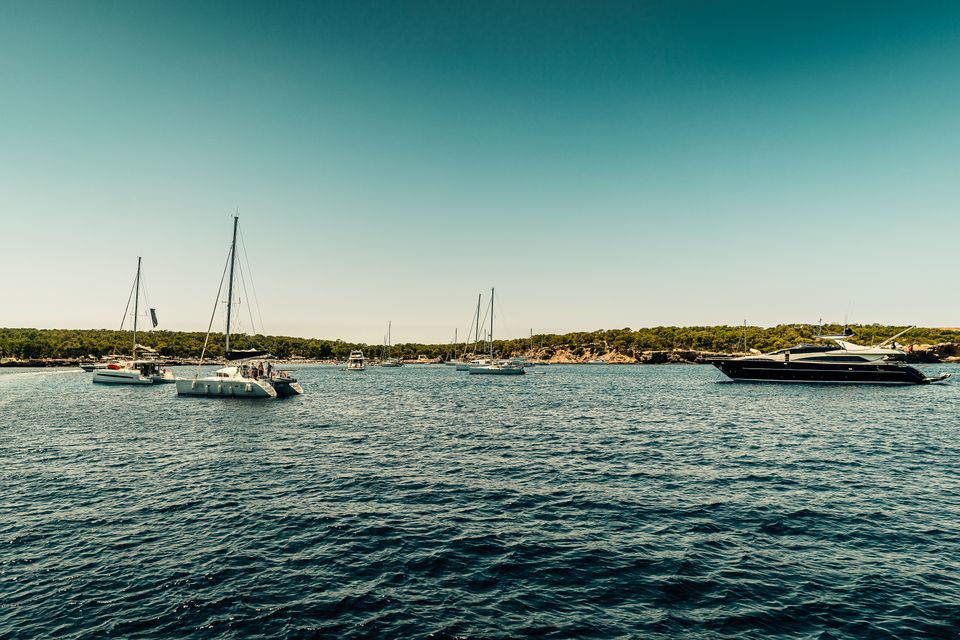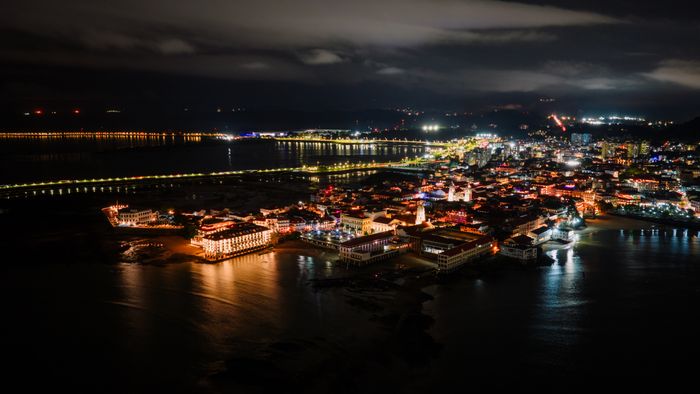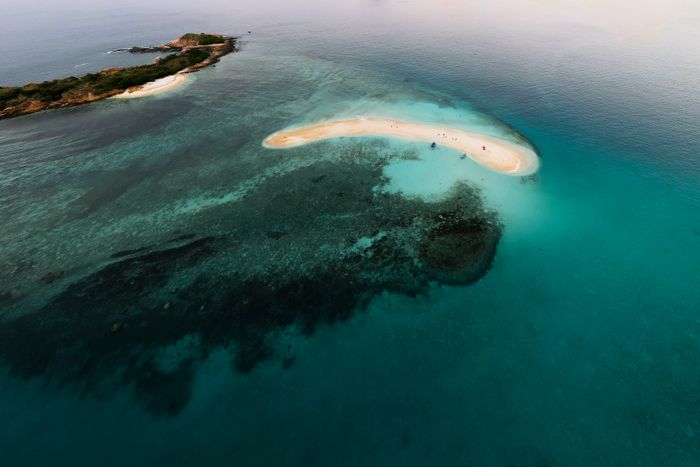
Panama sits at the hinge of two oceans, commands one of the world's great archipelagos, and is almost entirely outside the Atlantic hurricane belt. For anyone who wants to charter a boat, those three facts matter more than any brochure.
The problem is that most of the information online either quotes week-long luxury yacht prices that bear no relation to a four-person group renting a catamaran for a weekend, or it lists base rates while quietly omitting the fuel surcharge, the Guna community entry fee, and the captain's tip. This guide covers the full picture: where to go, how long each route actually takes, what you will pay, and what to check before you step aboard.
Section 01Why charter a boat in Panama
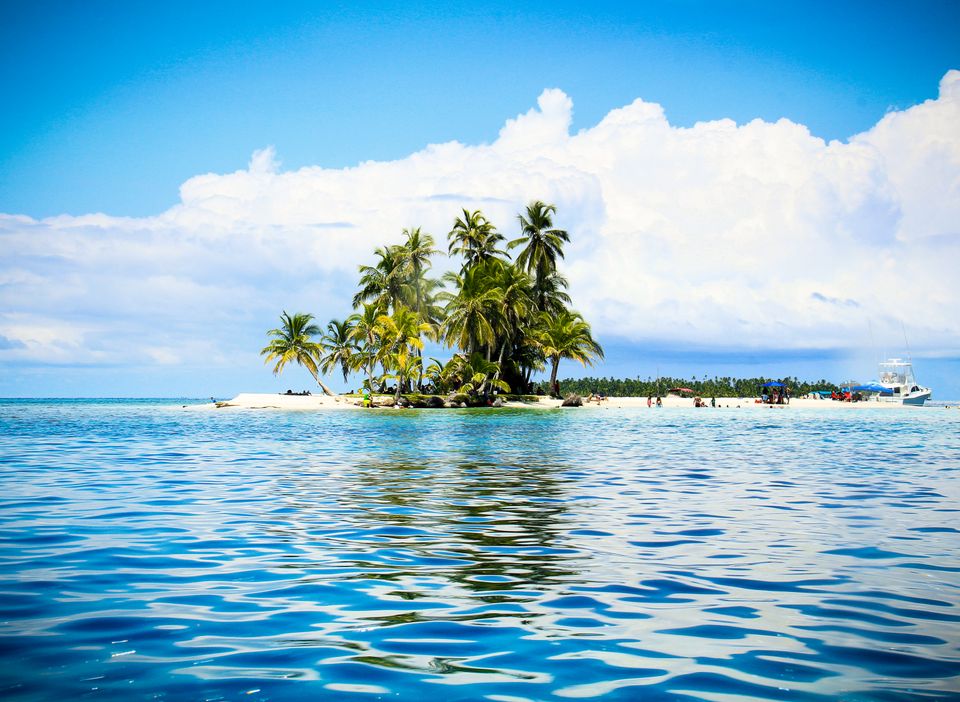
Panama has two entirely different coastlines separated by less than 80 kilometres of land, and both reward time on the water. On the Caribbean side, the Guna Yala archipelago — commonly called San Blas — stretches for roughly 375 kilometres and contains somewhere between 365 and 400 islands depending on who is counting. Most are uninhabited. The water is shallow, clear, and warm year-round, averaging 27–29°C. On the Pacific side, the Pearl Islands (Archipiélago de las Perlas) sit about 70 kilometres southeast of Panama City in the Gulf of Panama, offering excellent sport fishing, humpback whale sightings from July through October, and beaches that see a fraction of the traffic of Caribbean equivalents.
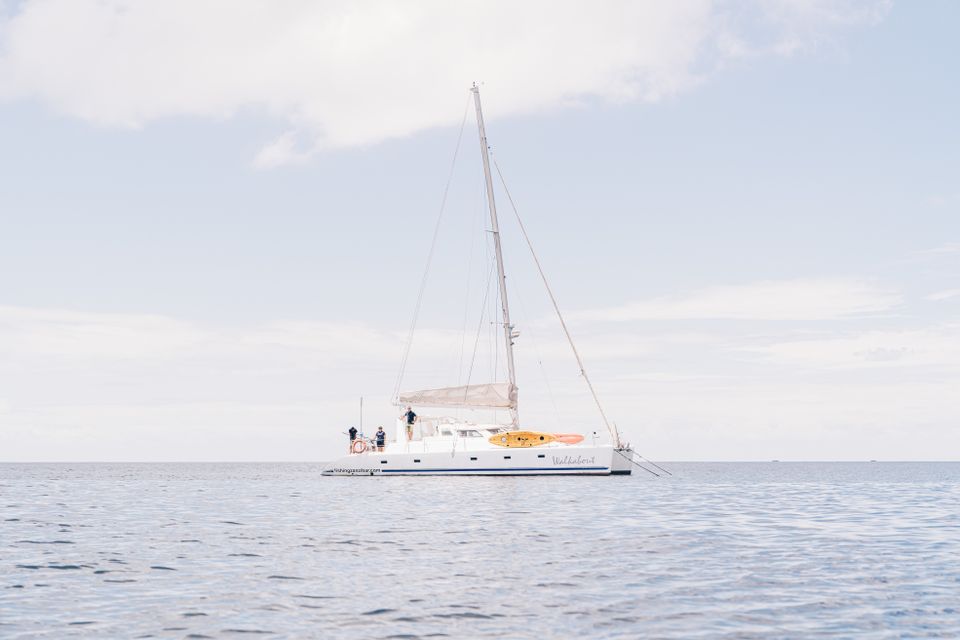
Beyond those two flagship destinations, Bocas del Toro in the northwest Caribbean offers reef diving and mangrove channels, while the waters around Pedasi and Isla Iguana on the Azuero Peninsula are a quieter Pacific alternative for surfers and divers. The Panama Canal itself is a legitimate charter experience — a full or partial transit aboard a private vessel is something most sailors never get to do anywhere else in the world.
The charter market is genuinely varied. You can hire a 20-foot panga with a local captain for a half-day around the Pearl Islands for under $300, or you can book a 55-foot Lagoon catamaran for a week in San Blas for upward of $12,000. Most travellers fall somewhere in the middle: a crewed 40–45-foot sailing catamaran for three to seven nights, shared across four to eight people, at a per-person cost that often compares favourably with a mid-range resort.
Section 02Bareboat vs crewed: the honest comparison
The core question is simple: do you want to drive, or do you want someone else to drive? The financial and practical implications, however, are not simple at all.
A bareboat charter means you rent the vessel without a captain or crew. You are responsible for navigation, safety, anchoring, and any damage. In Panama this requires a recognised sailing qualification — an RYA Day Skipper, ASA 104, or equivalent — plus demonstrable offshore experience. Most operators will ask for a sailing resume and may conduct a brief skills check before handing over the keys. Bareboat rates on a 40-foot catamaran in San Blas run roughly $900–$1,400 per day in high season. That sounds expensive until you factor in that a crewed equivalent costs $1,200–$2,000 per day for the same boat.
A crewed charter includes a licensed captain and, on larger vessels, a cook or first mate. The captain handles navigation, anchoring, and local knowledge. This is the right choice for the vast majority of visitors: Panama's San Blas waters have numerous shallow coral heads and unmarked hazards that even experienced sailors find challenging without local knowledge. The Guna Yala maritime authority also has specific rules about where foreign-flagged vessels may anchor, which a local captain navigates automatically.
A skippered charter sits between the two: you rent the boat and hire a captain separately, typically at $150–$250 per day on top of the bareboat rate. This works well for competent sailors who want local knowledge without paying for a full crewed package. The financial crossover point is roughly this: if you need a skipper anyway because the waters are unfamiliar, a full crewed charter often works out cheaper than bareboat plus skipper once you account for the skipper's accommodation and food costs, which are typically the charterer's responsibility.
| Charter type | Daily cost (40ft cat) | Best for | Verdict |
|---|---|---|---|
| Bareboat | $900–$1,400 | Qualified sailors with offshore experience | Niche |
| Skippered | $1,050–$1,650 (boat + skipper) | Competent sailors wanting local knowledge | Situational |
| Crewed | $1,200–$2,000 | Most travellers; San Blas especially | Recommended |
| Day charter (crewed) | $400–$900 (full day) | Groups of 4–12 wanting a single-day experience | Best entry point |
Section 03Day trip routes and realistic timelines
Day charters run four to eight hours on the water. The destination you can reach depends almost entirely on where you depart from, and most guides rarely spell this out. Here is what is actually reachable.
From Panama City / Flamenco Marina (Causeway): The Flamenco Marina on the Amador Causeway is the main departure point for Pacific-side day charters. Isla Taboga sits about 20 kilometres south — roughly 45 minutes by motorboat, 90 minutes under sail — and makes a comfortable half-day or full-day trip. The island has a small village, beaches, and a church dating to 1550. The Pearl Islands are 70 kilometres out, meaning a fast motorboat (25–30 knots) can reach Contadora Island in about 90 minutes, leaving four to five hours on the island before the return. Under sail, the Pearl Islands are a full-day crossing each way and are better suited to overnight itineraries. Isla Barro Colorado and the Canal Zone wildlife are accessible via the Pacific entrance to the Canal, roughly 30 minutes from the Causeway.
From Colon / Portobelo (Caribbean side): Day trips from the Atlantic entrance of the Canal reach the Portobelo ruins in under an hour, or the beaches of Isla Grande in about 90 minutes. San Blas is roughly 120–150 kilometres east of Colon by sea — too far for a comfortable day trip in most conditions. Most San Blas charters fly guests from Panama City's Albrook Airport to Corazón de Jesús or El Porvenir airstrip (45-minute flight, $60–$120 each way) and board there.
From Pedasi / Azuero Peninsula: Isla Iguana Wildlife Refuge is 15 minutes offshore by panga. Isla Cañas, a major sea turtle nesting site, is accessible within 30 minutes. These are the most affordable day charter options in the country — a local panga with captain runs $80–$150 for a half-day, and the crowds are minimal.
Section 04Overnight and multi-day charters
Two nights is the practical minimum for San Blas and Bocas del Toro. Three to seven nights is the sweet spot for most itineraries. Here is what the operational reality looks like once you are actually out there.
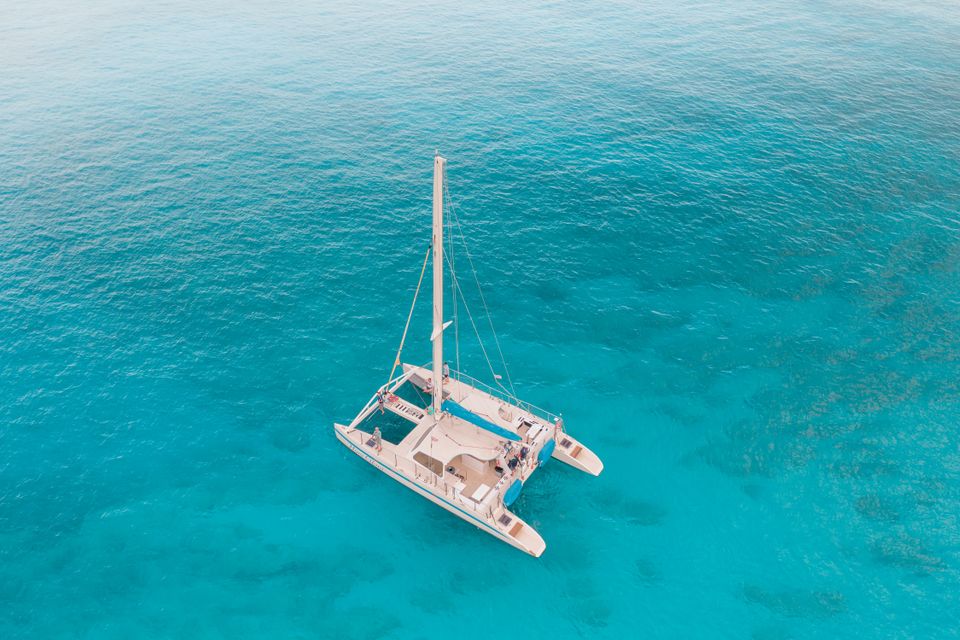
Anchoring: San Blas has dozens of protected anchorages among the cays. The most popular — Isla Perro (Dog Island), Isla Pelícano, Coco Bandero Cays — fill up during high season (December through April). Arrive before 14:00 to secure a good spot. Mooring buoys exist at a handful of locations and cost $10–$25 per night. Anchoring is generally free but subject to Guna community rules: in some areas you must anchor in designated zones and pay a small fee ($5–$15) directly to the local community representative who will paddle out to your boat.
Fresh water and provisioning: Provision fully in Panama City before departure. San Blas has almost no reliable resupply — the Guna communities sell coconuts, lobster, and occasionally fish directly from canoes, which is a highlight of the experience, but you cannot count on them for staples. Most crewed charters include provisioning in the quoted price; confirm this explicitly. Bocas del Toro town (Isla Colón) has supermarkets and is a practical reprovisioning stop for longer Caribbean itineraries.
Overnight security: Petty theft from unattended dinghies is the most common security issue in San Blas — lock your outboard motor and bring the dinghy aboard at night. Violent incidents are extremely rare. Bocas del Toro has had isolated reports of opportunistic theft from boats anchored in more remote channels; the town anchorage is considered safe. The Pearl Islands are generally very quiet overnight.
Fuel stops: Diesel is available at Linton Bay Marina, Shelter Bay Marina (Colon), and in Bocas del Toro town. There is no fuel in San Blas — your captain will calculate range and carry jerry cans if needed. On a typical 40-foot catamaran sailing San Blas, fuel consumption under sail is minimal, but motoring through calm patches can burn 8–12 litres per hour.
Typical 5-night San Blas itinerary: Day 1 — fly to El Porvenir, board, sail to Isla Perro (2 hours). Day 2 — Coco Bandero Cays, snorkelling, Guna community visit. Day 3 — Cayos Holandeses (the most remote, most spectacular group). Day 4 — Isla Aguja, swimming, lobster dinner. Day 5 — return to El Porvenir, fly back. This covers roughly 120 nautical miles at a comfortable pace.
Section 05What a boat charter in Panama actually costs
The ranges below are realistic 2025–2026 market rates. They are not quotes from specific operators and will vary with vessel age, season, and group size. All figures are in USD.
| Charter type | Vessel | Daily rate | Weekly rate |
|---|---|---|---|
| Half-day panga (Pacific) | 18–22ft motorboat, captain | $150–$300 | N/A |
| Full-day motorboat (Pacific) | 25–32ft, captain, 6–10 pax | $400–$750 | N/A |
| Full-day catamaran (Pacific) | 38–45ft, captain, 8–12 pax | $700–$1,100 | N/A |
| Crewed sailboat (San Blas) | 38–44ft monohull, 2 crew | $700–$1,100 | $4,500–$7,000 |
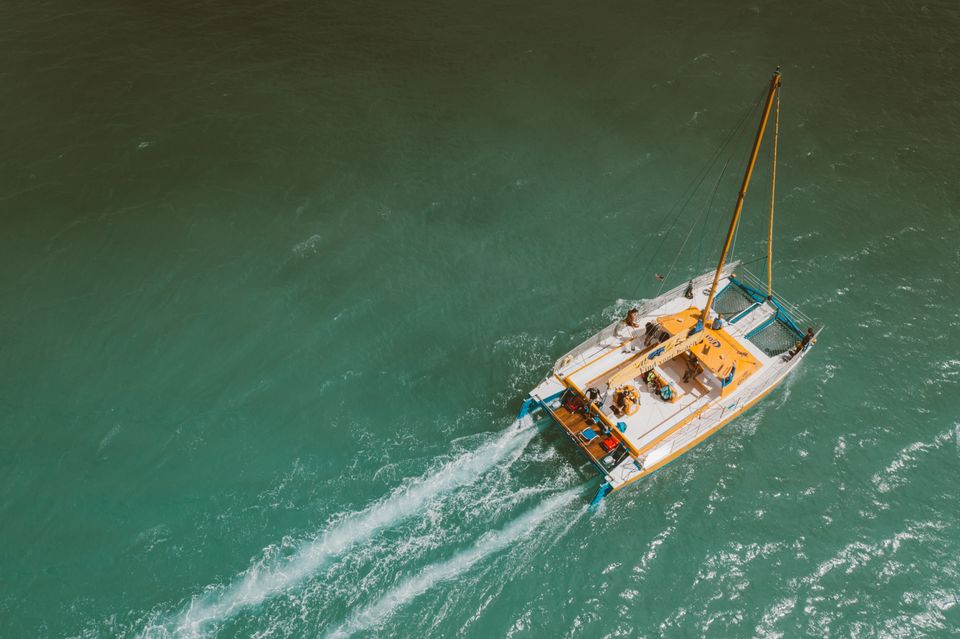
| Crewed catamaran (San Blas) | 40–50ft cat, 2 crew, 6–8 pax | $1,000–$1,800 | $6,500–$12,000 |
| Luxury crewed catamaran | 50–60ft, full crew, 8–10 pax | $2,000–$4,500 | $13,000–$28,000 |
| Bareboat (San Blas/Bocas) | 38–45ft cat | $900–$1,400 | $5,500–$9,000 |
Per-person costs change the picture significantly. A 40-foot crewed catamaran at $1,200 per day divided among eight passengers works out to $150 per person per day — comparable to a mid-range hotel, and that typically includes accommodation, meals, and activities. The per-person economics improve sharply as group size increases toward the vessel's comfortable capacity.
By-the-cabin charters are an alternative for solo travellers or couples who do not have a group. You book one or two cabins on a vessel that fills the remaining berths with other guests. Prices run $200–$350 per person per night in San Blas, usually all-inclusive. The trade-off is less itinerary flexibility.
Section 06Hidden costs and what is not included
This is the section most booking platforms omit entirely. Budget for these on top of the quoted charter rate.
Fuel surcharge: Many operators quote a base rate and add fuel separately, calculated at the end of the charter based on actual consumption. On a motorboat-heavy Pacific day charter, fuel can add $80–$200. On a sailing catamaran in San Blas, it may be minimal. Ask whether fuel is included before booking.
Guna Yala entry and community fees: The Guna Yala autonomous territory charges a vessel entry fee of approximately $20–$30 per boat, plus a per-person visitor fee of around $20 per person for the duration of the stay. Individual communities charge additional fees for anchoring near their cays ($5–$15 per night) and for visiting community-run sites. These fees are paid in cash, directly to Guna representatives. Budget $50–$80 per person for a 5-night San Blas trip in community fees alone.
Airport transfers and flights: If flying to San Blas, budget $60–$120 per person each way from Albrook Airport. Taxis from Panama City to Flamenco Marina run $15–$25. These are never included in charter quotes.
Park and marine reserve fees: Isla Iguana Wildlife Refuge charges $10 per person. Coiba National Park (if your charter goes there) charges $20 per person plus a $10 vessel fee. Pearl Islands marine protected areas may have nominal fees.
Captain and crew gratuity: The industry standard is 10–15% of the charter fee, paid in cash at the end of the trip. On a $7,000 week, that is $700–$1,050. It is not mandatory but is strongly expected and is a significant part of crew income.
Damage deposit: Bareboat charters require a refundable damage deposit of $1,500–$5,000, held on a credit card. Crewed charters sometimes require a smaller deposit ($500–$1,500). Confirm the deductible on the vessel's insurance — if the boat is damaged and the deductible is $3,000, you are liable for up to that amount regardless of fault in some contracts.
Provisioning: On crewed charters, food and drink may or may not be included. "All-inclusive" means food, water, and soft drinks. Alcohol is frequently extra, or you are invited to bring your own. Provisioning costs for a week in San Blas, if not included, run $60–$90 per person per day for good-quality meals prepared on board.
Section 07Seasonality and sea conditions
Panama's sailing season has a clear peak and a genuine off-season, with price implications in both directions.
December through April (dry season / high season): Trade winds blow steadily from the northeast at 15–25 knots on the Caribbean side, making for excellent sailing conditions in San Blas. Visibility underwater peaks at 20–30 metres. Demand is highest, prices are 15–25% above annual average, and popular anchorages fill up. Book three to six months ahead for December, January, and the Easter week (Semana Santa) period, when Panamanian domestic demand surges.
May through July (early wet season): Winds ease, rain arrives in afternoon squalls that typically clear within an hour. Sailing is still very comfortable. Prices drop 10–20% from peak. This is arguably the best value window — conditions are still good, the crowds thin out, and the landscape is dramatically green.
August through October (deep wet season): The Caribbean side sees the most rainfall and the most variable conditions. Pacific side is actually drier than the Caribbean in this period — the Pearl Islands and Pedasi remain accessible and pleasant. San Blas is still sailable but requires more flexibility in itinerary. Prices are at their lowest, sometimes 25–30% below peak. Some operators reduce their fleets or pause operations in September and October.
November: A transitional month. The dry season begins to establish itself on the Pacific side first. Caribbean conditions start improving by late November. Prices begin climbing toward peak rates.
| Month | Caribbean (San Blas) | Pacific (Pearl Islands) | Price vs peak |
|---|---|---|---|
| Jan–Mar | Excellent | Good–Excellent | Peak +15–25% |
| Apr | Very good | Good | Near peak |
| May–Jul | Good | Good | −10–20% |
| Aug–Oct | Variable | Good | −20–30% |
| Nov–Dec | Improving | Very good | Rising |
Section 08Licensing, permits and paperwork
This is the area where most online guides go completely silent. Here is what you actually need to know.
For bareboat charters: Panama requires a recognised sailing qualification. An RYA Day Skipper (offshore), ASA 104 (Bareboat Cruising), or equivalent national certification is generally accepted. You will also need to show a sailing log demonstrating offshore miles. The boat operator, not the Panamanian government, enforces this — but operators take it seriously because they are liable for their vessel. If you do not have a qualification, you cannot legally charter bareboat in Panama.
For crewed charters: Guests need nothing beyond a valid passport. The captain holds the required Panamanian maritime licence (Licencia de Capitán de Yate or equivalent). The vessel will have its zarpe — the official port clearance document — which the captain manages. You do not need to do anything.
Guna Yala entry: The Guna Yala Comarca is an autonomous indigenous territory. All vessels entering must obtain a zarpe specifically listing San Blas as a destination and must pay the entry fees described in Section 06. The captain handles the zarpe; guests pay the community fees on arrival. Photography of Guna people requires their consent and often a small fee ($1–$2 per photo is customary). Drone use is restricted and in many areas prohibited — ask your captain before flying anything.
Coiba National Park: A UNESCO World Heritage Site on the Pacific coast. Vessels require a permit from ANAM (the national environmental authority), obtained in advance. Most charter operators who run Coiba itineraries handle this; confirm before booking if Coiba is on your route.
Panama Canal transit: Private vessel transit of the Canal requires advance booking with the Panama Canal Authority (ACP), a $1,000–$1,500 measurement fee for vessels under 50 feet, and line-handlers (typically four required, often hired locally at $100–$150 each for the day). This is a specialist itinerary — work with an operator who has done it before.
Section 09Vetting your vessel before you board
Charter boat quality in Panama ranges from excellent to genuinely dangerous. Most problems are avoidable with a pre-departure inspection. Here is what to check.
Safety equipment: Confirm the vessel carries the legally required life jackets (one per person), flares, a working VHF radio, an EPIRB (emergency position-indicating radio beacon), and a fire extinguisher. Ask to see them. A captain who is reluctant to show you safety equipment is a red flag.
Engine condition: On motorboats, ask when the engine was last serviced. Listen for unusual sounds at idle. Check that there are no active oil or fuel leaks. On sailing catamarans, check that both engines start cleanly — you may need them in calm conditions or for entering tight anchorages.
Bilge pumps and hull integrity: Ask the captain to show you the bilge. A small amount of water is normal; standing water or a bilge pump that runs continuously is not. On older fibreglass vessels, look for soft spots in the deck (press with your foot near stanchion bases and deck fittings).
Navigation equipment: Confirm the vessel has a functioning chartplotter with current charts loaded, a depth sounder, and AIS. In San Blas, where coral heads are everywhere and charts are not always accurate, a captain who relies solely on paper charts and memory is a liability.
The damage inventory: Before departure, walk the boat with the captain and photograph every existing scratch, dent, and stain. Do this even on crewed charters. Disputes over pre-existing damage are the most common source of conflict at the end of a charter. A reputable operator will have a formal pre-charter condition report — if they do not, create your own and ask the captain to sign it.
Section 10Booking platforms compared
You have four main options for booking a charter in Panama: international aggregator platforms, direct booking with local operators, specialist Panama charter brokers, and on-the-ground walk-up bookings. Each has real trade-offs.
GetMyBoat and Click&Boat are the largest international platforms with Panama listings. GetMyBoat lists 90+ vessels; Click&Boat lists 30–40. Both charge the charterer a booking fee of roughly 10–15% on top of the operator's listed price, though this is sometimes embedded in the displayed rate. The advantage is standardised cancellation policies and a dispute resolution process. The disadvantage is that many of the best local operators in San Blas do not list on these platforms — they fill their calendars through word of mouth and direct bookings.
12knots.com and Nautal are more yacht-focused and tend to list higher-end vessels. 12knots has a curated San Blas selection and publishes monthly pricing data, which is useful for benchmarking. Their commission structure is similar (10–12%). Nautal is stronger for bareboat listings in the Portobelo/Linton Bay area.
Direct booking with local operators typically saves the platform commission and gives you more flexibility on itinerary and provisioning. The risk is that cancellation policies are less standardised and dispute resolution is harder if something goes wrong. Pay by credit card where possible — it gives you chargeback rights that a bank transfer does not.
Specialist brokers (companies that exist specifically to match clients with Panama charter boats) add value for week-long or multi-week itineraries where the cost justifies their fee. They know which boats are well-maintained, which captains are excellent, and which listings on the aggregators are outdated. For a $10,000+ charter, a broker's knowledge is worth the 10–15% they add to the price.
Walk-up bookings at Flamenco Marina or in Bocas del Toro town can yield genuine bargains — captains with last-minute availability will negotiate. The risk is you cannot vet the vessel in advance and you have no cancellation protection. For a half-day panga trip to Isla Taboga or Isla Iguana, walk-up is fine. For a week in San Blas, book ahead.
| Platform | Best for | Commission | Cancellation protection |
|---|---|---|---|
| GetMyBoat | Day charters, motorboats | 10–15% | Strong |
| Click&Boat | Mixed fleet, day to week | 10–15% | Strong |
| 12knots | Sailing yachts, San Blas | 10–12% | Strong |
| Nautal | Bareboat, Portobelo | 10–12% | Strong |
| Direct operator | Best rates, flexibility | 0% | Variable |
| Specialist broker | Week+ itineraries | 10–15% | Strong |
| Walk-up | Half-day, low commitment | 0% | None |
Panama's charter market rewards people who do their homework. The headline rates are competitive by Caribbean standards, the destinations are genuinely world-class, and the absence of hurricane season pressure means you have a longer usable window than almost anywhere else in the region. The gap between a great charter and a mediocre one comes down to asking the right questions before you hand over a deposit — and now you know which questions to ask.